La Boca

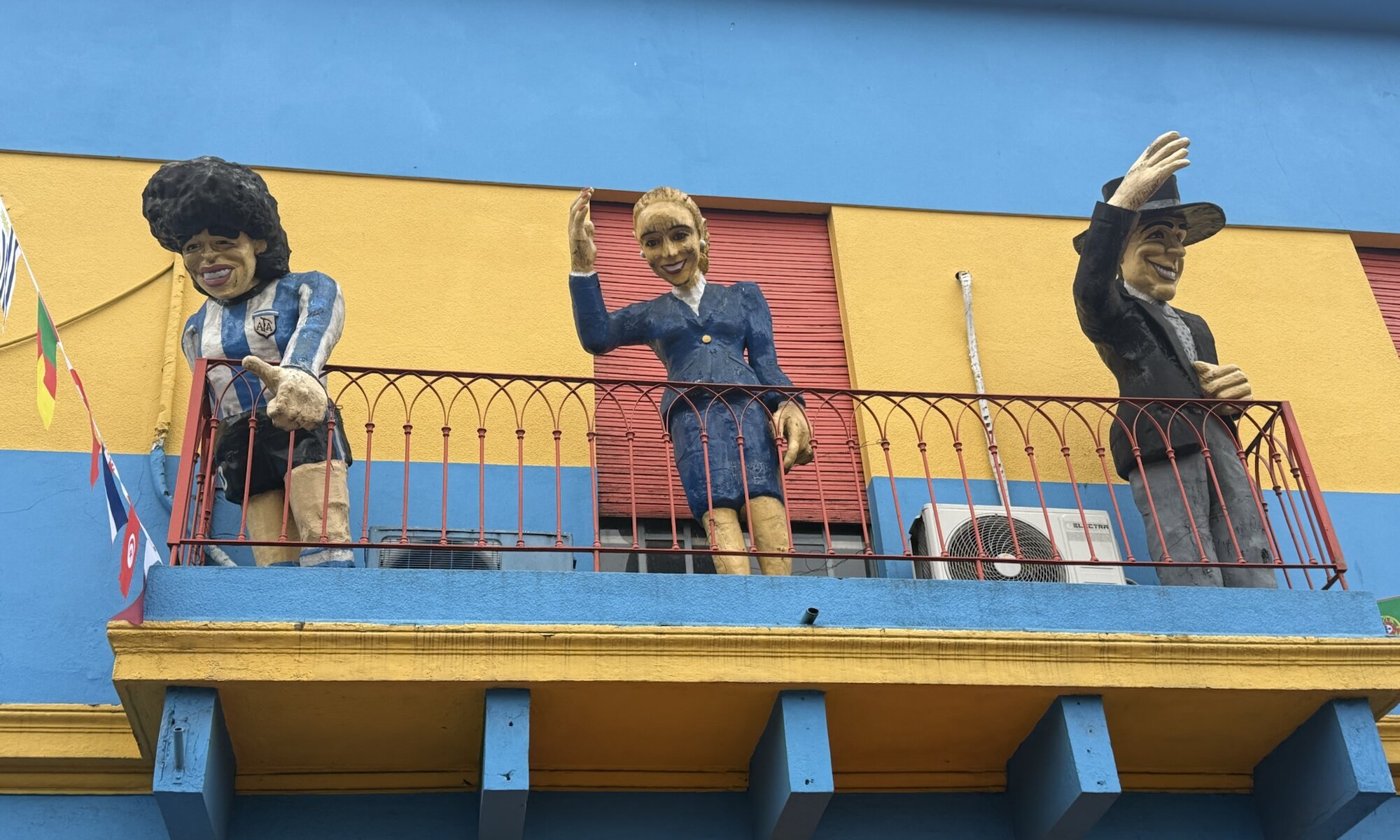
One of Buenos Aires’ most distinctive neighbourhoods, situated beside the Riachuelo in the city’s historic port area. La Boca developed during the late nineteenth and early twentieth centuries as Genoese and other European immigrants arrived to work in the docks, shipyards and warehouses. Their modest conventillos, often built from corrugated metal and timber, gave the district its characteristic working-class atmosphere and colourful appearance.

Continue reading “La Boca”

Subterráneo

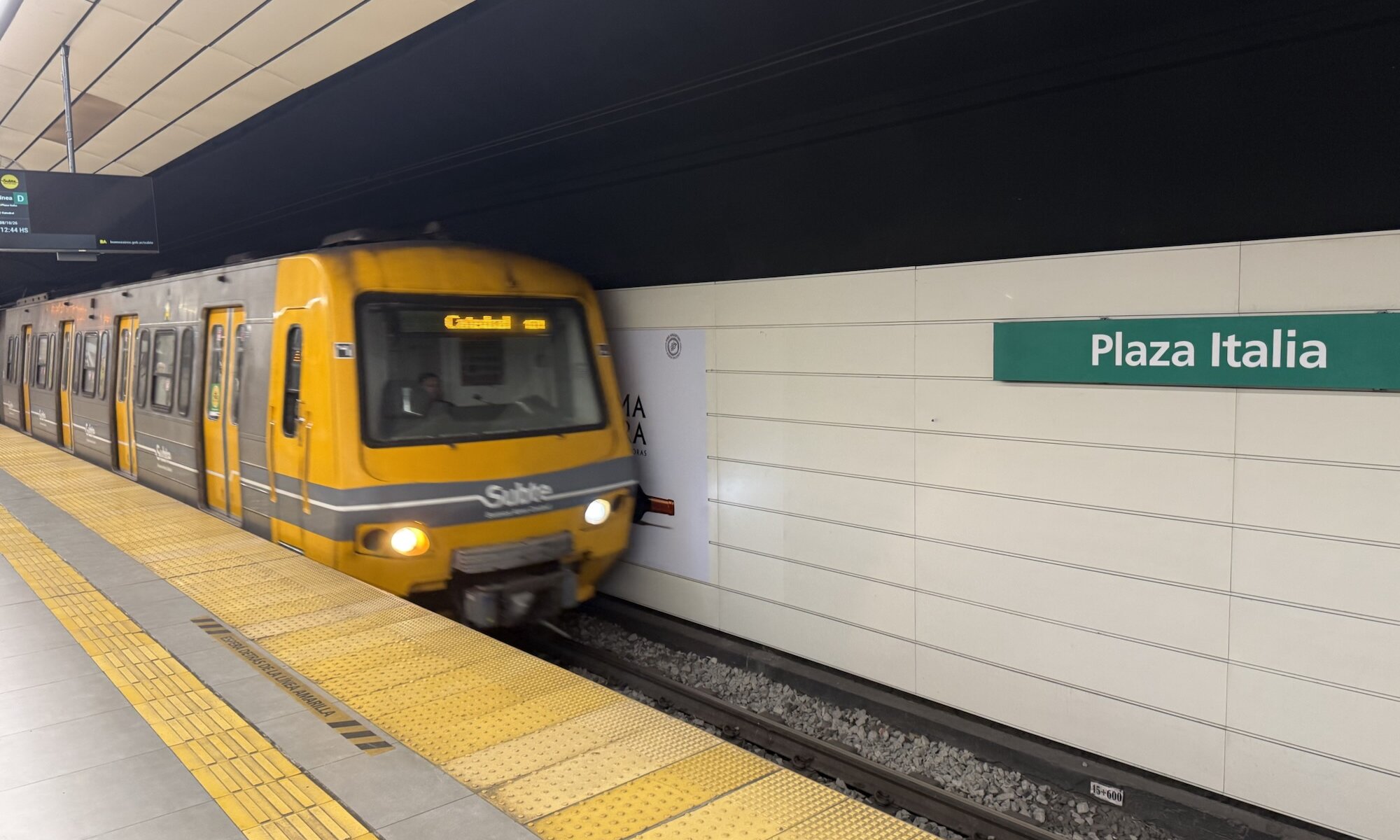
The Subterráneo de Buenos Aires, universally known as the Subte, is the city’s underground railway and one of the most practical ways of moving around the central districts. It links major railway terminals, commercial streets, government areas and neighbourhoods such as Palermo, Recoleta, Belgrano, Caballito, San Telmo and Constitución. For visitors, it is often quicker than travelling by taxi or bus when traffic is heavy, although the trains can be particularly busy during the morning and evening rush hours.

Continue reading “Subterráneo”

Cradle of the flag

Rosario is one of Argentina’s most engaging cities: a lively river port on the western bank of the Paraná, roughly 290 kilometres north-west of Buenos Aires. Its early history began as a modest colonial settlement, but it gained national importance during the struggle for independence. In 1812, General Manuel Belgrano first raised the Argentine flag here, giving Rosario its enduring nickname, the ‘Cradle of the Flag‘.

Continue reading “Cradle of the flag”

L2 Arena

The L2 Arena, formerly known as the Bioceres Arena, is a covered multi-purpose events venue in Rosario, Argentina. Located near the Mercado del Patio and the Mariano Moreno bus terminal, it has become an important stage for concerts, cultural events, conferences and other large-scale productions.

Continue reading “L2 Arena”

Paraná

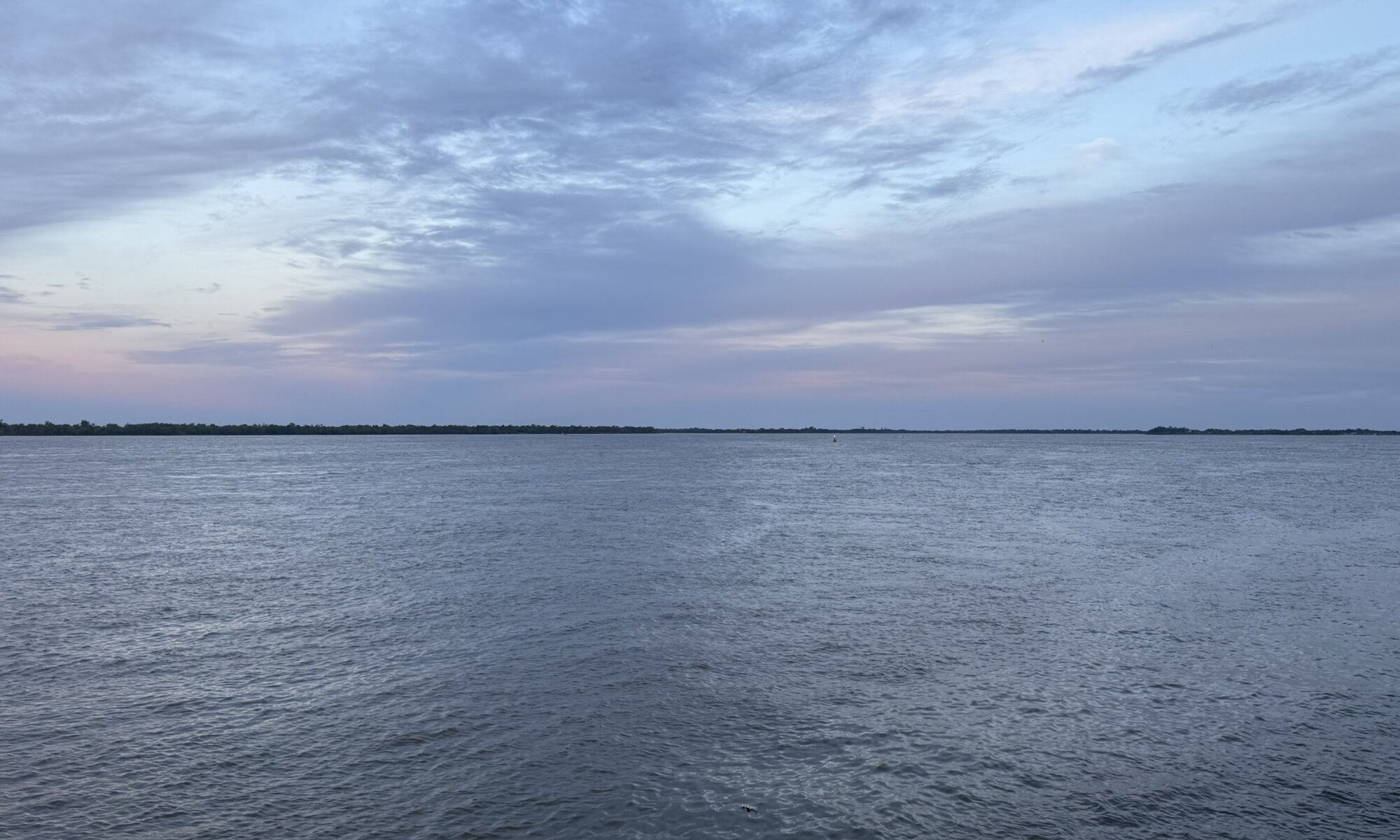
The Río Paraná is one of South America’s great rivers and the continent’s second-longest after the Amazon. It is formed in southern Brazil where the Rio Grande and the Paranaíba meet, then flows through Brazil, along parts of the Paraguay–Brazil and Paraguay–Argentina borders, and southwards through Argentina for roughly 4,880 kilometres before joining the Uruguay river in the Río de la Plata estuary and reaching the Atlantic Ocean.

Continue reading “Paraná”

MACRO

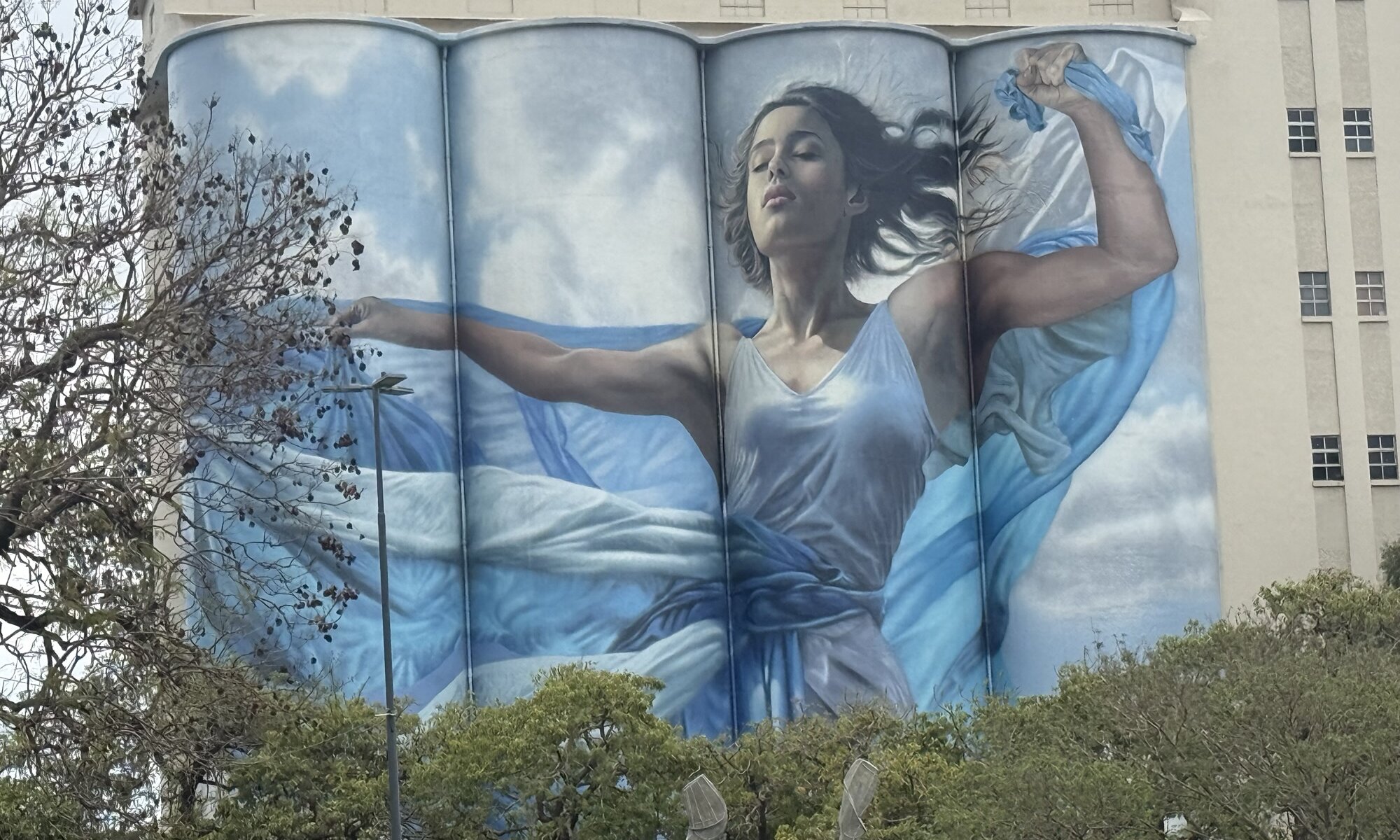
The Museo de Arte Contemporáneo de Rosario, usually known as MACRO, is Rosario’s principal museum of contemporary art. It occupies a striking group of former grain silos beside the Paraná river, whose brightly painted exterior has become one of the city’s most recognisable sights. The building combines industrial heritage with modern exhibition spaces spread across several levels.

Continue reading “MACRO”

Che

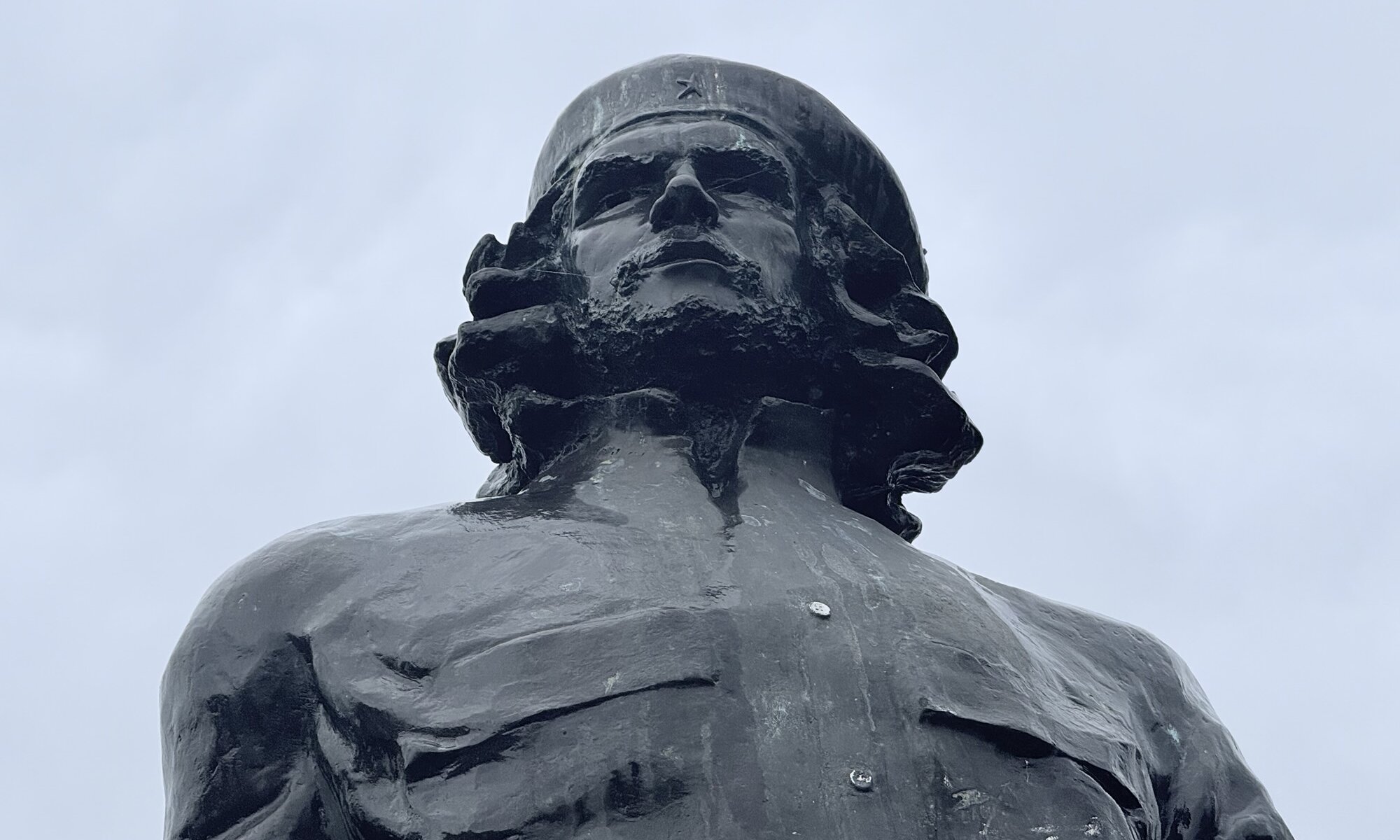
In Rosario, Argentina, Ernesto ‘Che’ Guevara was born on June 14th, 1928 in a flat at 480 Entre Ríos Street, in the city centre. The birthplace is part of a handsome early twentieth-century neo-classical building, with a restrained façade, tall windows and balconies typical of Rosario’s historic urban architecture. It is a private residential property rather than a conventional museum, so visitors should not expect a fully preserved interior or a large exhibition.

Continue reading “Che”

Bandera

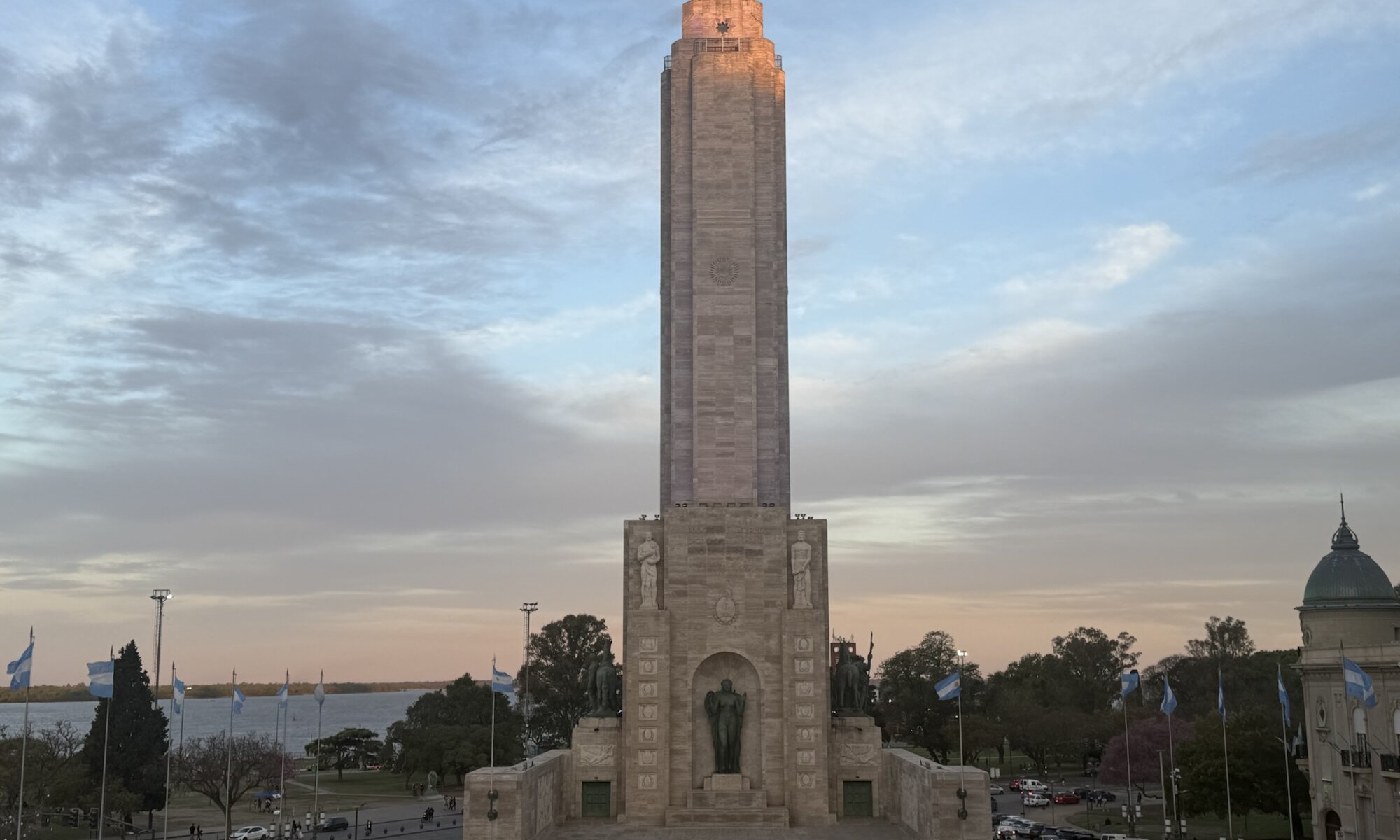
The Monumento Nacional a la Bandera, or National Flag Memorial, is Rosario’s most important landmark. Standing beside the Paraná river, it commemorates the first hoisting of Argentina’s flag by General Manuel Belgrano on February 27th, 1812. The monumental complex is designed to evoke a ship moving through the waters of eternity, an appropriate image for a site overlooking the river and its broad islands.

Continue reading “Bandera”

Castagnino

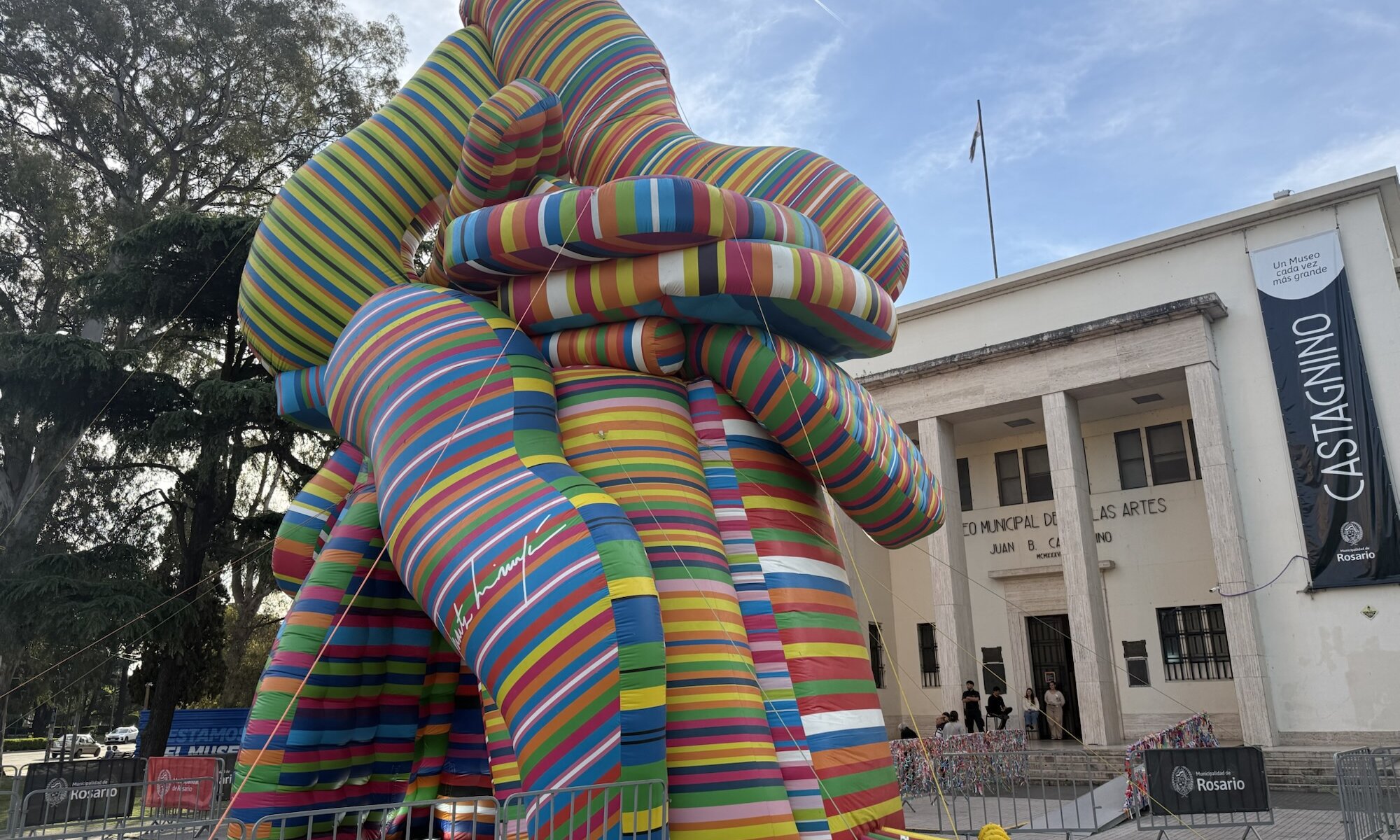
The Museo Municipal de Bellas Artes Juan B. Castagnino is Rosario’s principal museum of fine art, situated beside Parque Independencia at the junction of Avenida Pellegrini and Bulevar Oroño. Opened in its present building in 1937, it grew from cooperation between private collectors and the municipal authorities and now forms part of the Castagnino+macro museum network. Its historic collection focuses on European and Argentine art, while the related MACRO presents more contemporary work.

Continue reading “Castagnino”