Our journey did not begin in Italy, at least not in spirit. It was meant to take us far beyond Europe, across continents, towards Sri Lanka via India – a trip we had carefully planned and eagerly anticipated. Yet, as so often happens in travel, events beyond our control intervened. Air India abruptly cancelled our return flight to Europe, citing kerosene shortages and price surges linked to escalating geopolitical tensions following Donald Trump’s confrontation with Iran. The airline’s decision was shrewd: by cancelling only the return leg into the EU, they avoided compensation obligations, while effectively forcing us to abandon the entire itinerary.
Continue reading “India or Italy?”Leiteralm
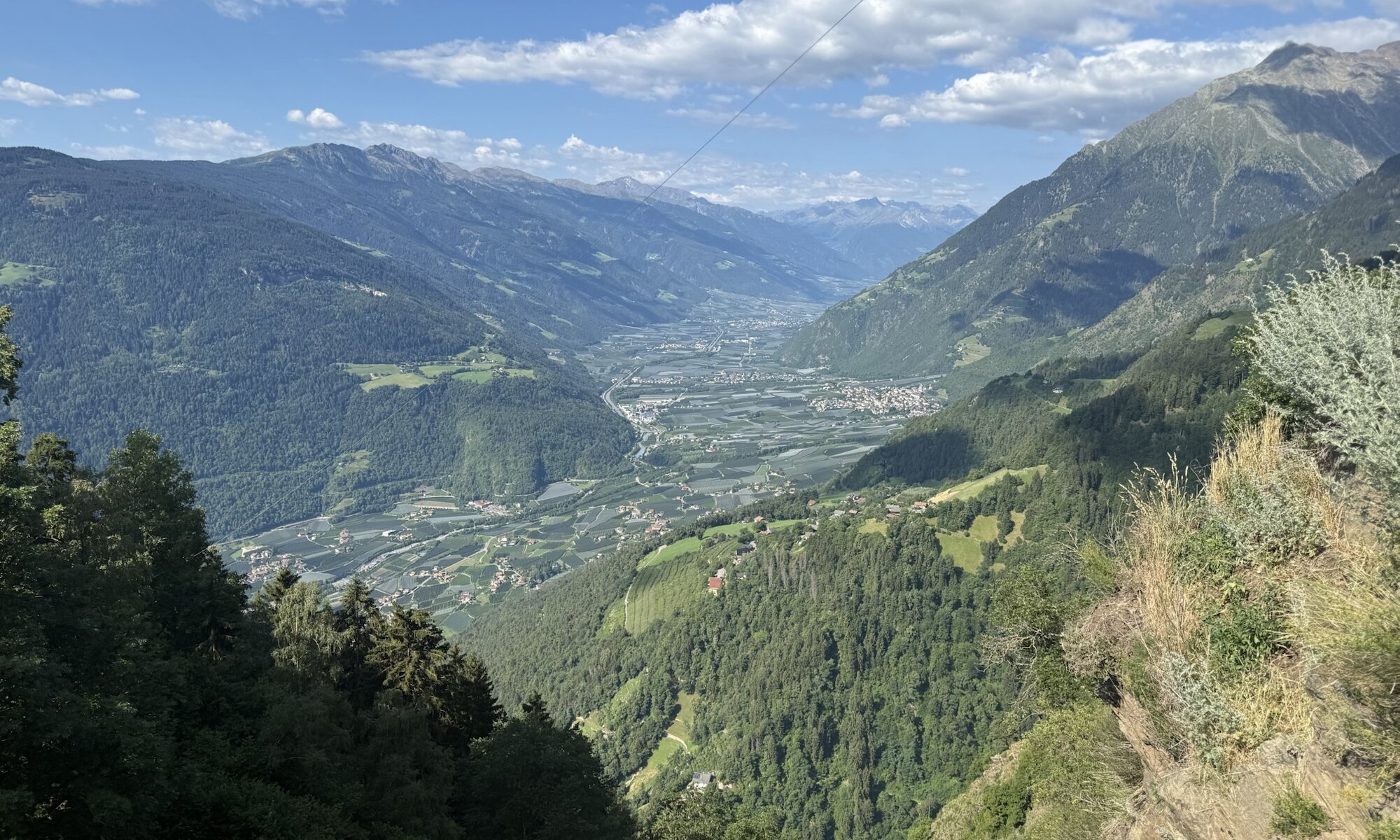
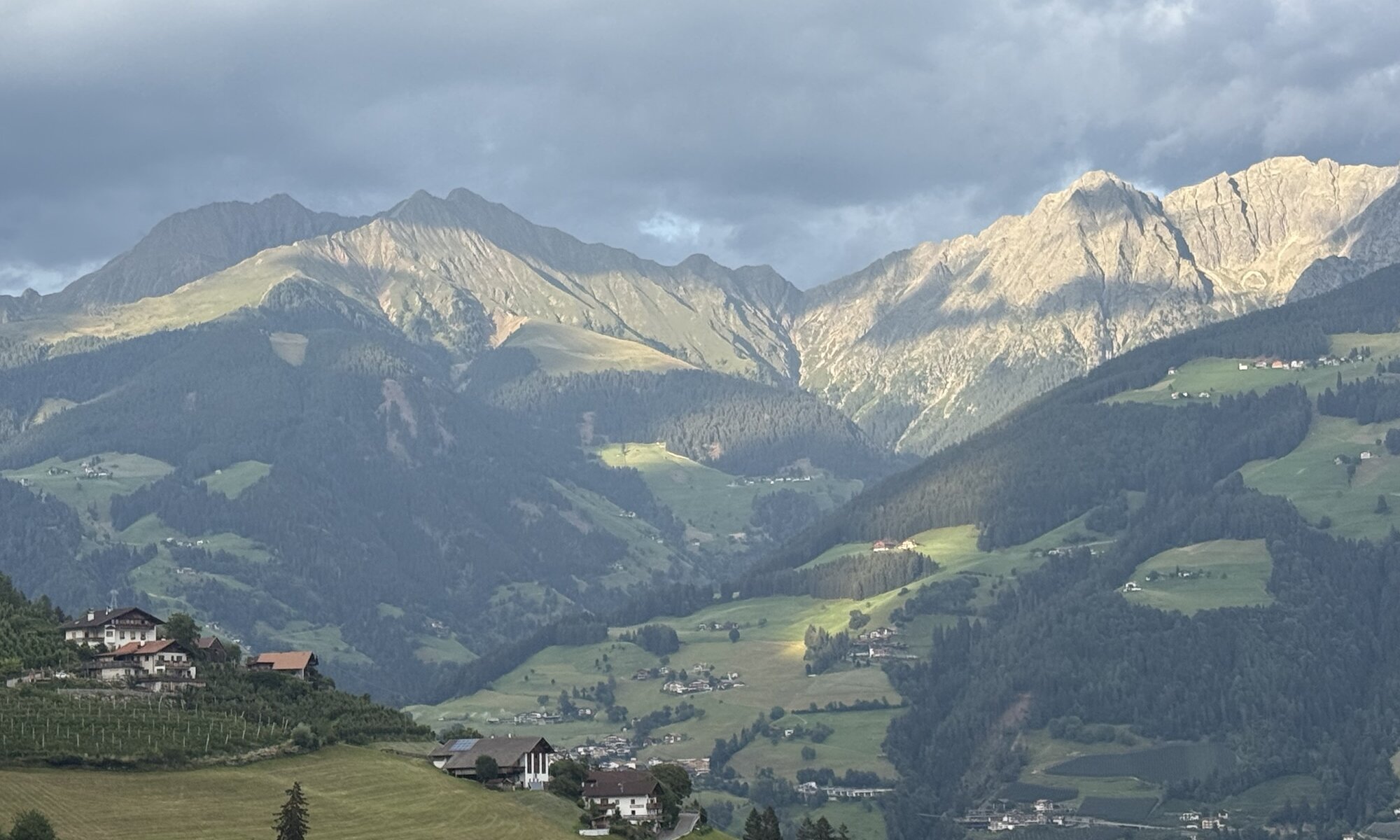
Setting out from the small cluster of Muthöfe, the Meraner Höhenweg begins with a pleasant mix of pastoral charm and sweeping views. The Muthöfe themselves are a handful of traditional mountain farms and huts perched on a gentle terrace, their weathered wood and stone façades framed by alpine meadows. From here the trail unfurls with generous switchbacks and clearly marked paths, rising steadily through larch and pine where the scent of resin fills the air. Early on you pass scatterings of hayracks and small orchards, reminders of the valley’s enduring agricultural rhythm before the route opens onto high alpine ledges.
Continue reading “Leiteralm”Ötzi
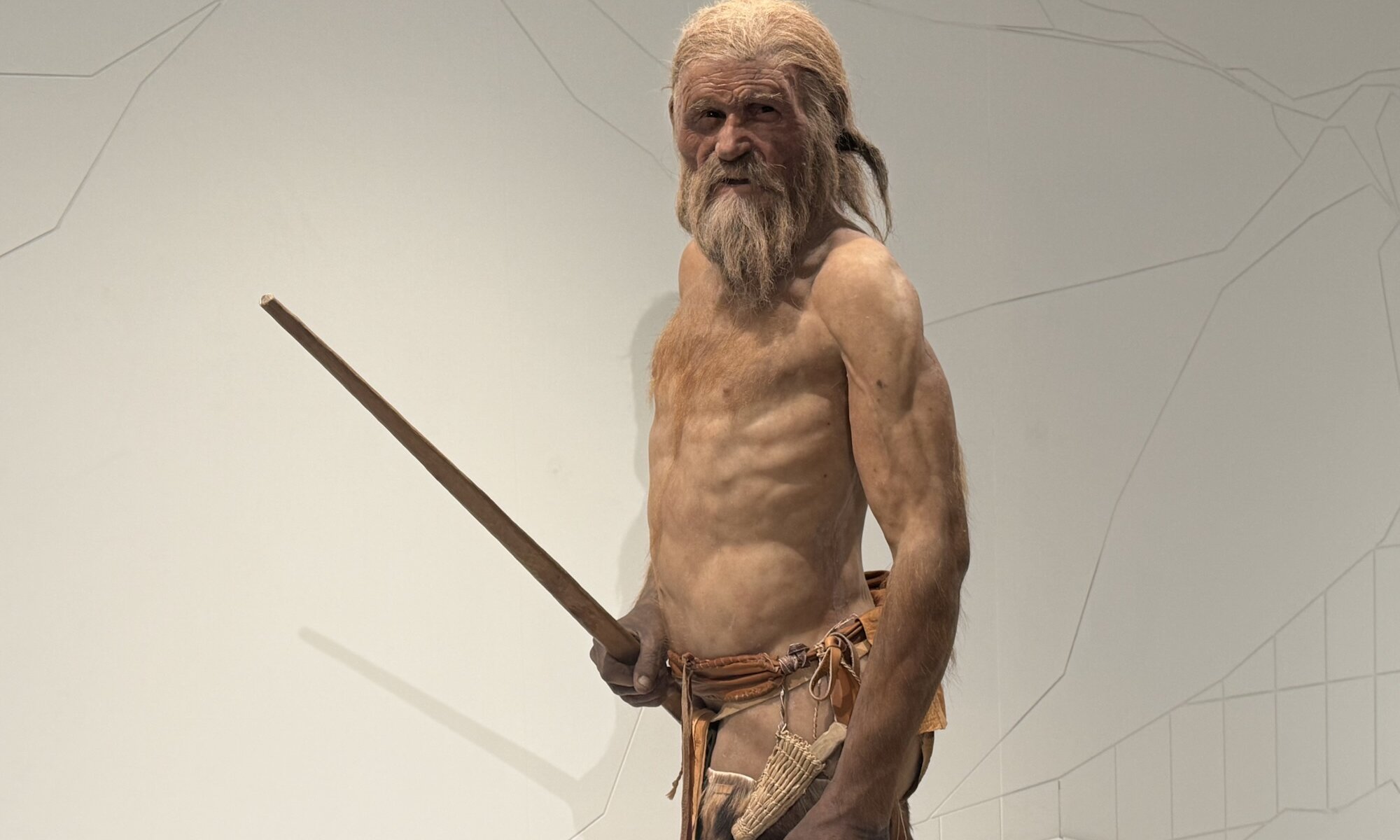
The Südtiroler Archäologiemuseum in Bolzano is the natural home of Ötzi, the world-famous ice mummy, and the visit feels very much like stepping into a carefully preserved chapter of Alpine prehistory. The museum is set in the historic centre of the city and dedicates several floors to the man from the ice, his world, and the extraordinary story behind his survival.
Continue reading “Ötzi”Sessellift
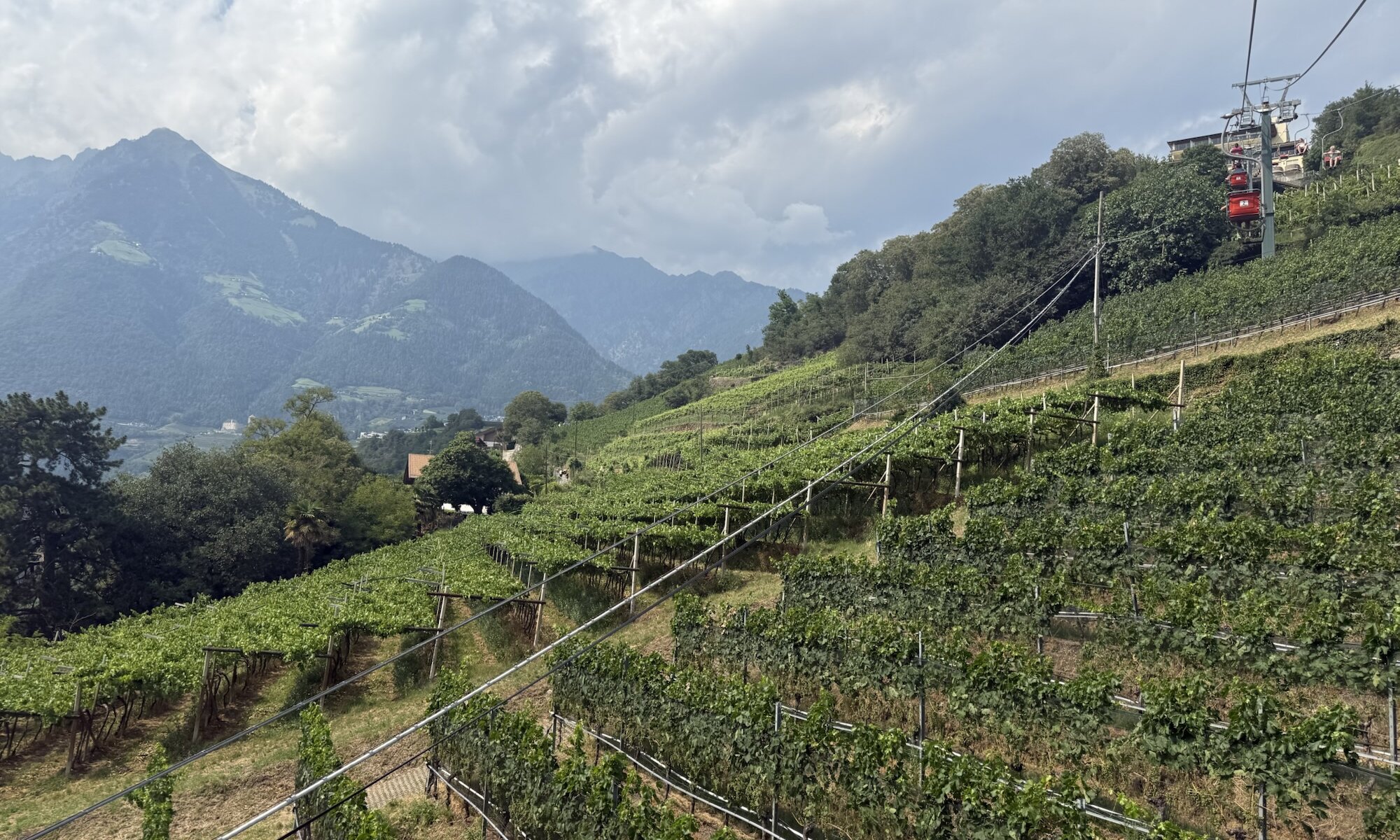
The Sessellift between Meran and Dorf Tirol is a charming open-air chairlift that links the town with the sunny slopes above, offering one of the most direct and picturesque ways to gain altitude in the region. Suspended above vineyards and orchards, the ride affords uninterrupted views of Meran’s tiled roofs, the river below, and the surrounding alpine ridgelines. It’s brief but memorable: the slow, steady ascent lets you soak in the landscape in a way a road or bus cannot, and the gentle clatter of the lift adds a nostalgic alpine rhythm to the journey.
Continue reading “Sessellift”Trauttmansdorff
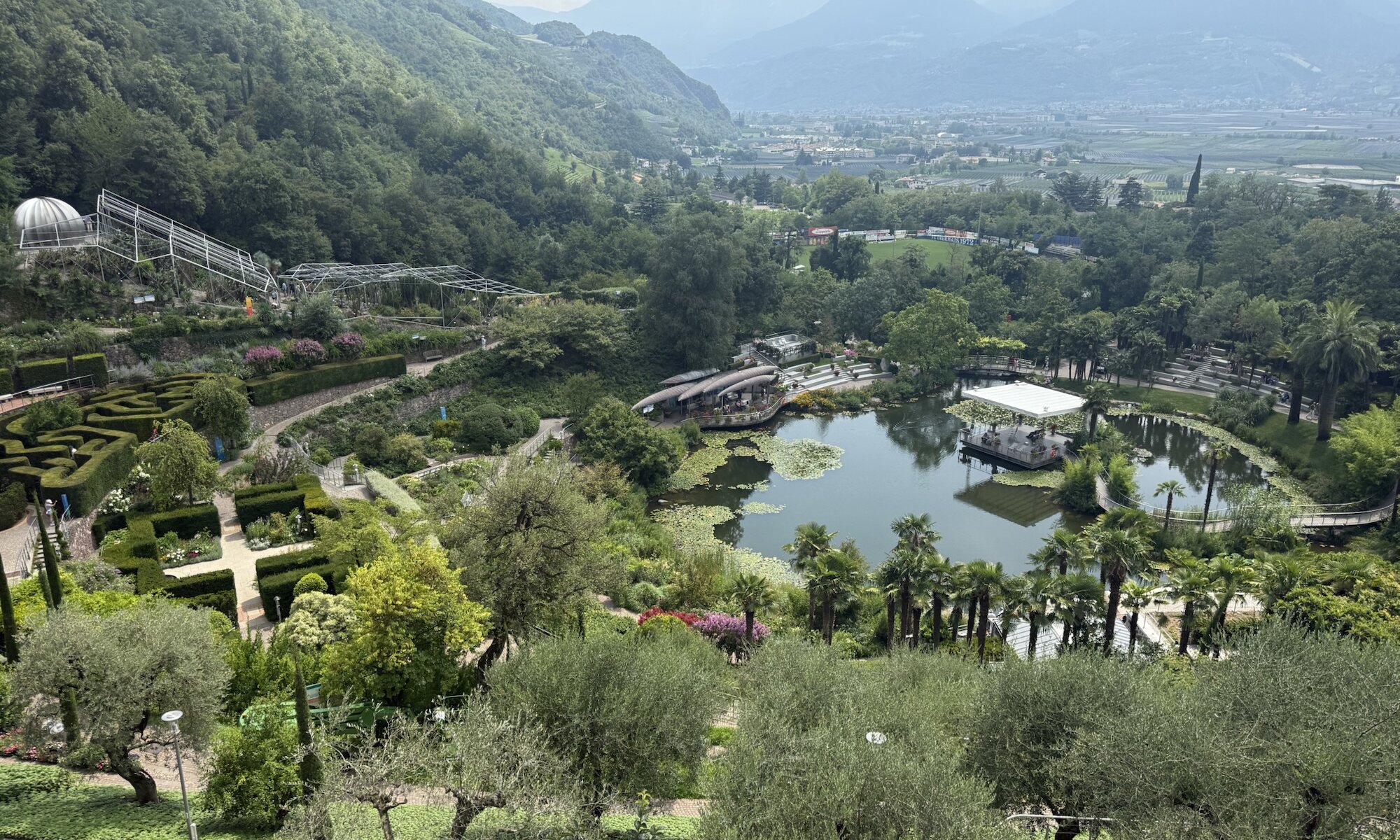
The Gärten von Schloss Trauttmansdorff in Meran is a large botanical garden set around Trauttmansdorff castle, combining landscaped grounds with a historic castle and museum. It is known for its varied plant collections, sweeping views over Meran and the surrounding mountains, and for offering far more than a simple walk through flowers.
Continue reading “Trauttmansdorff”Forst
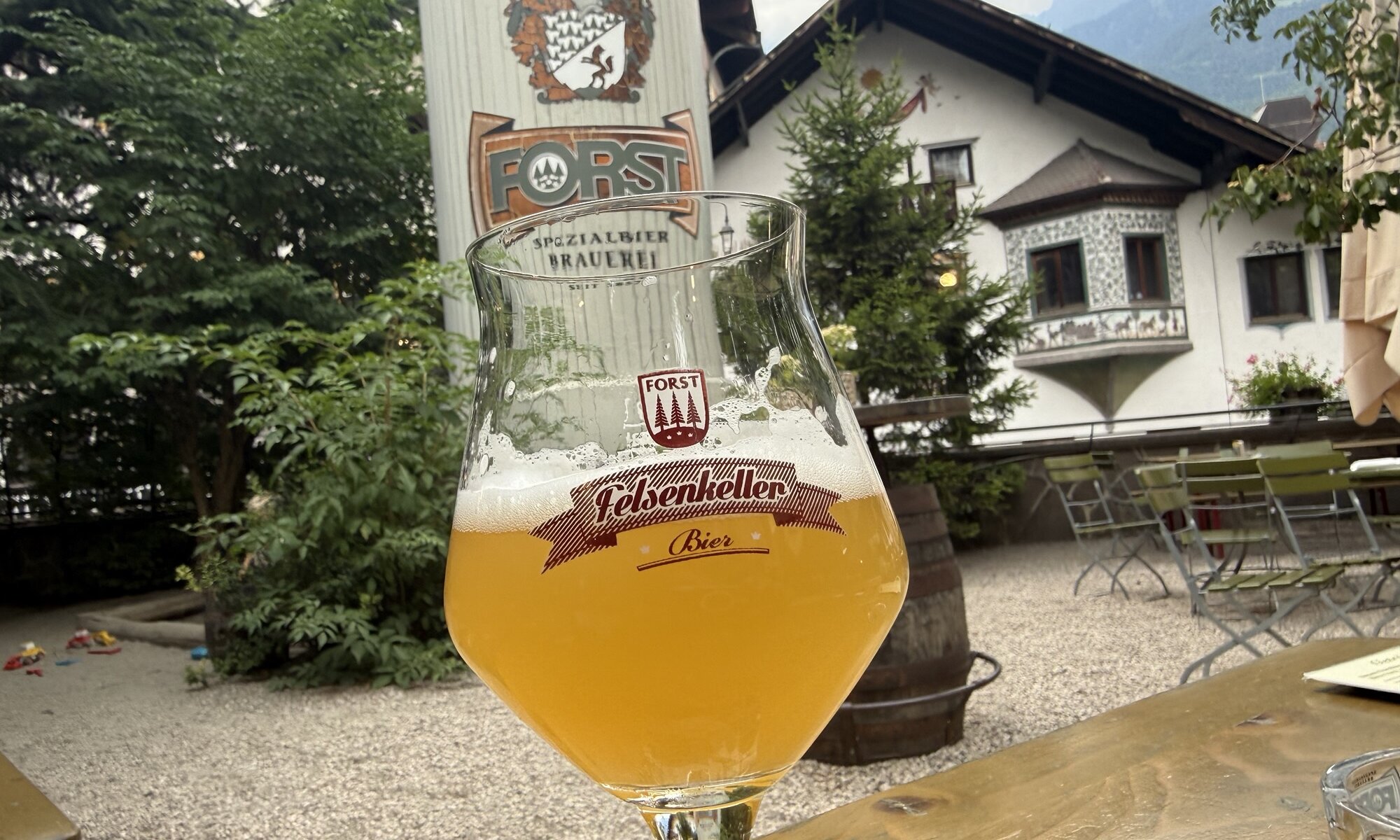
The Forst Spezialitäten-Brauerei in South Tyrol has a long and distinctive story, beginning in 1857 in Forst near Algund, just outside Meran, and remaining on the same site ever since. Its location was ideal from the outset, thanks to excellent spring water, natural winter ice storage, and the practical access route through the valley.
Continue reading “Forst”Kuenser Waalweg
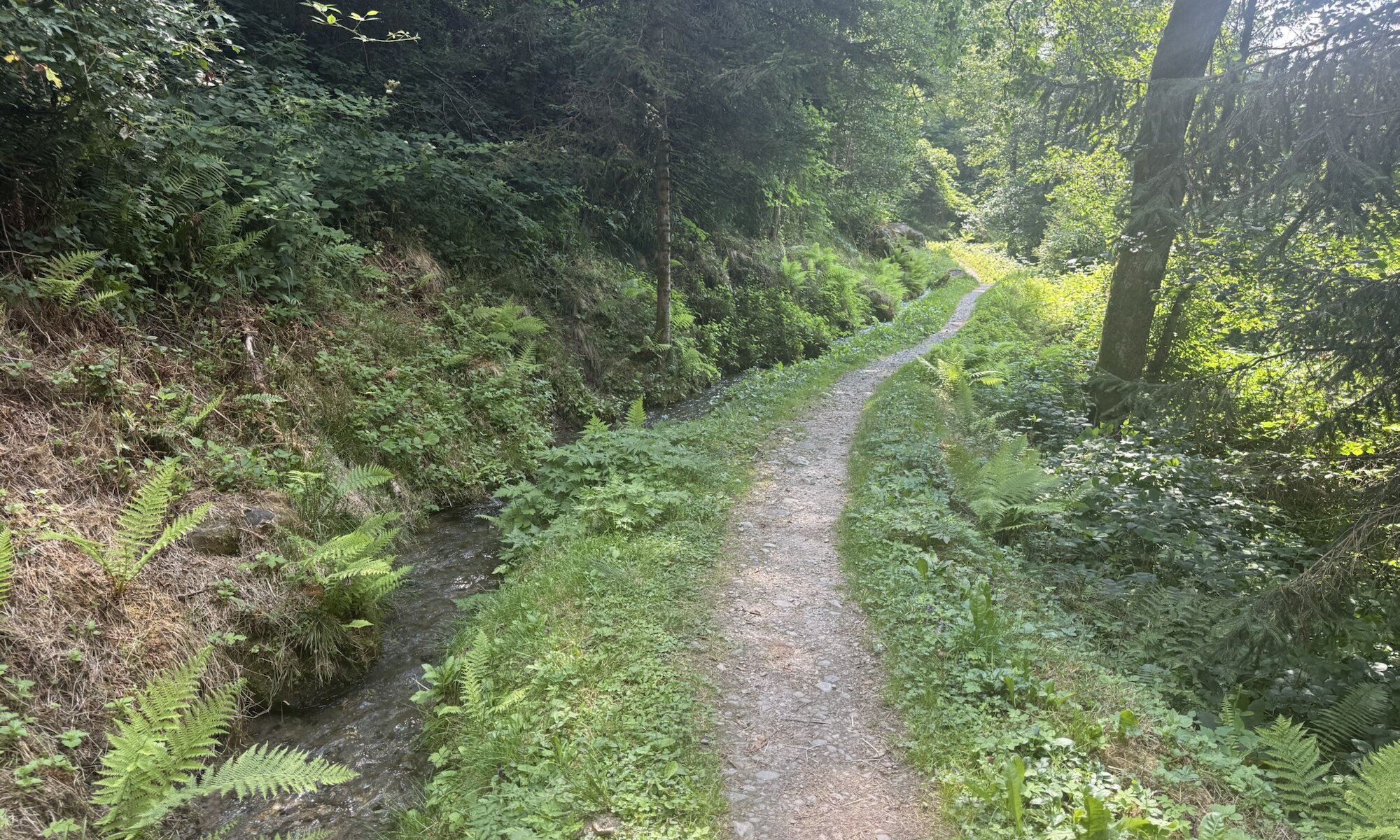
The Kuenser Waalweg is one of those gentle South Tyrolean walks that combines landscape, heritage and a very pleasant pace. A Waalweg is a path that follows an old irrigation channel, originally built to carry water through drier areas, and today these routes are often lovely, mostly level hiking trails.
Continue reading “Kuenser Waalweg”Rapaci
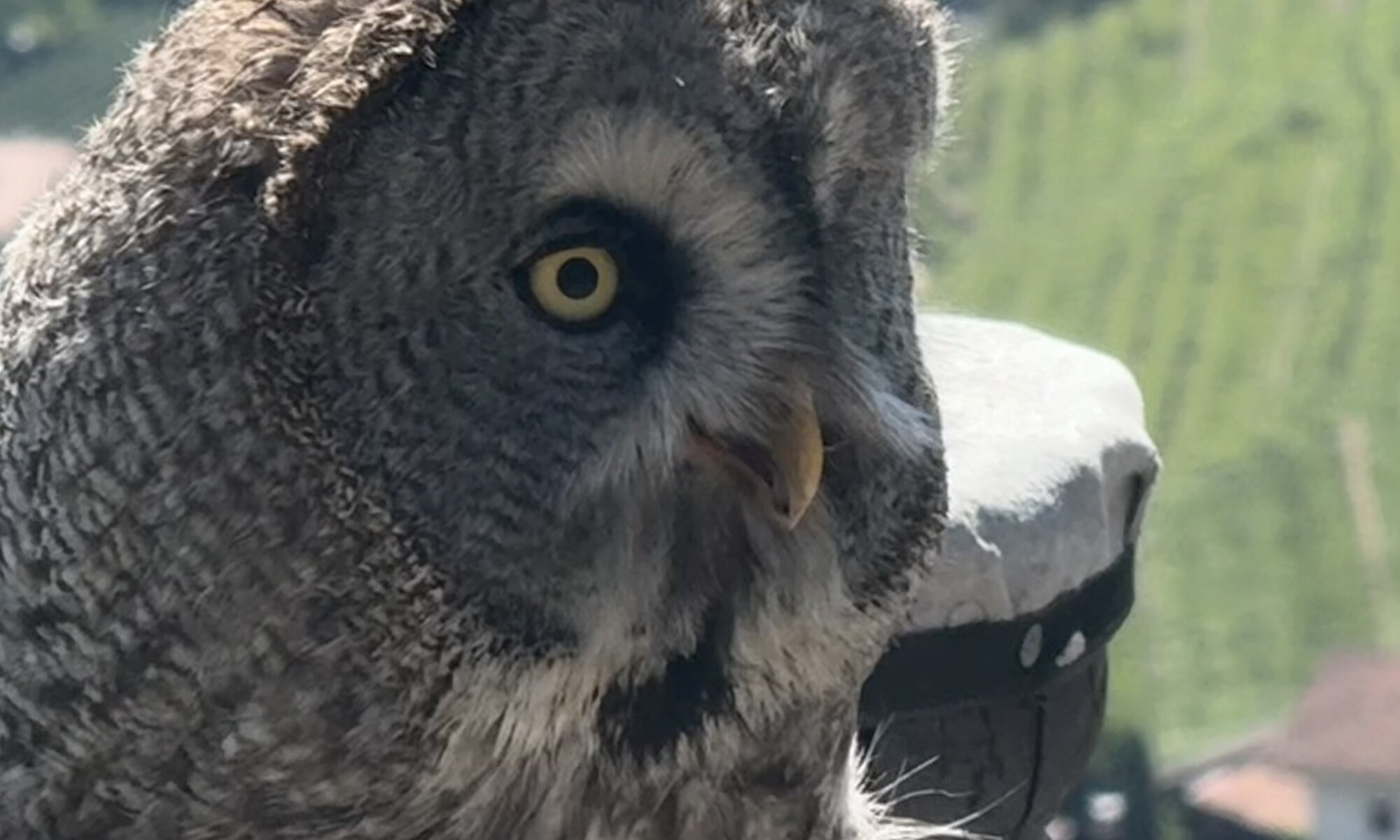
The Greifvogel-Flugschau at Schloss Tirol is a bird-of-prey centre on the hillside above Dorf Tirol, where rescued wild birds are cared for and, when possible, released back into the wild. It combines a small wildlife refuge with live demonstrations, so visitors can see conservation work and flying displays in one place.
Continue reading “Rapaci”Three languages
Alto Adige, or South Tyrol, is a fascinating region where languages and cultures overlap in a way that feels both Alpine and distinctly Mediterranean. Three languages are officially recognised: German, Italian, and Ladin. German is by far the most widely spoken in everyday life, especially in towns and rural areas, while Italian tends to dominate in the larger cities such as Bolzano. Ladin, a Rhaeto-Romance language, survives in a few Dolomite valleys and adds another layer to the region’s cultural richness.
Continue reading “Three languages”Val d‘Elsa
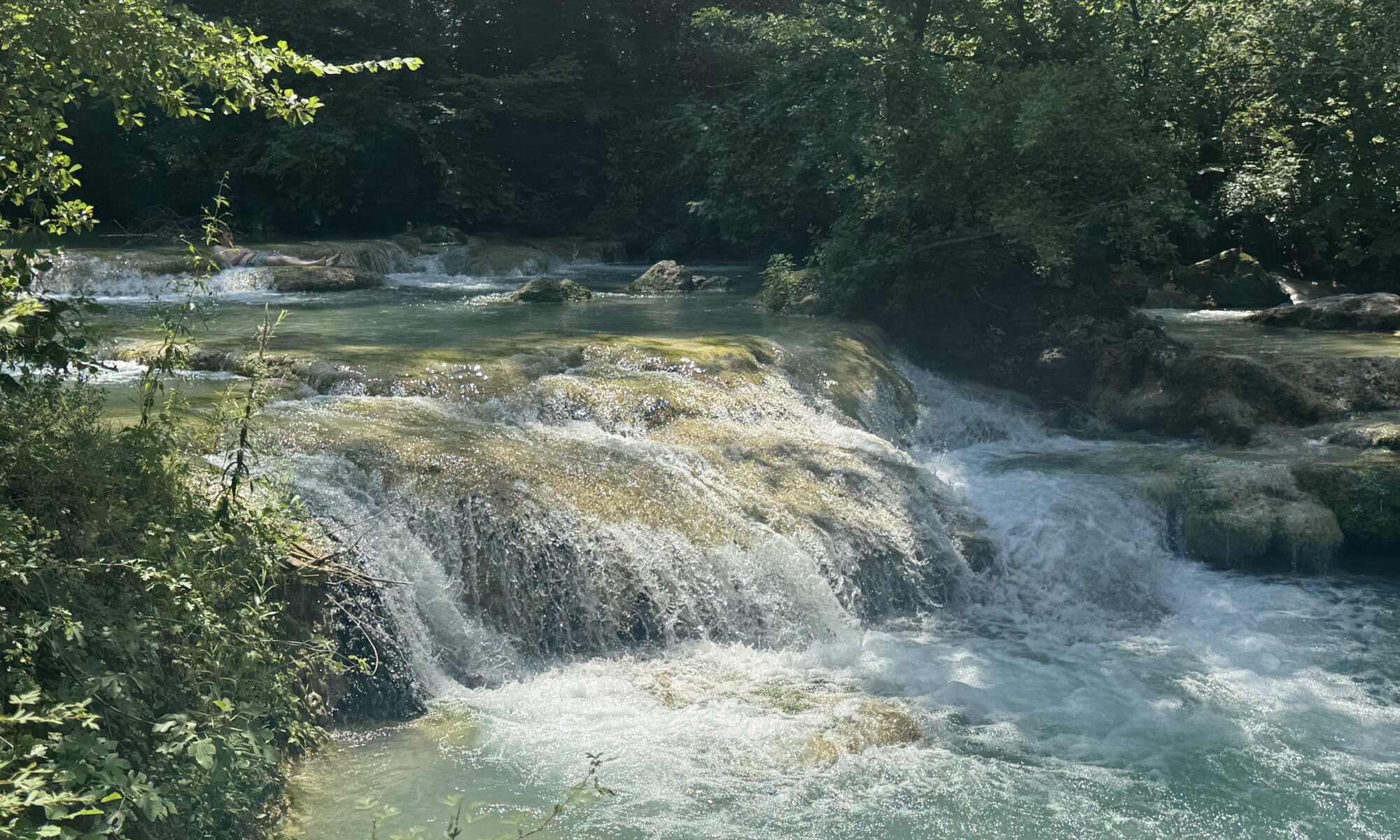
The Parco fluviale dell’Alta Val d’Elsa is one of those places in Tuscany that feels refreshingly different from the usual hill towns and vineyards. It stretches along a lush river corridor between the bridge of Spugna and the district of Gracciano near Colle Val d’Elsa, offering a surprisingly wild and green landscape. Instead of sunburnt fields and cypress-lined ridges, you find clear running water, dense vegetation, and shaded pathways that invite you to slow down and explore.
Continue reading “Val d‘Elsa”