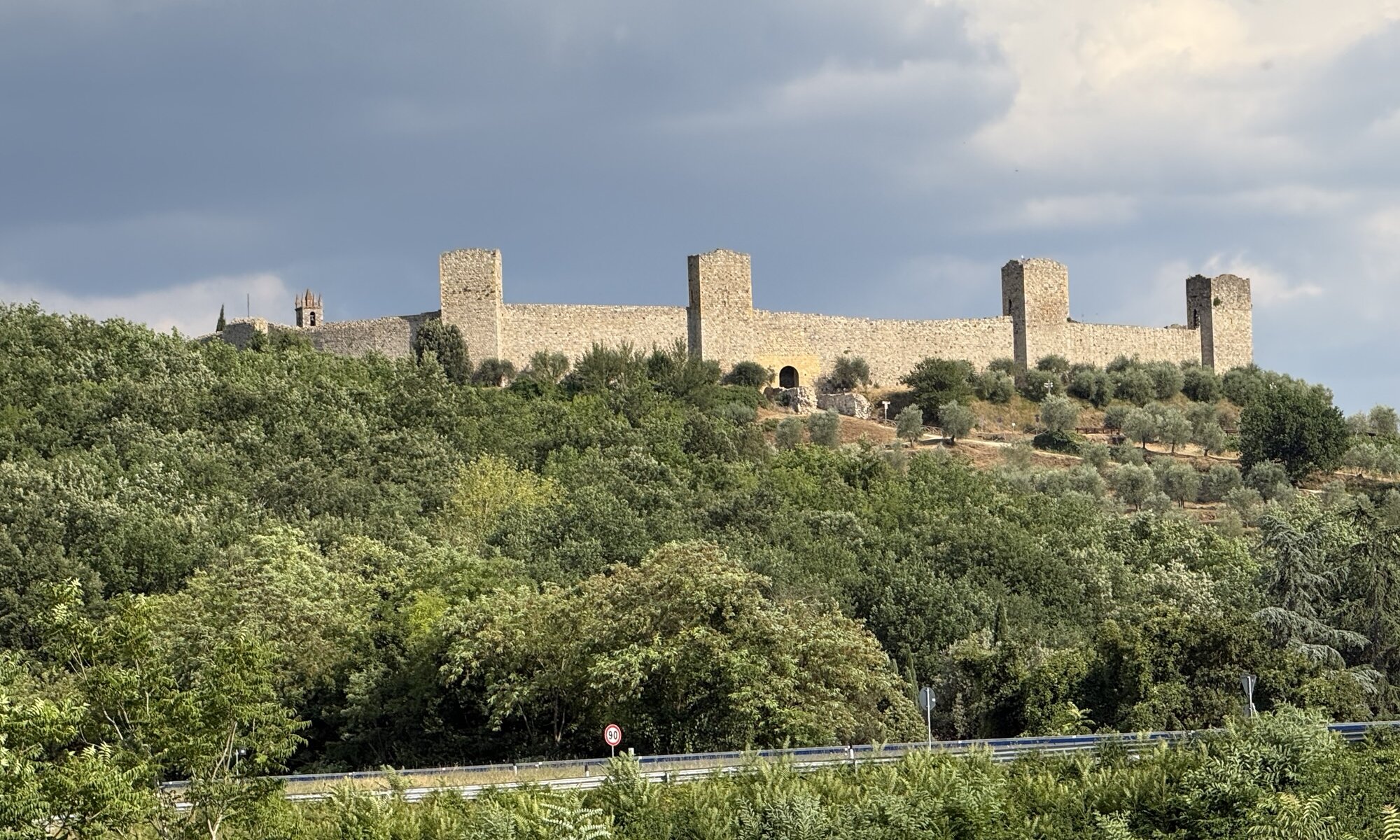
The Castello of Monteriggioni rises like a perfect medieval model on a low Tuscan hill, a compact ring of stone battlements and towers that seems almost designed to be admired from a distance. Built by the Republic of Siena in the early 13th century as a forward defensive outpost, its compact, circular curtain wall and regularly spaced towers created a stronghold that could watch the approaches toward both Siena and Firenze and control the nearby stretch of the Via Francigena. The castle’s origin as a purpose-built military settlement explains its unusually cohesive plan: rather than growing organically, the walls, gates and internal square were laid out with clear strategic intent, which gives Monteriggioni its rare sense of architectural unity.
Continue reading “Monteriggioni”Etrusco
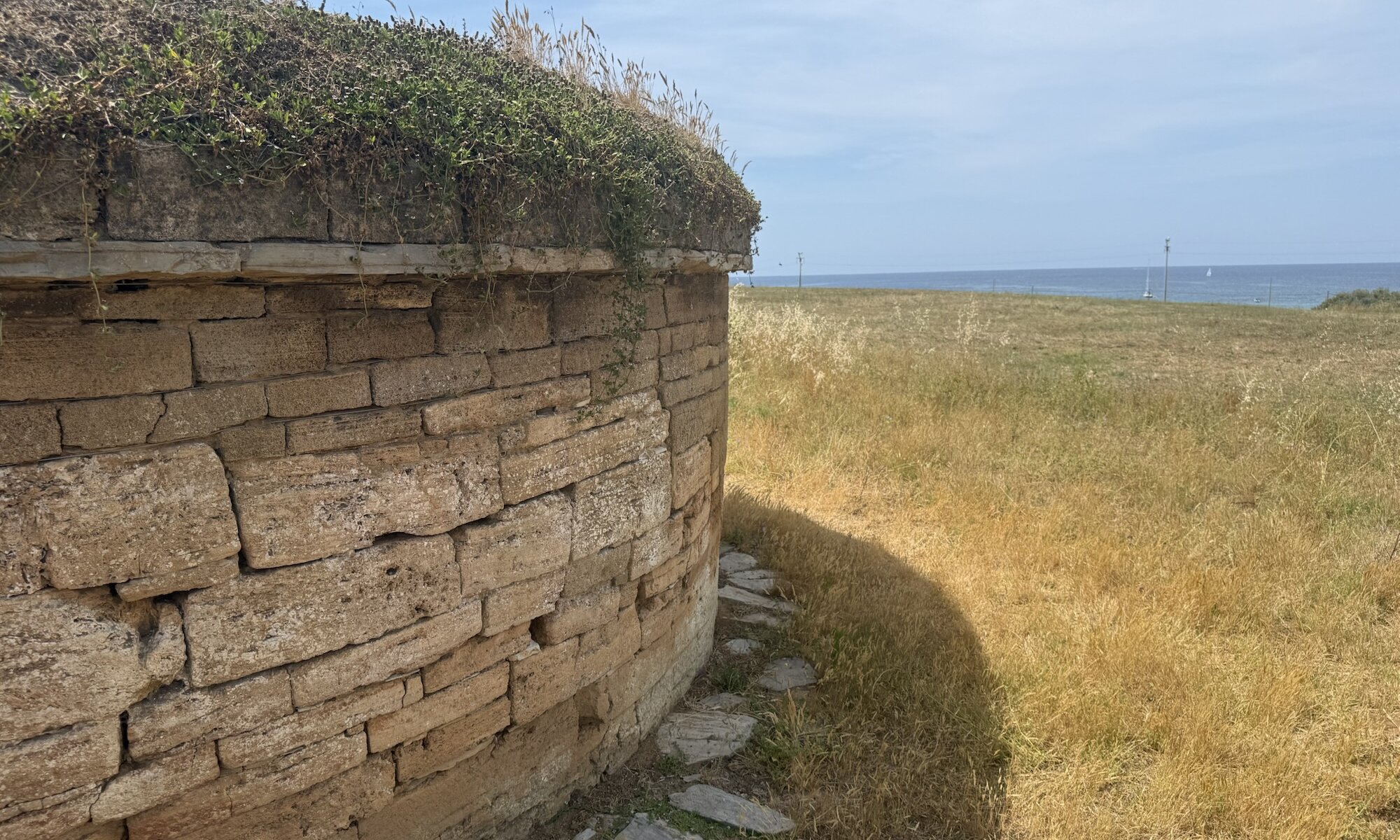
The Parco Archeologico di Baratti e Populonia is one of the most evocative places on the Tuscan coast, because it combines Etruscan history with a striking sea-and-hills landscape. Populonia was the only Etruscan city built directly on the sea, and it became important thanks to ironworking and trade linked to the nearby Elba ore deposits.
Continue reading “Etrusco”Subterraneo
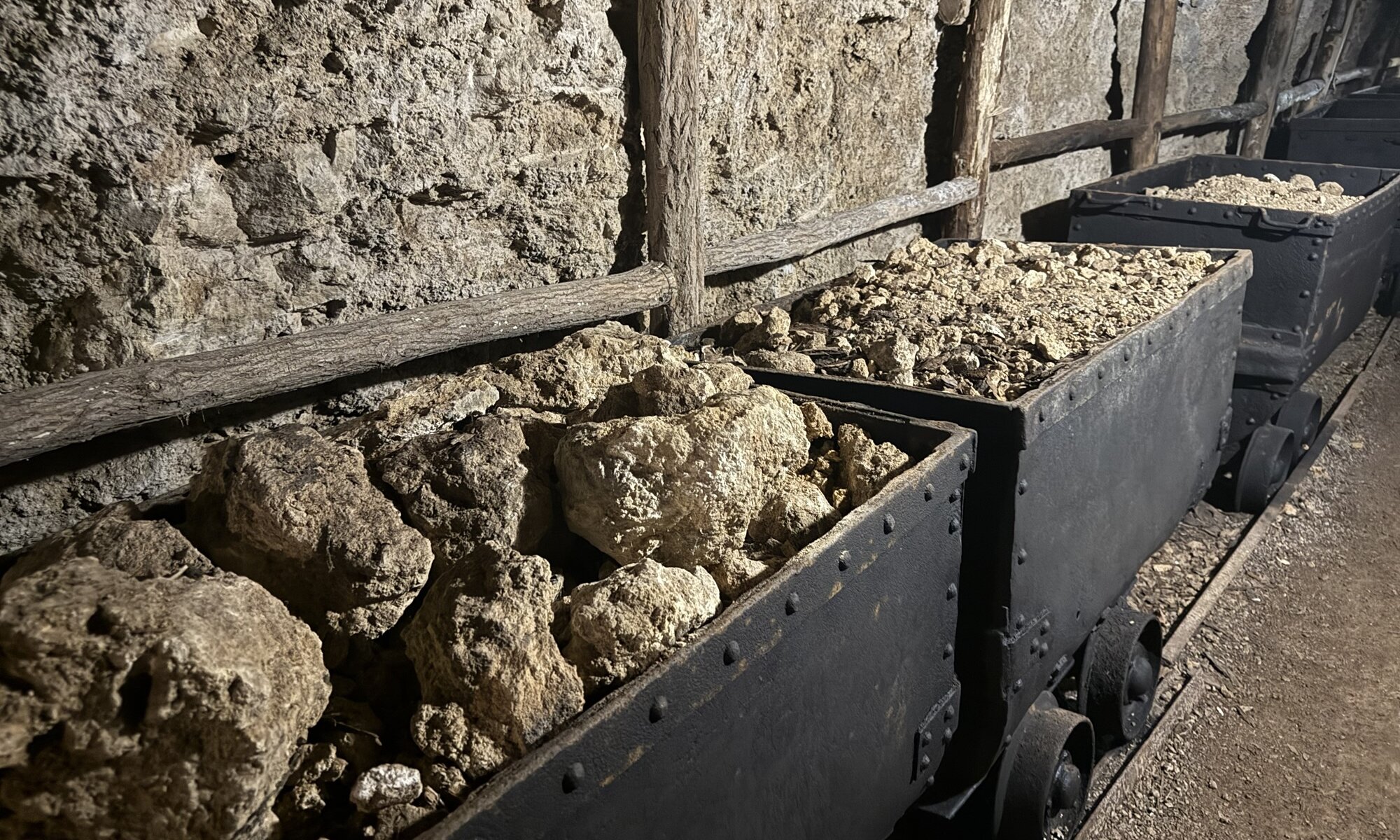
The Museo Subterraneo and Museo della Miniera in Massa Marittima are compact, atmospheric museums that recreate the experience of working underground and tell the long story of mining in the Colline Metallifere.
Continue reading “Subterraneo”Città di montagna
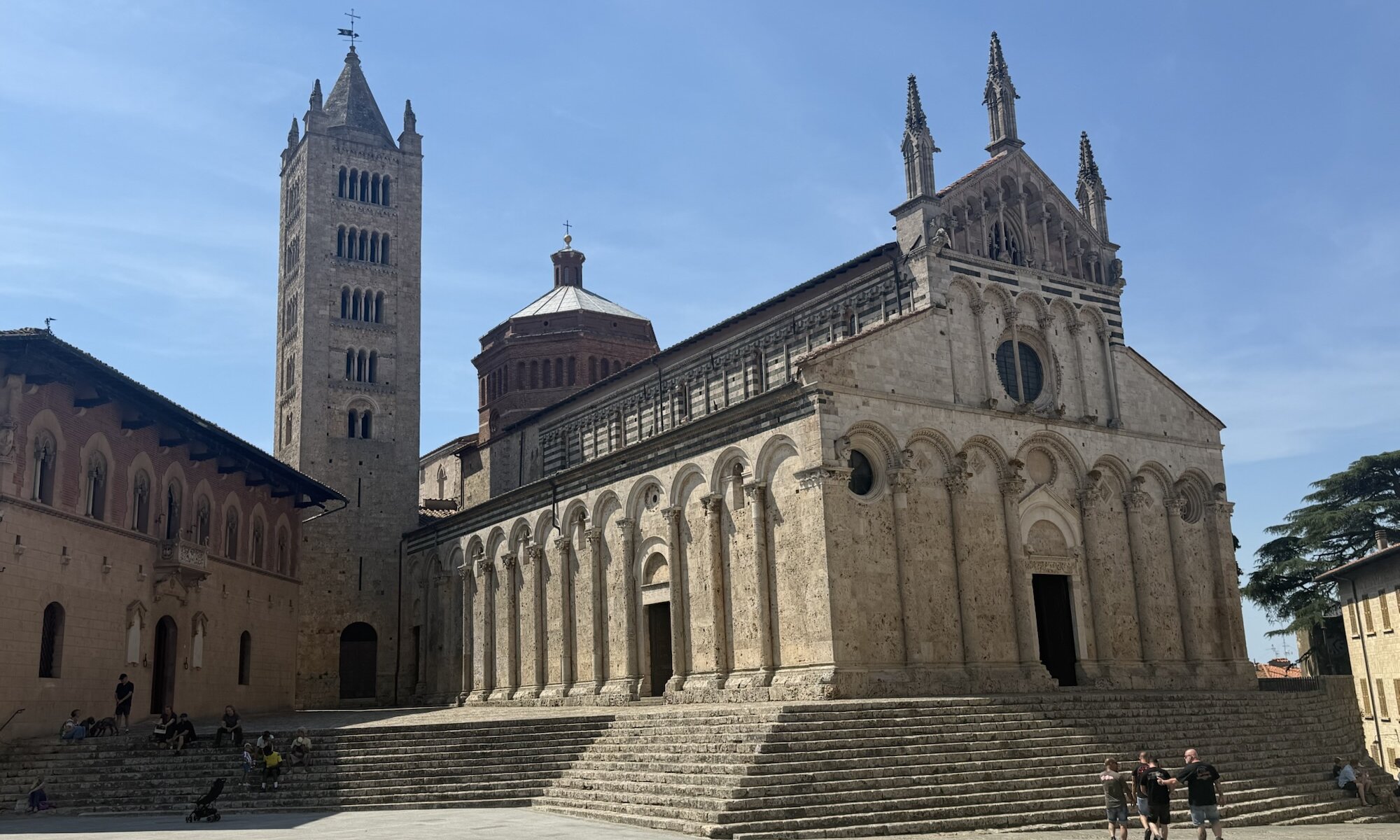
Massa Marittima is one of the most atmospheric small cities in Tuscany, a place where medieval stonework, steep lanes and wide views come together beautifully. Its old centre feels surprisingly grand for such a compact town, and that is part of its charm.
Continue reading “Città di montagna”Medieval Manhattan
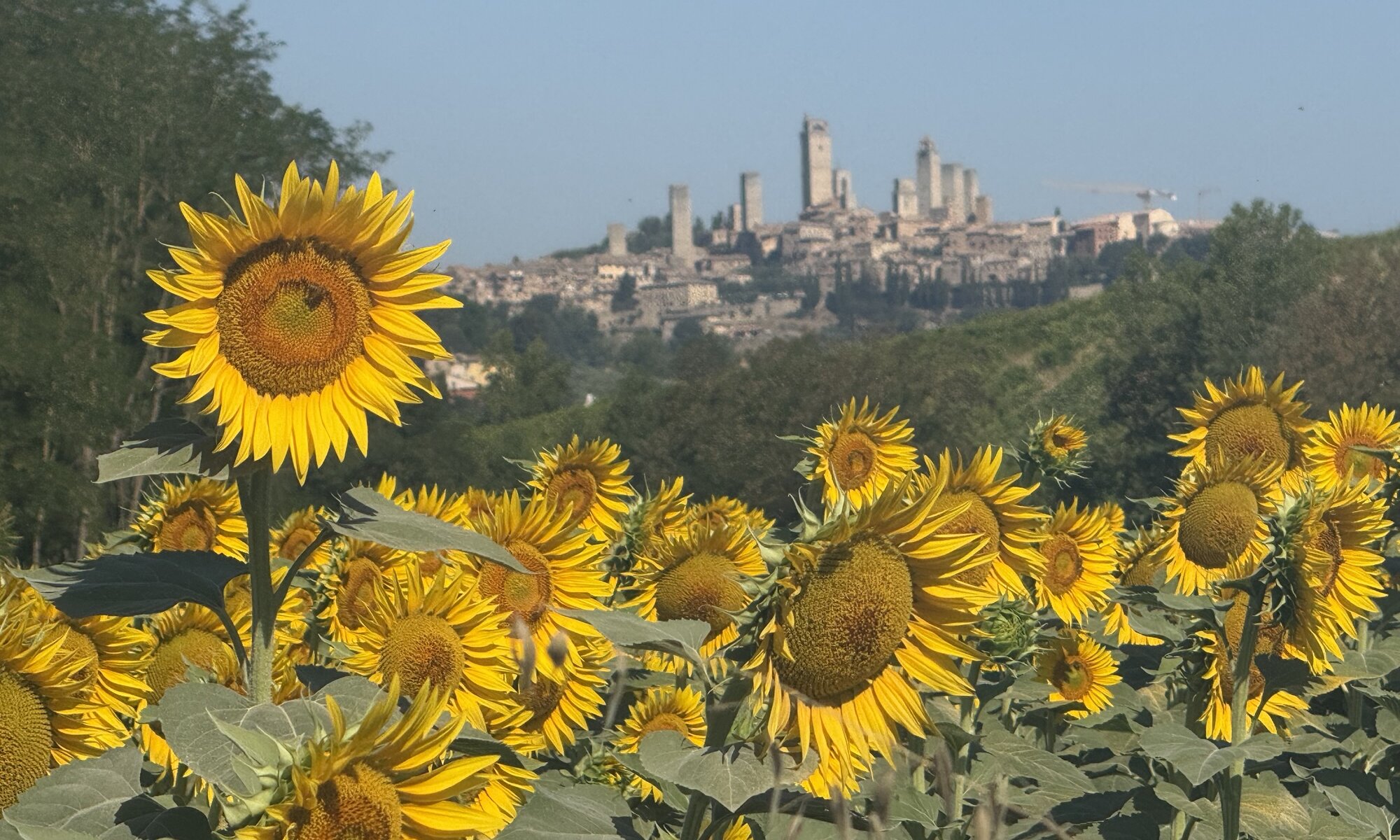
San Gimignano is one of Tuscany’s most atmospheric medieval towns, and its appeal lies in the way it has kept so much of its old character. It grew from a small settlement on the Via Francigena, the great pilgrimage and trade route, and became wealthy through commerce and its strategic position between key Tuscan centres.
Continue reading “Medieval Manhattan”Torre Grossa
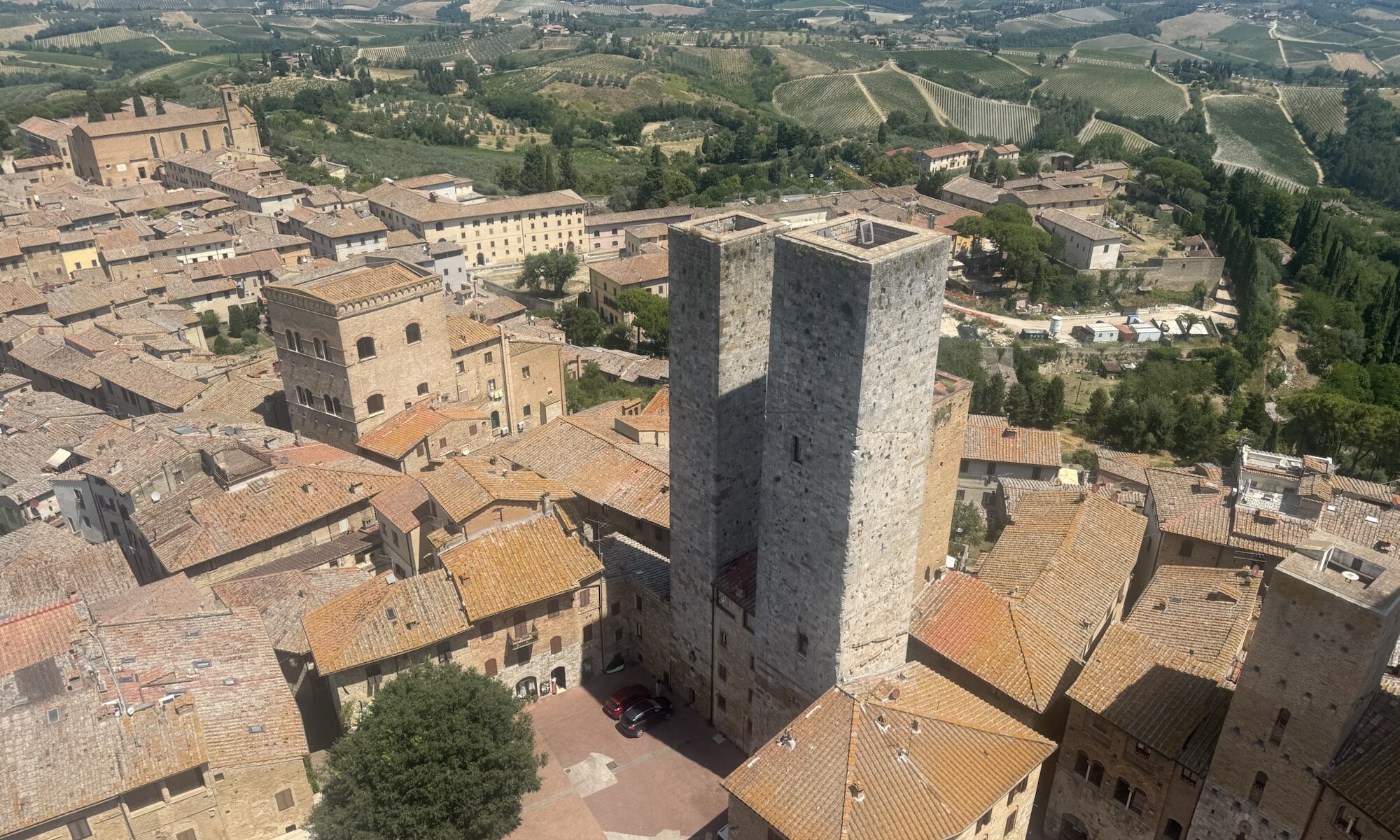
Torre Grossa is the tallest tower in San Gimignano, rising to 54 metres in the heart of the historic centre beside the Palazzo Comunale. It began in 1300 and was completed in 1311, making it one of the best-preserved medieval towers in the town. Its square plan and stone-faced exterior are typical of San Gimignano’s tower houses, but its scale and prominence give it a particularly commanding presence.
Continue reading “Torre Grossa”Strade bianche
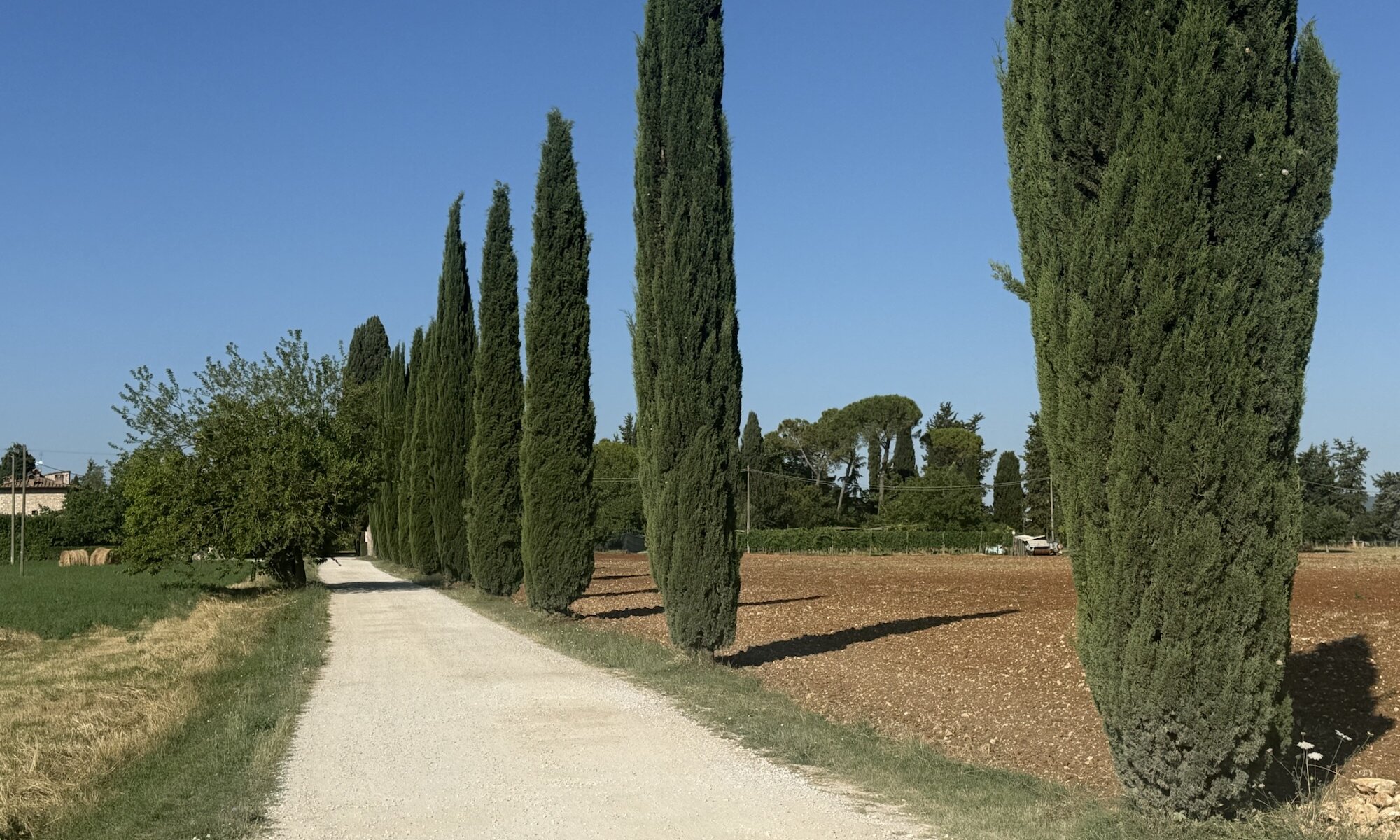
The strade bianche of Tuscany are so called because the term literally means ‚white roads‘, a reference to the pale colour of the region’s unpaved lanes, made up of limestone gravel, dust and small stones that can look almost chalky in the summer sun. They run through vineyards, olive groves and hill towns, giving the countryside its distinctive, timeless feel.
Continue reading “Strade bianche”Twilight
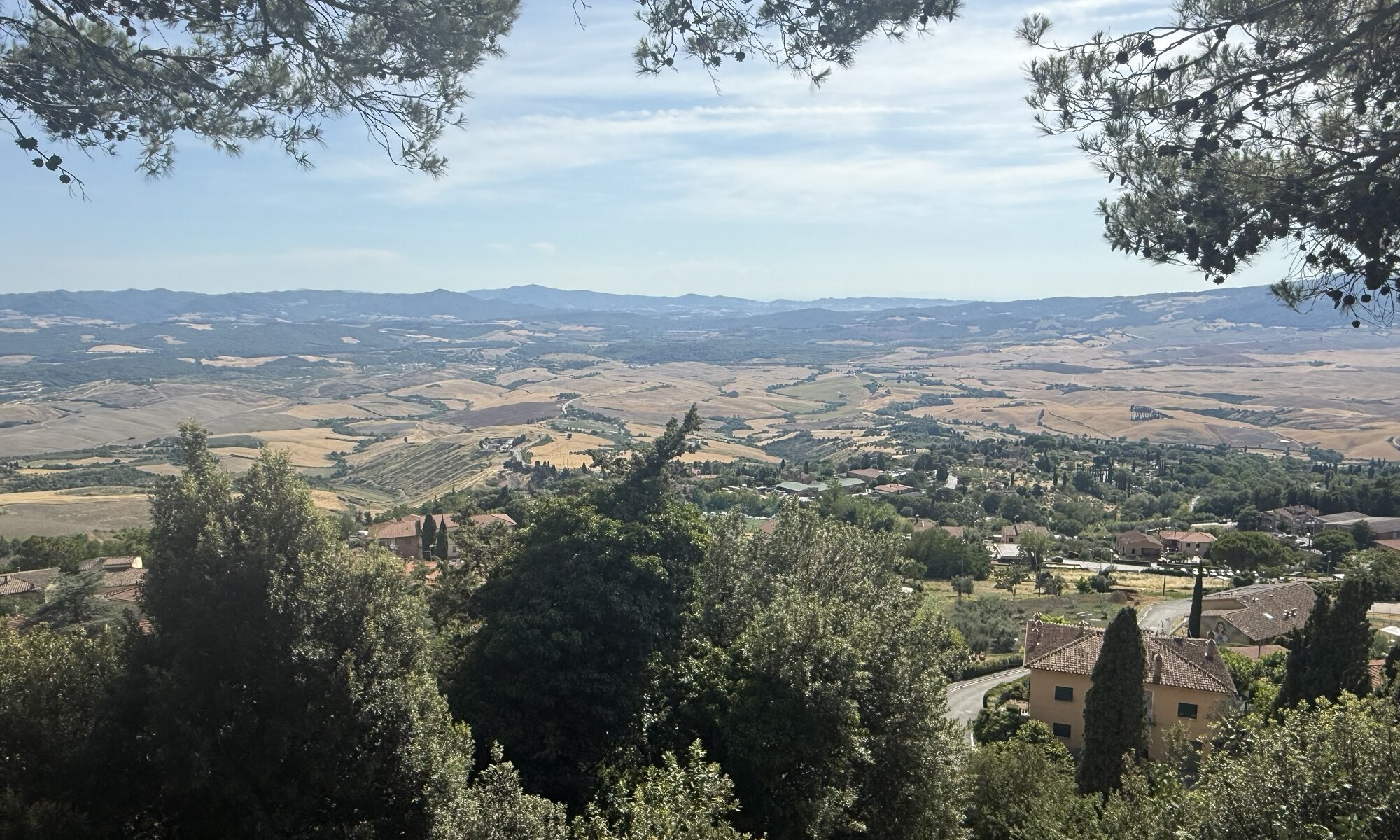
Volterra is a compact, hilltop town in Tuscany whose layered past is visible in almost every street and stone. Its origins reach back to the Villanovan and Etruscan periods, when it was known as Velathri and formed part of the Etruscan league; later it became the Roman Volaterrae and retained regional importance through late antiquity and the medieval centuries. Over time the city weathered sieges, civic rivalries and Florentine domination, all of which left architectural and civic traces – from Etruscan walls and Roman remains to medieval palazzi and a clearly articulated communal identity. That long continuity, with relatively little modern sprawl, gives Volterra an immediately ancient atmosphere that feels intact rather than reconstructed.
Continue reading “Twilight”Palio
The Palio di Siena is a vivid, centuries-old horse race held in the shell-shaped Piazza del Campo, the civic heart of Siena. Rather than a sporting event in the modern sense, it is a communal and ritual spectacle where contrade – the city’s historic neighbourhood wards – compete fiercely for honour and prestige. The race itself is a short, intense sprint around the piazza, ridden bareback by jockeys who often ride horses they barely know. The atmosphere is theatrical: flags, banners, medieval costumes and drumming transform the city into a living pageant, so the Palio reads as much as a public celebration of Sienese identity as it does a competition.
Continue reading “Palio”Conchiglia
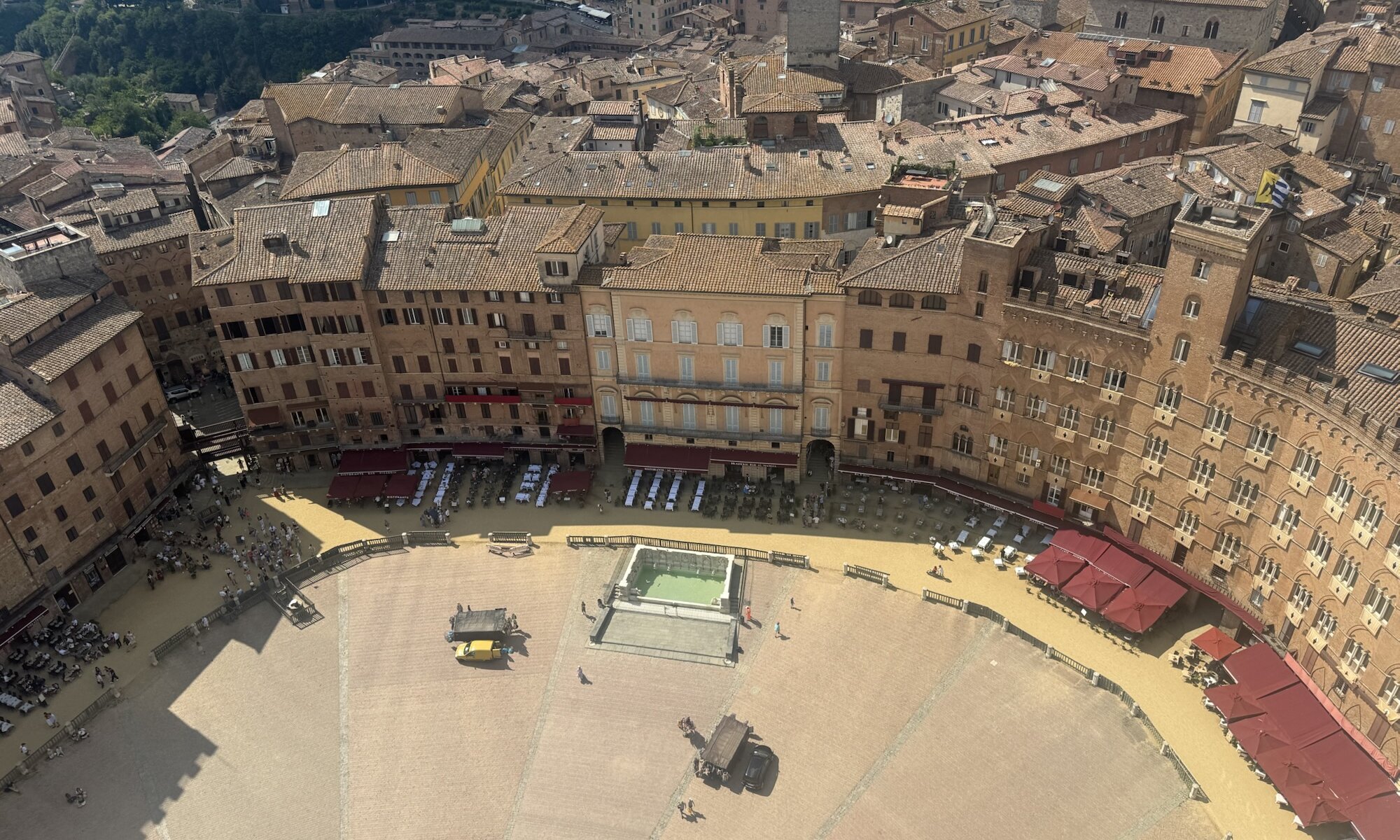
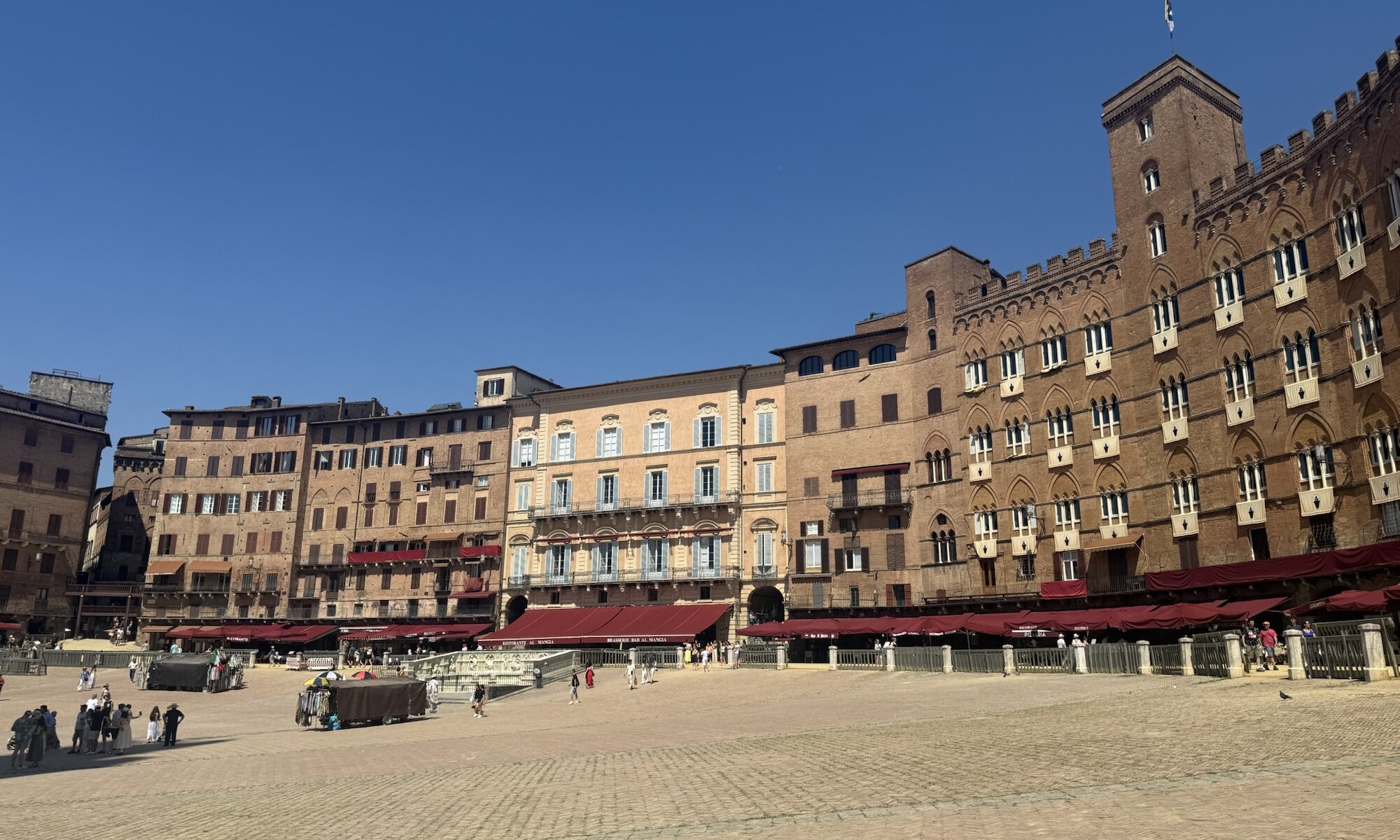
Piazza del Campo is the beating heart of Siena, and one of the most distinctive medieval squares in Italy. Its broad shell-like form came from the natural slope where the city’s streets once converged, and over time it was carefully shaped into a harmonious civic space rather than a simple market place.
Continue reading “Conchiglia”