Olympia 1984

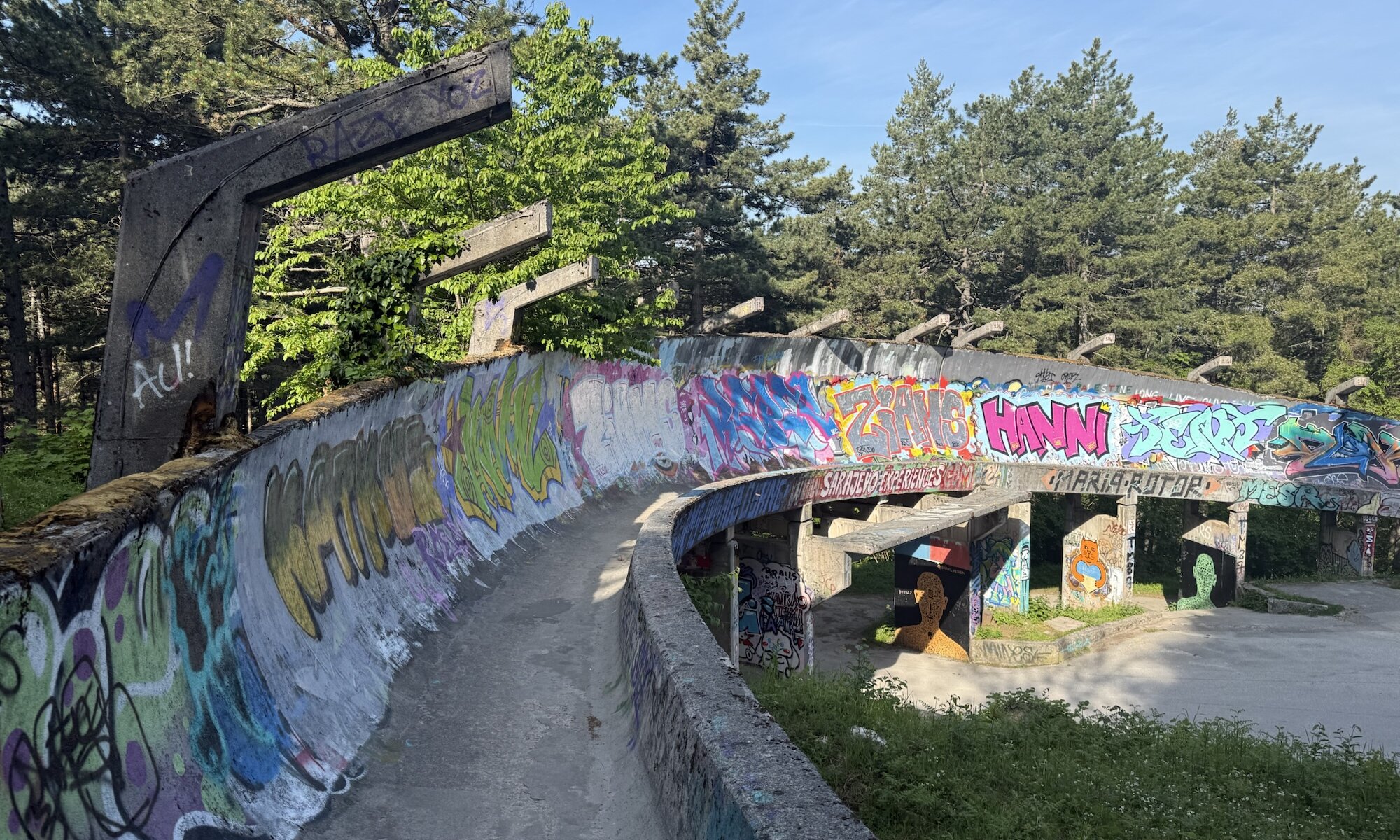
Bobsleigh track on Trebević mountain, Sarajevo

The Winter Olympics held in Sarajevo in 1984 stand out as one of the most atmospheric and, in many ways, unexpectedly charming editions of the Games. At the time, Sarajevo was part of Yugoslavia, and the event symbolised a rare moment when East and West came together in a relaxed, almost intimate setting. The city itself, surrounded by mountains and steeped in history, provided a dramatic natural backdrop that felt both authentic and unpolished compared to the more commercialised Winter Olympics that followed. There was a genuine warmth in the organisation and a sense that the Games belonged to the people rather than to global sponsors.

Continue reading “Olympia 1984”

Opsade

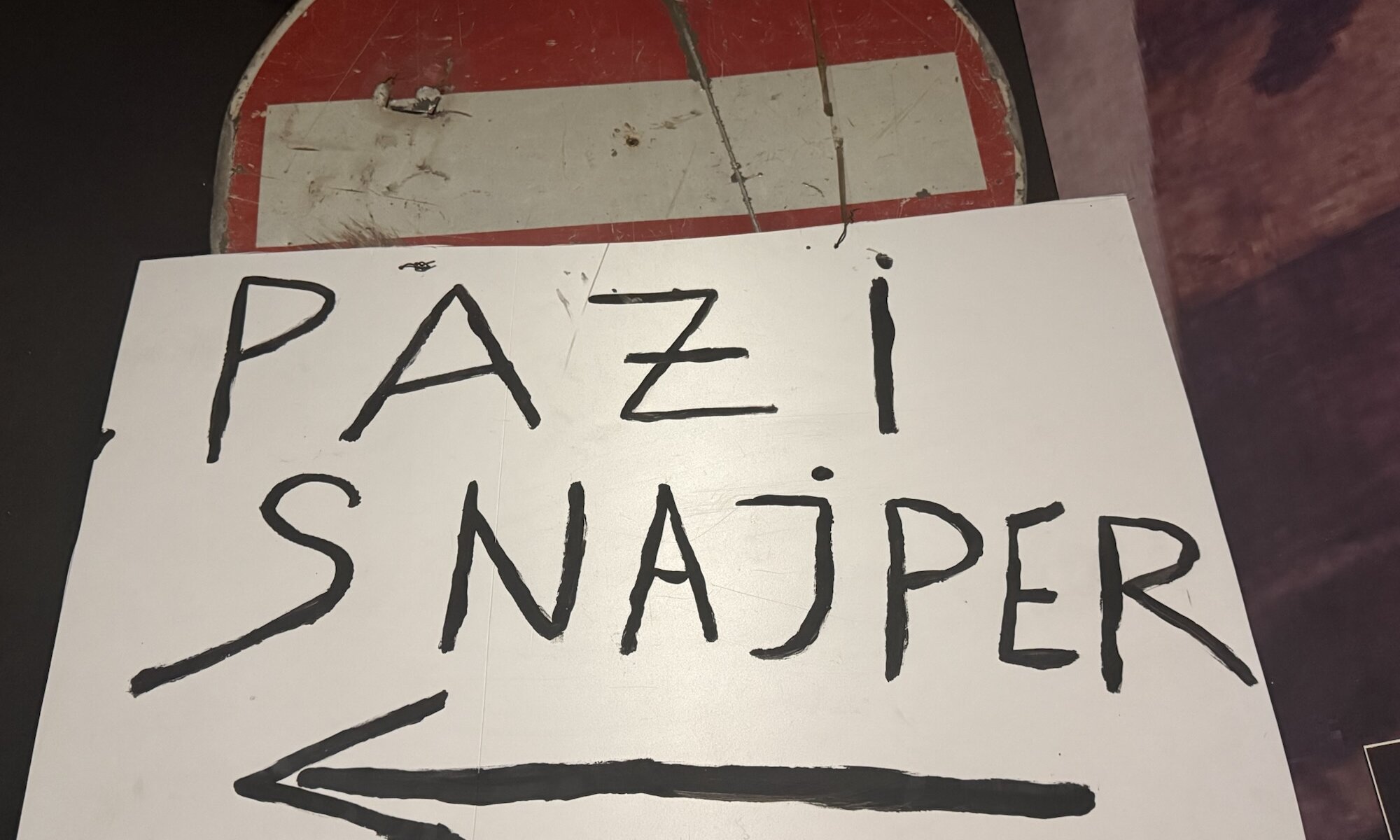
Muzej Opsade Sarajeva, Sarajevo

The Muzej Opsade Sarajeva is a small but very powerful museum dedicated to everyday life in Sarajevo during the siege of 1992–1995. It is not just about military events; it shows how ordinary people survived under shelling, snipers, shortages and constant danger, and how the city kept functioning despite everything.

Continue reading “Opsade”

Mostar

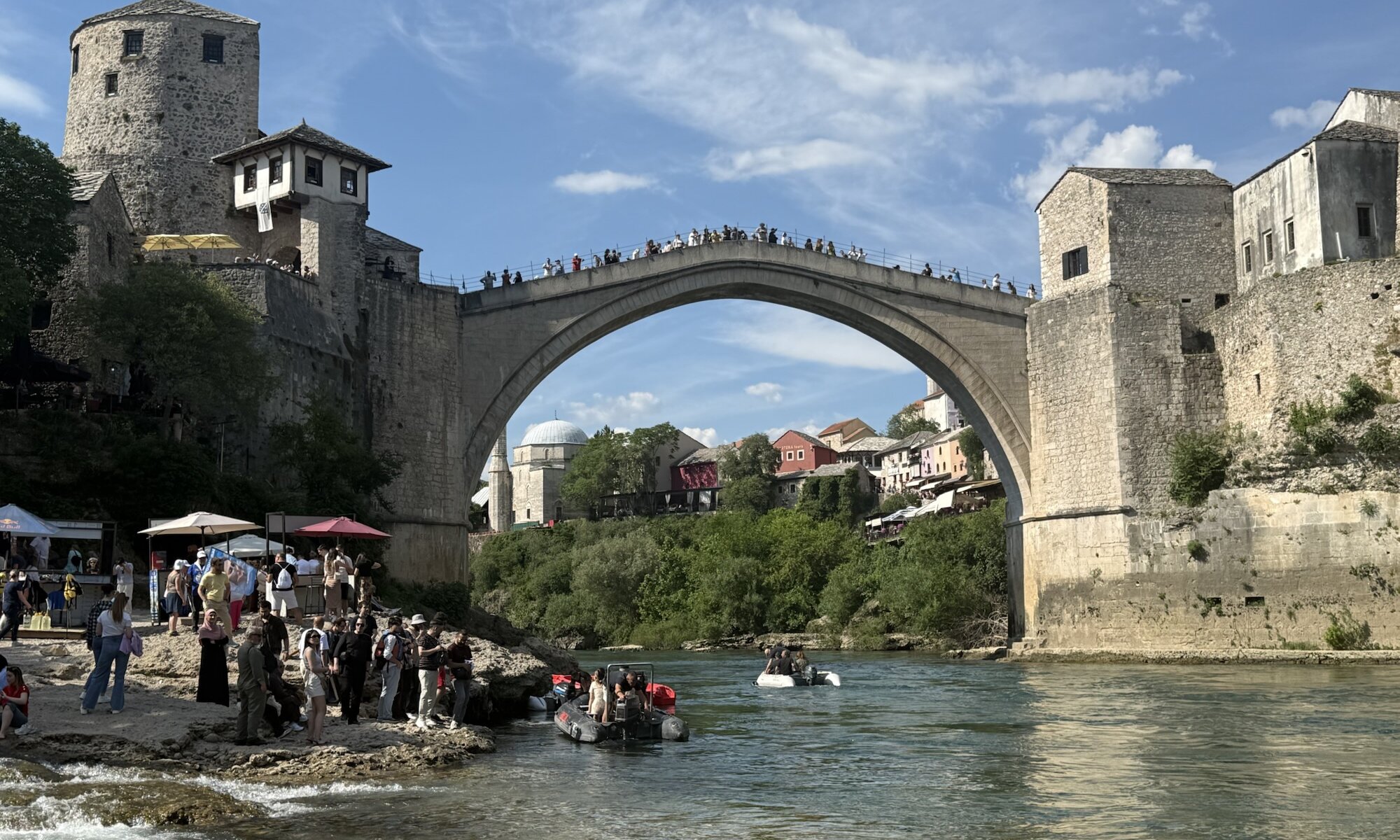
Old bridge, Mostar

One of those places that stays with you because its history is visible everywhere you walk. First mentioned in the 15th century, Mostar grew as an Ottoman frontier town around a river crossing, and the city’s very name comes from the bridge keepers. Its position on the Neretva made it a natural meeting point for traders, travellers and different cultures, which shaped its character over centuries.

Continue reading “Mostar”

Kravica

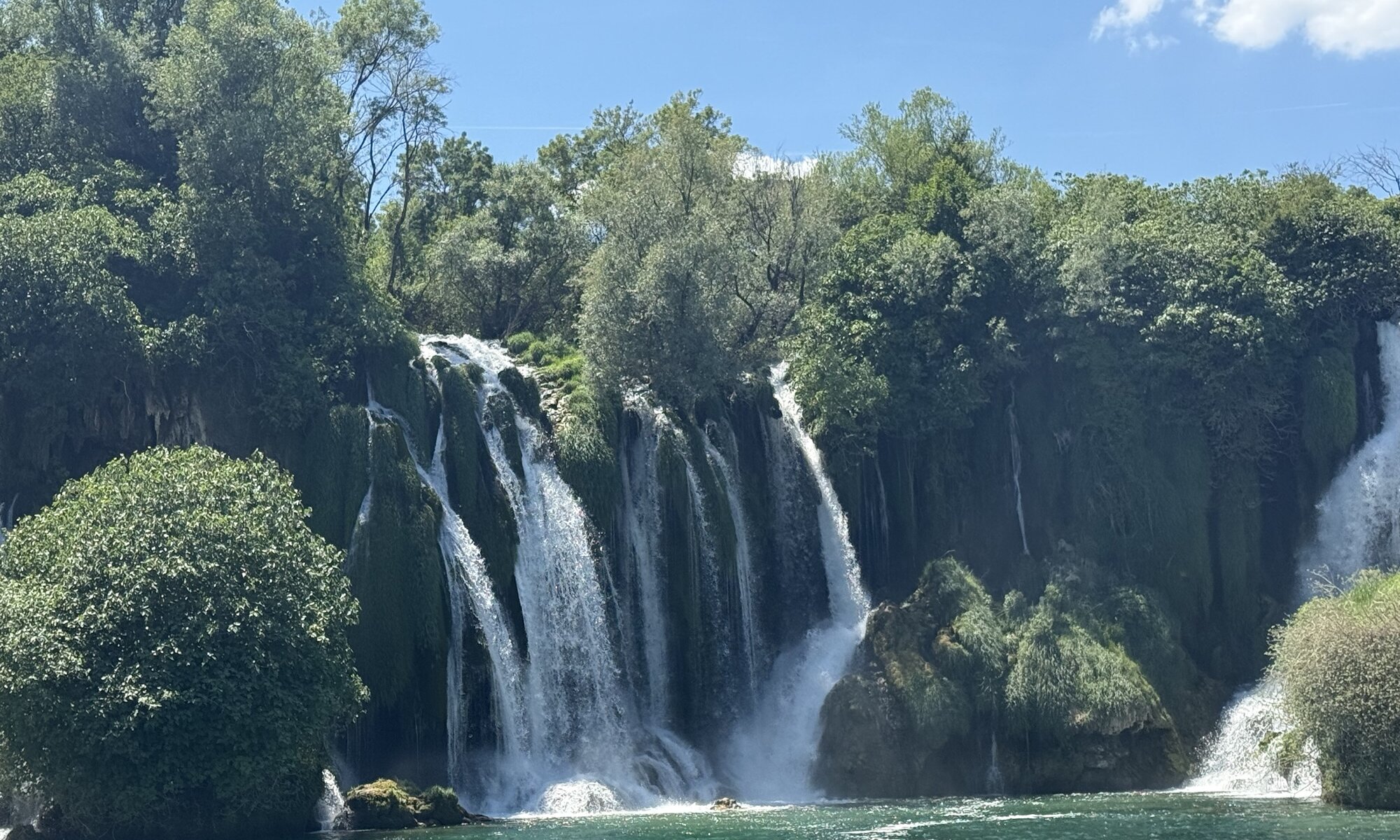
Kravica waterfalls, Zvirići

Kravica waterfalls, tucked away in the lush countryside of Herzegovina, are one of the region’s most captivating natural sights. The falls stretch in a wide, semi-circular cascade, where the Trebižat river spills over limestone cliffs into a vivid emerald pool below. Surrounded by dense greenery, fig trees, and moss-covered rocks, the entire setting feels refreshingly untouched and quietly dramatic.

Continue reading “Kravica”

Počitelj

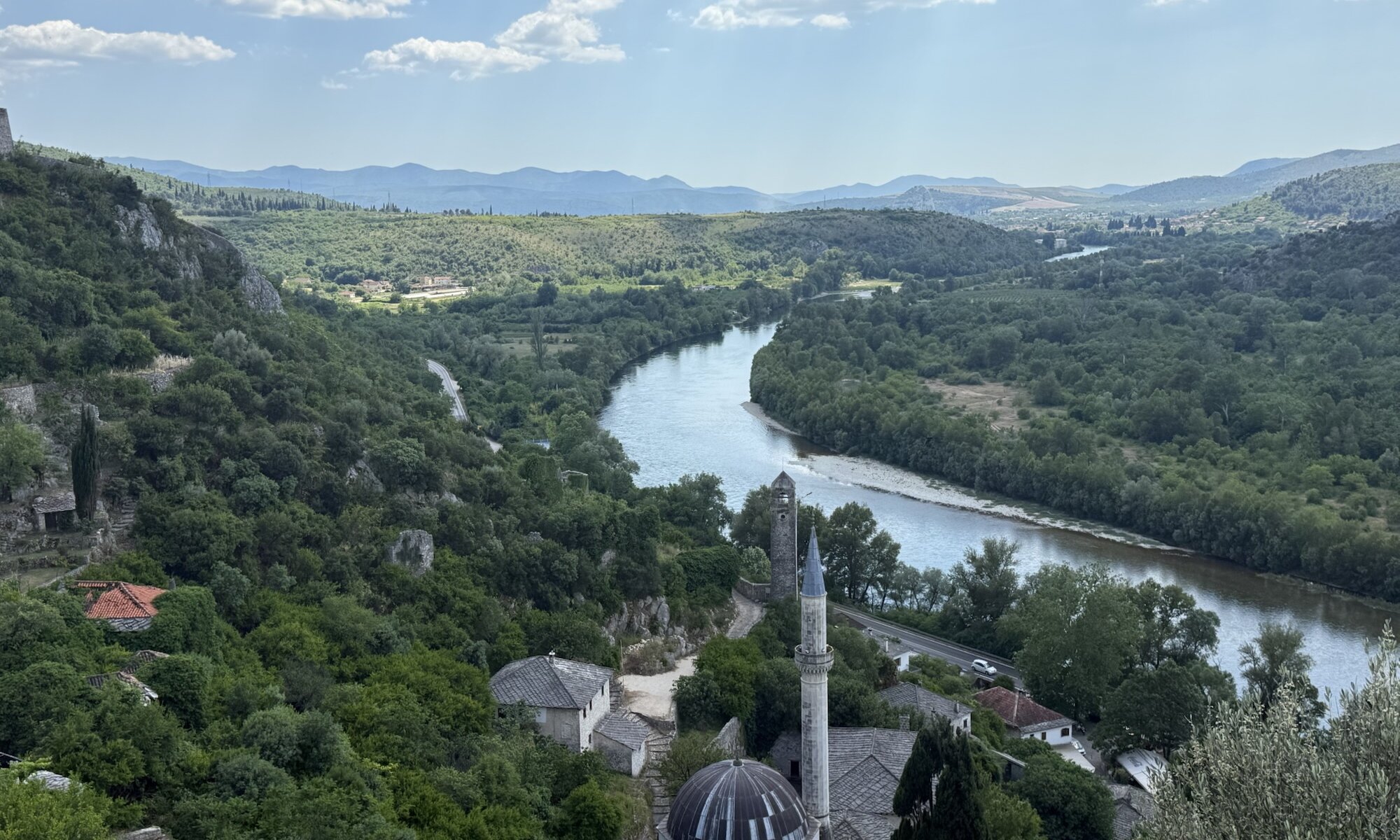
Fortress, Počitelj

Počitelj fortress, above Čapljina on the Neretva, is one of those places where the landscape and the history feel tightly bound together. It began as a medieval stronghold, traditionally linked to king Tvrtko I in the late 14th century, and later grew in importance as the Ottomans reshaped it into a fortified settlement guarding a strategic route between the Bosnian interior and the Adriatic coast.

Continue reading “Počitelj”

Tekija

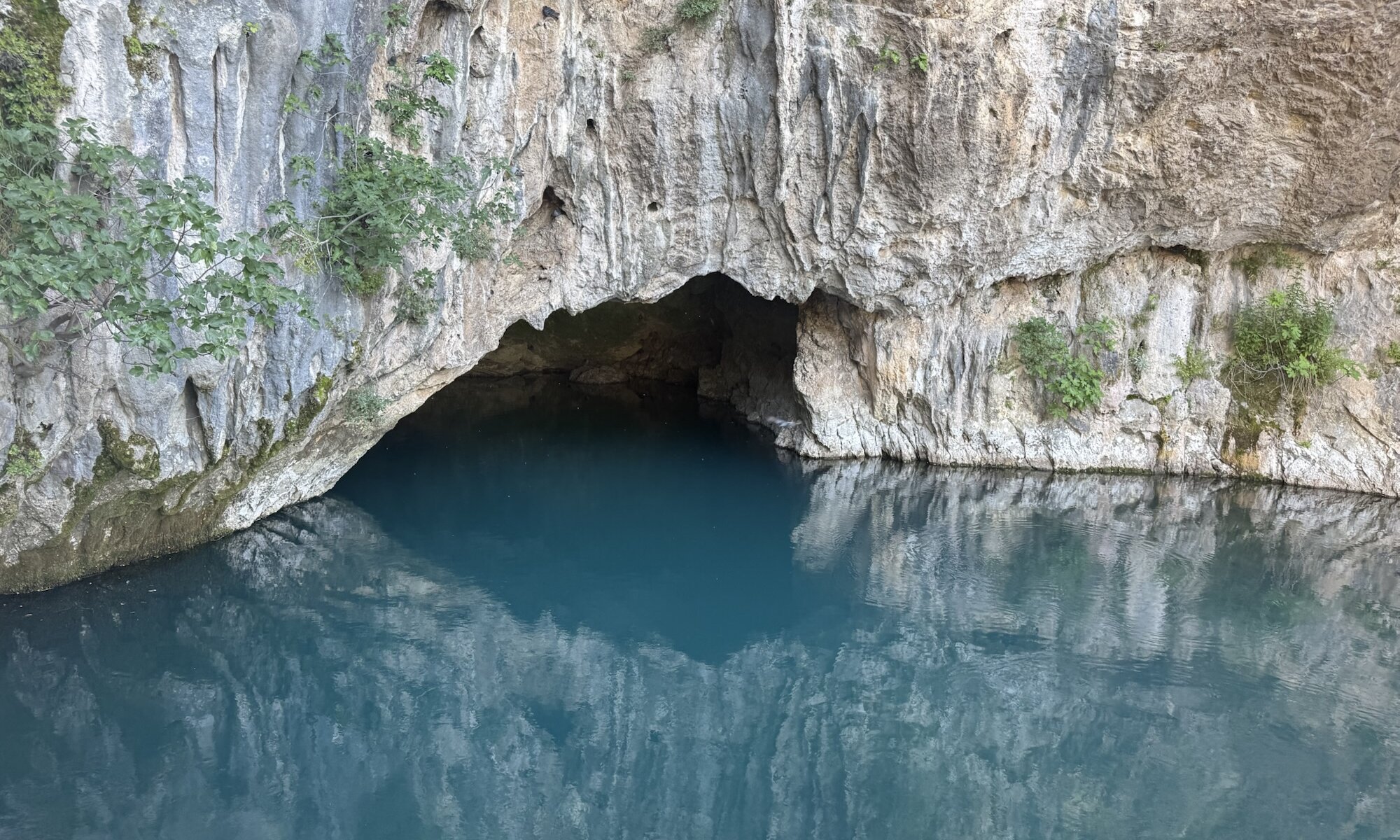
Tekija, Blagaj

The Tekija at Blagaj is one of those places that feels quietly remarkable rather than overtly grand. It is a historic Dervish monastery built into the base of a sheer cliff, creating a striking harmony between architecture and nature. The whitewashed structure seems almost suspended between rock and water, and its setting alone makes it one of the most memorable cultural sites in Bosnia and Herzegovina.

Continue reading “Tekija”

Konjic

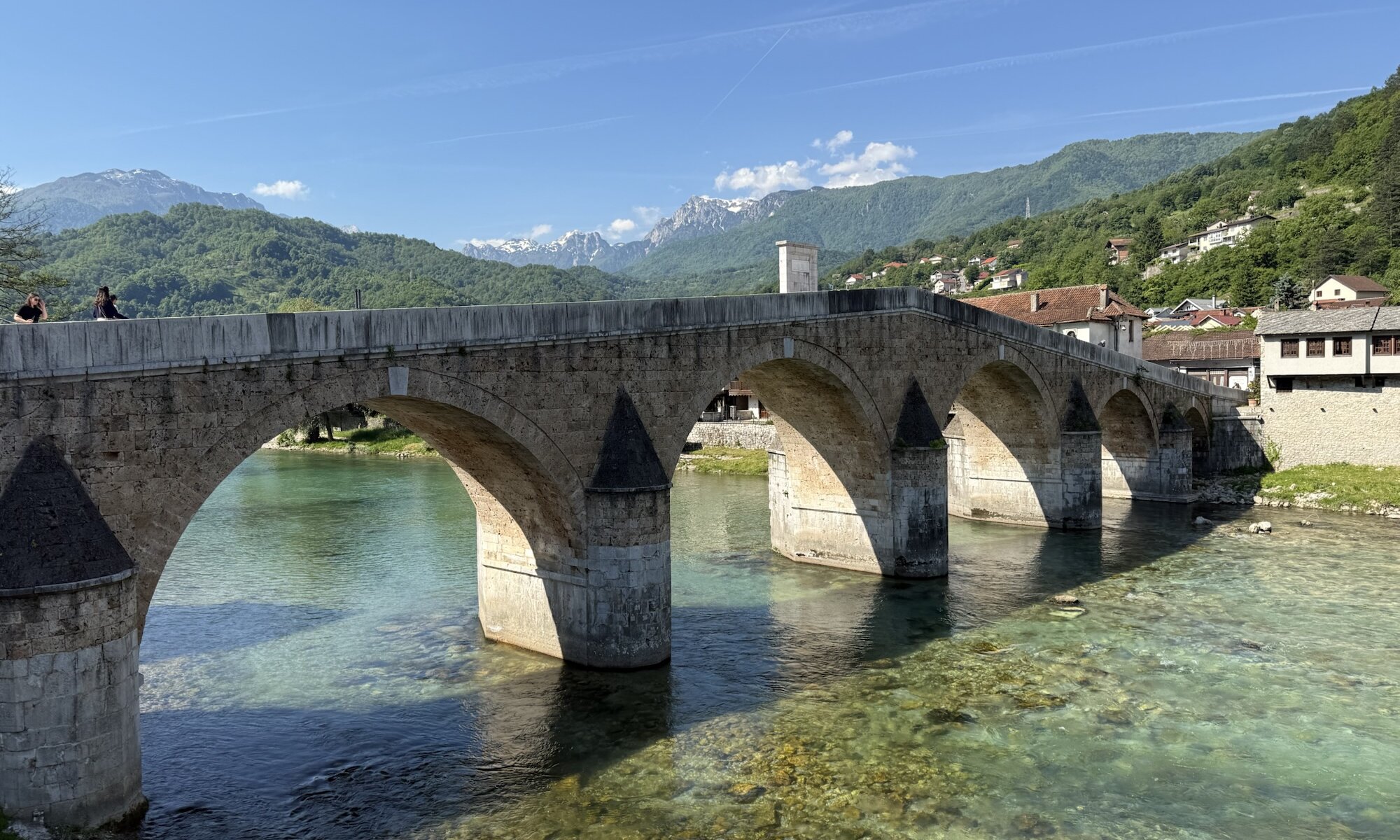
Old bridge, Konjic

The city of Konjic sits quietly in Herzegovina, yet it carries a weight of history that feels far greater than its size. Approaching from Sarajevo, the journey itself sets the scene: after passing through the long tunnel beneath mount Igman, the landscape subtly shifts. This tunnel feels like a gateway, not just geographically but climatically as well, as you leave behind Sarajevo’s cooler, more continental air and descend into the softer, Mediterranean-influenced climate of Herzegovina.

Continue reading “Konjic”

Žuta tabija

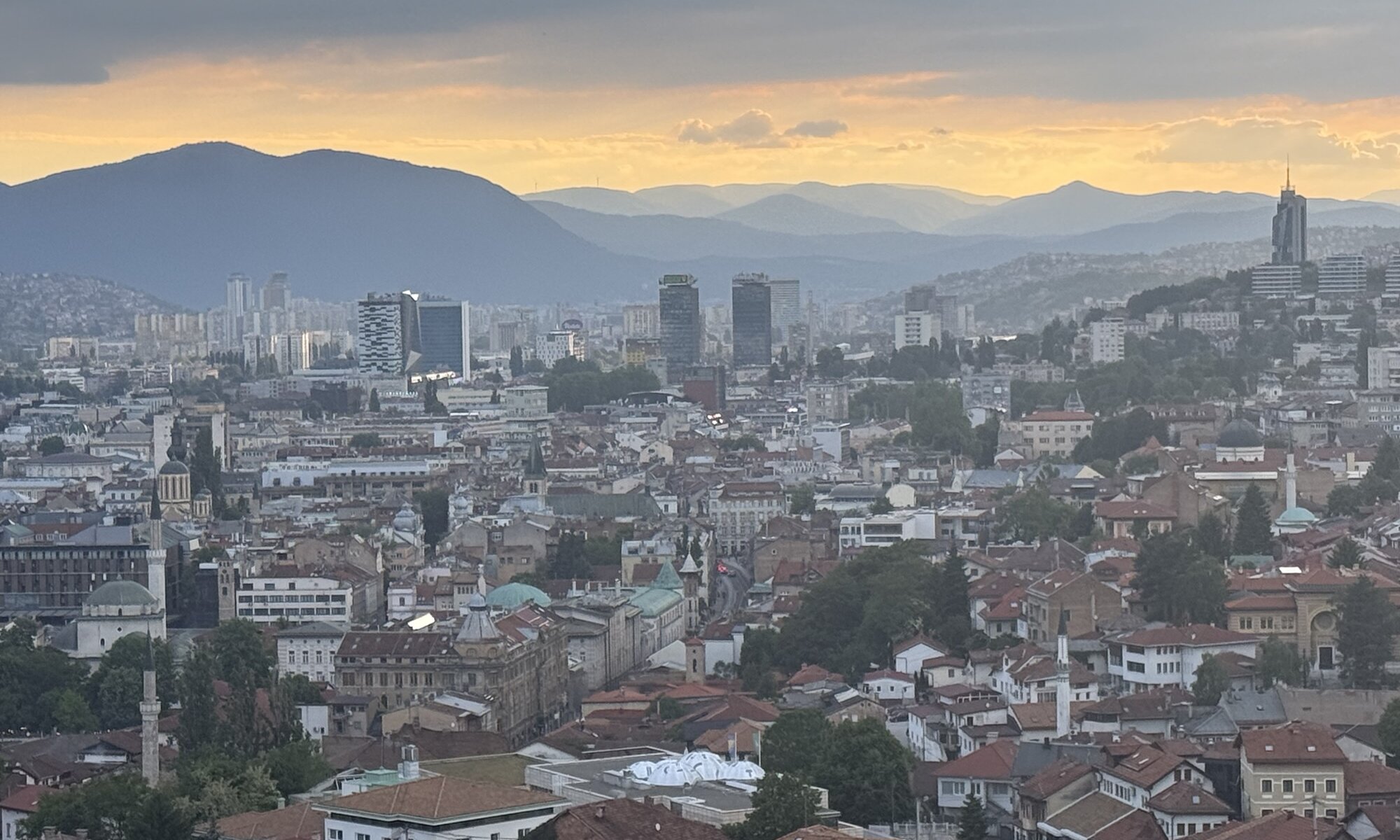
View from Žuta tabija, Sarajevo

The Yellow Bastion sits like a quiet sentinel above Sarajevo, a compact yellow fortress tucked into the rocky slope of the hills that embrace the city. From the outside it looks modest compared with grander castles, but its thick stone walls and narrow embrasures reveal a purposeful design: a defensive bastion once integral to the city’s fortifications. Perched with commanding views over the Miljacka valley and the labyrinth of rooftops below, the fort’s compact geometry and robust construction speak of an era when protecting the approaches to the old town was a daily concern.

Continue reading “Žuta tabija”

Srebrenica

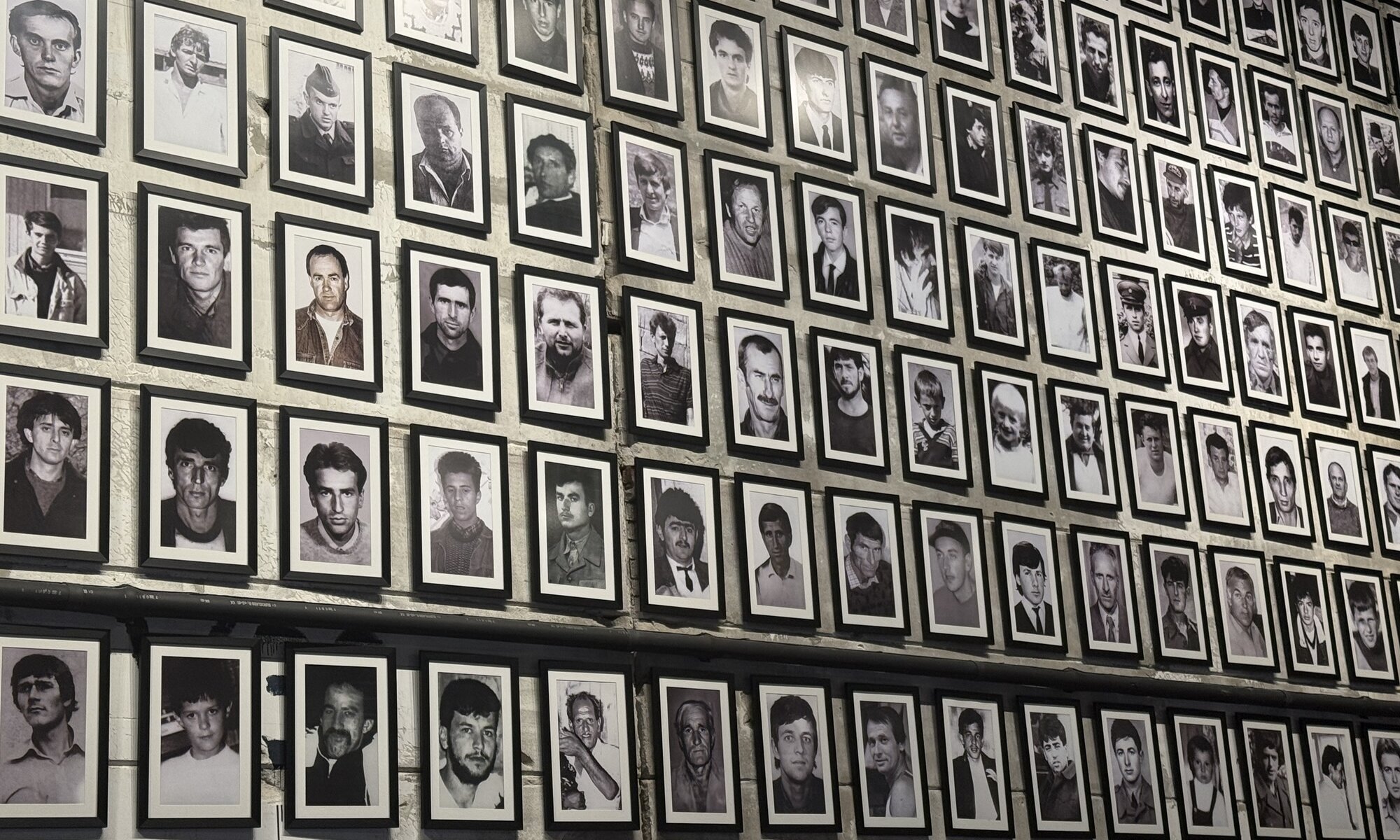
Srebrenica genocide museum, Potočari

The massacre of Srebrenica in July 1995 stands as one of the darkest chapters in recent European history. It has been recognised as a genocide, carried out with the explicit aim of ethnic cleansing in eastern Bosnia. What unfolded in and around this small town was not a chaotic by-product of war, but a systematic and organised effort to eliminate the Bosniak population from the region.

Continue reading “Srebrenica”

Holiday Inn

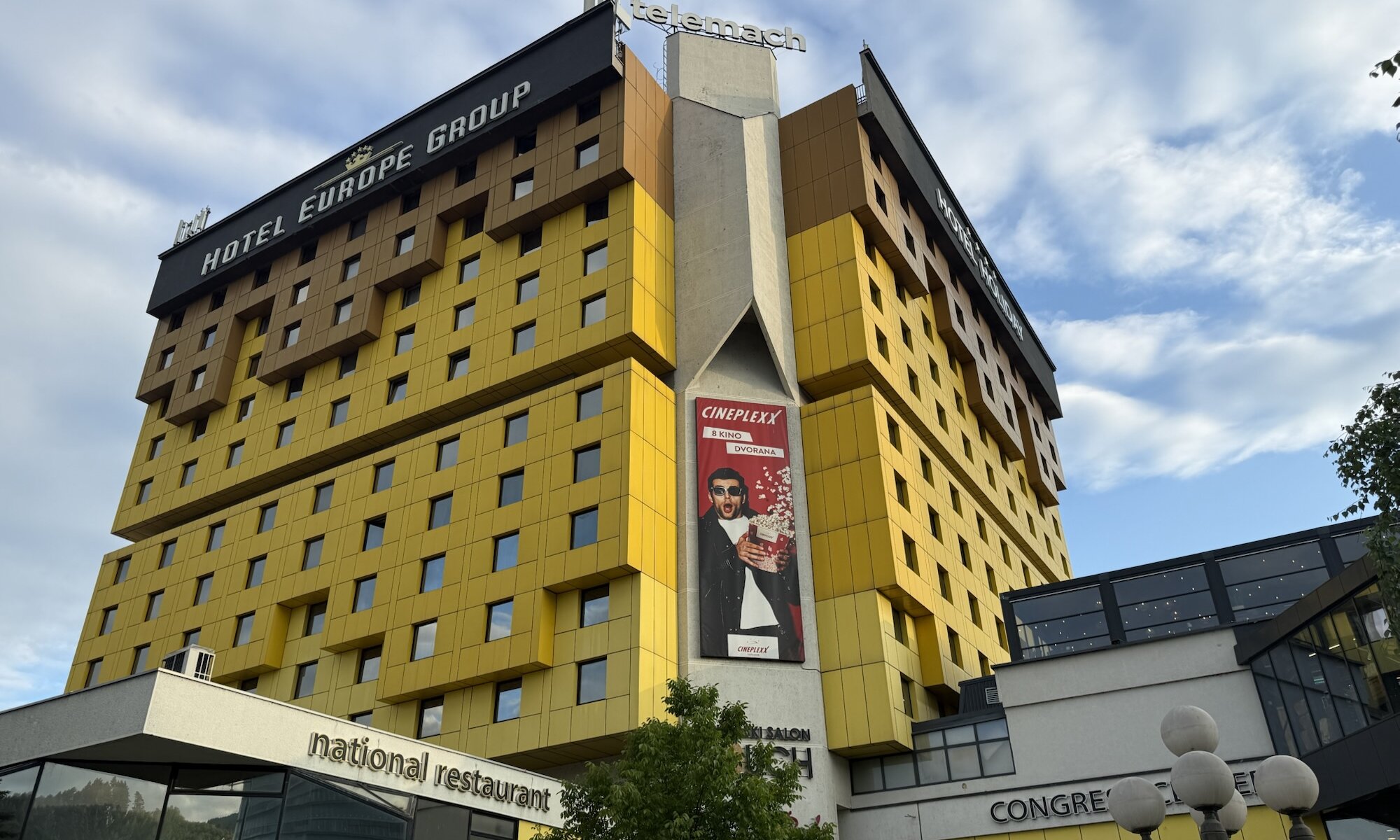
Hotel Holiday (Inn), Sarajevo

The Holiday Inn (now Hotel Holiday) in Sarajevo is one of the city’s most recognisable modern landmarks, originally built in the early 1980s as part of the preparations for the 1984 Winter Olympics. Designed by Sarajevo architect Ivan Štraus, it was intended to project a fresh, international image for the city and quickly became a symbol of that Olympic era.

Continue reading “Holiday Inn”