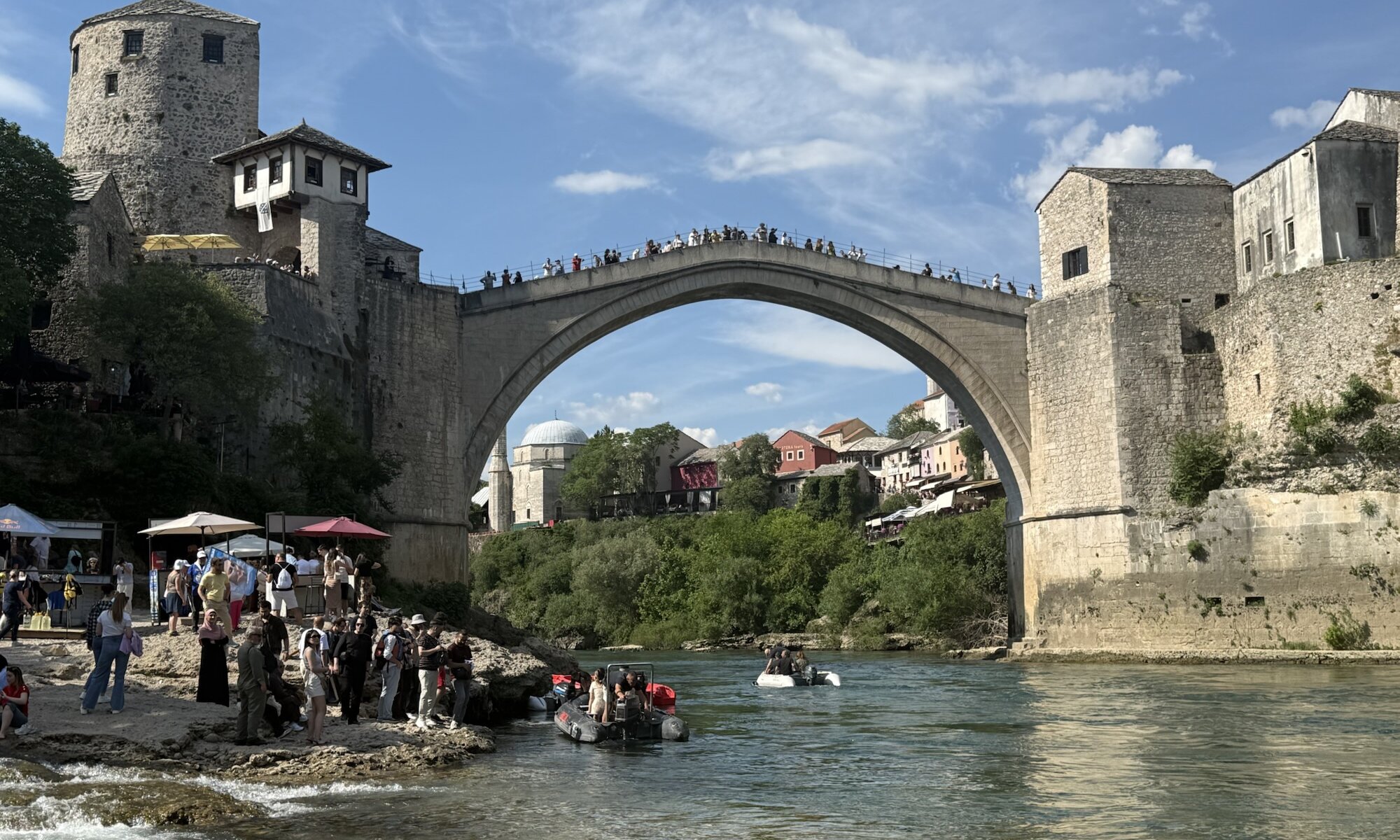
One of those places that stays with you because its history is visible everywhere you walk. First mentioned in the 15th century, Mostar grew as an Ottoman frontier town around a river crossing, and the city’s very name comes from the bridge keepers. Its position on the Neretva made it a natural meeting point for traders, travellers and different cultures, which shaped its character over centuries.
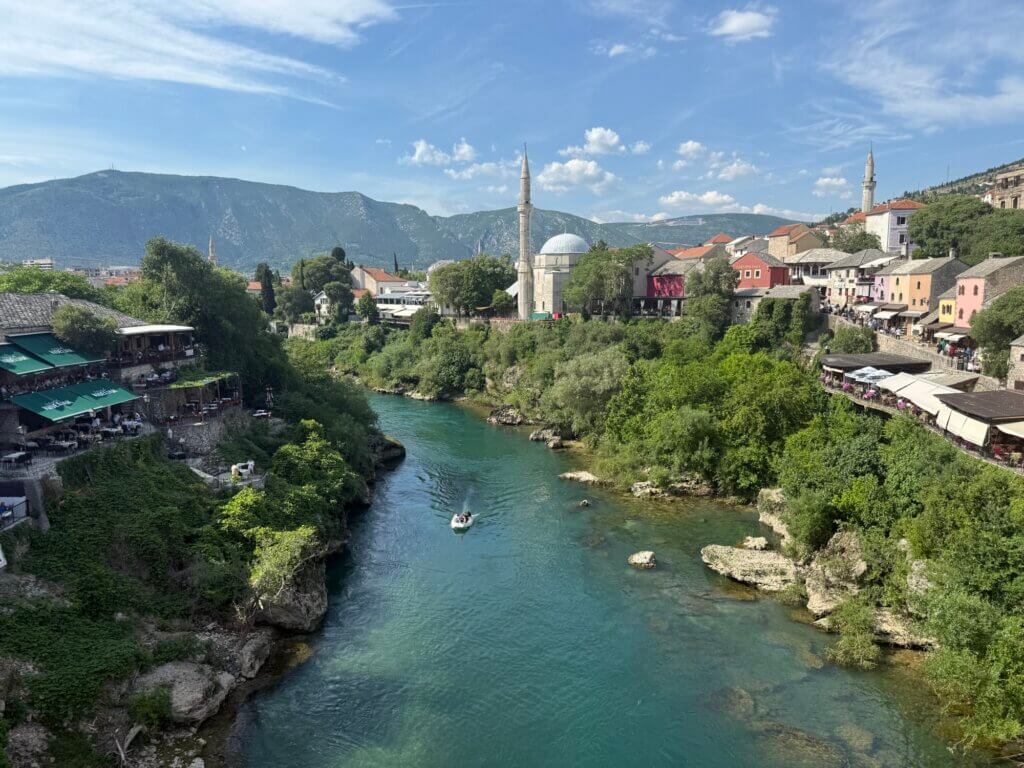
What makes Mostar special is the way it blends layers of history into a compact, walkable city. You can see Ottoman, Austro-Hungarian and more recent influences side by side, yet the place still feels unmistakably local rather than polished for visitors. That mix of architecture, river scenery and cultural memory gives it a depth that many Balkan cities have, but few carry quite as strongly.
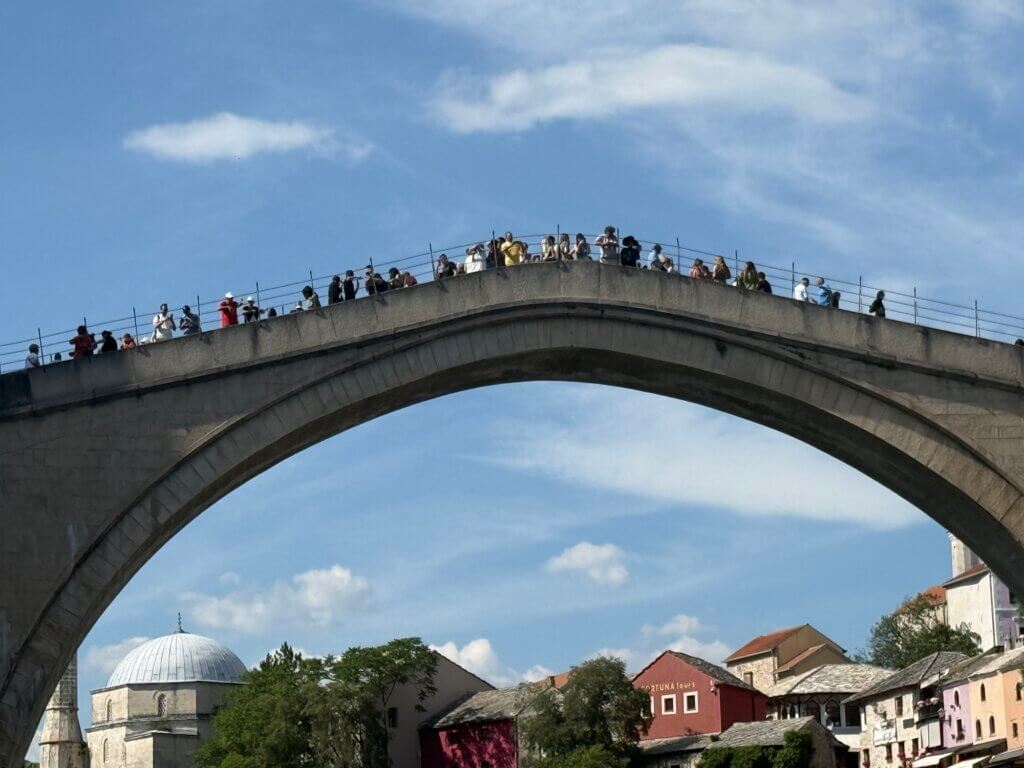
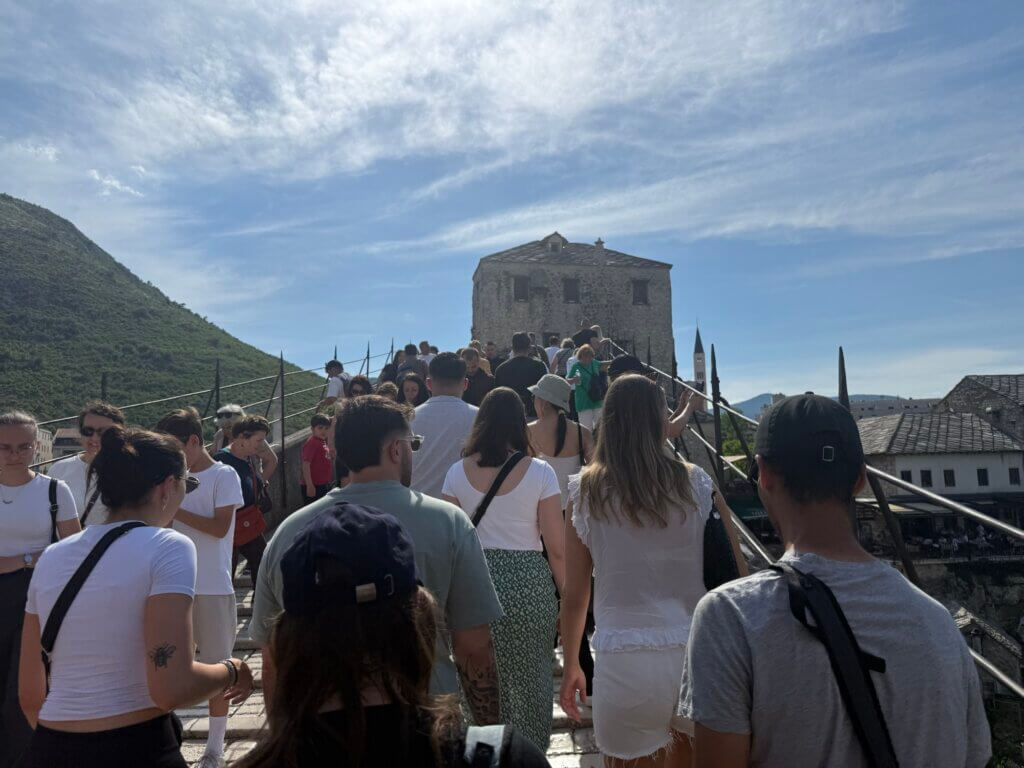
The most famous sight is, of course, the Old Bridge, Stari Most, which became a symbol of the city after its destruction in the 1990s and later reconstruction. Standing on or beside it, you get a real sense of how central it is to Mostar’s identity, not just as a landmark but as a link between communities. Around it, the old bazaar streets are full of cafés, craft shops and narrow lanes that still feel lively rather than frozen in time.
Today, visitors can explore the restored old town, traditional houses, mosques, small museums and river viewpoints, while also noticing traces of the city’s difficult recent past. The contrast between beauty and resilience is part of what makes Mostar memorable. It is not just a pretty stop on a Balkan itinerary; it is a city that tells a powerful story through its streets, bridge and skyline.
Old bridge
Mostar
Bosnia and Herzegovina
Loading map...
