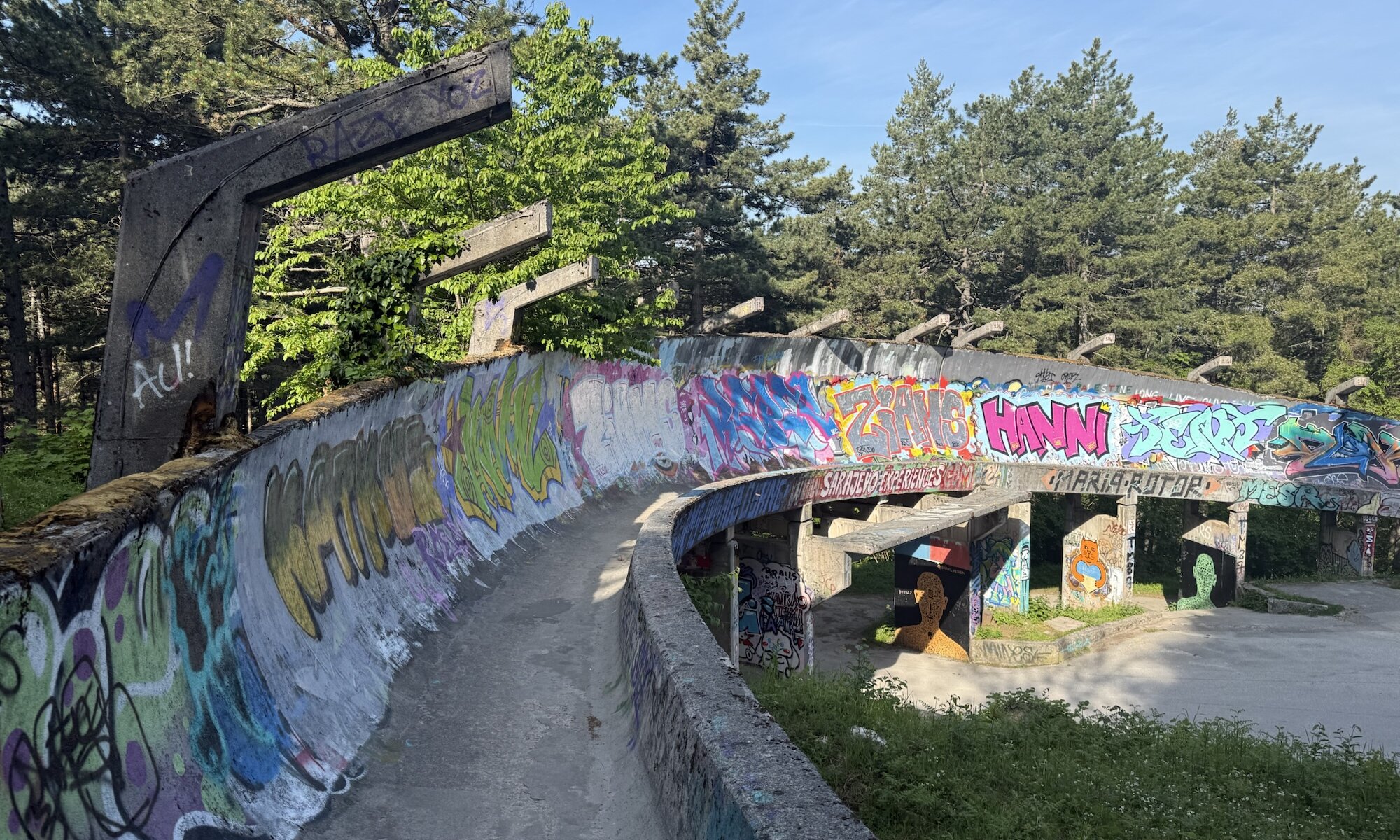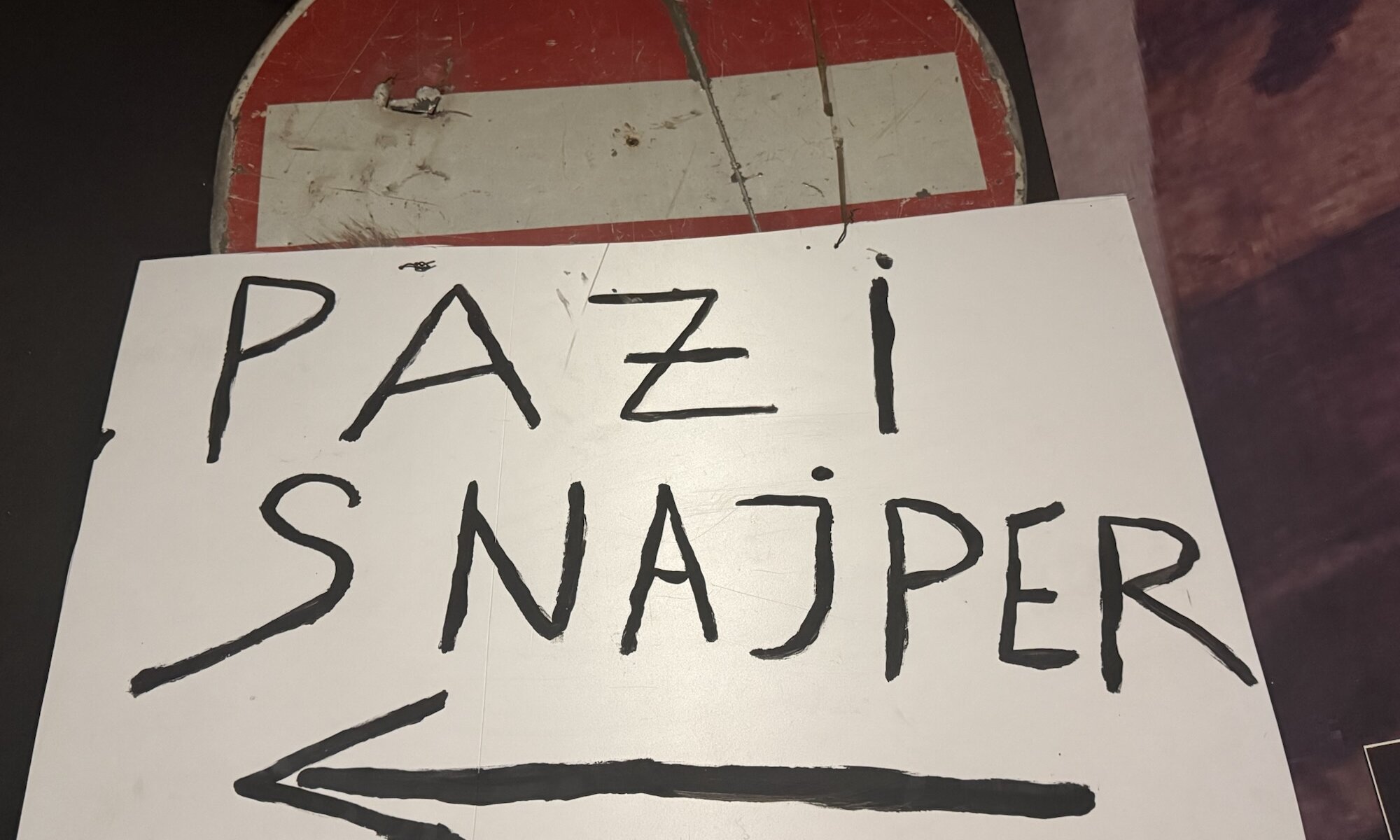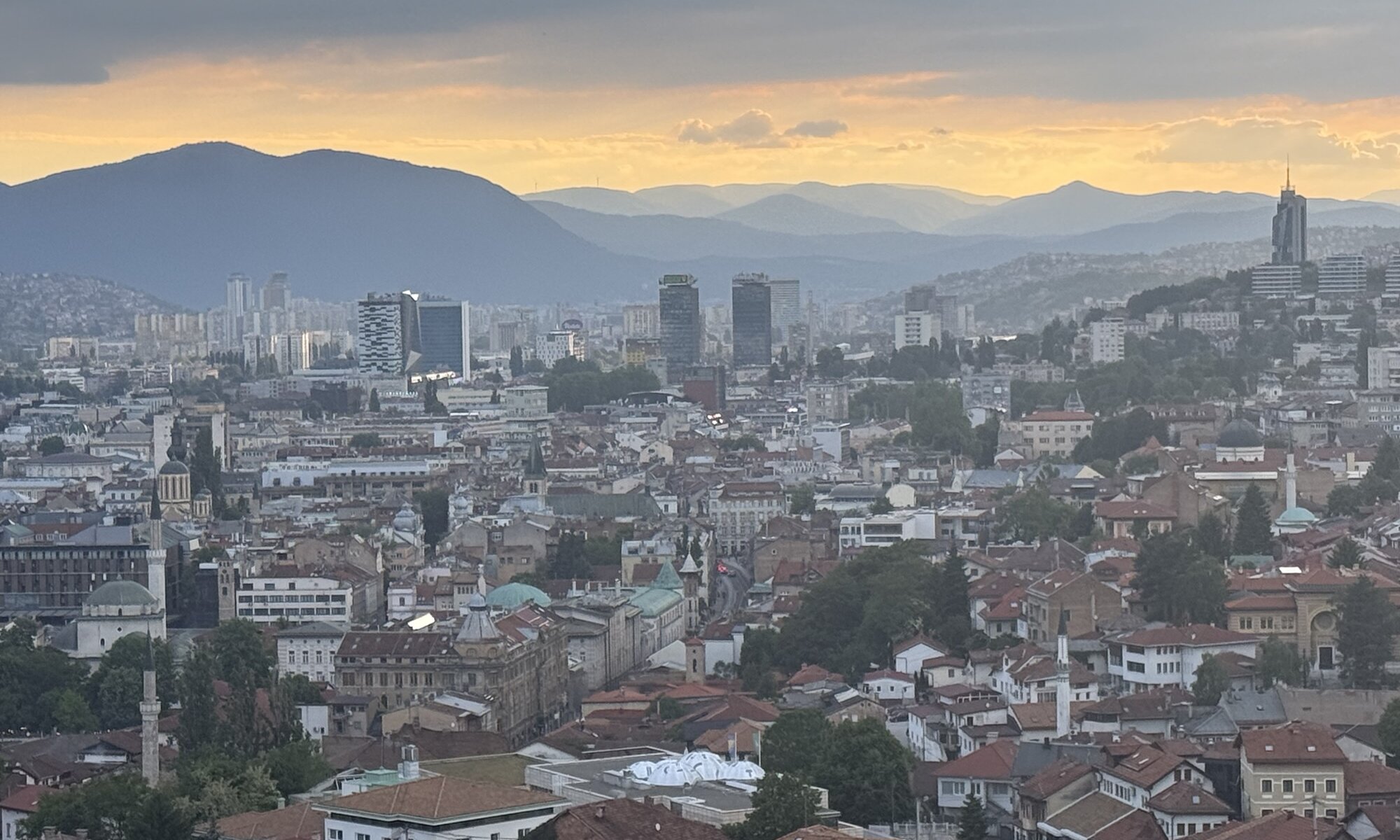
The Winter Olympics held in Sarajevo in 1984 stand out as one of the most atmospheric and, in many ways, unexpectedly charming editions of the Games. At the time, Sarajevo was part of Yugoslavia, and the event symbolised a rare moment when East and West came together in a relaxed, almost intimate setting. The city itself, surrounded by mountains and steeped in history, provided a dramatic natural backdrop that felt both authentic and unpolished compared to the more commercialised Winter Olympics that followed. There was a genuine warmth in the organisation and a sense that the Games belonged to the people rather than to global sponsors.
Continue reading “Olympia 1984”Holiday Inn
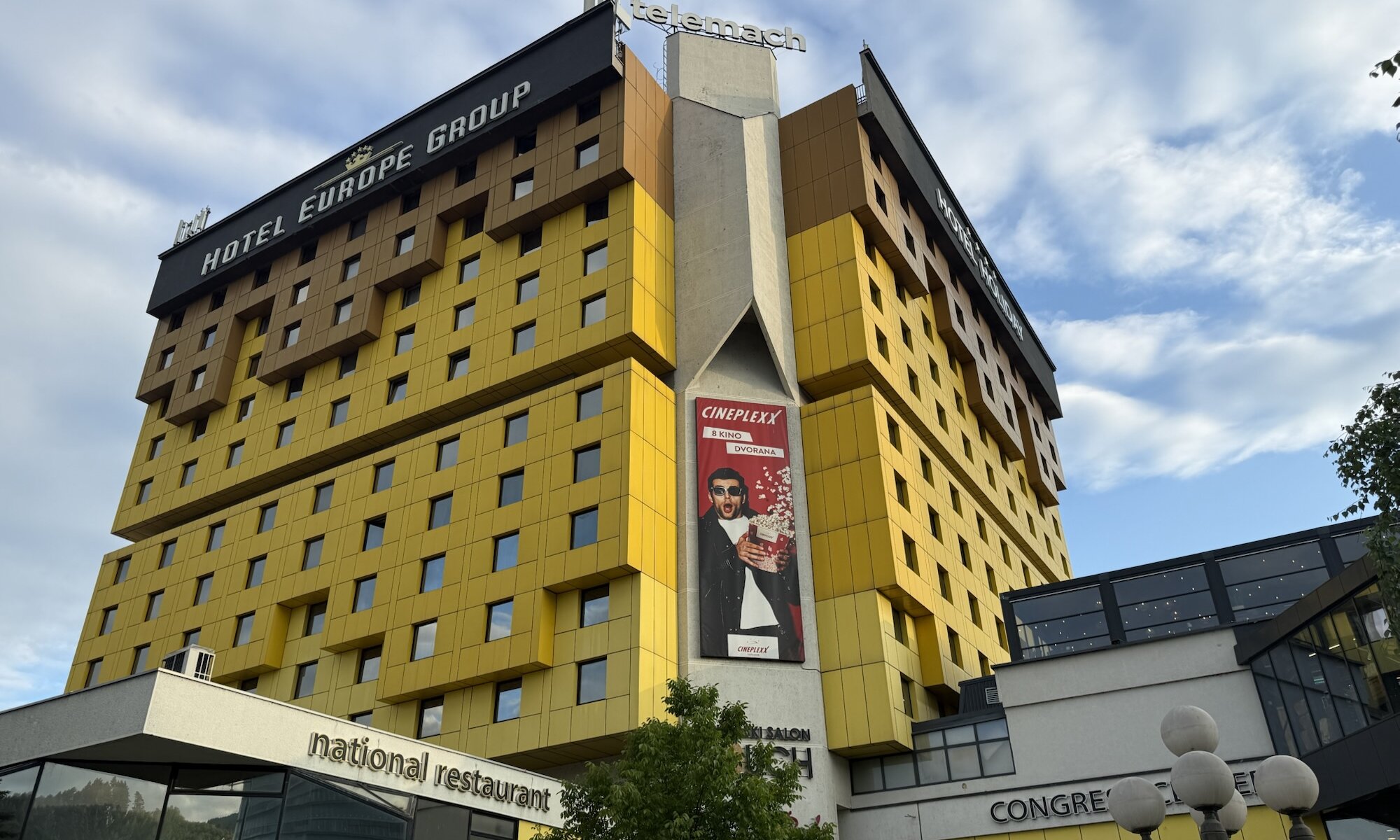
The Holiday Inn (now Hotel Holiday) in Sarajevo is one of the city’s most recognisable modern landmarks, originally built in the early 1980s as part of the preparations for the 1984 Winter Olympics. Designed by Sarajevo architect Ivan Štraus, it was intended to project a fresh, international image for the city and quickly became a symbol of that Olympic era.
Continue reading “Holiday Inn”Welcome to Sarajevo
Flying to Sarajevo was a quite spontanous idea: I still had a week of paid leave to take and in the last year I was continously travelling eastwards throughout former Yugoslavia, having seen Zagreb and Ljubljana. Serbia and Bosnia-Herzegovina were the logical consequence.
Continue reading “Welcome to Sarajevo”Avaz Twist Tower
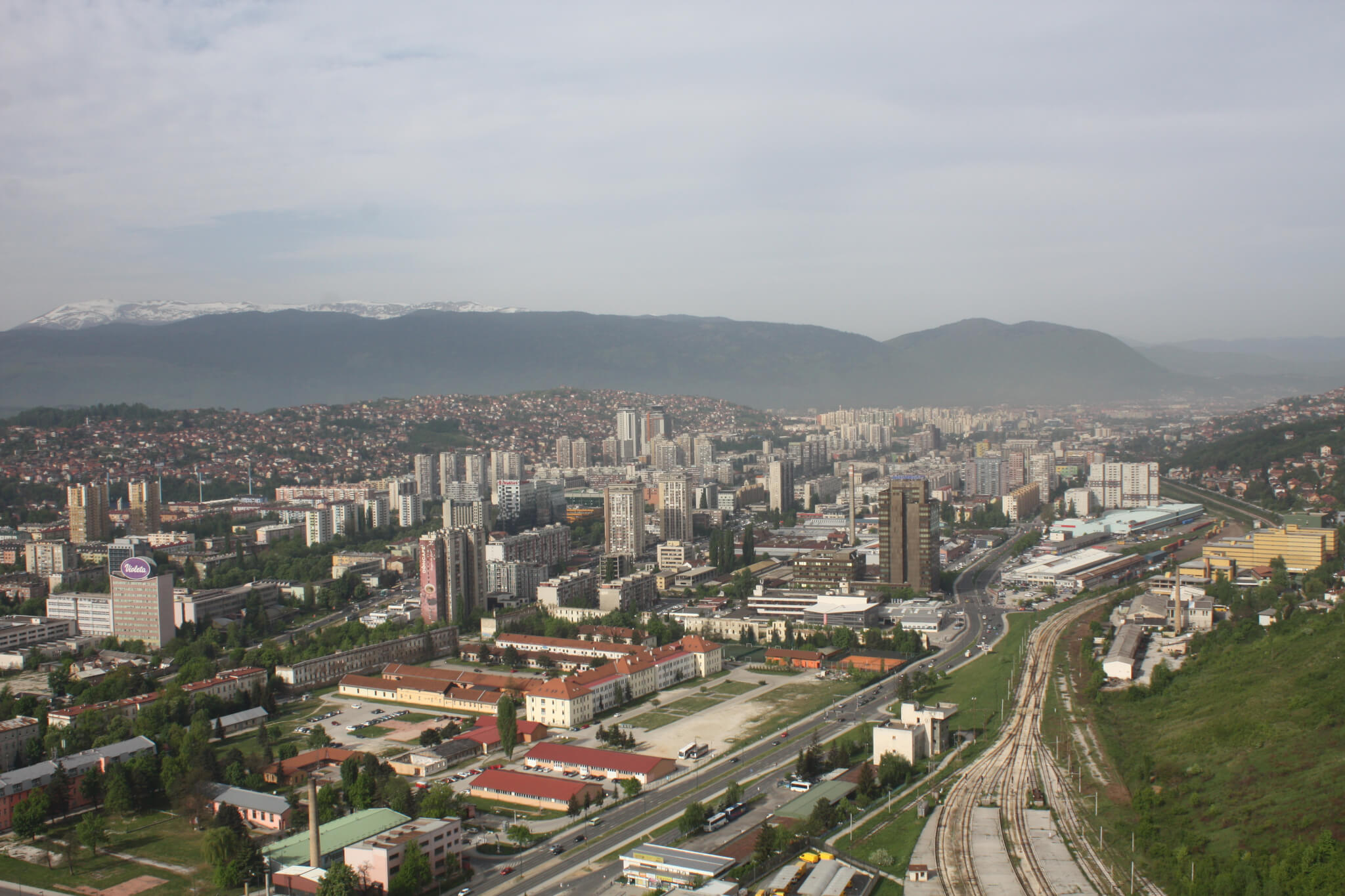
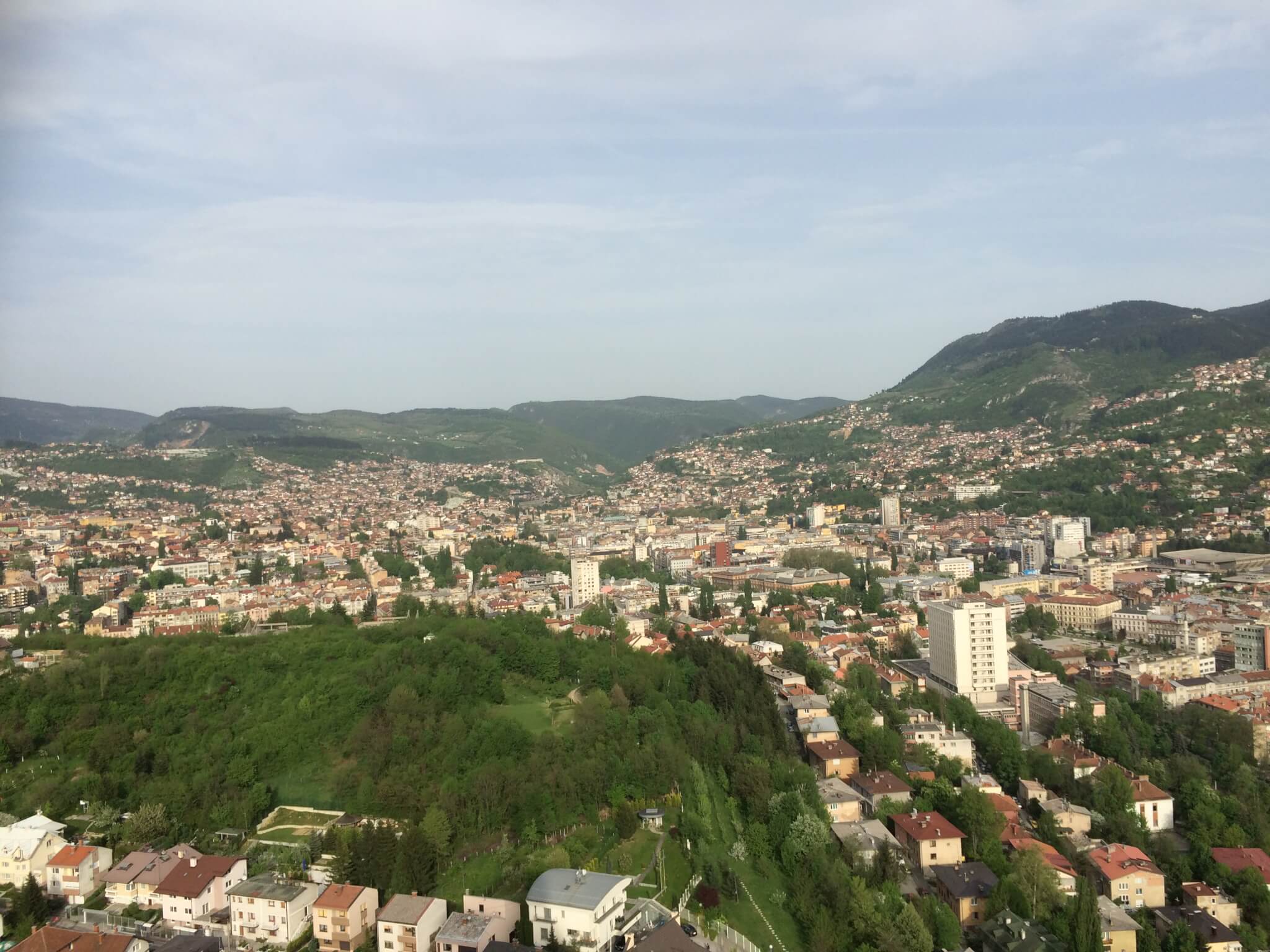
Sarajevo is located in a nice valley between green mountains. To have a glimpse on the landscape you can get on top of the Avaz Twist Tower next to the railway station. It has been built from 2006 to 2009 and looks quite freaky with its twisted glass construction.
Continue reading “Avaz Twist Tower”The old city hall: A good starting point
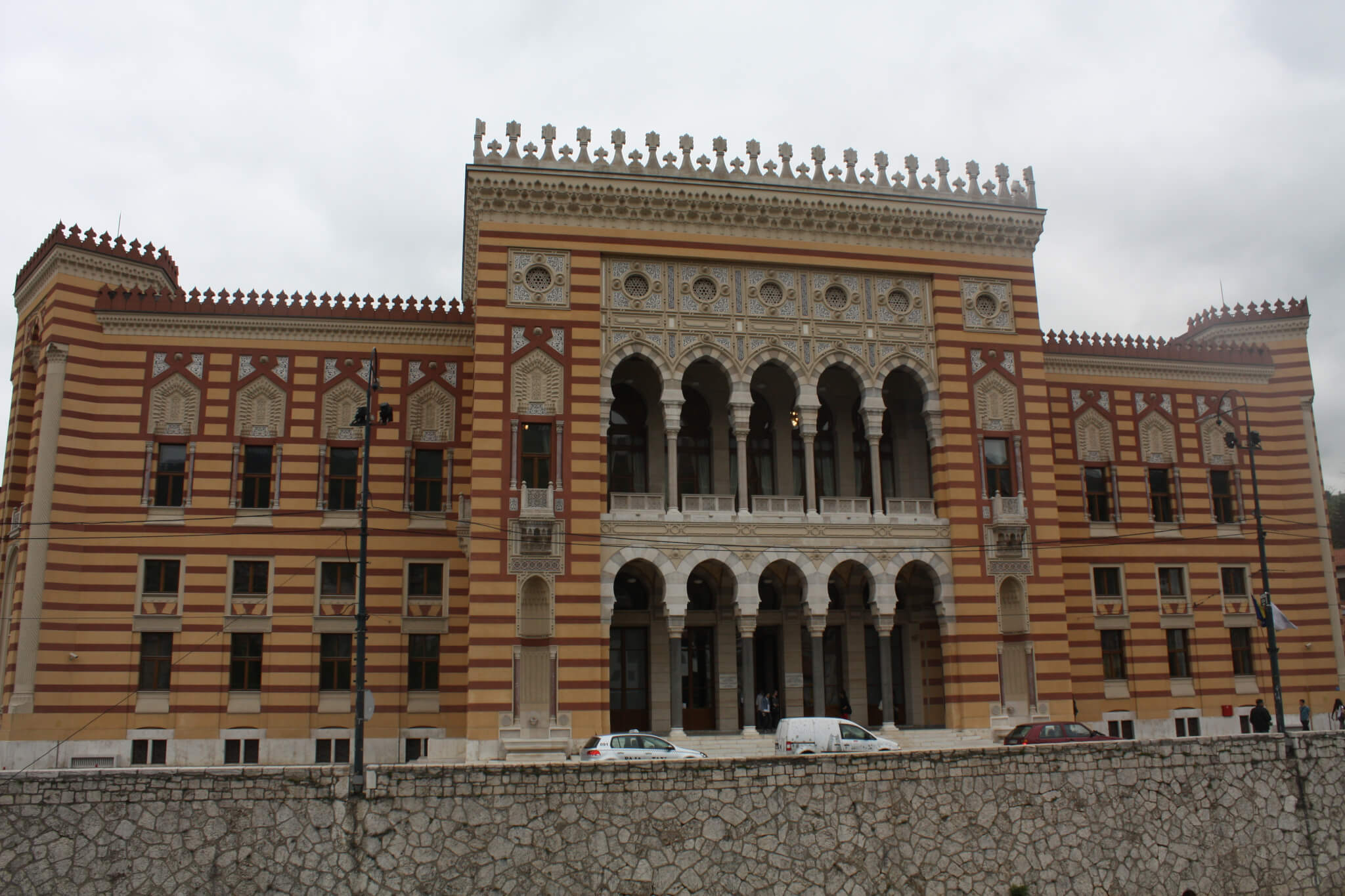
When coming to Sarajevo, people typically visit the old osman quarter (Baščaršija) first. Fair enough, because it might be the most beautiful part of the town and fascinates with its oriental atmosphere. A good starting point for this visit is the old city hall, built in 1892. You’ll find it close to the Miljacka river where Obala Kulina bana and Brodac streets cross.
Continue reading “The old city hall: A good starting point”Memorial to the children of Sarajevo
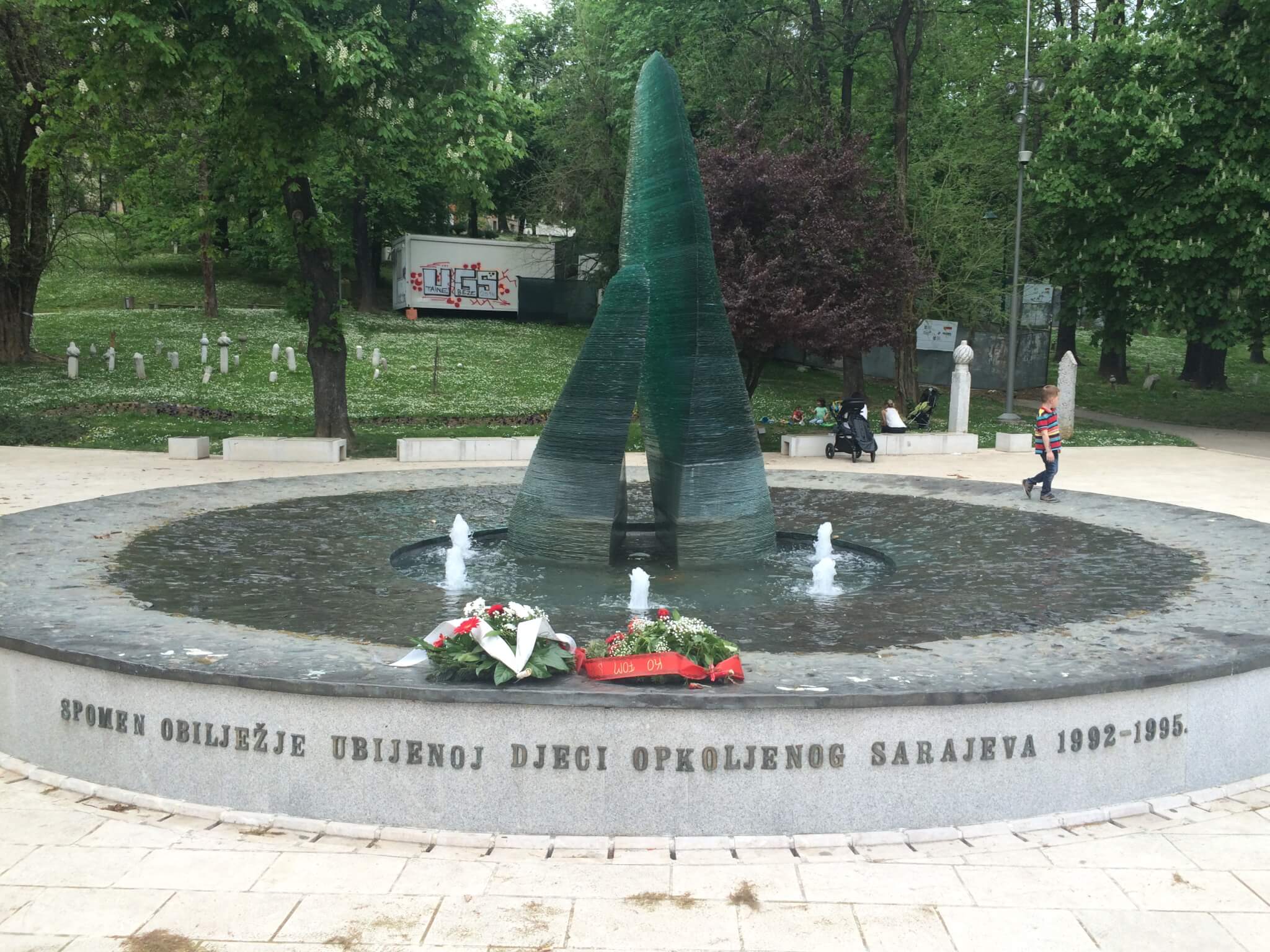
During the siege of Sarajevo especially the children became victims. Not only because they have been betrayed of an unburdened childhood but also, because often children playing in the streets where hit by shells and bullets. As stying inside was no guarantee for surviving, they tried to live a normal live, went to school and played on this unusual playground. The city of Sarajevo has therefore created a memorial in the Veliki park, close to Maršala Tita.
Continue reading “Memorial to the children of Sarajevo”The Romeo and Juliet of Sarajevo
Bosnia and Herzegovina is a reflection of Yugoslavia in miniature. Three ethnics and three religions exist next to each other: Bosniak muslims, orthodox serbs and catholic croats. During the siege of Sarajevo, the conflict line was drawn mainly between bosniaks and serbs, therefore between muslims and orthodox christians.
Don’t let them kill us
“Is there a time for keeping your distance
A time to turn your eyes away
Is there a time for keeping your head down
For getting on with your day”
– U2, Miss Sarajevo
The siege of Sarajevo
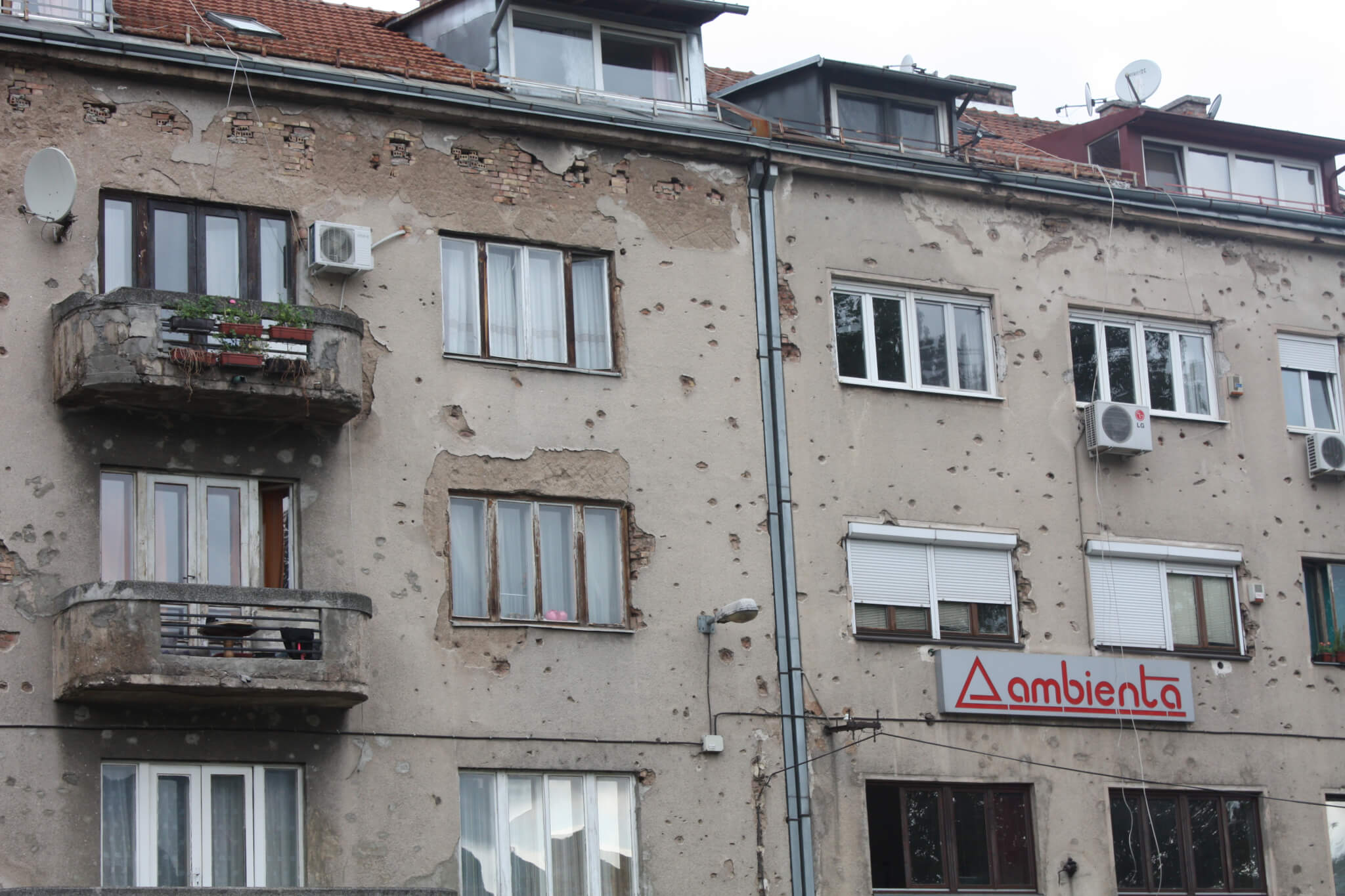
When Yugoslavia broke in parts in the beginning of the 1990s, the ethnic conflicts in Bosnia and Herzegovina escalated; the state is a reflection of Yugoslavia in miniature. Three ethnics and three religions exist next to each other: Bosniak muslims, orthodox serbs and catholic croats. While the bosniaks, forming the majority of nationals, wanted to became a separate state, the serbs wanted to be part of Serbia or remain in former Yugoslavia and the croats wanted to cooperate close with Croatia. No surprise.
The eternal flame
At the west-end of the Ferhadija a gas fire is burning. It reminds of the liberation of Sarajevo by the troops of Yugoslavia in World War II. It was ignited in 1946 and burned continous until 1992. During the siege natural gas was a scarce good and the termination of the fire was seen as a bad signal.
Continue reading “The eternal flame”