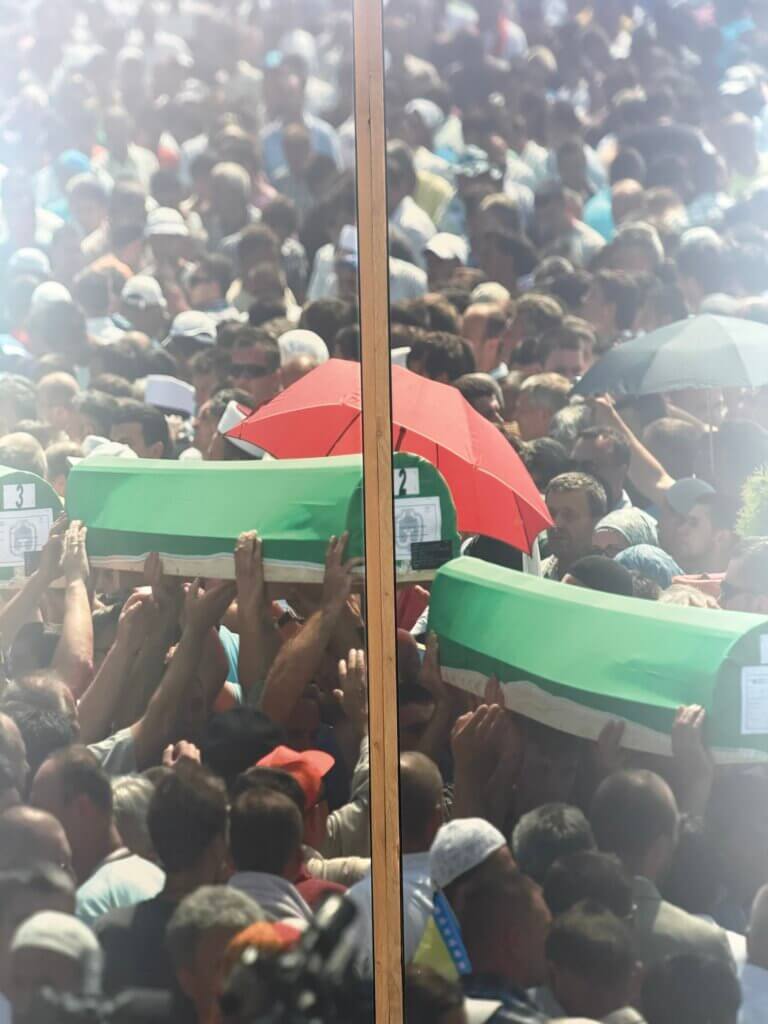
The massacre of Srebrenica in July 1995 stands as one of the darkest chapters in recent European history. It has been recognised as a genocide, carried out with the explicit aim of ethnic cleansing in eastern Bosnia. What unfolded in and around this small town was not a chaotic by-product of war, but a systematic and organised effort to eliminate the Bosniak population from the region.
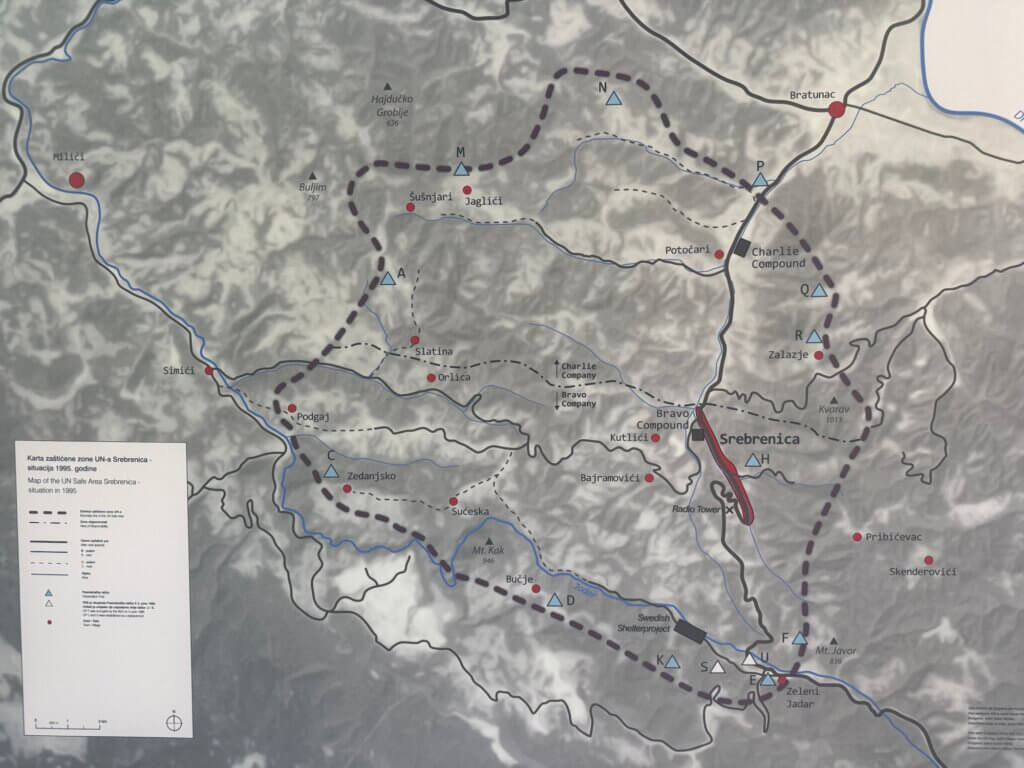
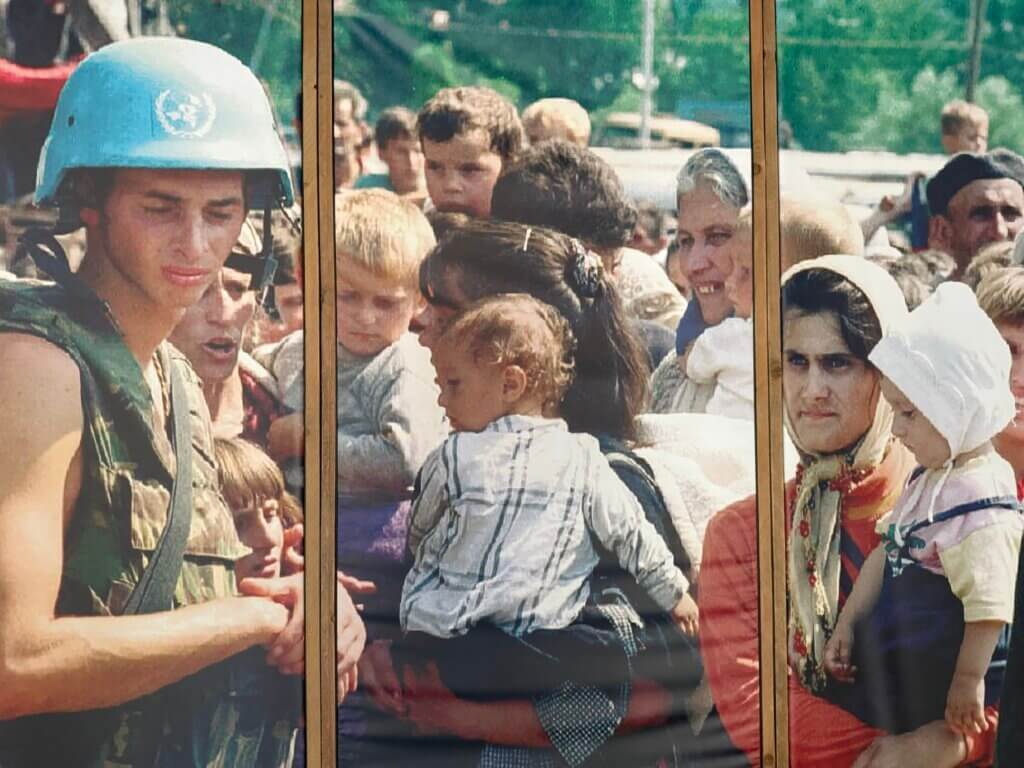
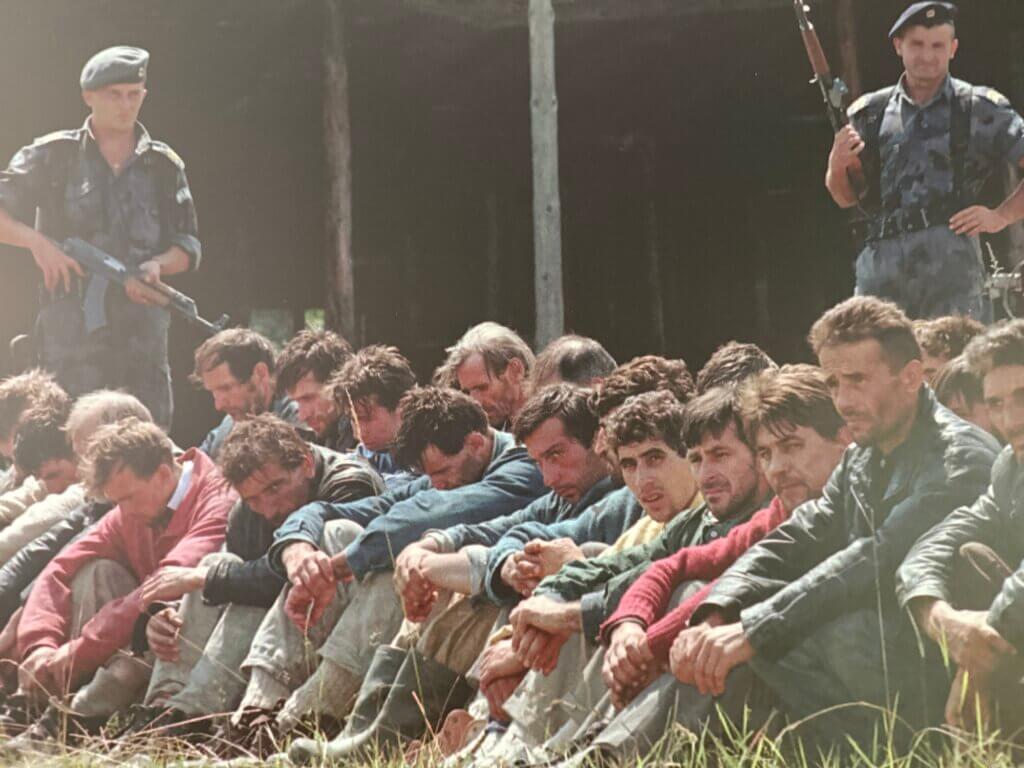
When Bosnian Serb forces overran the UN-declared “safe area” of Srebrenica, thousands of civilians sought refuge, many gathering at the Dutch UN base in Potočari. There, a brutal separation process began: women, children, and elderly men were forcibly divided from the able-bodied men and boys. While the former were deported, often under terror and abuse, the latter were detained under false pretences. Over the following days, these men and boys were transported to multiple execution sites – warehouses, fields, and schools – where they were systematically killed and buried in mass graves.
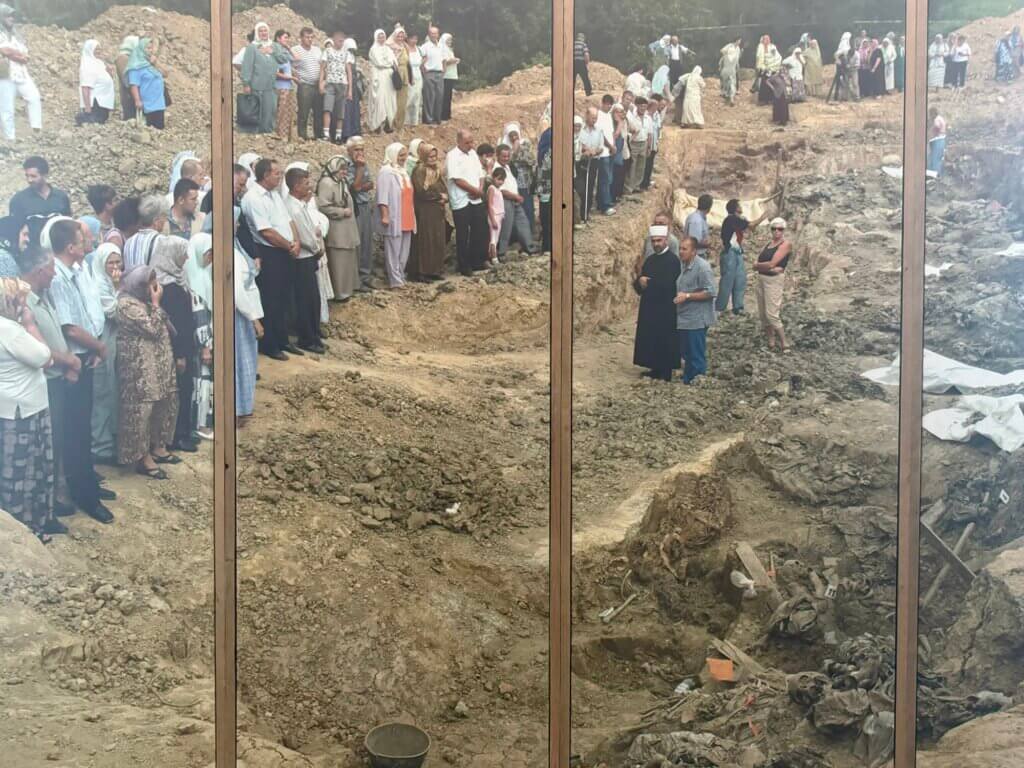
At the same time, a large group of men attempted a desperate escape through the forests, forming a column in the hope of reaching the free territory near Tuzla. This march, often referred to as the “death march,” became another site of mass killing. The column was relentlessly attacked with artillery and ambushes; people were bombarded while walking, hunted through the woods, and forced to surrender under deception. Many who gave themselves up were subsequently executed, further adding to the scale of the atrocity.
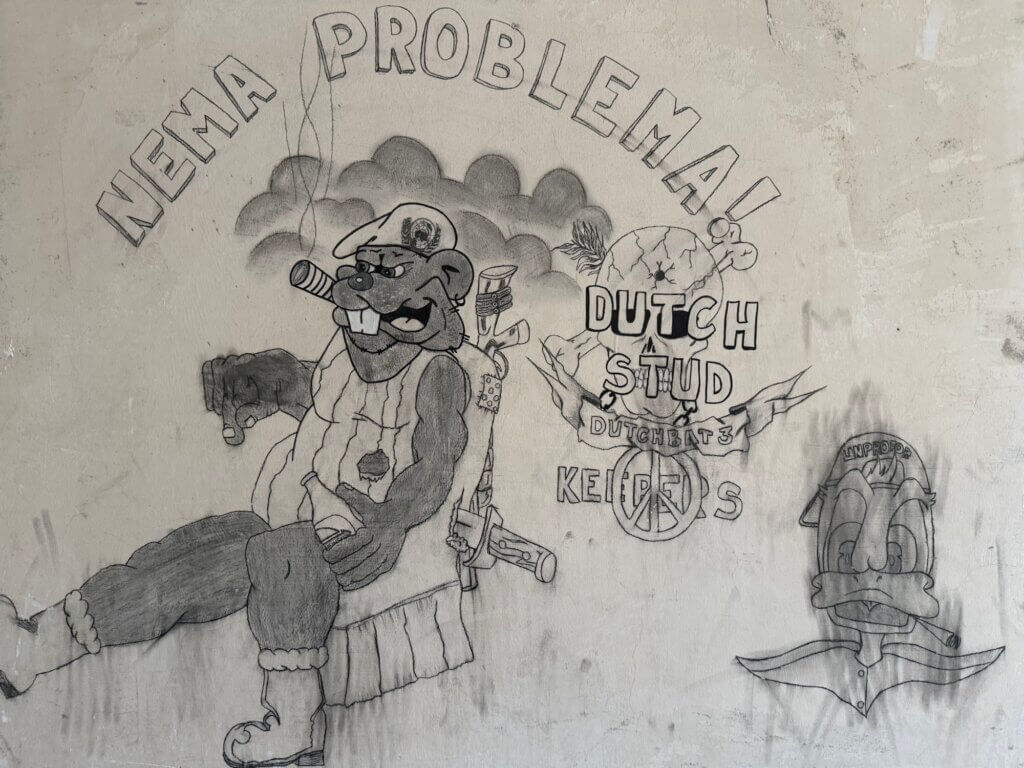
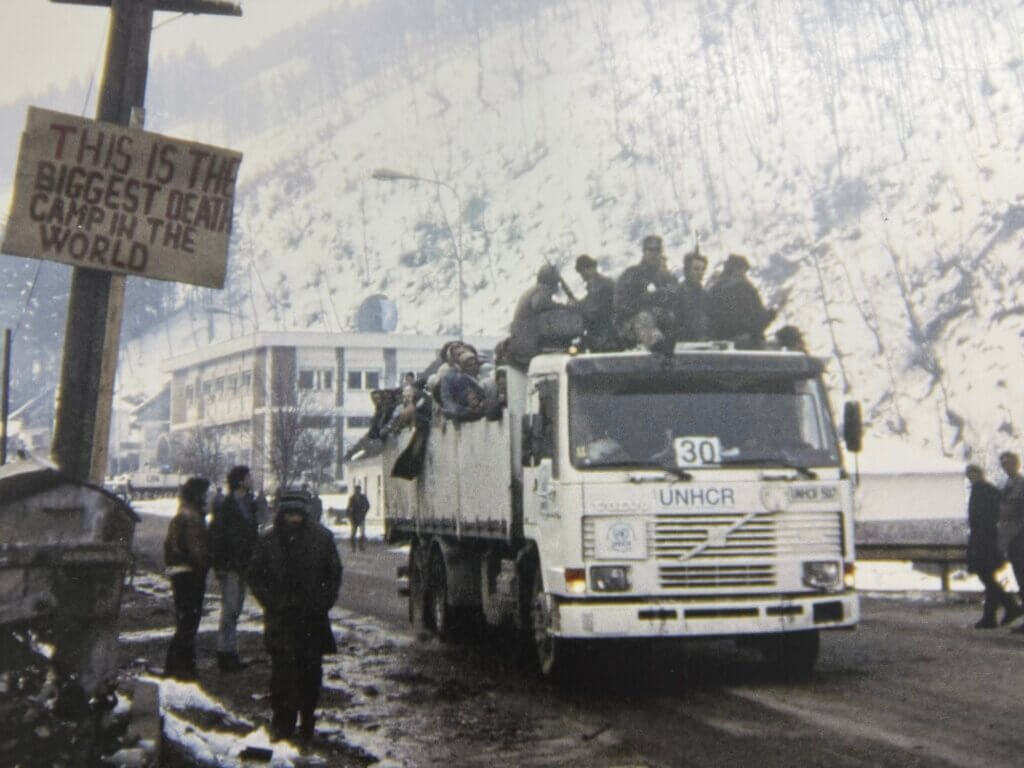
The massacre also represents a profound failure of the international community. Despite Srebrenica’s status as a UN-protected zone, meaningful protection never materialised. Requests for decisive air support were delayed or denied, leaving the enclave defenceless. The Dutch peacekeeping battalion (DUTCHBAT), lightly armed and outnumbered, ultimately surrendered control of the situation to Bosnian Serb forces, unable or unwilling to prevent what followed. The combination of inaction, misjudgement, and lack of political will contributed to the conditions in which genocide could occur in plain sight of the world.
Visiting the Memorijalni centar
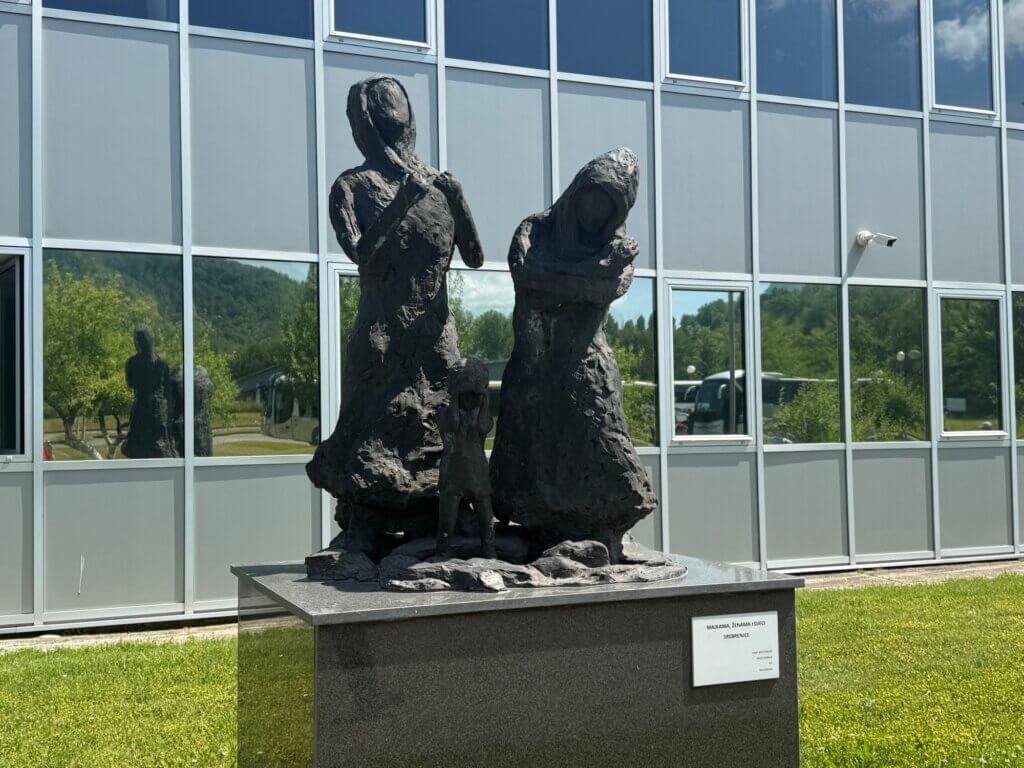
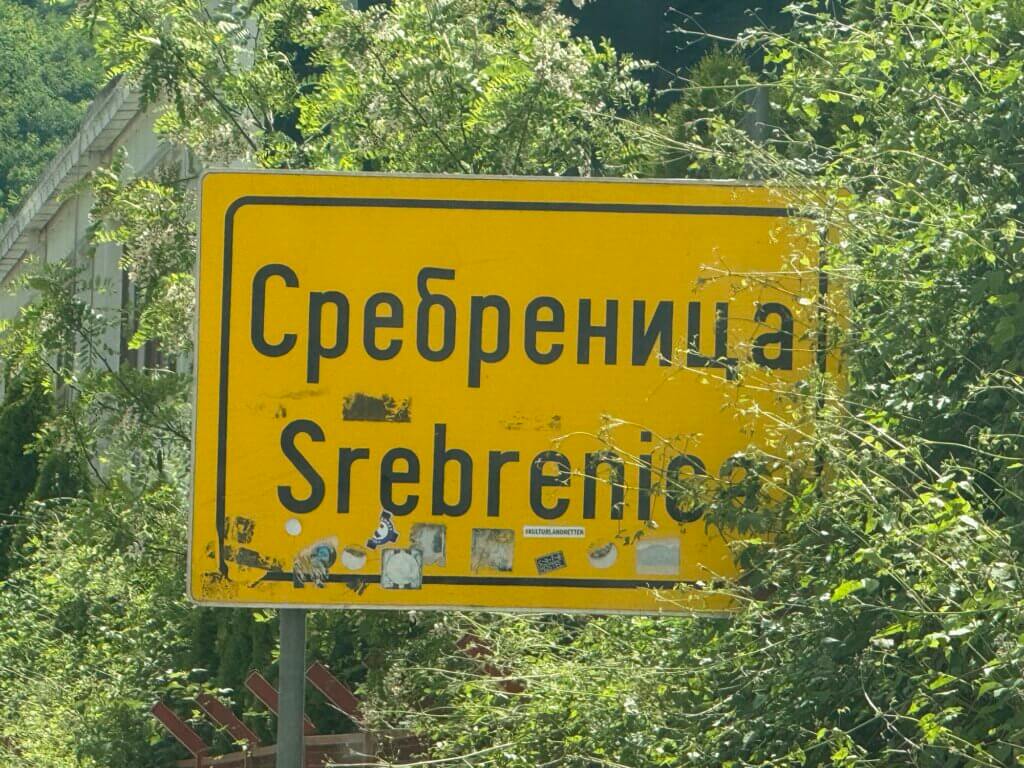
Arriving in Potočari, the atmosphere shifts almost imperceptibly, yet unmistakably. The landscape itself feels heavy with memory, even before one reaches the Memorial Centre. What striked me most is the awareness that this single site represents only a fraction of what happened here. Across the surrounding hills and valleys, there are numerous locations – former killing fields and mass grave sites – that would, in many countries, also be marked and preserved as places of remembrance. Yet many of these lie within Republika Srpska, where there appears to be a lingering reluctance among parts of the local population to fully acknowledge or commemorate these events.
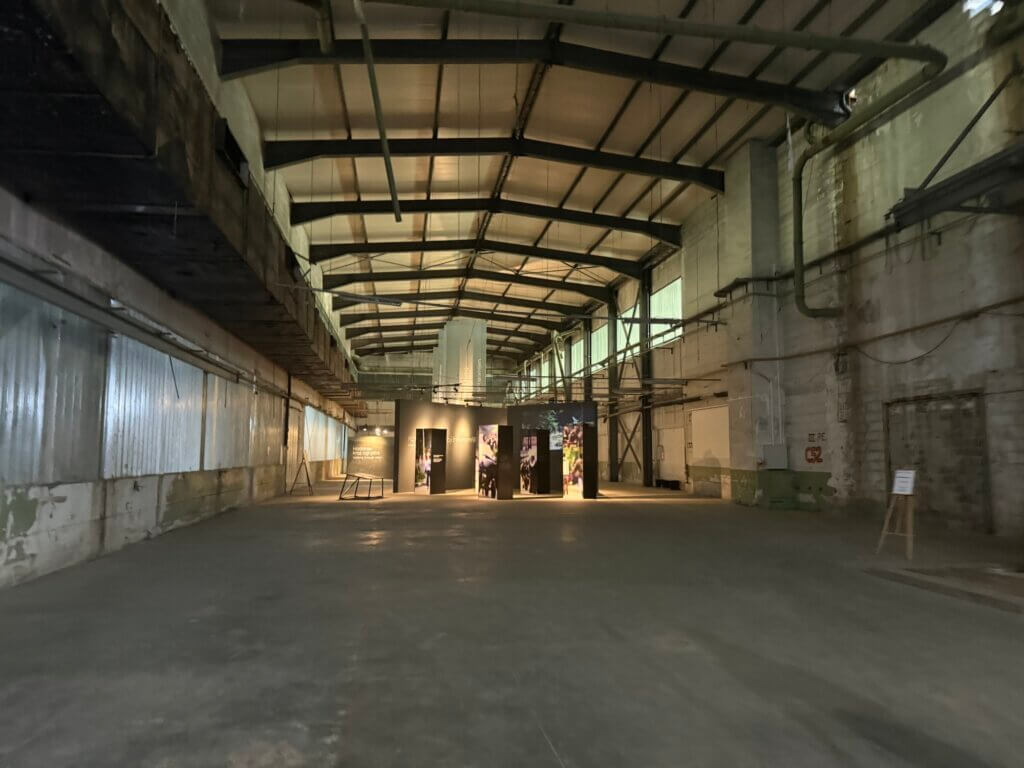
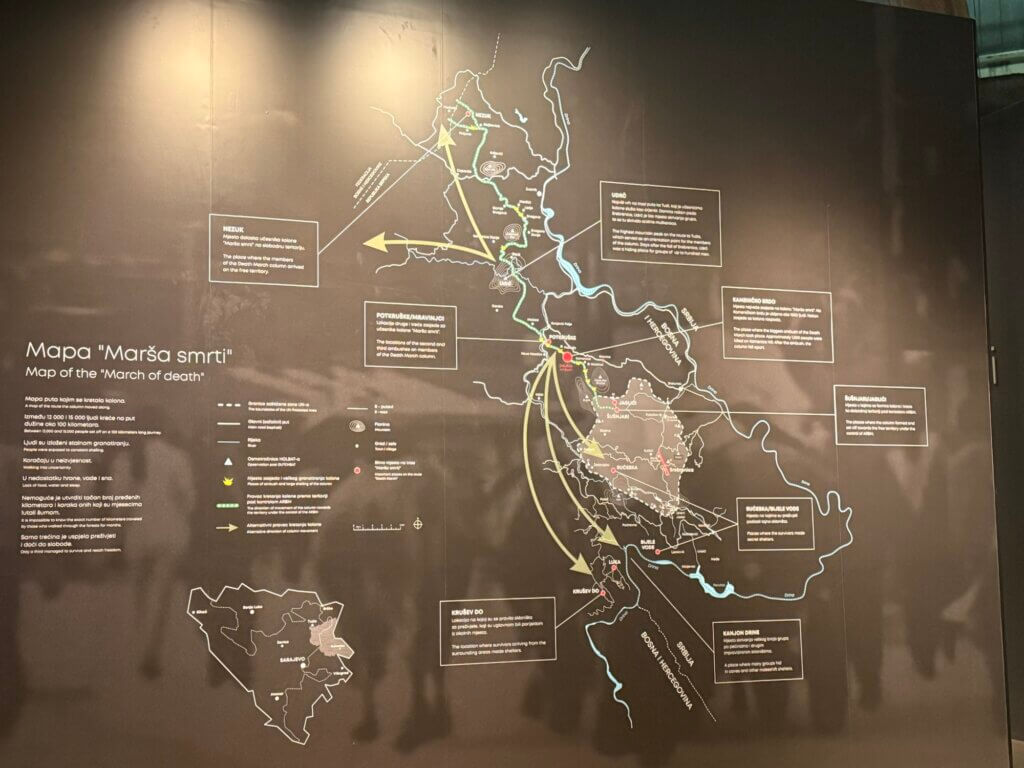
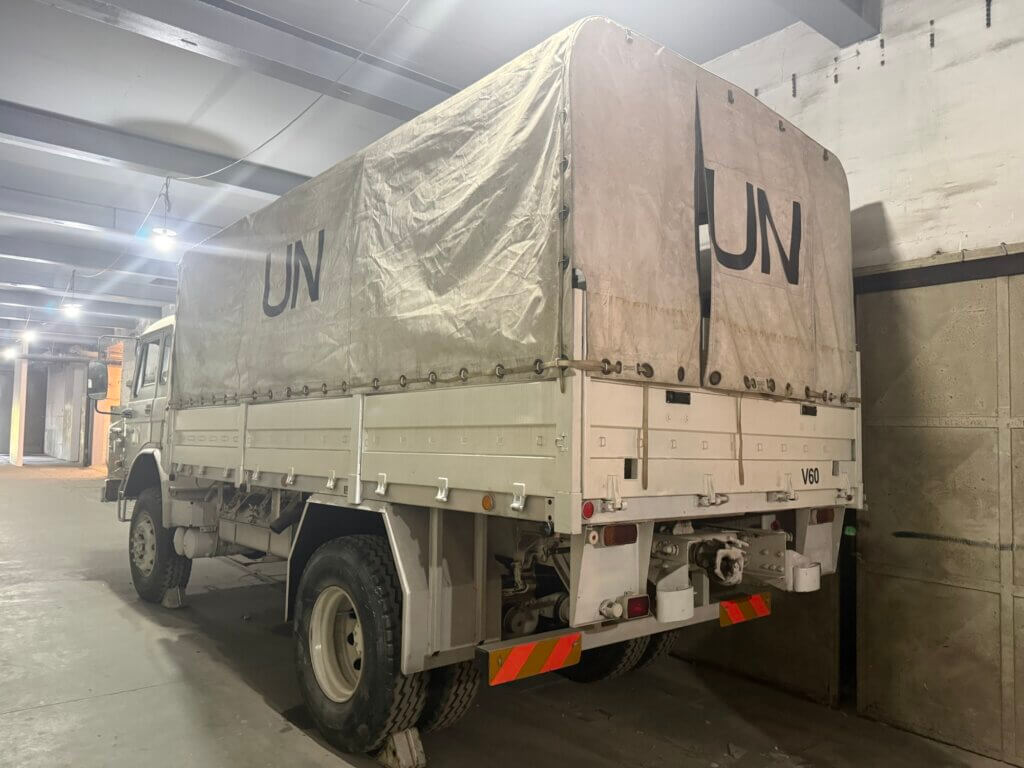
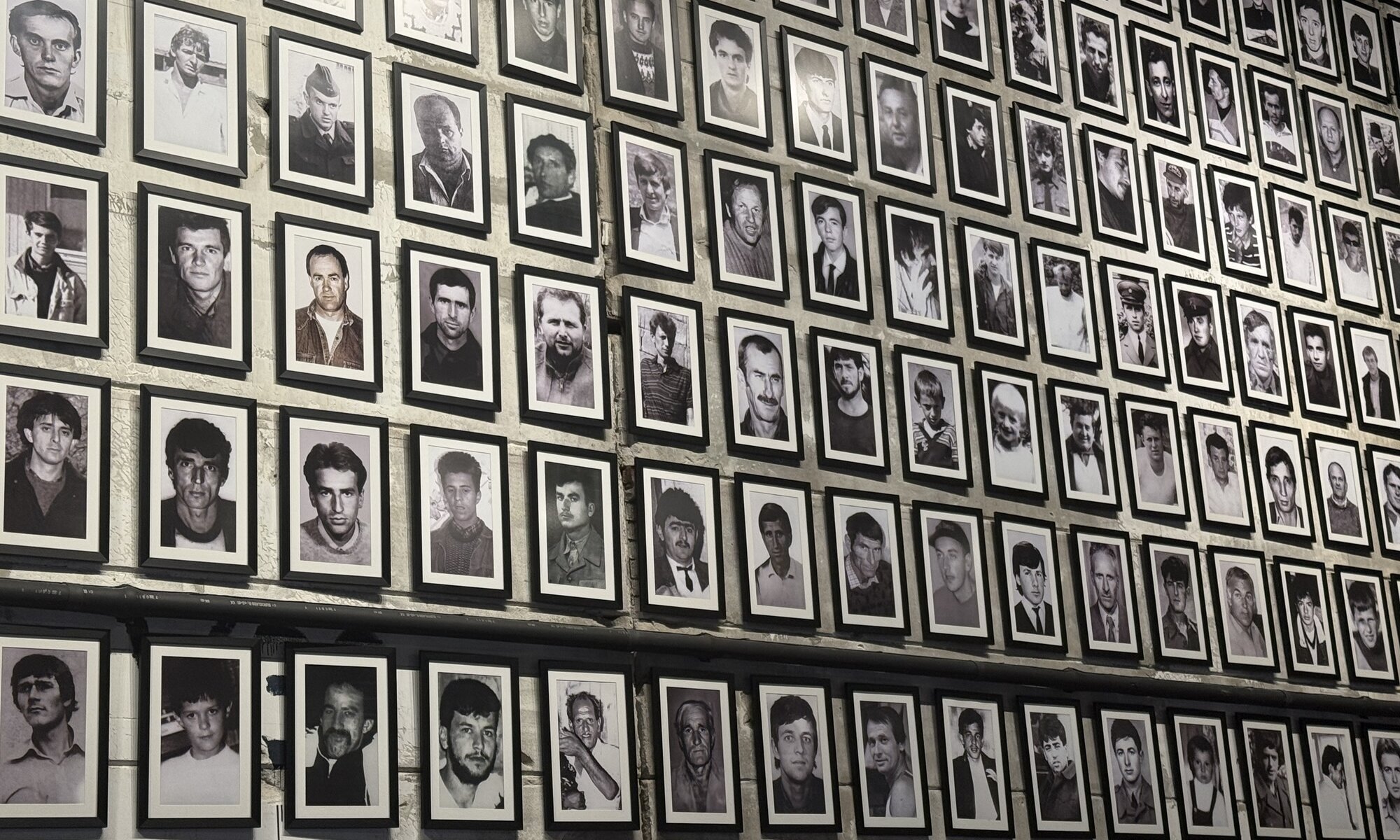
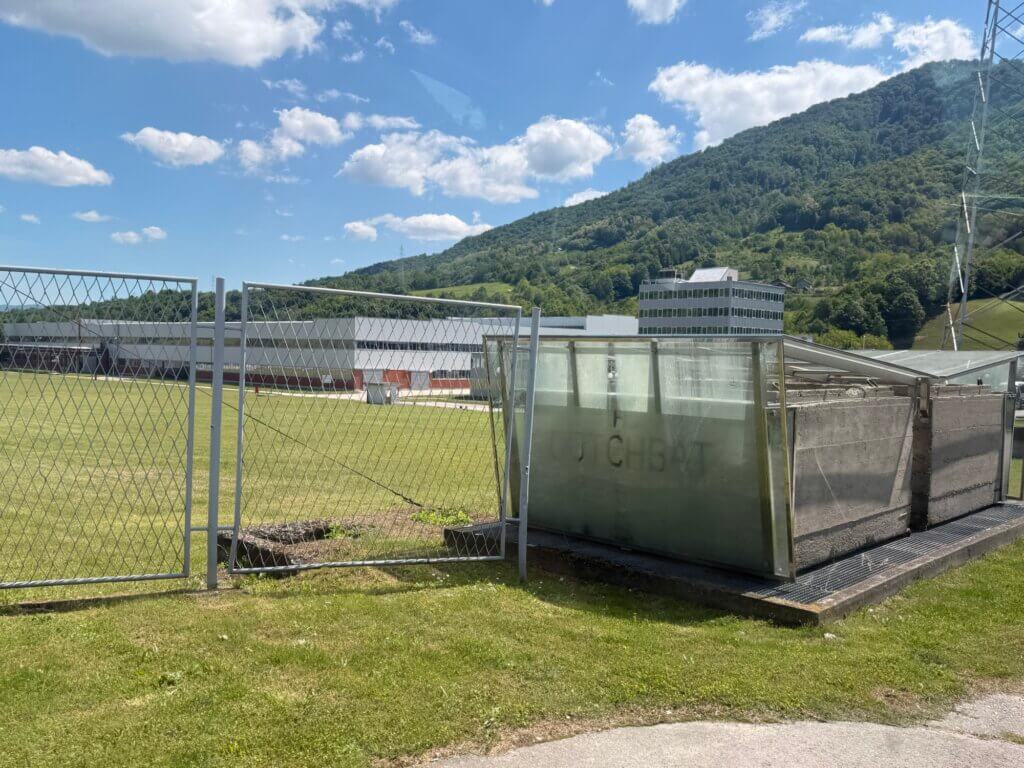
The Memorial Centre itself is located in what was once the Dutchbat base, set within a former battery factory. The industrial character of the buildings remains visible, lending the site a stark and utilitarian feel. Inside, the museum presents a sobering and carefully curated narrative: personal belongings, video testimonies, and photographs bring an immediacy that statistics alone could never convey. The setting reinforces the historical context – the very place where protection failed now serves as a space for documentation and reflection.
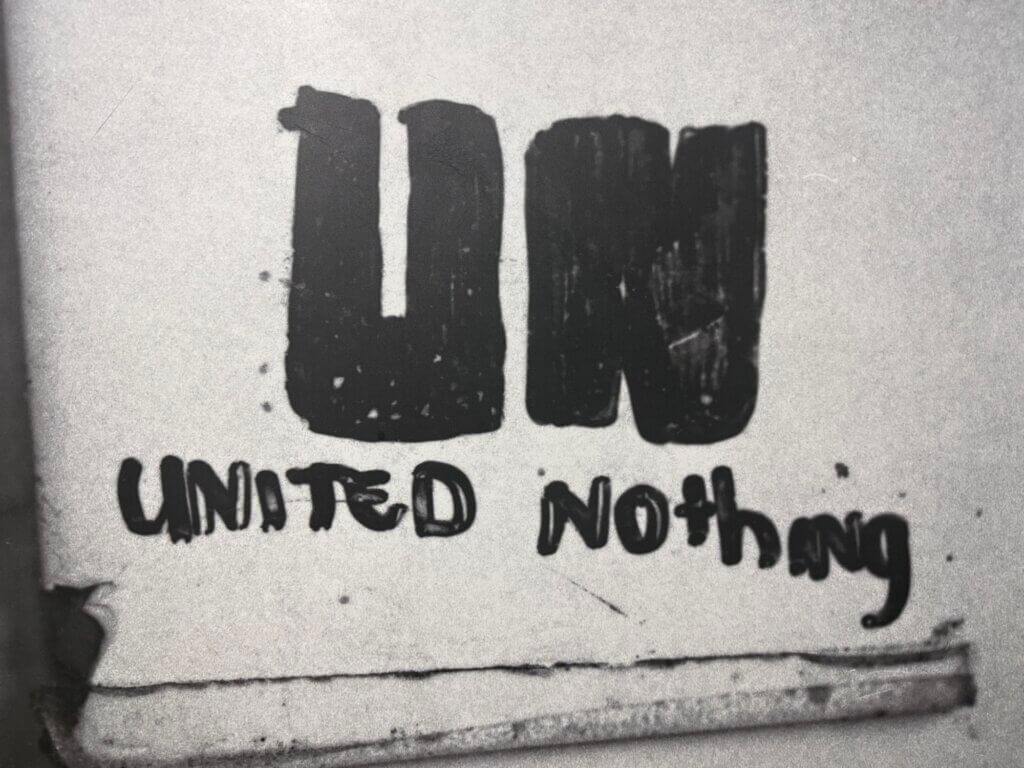
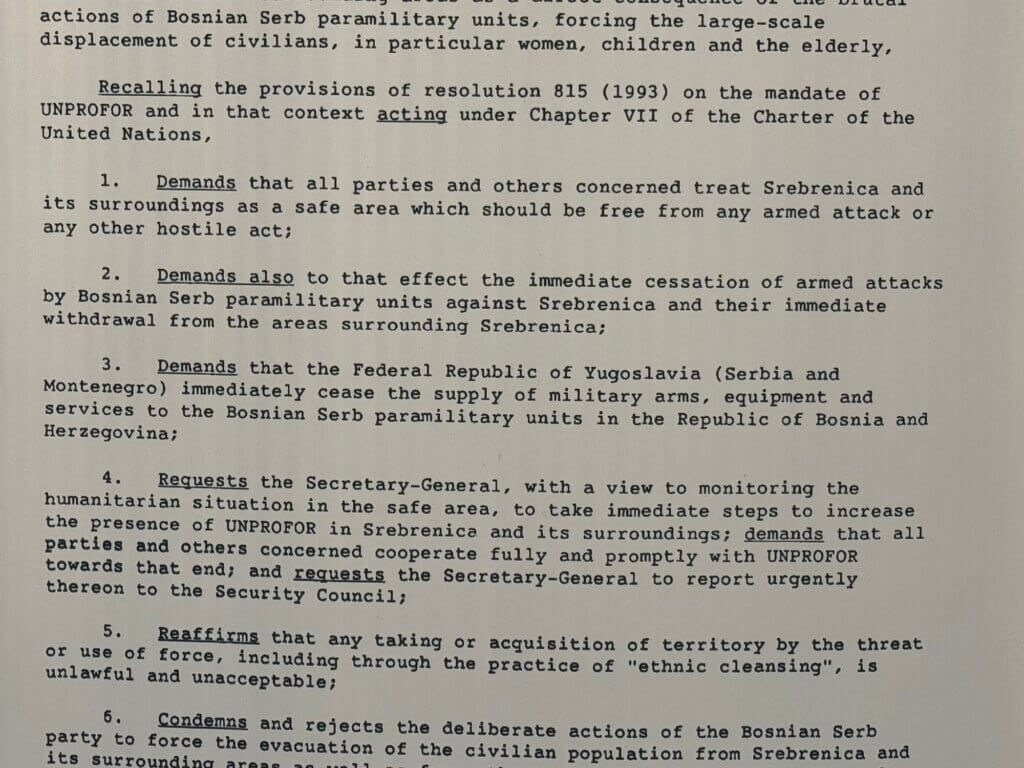
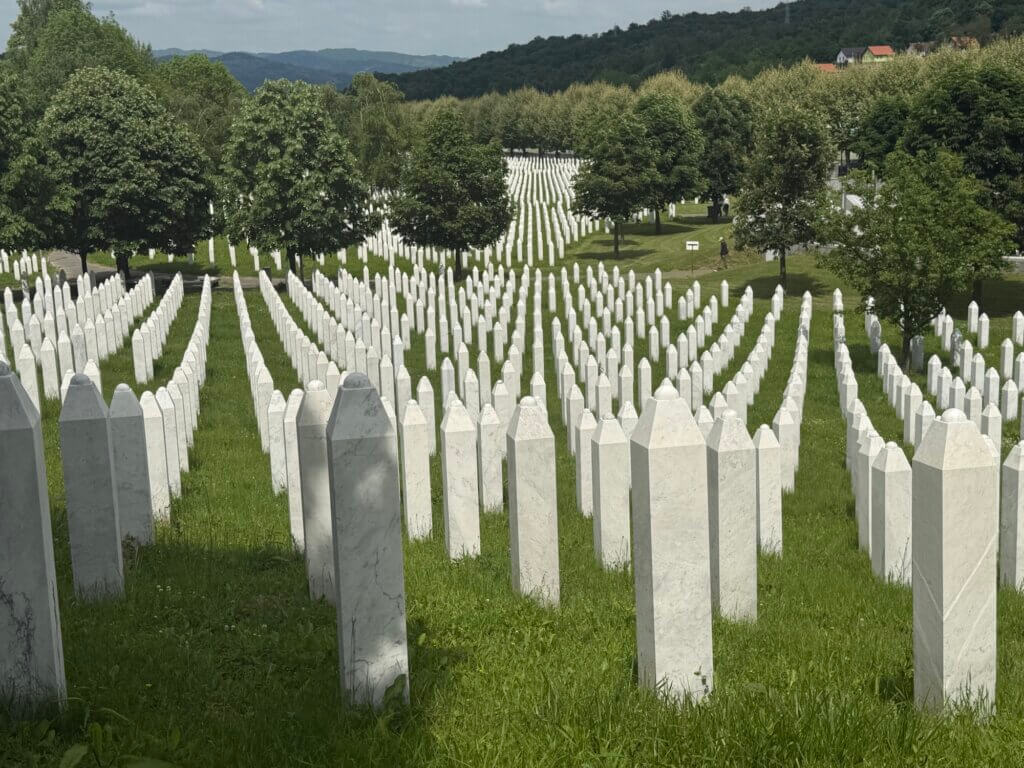
Adjacent to the museum lies the vast cemetery, a field of white headstones stretching across the landscape in solemn uniformity. Each marker represents an identified victim, and the sheer scale is difficult to comprehend until you stand among them. The quiet is profound, broken only by the wind moving across the open ground. It is a place that demands time and stillness, far removed from the pace of ordinary travel.
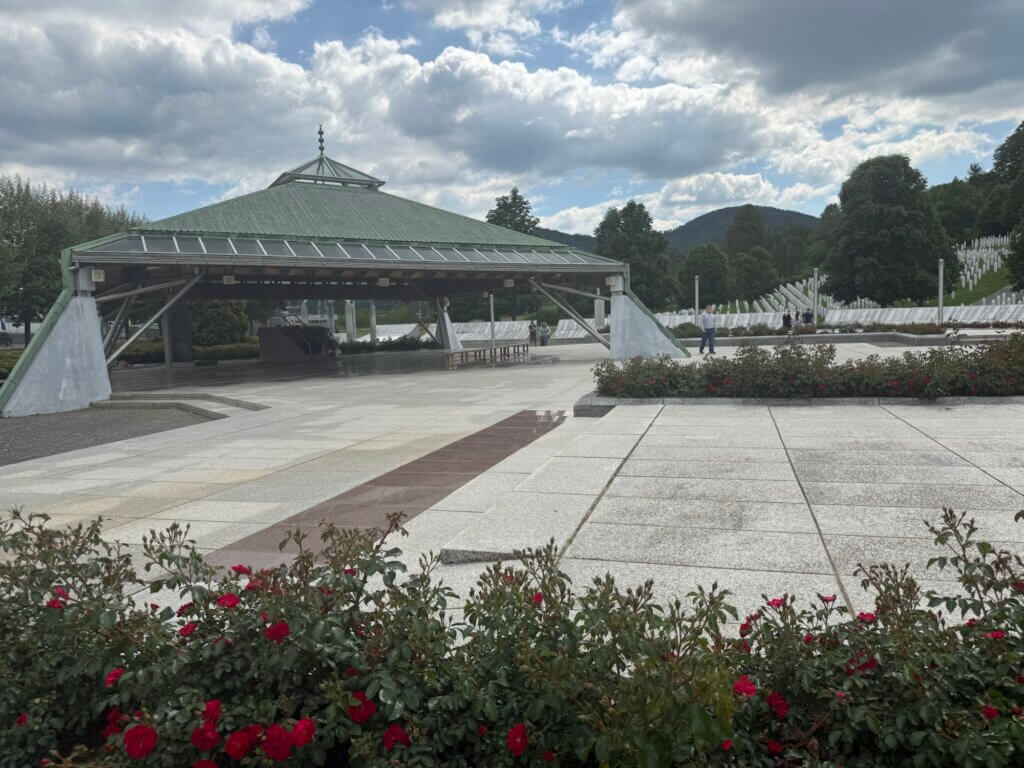
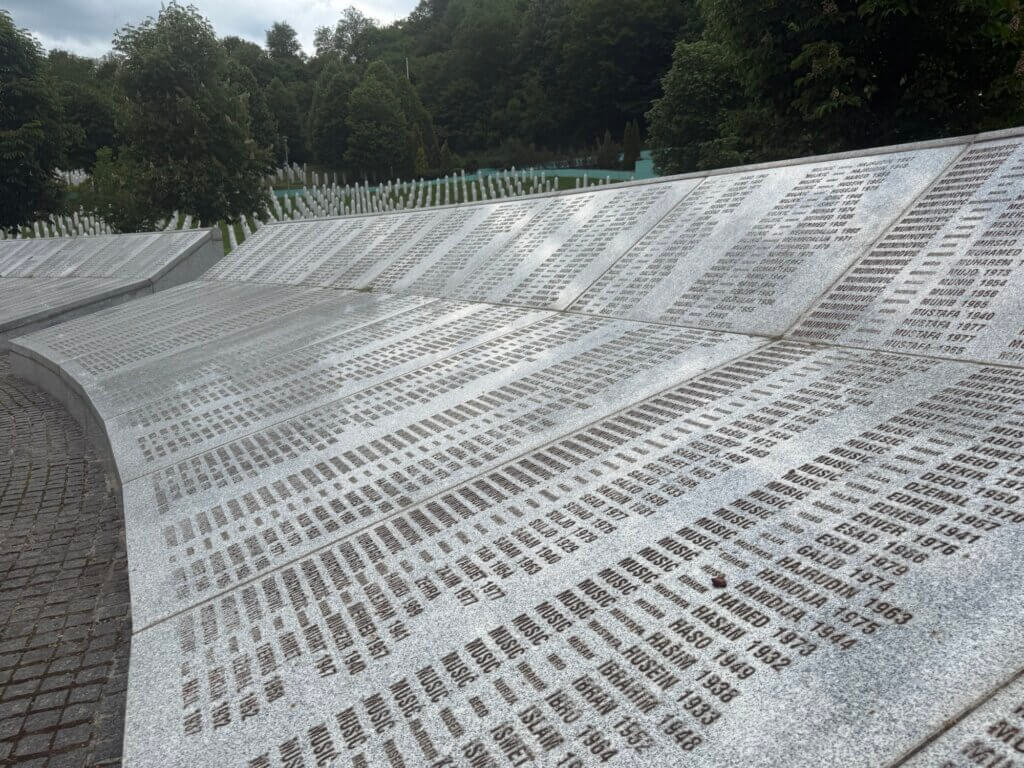
Despite being located within Republika Srpska, both the museum and the cemetery are protected by Bosnian state police. Their presence is discreet but noticeable, a reminder of the continued sensitivity surrounding the site. This juxtaposition – of national protection within a politically complex region – underscores that the memory preserved here is not only about the past, but remains deeply intertwined with the present.
Srebrenica Memorial Center & Cemetery
Potočari Memorial Complex
Former UN Base
Srebrenica
Bosnia and Herzegovina
Loading map...
