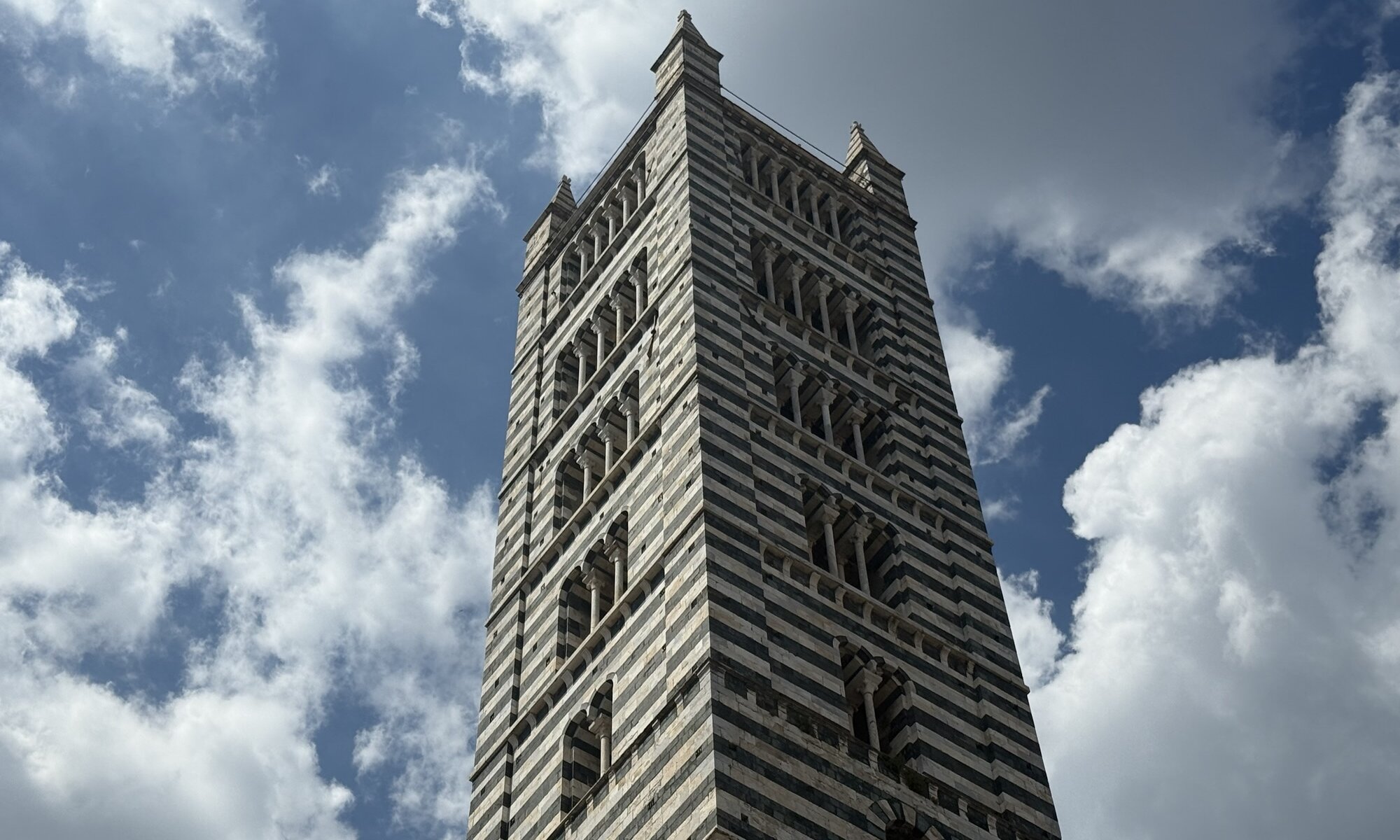
The Duomo of Siena is one of Italy’s most striking cathedrals, built over several centuries as the city’s wealth and ambition grew. Its origins go back to the 12th century, with the building consecrated in 1179, and major work continuing through the 13th and 14th centuries.
Continue reading “Black and white”Musei dell’Accademia dei Fisiocritici
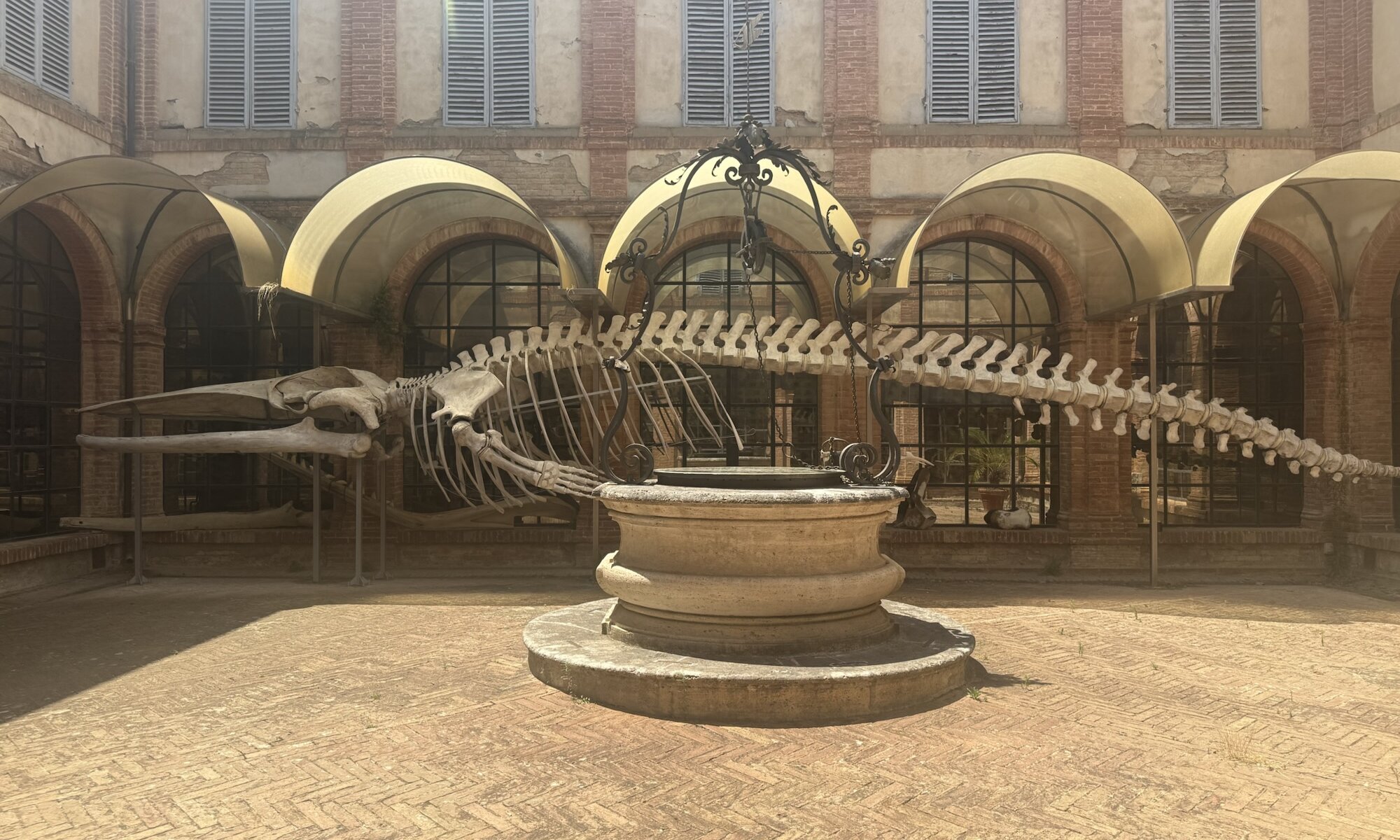
The Natural History Museum in Siena is one of the city’s most intriguing cultural stops, especially if you enjoy places where science, history and old-world atmosphere come together. It is closely tied to the Accademia dei Fisiocritici, a scientific academy founded in 1691, and the museum’s collections grew over the centuries through donations, acquisitions and careful preservation.
Continue reading “Musei dell’Accademia dei Fisiocritici”Montemaggio
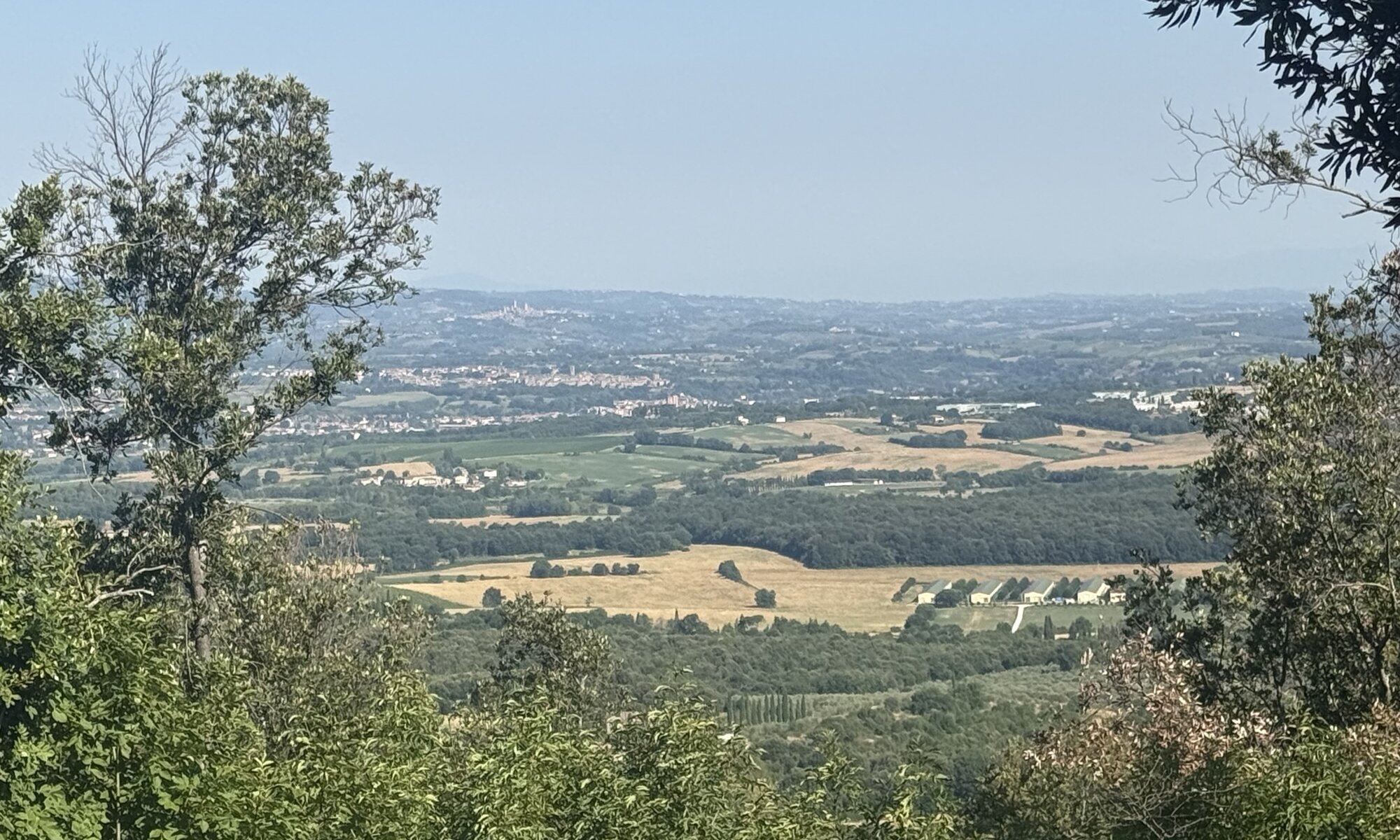
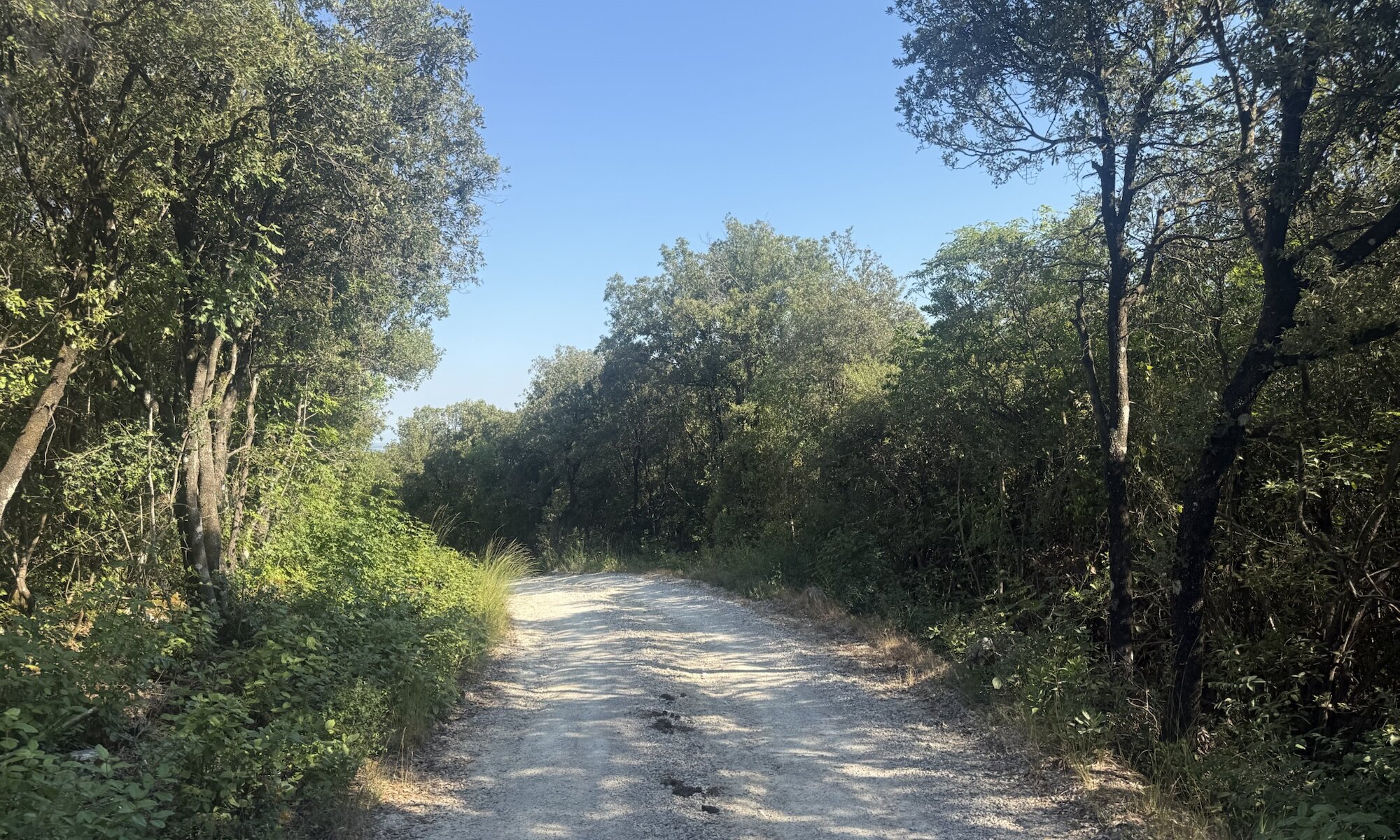
Montemaggio is a rounded, wooded hill in the Montagnola Senese, rising to roughly 670 metres above sea level in the municipality of Monteriggioni, north of Siena in central Tuscany. The hill forms one of the higher points of the gentle, rolling landscape between Siena and Colle di Val d’Elsa, and is reached by country lanes and forest tracks that thread through chestnut, oak and holm-oak woodlands. From its slopes you get the classic patchwork views of Chianti – vineyards, olive groves and hamlets punctuating the soft folds of the countryside – while the summit area includes an old farmhouse known as Casa Giubbileo and small karst features and caves in the limestone that give a hint of the hill’s geological variety.
Continue reading “Montemaggio”Via Francigena
The Via Francigena is an ancient pilgrimage route that links Canterbury with Roma, with the option of continuing further south into Italy. It was created to provide a safer and more practical overland path for pilgrims, traders and travellers moving through medieval Europe, and it later became a major cultural itinerary rather than just a religious one.
Continue reading “Via Francigena”Lavorare a Milano
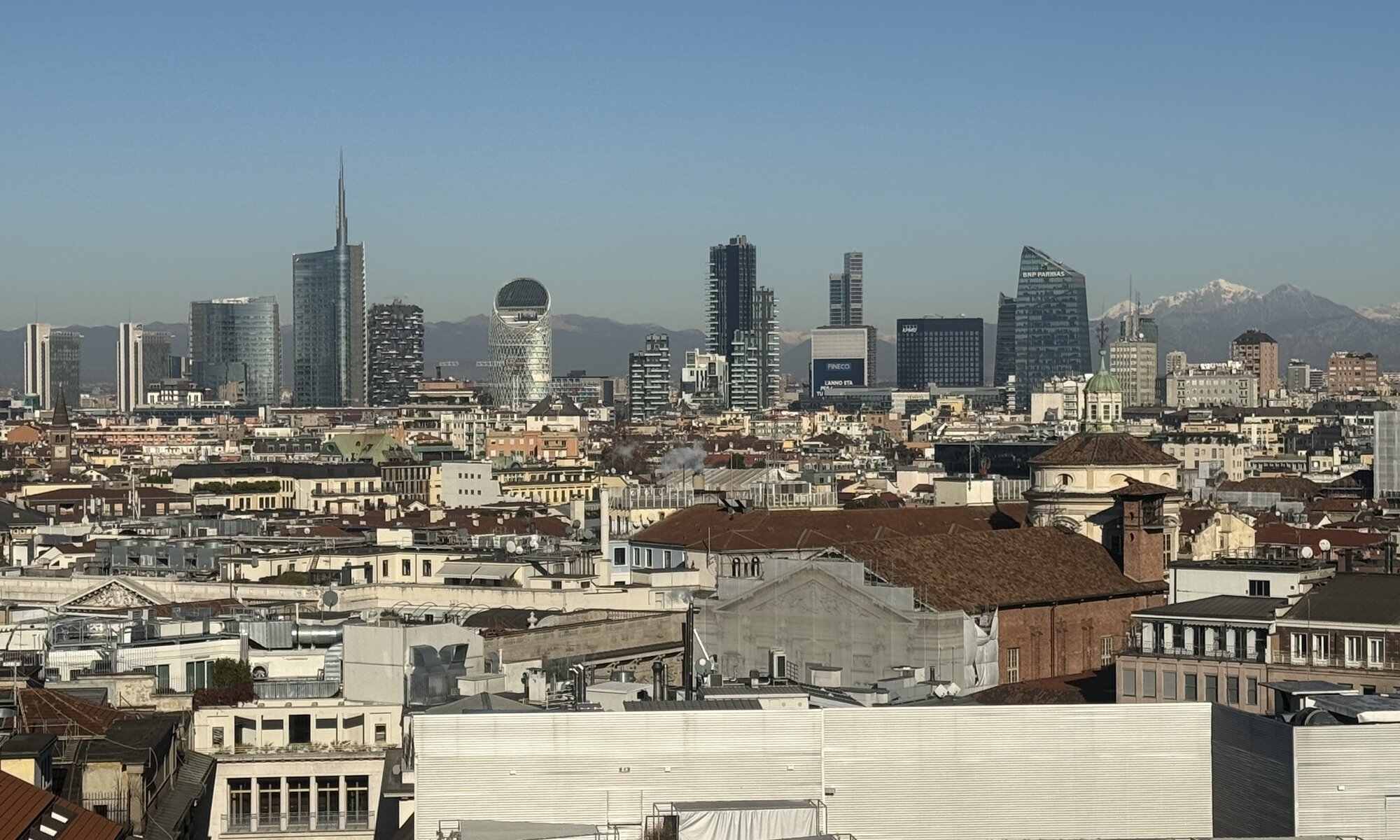
Last year my employer introduced a scheme that allows me to work twenty days mostly anywhere in the world. Something which feels like being made for me, but I decided to try it out first in an easy location and at a time when workload isn’t soaring high. That’s why I decided to work the week after Christmas at Milano, a city I had only briefly explored so far. It also gave me the chance to finally see the L’Ultima Cena (I always failed to get tickets) and the chance to explore the surroundings, including Bergamo, Brescia, Torino and a long-awaited return to Como.
Continue reading “Lavorare a Milano”Linate
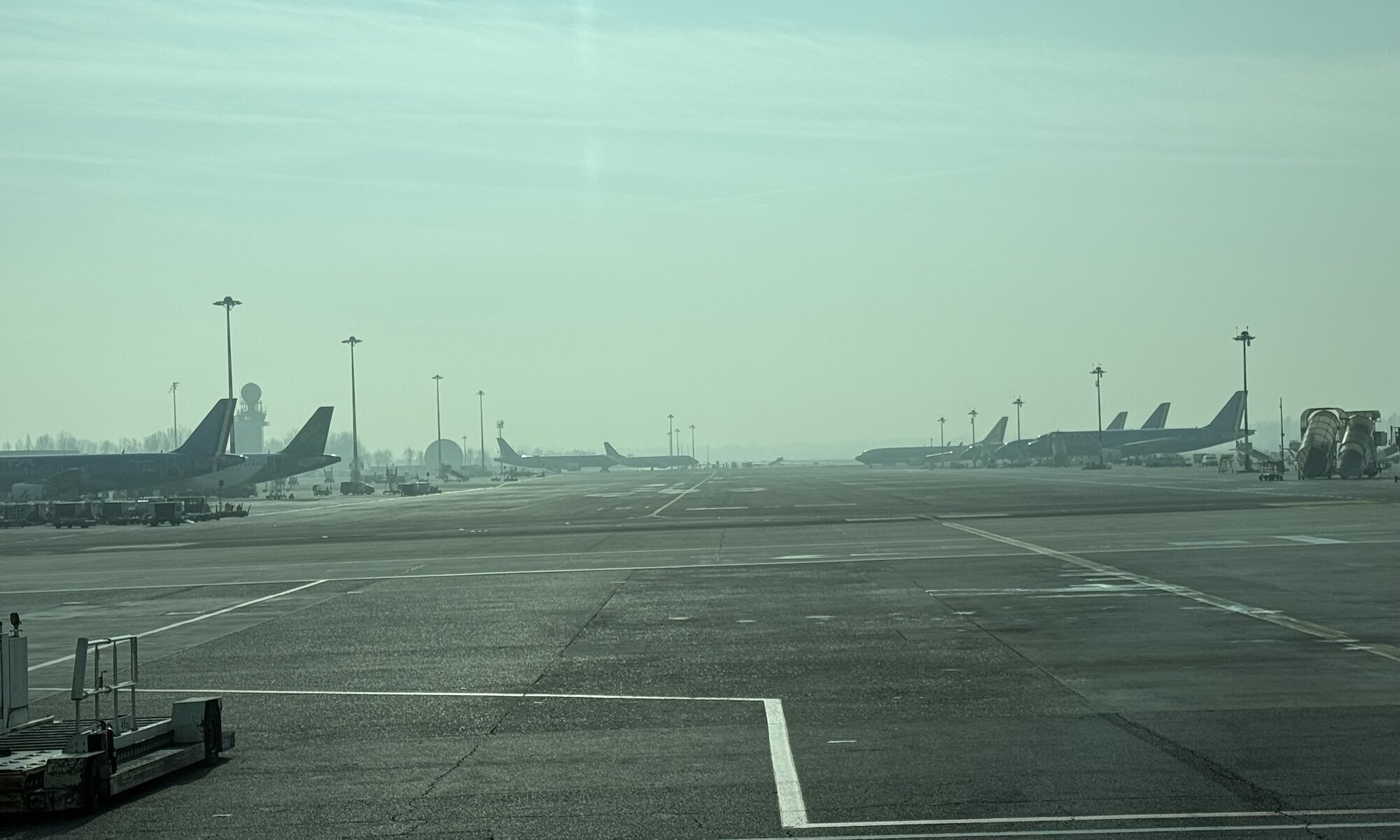
Aeroporto di Milano Linate Enrico Forlanini (LIN) is one of the three major airports serving the Milano metropolitan area, alongside Malpensa (MXP) and Bergamo Orio al Serio (BGY, far away from the city). Located just about seven kilometres east of the city centre of Milano, Linate primarily handles domestic and short-haul European flights, making it the most convenient option for travellers heading directly into Milano. Its proximity to the city allows for a quick transfer – usually less than half an hour – which has long appealed to business passengers and locals alike. Despite its compact layout compared to Malpensa, Linate is known for its efficiency, modern facilities, and rather civilised atmosphere, balancing practicality with understated Italian elegance.
Continue reading “Linate”Brunate
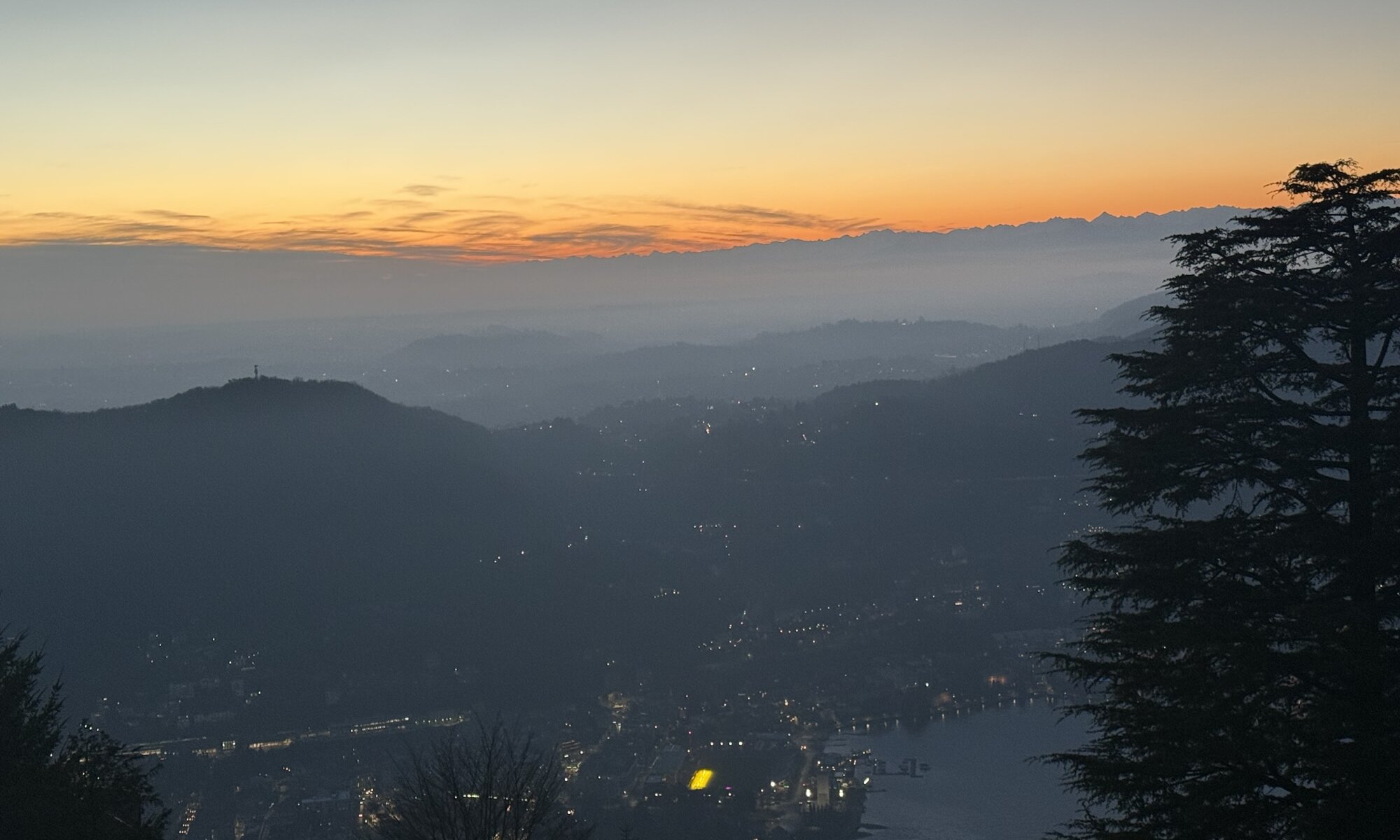
The Funicolare Como-Brunate is one of those engineering marvels that beautifully blends practical transportation with scenic delight. Opened in 1894, it was conceived as a way to connect the bustling lakeside city of Como with the hillside village of Brunate, perched some 700 metres above. Initially powered by steam and later electrified, the funicular became a symbol of 19th-century ingenuity, offering both locals and visitors a reliable and fascinating ascent up the steep incline. Its red carriages, gently swaying as they climb, feel like a journey back through time – a reminder of how elegantly the past solved challenges of geography.
Continue reading “Brunate”L’Ultima Cena
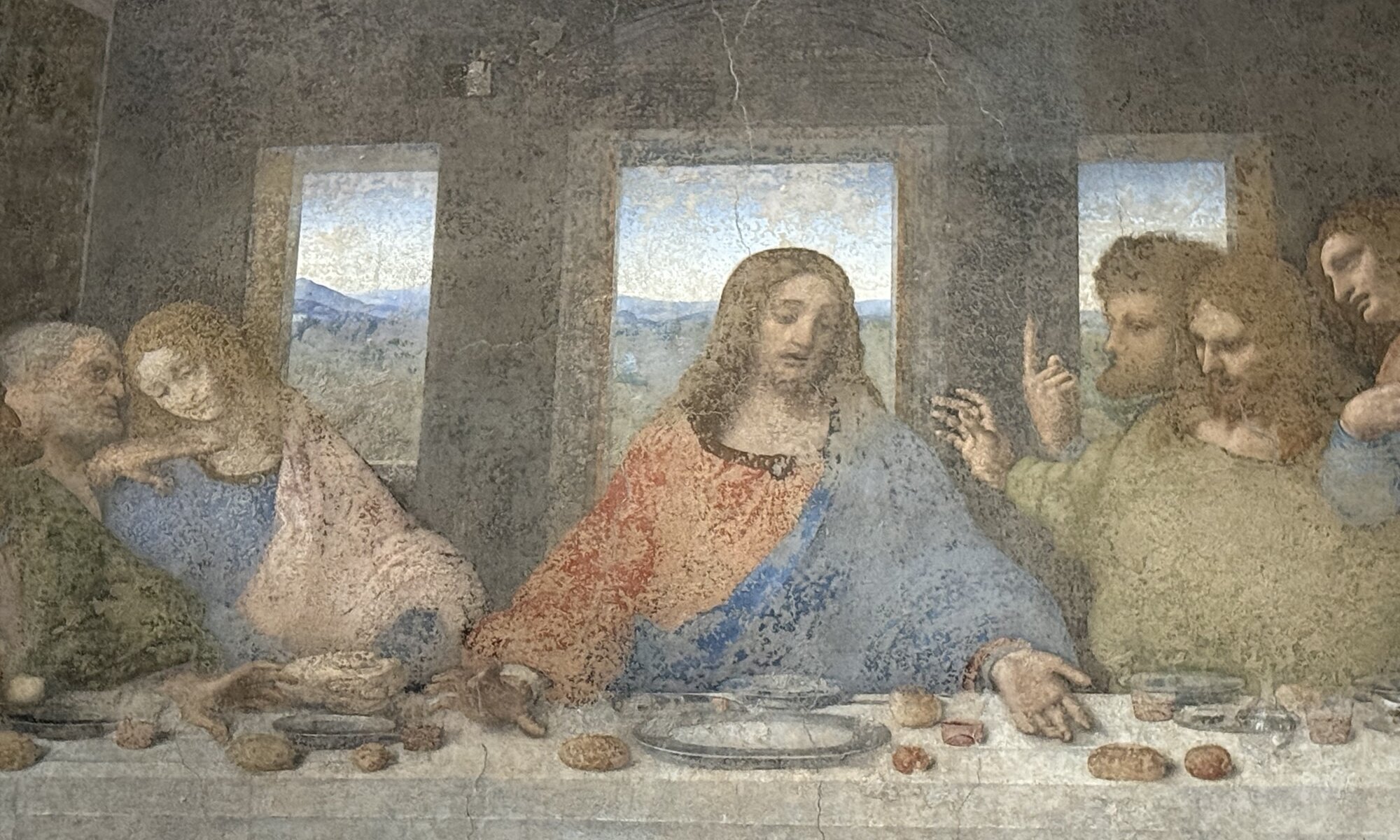
The church of Santa Maria delle Grazie in Milano is one of the finest examples of Renaissance architecture in northern Italy. Built initially for the Dominican order during the late 15th century, it occupies a quiet corner of the Corso Magenta district, offering a striking contrast to the city’s modern elegance. Its brick façade, modelled in the Lombard Gothic style, conceals a luminous interior remodelled under the patronage of Ludovico Sforza, Duke of Milan, who sought to turn this monastery into both a religious house and a dynastic mausoleum. Donato Bramante, one of the early masters of the High Renaissance, transformed the apse into a harmonious ensemble of light, colour, and proportion that typifies the transition from Gothic to humanist design.
Continue reading “L’Ultima Cena”Pinacoteca di Brera
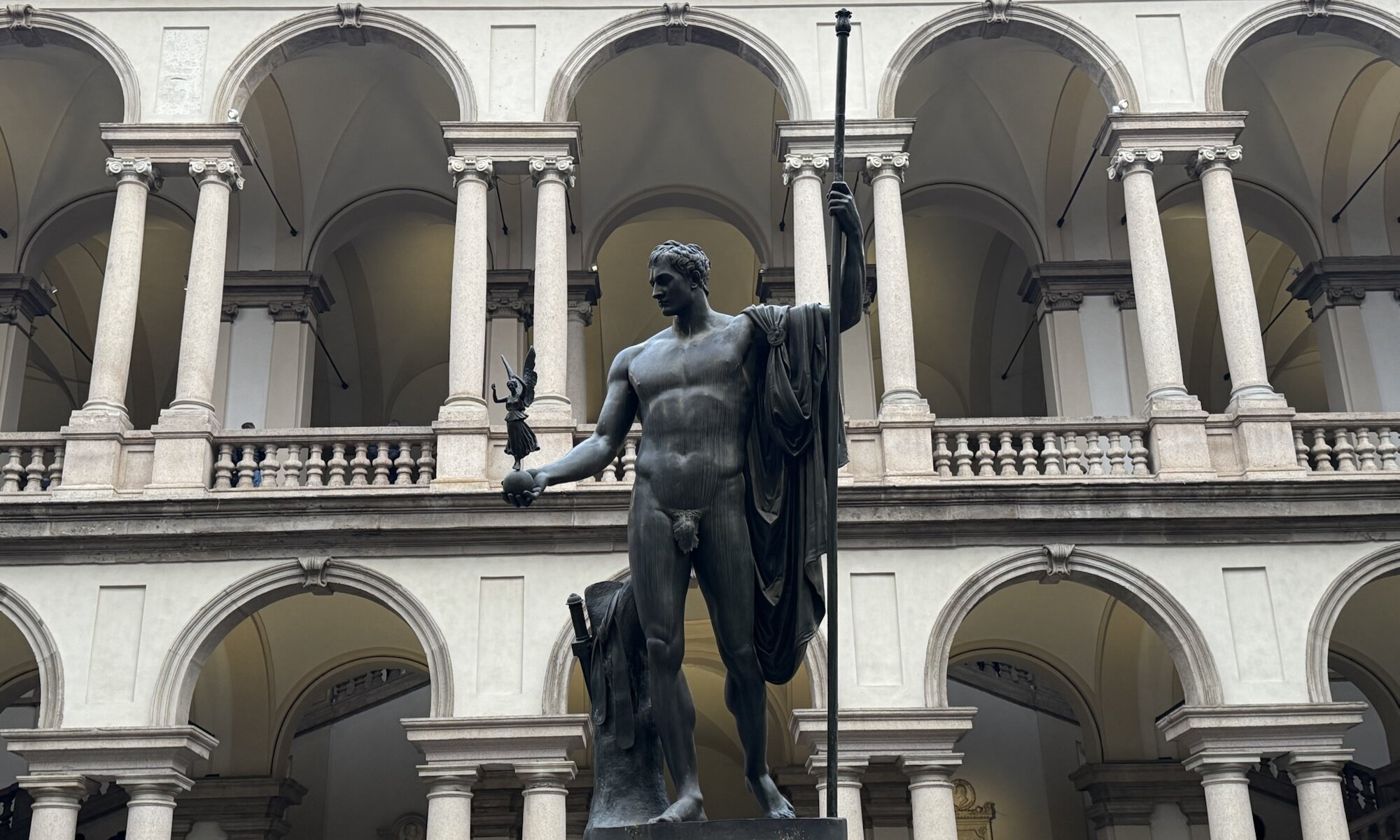
The Pinacoteca di Brera stands as one of Milano’s great cultural treasures, housed in a former Jesuit college that became a key site in the city’s artistic and intellectual life. Its origins trace back to the late 18th century, during the Napoleonic era, when artworks confiscated from churches and noble collections across northern Italy were brought together to form a public gallery. This was part of a broader Enlightenment vision, seeking to make art accessible to citizens and scholars. Over time, the collection grew under the direction of major curators and benefactors, transforming Brera into the artistic heart of Milano.
Continue reading “Pinacoteca di Brera”Torino
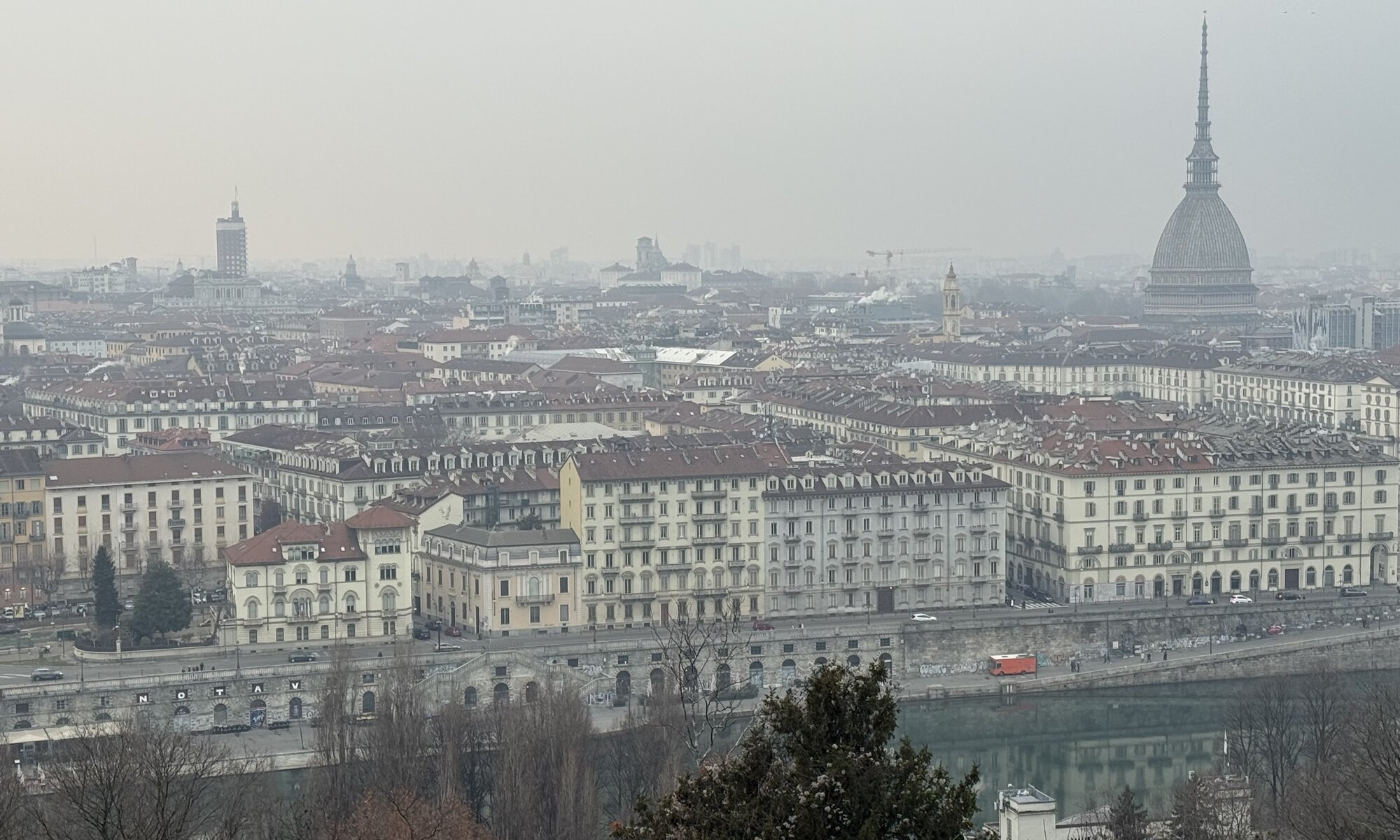
The city of Torino, or Turin in German and English, lies elegantly at the foot of the Alps where the Po river flows through the wide plains of northern Italy. It was the first capital of unified Italy in the 19th century and long before that, the seat of the powerful House of Savoy. The city carries itself with a regal grace, visible in its Baroque palaces, arcaded boulevards, and grand piazzas that reflect both French and Italian influences. Its grid-like street layout, unusual for an Italian city, owes much to 17th-century urban planning, which lends Torino a sense of order and grandeur reminiscent of Paris rather than Roma.
Continue reading “Torino”