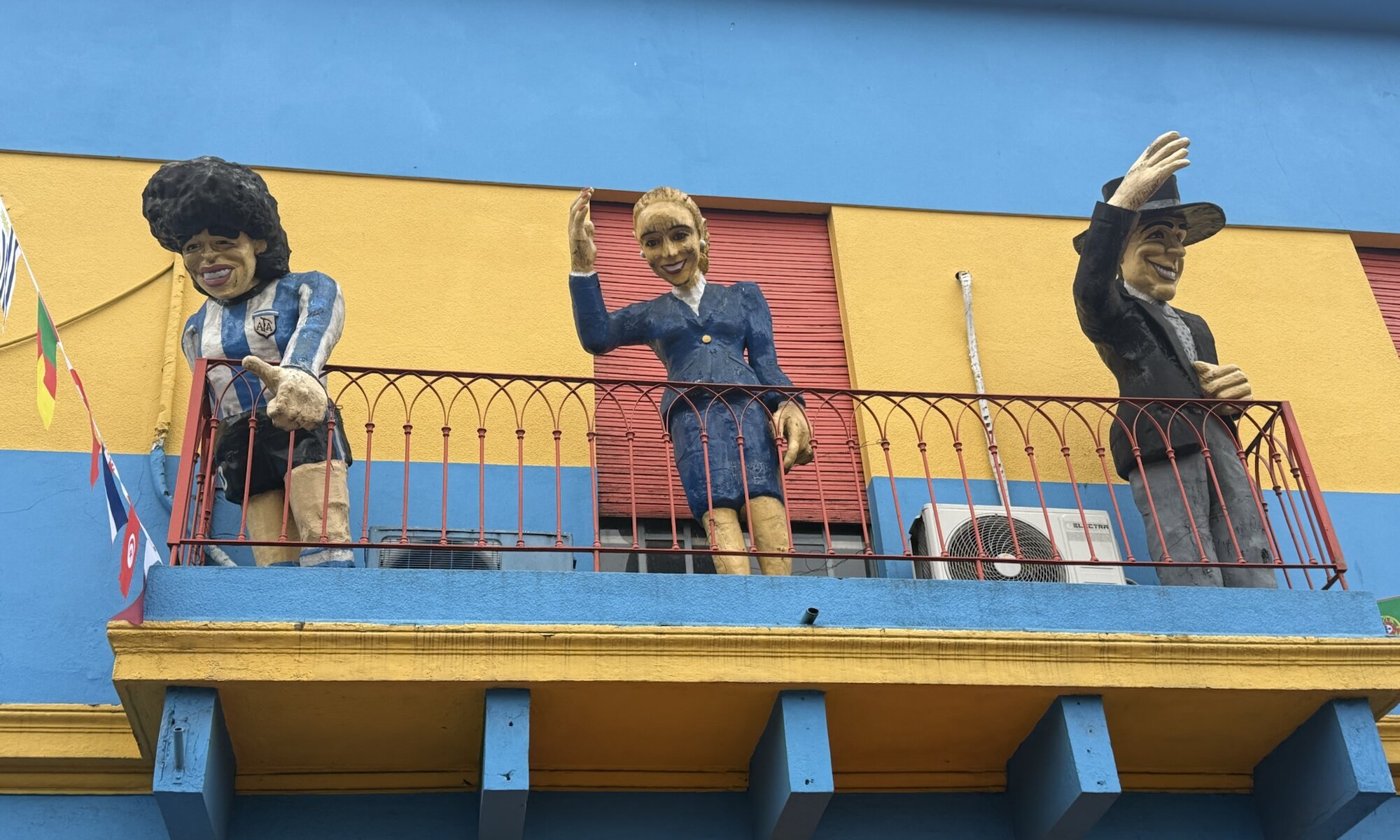
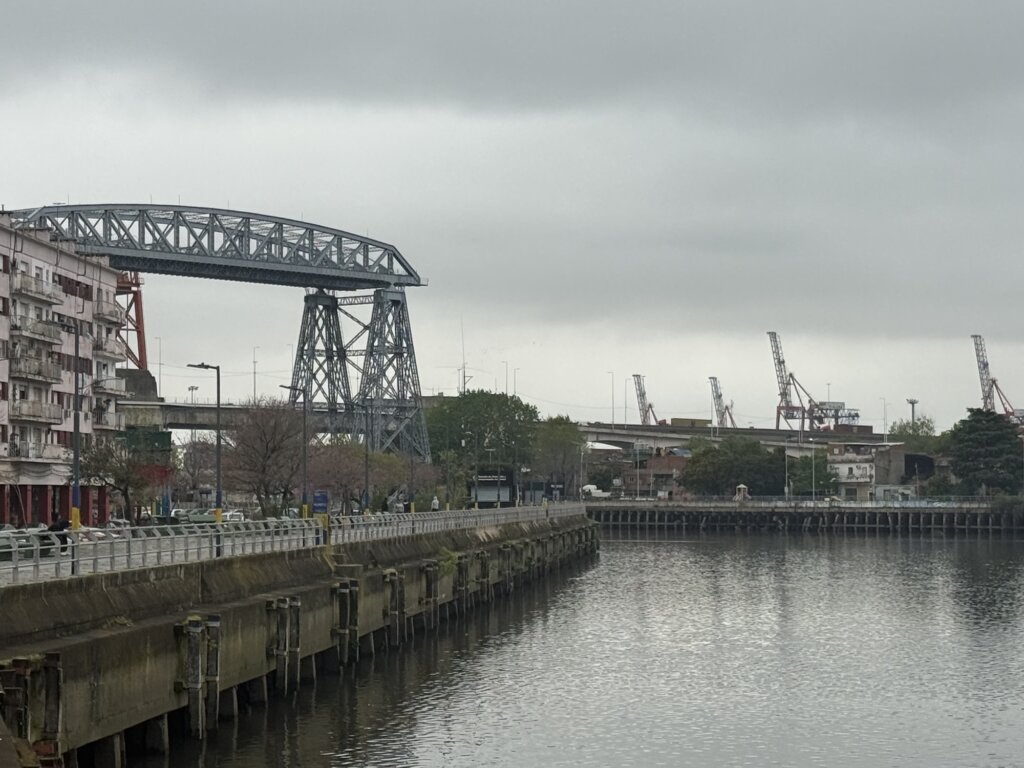
One of Buenos Aires’ most distinctive neighbourhoods, situated beside the Riachuelo in the city’s historic port area. La Boca developed during the late nineteenth and early twentieth centuries as Genoese and other European immigrants arrived to work in the docks, shipyards and warehouses. Their modest conventillos, often built from corrugated metal and timber, gave the district its characteristic working-class atmosphere and colourful appearance.
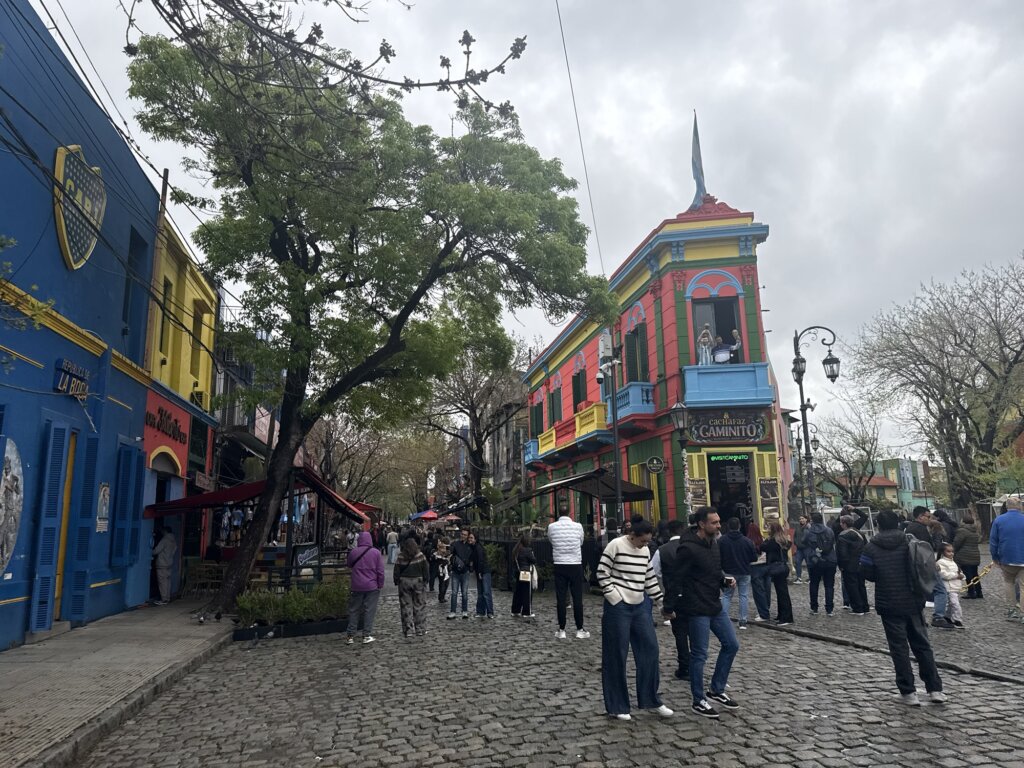
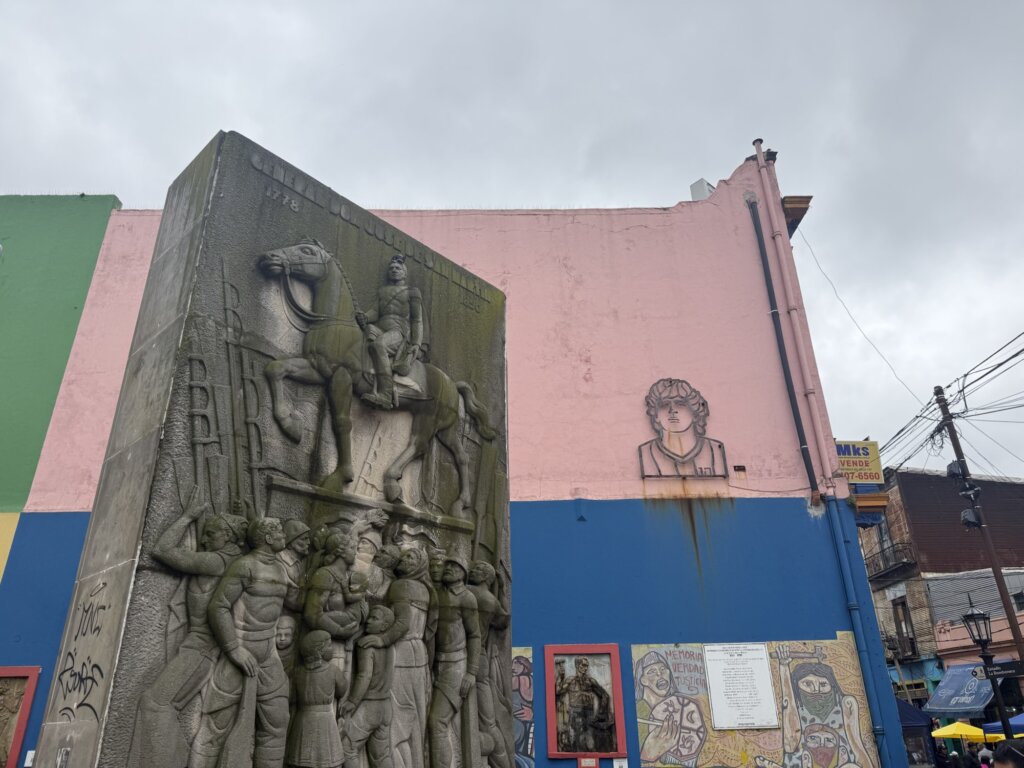
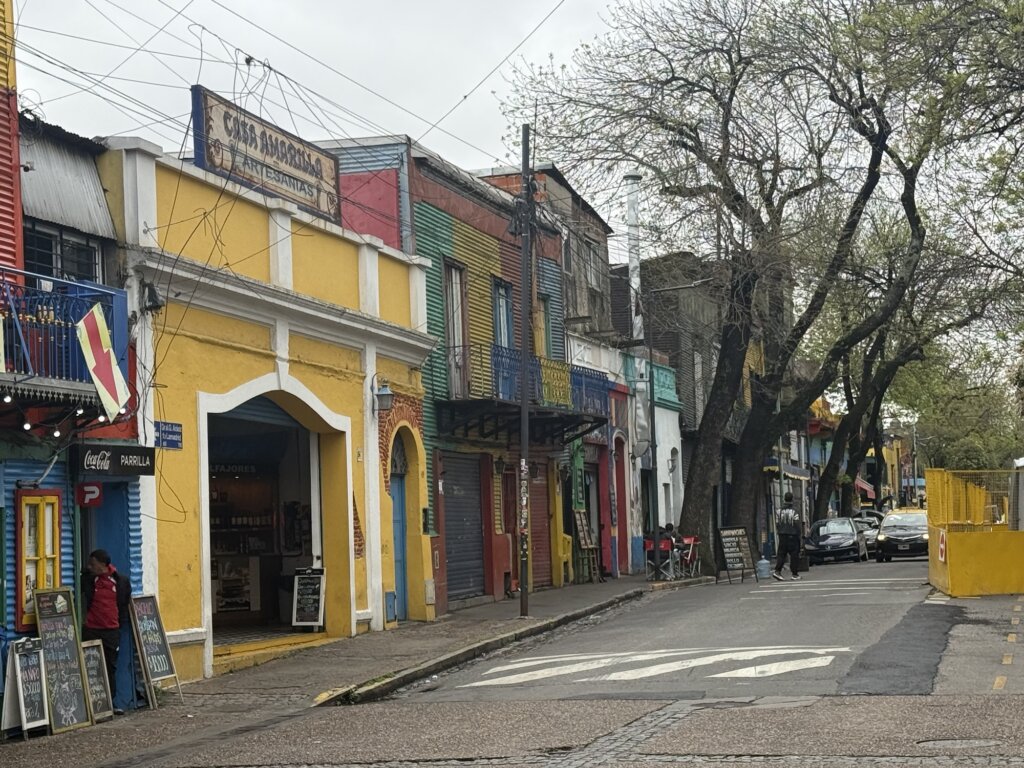
The best-known part of La Boca is Caminito, a short pedestrian street and open-air museum. It follows the course of an old stream and later occupied part of a railway route; after the railway closed, local residents and the artist Benito Quinquela Martín helped transform the neglected passage into a public cultural space during the 1950s. Today, its brightly painted façades, tango performers, murals, sculptures, cafés and art stalls make it one of Buenos Aires’ most photographed places.
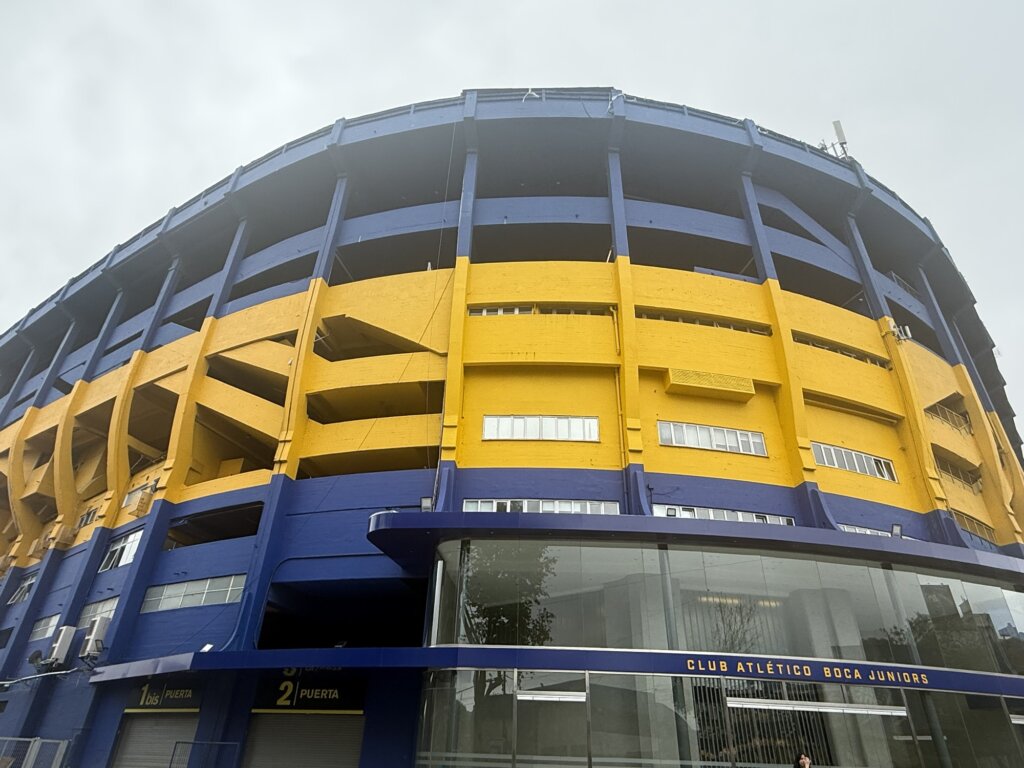
A few blocks away stands La Bombonera, the famous stadium of Club Atlético Boca Juniors, or CABJ. Its unusual, steeply tiered design gives it the appearance of a box of chocolates, which explains the nickname ‘La Bombonera‘. The stadium is more than a football ground: on match days, the noise and movement of the supporters turn it into the emotional centre of La Boca, while the club museum offers an introduction to Boca Juniors’ long sporting history.
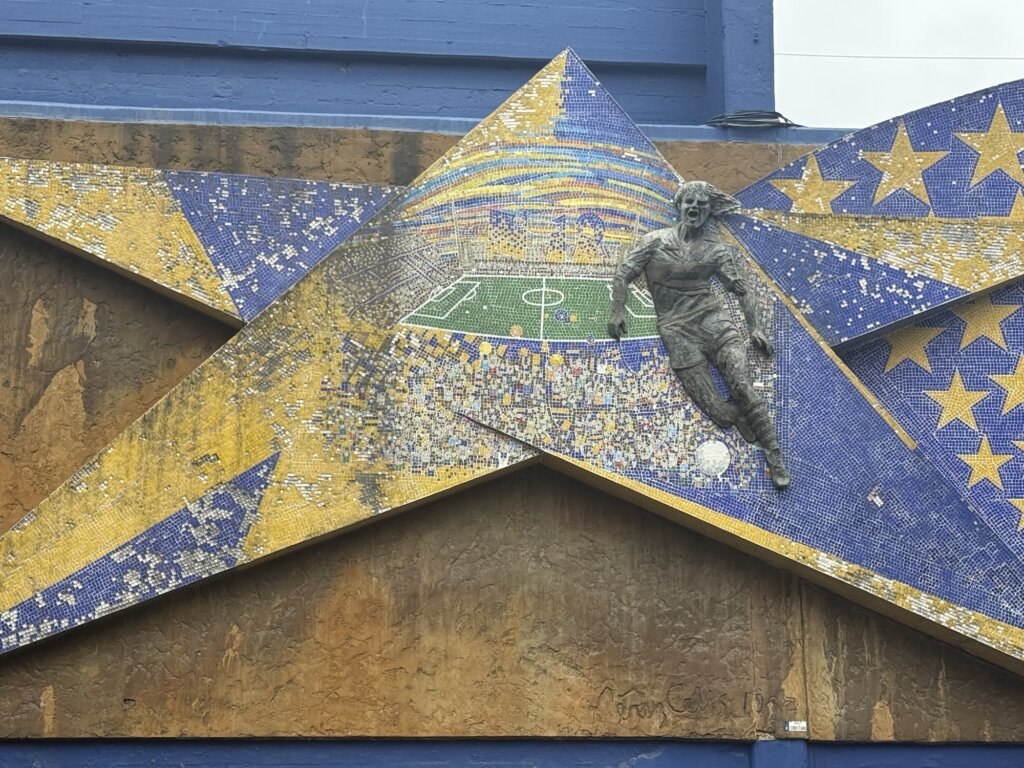
The club’s blue-and-yellow colours, known as azul y oro, are traditionally linked to a Swedish ship in the port. According to the story, after Boca had to abandon its earlier colours, club member Juan Brichetto proposed adopting the colours of the first vessel to pass the following morning; it was said to be Swedish, inspiring the yellow and blue of the Swedish flag. The account is part of Boca Juniors’ enduring folklore, although the precise details and identity of the ship are not entirely certain.
La Boca
Buenos Aires
Argentina
Loading map...
