One of the largest and most varied quarters of Buenos Aires, a place where the city’s elegant nineteenth-century past and its contemporary creative energy meet almost on every corner. The name Palermo is generally linked to the Franciscan abbey of Saint Benedict of Palermo, while the area itself developed from land once associated with Juan Manuel de Rosas, whose former estate became the basis for the green spaces that still define much of the district. During the late nineteenth century, Palermo grew rapidly, gaining parks, tree-lined avenues and institutions such as the racecourse, and it gradually became one of Buenos Aires’ most desirable residential areas.
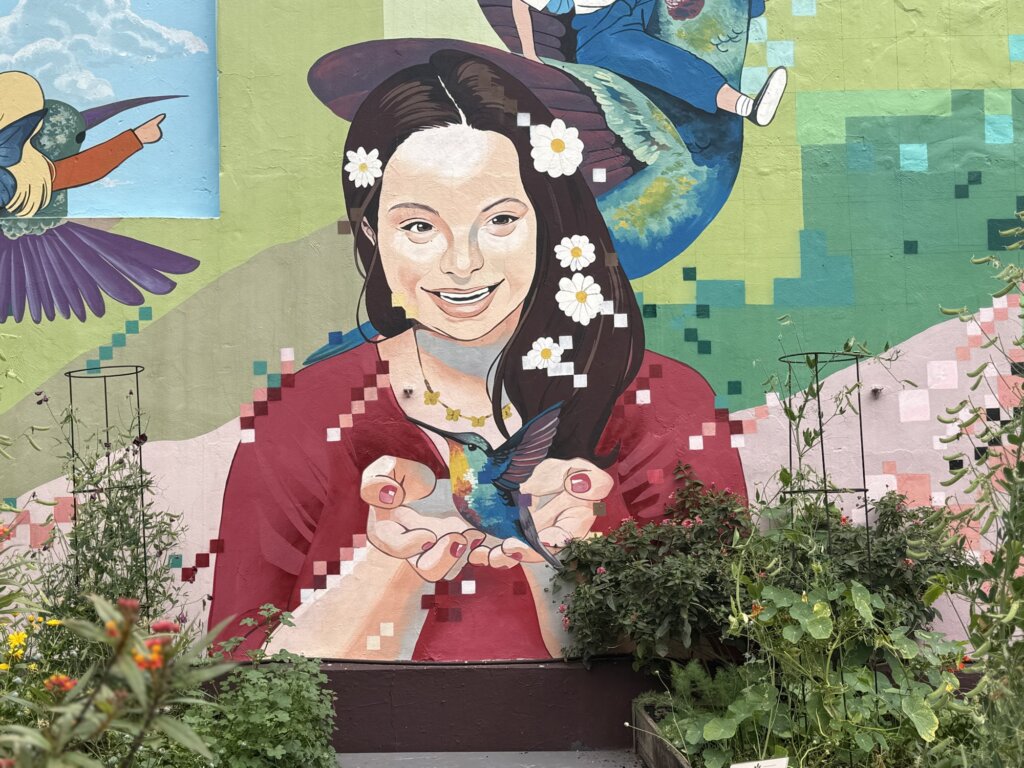
What makes Palermo special is its remarkable patchwork of identities. Palermo Chico is refined and leafy, with grand mansions, quiet streets and the MALBA museum; the Bosques de Palermo offer lakes, rose gardens and broad lawns for a proper escape from the city bustle. By contrast, Palermo Soho and Palermo Hollywood are lively, walkable areas of low-rise houses, independent boutiques, cafés, bars and restaurants. This contrast – between parkland calm and urban creativity – is precisely why the quarter rewards unhurried exploration.
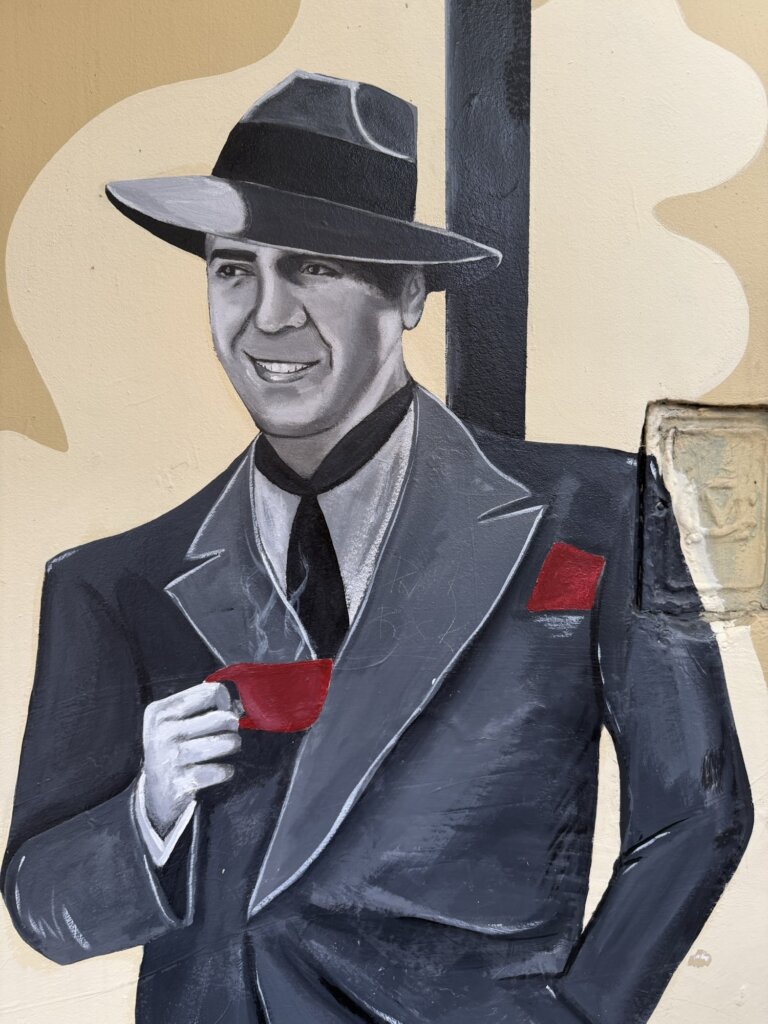
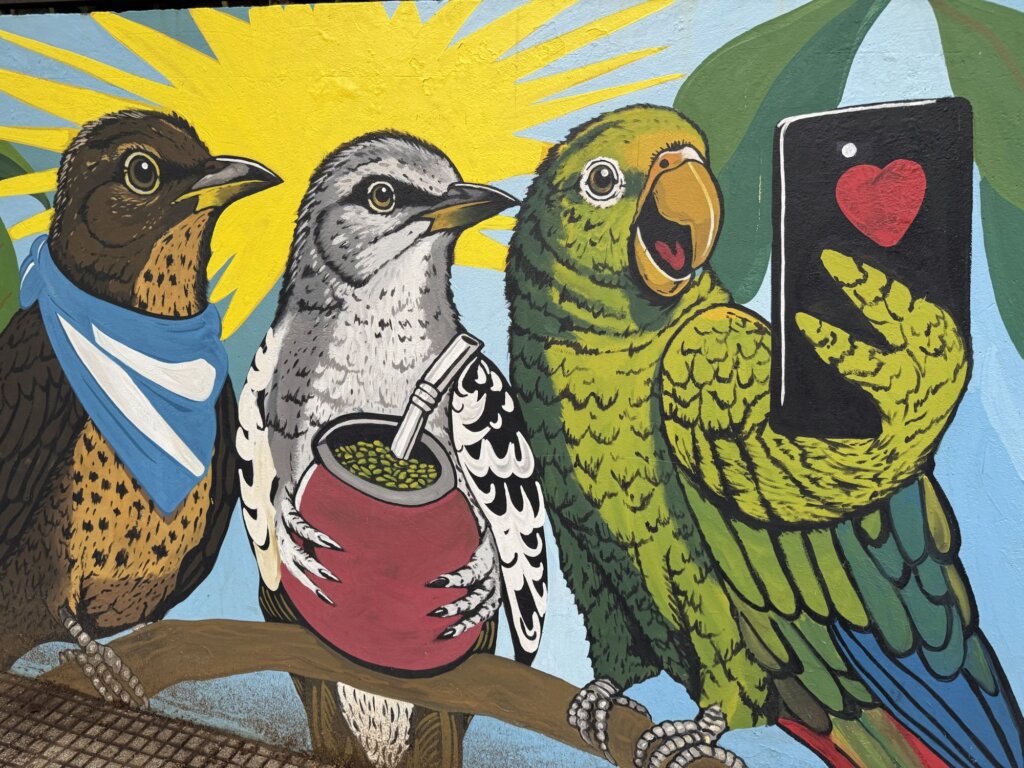
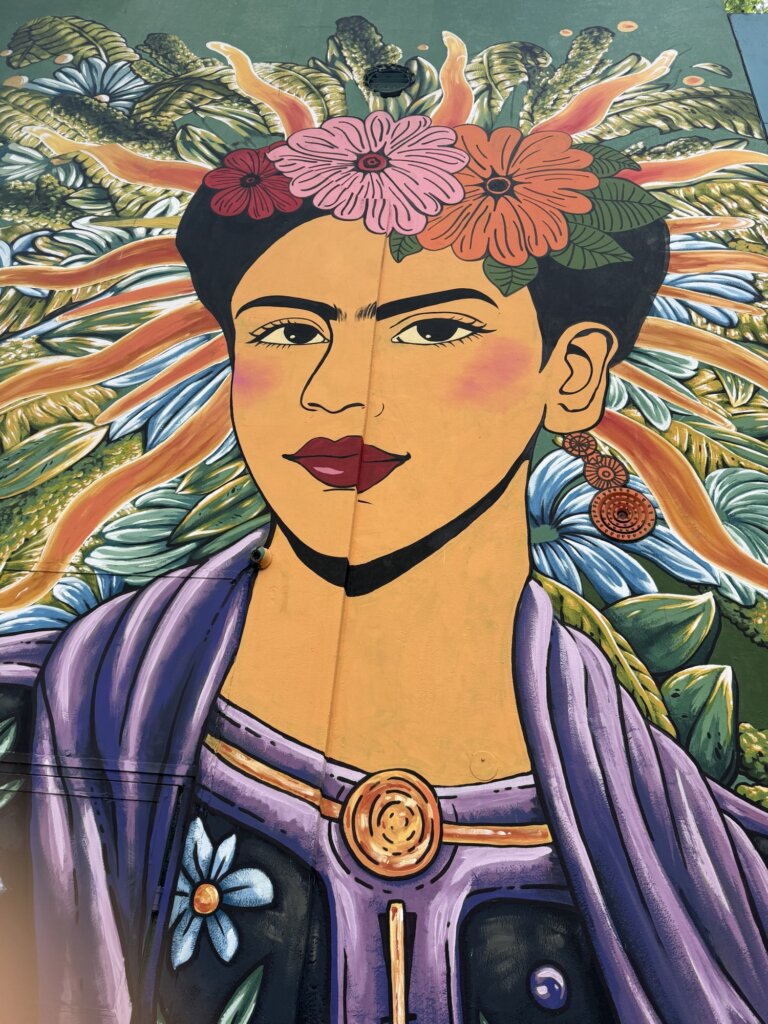
Food is one of Palermo’s great pleasures. The district is packed with traditional parrillas serving excellent Argentine beef, alongside empanadas, milanesas, provoleta and modern restaurants that reinterpret Argentine and Italian cooking. Its café culture is equally strong, with speciality coffee, medialunas and wine bars filling the side streets. And no visit feels complete without gelato: Palermo has excellent artisanal ice-cream shops, where creamy Italian-style gelato often meets distinctly Argentine flavours such as dulce de leche (‘DDL‘).
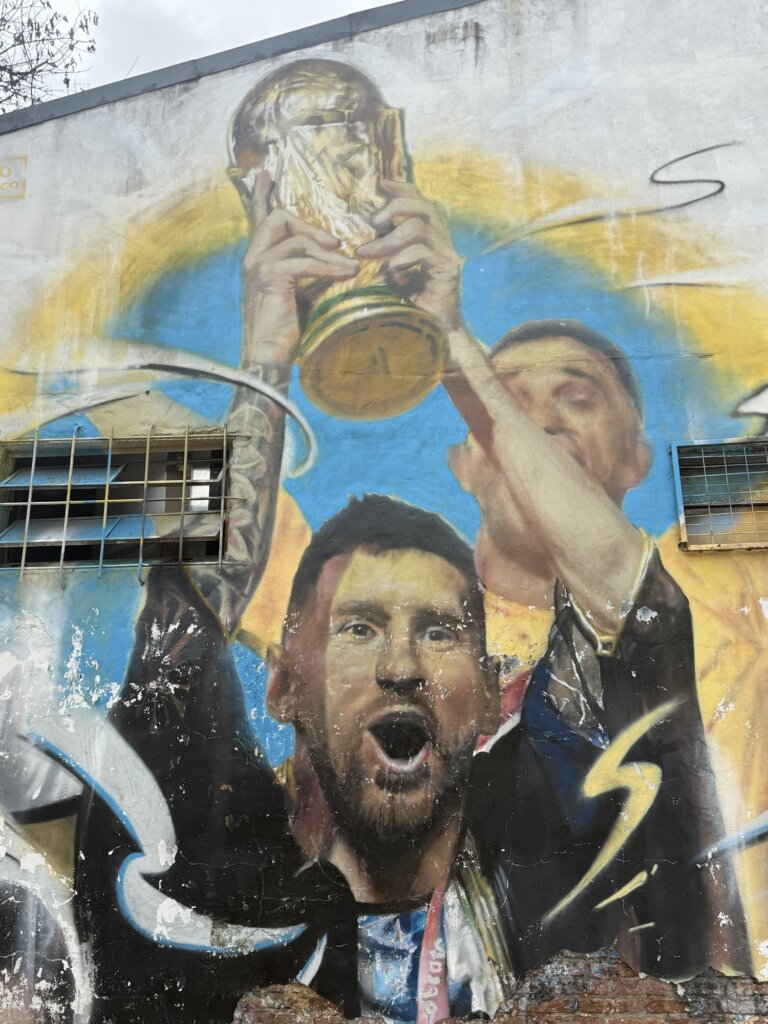
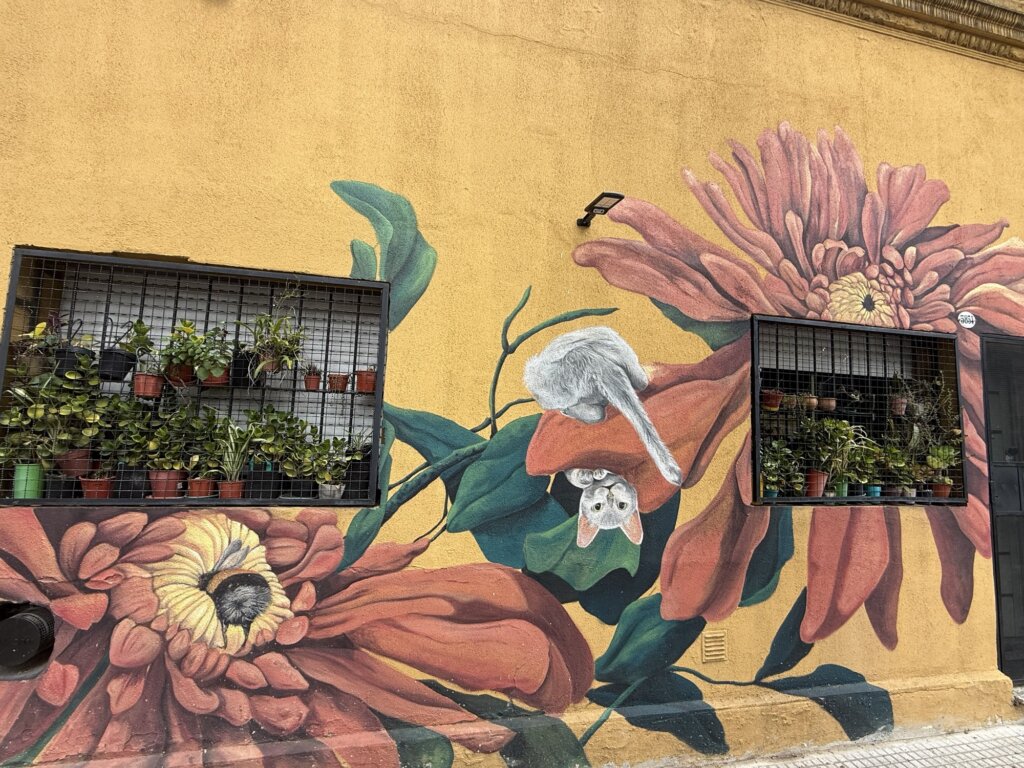
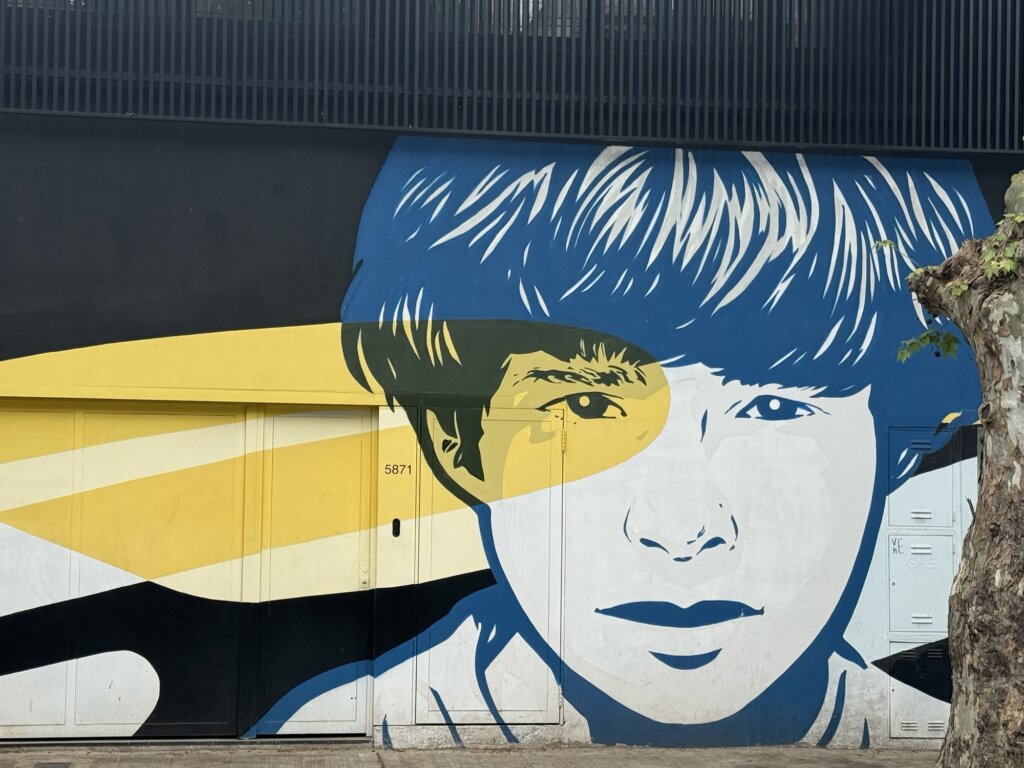
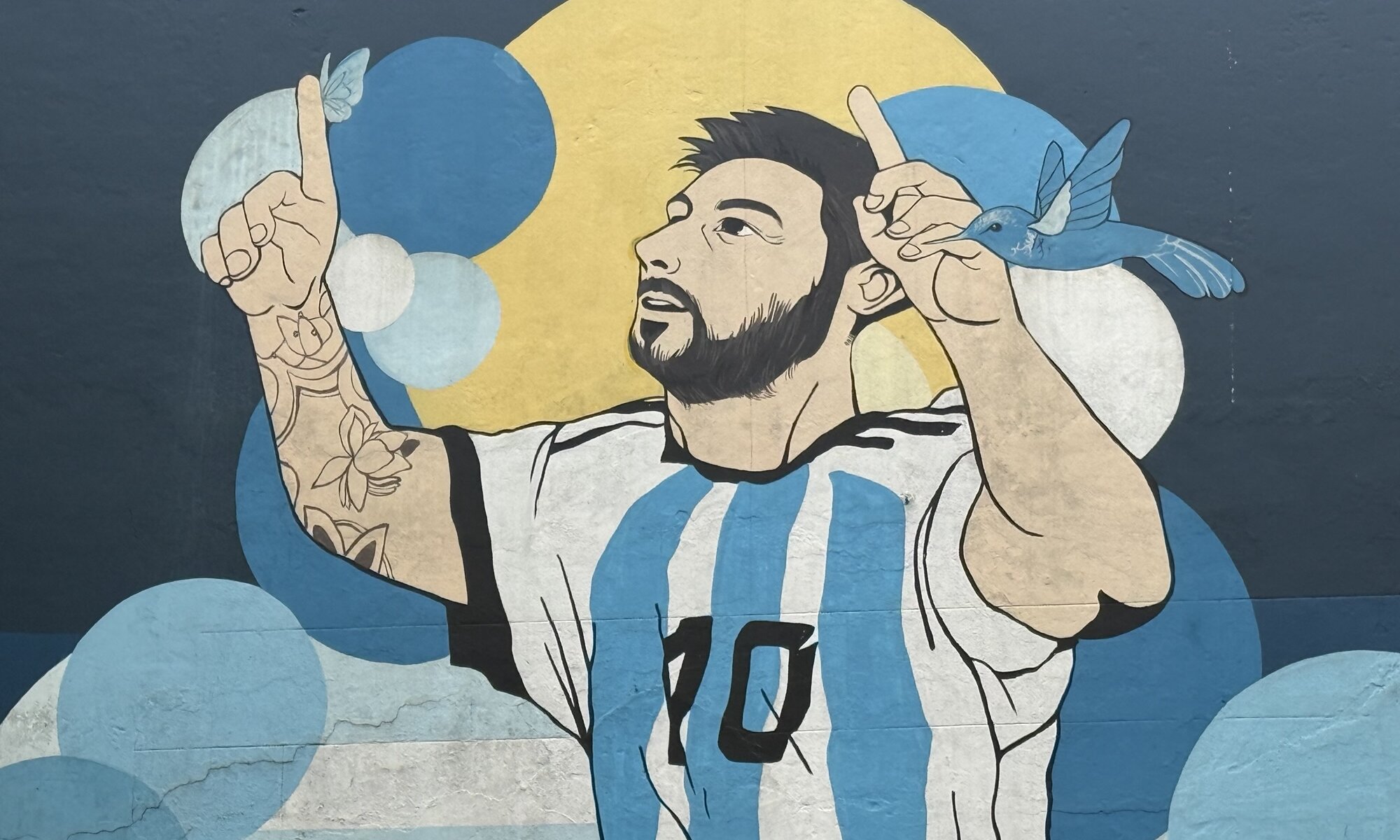
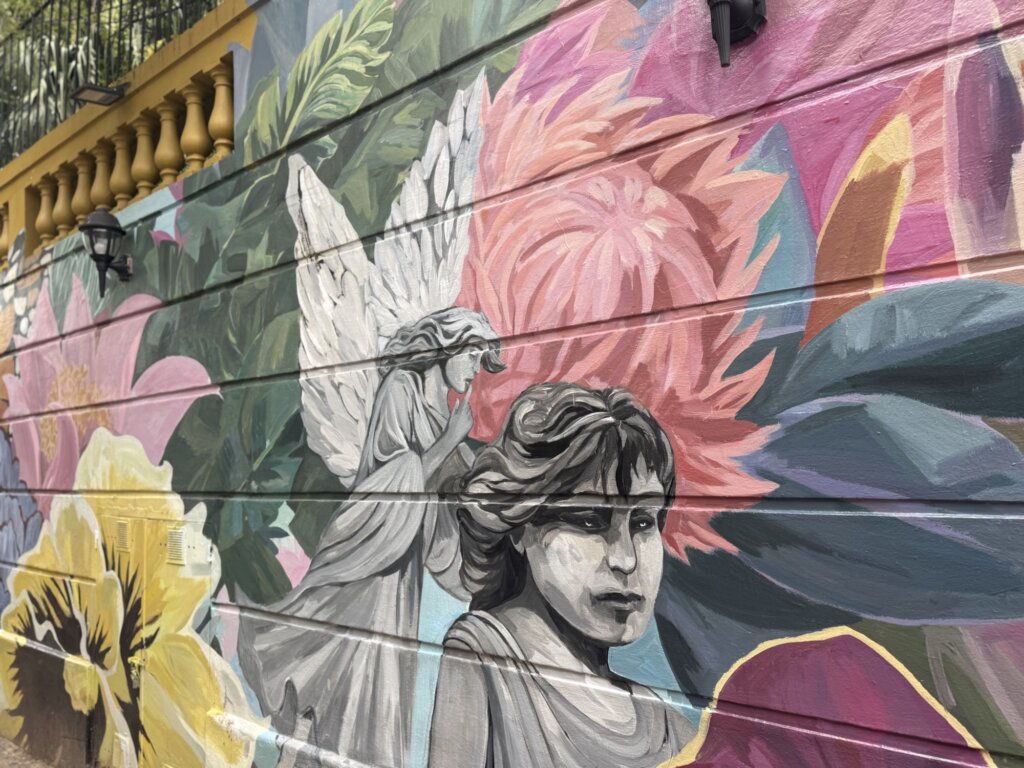
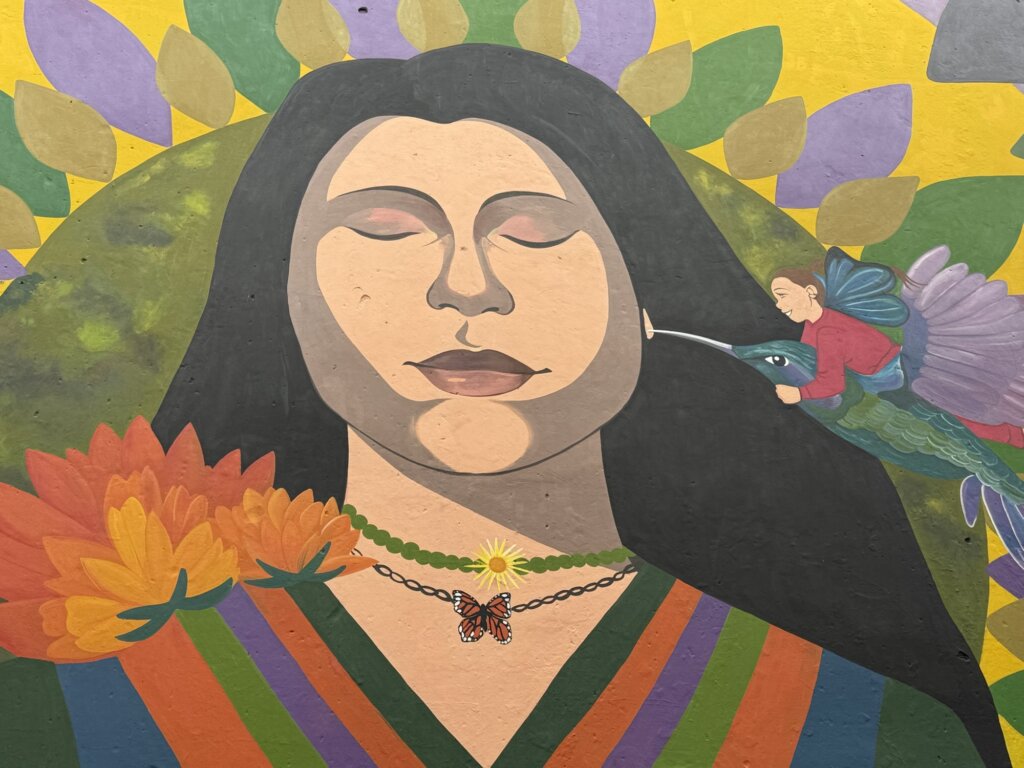
The street art is another reason to wander without a fixed plan. In Palermo Soho especially, murals and large-scale graffiti turn walls, shutters and entire building façades into an open-air gallery. Some works are playful and colourful, others political or deeply personal, and many change over time as artists add new layers to the neighbourhood’s visual story. For anyone interested in contemporary urban culture, a slow walk around Plaza Cortázar and the surrounding blocks is as rewarding as any museum visit.
Palermo
Buenos Aires
Argentina
Loading map...
