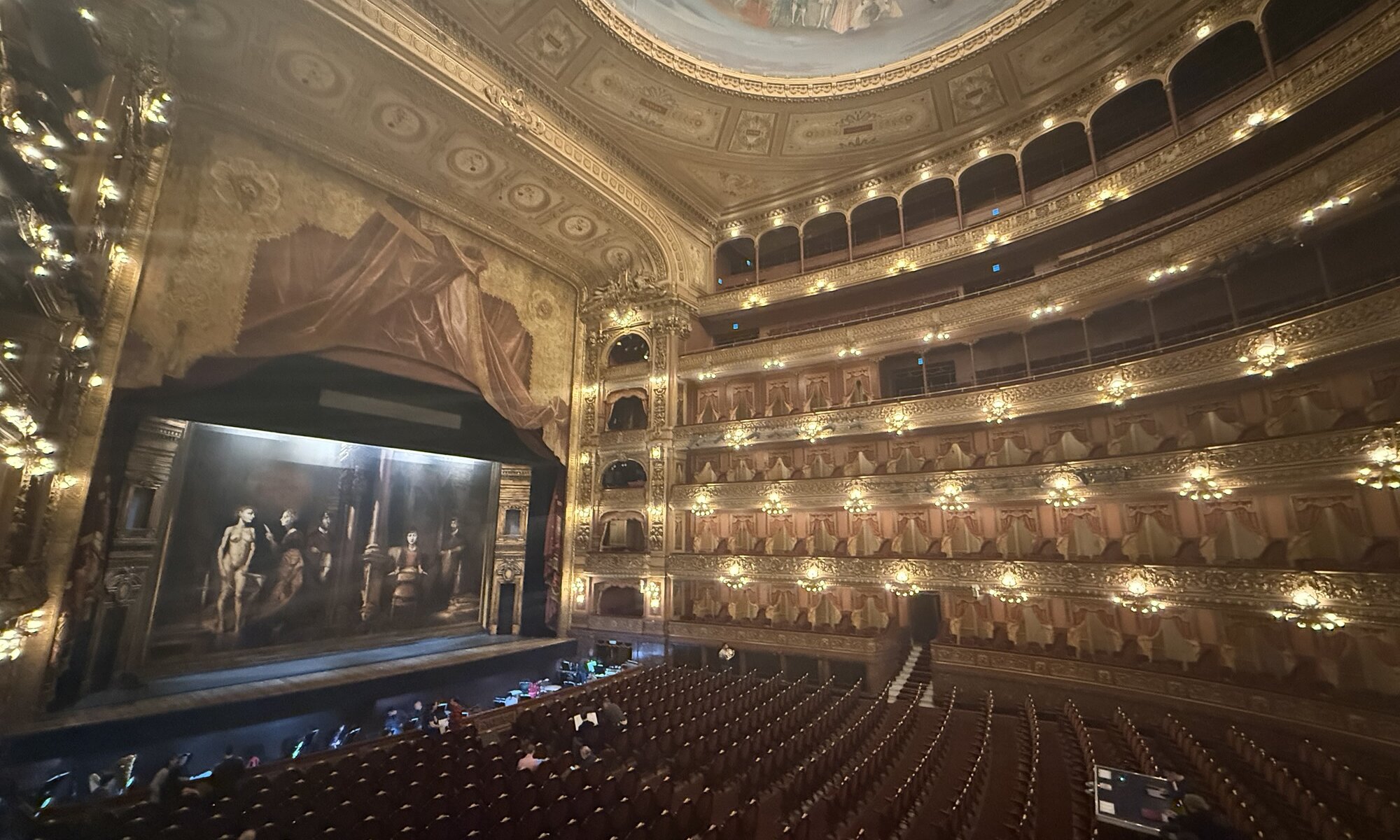
The Teatro Colón is Buenos Aires’ grand opera house, situated on Avenida Cerrito in the city centre. It presents opera, ballet, symphonic concerts and other classical performances, and is admired for both its richly decorated architecture and exceptionally clear acoustics. Its stage has welcomed many internationally renowned artists, making it one of the most distinguished performing-arts venues in the Americas.
Continue reading “Teatro Colón”Plaza de Mayo
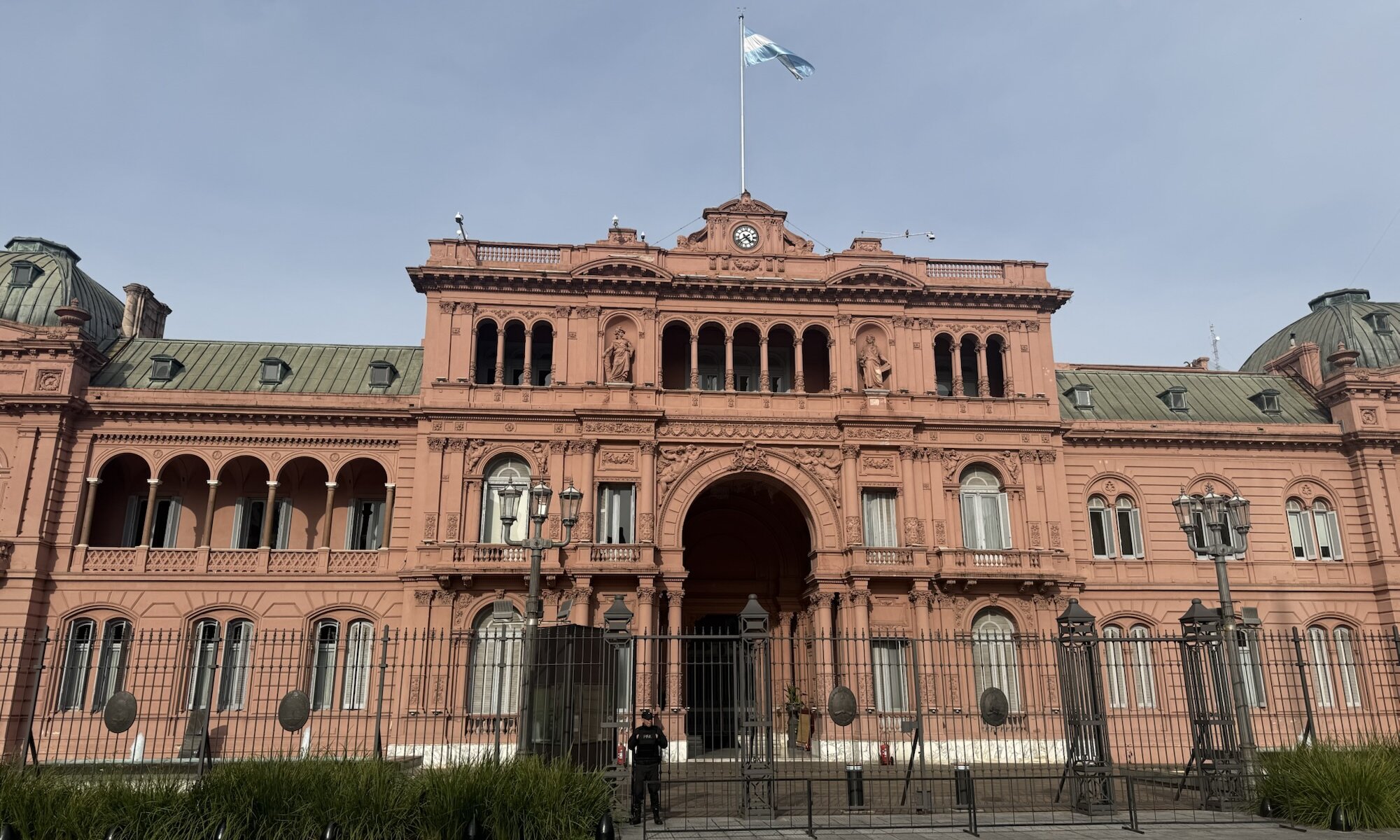
Buenos Aires’ oldest public square and Argentina’s most important civic and political meeting place. Its name commemorates the May revolution of 1810, which began the process leading to independence from Spanish rule. Since then, the square has witnessed celebrations, demonstrations, political speeches and moments of national crisis, making it a place where Argentina’s history remains unusually visible in everyday city life.
Continue reading “Plaza de Mayo”Crossing the Río de la Plata
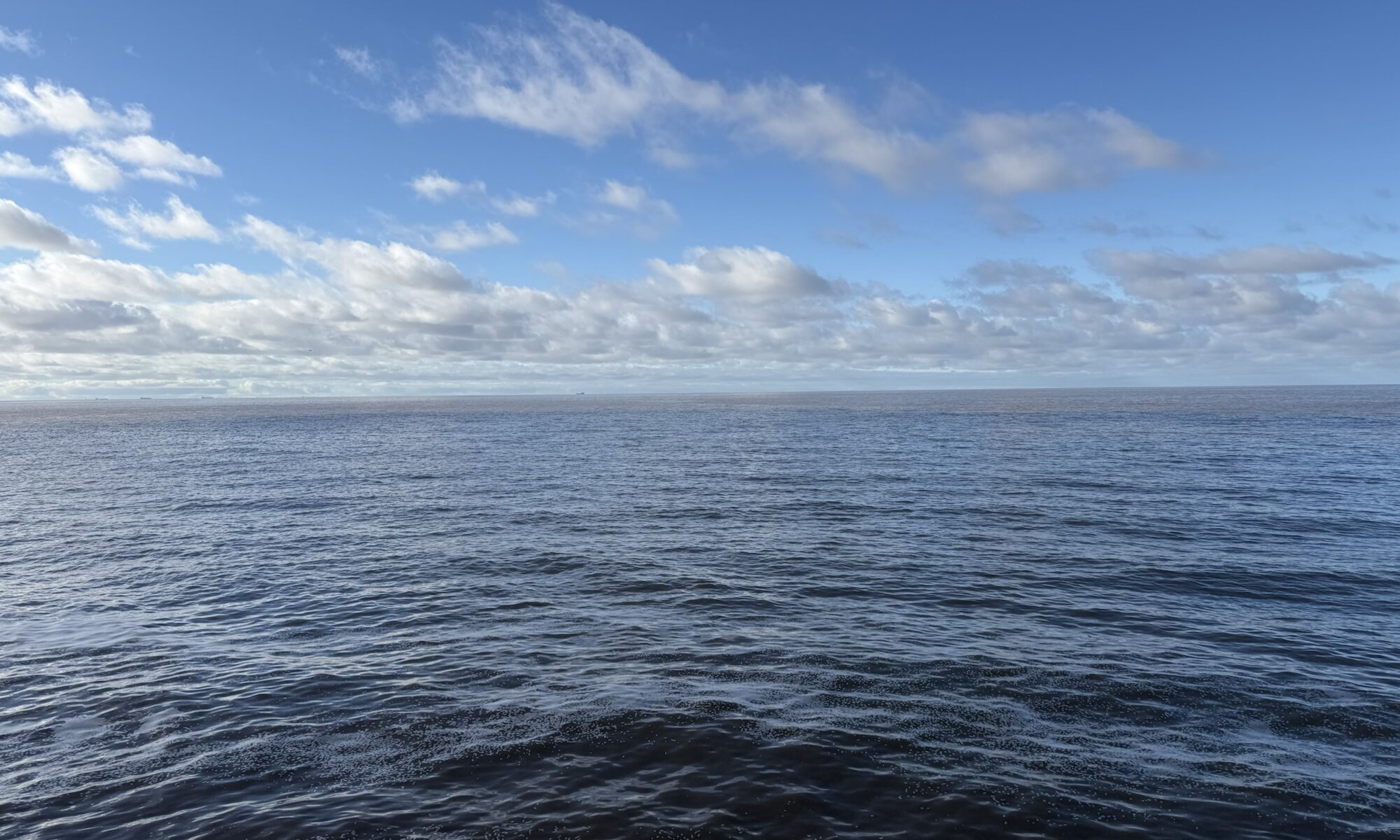
Combining a visit to Montevideo and Buenos Aires is easy, as you can cross the Río de la Plata via ferry boat. There are multiple options; I opted in for the Buquebus crossing which begins at the company’s terminal in Colonia del Sacramento. To get there, you need to take a bus from the Tres Cruces bus terminal at Montevideo where you can also check in your luggage.
Continue reading “Crossing the Río de la Plata”Don’t cry for me Argentina
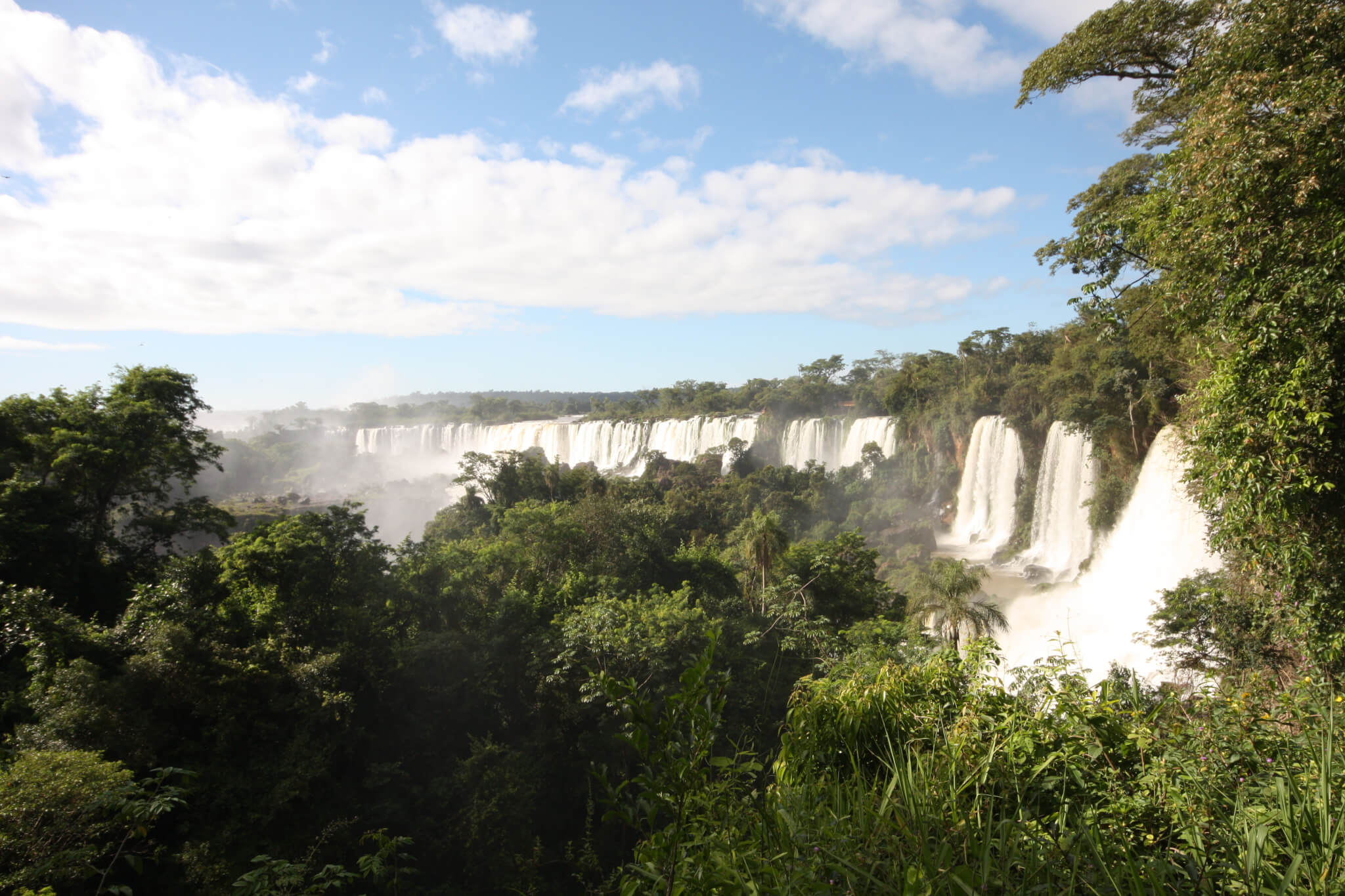
Going to the Argentinian side of the falls means leaving Brazil and therefore you first have to wait at border control. And receive a nice stamp within your passport. The Cataratas del Iguazú are part of a state park which is often pretty much crowded. We had the chance to go directly to the Sheraton hotel within the park and walk from there.
Continue reading “Don’t cry for me Argentina”