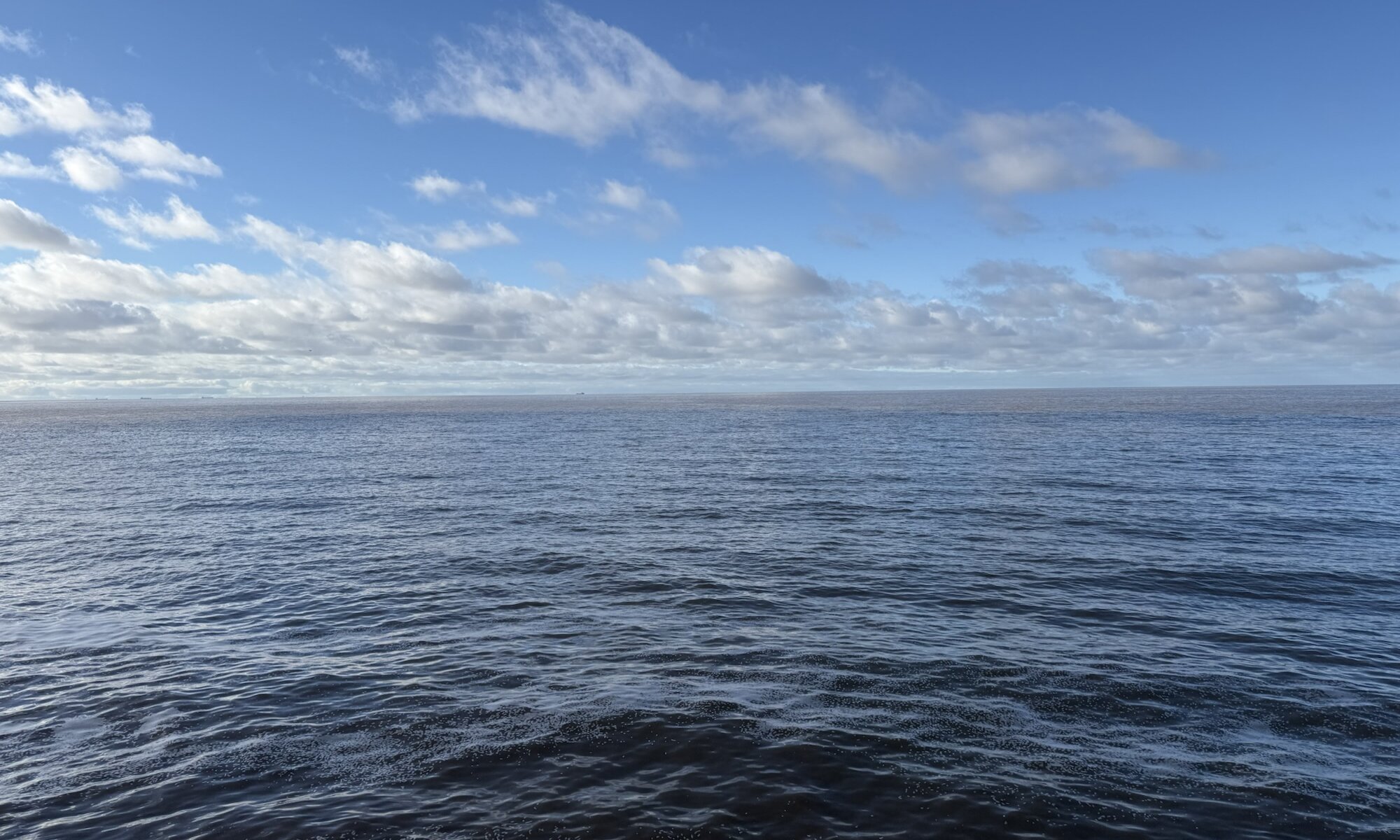
Combining a visit to Montevideo and Buenos Aires is easy, as you can cross the Río de la Plata via ferry boat. There are multiple options; I opted in for the Buquebus crossing which begins at the company’s terminal in Colonia del Sacramento. To get there, you need to take a bus from the Tres Cruces bus terminal at Montevideo where you can also check in your luggage.
Continue reading “Crossing the Río de la Plata”I see a mountain
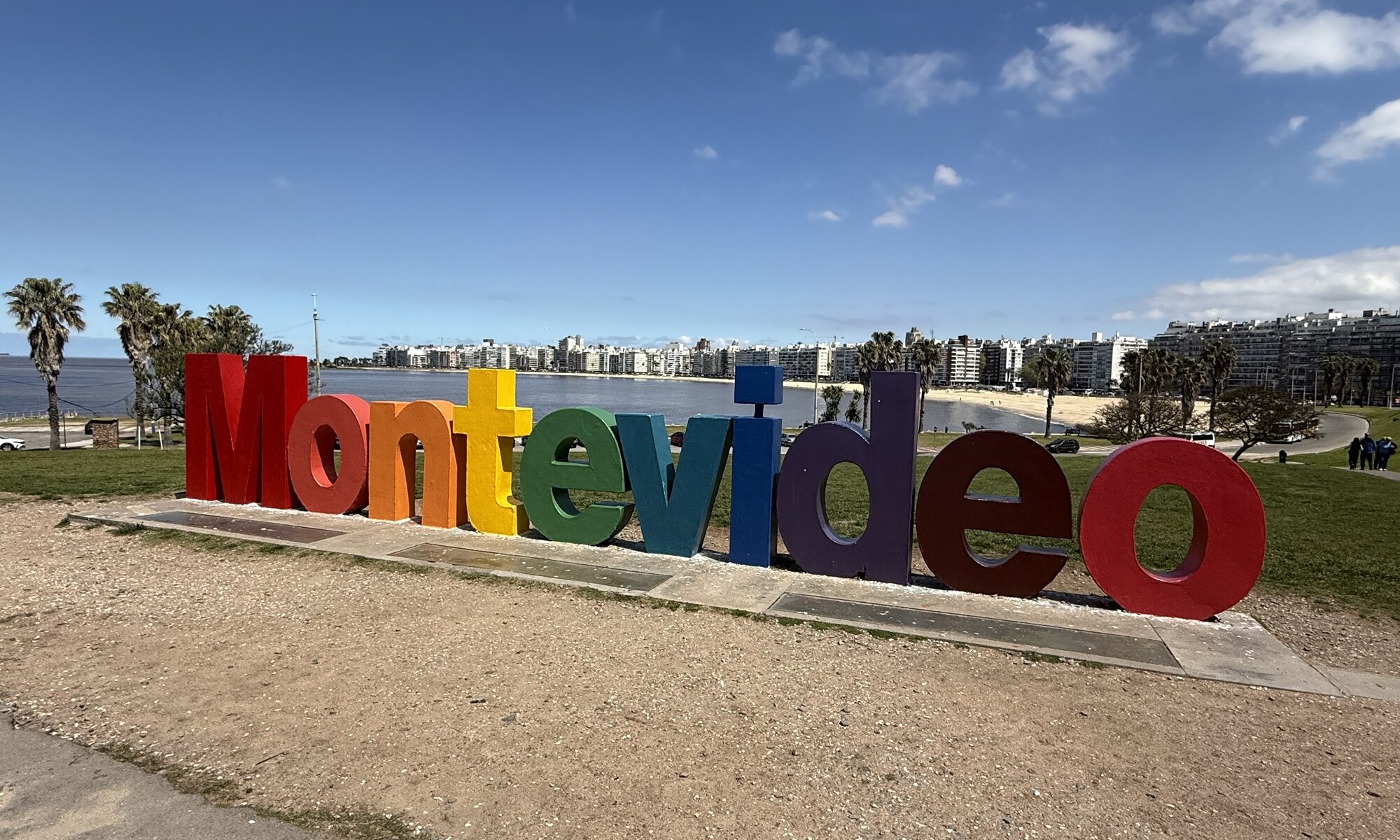
Montevideo, Uruguay’s capital and principal port, grew from a Spanish military settlement founded between 1724 and 1730 to control the strategically important Río de la Plata and resist Portuguese expansion from Brazil. Its original name was San Felipe y Santiago de Montevideo, while the settlement gradually developed around the bay and its fortified old town. The city’s walls were built in the eighteenth century but demolished in the nineteenth, leaving the Ciudad Vieja and the surviving gateway as reminders of its colonial beginnings.
Continue reading “I see a mountain”Palacio Taranco
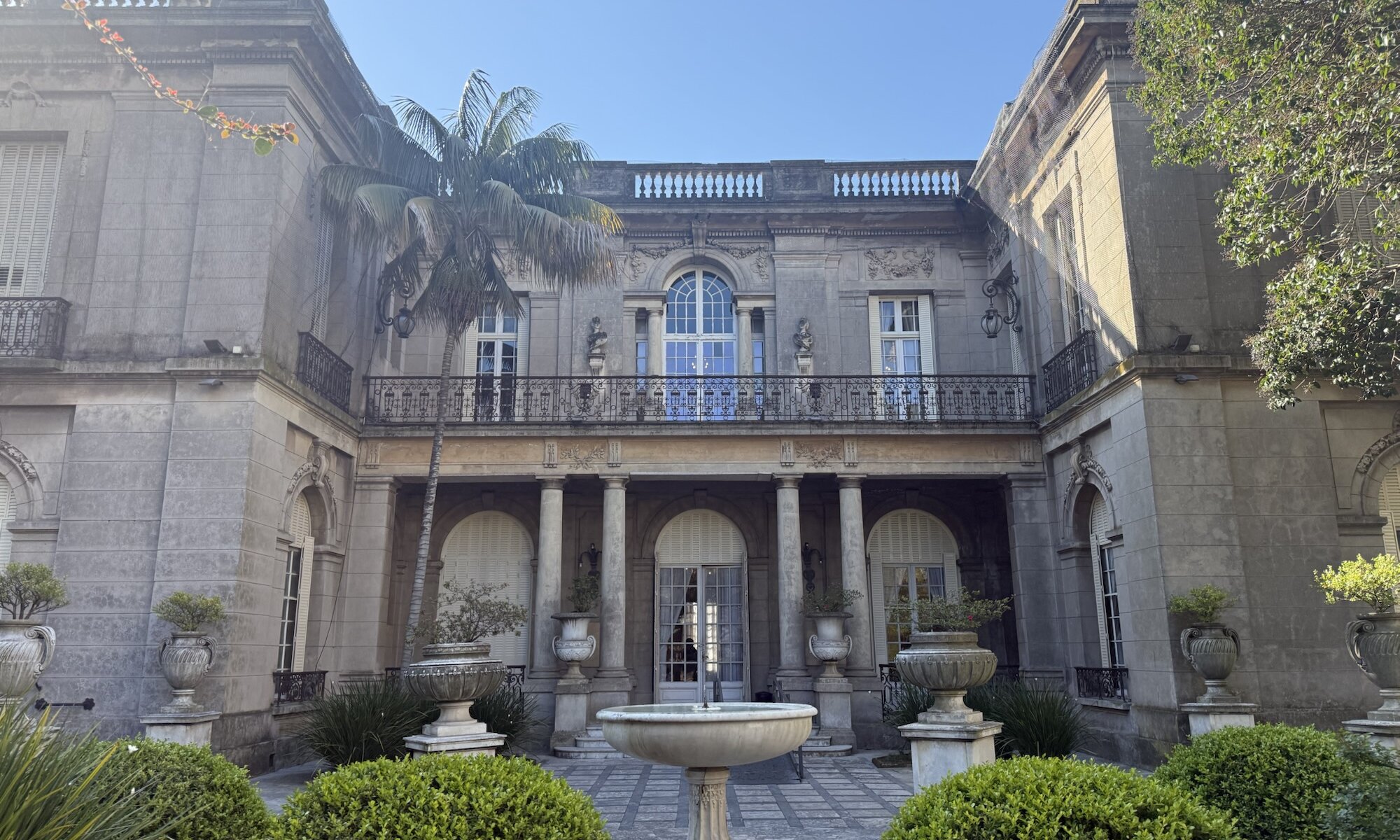
One of the most elegant survivals of Montevideo’s early-20th-century confidence and prosperity. Palacio Taranco stands beside Plaza Zabala in Ciudad Vieja, on the site once occupied by the colonial-era Casa de Comedias, regarded as the city’s first theatre. Commissioned by the Ortiz de Taranco family in 1908, the residence was designed by the French architects Charles-Louis Girault and Jules-Léon Chifflot, whose work gave the house a distinctly French, aristocratic character.
Continue reading “Palacio Taranco”MAPI
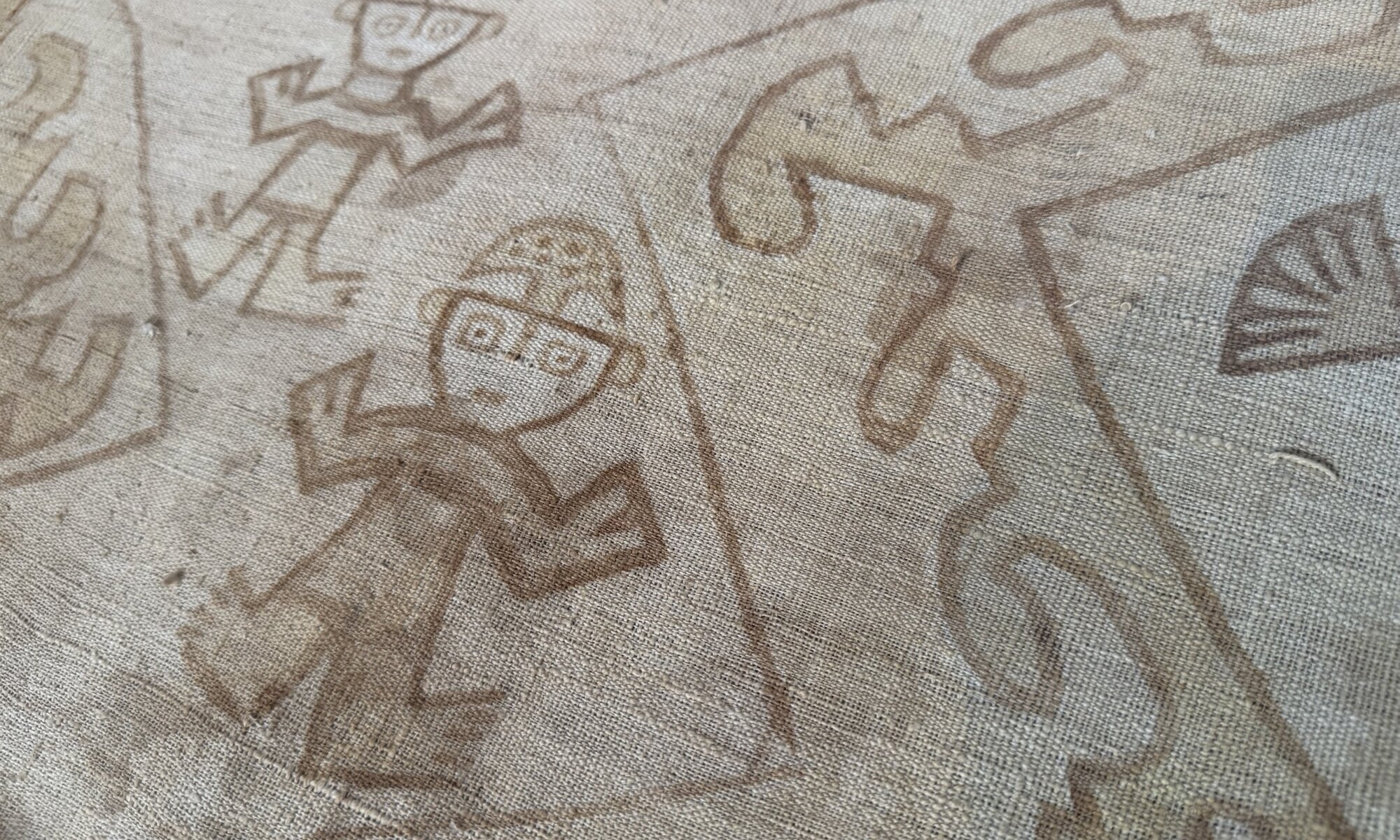
The Museo de Arte Precolombino e Indígena, generally known as MAPI, is Montevideo’s museum devoted to the archaeology, art and living cultural traditions of the indigenous peoples of the Americas. It stands in Ciudad Vieja, the historic quarter of the city, and provides a valuable counterpoint to the colonial architecture and European-influenced history that dominate much of central Montevideo. Rather than presenting indigenous cultures as a distant prelude to national history, the museum places them at the centre of a broader American story, extending from Uruguay to the rest of Latin America and beyond.
Continue reading “MAPI”Palacio Legislativo
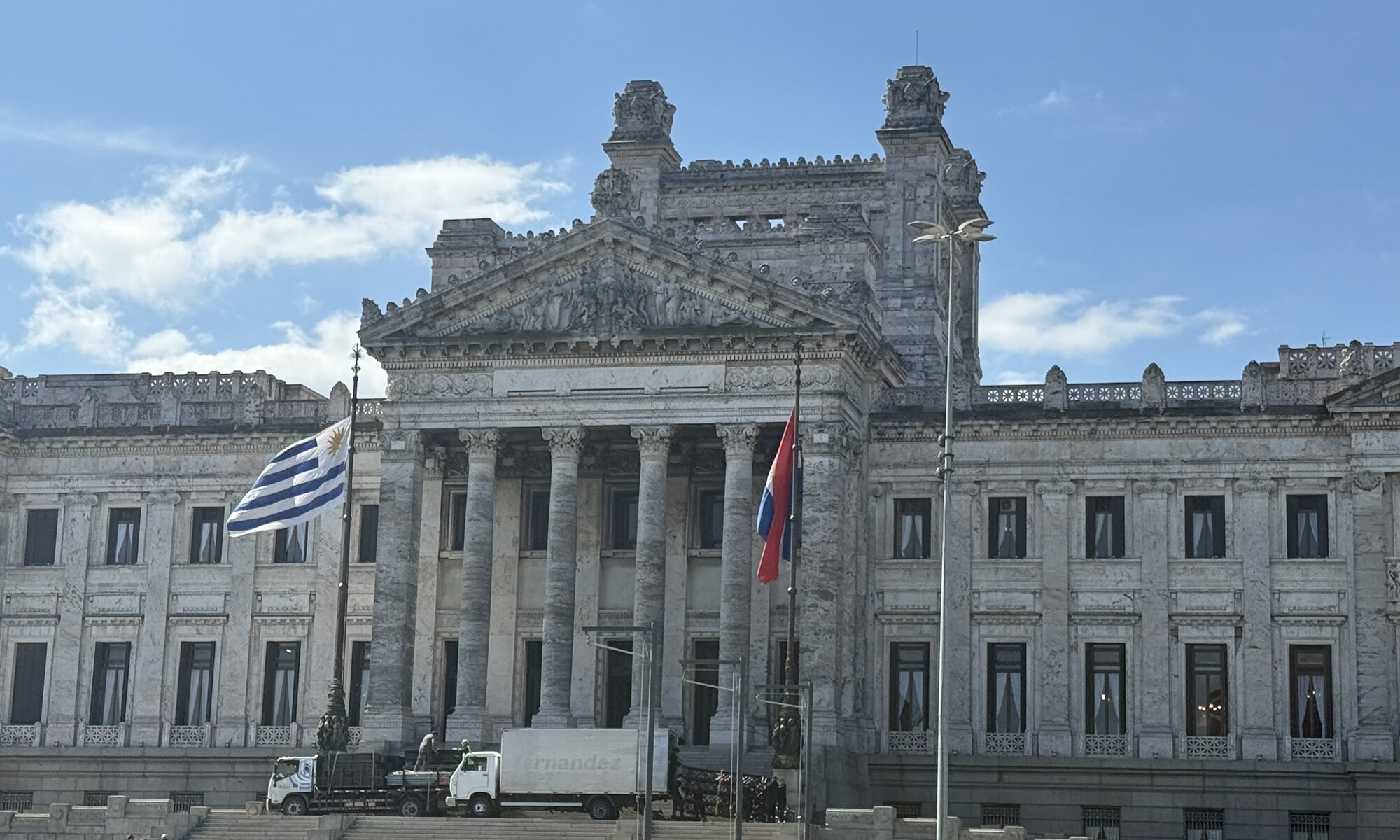
Montevideo’s Palacio Legislativo is Uruguay’s parliamentary seat: the building in which the General Assembly meets, comprising the Chamber of Representatives and the Senate. Standing prominently in the Aguada district on Avenida de las Leyes, it is far more than an administrative building; it is a national monument and one of the city’s clearest expressions of civic confidence and republican identity.
Continue reading “Palacio Legislativo”Plaza Independencia
Montevideo’s principal civic square: a broad urban space that forms the threshold between the colonial streets of Ciudad Vieja and the more modern city centre. It is important because much of Uruguay’s national story is concentrated here, in a setting where government, culture, memory and everyday city life meet. The square occupies the site of the former Spanish citadel, whose fortifications once defended the colonial settlement; after independence, the walls were removed and the area was reshaped to connect the old town with the expanding capital.
Continue reading “Plaza Independencia”NH Columbia
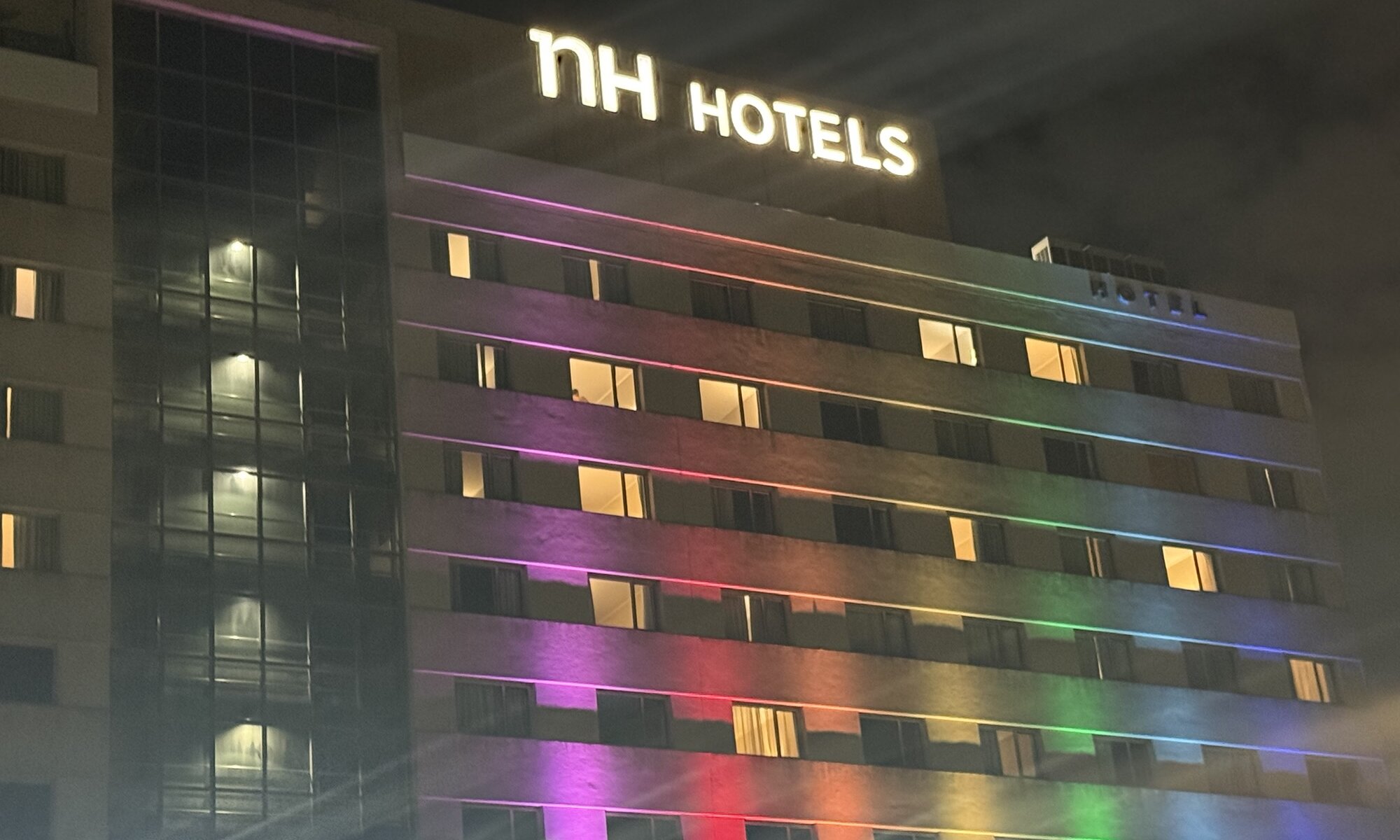
The NH Montevideo Columbia is a city hotel in Montevideo, Uruguay, offering accommodation in the historic centre. It is particularly well suited to visitors who want to combine sightseeing with easy access to the waterfront, rather than stay in a secluded resort.
Continue reading “NH Columbia”Aeropuerto Internacional de Carrasco
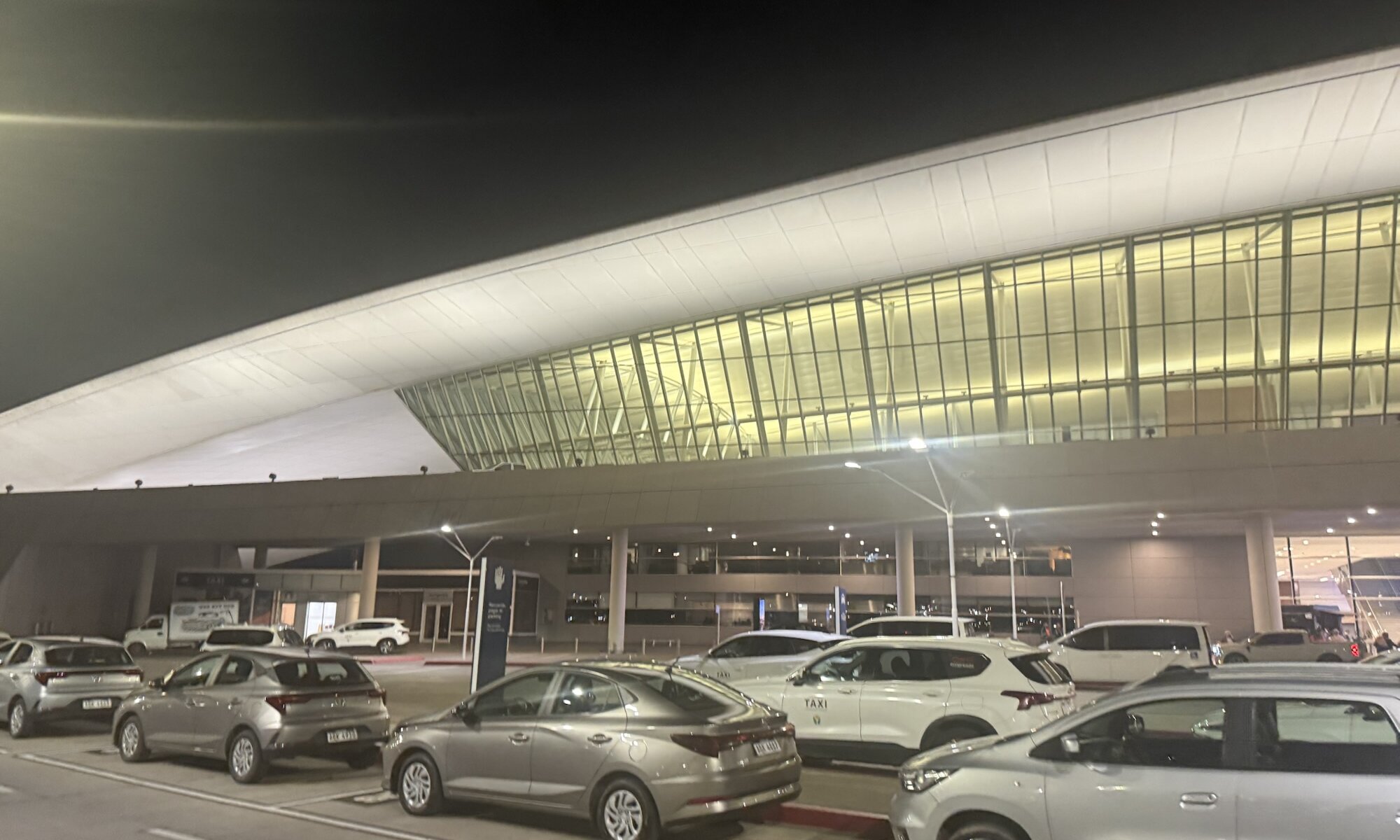
Aeropuerto Internacional de Carrasco, officially General Cesáreo L. Berisso International Airport, is Uruguay’s principal international airport and the main gateway to Montevideo. It serves the capital and its metropolitan area, although the terminal itself lies in Ciudad de la Costa, in the department of Canelones, roughly 20 kilometres east of central Montevideo. Its airport code is MVD, and it handles the country’s principal international air connections.
Continue reading “Aeropuerto Internacional de Carrasco”