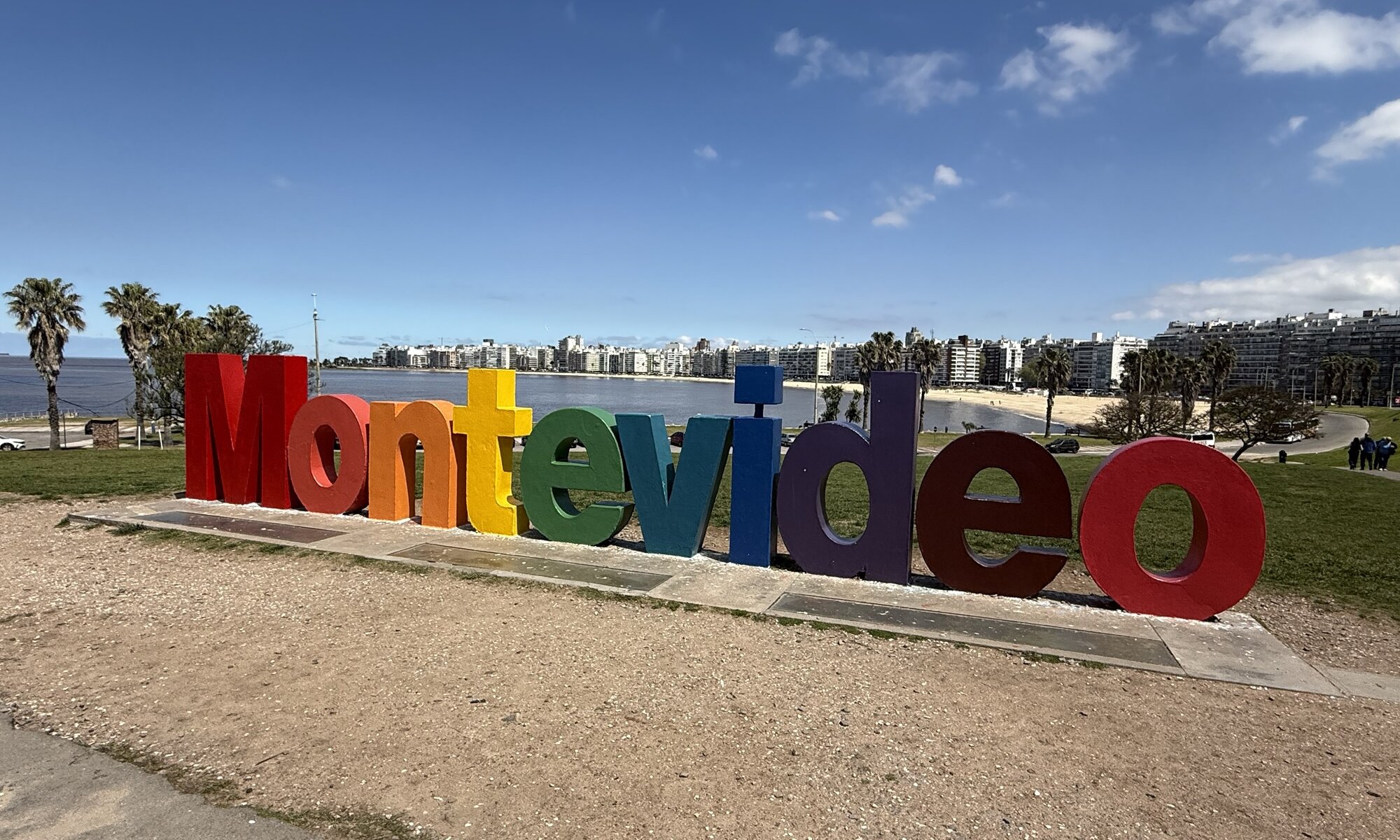
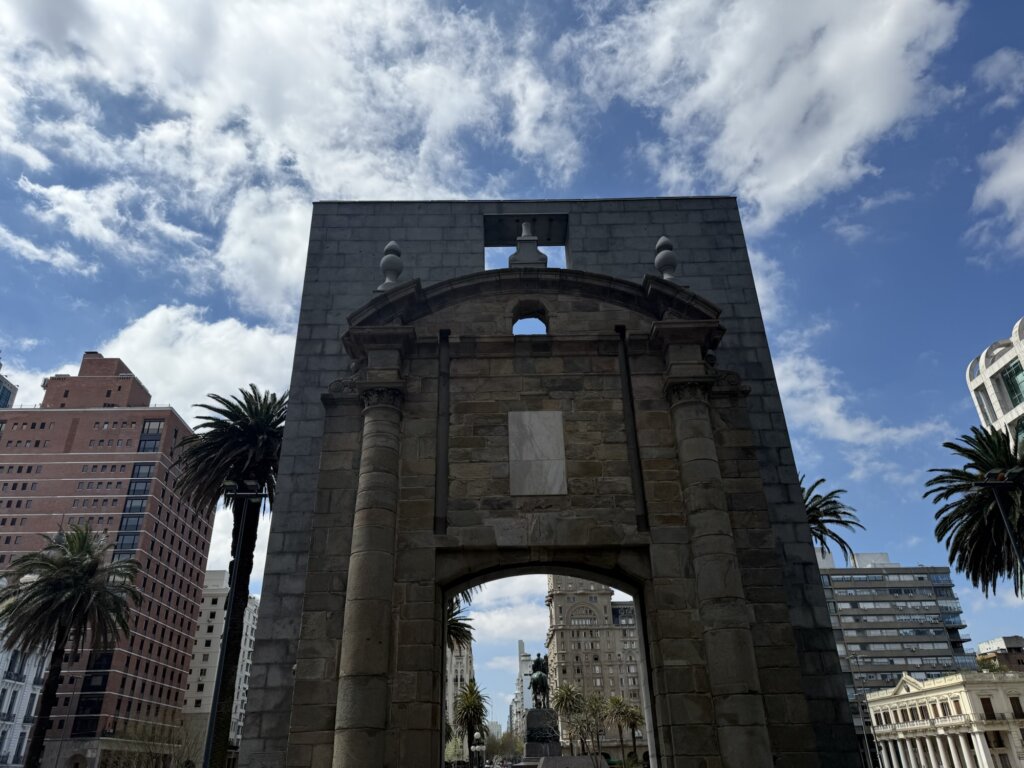
Montevideo, Uruguay’s capital and principal port, grew from a Spanish military settlement founded between 1724 and 1730 to control the strategically important Río de la Plata and resist Portuguese expansion from Brazil. Its original name was San Felipe y Santiago de Montevideo, while the settlement gradually developed around the bay and its fortified old town. The city’s walls were built in the eighteenth century but demolished in the nineteenth, leaving the Ciudad Vieja and the surviving gateway as reminders of its colonial beginnings.
The origin of the name Montevideo remains disputed. The most widely repeated explanation connects it with the Cerro de Montevideo, the prominent hill across the bay. One theory interprets it as Monte VI de Este a Oeste – the sixth mountain seen from east to west on an old chart – whereas another derives it from the phrase monte vide eu, meaning ‘I see a mountain‘. Both explanations reflect the importance of the hill as a landmark for sailors approaching the Río de la Plata, though neither is universally accepted.
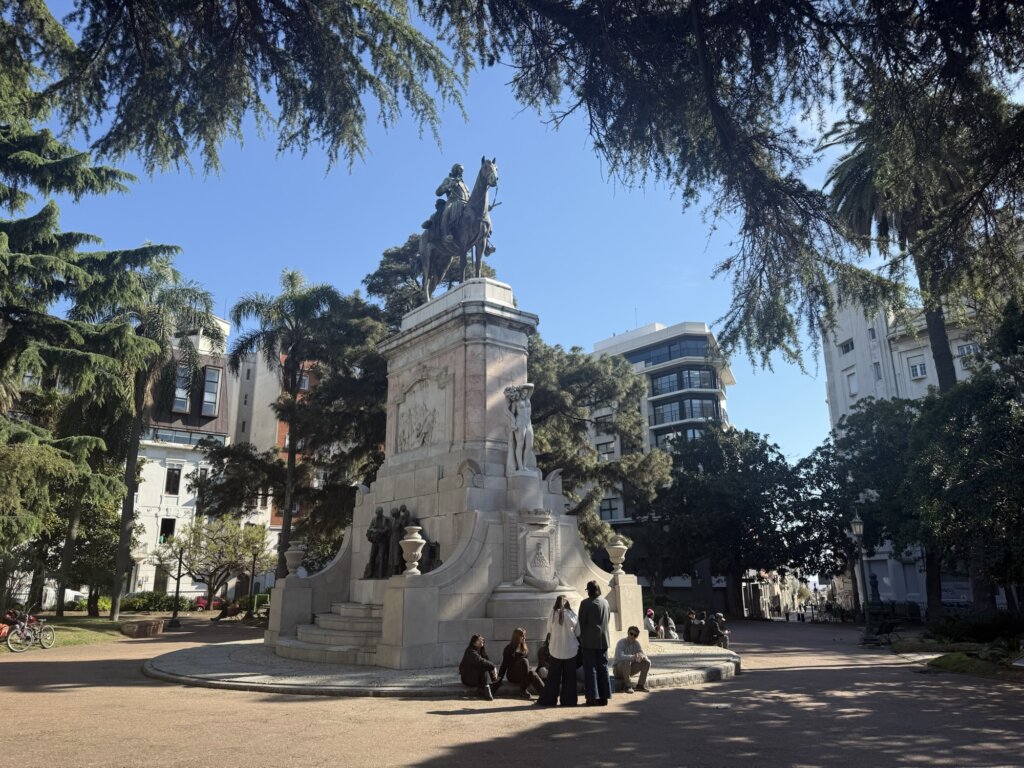
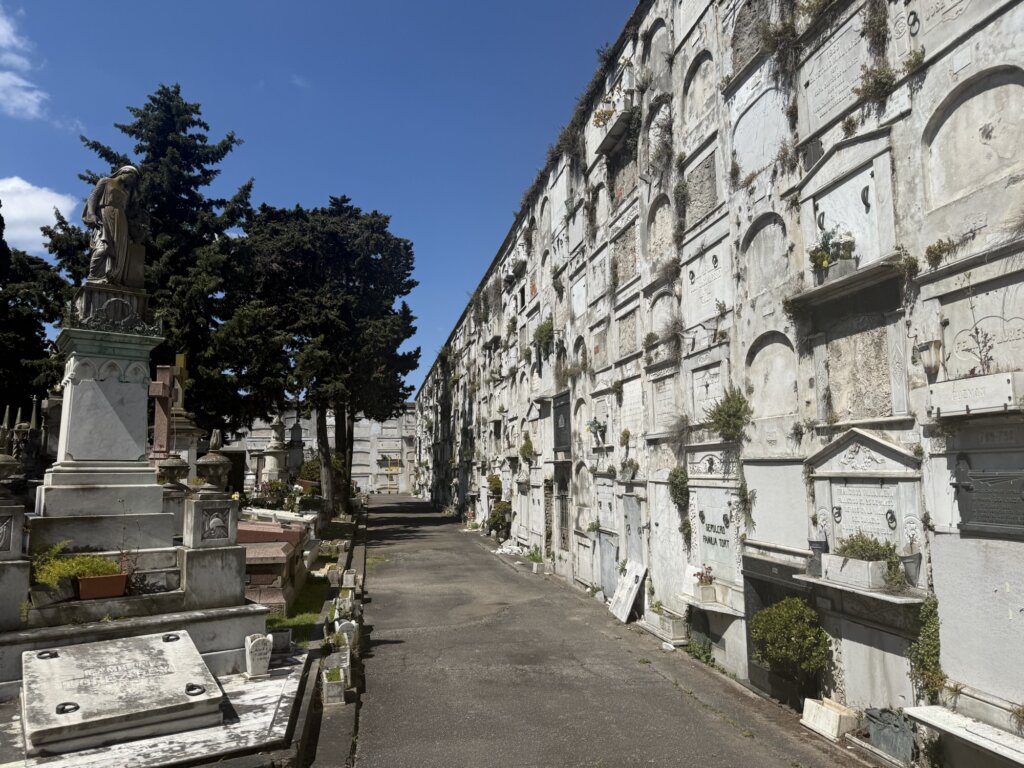
What makes Montevideo special is its relaxed blend of South American city life, colonial history and Atlantic character. The extensive Rambla follows the waterfront for many kilometres, linking beaches and neighbourhoods and providing an unusually open setting for a capital city. Montevideo also has a strong cultural identity expressed through candombe drumming, one of the world’s longest-established carnival traditions, literary cafés, football and the everyday ritual of drinking mate. Its atmosphere is generally more leisurely and intimate than that of the region’s much larger capitals.
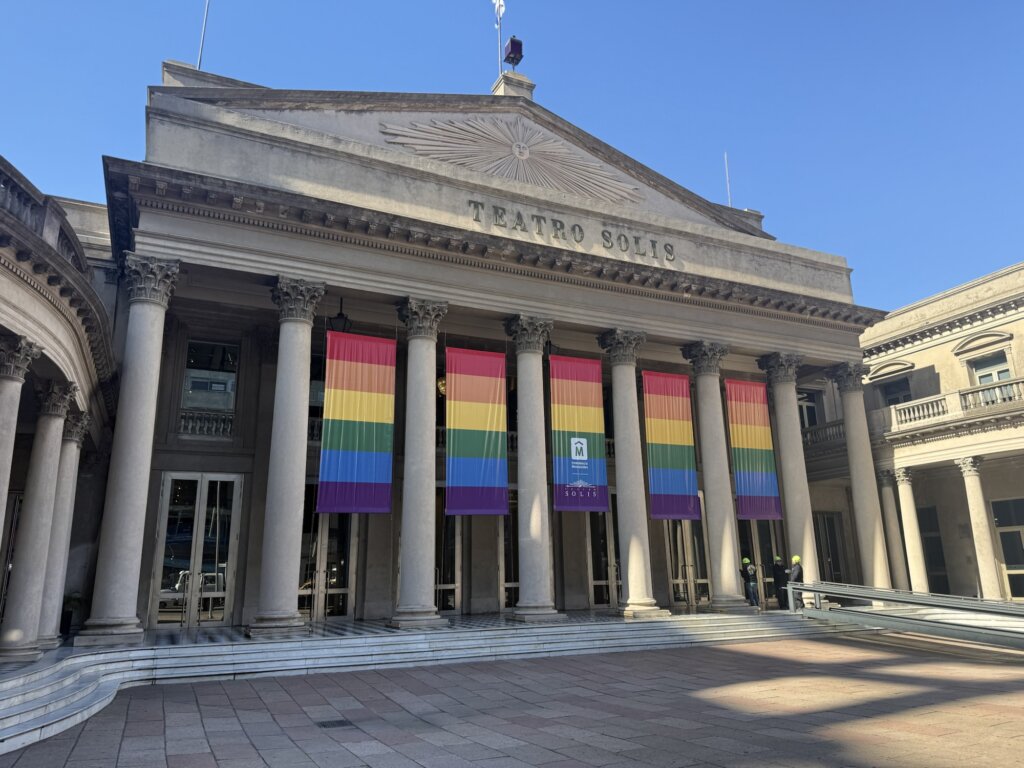
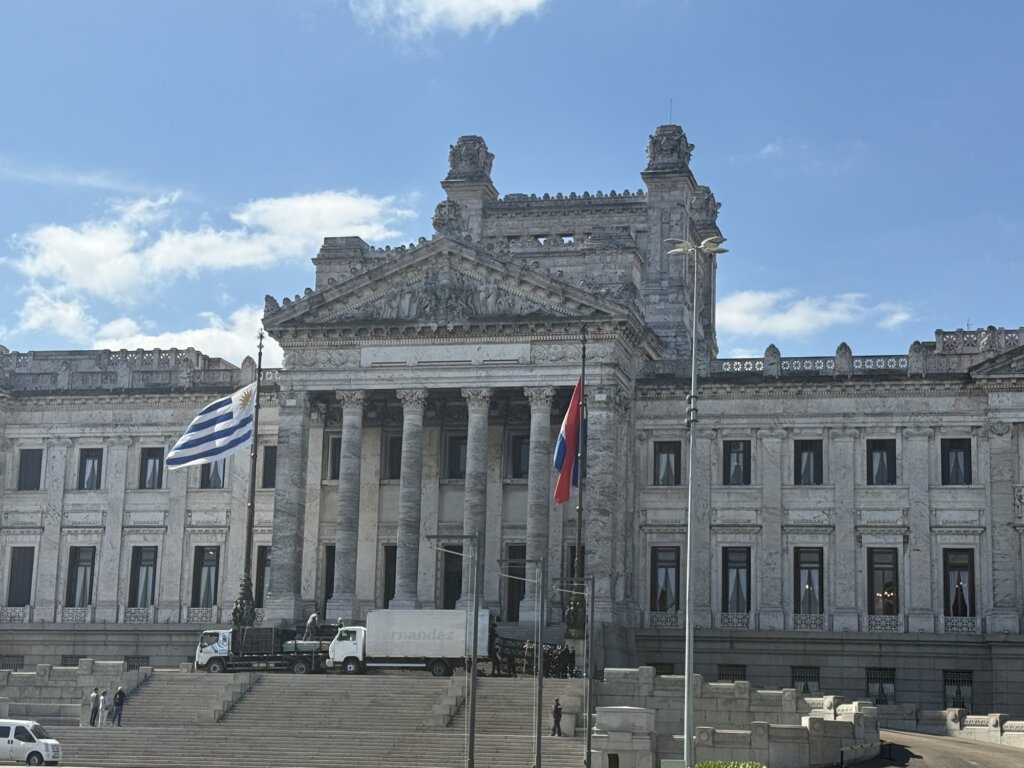
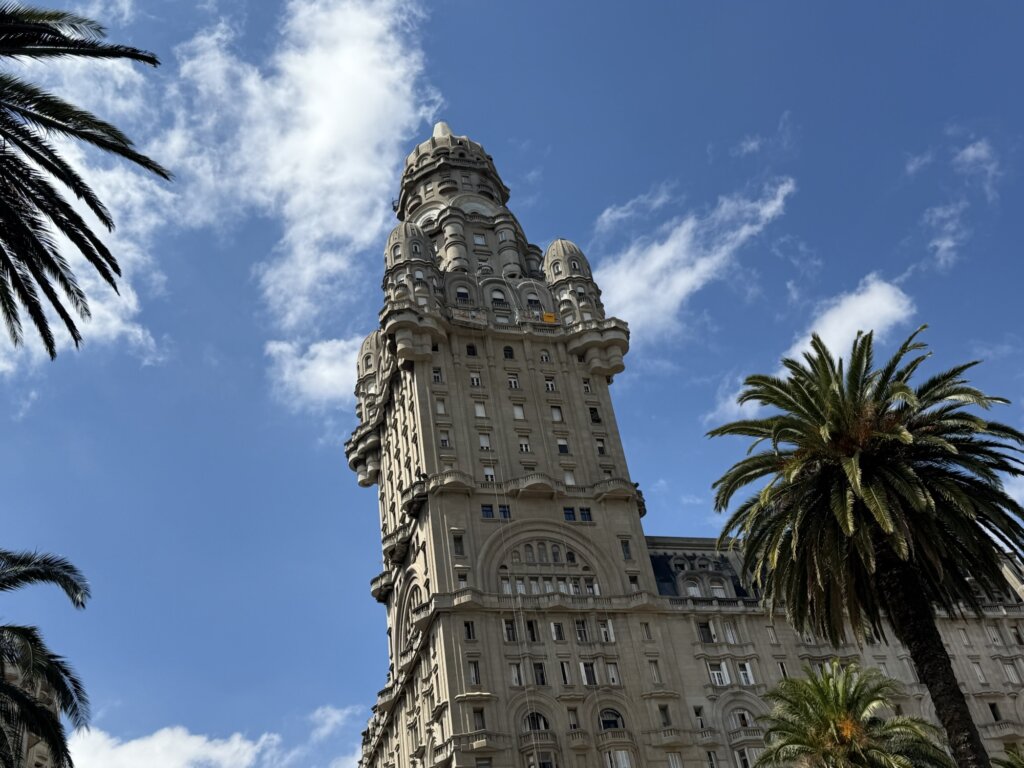
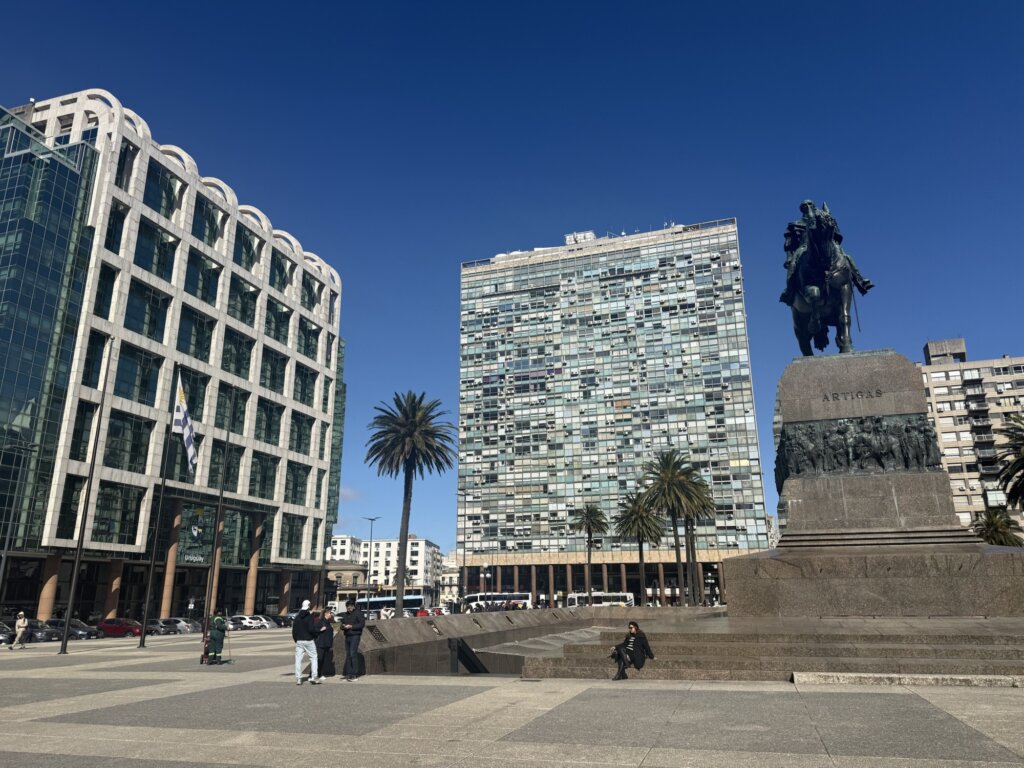
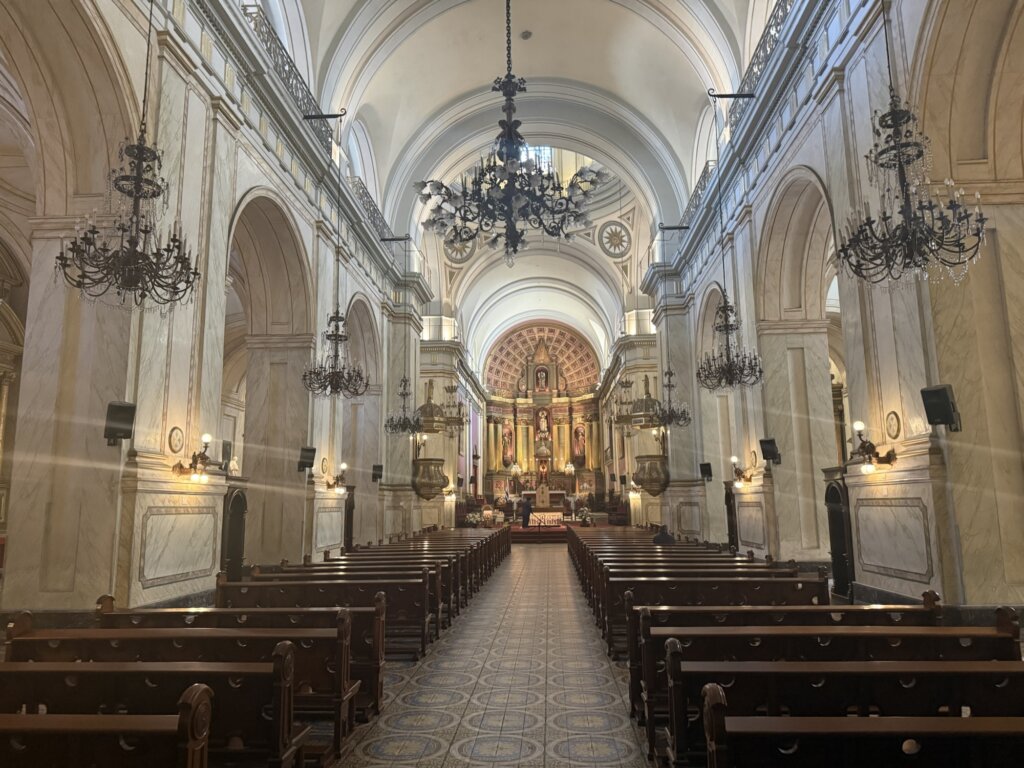
The most important sights are concentrated in and around Ciudad Vieja. Begin at the Puerta de la Ciudadela, then walk along Peatonal Sarandí to Plaza Matriz, the Metropolitan Cathedral and the Cabildo. Nearby, the Mercado del Puerto is ideal for experiencing Uruguay’s grilled meat tradition, while Plaza Independencia, the Artigas Mausoleum, Teatro Solís and the striking Palacio Salvo form the city’s central historic ensemble. For a broader view, visit Fortaleza del Cerro; for architecture and civic history, see the Palacio Legislativo; and for the city’s seaside character, explore the Rambla, Pocitos and Playa Ramírez.
Montevideo
Uruguay
Loading map...
