
The Museo de Arte Precolombino e Indígena, generally known as MAPI, is Montevideo’s museum devoted to the archaeology, art and living cultural traditions of the indigenous peoples of the Americas. It stands in Ciudad Vieja, the historic quarter of the city, and provides a valuable counterpoint to the colonial architecture and European-influenced history that dominate much of central Montevideo. Rather than presenting indigenous cultures as a distant prelude to national history, the museum places them at the centre of a broader American story, extending from Uruguay to the rest of Latin America and beyond.
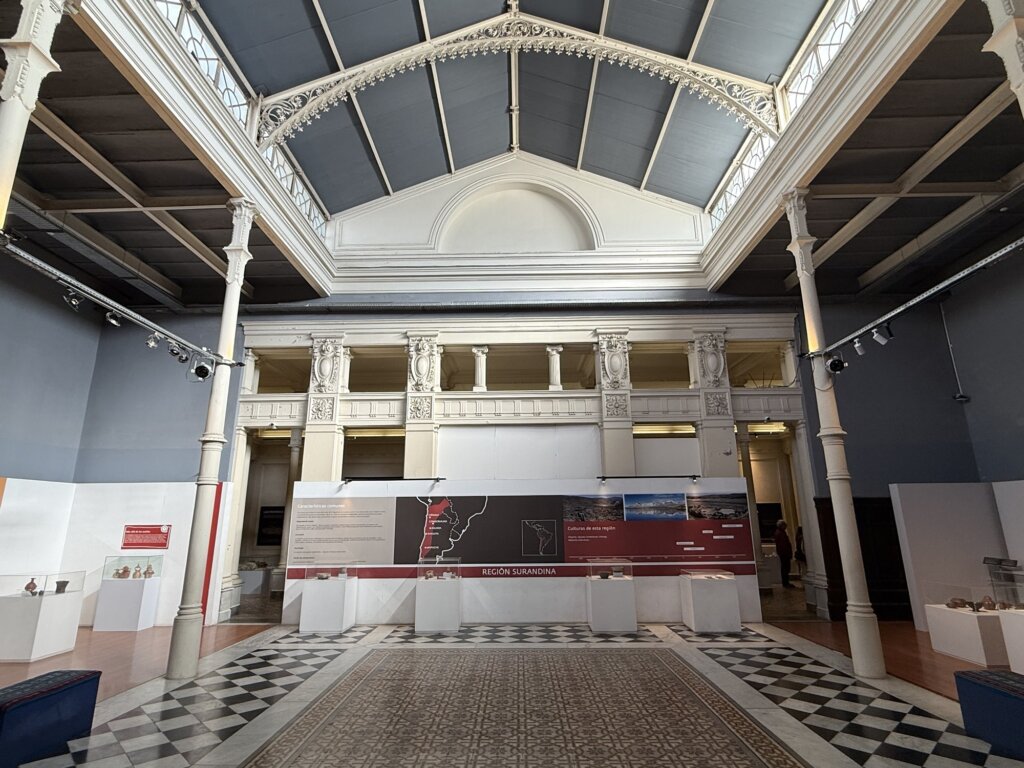
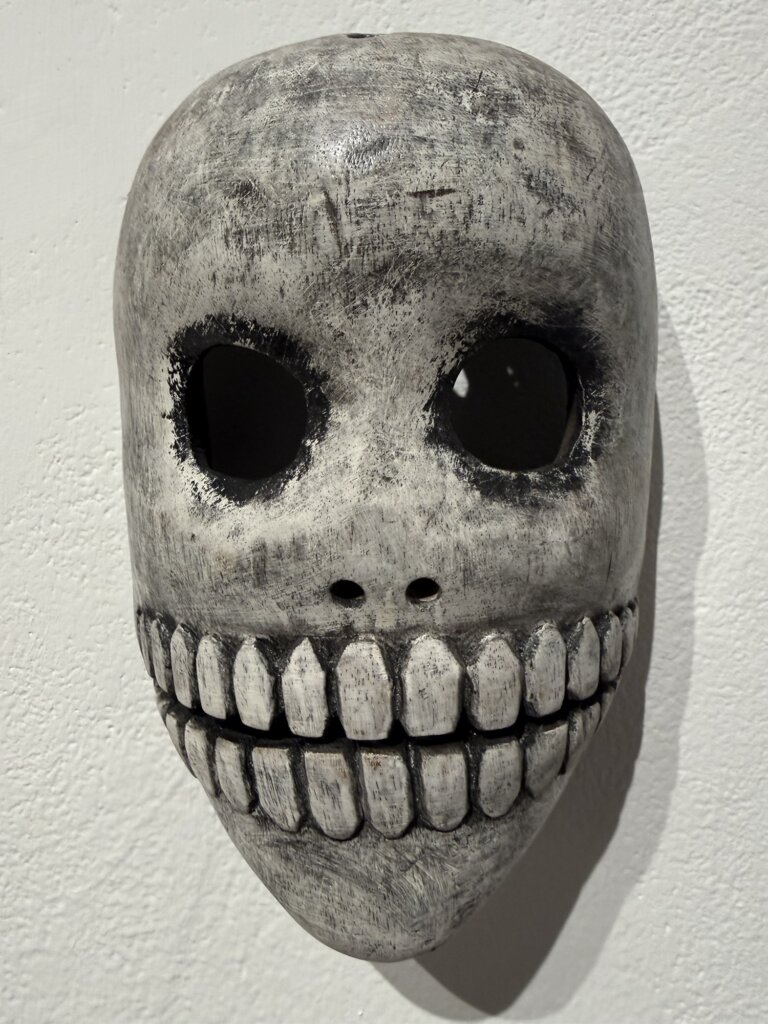
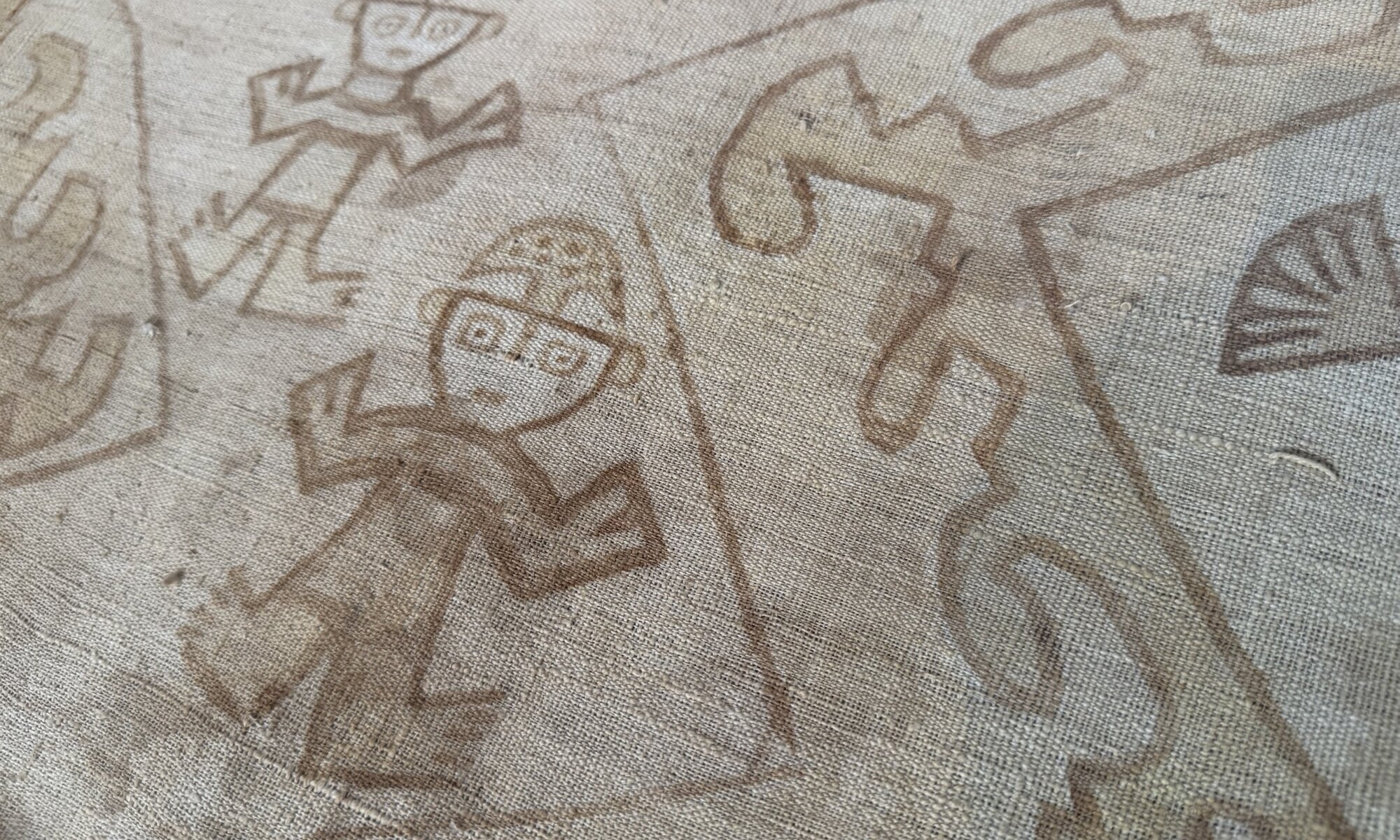
Its collections include archaeological finds, ethnographic objects, ceramics, stone tools, featherwork, leatherwork, masks, textiles, musical instruments, documents and reproductions. There is a particular emphasis on the peoples who lived in what is now Uruguay, while other displays introduce the cultural regions of Mesoamerica, the Andes, the Southern Cone and North America. The result is compact but wide-ranging: visitors can move from prehistoric material and ancient ceramic figures to indigenous musical traditions, ritual objects and evidence of continuing cultural expression. Temporary exhibitions, courses and workshops add a changing dimension to the permanent displays.
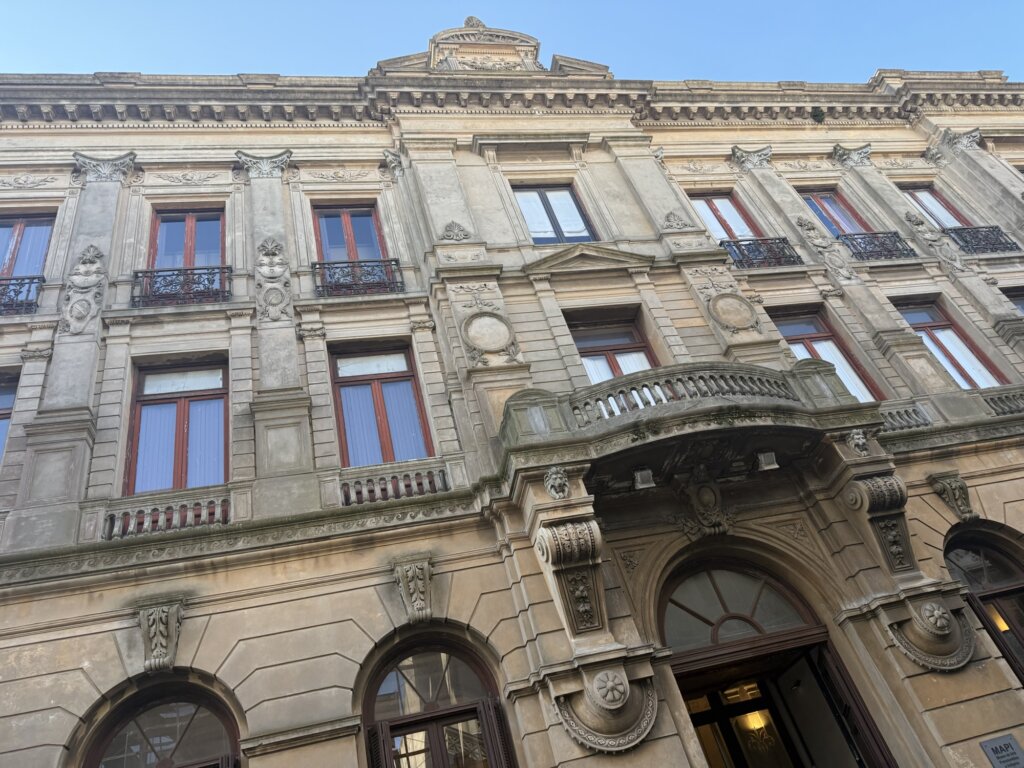
The museum’s home is itself worth noticing. This substantial late nineteenth-century building was constructed between 1883 and 1888 for Dr. Emilio Reus and was originally intended to become a hydrotherapy and thermal-treatment establishment. That plan was never realised; the building later housed the Ministry of Development and subsequently the Ministry of National Defence. Its eclectic, strongly Italian-influenced architecture and its importance within the historic cityscape led to it being declared a National Historic Monument in 1986.
After the building had stood closed for nearly two decades, restoration began in the early 2000s, ultimately creating the setting for MAPI, which opened in 2004. The museum was founded through an agreement between the Montevideo municipal authorities and collector Matteo Goretti, whose collection formed an important initial basis. Since then, loans, donations and acquisitions have expanded the holdings to more than 7,000 cultural objects. For a visitor, MAPI is therefore more than a small specialist museum: it is an accessible introduction to the depth, diversity and continuing relevance of indigenous heritage across the Americas.
Museo de Arte Precolombino e Indígena (MAPI)
Montevideo
Uruguay
https://mapi.uy
Loading map...
