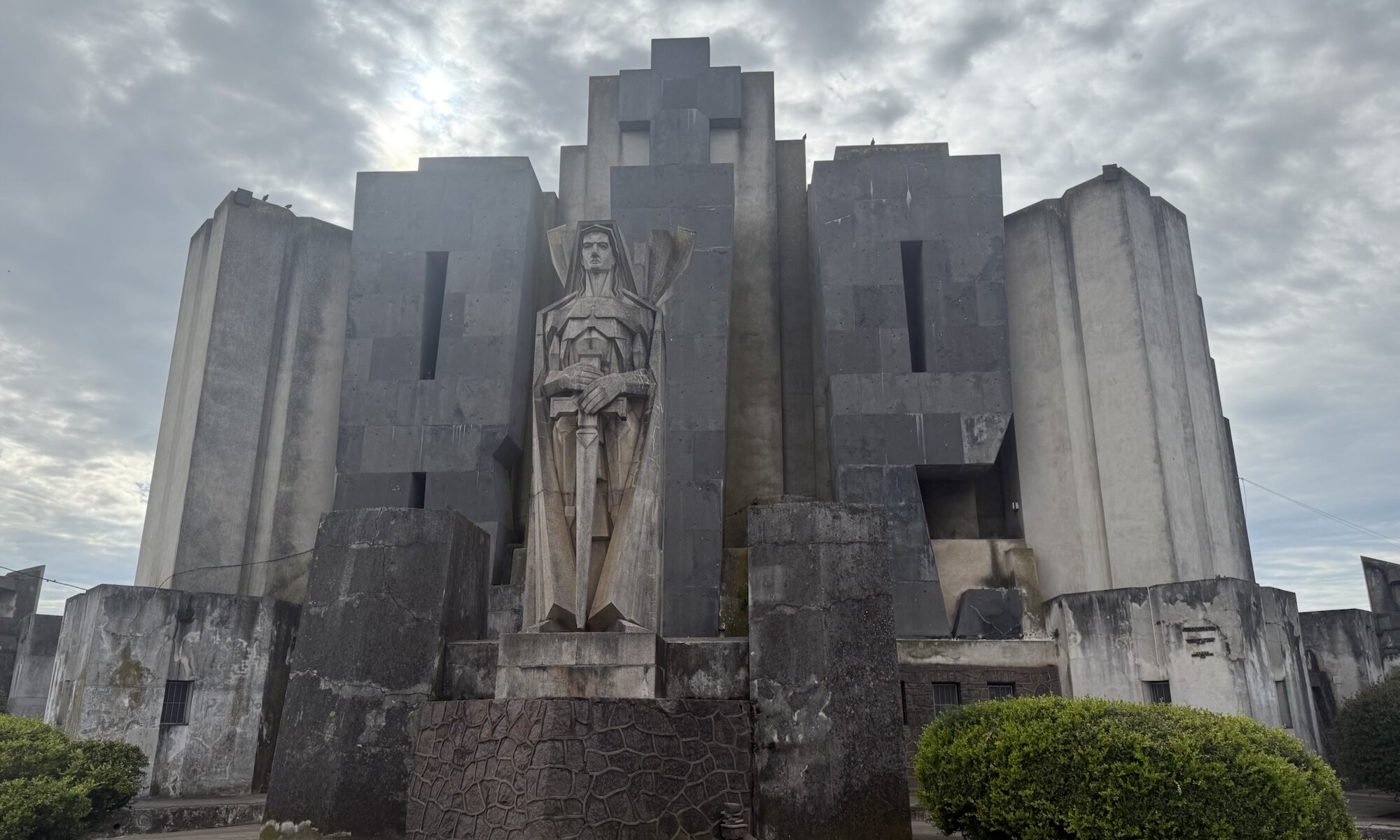
Salamone

The gate of the Cementerio Único in Azul is the monumental entrance to the city’s municipal cemetery, designed by Francisco Salamone and completed in 1938. It is one of the clearest examples of his distinctive fusion of Art Deco, monumentalism and rationalist architecture, transforming an otherwise ordinary cemetery entrance into a powerful urban landmark.

Continue reading “Salamone”

ARS

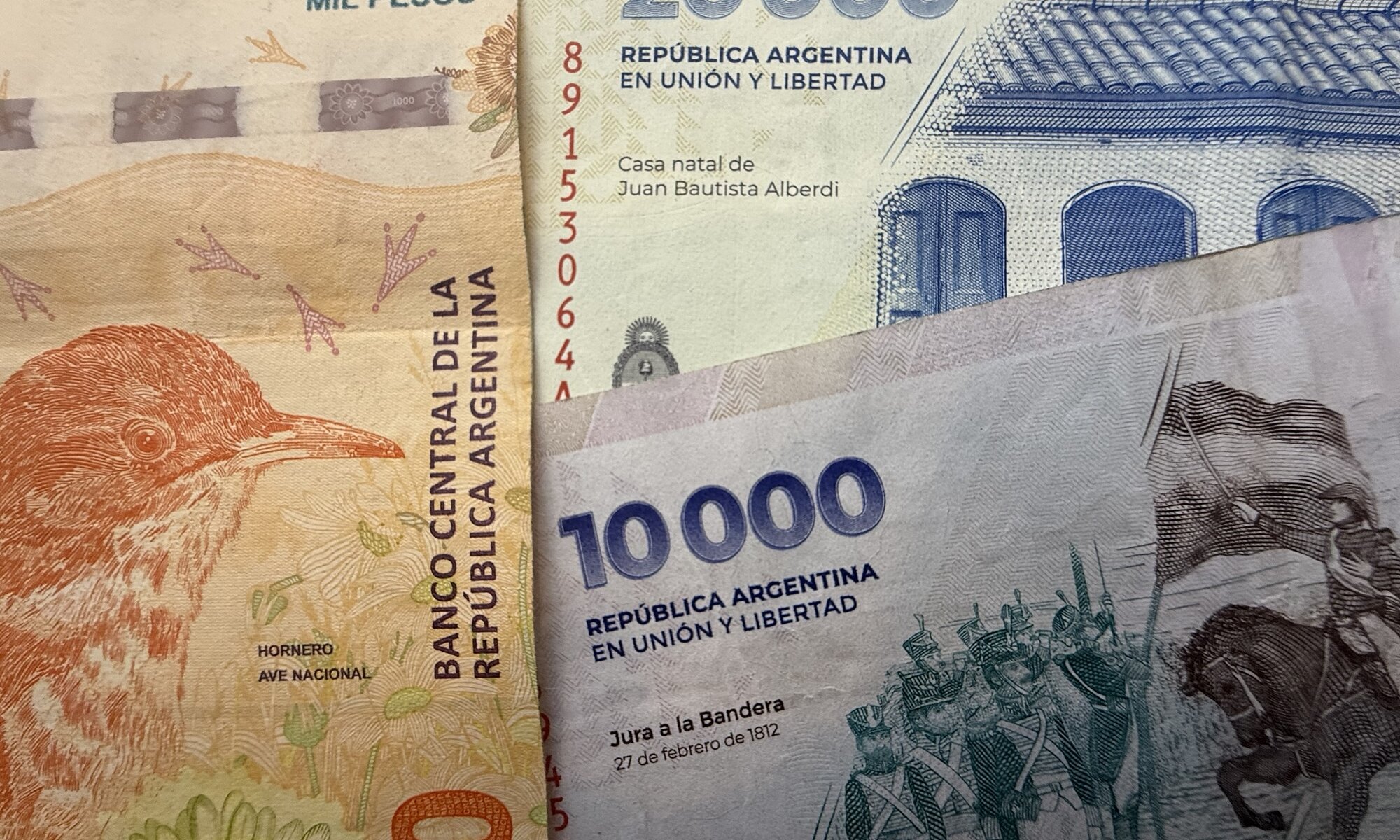
The Argentine peso (ARS) has been Argentina’s national currency since 1881, although the country has repeatedly redenominated it after periods of severe inflation and economic crisis. The current peso dates from 1992, when it replaced the austral at a rate of 10,000 to 1. Since then, inflation, currency controls and sharp devaluations have repeatedly reduced its purchasing power, making exchange rates a practical concern for visitors rather than a mere financial detail.

Continue reading “ARS”

Mountain scenery

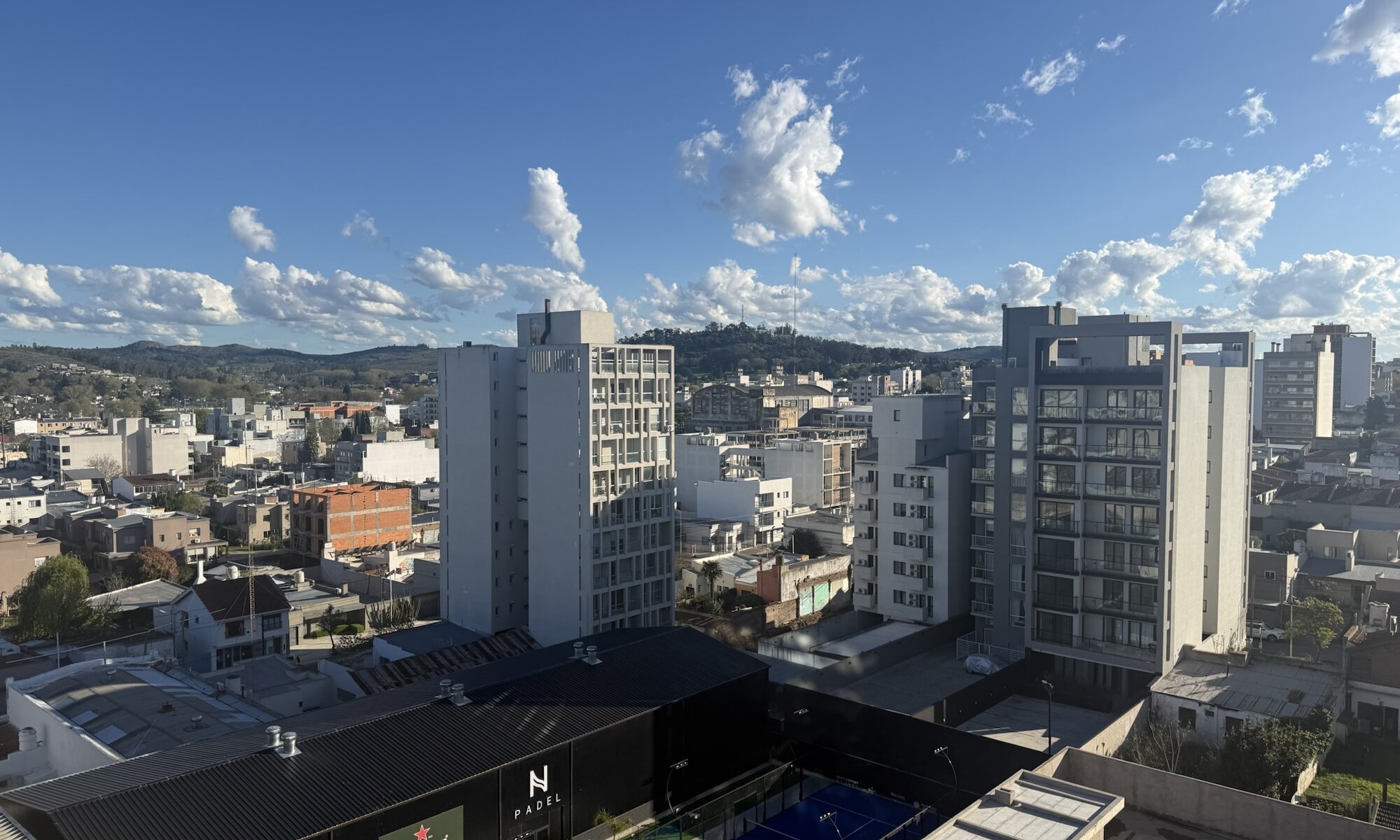
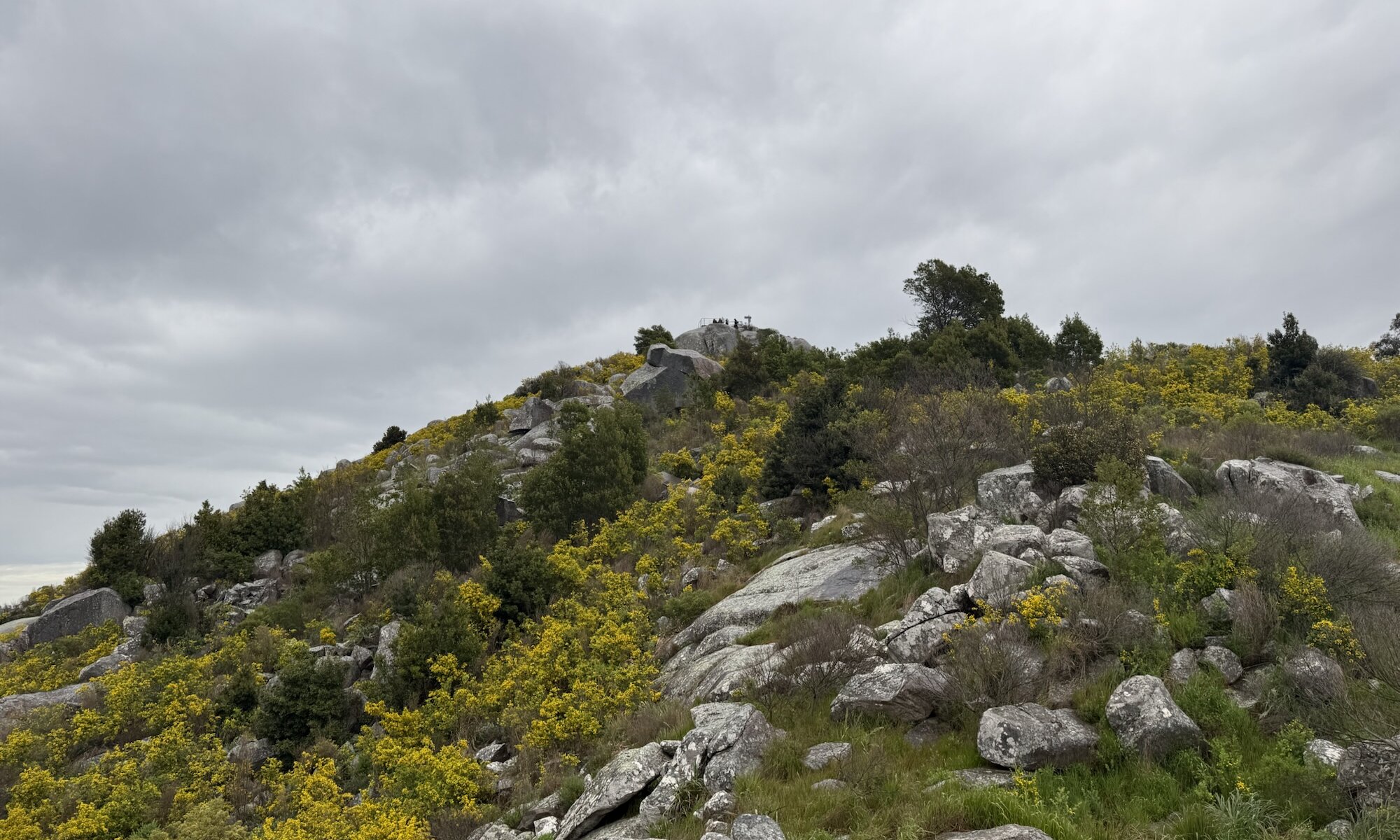
Tandil is a pleasant hill town in south-eastern Buenos Aires province, set where the open Pampas meet the ancient Tandilia mountain range. Its modern history began in 1823, when Governor Martín Rodríguez established Fuerte Independencia as a frontier settlement. The fort was intended to secure the expanding colonial state, but conflict with Indigenous communities caused many settlers to leave after attacks in 1856; Tandil later recovered and was formally declared a city in 1895.

Continue reading “Mountain scenery”

Unión y Progreso

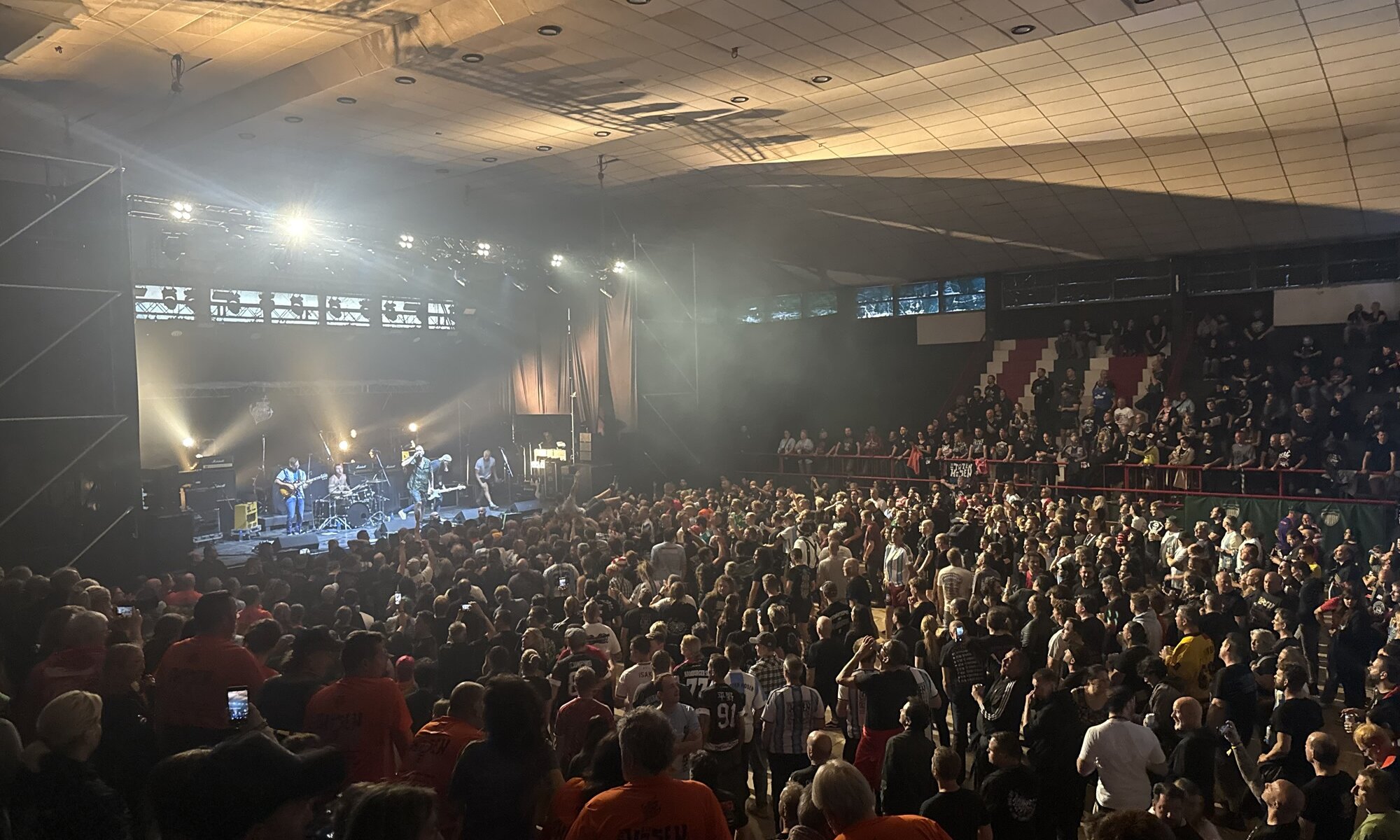
Club Unión y Progreso is a long-established neighbourhood social and sporting club in Villa Italia, Tandil, Argentina. Founded in 1939, it grew from a local community association into an institution offering sporting activities, cultural events and social gatherings. Its main premises are at Quintana 450, where the club remains closely connected with the surrounding neighbourhood.

Continue reading “Unión y Progreso”

Catedral de las Pampas

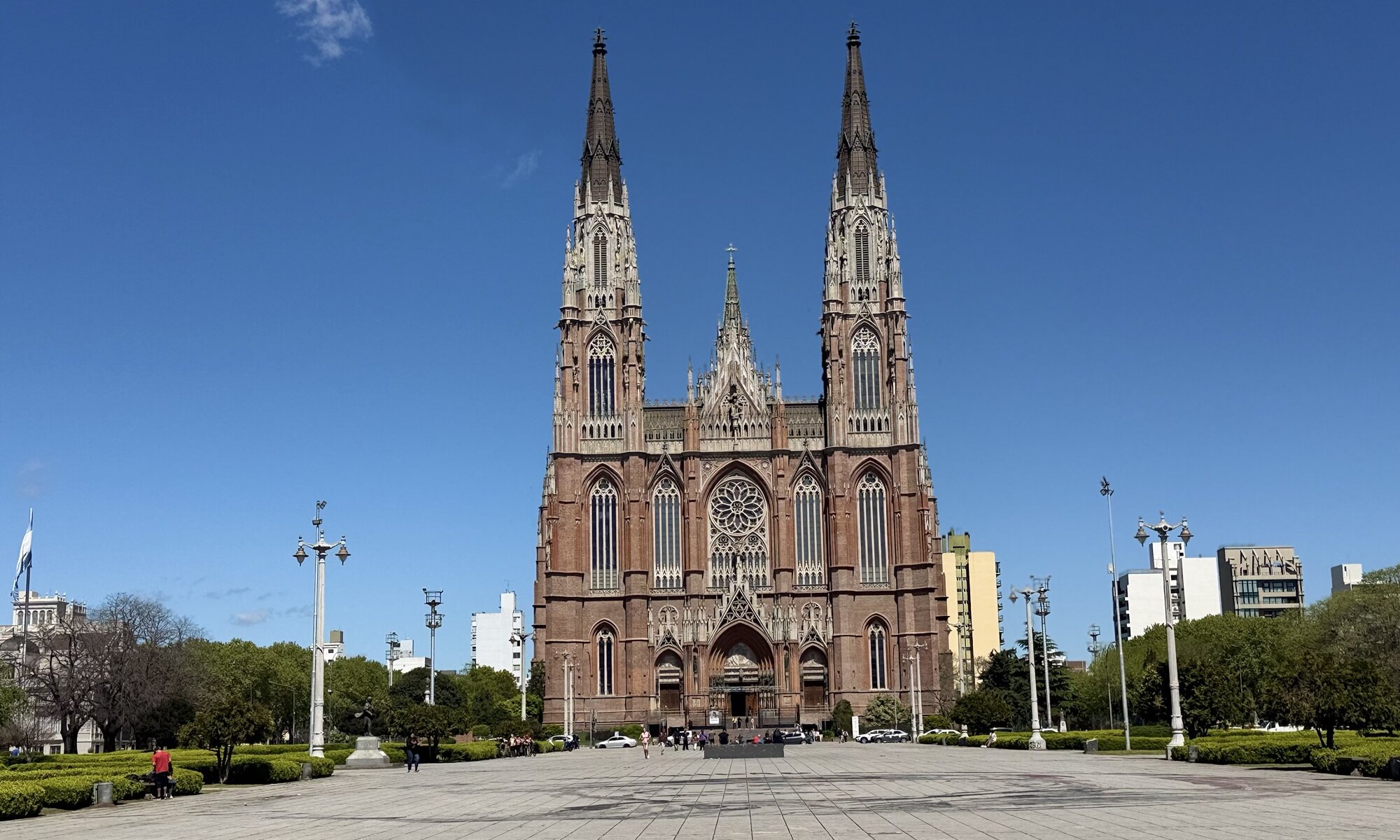
The Catedral de la Inmaculada Concepción, usually called La Plata Cathedral, is the principal Catholic church of La Plata and the seat of the city’s archbishop. It stands on Plaza Moreno, directly opposite the municipal palace, at the symbolic centre of this carefully planned provincial capital. Its Neo-Gothic design gives the city an unmistakable landmark, with soaring towers, pointed arches and an imposing brick façade.

Continue reading “Catedral de las Pampas”

Evita

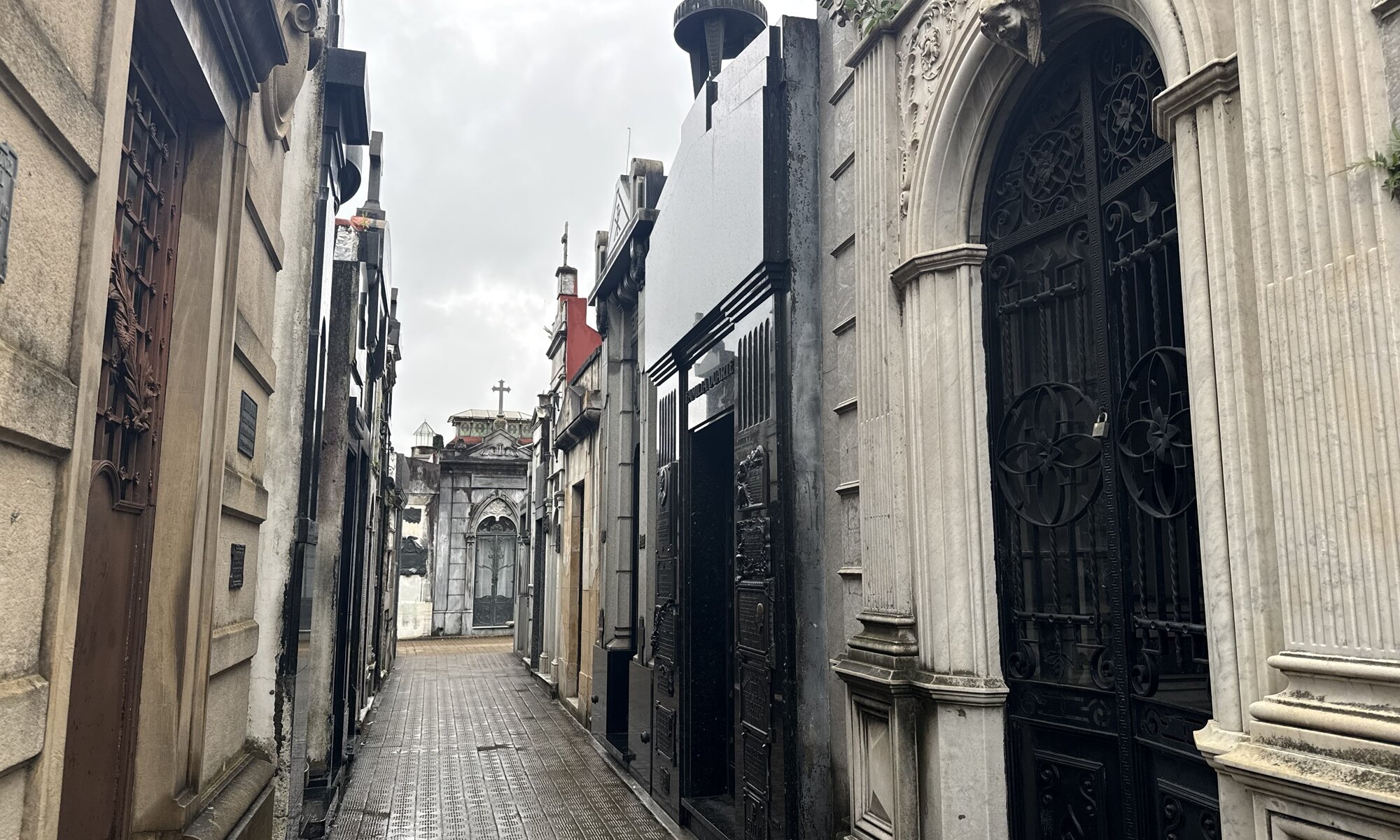
Eva María Duarte was born in 1919 in the small town of Los Toldos and grew up in modest circumstances. As a teenager, she moved to Buenos Aires to pursue a career as an actress, gradually becoming well known on the radio and stage. Her life changed when she met Colonel Juan Domingo Perón; they married in 1945, and when he became president in 1946, she emerged as one of Argentina’s most influential public figures.

Continue reading “Evita”

MALBA

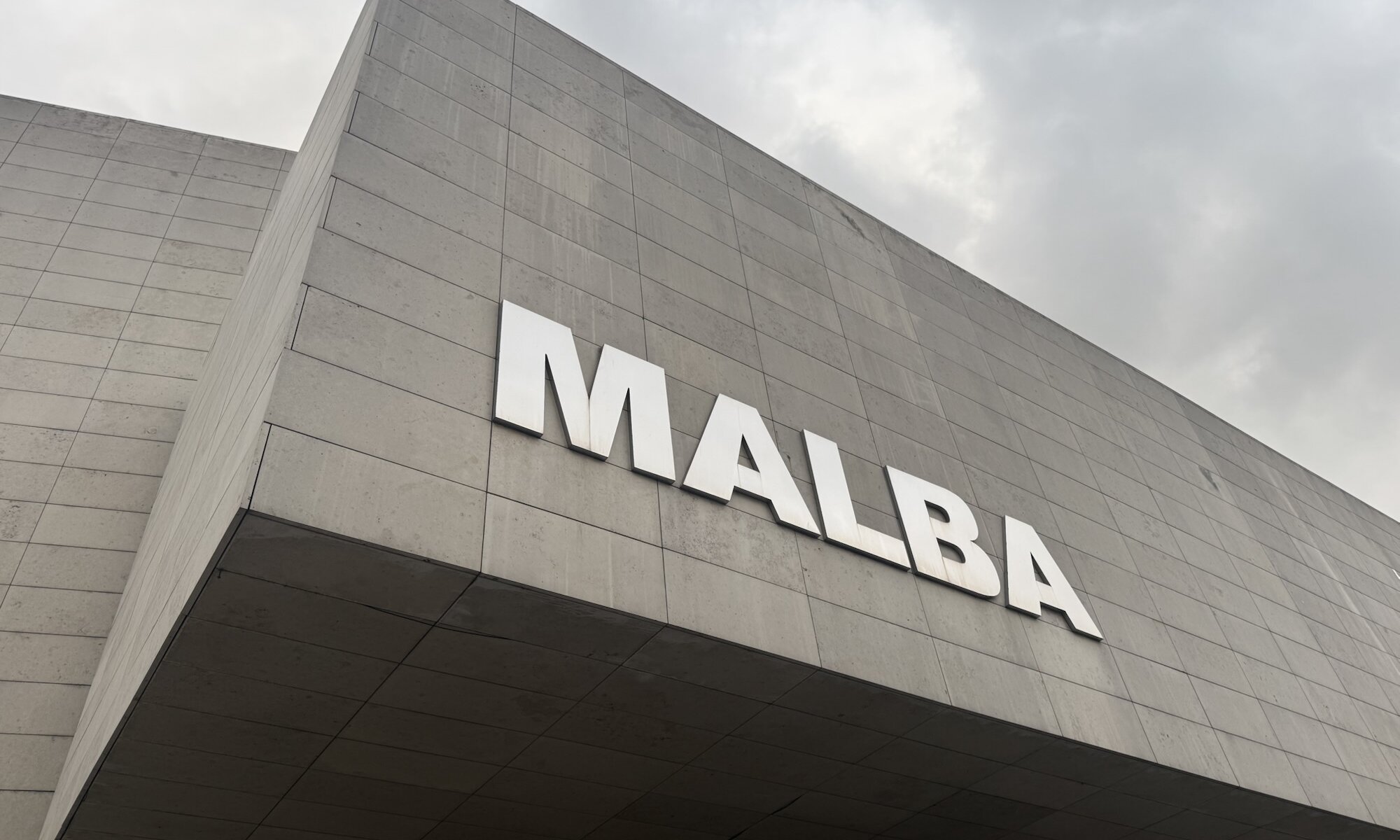
The Museo de Arte Latinoamericano de Buenos Aires, generally known as MALBA, is one of the city’s leading cultural institutions. Located on Avenida Figueroa Alcorta in the city quarter Palermo of Buenos Aires, it is a private, non-profit museum devoted to collecting, preserving, researching and presenting Latin American art from the early twentieth century to the present. Its modern building, with pale stone, glass and angular forms, is almost as distinctive as the collection inside.

Continue reading “MALBA”