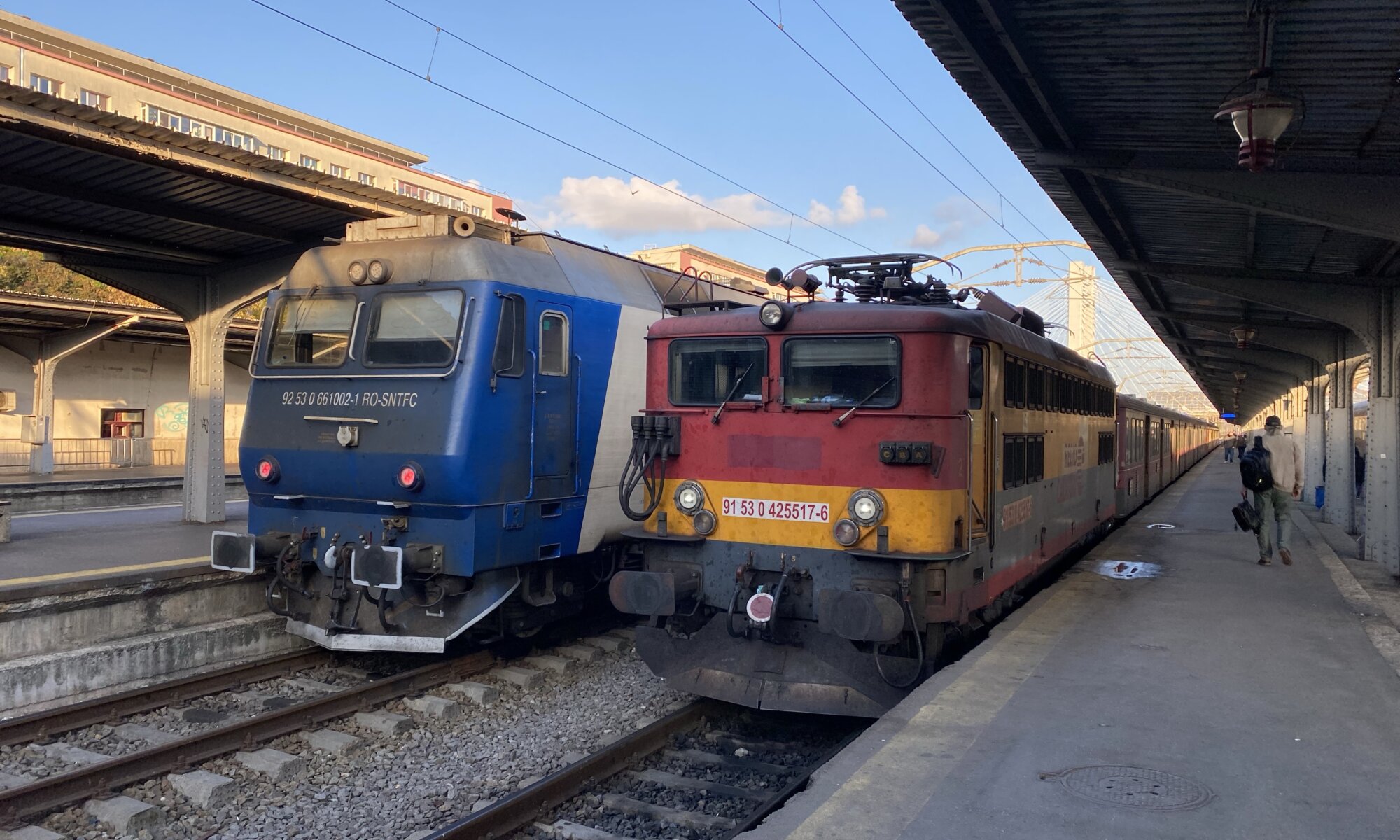
The most important transportation hub of București is located in the north of the city: the Gara de Nord. From its 13 tracks trains are going to all parts of the country and if you plan a trip to the Black Sea or to Transylvania this is your starting point. And even if you don’t want to travel by train it is worth to get here and watch the colorful trains coming and going, to observe people getting on and off. Standing at the tracks is like travelling back in time; some decades earlier German railway station looked the same.
Continue reading “Gara de Nord”Istorie a României
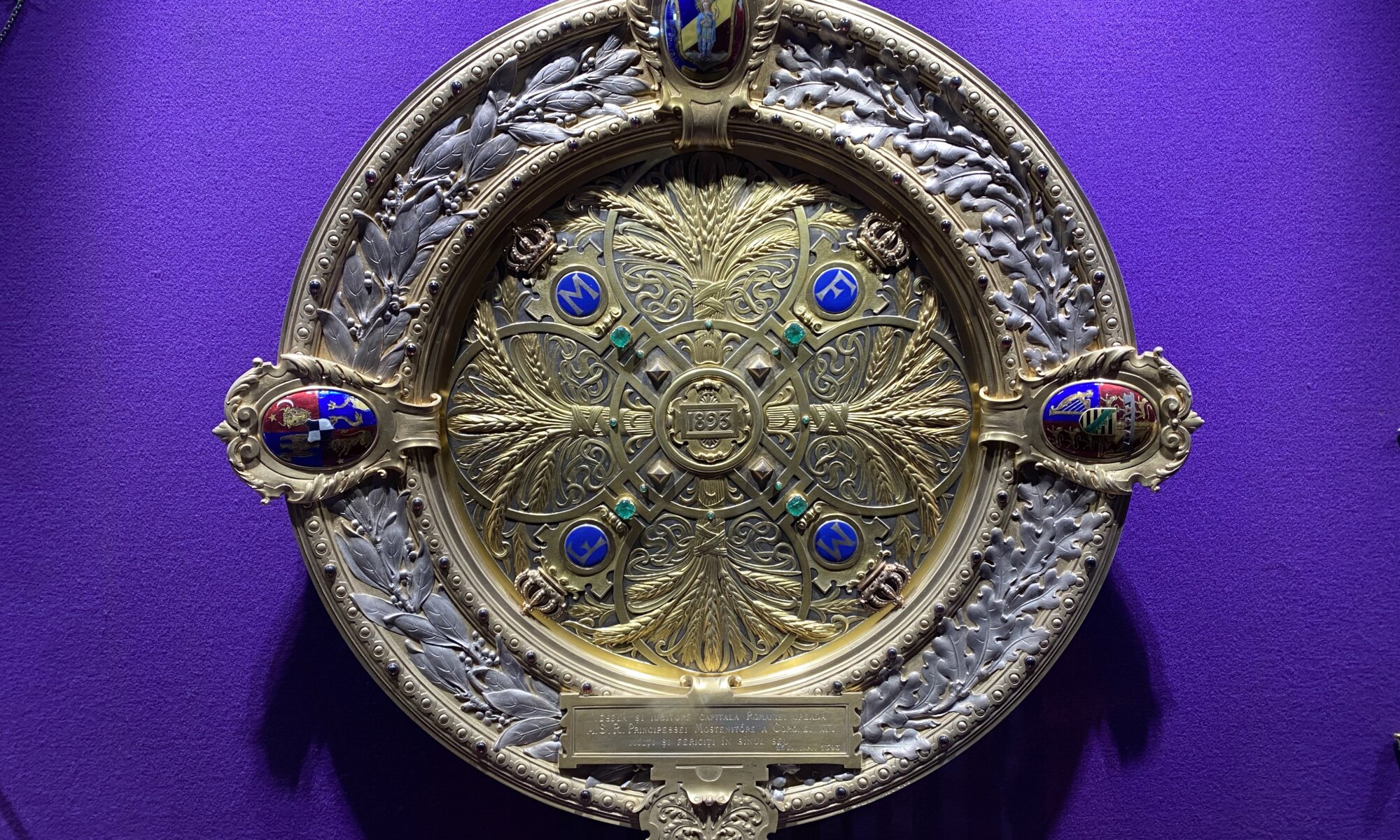
Visiting the national history museum (Muzeul Național de Istorie a României) of București is a bittersweet experience. It is located inside a fantastic, ancient building (the former postal services palace) in the city center (Calea Victoriei) – opposite to the amazing building of CEC Bank. It hosts the Romanian crown juwels and a copy of the Trajan’s column at Roma.
Continue reading “Istorie a României”Lacul Morii
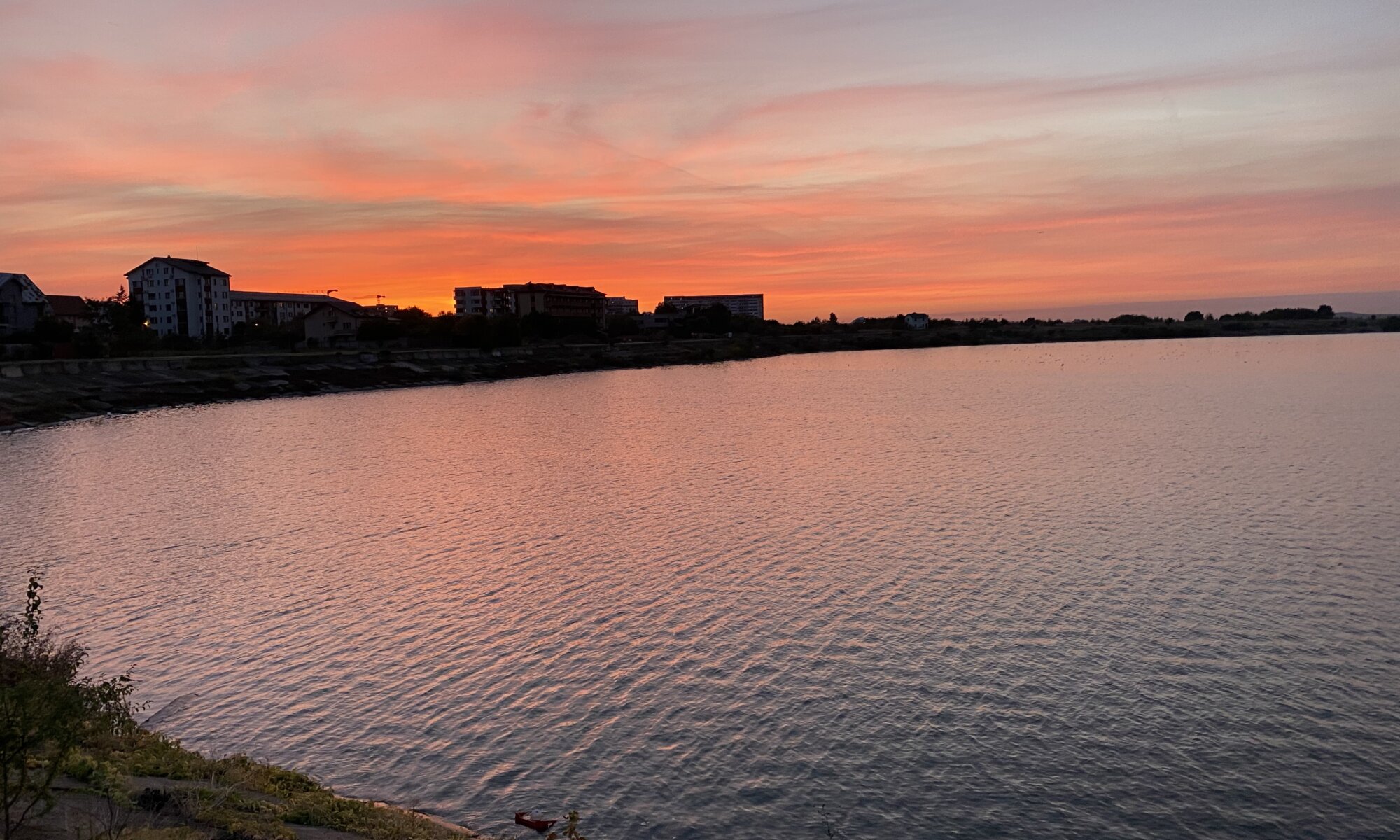
The largest lake of București is the mill lake in the northwest of the city (referred to as sector six), about six kilometers from the city center. It is in fact an artificial lake created from the water of river Dâmbovița. The lake ensures a constant water flow of the river through the city and prevents floods – but for the people it is mostly a recreational area.
Continue reading “Lacul Morii”Istorie Naturală
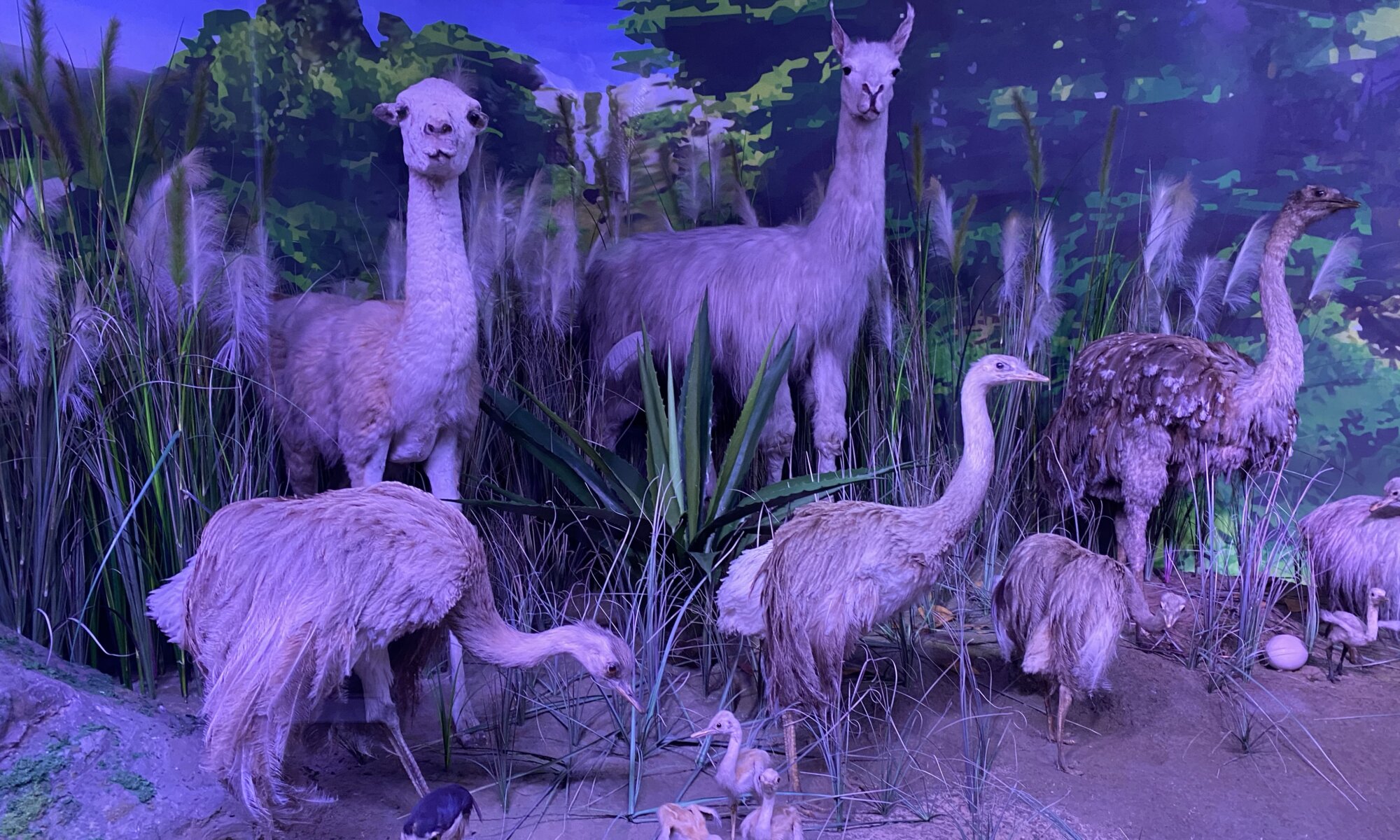
The national history museum (Muzeul Național de Istorie Naturală) of București was already founded in 1834. In 1933 it was named after its director Grigore Antipa by king Carol II. It is a mix of ancient coins, stones, fossils, minerals and artworks connected to natural history of Romania.
Continue reading “Istorie Naturală”Life at the village
The national village museum (Muzeul Național al Satului) of București is an open-air museum founded in 1936. It is named after one of the three founders, Dimitrie Gusti, a professor, and minister of education. On 100,000 m2 you can see more than 250 authentic houses and farms from the different regions of Romania. It is interesting to see the different styles of the buildings which you can discover from the outside and inside.
Continue reading “Life at the village”Attached to the parliament
Never did I search so hard for the entrance to a museum than in case of the Muzeul Național de Artă Contemporană at București, Romania. It is located inside the giant parliament building (Palatul Parlamentului) which is well-secured and there is only one public entrance which brings you to the museum. But it is the only chance to enter the fantastic yet maniac Ceaușescu building and even if it would be only for the views from the roof terrace it would be worth it.
Continue reading “Attached to the parliament”Palatul Republicii
The royal palace of București (Palatul Regal) was built in 1936 for queen Marie and king Carol II. It served as the royal palace of Romania until king Michael I. was removed in 1947. During communist times it was renamed to palace of the republic (Palatul Republicii). Today you can visit a beautifully decorated palace, the former state rooms and art museums located within the palace.
Continue reading “Palatul Republicii”Biserica Crețulescu
When you’re walking through modern București, north of the old city center, you will come across the orthodox Crețulescu church. It’s worth to sit down on one of the benches next to it, to have a look at its special exterior in Brâncovenesc style, to watch the people move in and out even on business days making the sign of the cross. And to listen to the chants of believers while standing next to the decorated walls and the candles burning in front of the building.
Continue reading “Biserica Crețulescu”Castelul Bran
Who doesn’t know the famous tale of Bram Stoker? The story of Dracula, slightly rooted in the history of voivode Vlad Țepeș (or Vlad III., Vlad Dracul, Vlad the Impaler), brings lot of tourists to the castle of Bran. Vlad III. was member of the Order of the Dragon, giving him the byname Dracul. He probably never visited Bran castle, but as everybody is searching for traces of the story in Transylvania, the castle owners use this as good marketing. Within the castle you can find a small exhibition about vampires and other fictional creatures known in Romania.
Continue reading “Castelul Bran”Biserica Neagră
The Black Church is the main sight of Brașov, Romania. It is a protestant (formerly catholic) church in Gothic style built in the 13th century CE. In 1689 the city was burning, and the walls of the church turned black by the fire, therefore it received its current name. As an important church of the Siebenbürger Sachsen you can discover German inscriptions in several places.
Continue reading “Biserica Neagră”