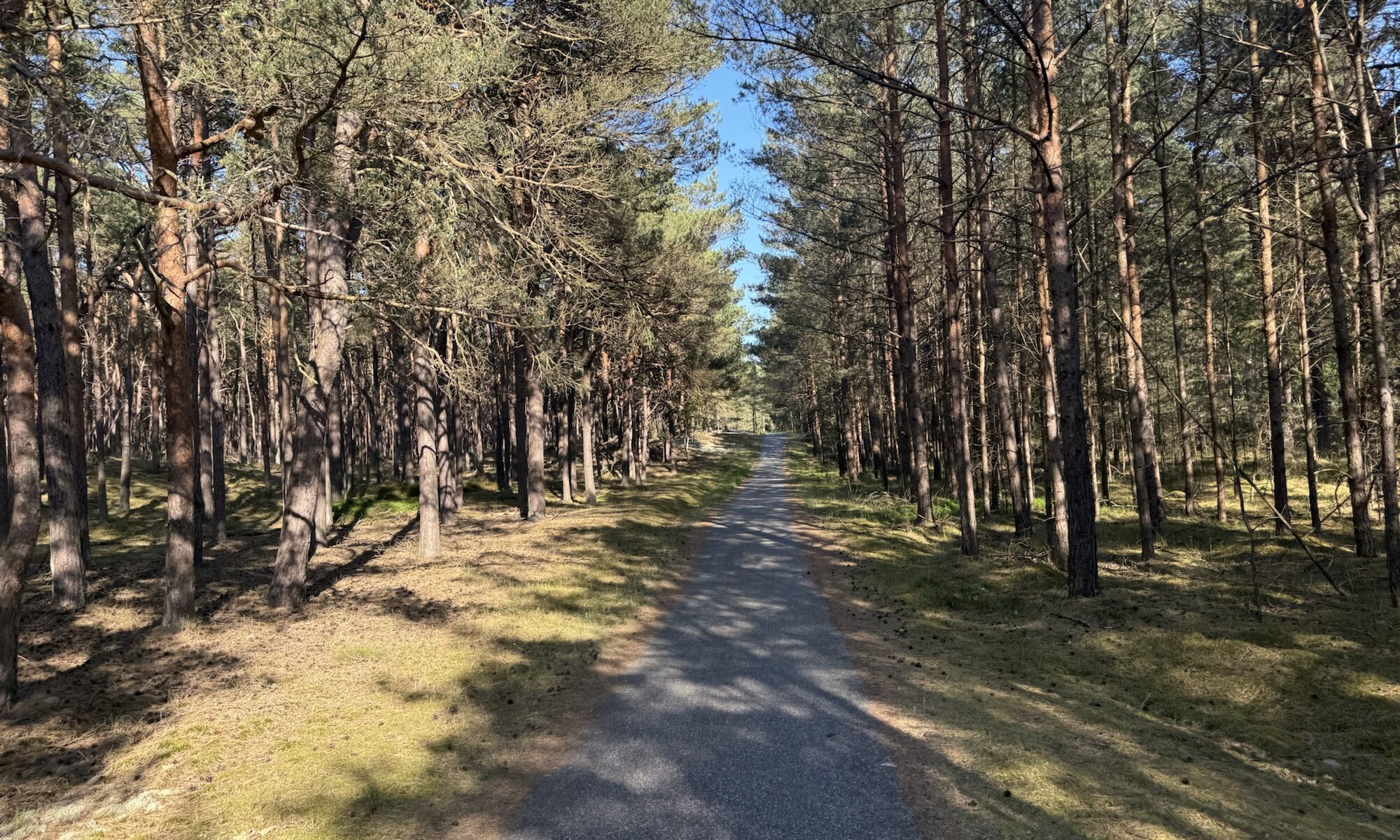
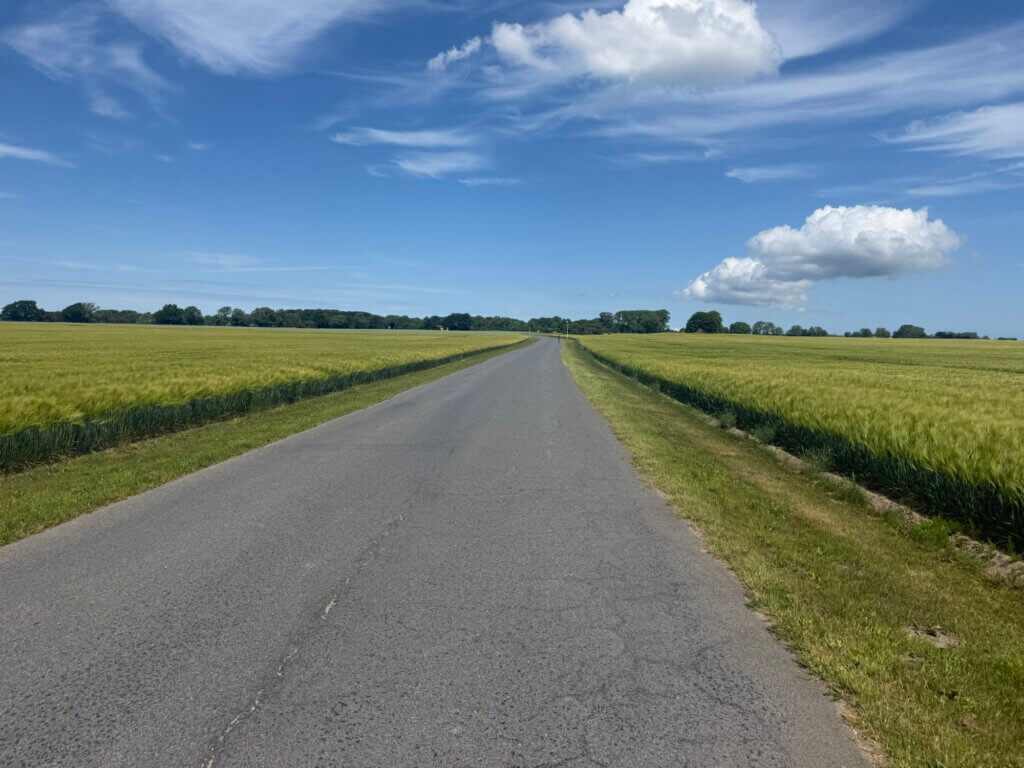
Exploring the island of Rügen by bike is an absolute pleasure and, in my experience, one of the best ways to see its varied landscapes. The island offers around 800 kilometres of cycling tracks, though their quality does vary from smooth asphalt paths to more uneven stretches. Despite Rügen’s reputation for being relatively flat, I found it more undulating than expected, with some climbs that certainly get the heart rate up. The ascents to the Jagdschloss Granitz and the famous chalk cliffs at the Königsstuhl, in particular, can be surprisingly sweaty affairs.
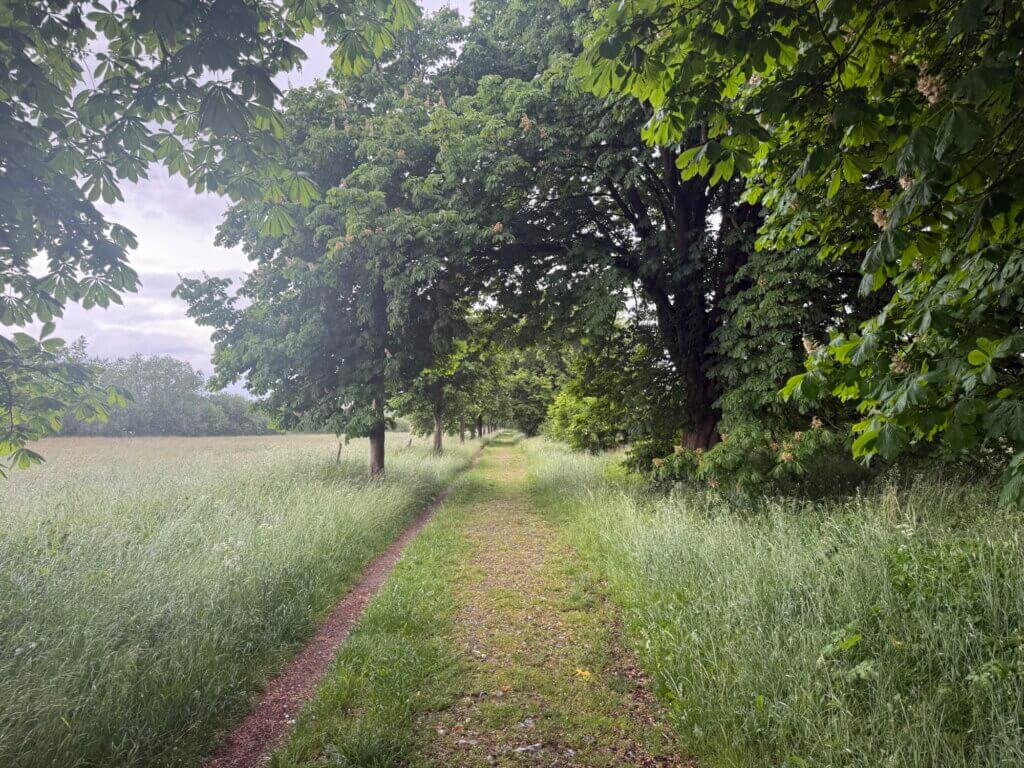
What makes cycling here especially enjoyable is the excellent infrastructure for breaks. Across the island, there are plenty of rest areas, along with numerous beer gardens where you can stop for a Fischbrötchen and a cold drink. It is easy to structure your day around these pleasant pauses. Bike rental is also straightforward: there are many rental options throughout Rügen, and most tourist hotels offer bicycles directly, making spontaneous plans very easy to implement.
For my stay, I deliberately chose not to book a hotel by the sea, such as in Binz, but instead opted for the Märchenhotel in Bergen, right in the centre of the island. This turned out to be a very practical decision, as it allowed me to reach all parts of Rügen with relative ease. Bergen is also well connected, with high-speed ICE trains stopping there, which makes both arrival and departure convenient.
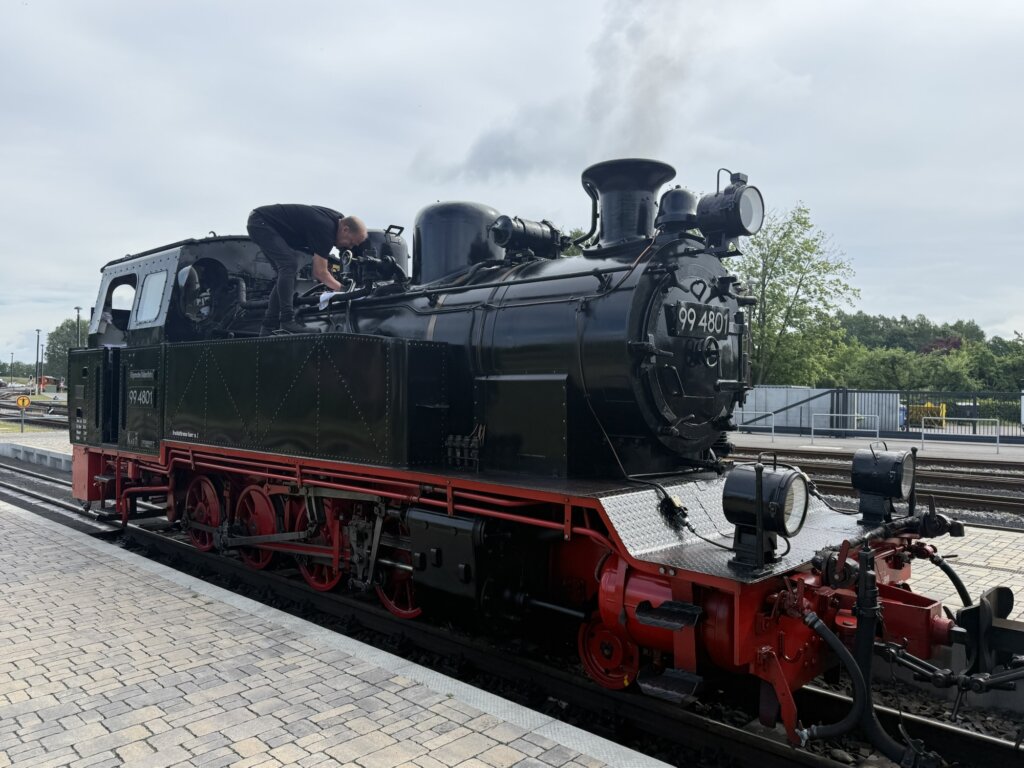
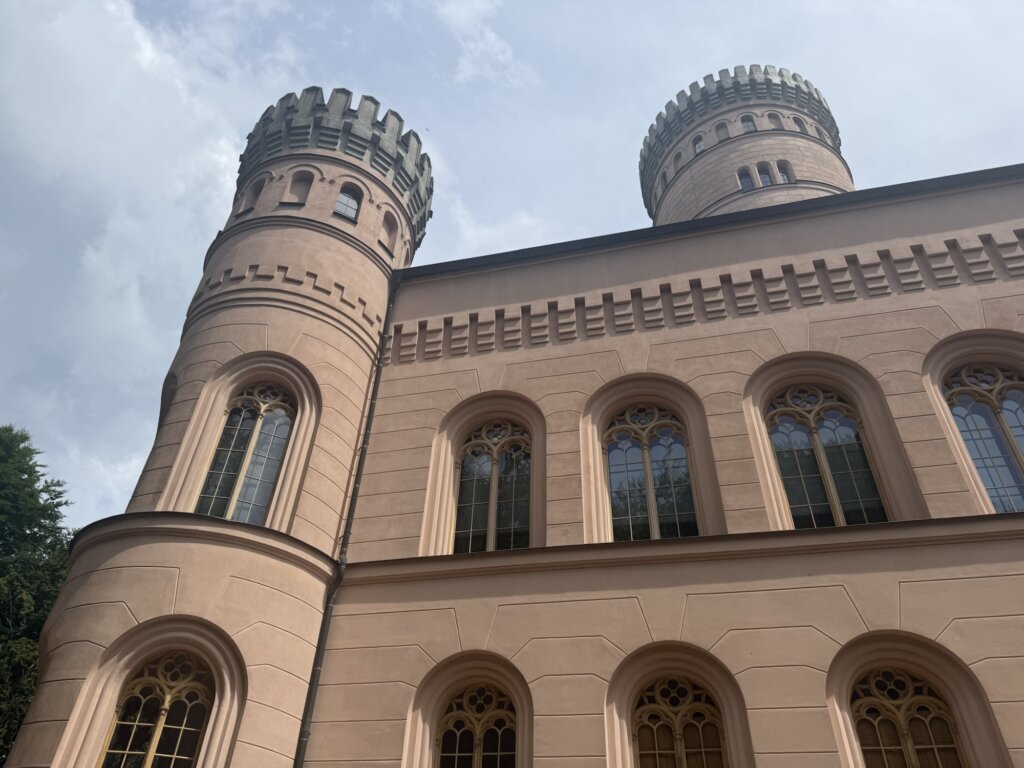
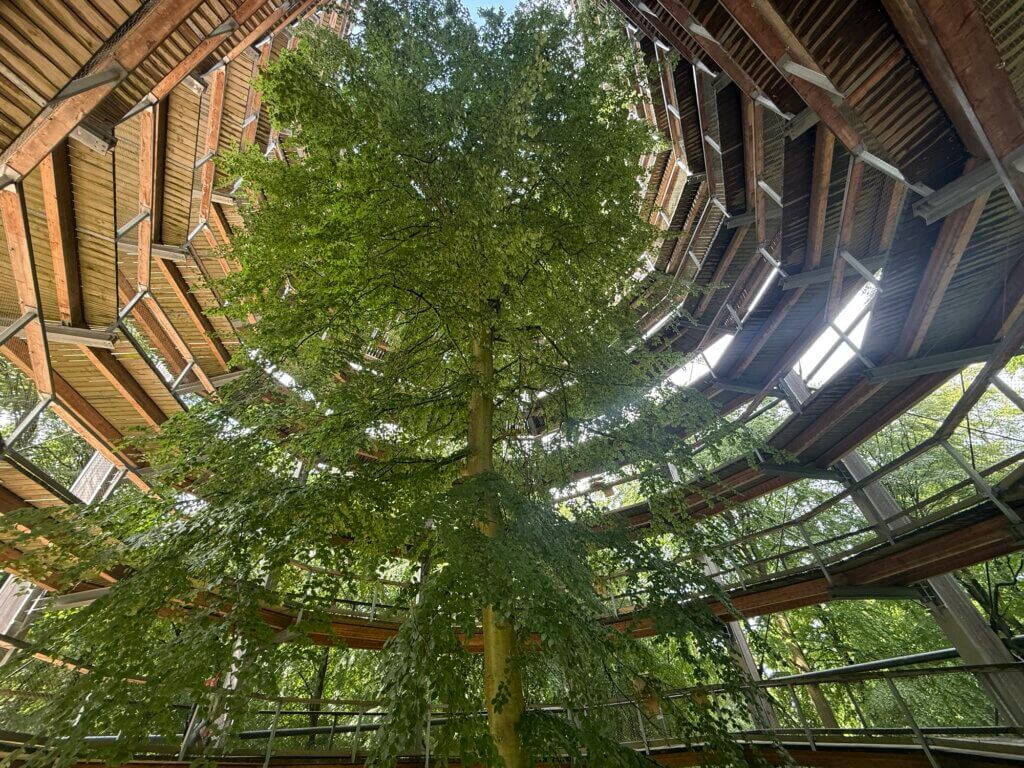
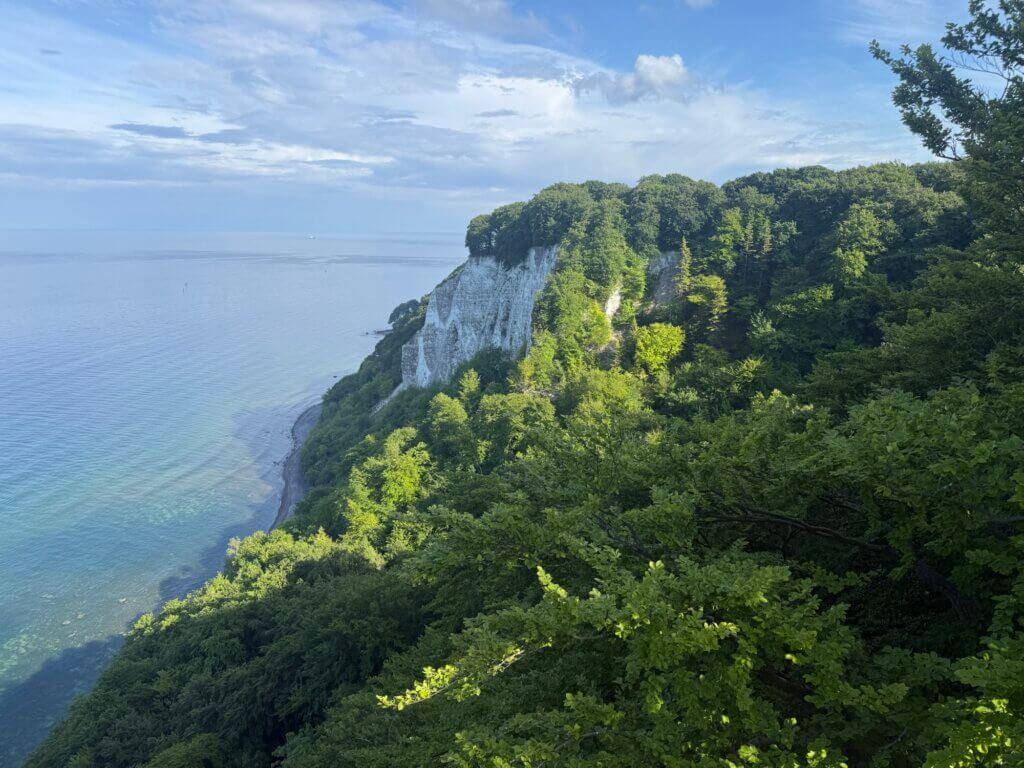
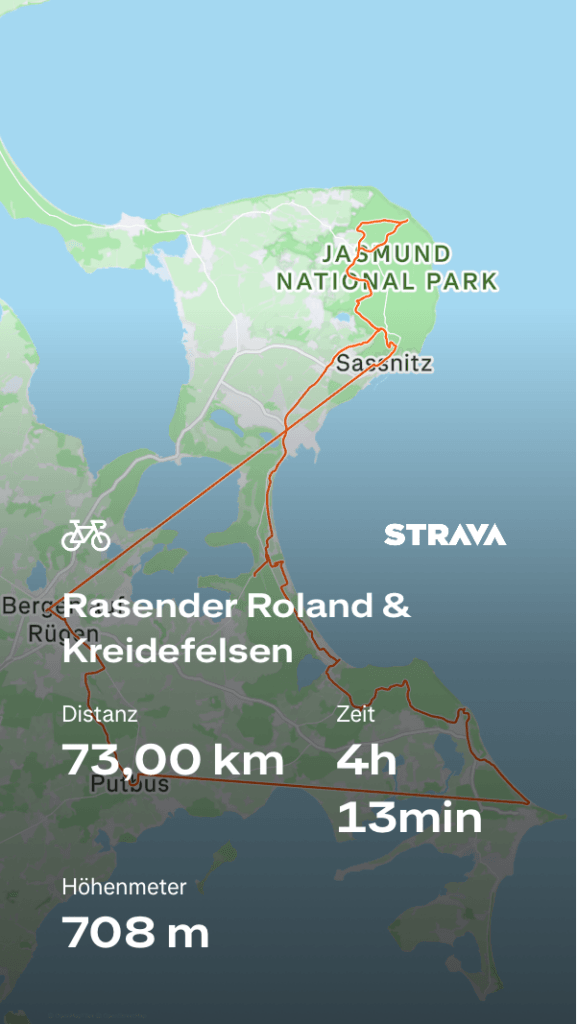
On the first day, I cycled to Putbus to see the Circus and then continued by taking the Rasender Roland to Göhren. From there, I followed the shoreline to Sellin before tackling the climb to the Jagdschloss Granitz. I continued on to Binz, stopping to explore the Prora ruins and the Baumwipfelpfad, before heading further north to the impressive Kreidefelsen Königsstuhl. The return journey was comfortably done by regional train from Sassnitz back to Bergen.
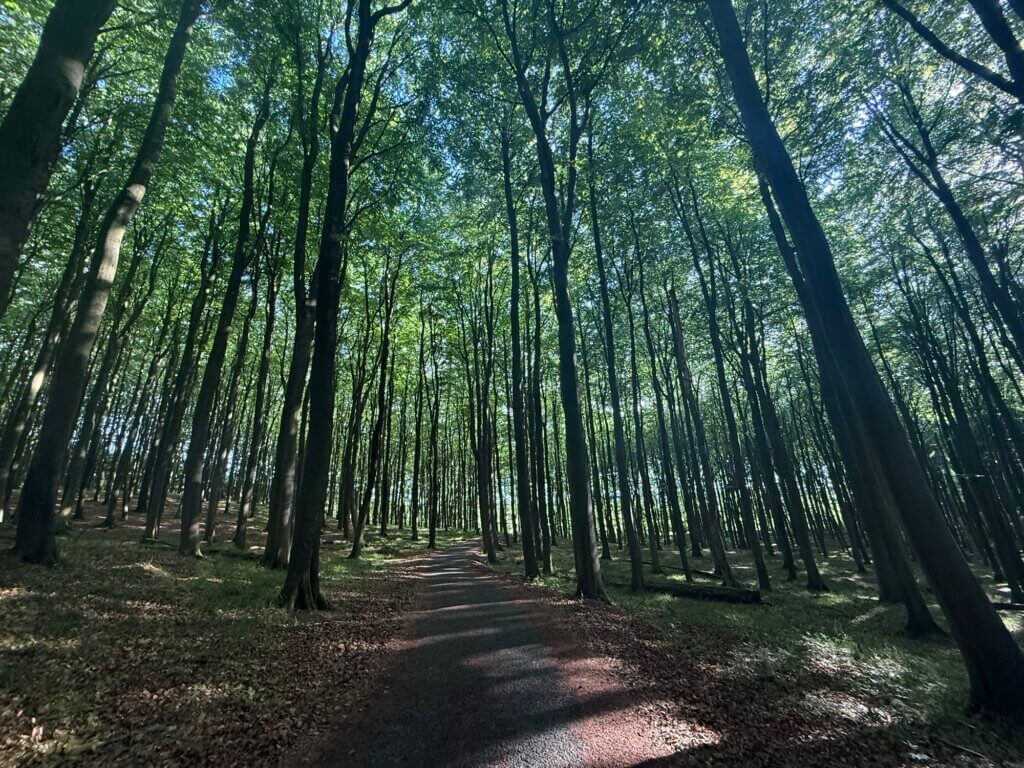
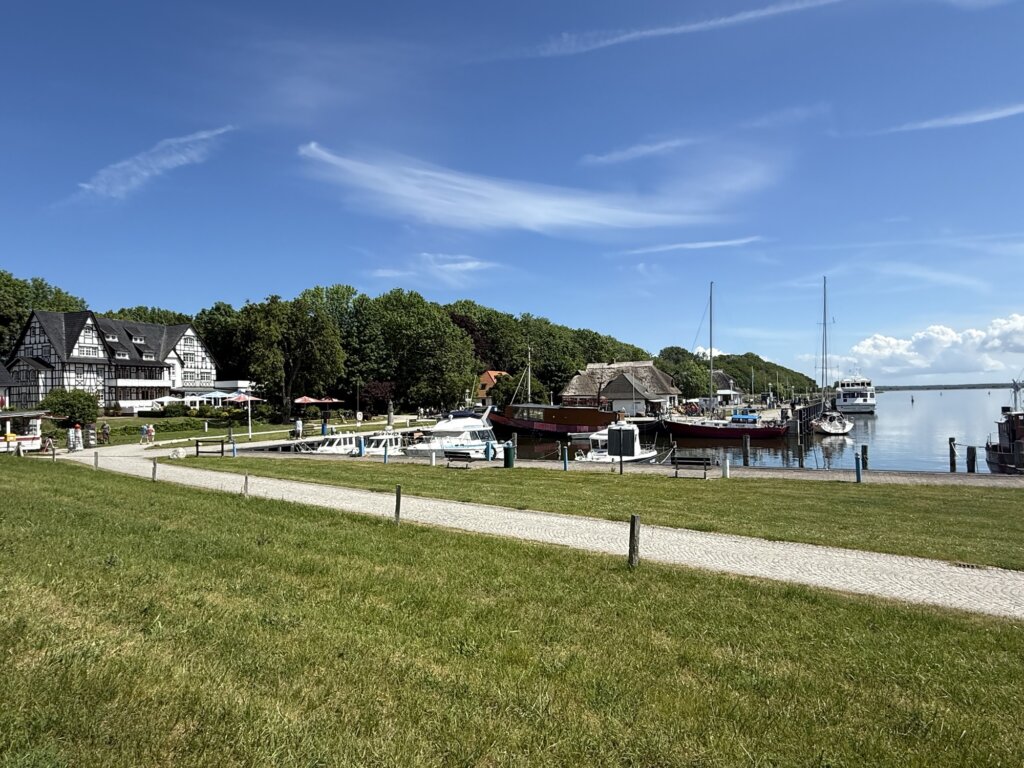
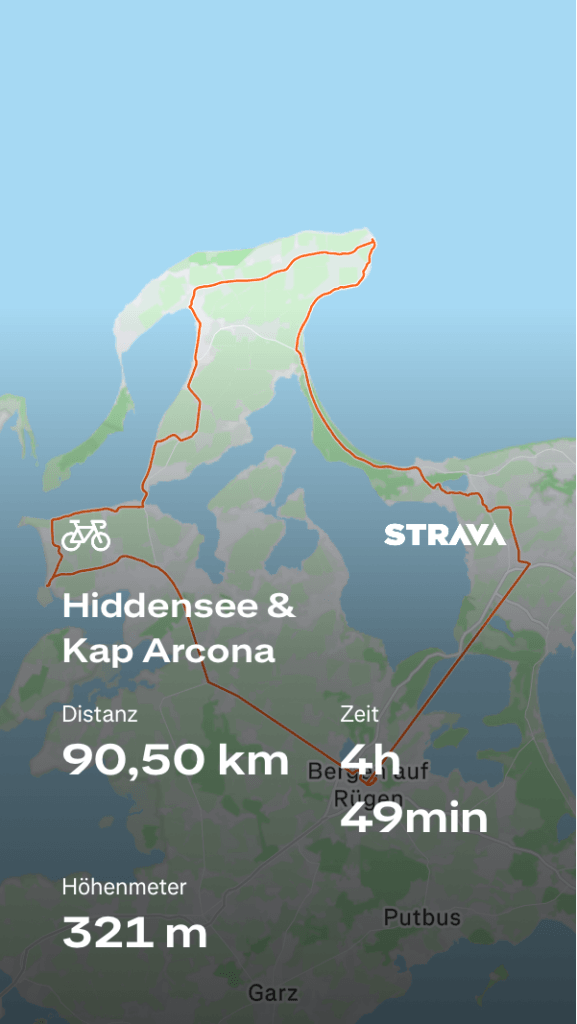
On the second day, I rode to Schaprode to catch the ferry to the charming, car-free island of Hiddensee, and later continued along the coast towards Kap Arkona. After cycling through seemingly endless beautiful forests, I took the regional train from Sagard back to Bergen. Two days packed with sights and kilometres, and absolutely well worth the effort.
Public transport with bike
Reaching Rügen with a bicycle is perfectly feasible, but it requires a bit of planning. You can access the island directly by high-speed ICE trains from Hamburg and Berlin, with convenient stops at Bergen and Binz. However, the major drawback is that bicycle spaces on ICE trains are extremely limited. Reservations must be made well in advance, and you will also need a Fahrradkarte Fernverkehr, which typically costs between 8 and 15 Euros per bike. If your train is cancelled, it can quickly become problematic, as the next service may already be fully booked for bicycles.
For that reason, many travellers find it more practical to avoid bringing their own bike altogether. Renting a bicycle on Rügen is straightforward and usually costs around 15 to 20 Euros per day, often proving to be the more flexible option. If you do prefer to bring your own bike, a reliable alternative is to take a regional train from Rostock. These trains offer ample bicycle space, do not require reservations, and only require a Fahrradkarte Nahverkehr costing 7.50 Euros.
Once you are on the island, things become much easier, as public transport is well adapted for cyclists. The iconic narrow-gauge steam railway, the Rasender Roland, includes a dedicated carriage for bicycles. You simply need a Fahrradkarte costing 3 Euros (or 6 Euros for e-bikes), which can be purchased either online or directly on the train. Similarly, the ferries from Schaprode to Hiddensee are well equipped for transporting bikes, with a return ticket for your bike costing around 13 Euros. By the way: If you hold a Deutschlandticket, it is valid on the ferry as well, meaning you only need to pay a small reservation fee of 2 Euros for yourself, plus the bike ticket; tickets are available online or at the harbour.
Local train services on Rügen are also very convenient for cyclists. The ODEG trains offer generous space for bicycles, and again no reservation is required, only a Fahrradkarte Nahverkehr for 7.50 Euros, which is easy to purchase online. The RE9 line runs from Rostock across the Rügendamm and stops at Altefähr, Rambin, Samtens, Teschenhagen, Bergen and Lietzow. At Lietzow, the line splits, with one branch heading via Sagard and Lancken to Sassnitz, and the other continuing via Prora to Binz. Travelling between Sassnitz and Binz therefore requires a change at Lietzow.
There is also a shorter line from Bergen to Lauterbach Mole via Putbus. Notably, rail services are concentrated in the eastern part of the island, with no train connections to the west, such as towards Hiddensee or Kap Arkona, which makes exploring Rügen by bike particularly appealing.
Rügen
Germany
https://ruegensche-baederbahn.de
https://www.frs-reederei-hiddensee.de
https://www.odeg.de/linien-fahrplaene/liniennetz-fahrplaene
Fahrradtageskarte (Deutsche Bahn):
- https://www.bahn.de/angebot/zusatzticket/fahrrad/tageskarte-nahverkehr (valid at ODEG)
- https://www.bahn.de/angebot/zusatzticket/fahrrad/fahrradkarte-fernverkehr
Loading map...
