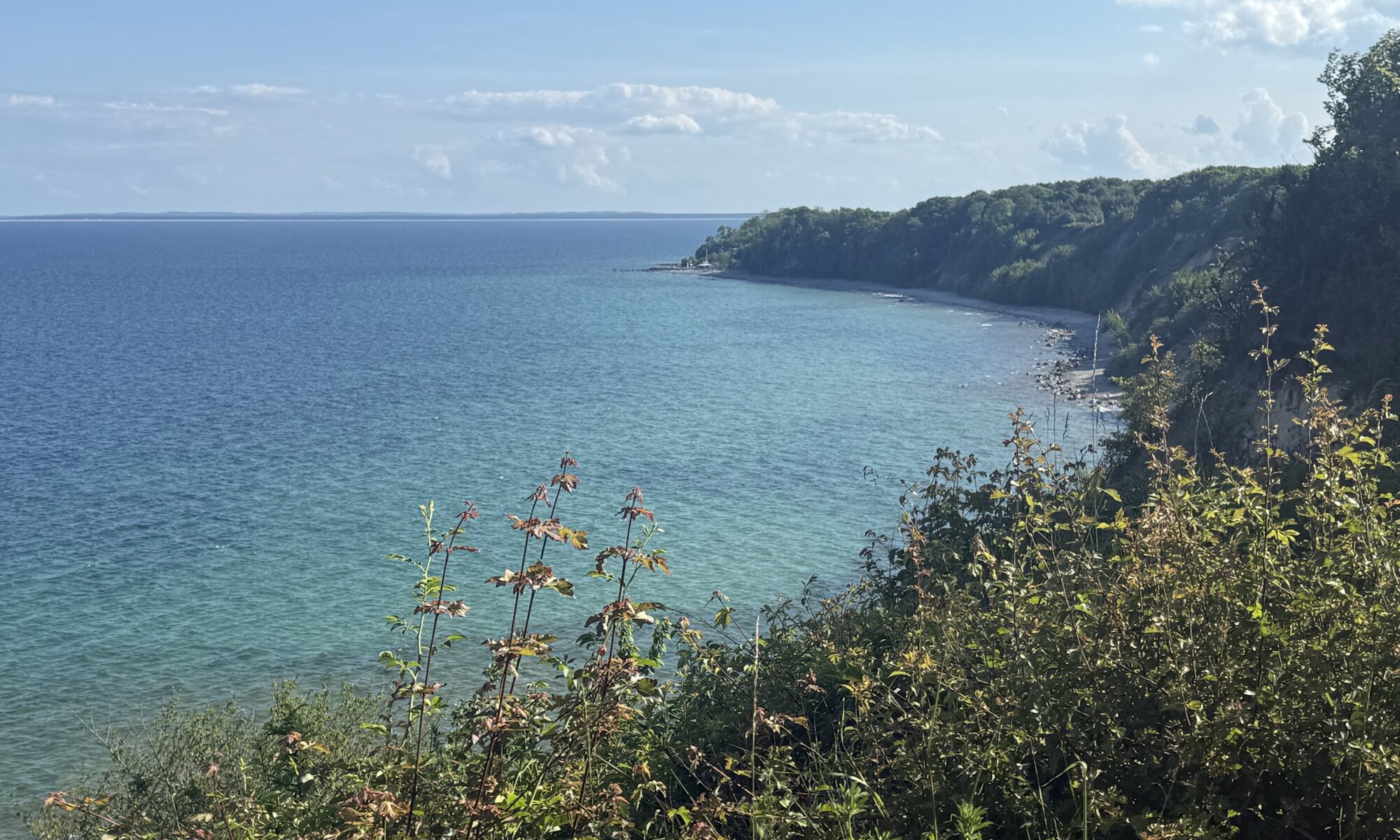
Kap Arkona, near Putgarten on Rügen, is one of those places that feels much bigger than the map suggests. The approach itself sets the tone: open sky, wind off the Baltic, and a rugged coastline that gives you a proper sense of the island’s northern edge. What makes it memorable is the mix of scenery and history. You do not just come for the views from the cliffs and lighthouses; you also get a strong feeling of the area’s long cultural past, from Slavic heritage to later maritime and military layers.
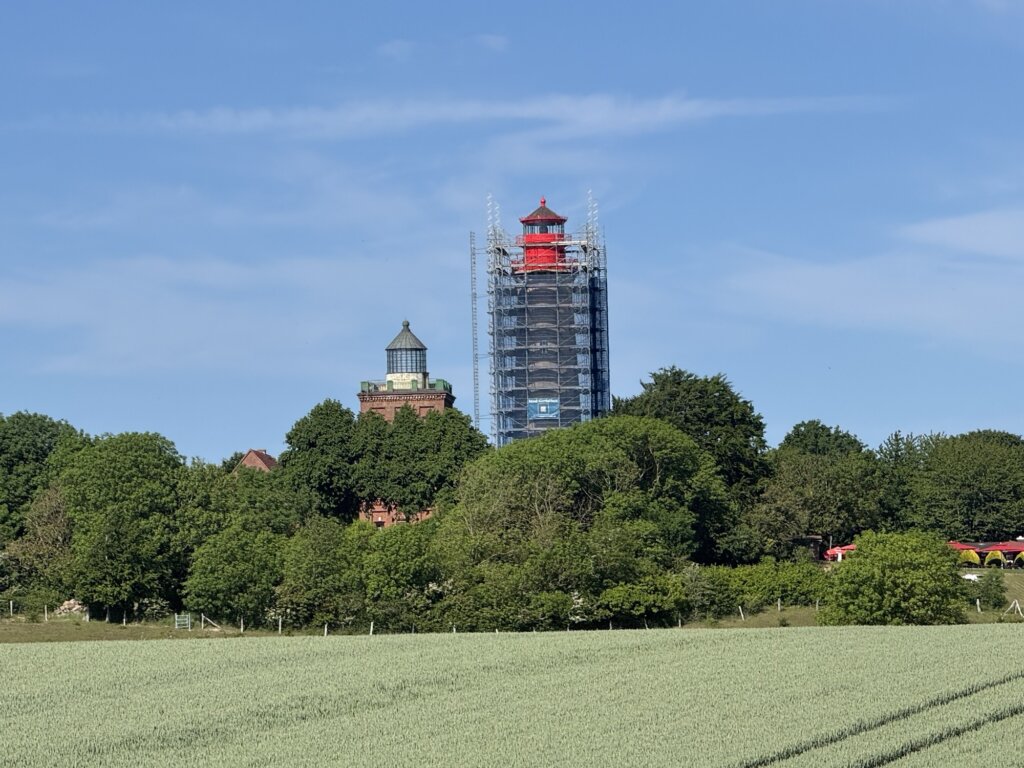
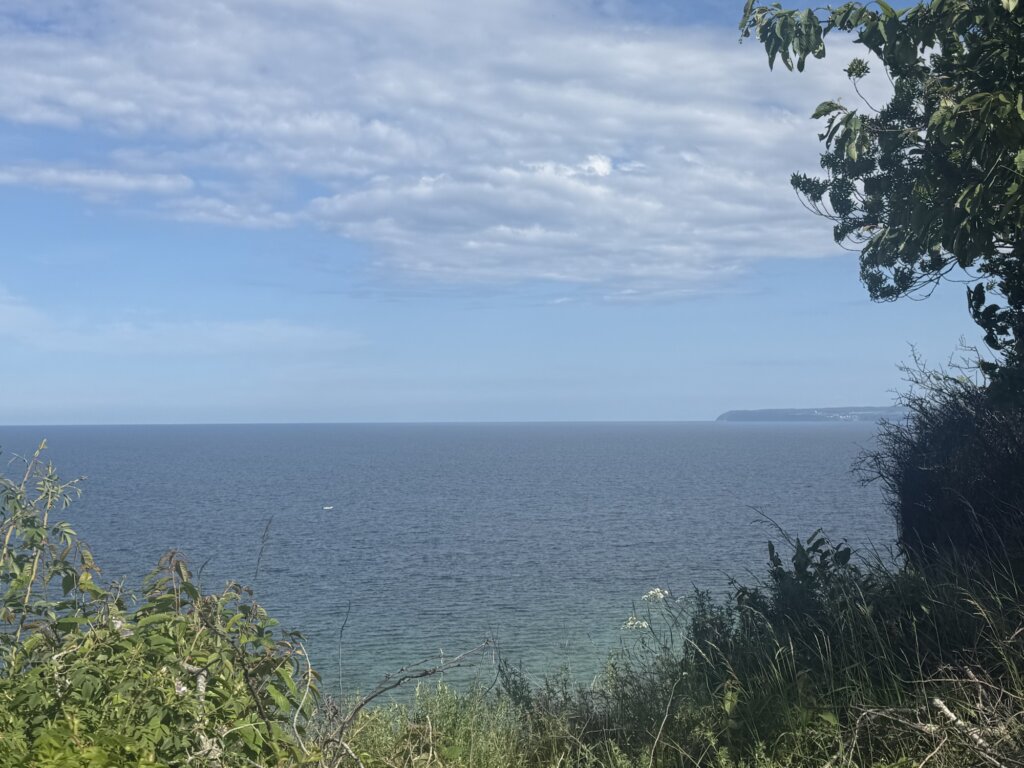
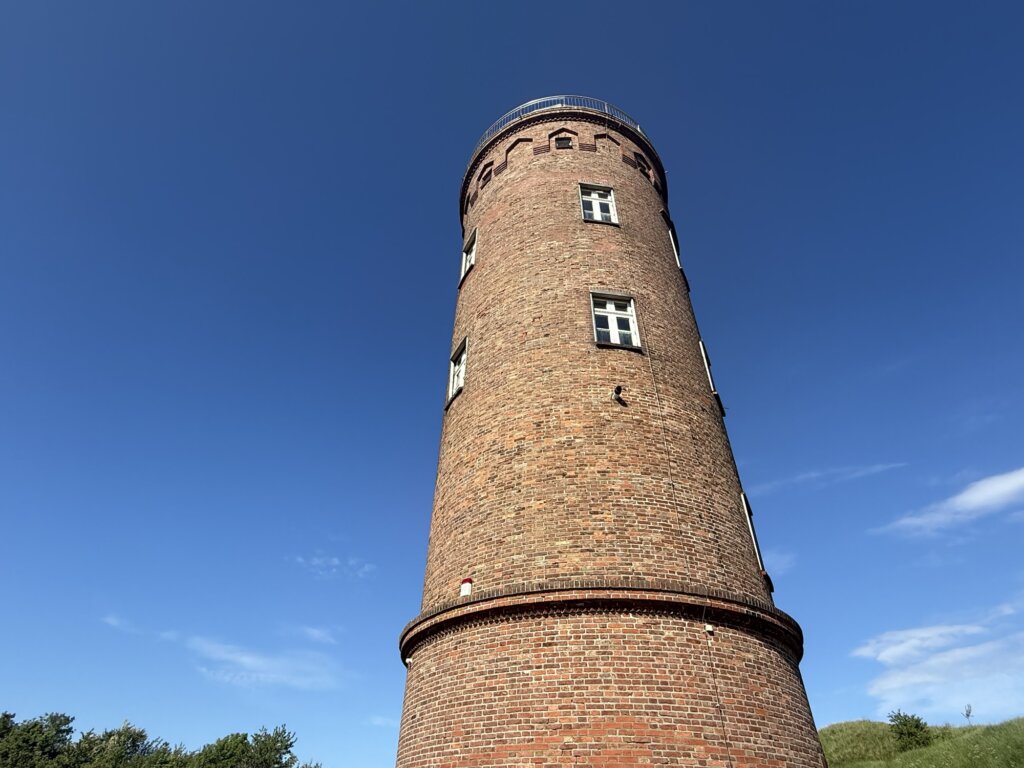
Putgarten works as the practical gateway, and that is worth knowing before you go. The cape is not accessible by car, so you usually park in Putgarten and continue on foot, by the small shuttle train, or by horse-drawn carriage, which suits the pace of the place rather well. For a visit, I would treat Kap Arkona as a half-day or full-day outing rather than a quick photo stop. The circular walks, dramatic cliff paths, and views towards the sea make it especially rewarding in good weather, but it also has enough character to be worthwhile when the sky turns moody and the wind picks up.
Cap Arcona
When people hear about the Kap Arkona on the island of Rügen, their thoughts often drift beyond the chalk cliffs and lighthouse to a far darker association: the tragic fate of the passenger ship Cap Arcona. It is a curious overlap of names, as several vessels have been named after this northern landmark, yet one in particular has left an indelible mark on history.
The Cap Arcona built in 1927 was originally a luxurious ocean liner, often described as one of the most elegant ships of its time. She sailed primarily on the South Atlantic route between Germany and South America, carrying passengers in considerable comfort during the interwar years. With her refined interiors and reputation for service, she symbolised a brief era of maritime optimism before the upheavals of the Second World War.
As the war progressed, the ship’s role changed dramatically. By 1945, in the final chaotic weeks of the conflict, the SS began evacuating prisoners from the Neuengamme concentration camp as British forces advanced towards Hamburg. Thousands of inmates were transported to Lübeck and forced aboard several ships in the bay of Lübeck, among them the Cap Arcona. Conditions on board were appalling, with prisoners confined under brutal circumstances and with little clarity about their fate.
On May 3rd, 1945, the situation turned catastrophic. Unaware that the ships were filled with concentration camp prisoners, the Royal Air Force launched an attack on what they believed to be German troop transports. Around 7,000 prisoners were on board the Cap Arcona when it was bombarded and set ablaze. The majority perished in the inferno or in the freezing waters of the Baltic Sea, making it one of the most devastating maritime disasters in European history.
Kap Arkona
Putgarten
Rügen
Germany
Loading map...
