Millerntor

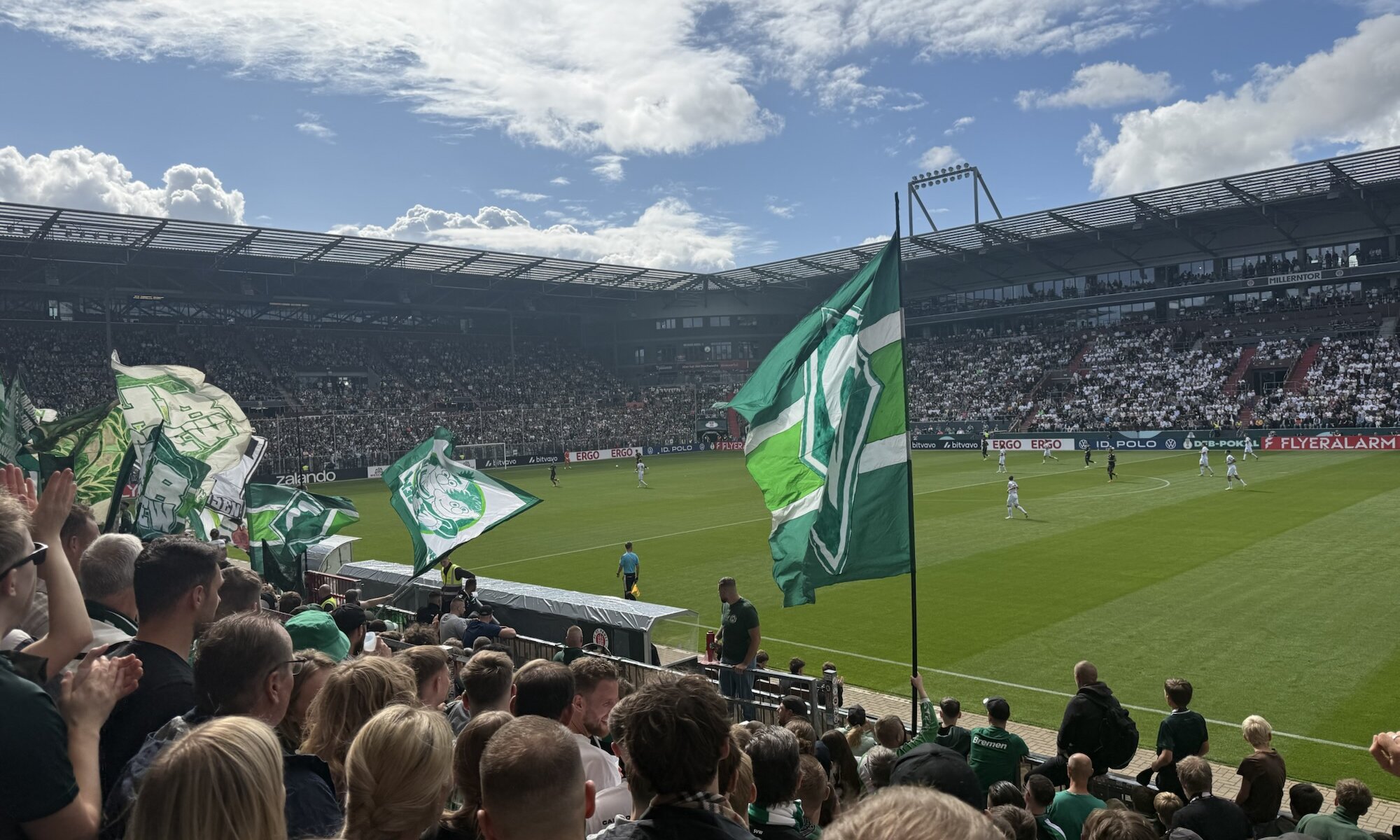
Stadion am Millerntor, Hamburg

The Stadium am Millerntor is FC St. Pauli’s home ground, situated beside the Heiligengeistfeld in Hamburg’s St. Pauli district. It is one of Germany’s most distinctive football stadiums, not because of its size or luxury, but because of its atmosphere, urban setting and close connection with the club’s supporters. The ground’s stands rise almost directly from the surrounding streets, giving match days a lively, neighbourhood feel.

Continue reading “Millerntor”

Das wirklich wahre Leben

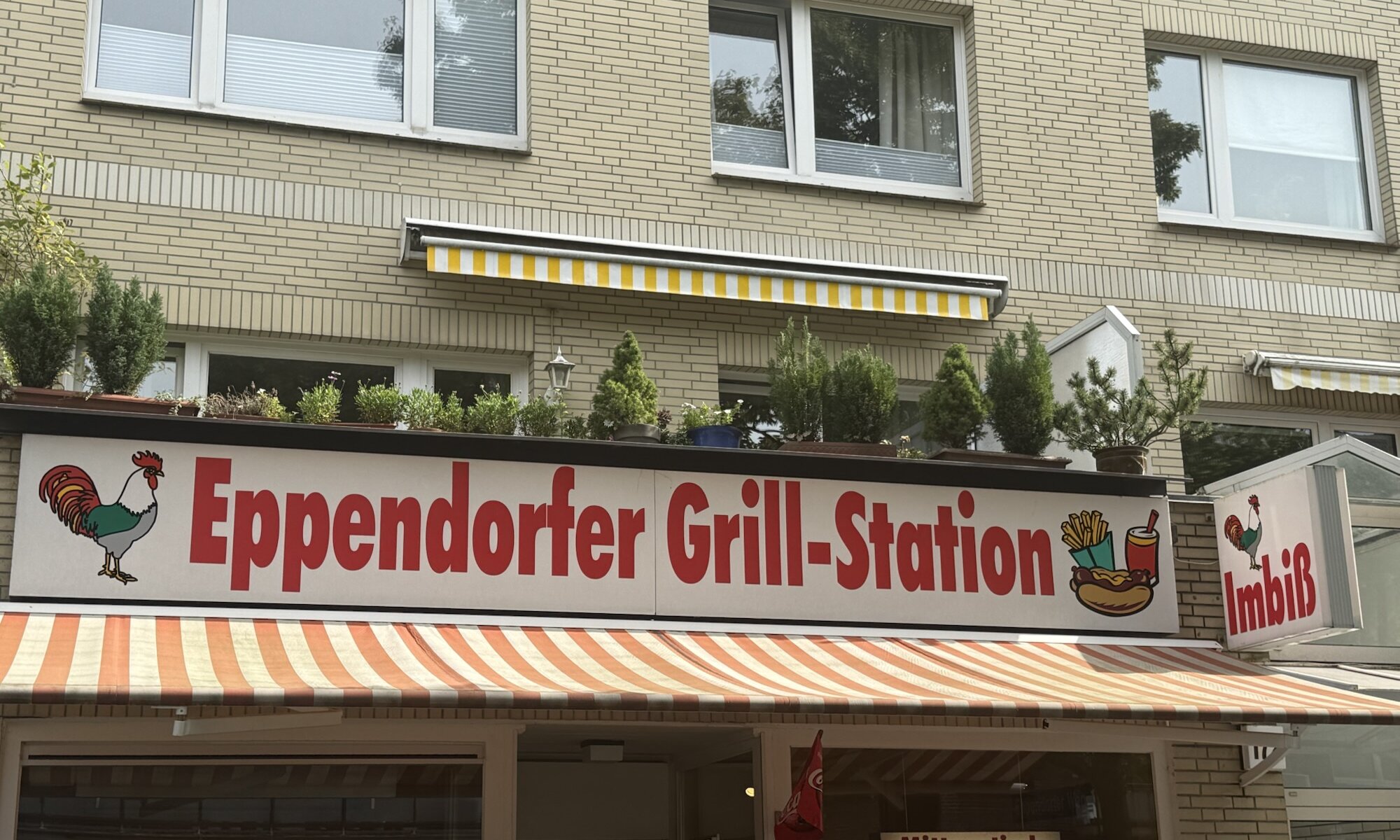
Eppendorfer Grill-Station, Hamburg

Dittsche – Das wirklich wahre Leben is a German comedy series centred on an unemployed Hamburg man who regularly visits a local snack bar. Wearing a dressing gown, jogging bottoms and bathing sandals, Dittsche exchanges empty beer bottles for full ones and then launches into elaborate theories about politics, sport, science and everyday life. His arguments are based on what the programme humorously presents as dangerously incomplete ‘half-knowledge’, making him both exasperating and oddly endearing.

Continue reading “Das wirklich wahre Leben”

Planten & Blomen

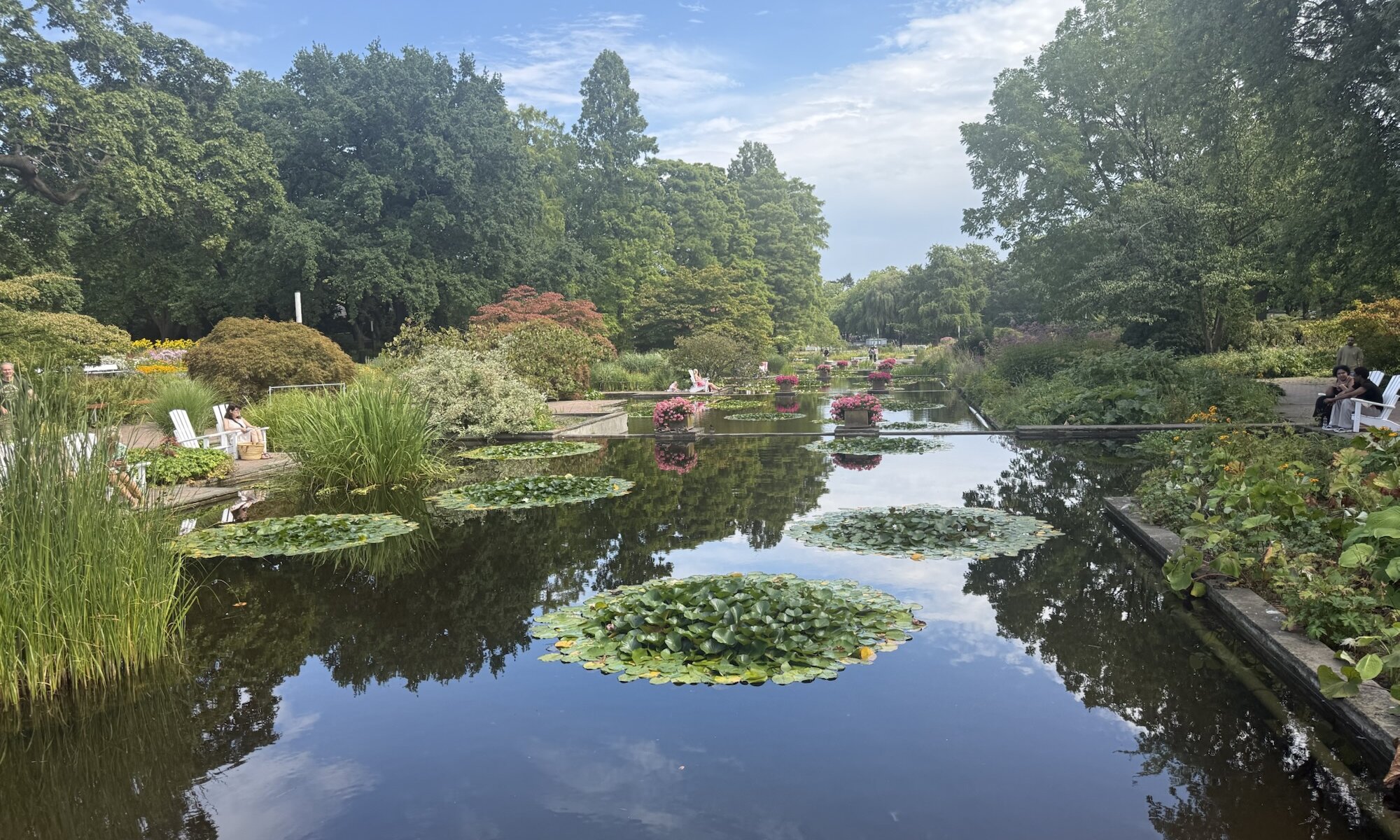
Planten un Blomen, Hamburg

Planten un Blomen is a large public park in the heart of Hamburg, extending across roughly 47 hectares between the city centre, the exhibition grounds and St. Pauli. It is far more than an ordinary urban green space: visitors find landscaped gardens, ponds, lawns, fountains, mature trees and quiet paths, all within easy walking distance of Hamburg’s main shopping streets and transport connections. The park is often regarded as one of the city’s greenest and most attractive public spaces.

Continue reading “Planten & Blomen”

Michel

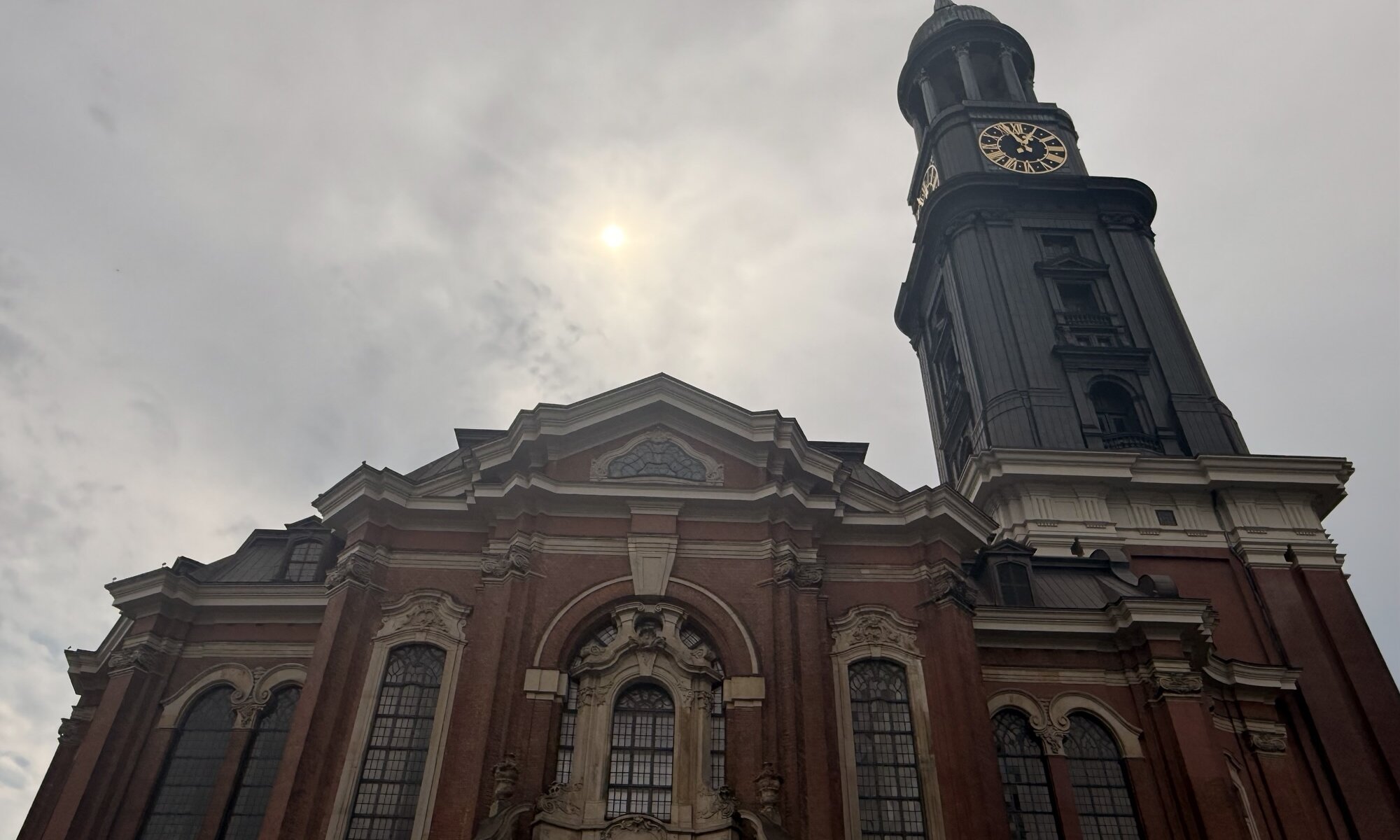
Hauptkirche St. Michaelis, Hamburg

The Hamburger Michel is the affectionate name for Hamburg’s principal church, St. Michaelis, a magnificent Baroque building near the harbour. Its striking copper-covered tower rises 132 metres above the Neustadt district, making the church one of the first landmarks visitors notice when approaching the city centre. With its bright white interior, spacious nave and imposing clock, the Michel is among the most recognisable buildings in northern Germany.

Continue reading “Michel”

Kunstforum

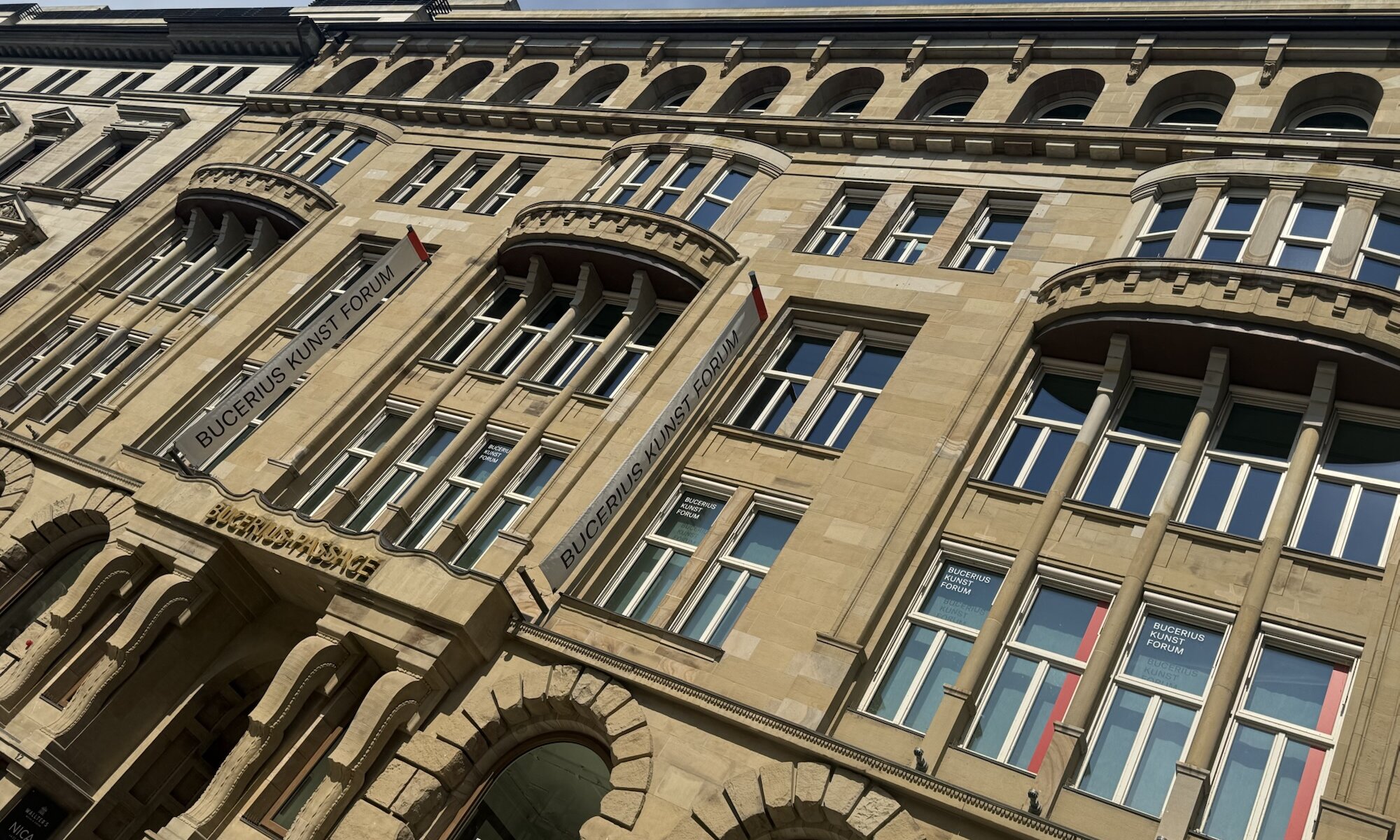
Bucerius Kunst Forum, Hamburg

The Bucerius Kunst Forum is a compact international exhibition centre in the heart of Hamburg, situated at Alter Wall opposite the Rathaus courtyard. Rather than maintaining a permanent collection, it presents around four carefully curated exhibitions each year, bringing together works from museums and private collections around a particular artist, theme or period. Its purpose is to place familiar works in fresh contexts and to reveal connections between different eras and artistic disciplines.

Continue reading “Kunstforum”

Bullenhuser Damm

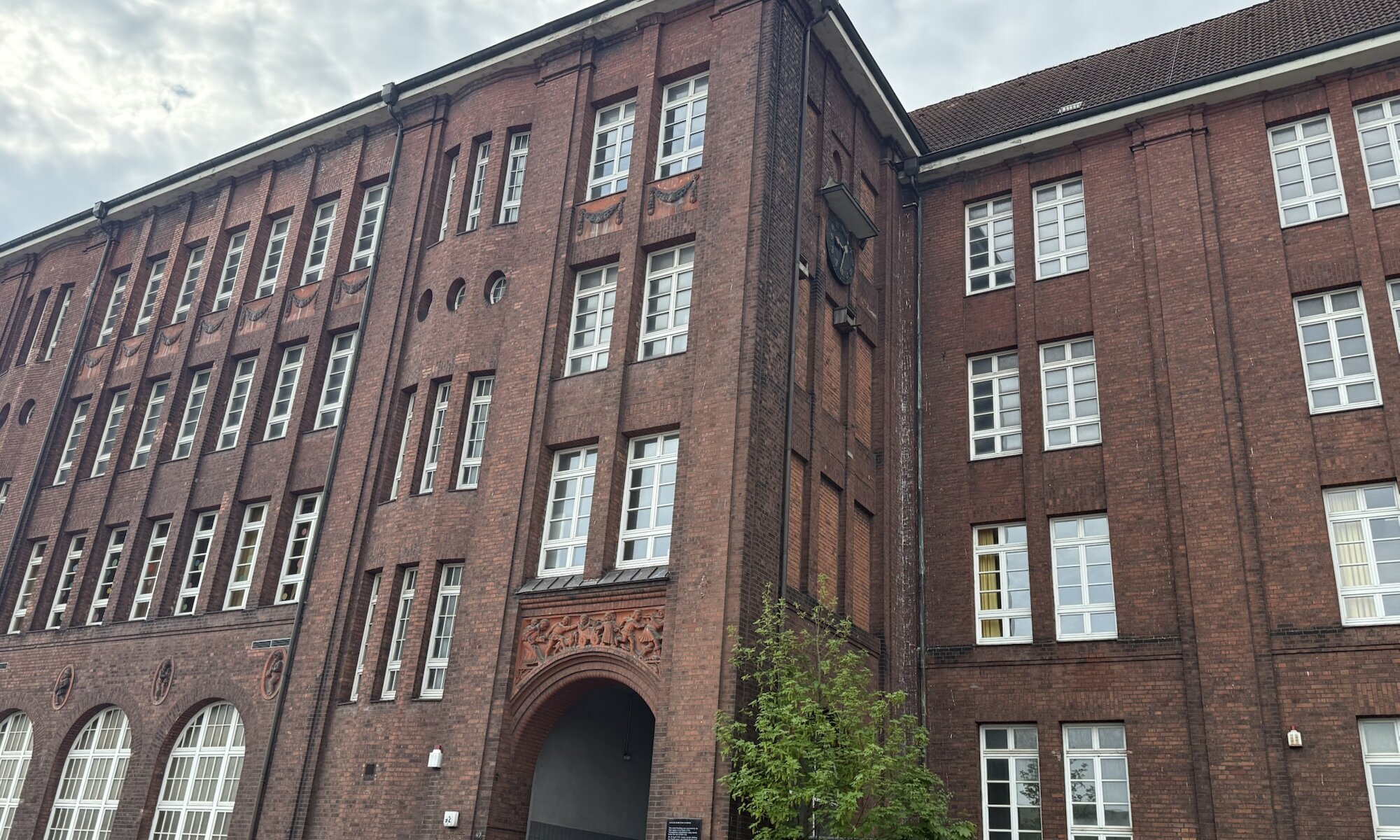
Gedenkstätte Kinder vom Bullenhuser Damm, Hamburg

The Gedenkstätte Kinder vom Bullenhuser Damm in Hamburg stands as one of the most haunting memorial sites from the final phase of the Second World War. Hidden within a modest school building in the Rothenburgsort district, it witnessed an unspeakable crime. In April 1945, only days before Germany’s surrender, twenty Jewish children – ten boys and ten girls aged between five and twelve – were brought there from the Neuengamme concentration camp, where they had previously been subjected to brutal medical experiments. The school’s basement became the scene of their final moments.

Continue reading “Bullenhuser Damm”

Bismarck-Denkmal

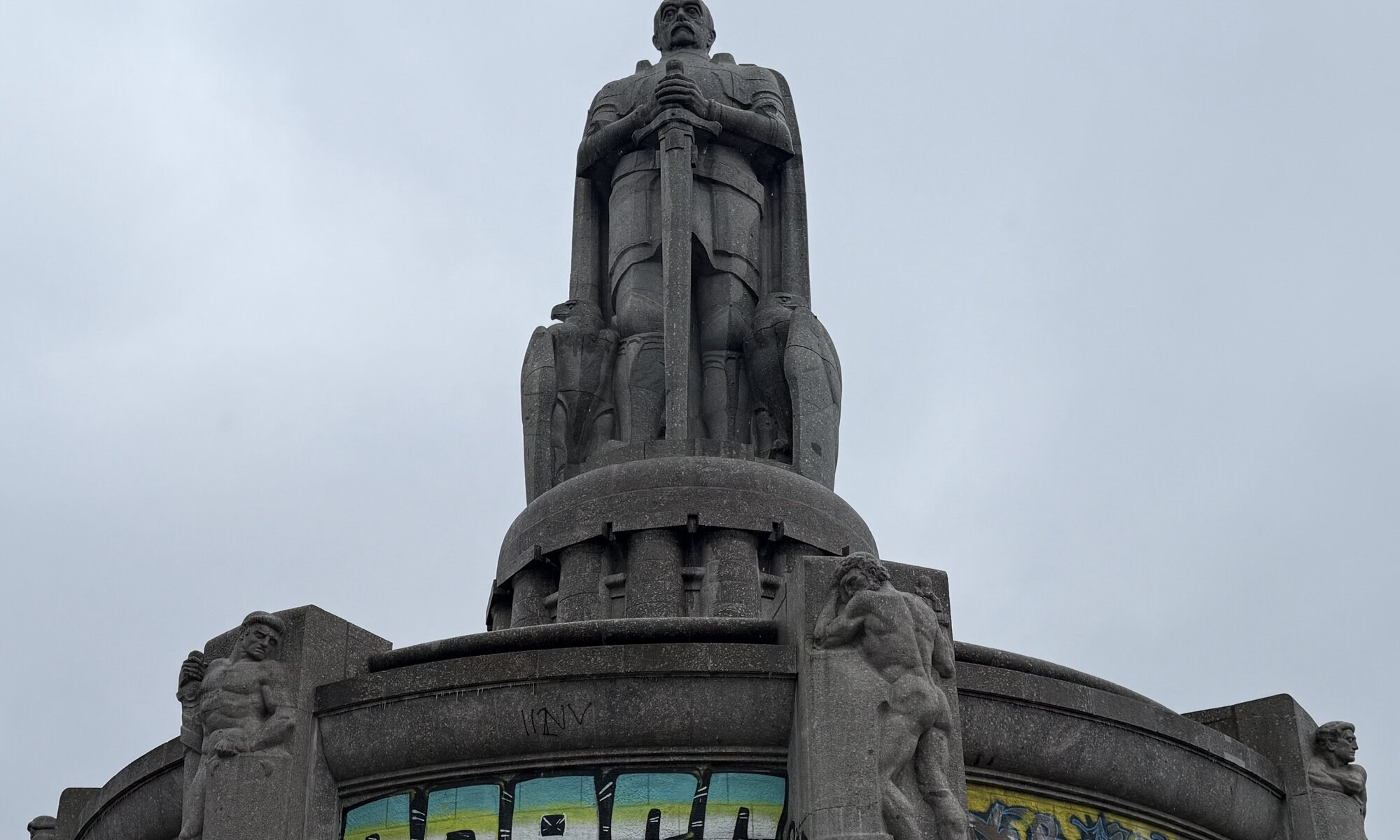
Bismarck-Denkmal, Hamburg

The Bismarck-Denkmal in Hamburg stands as one of the city’s most imposing and controversial landmarks. Otto von Bismarck, the so-called ‘Iron Chancellor’, was the leading political architect of German unification in 1871 and served as the first Chancellor of the German Empire. Known for his diplomatic skill and pragmatic statecraft, he forged alliances that shaped European politics for decades. In Hamburg, a city proud of its independence and Hanseatic traditions, the decision to honour Bismarck reveals both admiration for his national achievements and a degree of local identification with his strong, determined character.

Continue reading “Bismarck-Denkmal”

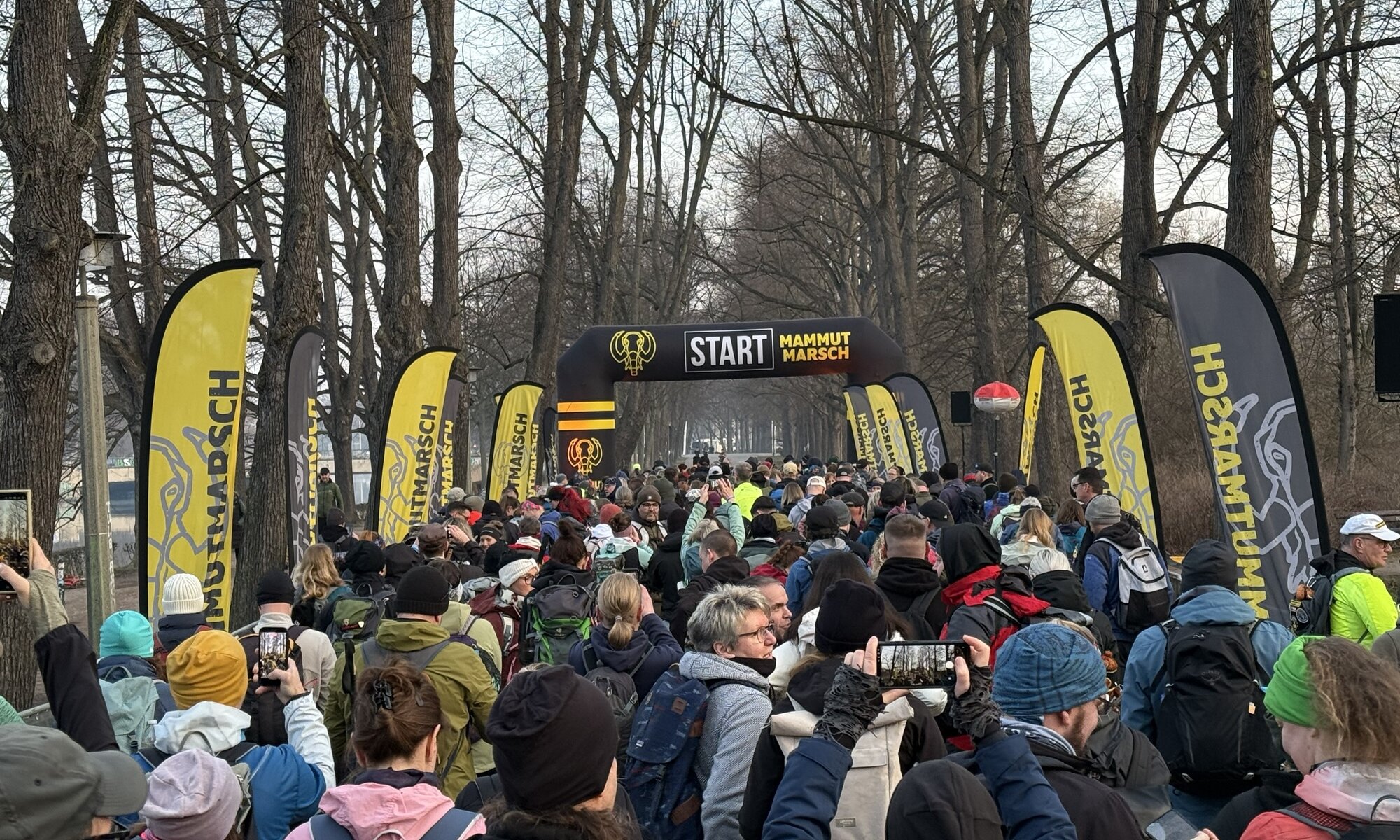
Mammutmarsch

Mammutmarsch 2026, Leipzig

The Mammutmarsch is an endurance hiking event designed to push participants to their physical and mental limits. It’s not a race in the traditional sense but rather a personal challenge – the goal is simply to complete the course within the set time. The concept originated in Germany and has since grown into a movement that attracts thousands of outdoor enthusiasts each year. Participants walk through urban areas, forests, and countryside, often experiencing dramatic changes in terrain and weather along the way.

Continue reading “Mammutmarsch”

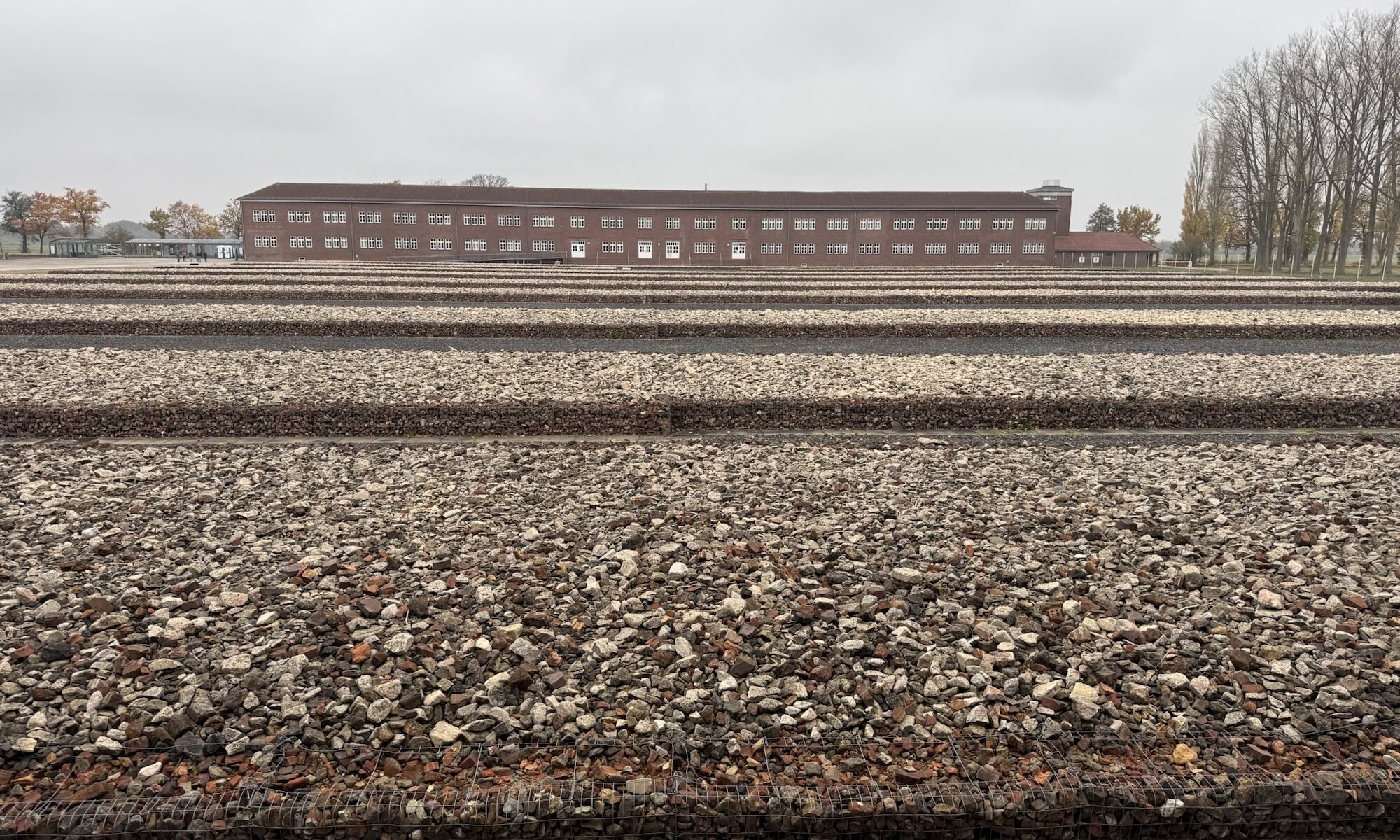
Neuengamme

KZ-Gedenkstätte Neuengamme, Hamburg

The Neuengamme concentration camp, located in the outskirts of Hamburg, was established by the SS in late 1938 initially as a subcamp of Sachsenhausen before becoming independent in 1940. The site, built around a disused brickworks, played a grim role in Nazi efforts to exploit forced labour for the war economy, with prisoners compelled to endure backbreaking tasks under brutal conditions. Over its seven-year existence until liberation in May 1945, Neuengamme became the central concentration camp in north-west Germany, expanding to include dozens of satellite camps throughout the region.

Continue reading “Neuengamme”