
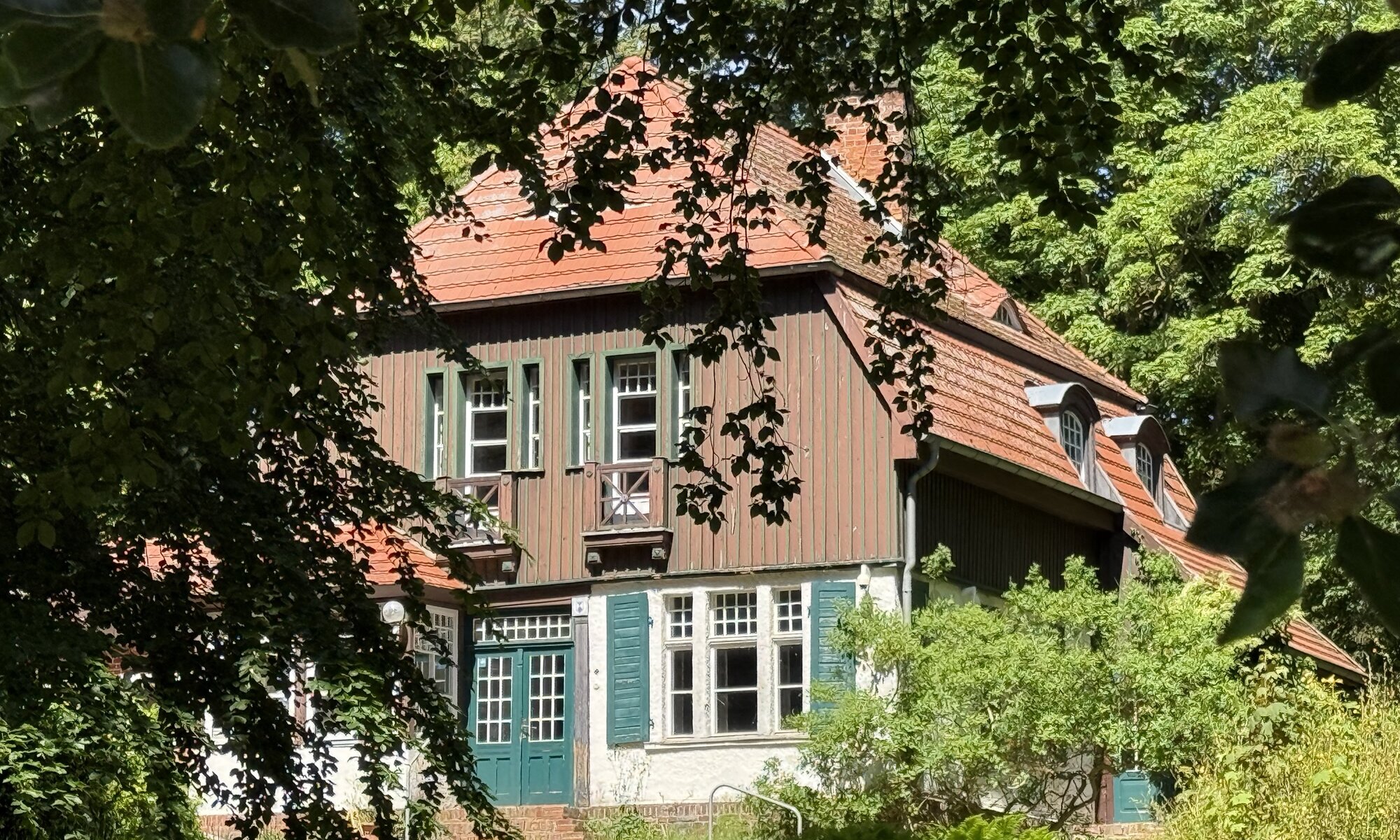
Gerhart Hauptmann was one of the great figures of modern German literature, best known as a playwright and a major pioneer of Naturalism. Born in 1862 in Silesia, he first studied sculpture before turning to writing, and his work quickly challenged the refined theatrical style of the nineteenth century with a much harsher, more realistic view of society.
His breakthrough came with Before Dawn (Vor Sonnenaufgang), which caused a scandal and at the same time announced a new direction for German drama. He went on to write powerful social plays about labour, poverty, and human struggle, and his later work also moved into symbolic, mythical, and more spiritual themes.
Among his most important works are The Weavers (Die Weber), The Beaver Coat (Der Biberpelz), Florian Geyer, Drayman Henschel (Fuhrmann Henschel), Rose Bernd, and The Rats (Die Ratten). He also wrote striking symbolic pieces such as Hannele’s Ascension (Hanneles Himmelfahrt) and The Sunken Bell (Die versunkene Glocke), which show how wide his range was beyond strict Naturalism.
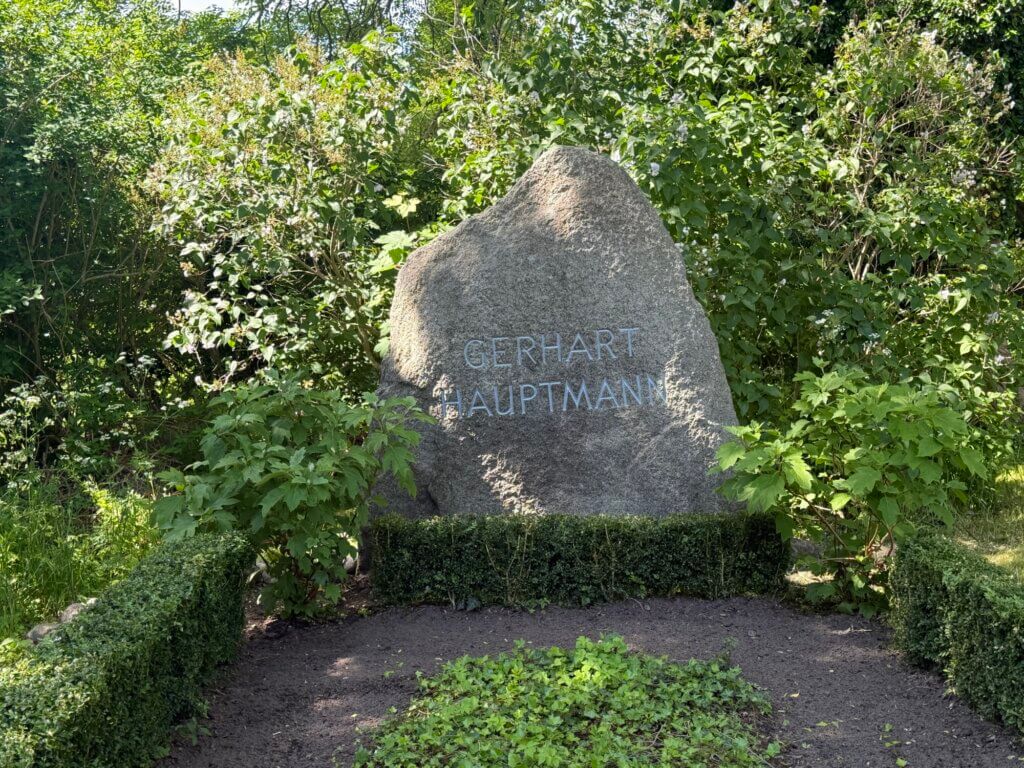
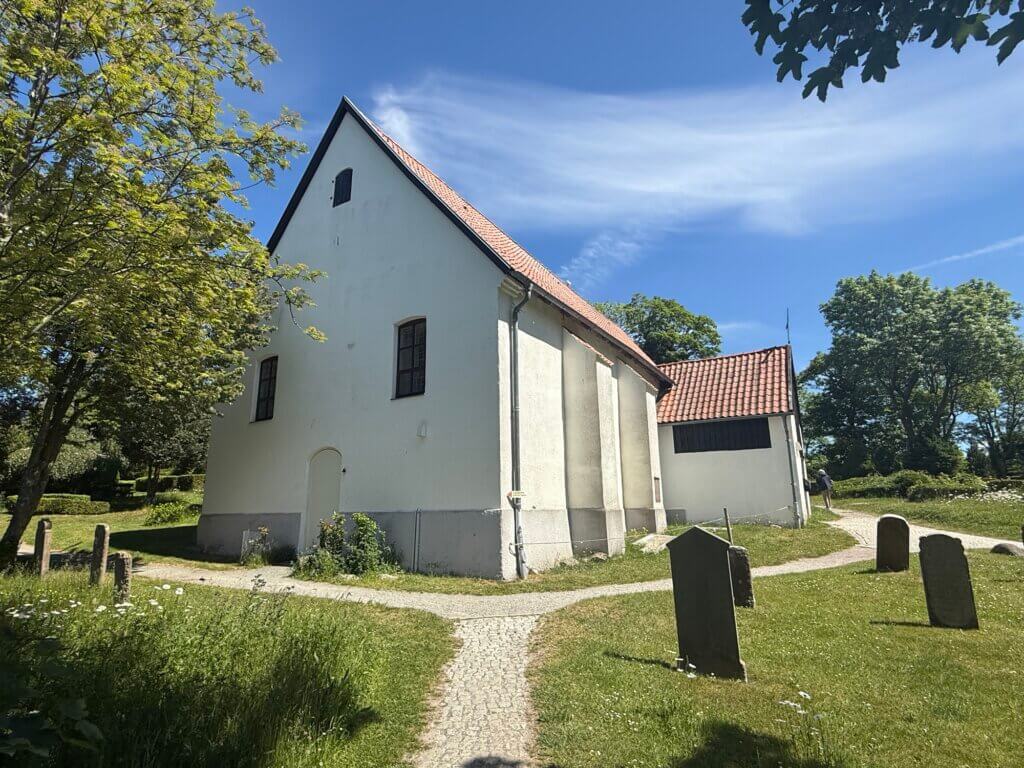
His connection to Hiddensee is especially strong: he spent time on the island, bought the house known as Haus Seedorn in Kloster, and it later became the Gerhart-Hauptmann-Museum, preserving his rooms and showing exhibitions about his work and the island. Hauptmann is buried in the churchyard at Kloster on Hiddensee, so the island is both a memorial place and a very fitting setting for a writer who valued landscape, atmosphere, and the life of the mind.
The Weavers
Die Weber tells the grim story of Silesian handloom weavers who are driven to desperation by falling wages, ruthless factory owners and the pressure of industrial change. In Hauptmann’s drama, the weavers are not just poor workers but a whole community pushed to the edge, until their suffering erupts into revolt and the violent march on the manufacturer Dreissiger’s house. The power of the play lies in its collective focus: there is no single hero, only a mass of people whose misery becomes the true centre of the drama.
Hauptmann wrote the drama in the early 1890s, with the text published in 1892, and he was working from the wider naturalist aim of showing life as it really was rather than as it ought to be. The immediate historical model was the Silesian weavers’ uprising of 1844, but the deeper impulse came from his wish to give voice to social suffering and to expose the human cost of industrial capitalism. He also researched the subject closely and drew on personal family memories of the weaving trade, which gave the piece both documentary weight and emotional force.
The publication and staging of Die Weber had a major impact because the play pushed German drama into new territory. It helped establish the social drama as an important form and became a landmark of naturalism, showing that theatre could focus on poverty, exploitation and collective unrest rather than aristocratic conflicts or private romance. Its realistic language and unvarnished subject matter made it strikingly modern for the time, and later writers and artists treated it as a model for socially engaged art.
Its public reception was explosive. The Berlin premiere in 1894 drew huge attention, provoked political controversy and even alarmed the authorities, while for sympathetic audiences it confirmed that theatre could speak directly to the social question. In practical terms, the drama turned Hauptmann into a leading figure of German naturalism and gave his work an influence far beyond the stage, because it showed that a play about ordinary workers could become a national literary event.
Gerhart-Hauptmann-Museum
Kloster
Hiddensee
Germany
Loading map...
