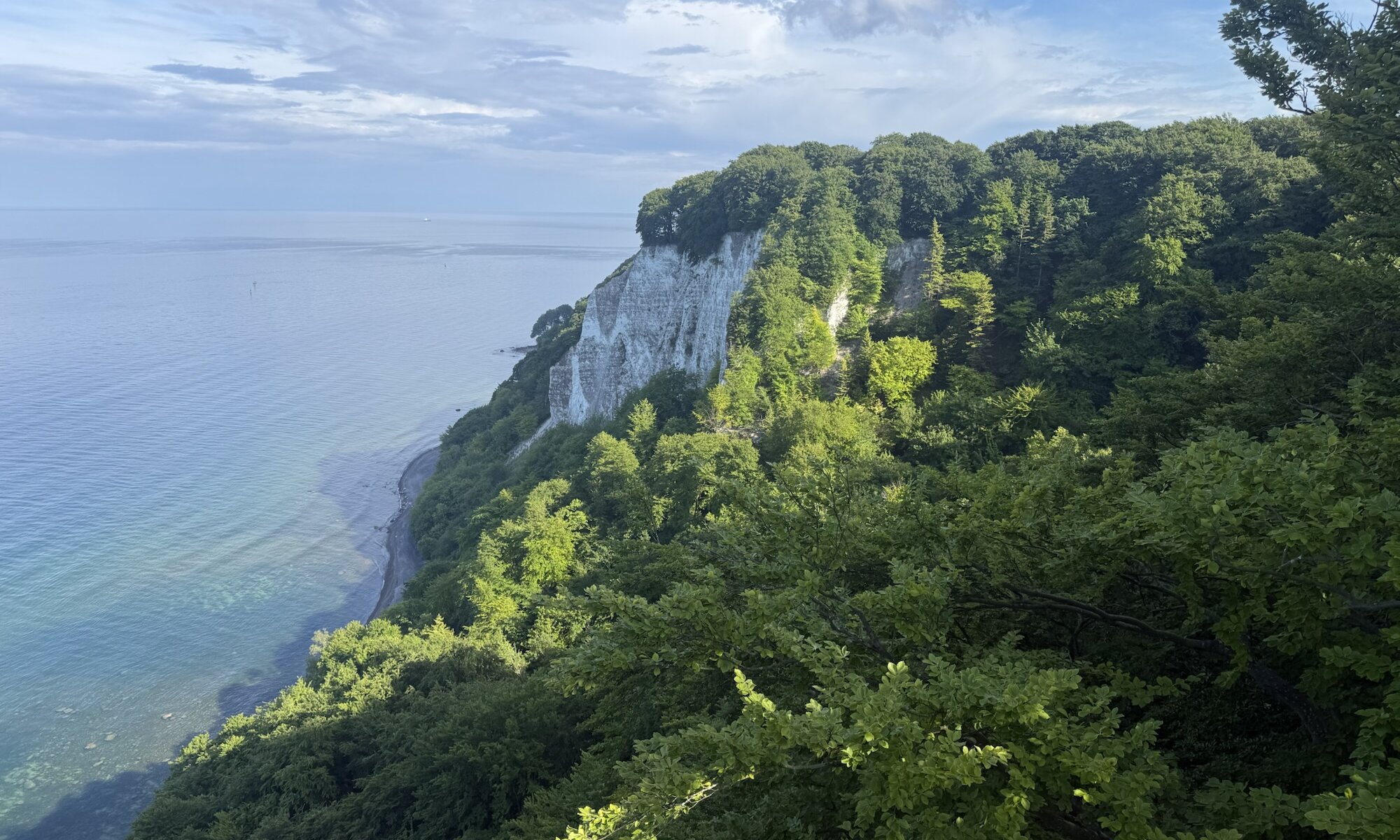
Standing before the Königsstuhl on Rügen, one immediately understands why this stretch of coastline has captivated travellers for centuries. The towering white chalk cliffs rise dramatically above the Baltic Sea, their stark brightness contrasting with the deep blue water and the dark greens of the surrounding beech forests. There is a certain quiet grandeur here, not flashy or overstated, but enduring and unmistakably Northern European.
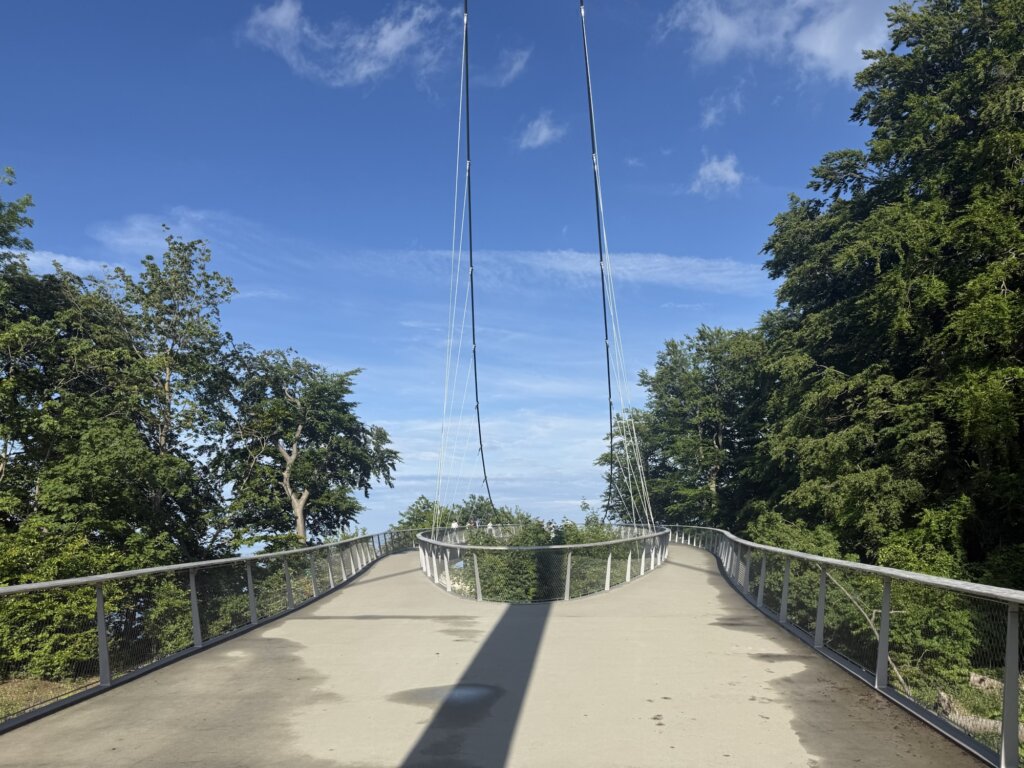
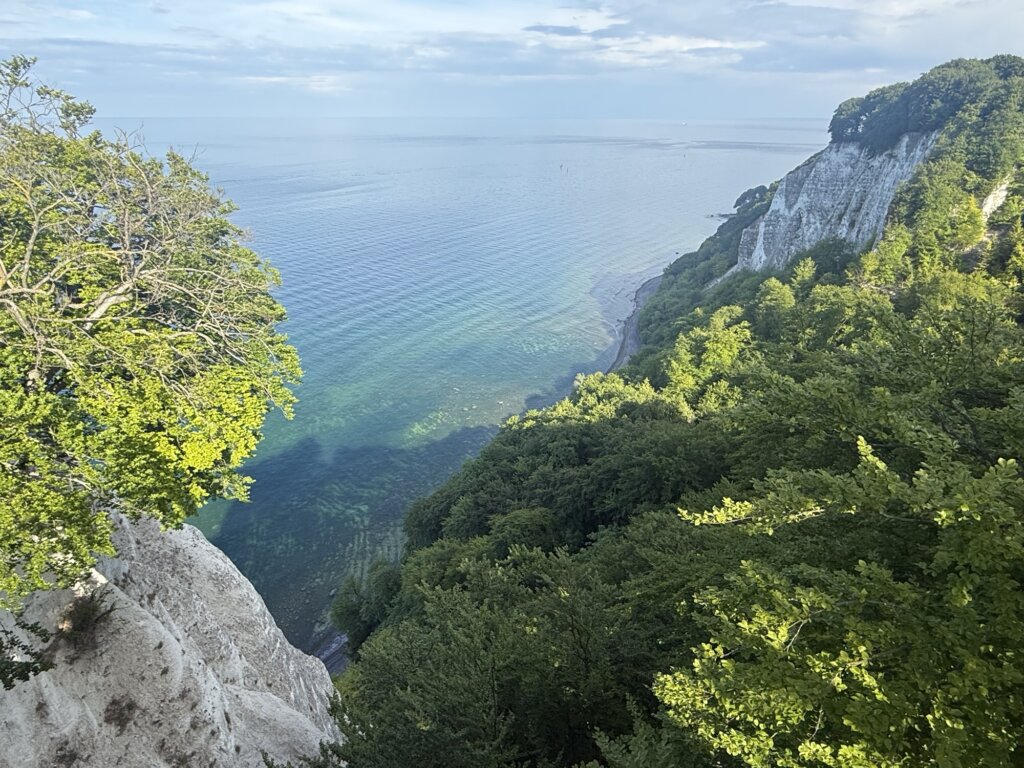
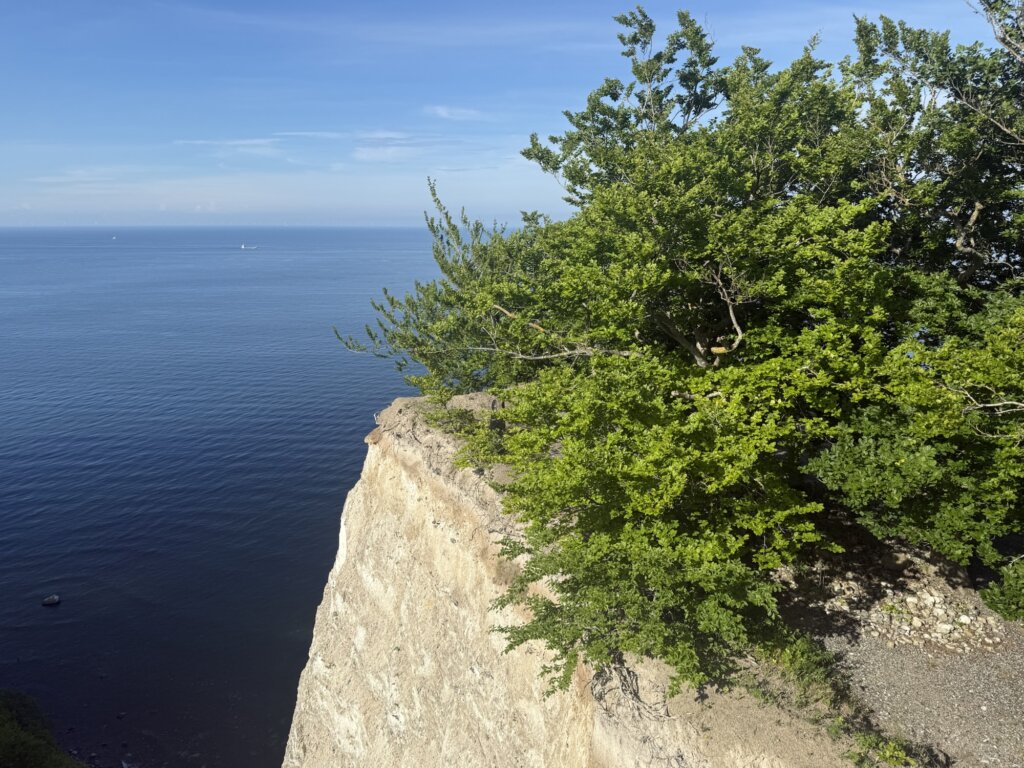
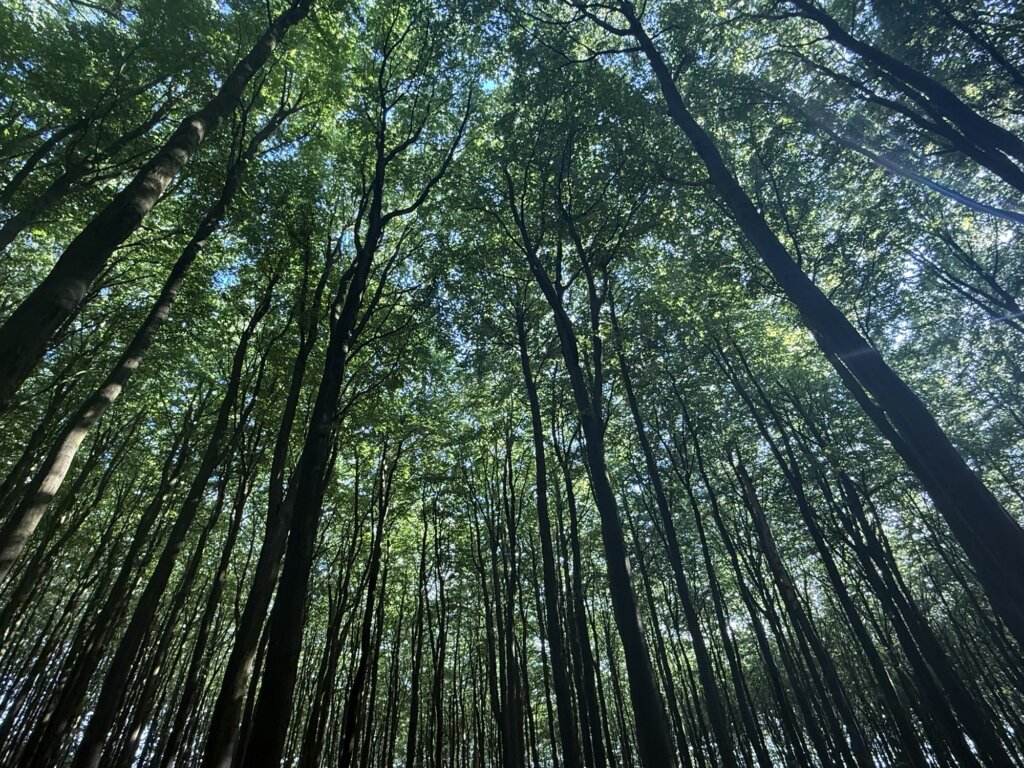
What strikes you most is how the landscape constantly shifts depending on the light. On a clear morning, the cliffs almost glow, while in the late afternoon they take on softer, warmer tones. After rain or in mist, the entire scene becomes more atmospheric, almost melancholic. It is worth taking the time to walk through the Jasmund National Park to reach the viewpoints, as the approach through ancient woodland adds a sense of anticipation that enhances the eventual reveal.
The Königsstuhl itself is well organised for visitors, with a modern visitor centre that blends reasonably well into the environment. Still, the real highlight remains the views rather than the infrastructure. If possible, it is worth combining the cliff-top perspective with a boat trip along the coast. Seeing the chalk walls from sea level gives a completely different sense of their scale and fragility, especially when you notice how sections have broken away over time.
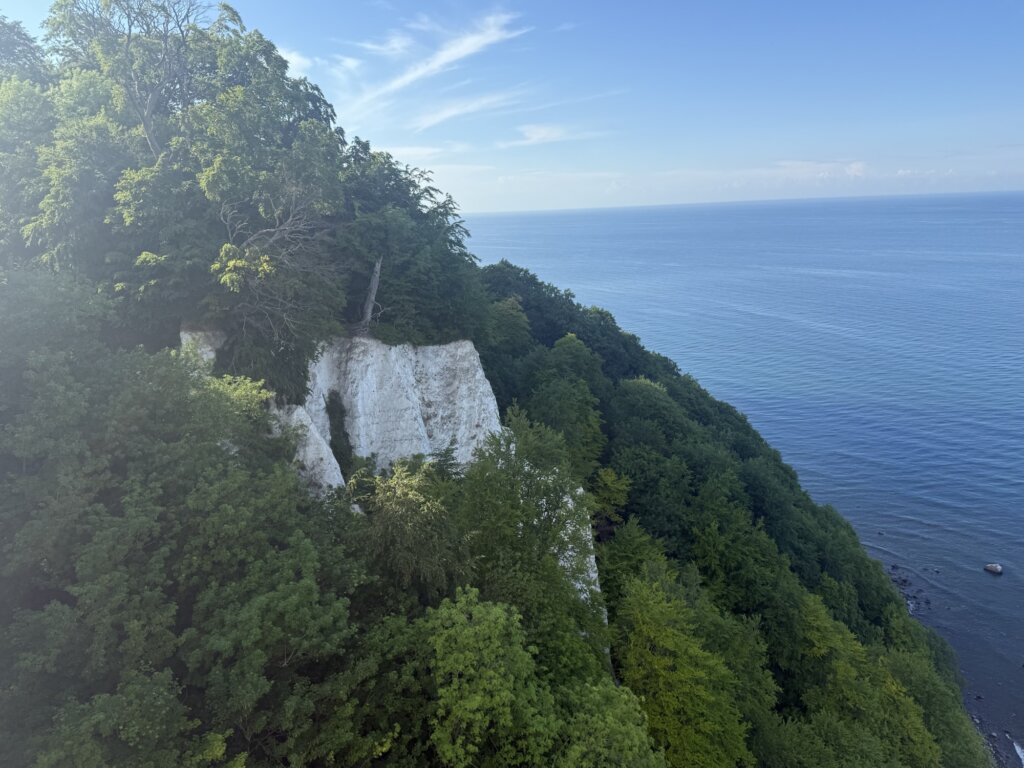
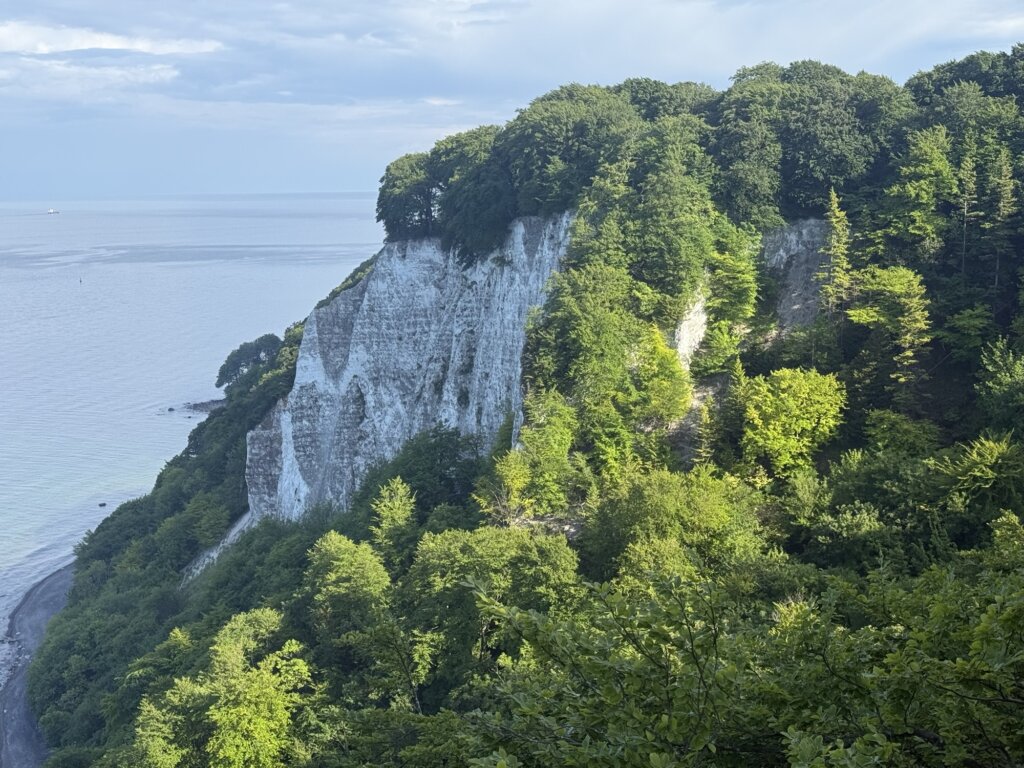
Despite its popularity, it is still possible to find quieter moments, particularly outside peak summer hours. Early mornings or late evenings offer a more contemplative experience, when the crowds thin out and the sounds of wind and sea dominate. It is one of those places in Germany that feels both iconic and surprisingly untouched, provided you choose your timing well.
Kreidefelsen Königsstuhl
Jasmund-Nationalpark
Sassnitz
Rügen
Germany
Loading map...
