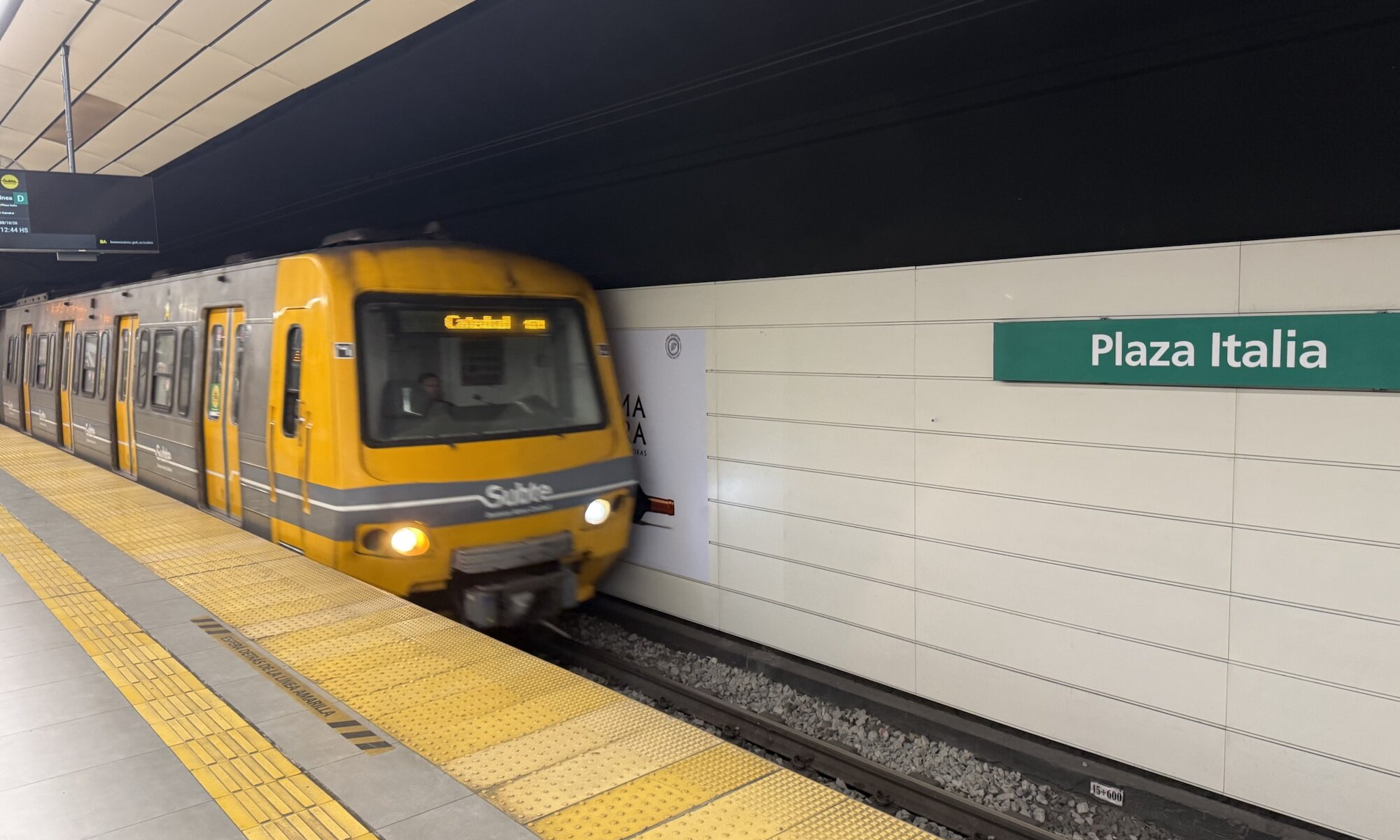
The Subterráneo de Buenos Aires, universally known as the Subte, is the city’s underground railway and one of the most practical ways of moving around the central districts. It links major railway terminals, commercial streets, government areas and neighbourhoods such as Palermo, Recoleta, Belgrano, Caballito, San Telmo and Constitución. For visitors, it is often quicker than travelling by taxi or bus when traffic is heavy, although the trains can be particularly busy during the morning and evening rush hours.
Continue reading “Subterráneo”Arc Recoleta
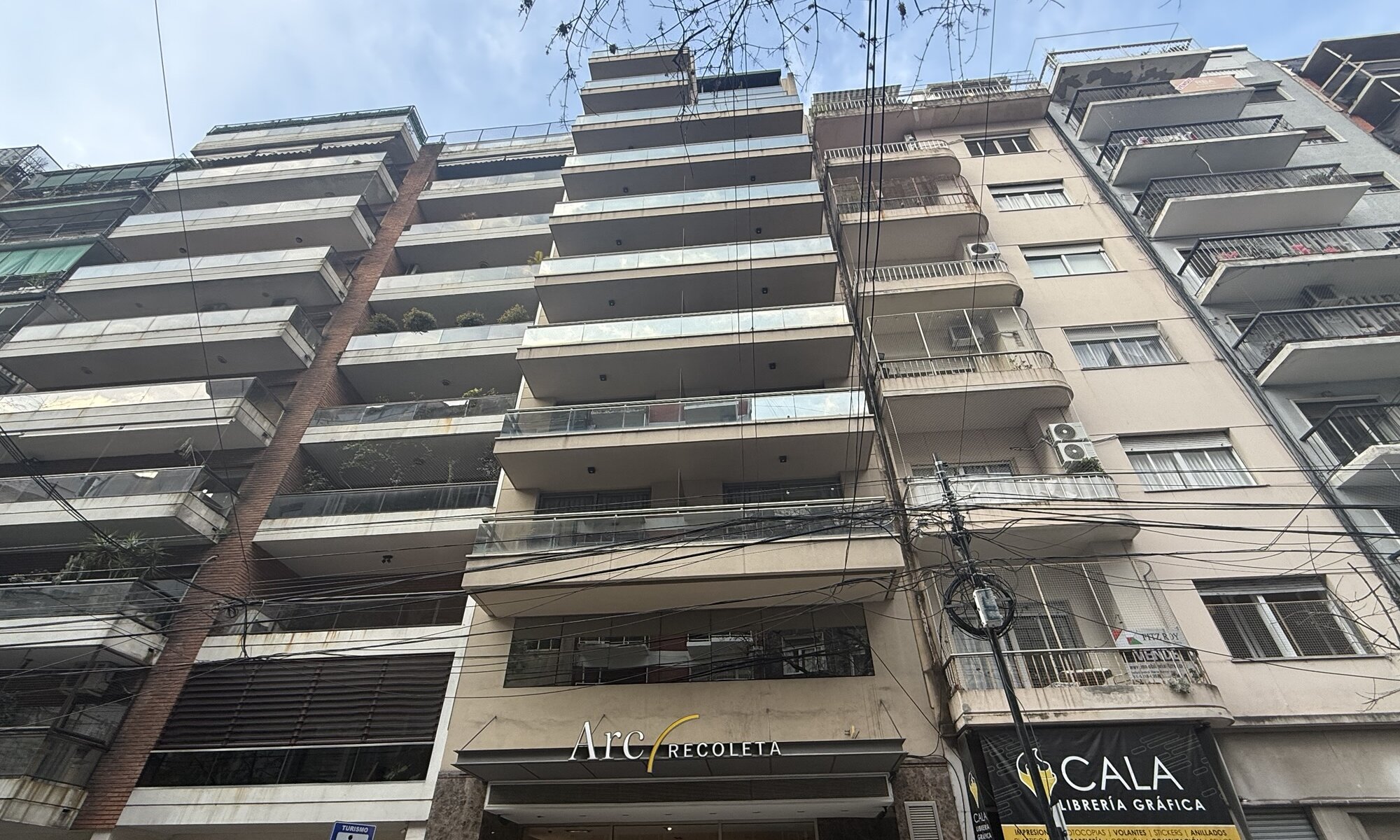
The Arc Recoleta Boutique Hotel & Spa is a contemporary hotel with a strong emphasis on comfort, wellness and convenient city access. It offers modern, spacious rooms and facilities suited both to leisure travellers and business guests in the very well walkable Recoleta neighborhood of Buenos Aires.
Continue reading “Arc Recoleta”Evita
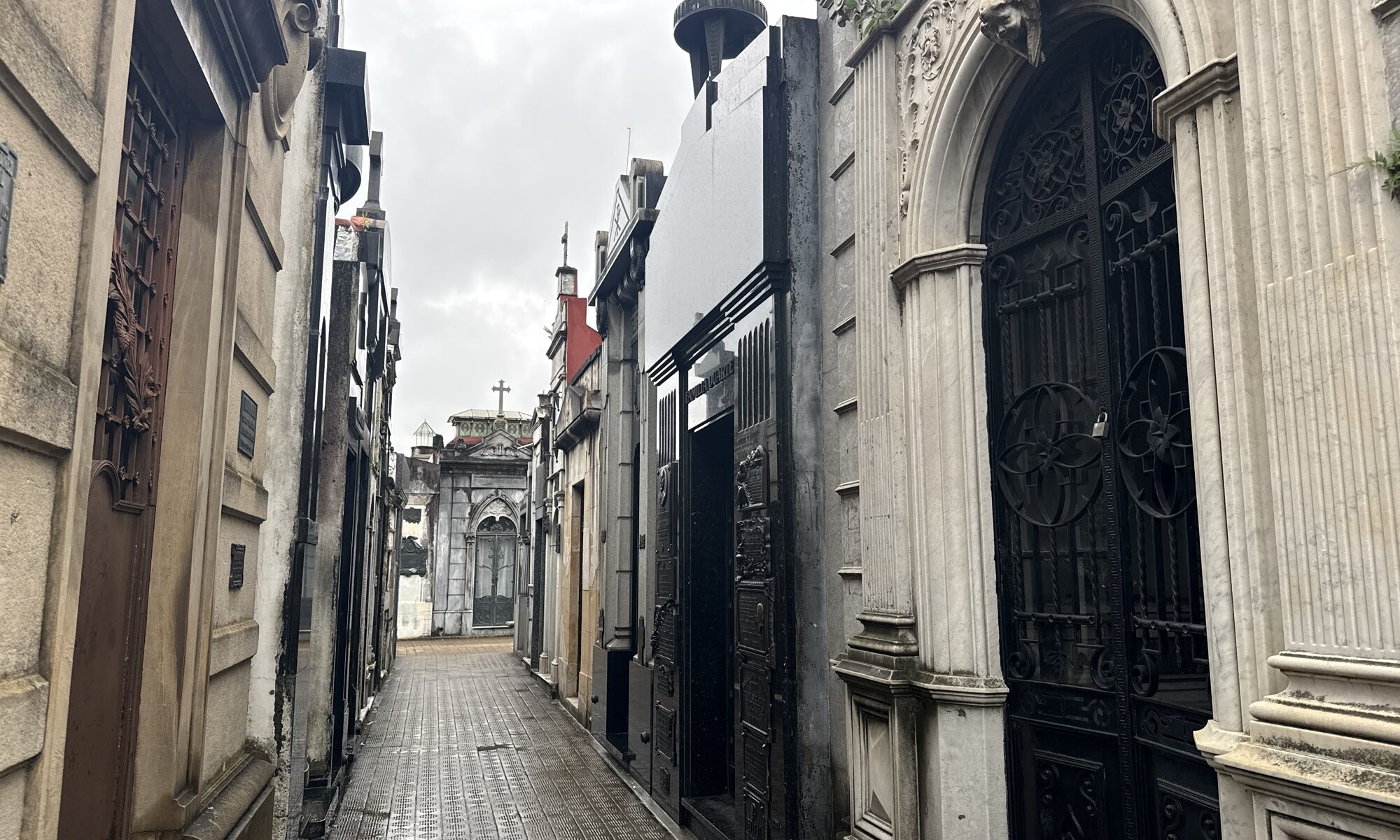
Eva María Duarte was born in 1919 in the small town of Los Toldos and grew up in modest circumstances. As a teenager, she moved to Buenos Aires to pursue a career as an actress, gradually becoming well known on the radio and stage. Her life changed when she met Colonel Juan Domingo Perón; they married in 1945, and when he became president in 1946, she emerged as one of Argentina’s most influential public figures.
Continue reading “Evita”MALBA
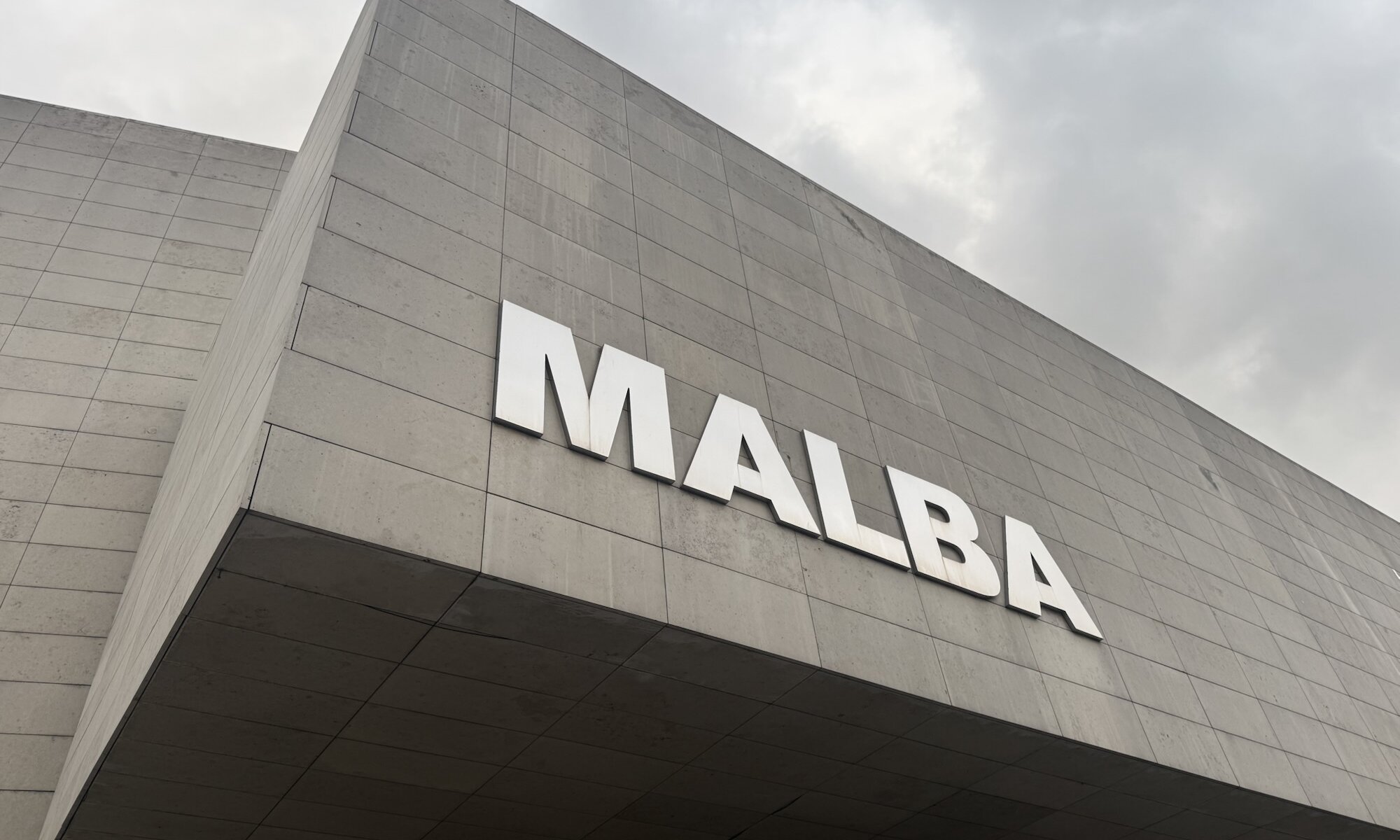
The Museo de Arte Latinoamericano de Buenos Aires, generally known as MALBA, is one of the city’s leading cultural institutions. Located on Avenida Figueroa Alcorta in the city quarter Palermo of Buenos Aires, it is a private, non-profit museum devoted to collecting, preserving, researching and presenting Latin American art from the early twentieth century to the present. Its modern building, with pale stone, glass and angular forms, is almost as distinctive as the collection inside.
Continue reading “MALBA”Teatro Colón
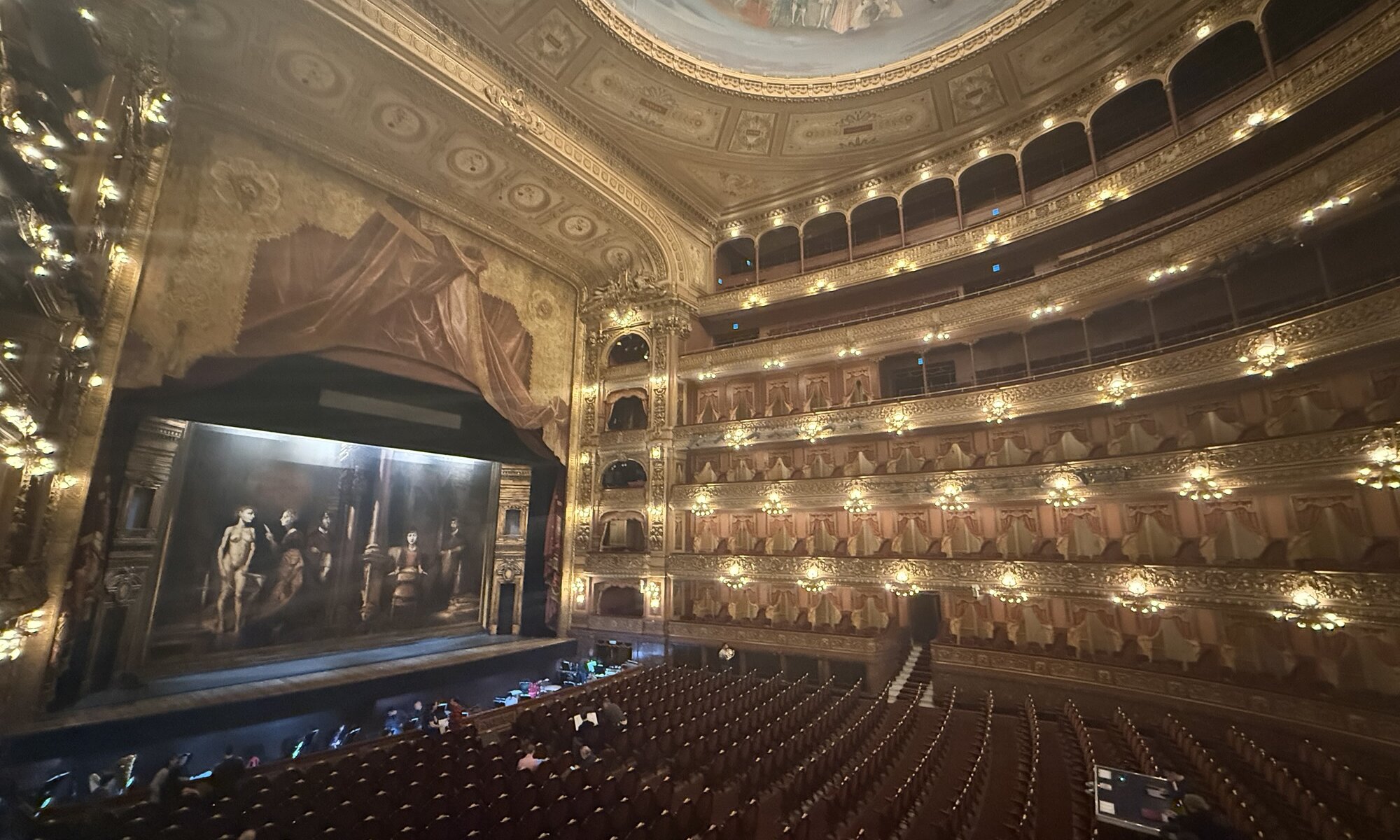
The Teatro Colón is Buenos Aires’ grand opera house, situated on Avenida Cerrito in the city centre. It presents opera, ballet, symphonic concerts and other classical performances, and is admired for both its richly decorated architecture and exceptionally clear acoustics. Its stage has welcomed many internationally renowned artists, making it one of the most distinguished performing-arts venues in the Americas.
Continue reading “Teatro Colón”Plaza de Mayo
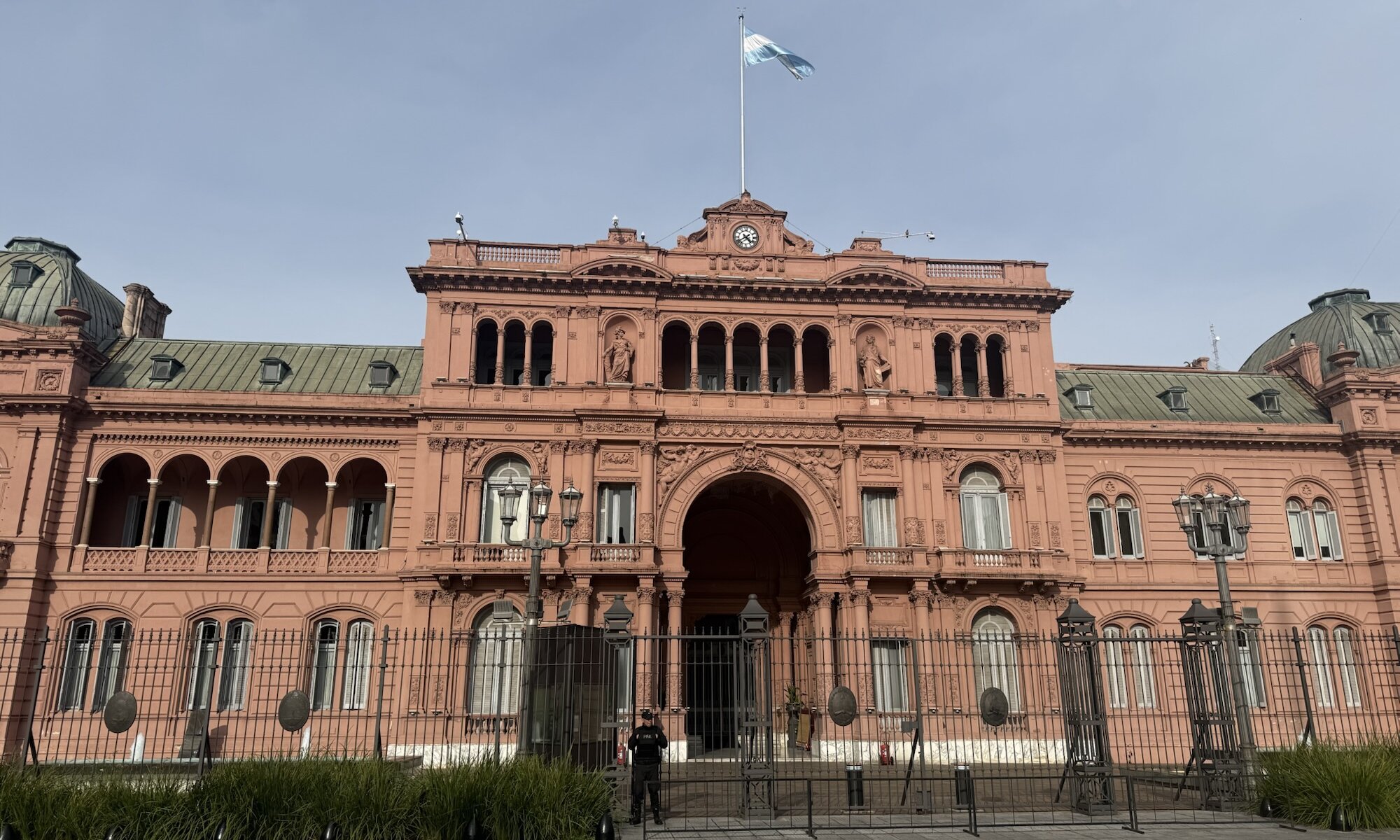
Buenos Aires’ oldest public square and Argentina’s most important civic and political meeting place. Its name commemorates the May revolution of 1810, which began the process leading to independence from Spanish rule. Since then, the square has witnessed celebrations, demonstrations, political speeches and moments of national crisis, making it a place where Argentina’s history remains unusually visible in everyday city life.
Continue reading “Plaza de Mayo”Crossing the Río de la Plata
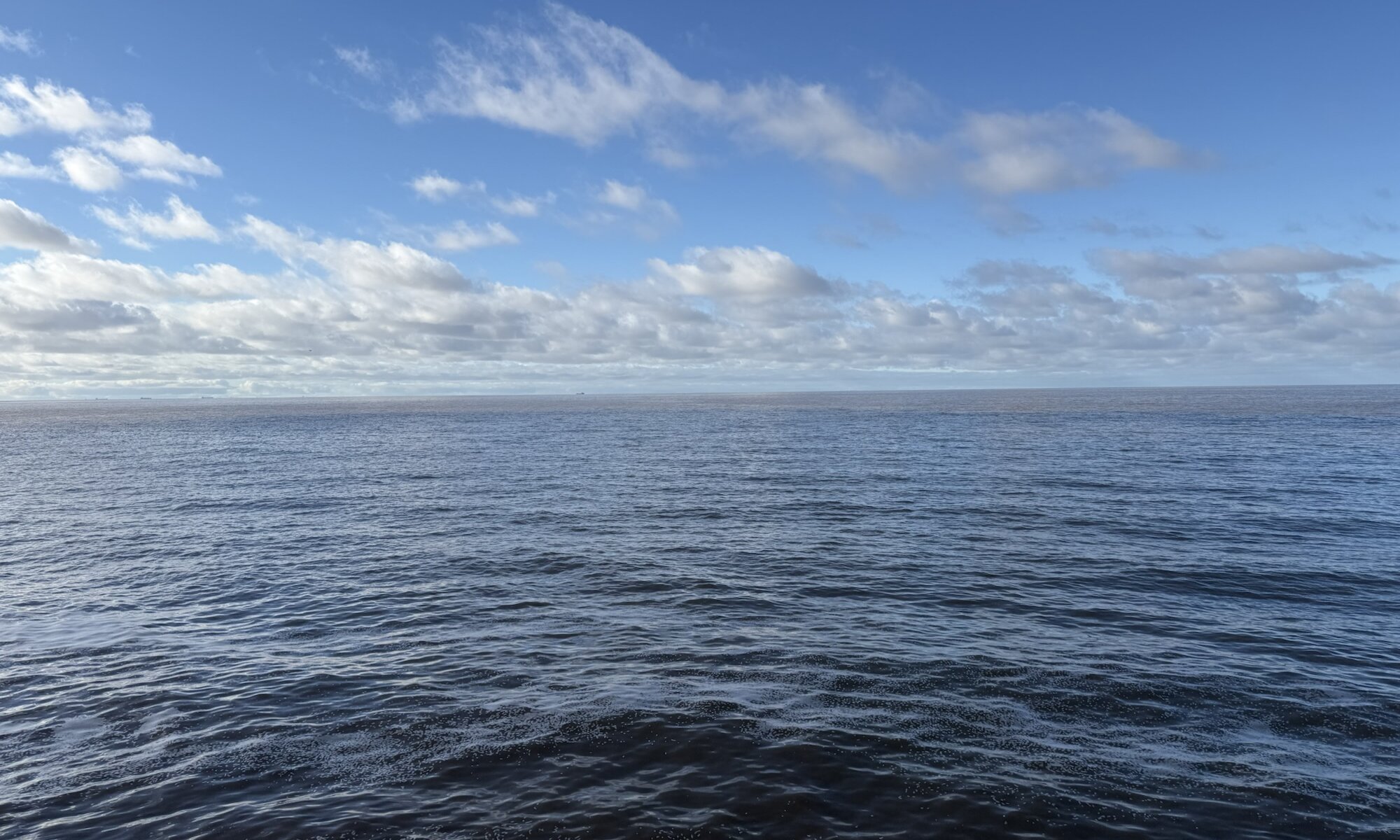
Combining a visit to Montevideo and Buenos Aires is easy, as you can cross the Río de la Plata via ferry boat. There are multiple options; I opted in for the Buquebus crossing which begins at the company’s terminal in Colonia del Sacramento. To get there, you need to take a bus from the Tres Cruces bus terminal at Montevideo where you can also check in your luggage.
Continue reading “Crossing the Río de la Plata”