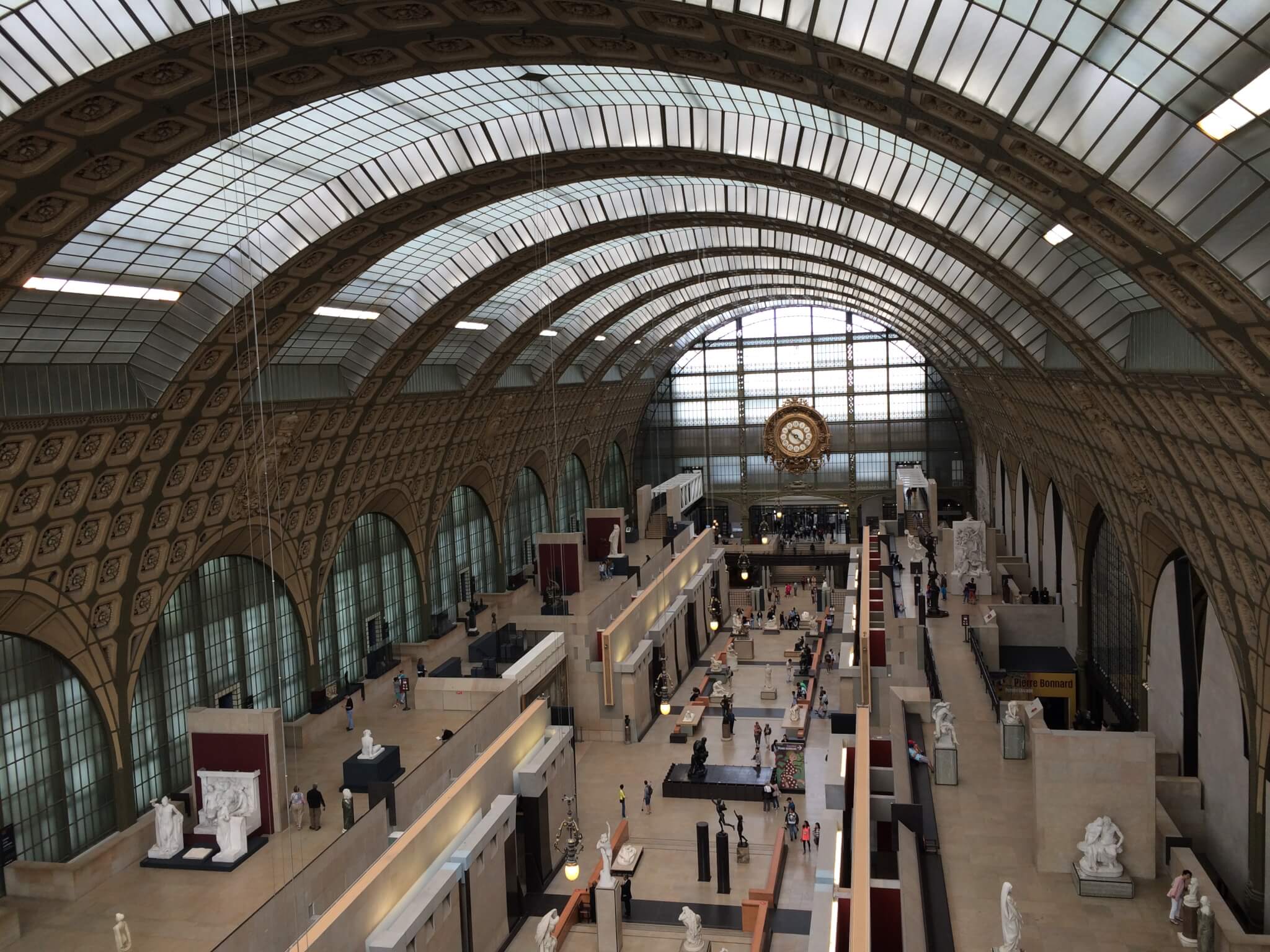
The Musée d’Orsay is an art museum in Paris, France. It is located within the old train station Gare d’Orsay close to the Seine, within the 7th arrondissement. The railway station – built for the World Exhibition in 1900 – was transformed into a museum in 1977 by order of the French president Valéry Giscard d’Estaing.
Continue reading “Next stop: Art”Cathédrale Notre-Dame de Paris
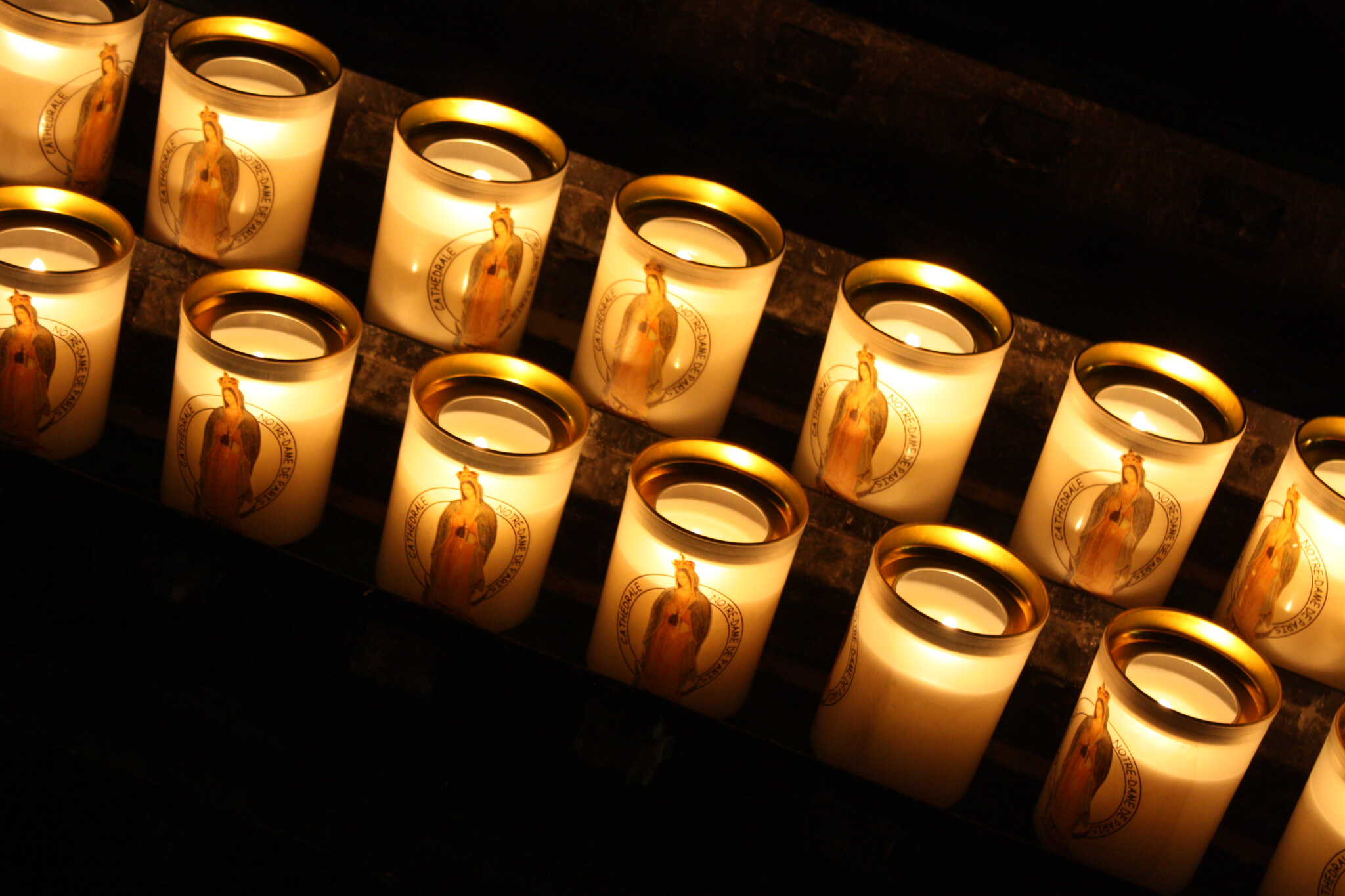
A wonderful gothic cathedral in the center of Paris, France – directly on Île de la Cité. It has been built between 1163 and 1345, offers space for 9000 worshippers and is well known to the world (at least by Victor Hugos “The Hunchback of Notre-Dame“). It is the blueprint for gothic cathedrals around the world.
Continue reading “Cathédrale Notre-Dame de Paris”Hafen 2
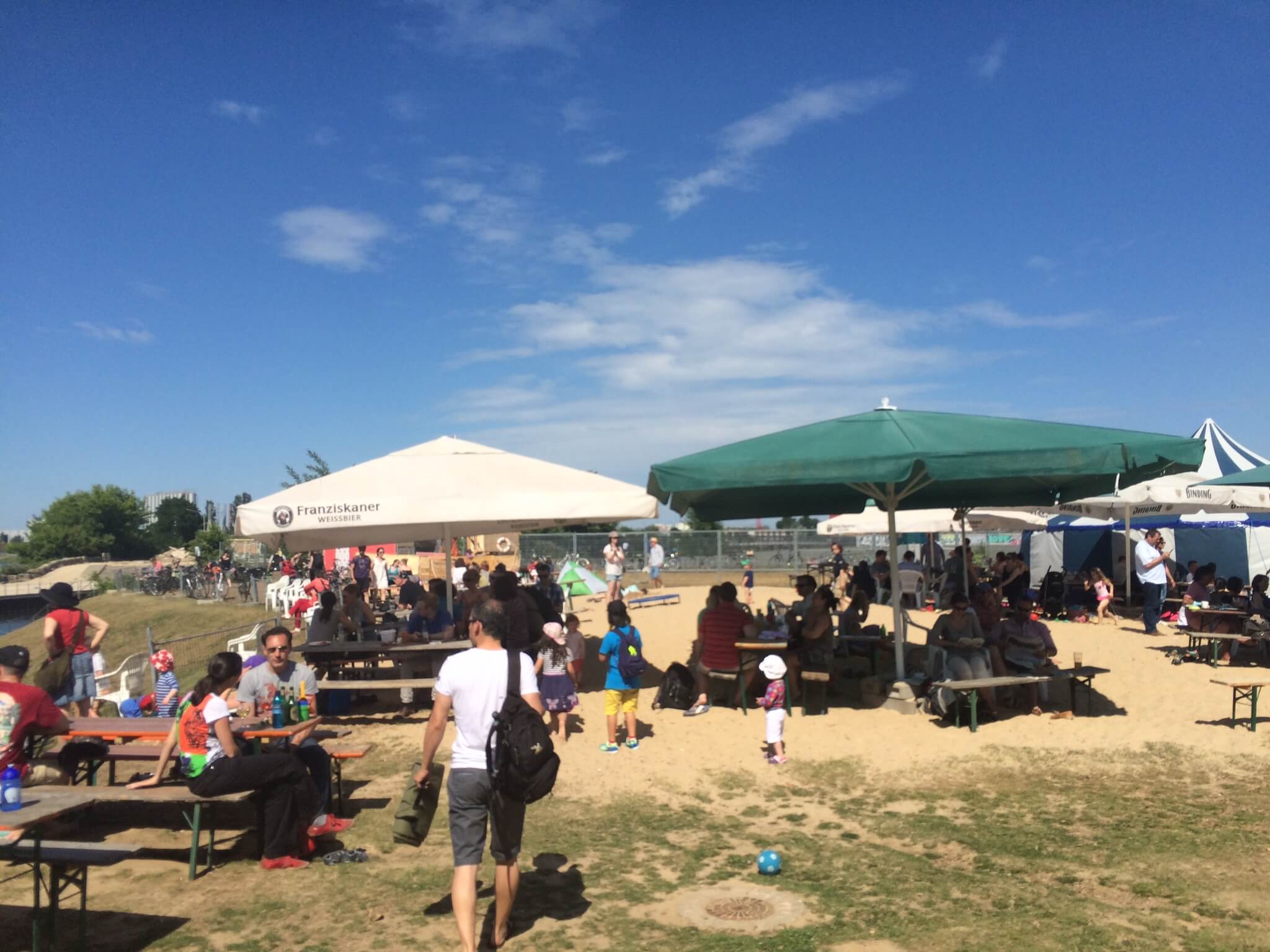
Well, Offenbach isn’t the most beautiful place in the world. But if you need a beer or a coffee close to the river Main, have the children entertained by a big sandbox and a playground with a ship, the Hafen 2 might be right. The place offers a café, a bar, an outdoor cinema and a concert stage.
Continue reading “Hafen 2”ImEx.
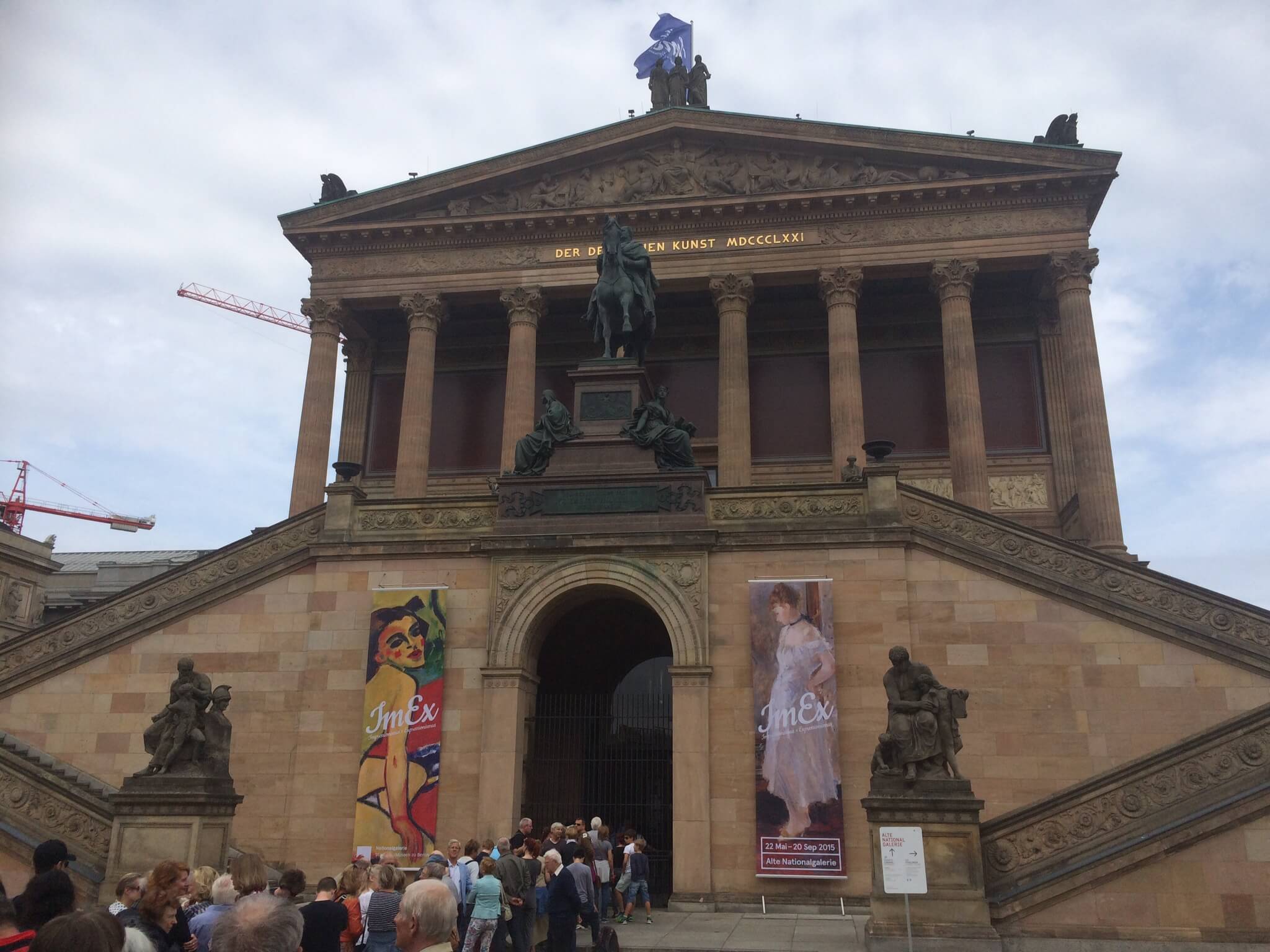
The Alte Nationalgalerie (Old national gallery) is part of the museum island in the heart of Berlin, Germany. It has been constructed in 1867 and houses works of the Impressionism, Neoclassicism, Romanticism and of the Biedermeier period. During World War II the building was bombed and it is unclear, which works were destroyed or taken to the Sovjet union as looted art.
Continue reading “ImEx.”Café Mayer
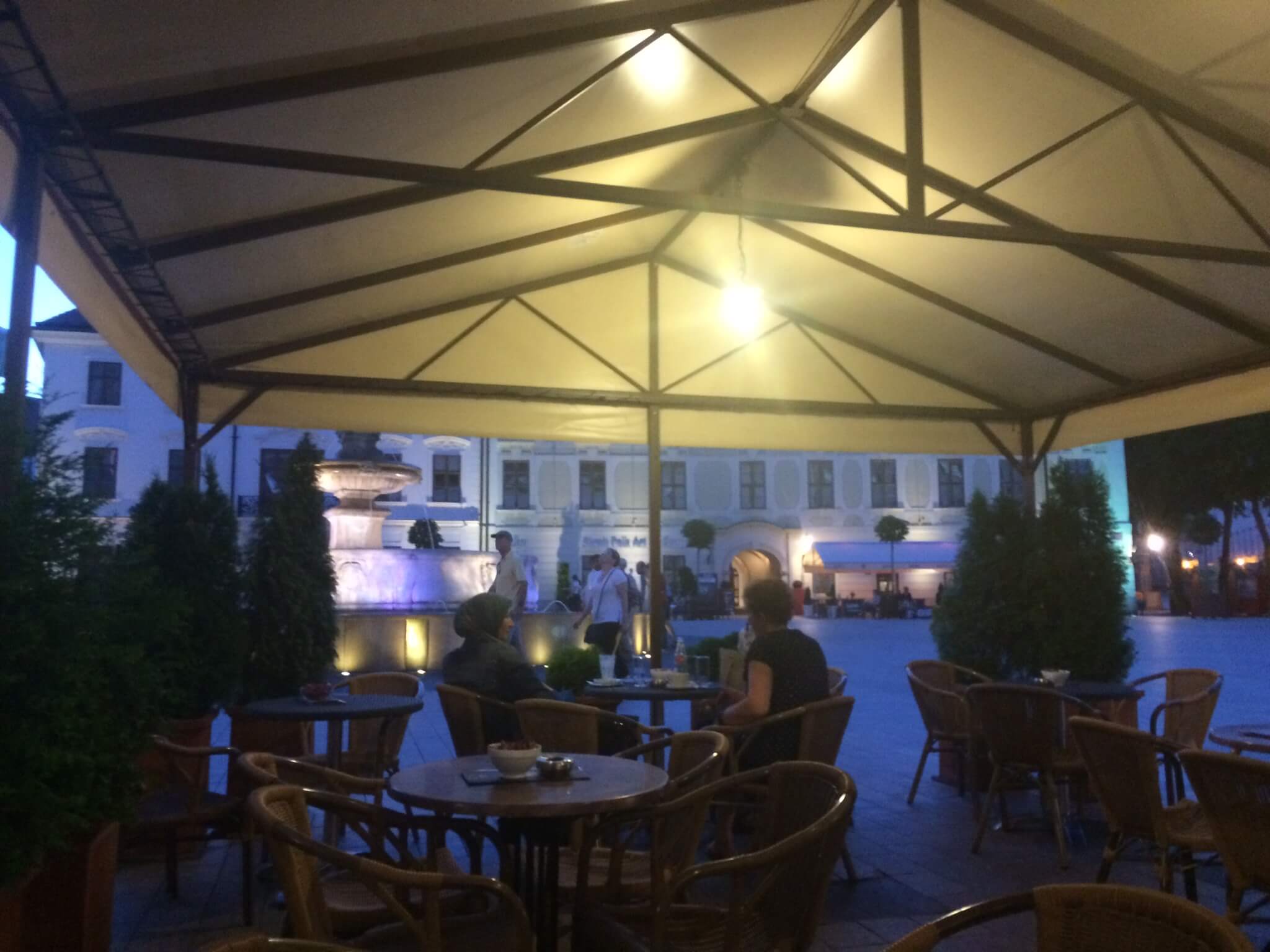
In need of some caffeine and sugar? The Café Mayer is a traditional coffee bar at the main square of Bratislava, Slovakia (Hlavné námestie). It was founded by Julius Mayer in 1873 and was supplier of the Court in Vienna. It is no secret that you can get the best scones and cakes of Bratislava here.
Continue reading “Café Mayer”Bratislavský hrad
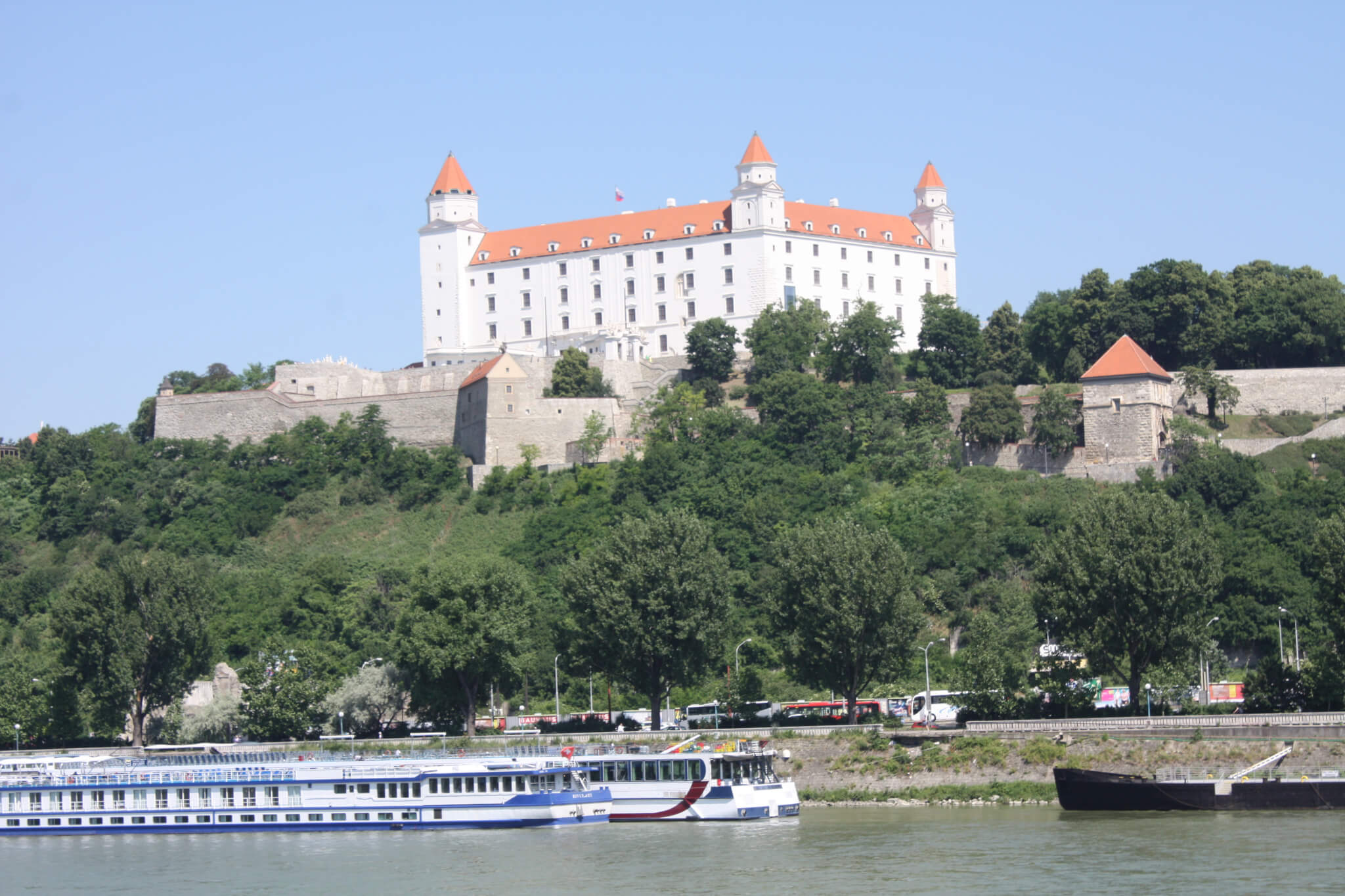
The main sight of Bratislava (also there is not too much to see up there) is the castle of Bratislava (Bratislavský hrad), visible from every part of the city. There have been settlements on the 85 meter high hill from the stoneage on, the castle has been used for centuries and as been rebuilt several times. The last big modification dates back to the time of Maria Theresa.
Continue reading “Bratislavský hrad”The UFO
It looks like a flying saucer exploring Bratislava: the UFO (unidentified flying object). In fact it is part of the main bridge (Most SNP, bridge of the Slovakian national uprising) crossing river Danube close to the castle of Bratislava.
Continue reading “The UFO”The Red Flag
Slavín is a cemetery and memorial to the soldiers of the Red Army which freed the city in 1945. It is high upon a mountain close to the main railway station and can be seen from nearly everywhere in the town. Walking up there on hot summer days gives you the feeling of having smashed Nazi Germany on your own.
Continue reading “The Red Flag”Danubiana Meulensteen Art Museum
The Danubiana is a museum of Modern Art located at a river bank of the Danube in the south of Bratislava, at a quarter called Čunovo. In my opinion it is one of the best modern art museums, one that didn’t disappoint me (and I’m often arguing about the works exhibited in those museums).
Continue reading “Danubiana Meulensteen Art Museum”Malé Karpaty
Close to Bratislava you can find a mountain range called the little Carpathians (Malé Karpaty) – a mountanous area filled with woods and grapevines. If you are comeing from Devín castle you can go northbound to Pernek and cross the Carpathians on a curvaceous road to Pezinok.
Continue reading “Malé Karpaty”