Böseckendorf

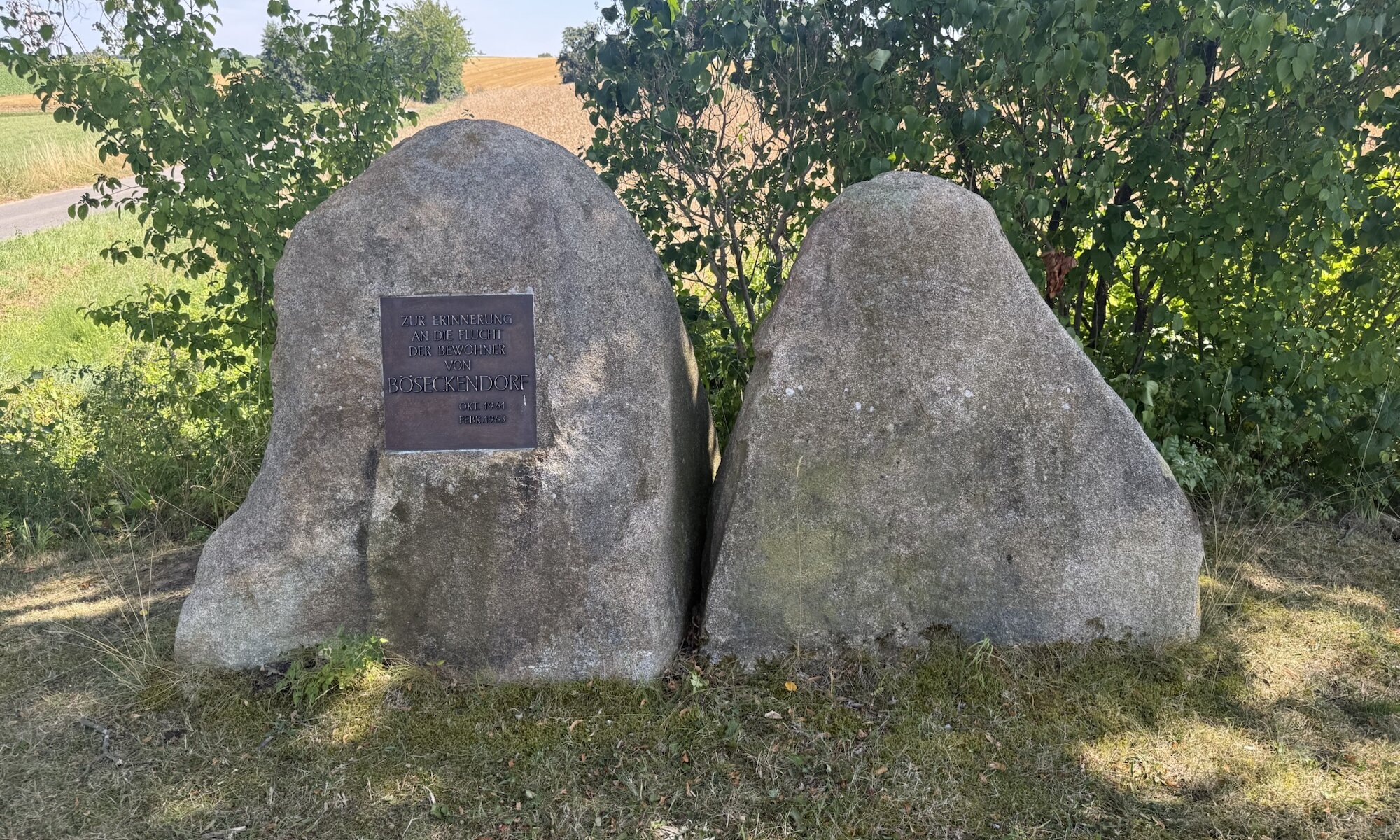
Gedenkstein für die Flucht aus Böseckendorf, Duderstadt

Along the quiet rural road between Böseckendorf and Immingerode, memorial stones stand with a restrained yet powerful presence. They are arranged in a simple formation beside the roadside, modest in scale but unmistakable in meaning. Rough-hewn stone slabs bear an inscription and dates. The surrounding landscape – fields, hedgerows, and the gentle undulations of the countryside – creates a stark contrast to the heavy history these stones represent. Nothing about the site is ostentatious; its strength lies in its stillness and the way it invites reflection.

Continue reading “Böseckendorf”

Grünes Band

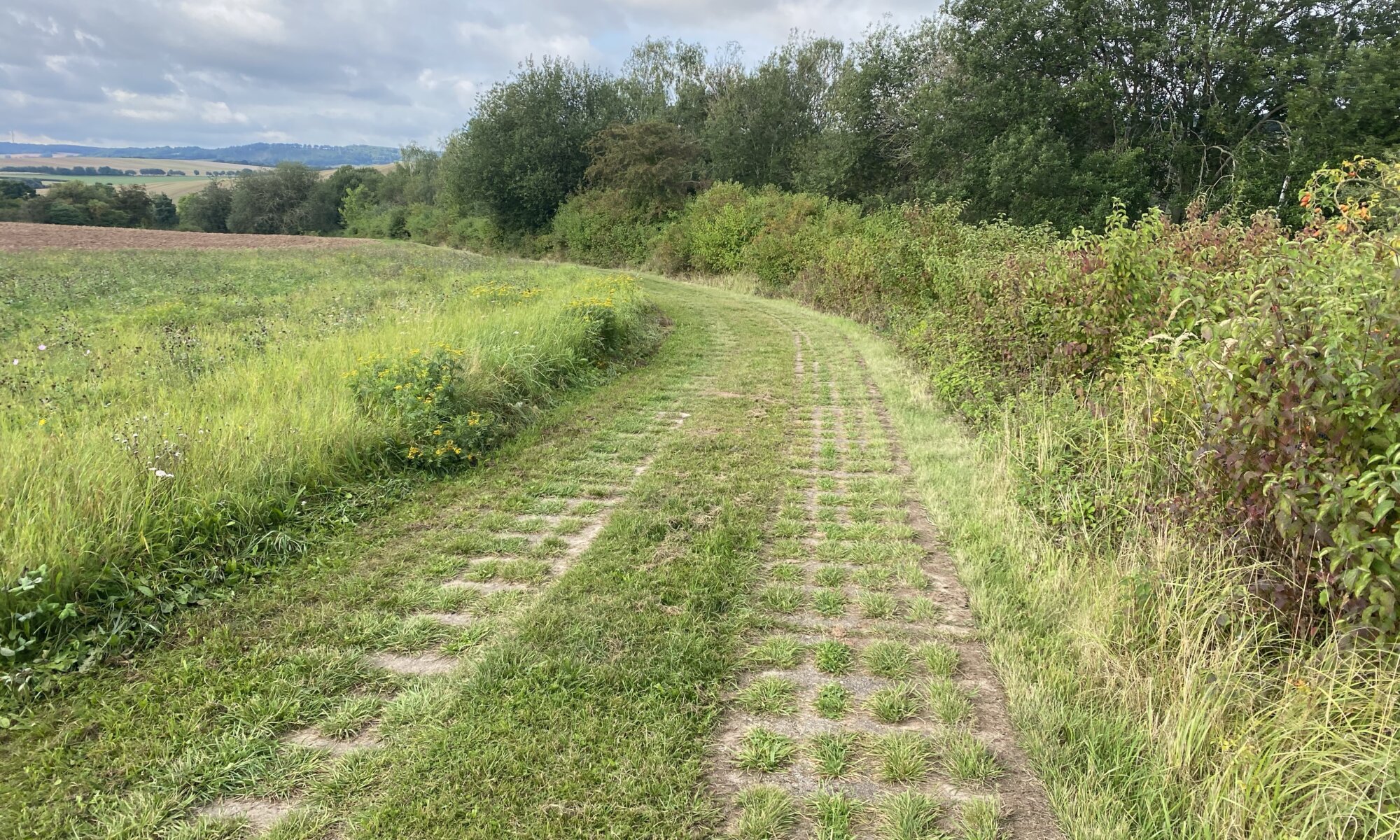
Grünes Band, Teistungen

When Germany was divided, a seven-hundred-kilometer-long border from the Baltic Sea to the Czech Republic existed. Without human life, but with a chance for nature to recover undisturbed. After the German reunification nature protection organizations worked on keeping this area as a nature protection zone and as in important migration path for animals. They called it Grünes Band (green stripe).

Continue reading “Grünes Band”

Grenzlandmuseum

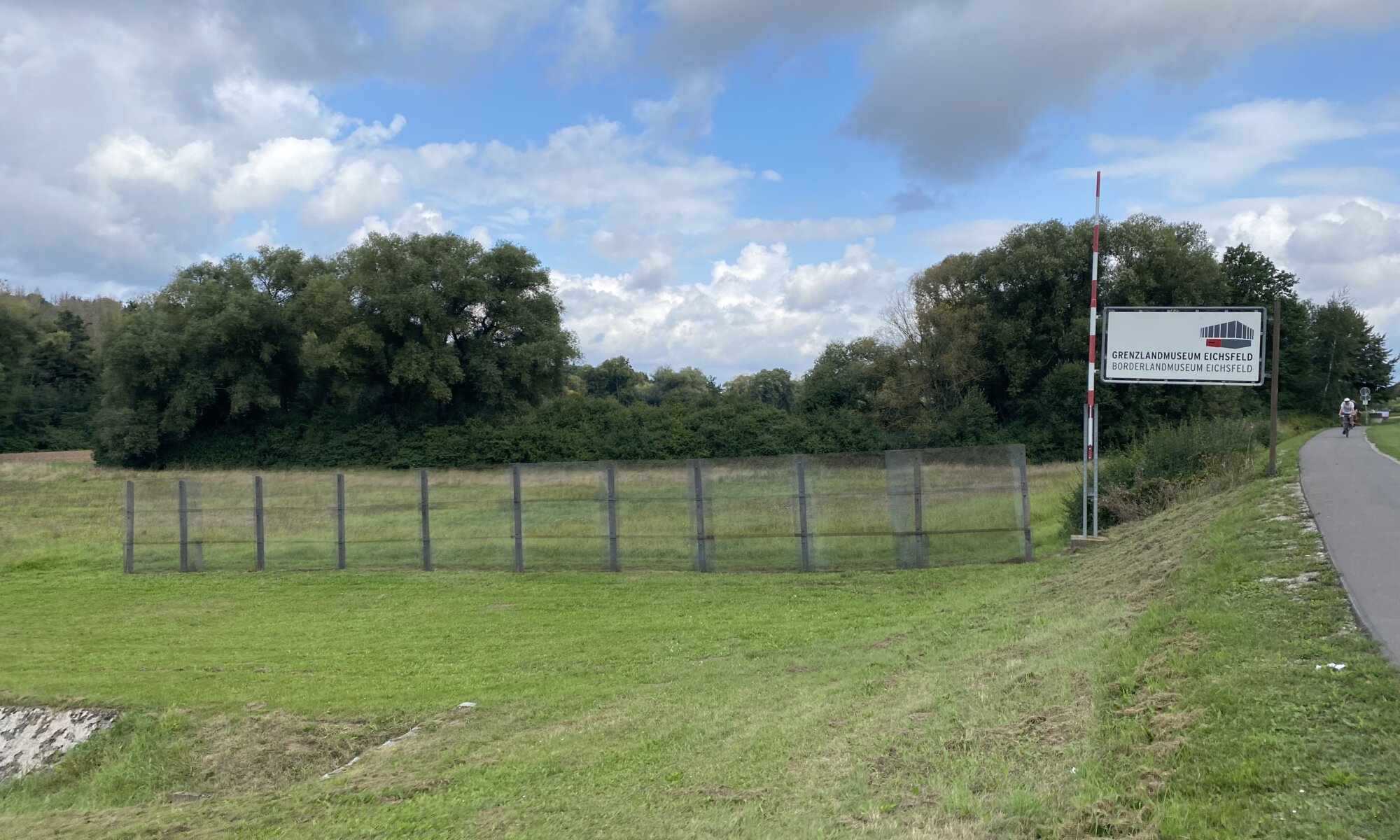
Grenzlandmuseum Eichsfeld, Teistungen

If you grow up in nowadays Germany you can’t imagine anymore that this country was once divided. That there was a well-protected and visible border through the country, visible as an illuminated stripe at night. That people were dying between BRD and DDR, along the iron curtain. There are some places throughout Germany where you can learn about this. The best I’ve seen so far is located south of Duderstadt: The Grenzlandmuseum Eichsfeld at Teistungen.

Continue reading “Grenzlandmuseum”