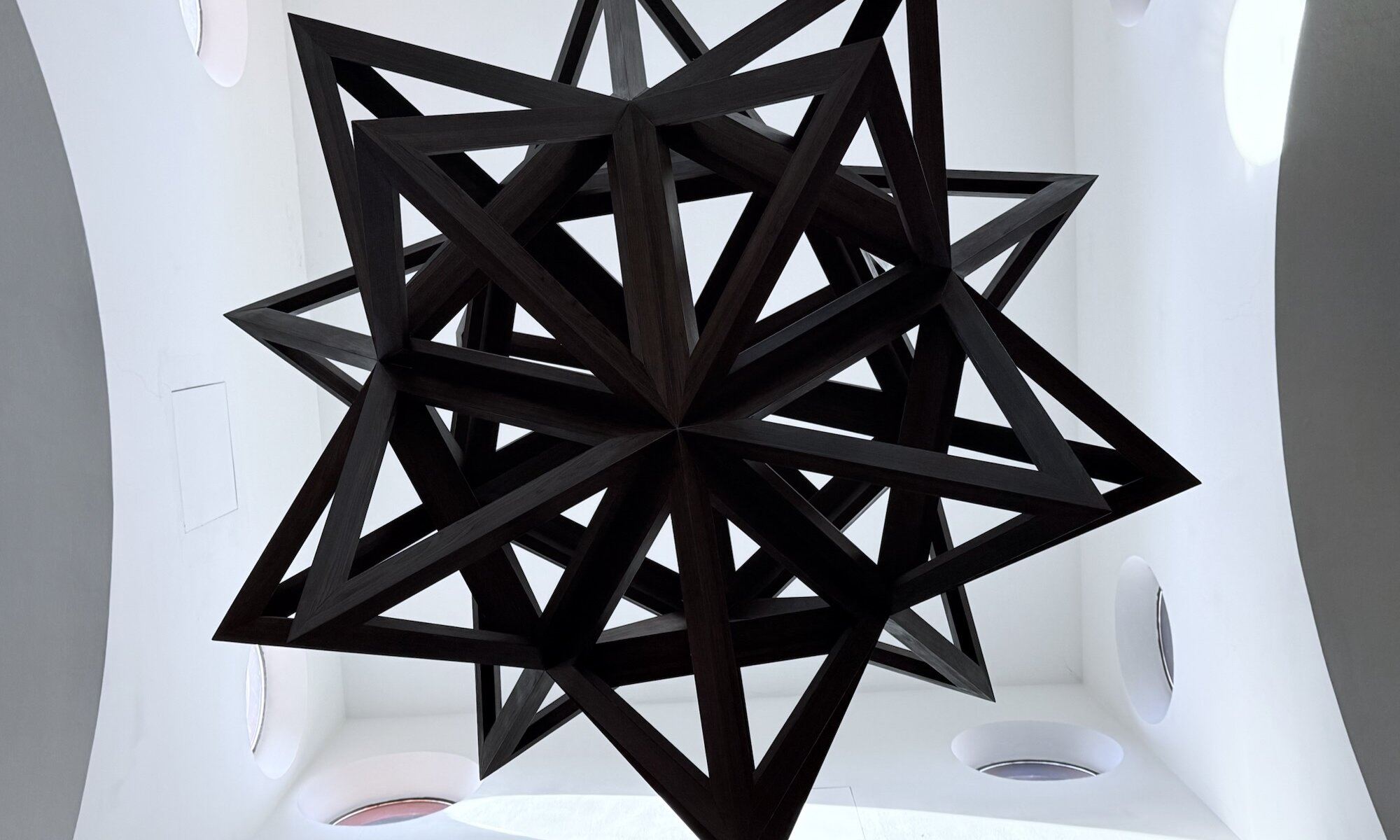
The Triennale di Milano stands as one of Italy’s foremost institutions dedicated to design, architecture, and contemporary culture. Founded in 1923 in Monza as the Biennale of Decorative Arts before moving permanently to Milano in 1933, it soon established itself as a reflection of Italy’s modern identity. Its home, the Palazzo dell’Arte in Parco Sempione, was designed by Giovanni Muzio and remains an architectural statement in itself – rational yet elegant, designed to accommodate large-scale exhibitions that connect art, design, and technology.
Continue reading “Triennale”Scienza e tecnologia
The Museo Nazionale della Scienza e della Tecnologia Leonardo da Vinci in Milano is one of Europe’s most compelling institutions dedicated to science, innovation, and engineering. Housed in a former Benedictine monastery near the Navigli district, the museum combines architectural charm with vast, modern exhibition spaces. Its focus lies not only on Leonardo’s extraordinary visions but also on Italy’s broader contributions to industrial and technological progress. Visitors find a seamless blend of history and modernity here, where centuries-old inventions are presented alongside cutting-edge scientific demonstrations.
Continue reading “Scienza e tecnologia”Sant’Ambrogio
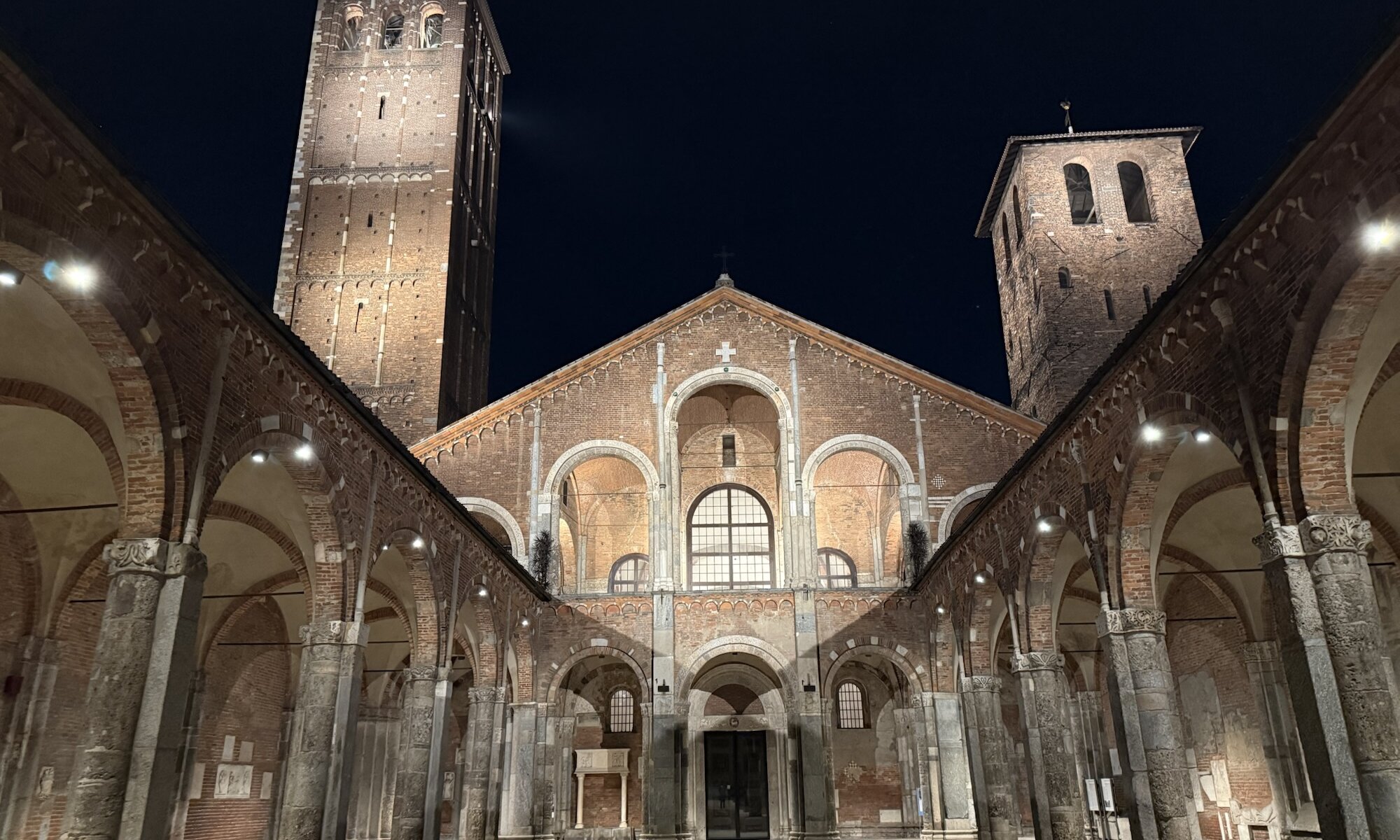
The Basilica of Sant’Ambrogio is one of Milano’s most distinguished landmarks, with roots reaching back to the earliest centuries of Christianity. Built originally in the late fourth century, it stands on a site that was then far beyond the Roman walls, chosen by its namesake, Bishop Ambrose, one of Milano’s most influential figures. Over the centuries, the church has been rebuilt and restored, particularly in the Romanesque period of the 11th and 12th centuries, which gave it the distinctive appearance we see today. Despite renovations after wartime damage, the basilica has preserved its solemn, ancient character, serving as a powerful reminder of Milano’s early Christian heritage.
Continue reading “Sant’Ambrogio”Castello Sforzesco
The Castello Sforzesco stands as one of Milano’s most recognisable landmarks, a formidable red-brick fortress that has witnessed the city’s shifting fortunes over several centuries. Originally built in the 14th century by the Visconti family, it served as both a defensive stronghold and a symbol of dynastic power. When the Sforza family rose to prominence in the 15th century, Francesco Sforza ordered extensive reconstruction of the castle, transforming it from a military fort into a grand ducal residence. Through the Renaissance, it became not only a centre of governance but also a refined courtly residence that reflected Milano’s growing cultural prestige.
Continue reading “Castello Sforzesco”Parco Sempione
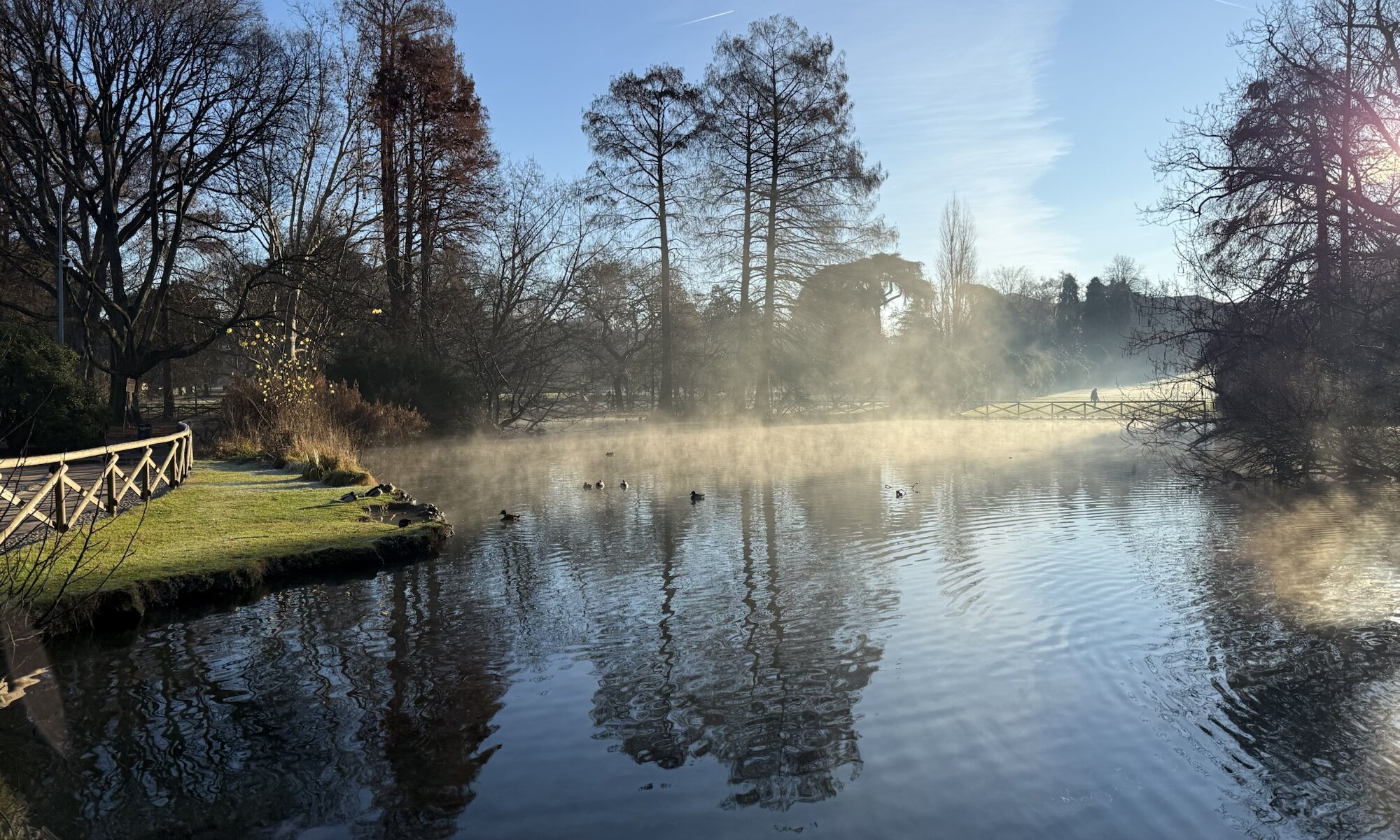
Parco Sempione is the green heart of central Milano, unfolding immediately behind the massive walls of Castello Sforzesco and stretching out towards the Arco della Pace. It feels like a deliberate counterpoint to the city’s dense traffic and fashion-conscious streets, offering long perspectives of lawn, water and monumental stone framed by mature trees.
Continue reading “Parco Sempione”Cimitero Monumentale
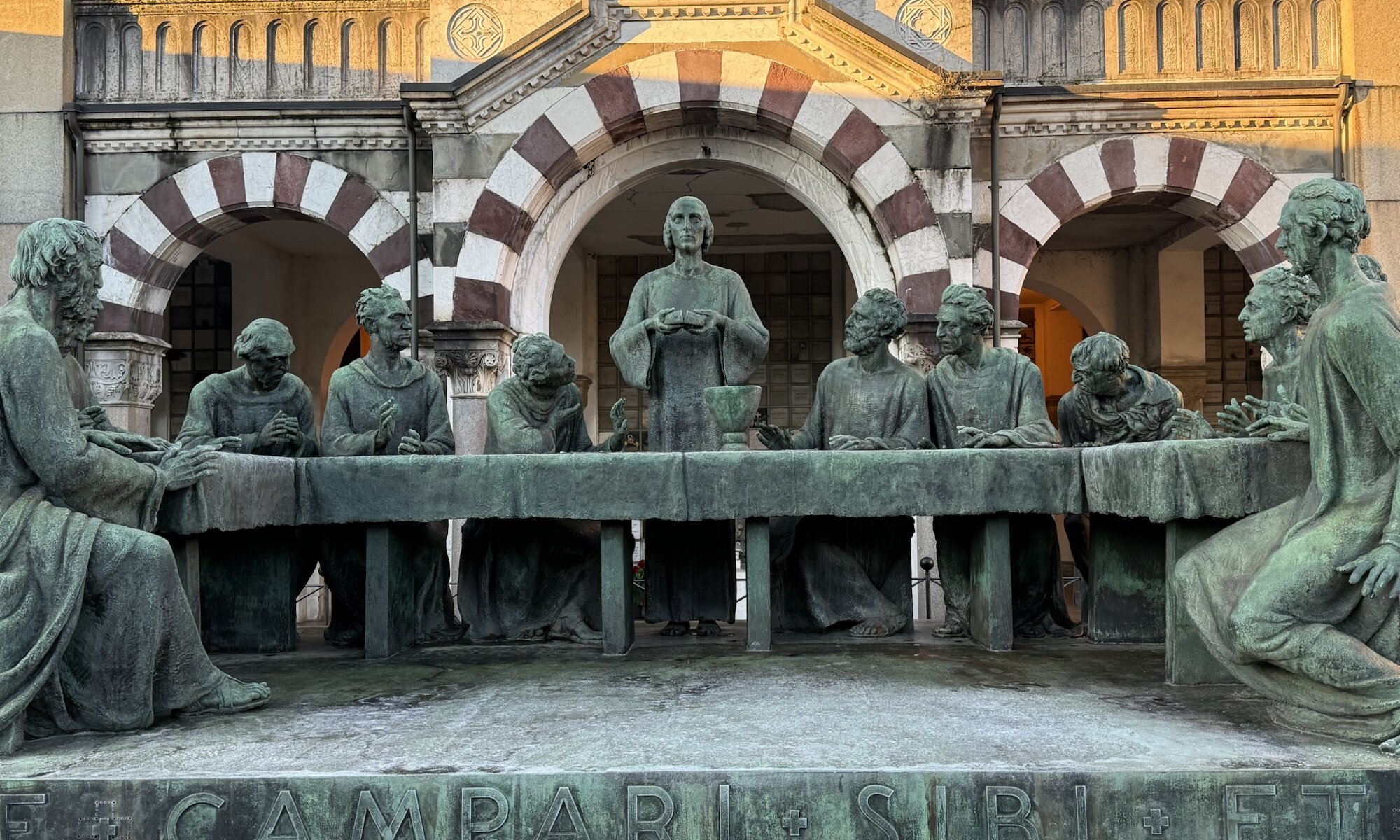
The Cimitero Monumentale in Milano is far more than a burial ground; it is a vast open-air museum reflecting the city’s changing artistic and social character since the nineteenth century. Opened in 1866, it was created to unify Milano’s smaller cemeteries into one grand site worthy of a modern, industrialising metropolis. The architect Carlo Maciachini designed it in an eclectic style blending Byzantine, Gothic and Romanesque elements, resulting in a structure that feels both solemn and theatrical. The grand entrance, the Famedio – initially intended as a pantheon for Milano’s most illustrious figures – sets the tone with its striking marble façade and towering spire.
Continue reading “Cimitero Monumentale”Arco della Pace
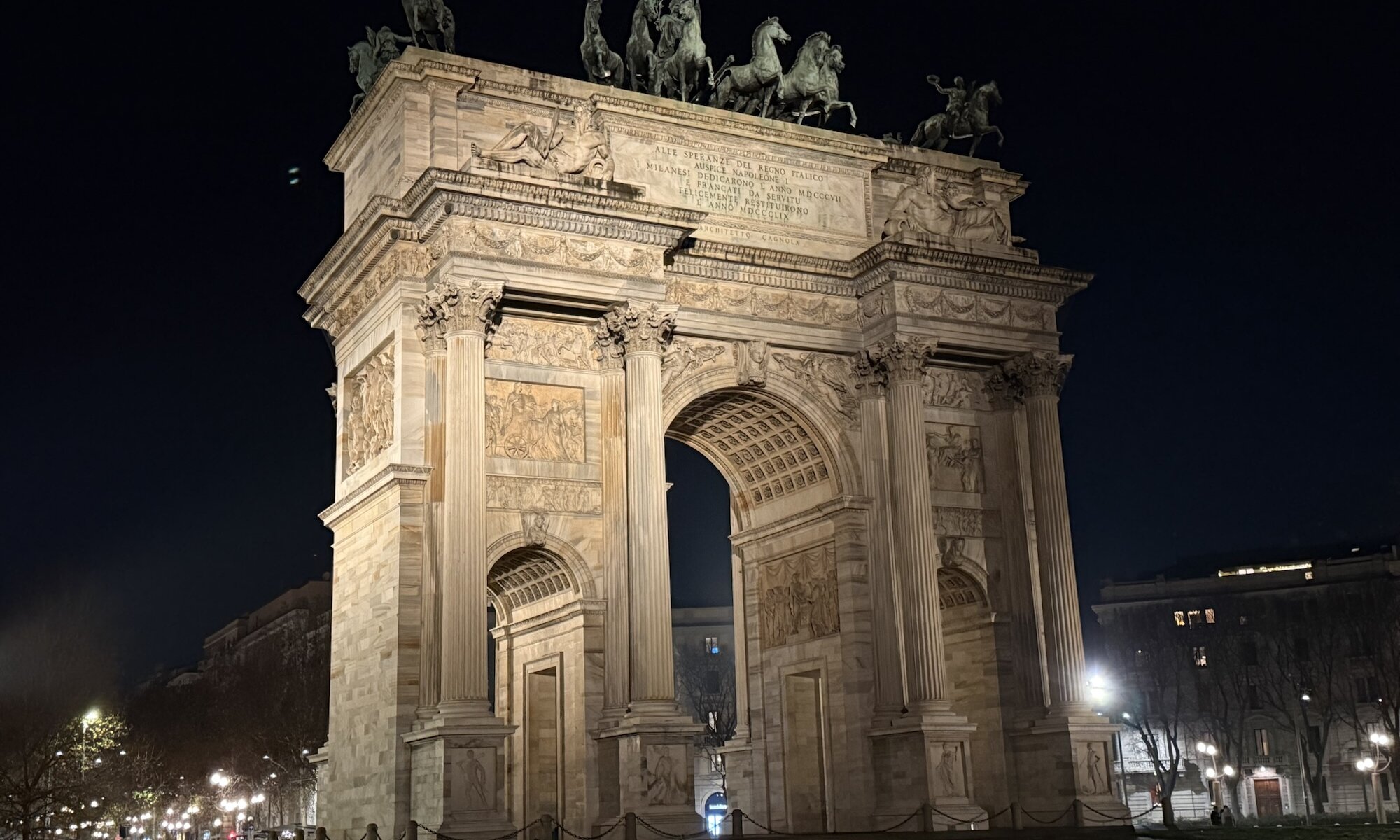
The Arco della Pace in Milano is a grand neoclassical monument, originally conceived during Napoleon’s era as a symbol of victory. Construction began in 1807 under architect Luigi Cagnola to commemorate French triumphs, such as the Battle of Jena, but halted with Napoleon’s fall in 1814. Resumed under Austrian rule in 1826, it was rededicated to peace following the Congress of Vienna in 1815 and completed in 1837, marking Milano’s layered history of conquest and reconciliation.
Continue reading “Arco della Pace”Fellini
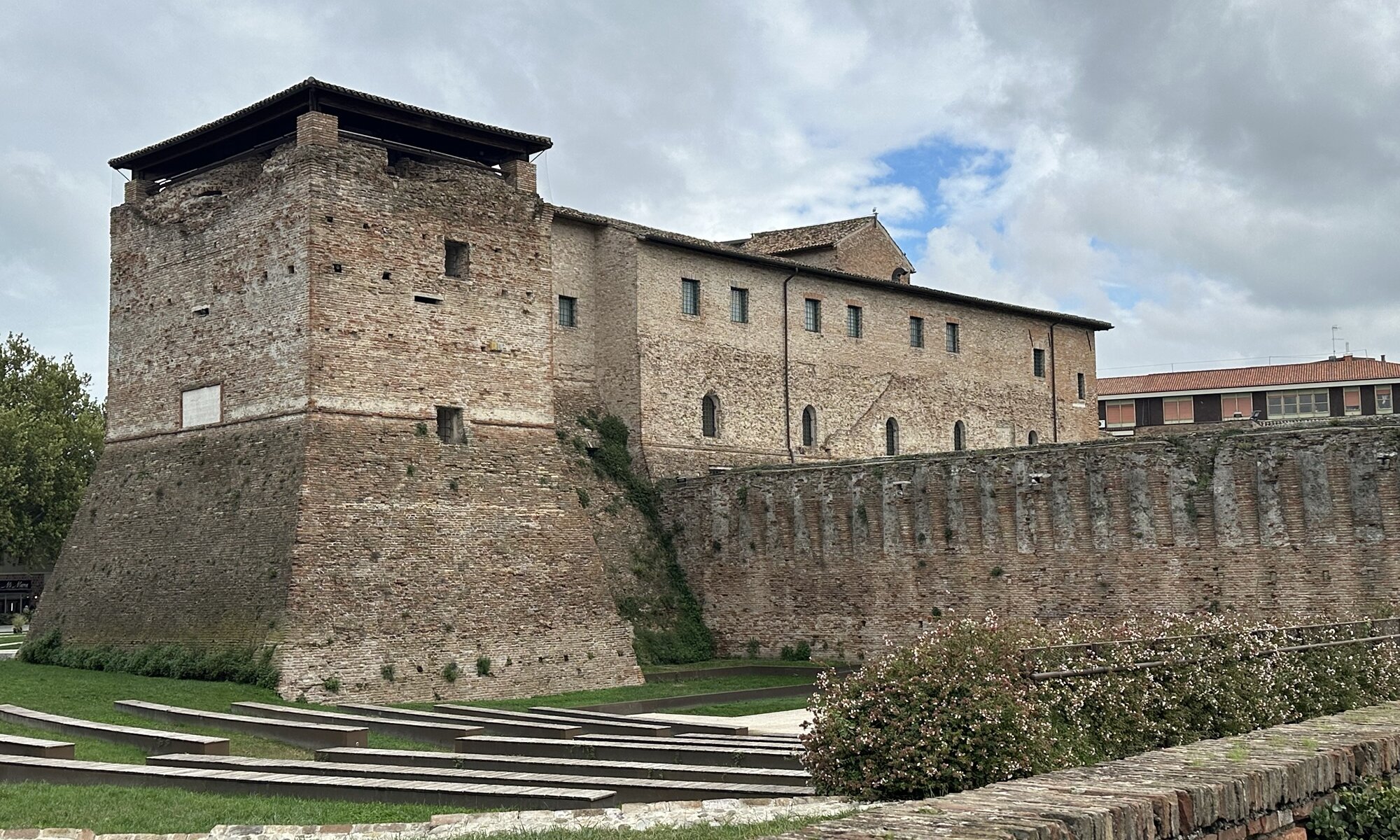
Everyone knows the famous Italian filmmaker Federico Fellini. Most famous for his 1960s movie La dolce vita with Marcello Mastroianni and Anita Ekberg (remember the scene at the Fontana di Travi?), his cinematic Œuvre includes 35 movies like La Strada, Amarcord and Otto e mezzo. He died in 1993 at Roma but he was born in 1920 at Rimini – and for sure they had to create a kind of monument for him here. The Museum Fellini can be found across three locations close to each other in the city center: the Castel Sismondo, the Piazza Malatesta in front of it and the modern location within the Palazzo del Fulgor.
Continue reading “Fellini”Via Flaminia
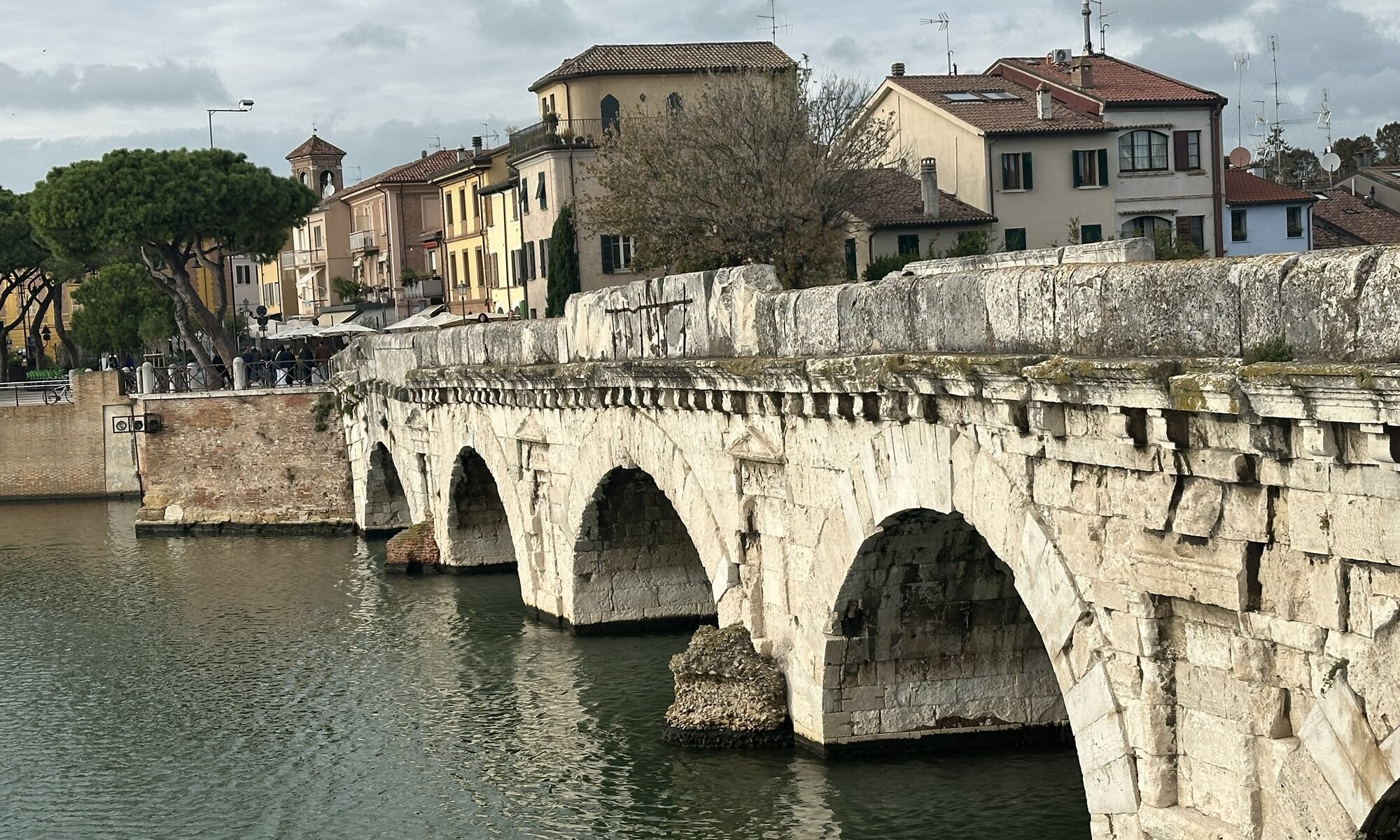
In 220 BCE Roman censor Gaius Flaminius ordered the creation of the Via Flaminia, a road connecting Roma with the Adriatic coast. It led all the way to Ariminium, todays Rimini. The endpoint of the Via Flaminia was the Arch of Augustus named after the first Roman emperor – and it is there still today, with its Roman inscriptions and images of Roman gods. But the Arco d’Augusto is not the only Roman trace at Rimini, there is more to discover: especially a beautiful bridge.
Continue reading “Via Flaminia”MAMbo
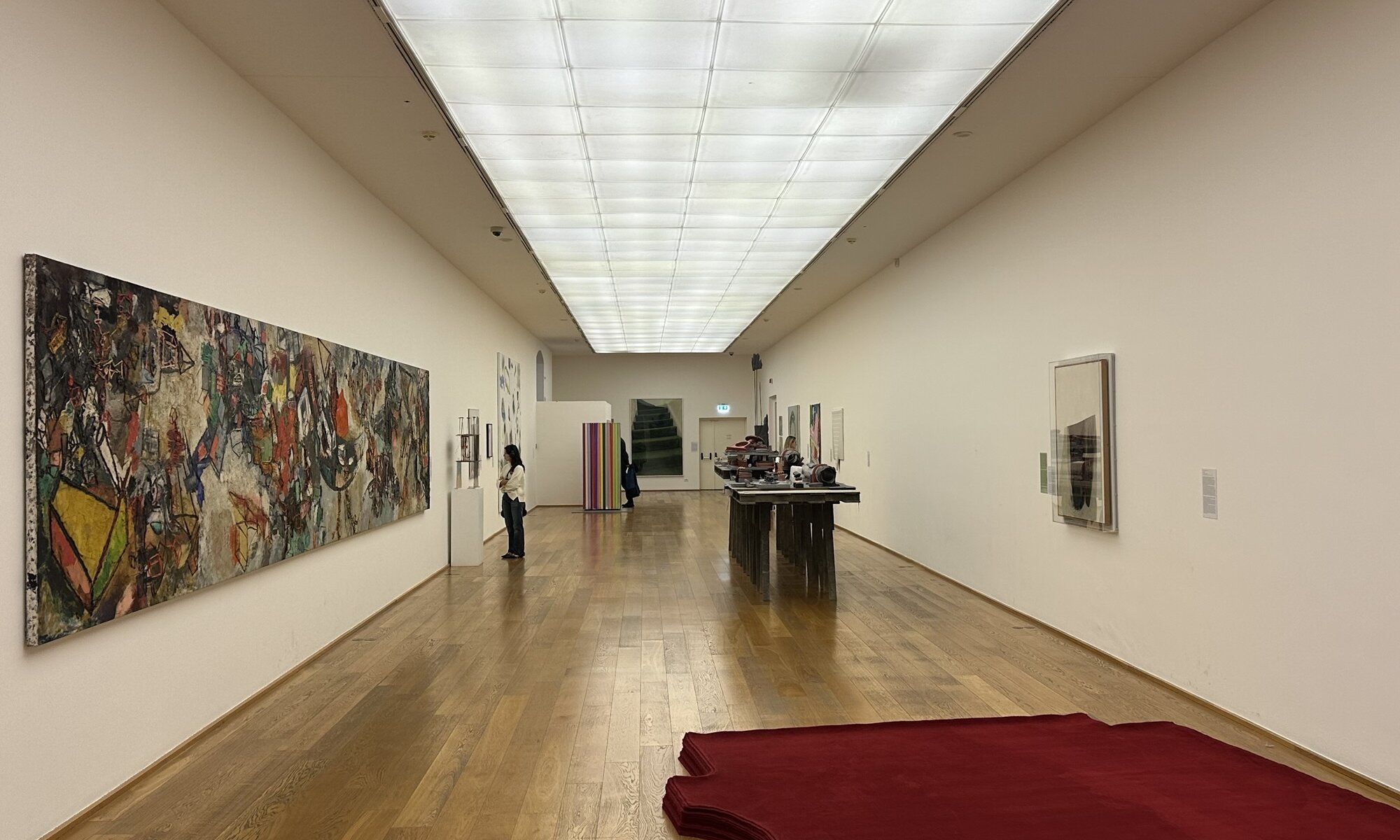
If you’re looking for modern art at Bologna, make sure to visit the former industrial zone southwest of Bolognas main railway station: former industry buildings like a tobacco factory, a paper mill and a salt storage have been re-purposed. The bread factory is now inhabited by the Museo d’Arte Moderna di Bologna – or short: MAMbo. Large rooms with high ceilings offer the perfect setting to present contemporary Italian art.
Continue reading “MAMbo”