Depressive

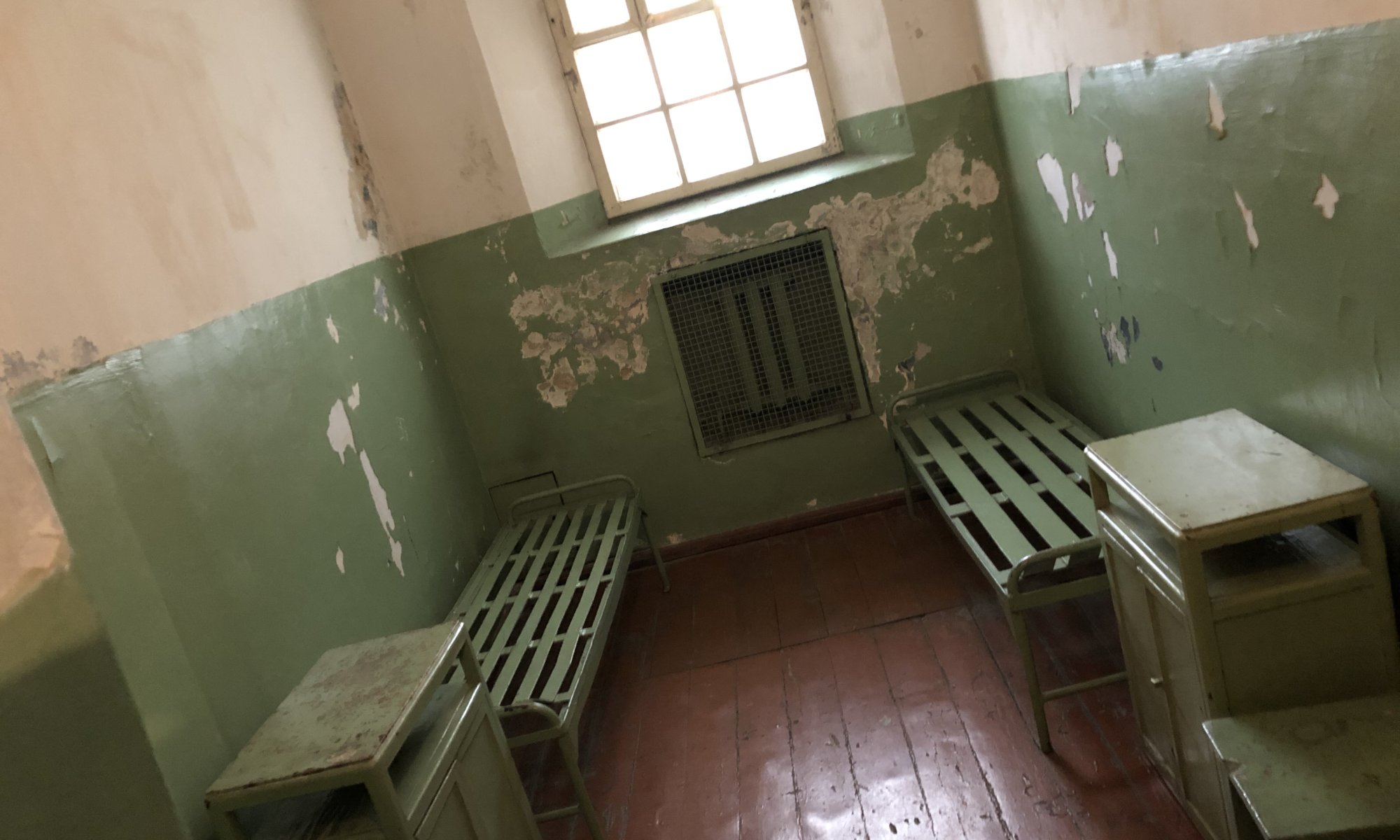
KGB prision, Vilnius

The occupation and freedom museum (Okupacijų ir laisvės kovų muziejus) in Vilnius, Lithuania can really bring you to a bad mood. It is a museum about repression and it is located at the original place where everything happened (and there are not many authentic places like this – another example is the House of Terror at Budapest, Hungary). The building was originally a court of law, but in 1940 the Soviet KGB moved in, in 1941 the German Gestapo took over and later in 1941 the KGB came back. Both used this place for torture, interrogations and executions of political enemies.

Continue reading “Depressive”

Lithuanian national museum

Lithuanian National Museum, Vilnius

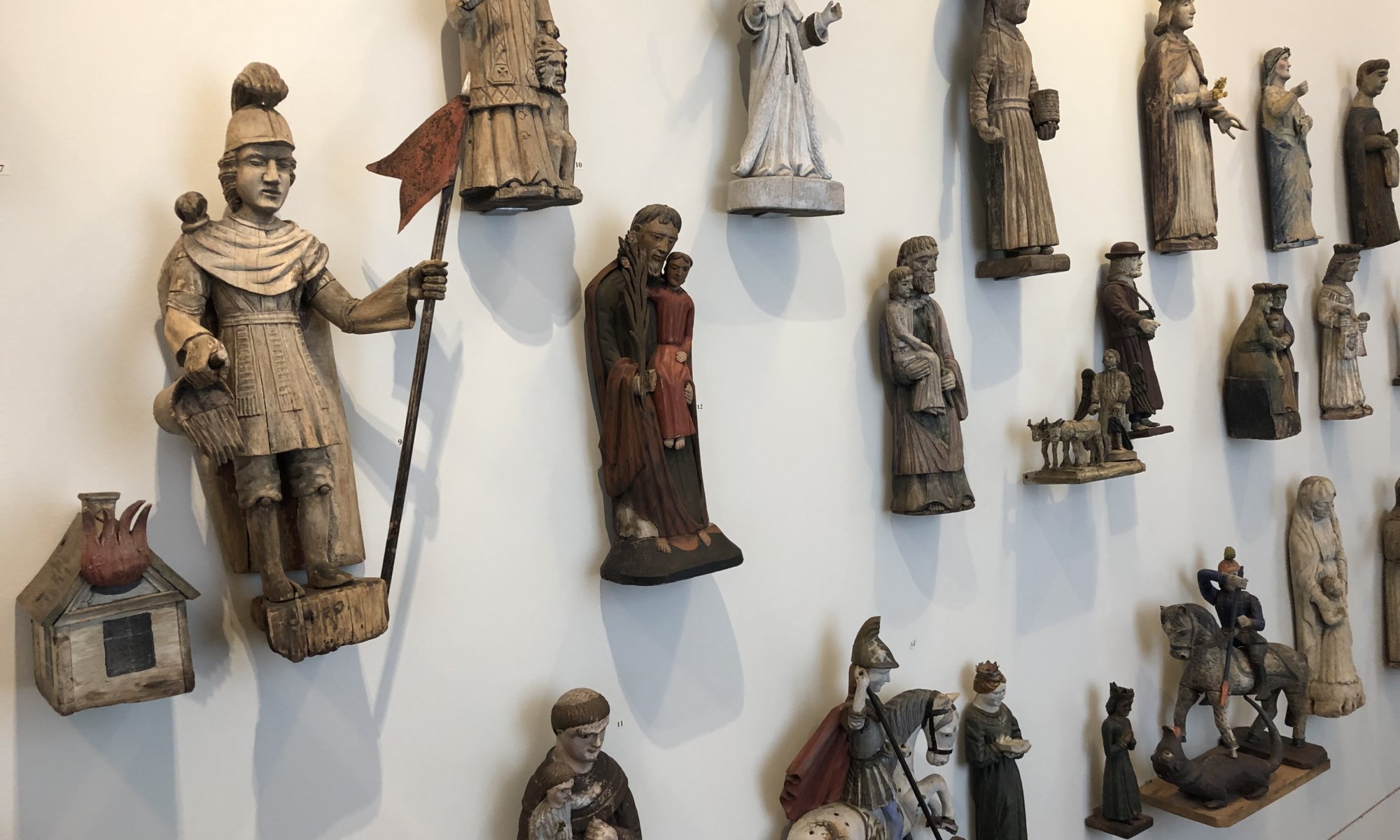
The national museum of Lithuania at Vilnius was founded in 1855 and preserves a large collection of historical items and documents. If you want to see all parts of the collection you’ll have to visit different buildings – the main location is the new arsenal in the former lower castle not far away from the cathedral square. The presentation of items in the museum is a bit old-school but it’s worth a visit if you’re interested in history.

Continue reading “Lithuanian national museum”

Šv. apaštalų Petro ir Povilo

St. Peter and Paul, Vilnius

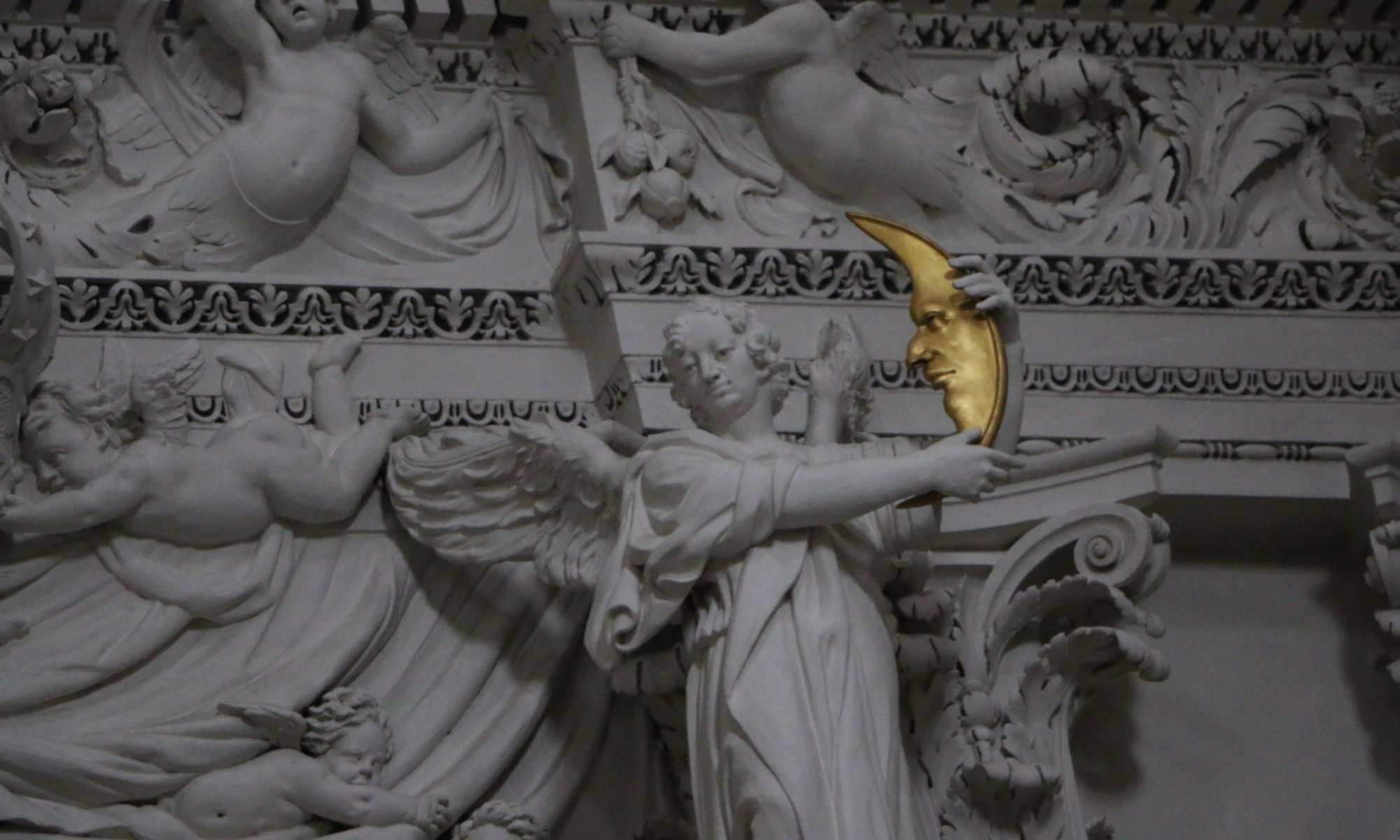
I didn’t know what to expect when taking the long walk to the St. Peter and Paul church a little bit aside of the city center of Vilnius, Lithuania. The high number of tourist busses in front of the church were a first indicator that something impressive is waiting inside. It is a catholic church in baroque style that contains a massive amount of white stucco inside. Take your time to discover all the beautiful artworks distributed throughout the church.

Continue reading “Šv. apaštalų Petro ir Povilo”

Gediminas tower

Gediminas tower, Vilnius

The Gediminas tower or Gedimino pilies bokštas is the town’s landmark of Vilnius, Lithuania. It is a tower made of red bricks standing on a 142 meters high hill close to the river Neris. It is the only preserved tower of the castle built in 1323 by Gediminas the Grand Duke of Lithuana. You can take the Gediminas hill lift, visit the museum inside the tower and climb on top of it to enjoy good views.

Continue reading “Gediminas tower”

Cathedral square

Cathedral square, Vilnius

The cathedral square is one of the most impressive public spaces in Vilnius, Lithuania. It is dominated by the Vilnius cathedral (Vilniaus Šv. vyskupo Stanislovo ir Šv. Vladislovo arkikatedra bazilika) in neoclassicistic style which was opened in 1801. The 52 meters high bell tower is standing separately next to the building – which is typical for churches in the Baltic area. It plays an important role in Lithuanian history as the Grand Dukes were crowned and important Lithuanian personalities are buried here.

Continue reading “Cathedral square”

Kaunas

Castle, Kaunas

Kaunas is the second largest city of Lithuania with around 300.000 inhabitants and is located at the confluence of the two rivers Nemunas and Neris. A castle at this place was first mentioned in the year 1361. It later became an important center of Jewish life in the region. When in 1920 Vilnius, the capital city of Lithuania became Polnish the city of Kaunas became provisory capital city until 1940.

Continue reading “Kaunas”

Kryžių kalnas

Hill of Crosses, Lithuania

The most famous place in rural Lithuana is the hill of crosses (Kryžių kalnas) near Šiauliai. It is a catholic place of pilgrimage that many tourists visit. Countless crosses are assembled on a ten meters high hill and you can walk on a wooden path between the more than 100.000 crosses – or buy one at the shop yourself and add it to the collection.

Continue reading “Kryžių kalnas”

Cepelinai

Cepelinai, Lithuania

A traditional dish in Lithuania is Cepelinai and it is named like this as it looks like zeppelins. Cepelinai are potato dumplings filled with minced meat or quarg. The dish is also famous in Belorussia and Poland and is typically served with a sauce made of cream, onions and bacon.

Continue reading “Cepelinai”

Rundāle palace

Rundāles pils, Latvia

Somewhere in rural Latvia, not far away from the border to Lithuania you can find an impressive castle in baroque style: Rundāles pils, the Rundāle palace. It was designed with Versailles in mind and also has a french landscape garden – it is therefore often referred to as the Versailles of the Baltics. The palace was built between 1735 and 1740 by the order of empress Anna of Russia.

Continue reading “Rundāle palace”