Buenos Aires, the capital of Argentina, grew from a colonial settlement founded by the Spanish in the sixteenth century and re-established in 1580. Its position on the Río de la Plata made it an important port, although trade was initially restricted by Spanish colonial authorities. During the early nineteenth century, the city became a centre of resistance to British invasions and then to the independence movement; Argentina formally declared independence in 1816. Large waves of European immigration, especially from Italy and Spain, transformed Buenos Aires in the late nineteenth and early twentieth centuries, giving the city much of its language, cuisine, architecture and lively social character.
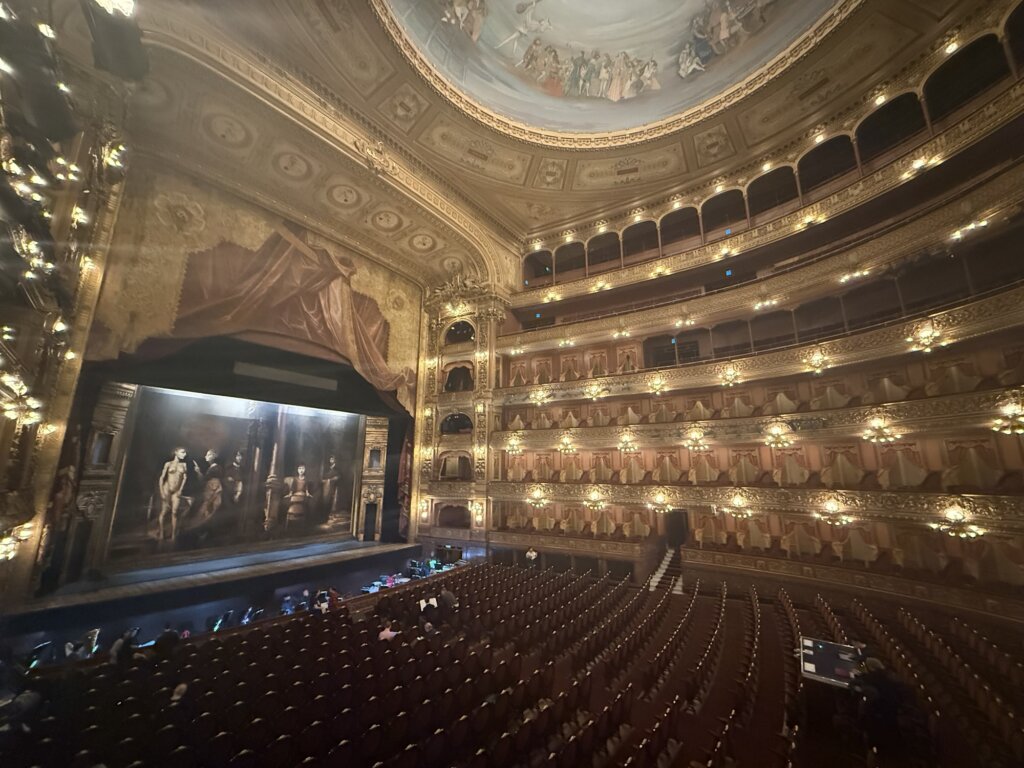
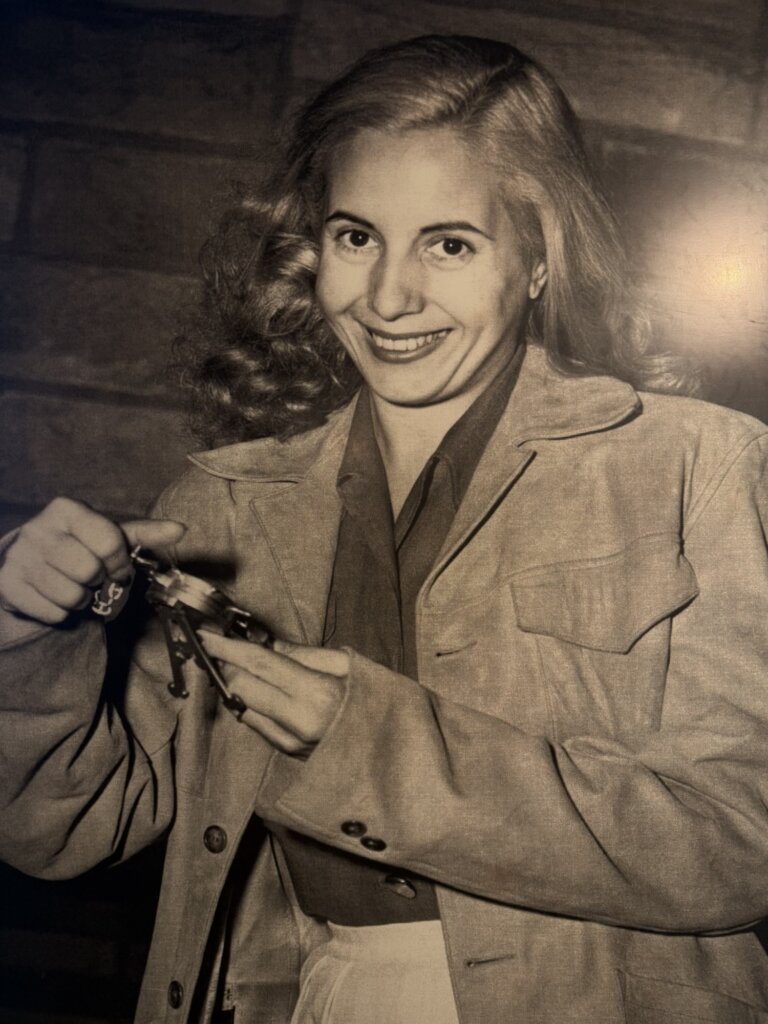
What makes Buenos Aires special is the way European influences blend with distinctly Argentine traditions. Grand avenues, elegant cafés and ornate theatres exist alongside colourful neighbourhoods, lively markets and the passionate rhythms of tango. The city is often described as the ‘Paris of South America‘, but that comparison only partly captures its identity: Buenos Aires has its own confident atmosphere, shaped by immigration, literature, football, politics and a strong culture of public life. A stroll through its neighbourhoods can reveal several different personalities within a single afternoon.
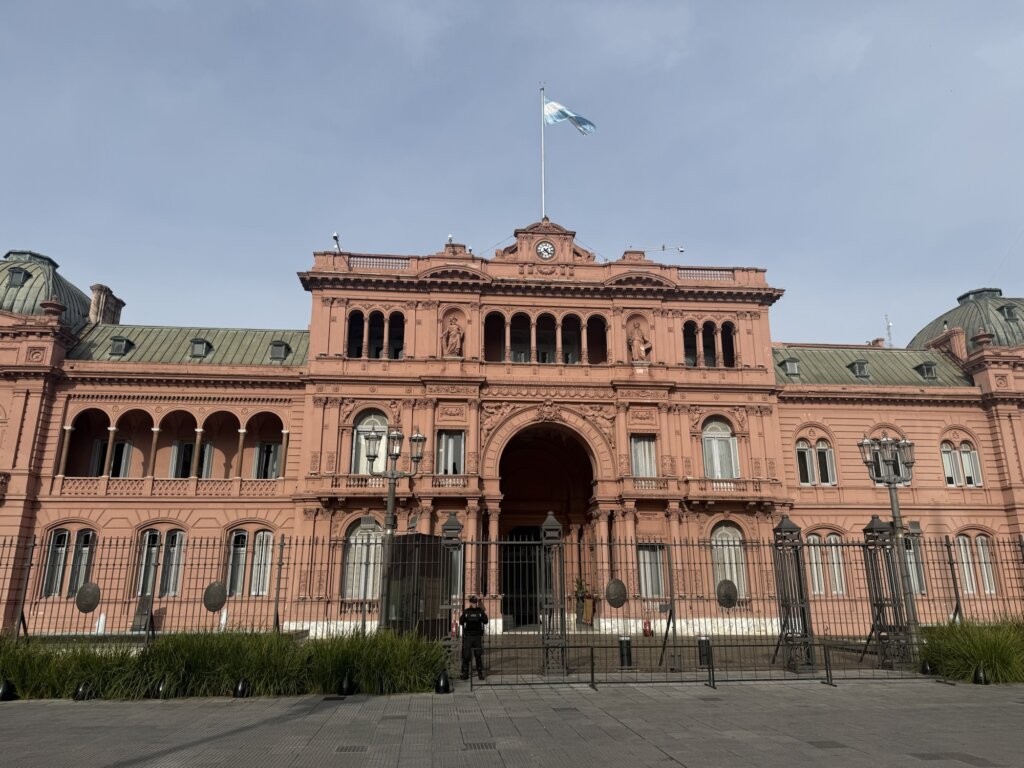
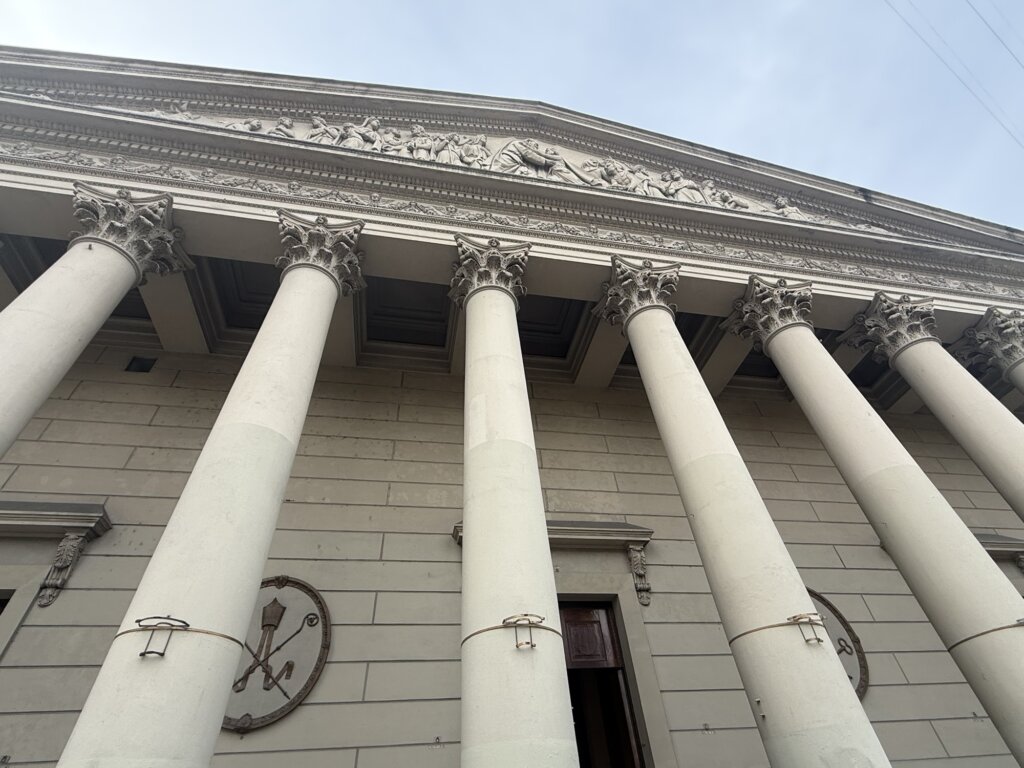
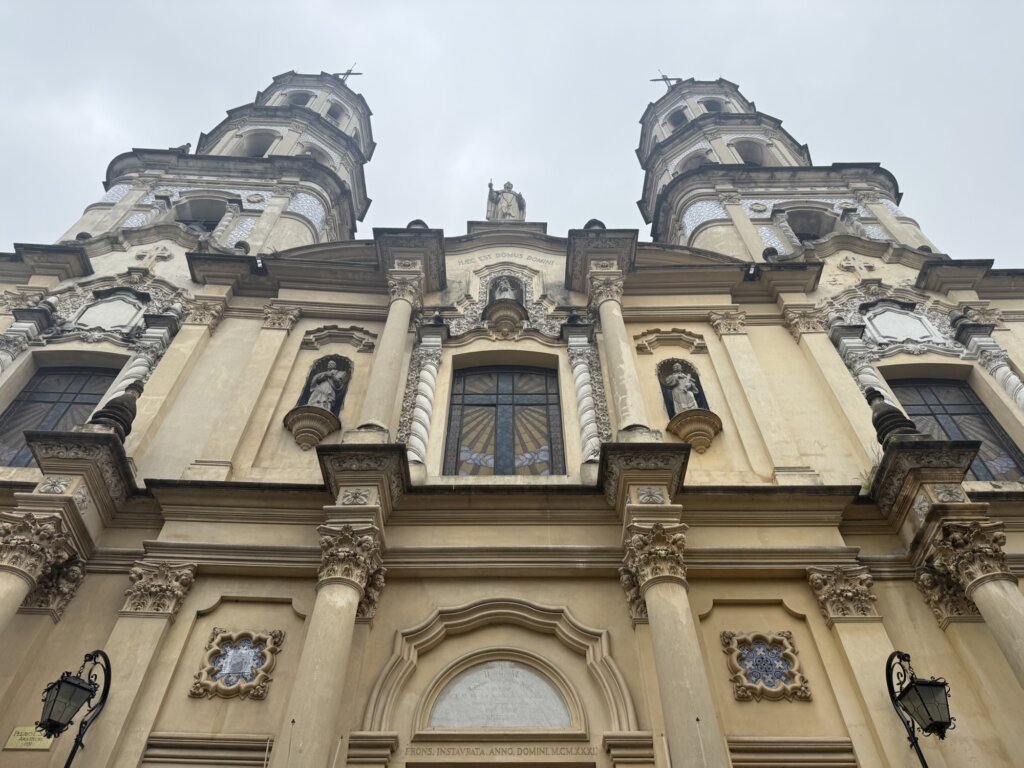
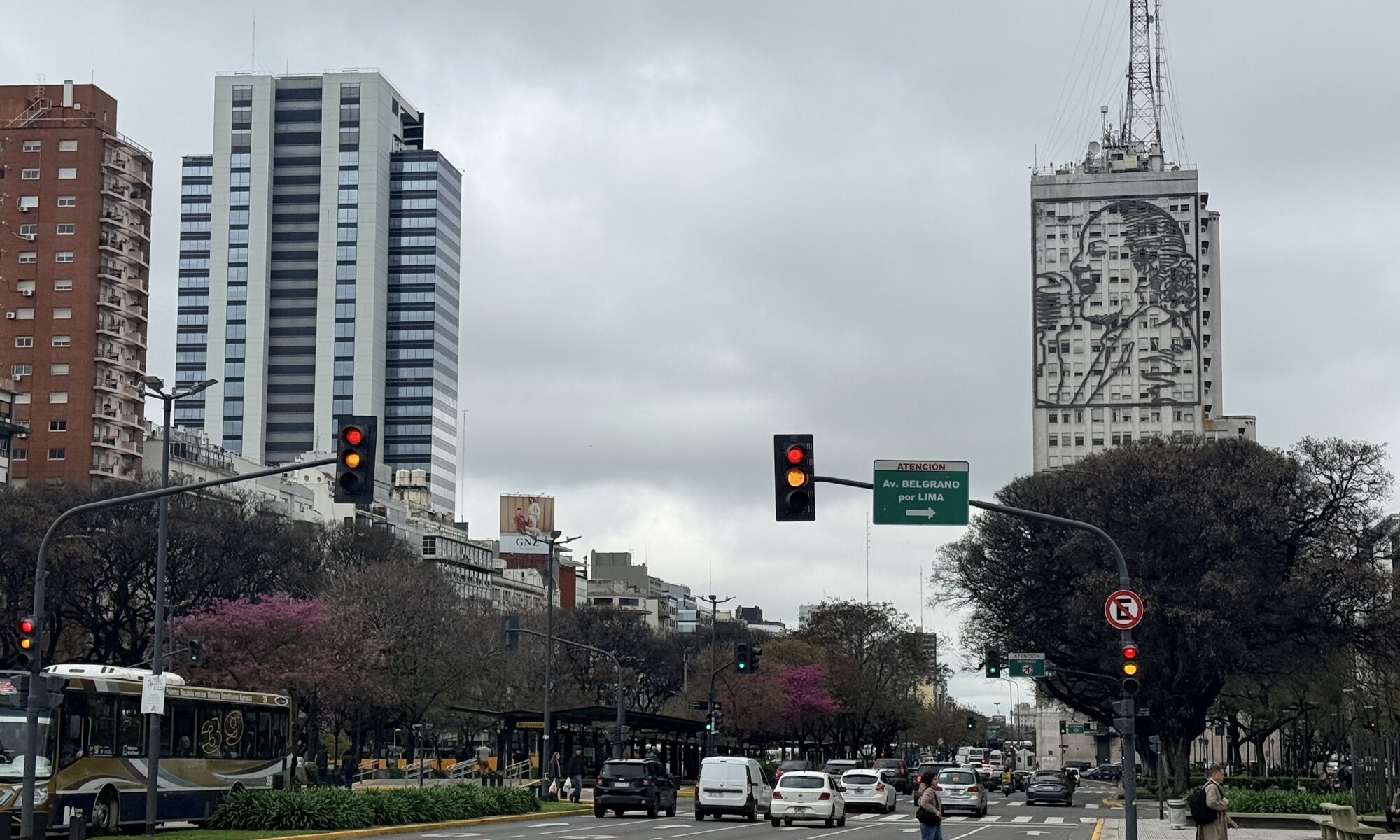
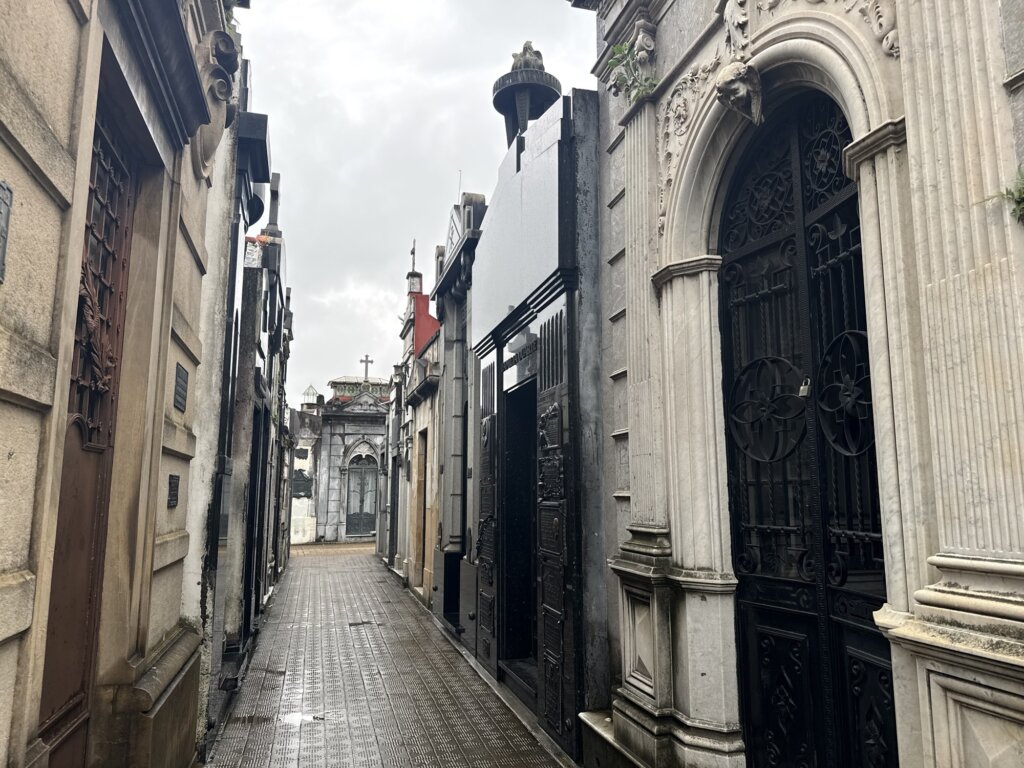
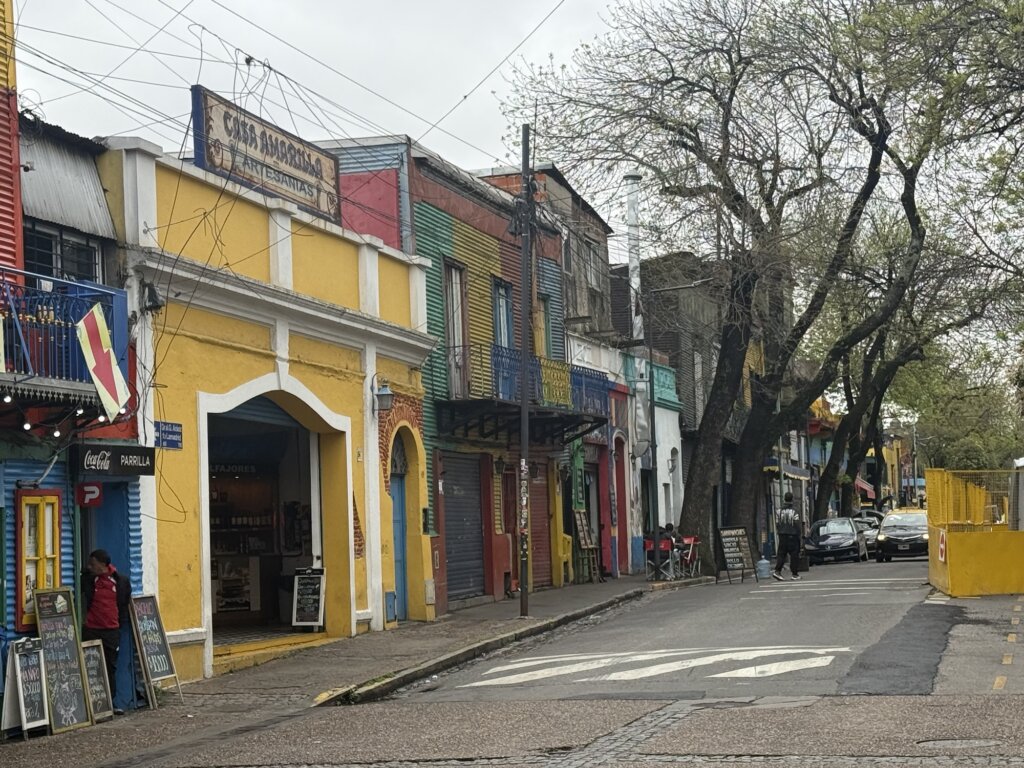
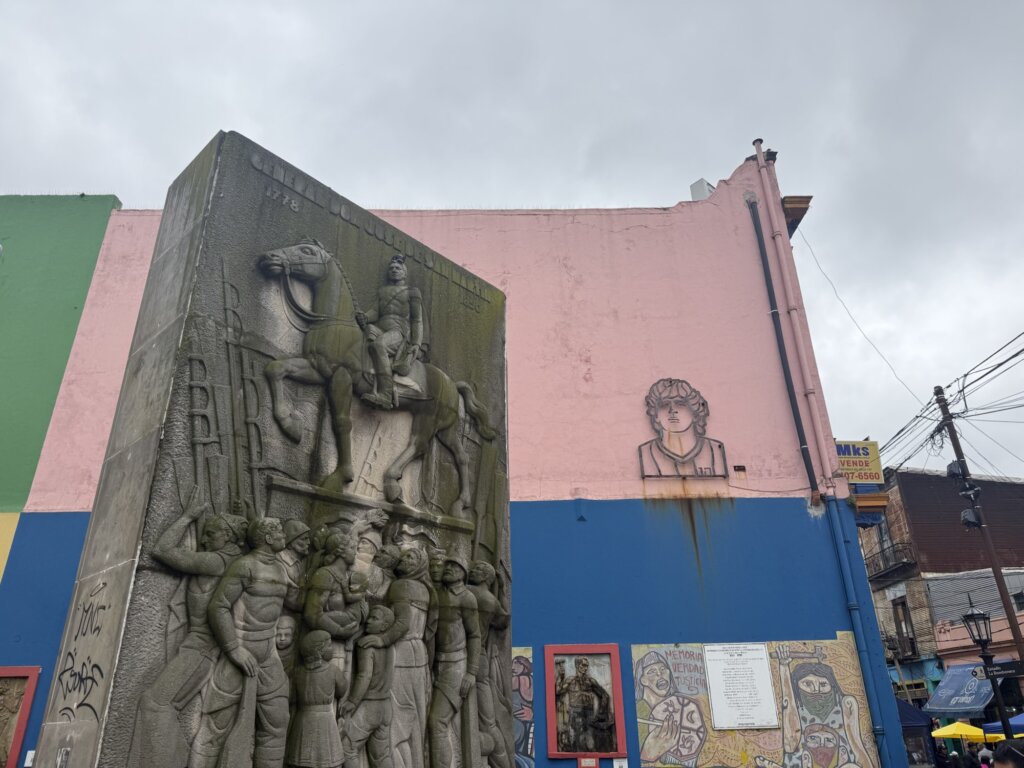
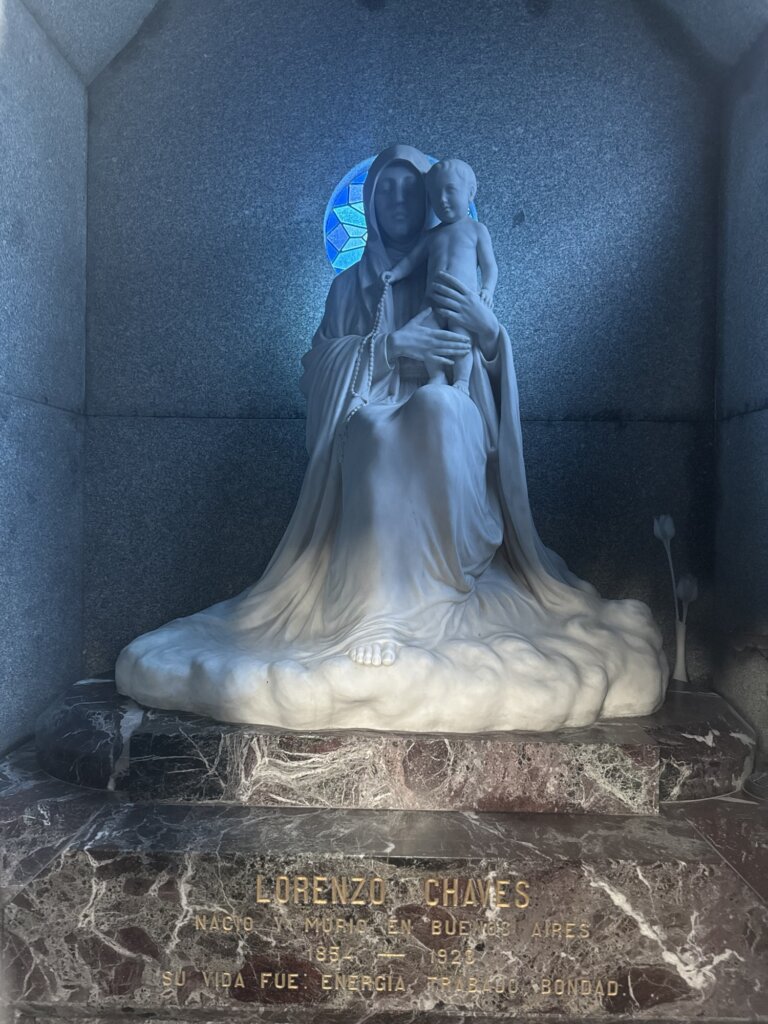
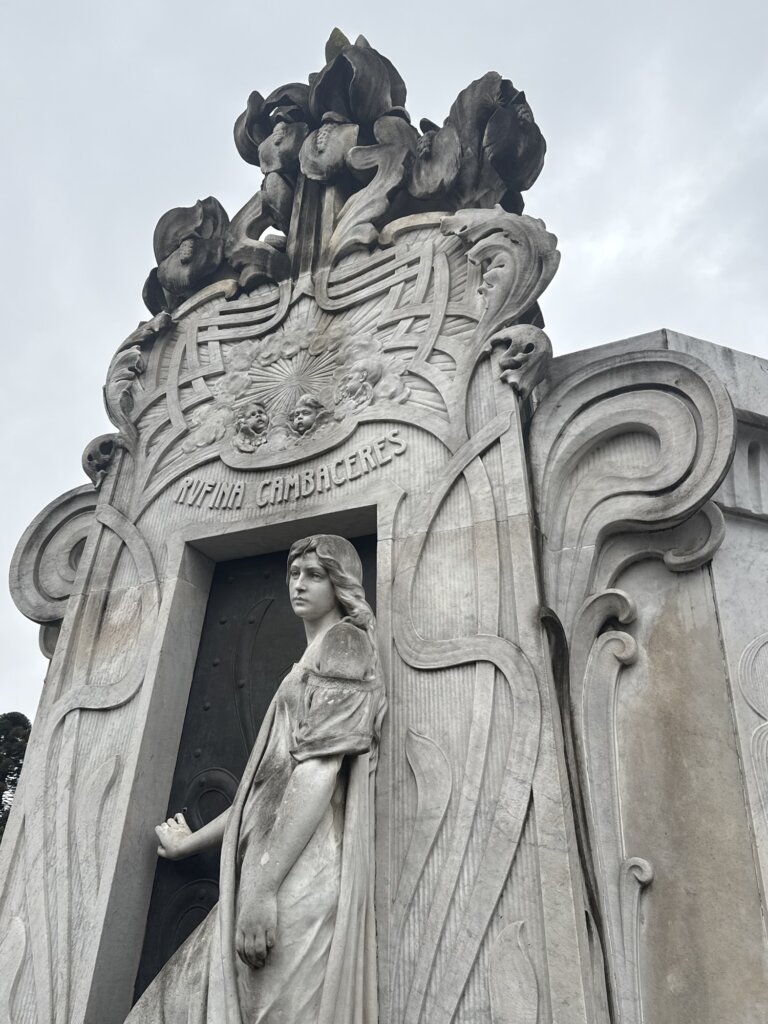
The most important sights include the Plaza de Mayo, the historic political heart of the city, with the Casa Rosada, the Metropolitan Cathedral and the Cabildo. Visitors should also see the Avenida 9 de Julio, the grand Teatro Colón, and the Recoleta cemetery, where Eva Perón – known affectionately as Evita – is buried. San Telmo is ideal for cobbled streets, antiques and tango, while La Boca is famous for its brightly painted buildings and artistic atmosphere, although visitors should remain attentive to their belongings. Palermo offers parks, museums, cafés and restaurants, and the modern Puerto Madero provides a contrasting waterfront district.
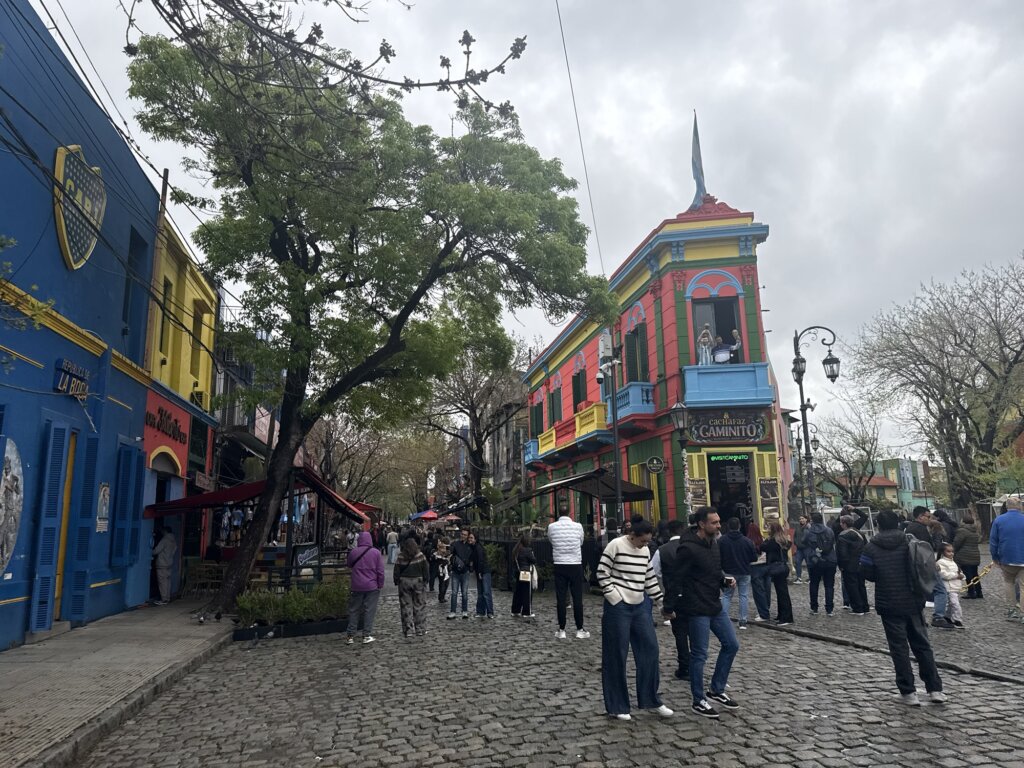
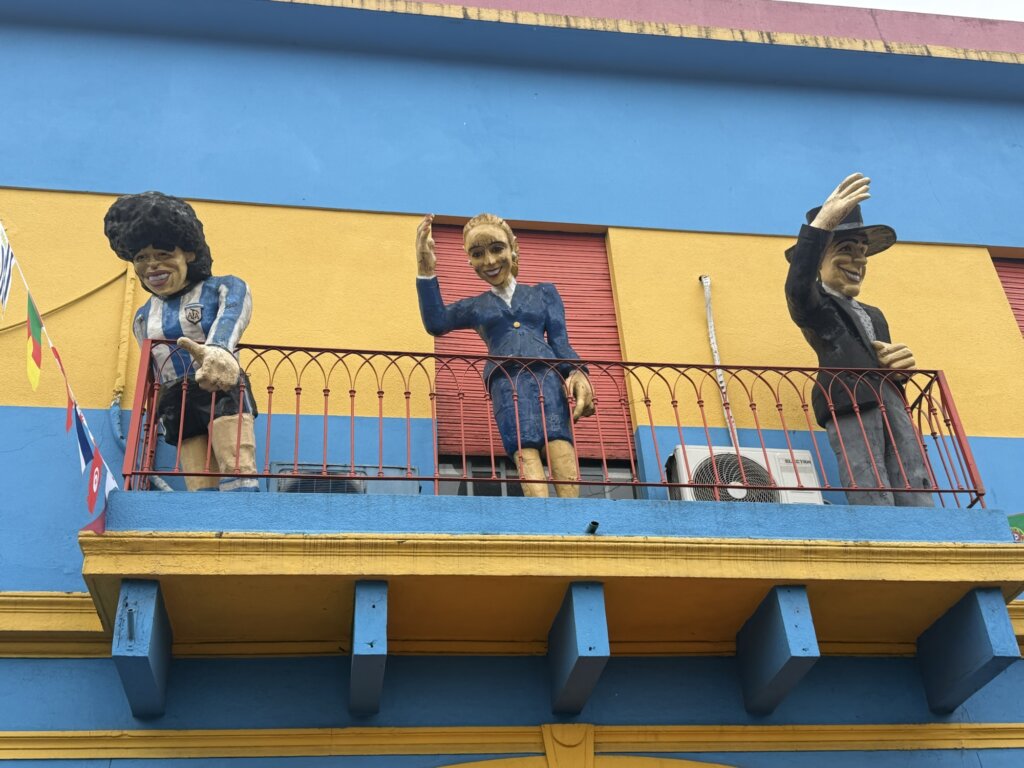
Football is another essential part of the city’s identity, and few figures are more revered than Diego Maradona. His brilliance, charisma and controversial life made him an almost mythical figure, particularly among supporters of Boca Juniors, whose La Bombonera stadium in La Boca is one of Buenos Aires’s best-known landmarks. Evita occupies a different but equally powerful place in the national imagination: as Eva Perón, she became a symbol of social welfare and Peronism, admired by many and fiercely criticised by others. Together, Maradona and Evita represent two of the personalities who have helped make Buenos Aires a city of extraordinary passion, symbolism and cultural memory.
Buenos Aires
Argentina
Loading map...
