Scienza e tecnologia

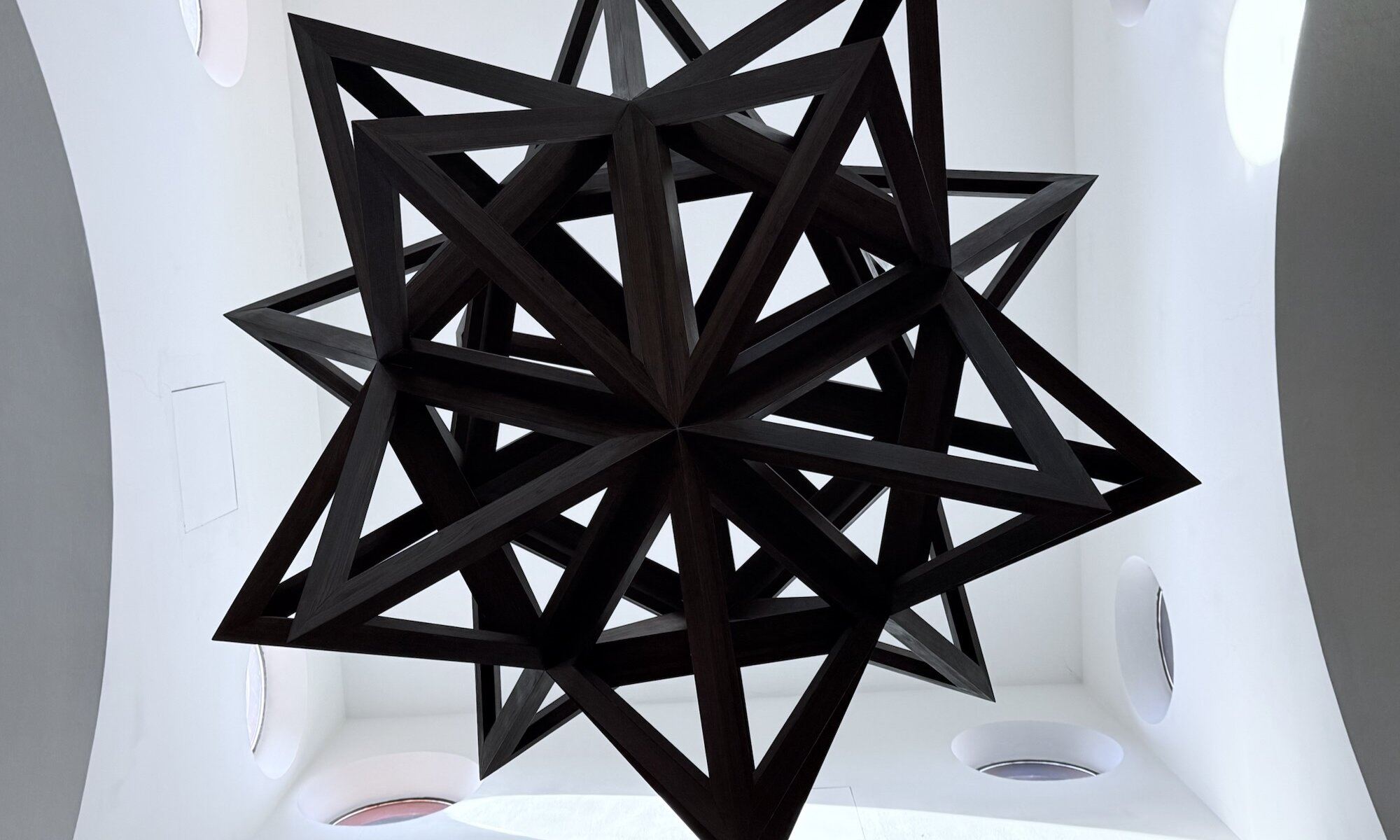
Museo Nazionale della Scienza e della Tecnologia Leonardo da Vinci, Milano

The Museo Nazionale della Scienza e della Tecnologia Leonardo da Vinci in Milano is one of Europe’s most compelling institutions dedicated to science, innovation, and engineering. Housed in a former Benedictine monastery near the Navigli district, the museum combines architectural charm with vast, modern exhibition spaces. Its focus lies not only on Leonardo’s extraordinary visions but also on Italy’s broader contributions to industrial and technological progress. Visitors find a seamless blend of history and modernity here, where centuries-old inventions are presented alongside cutting-edge scientific demonstrations.

Continue reading “Scienza e tecnologia”

Sant’Ambrogio

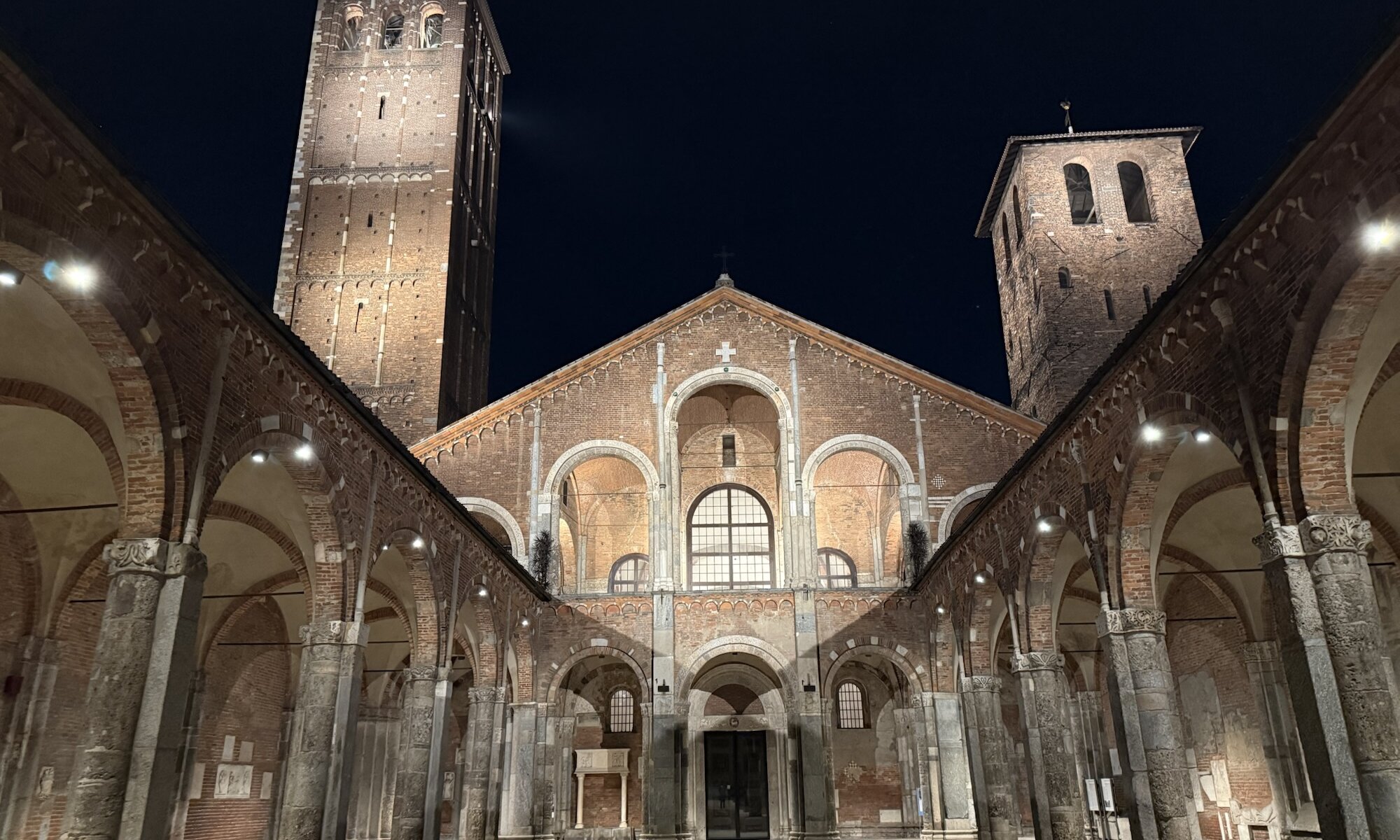
Sant'Ambroglio, Milano

The Basilica of Sant’Ambrogio is one of Milano’s most distinguished landmarks, with roots reaching back to the earliest centuries of Christianity. Built originally in the late fourth century, it stands on a site that was then far beyond the Roman walls, chosen by its namesake, Bishop Ambrose, one of Milano’s most influential figures. Over the centuries, the church has been rebuilt and restored, particularly in the Romanesque period of the 11th and 12th centuries, which gave it the distinctive appearance we see today. Despite renovations after wartime damage, the basilica has preserved its solemn, ancient character, serving as a powerful reminder of Milano’s early Christian heritage.

Continue reading “Sant’Ambrogio”

Castello Sforzesco

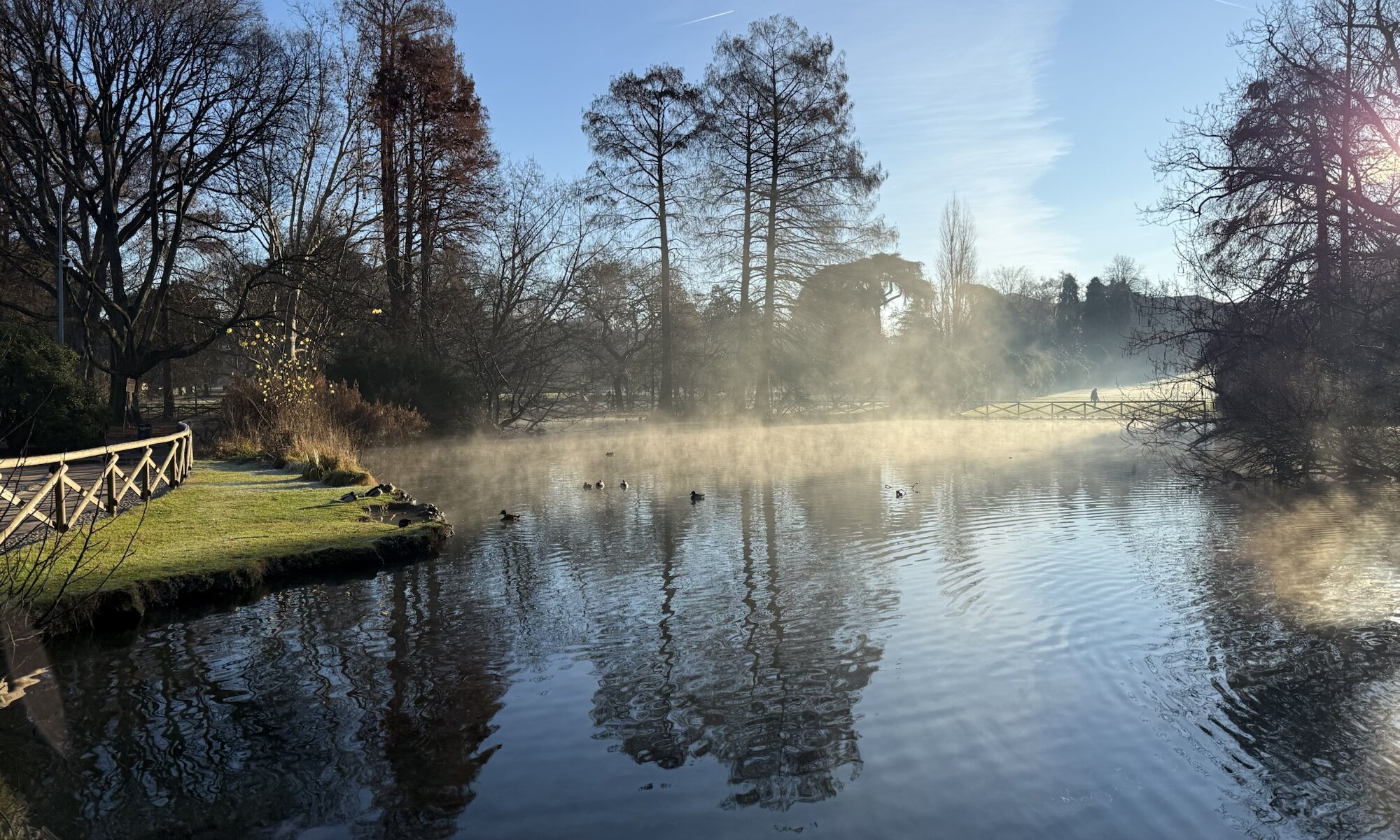
Castello Sforzesco, Milano

The Castello Sforzesco stands as one of Milano’s most recognisable landmarks, a formidable red-brick fortress that has witnessed the city’s shifting fortunes over several centuries. Originally built in the 14th century by the Visconti family, it served as both a defensive stronghold and a symbol of dynastic power. When the Sforza family rose to prominence in the 15th century, Francesco Sforza ordered extensive reconstruction of the castle, transforming it from a military fort into a grand ducal residence. Through the Renaissance, it became not only a centre of governance but also a refined courtly residence that reflected Milano’s growing cultural prestige.

Continue reading “Castello Sforzesco”

Cimitero Monumentale

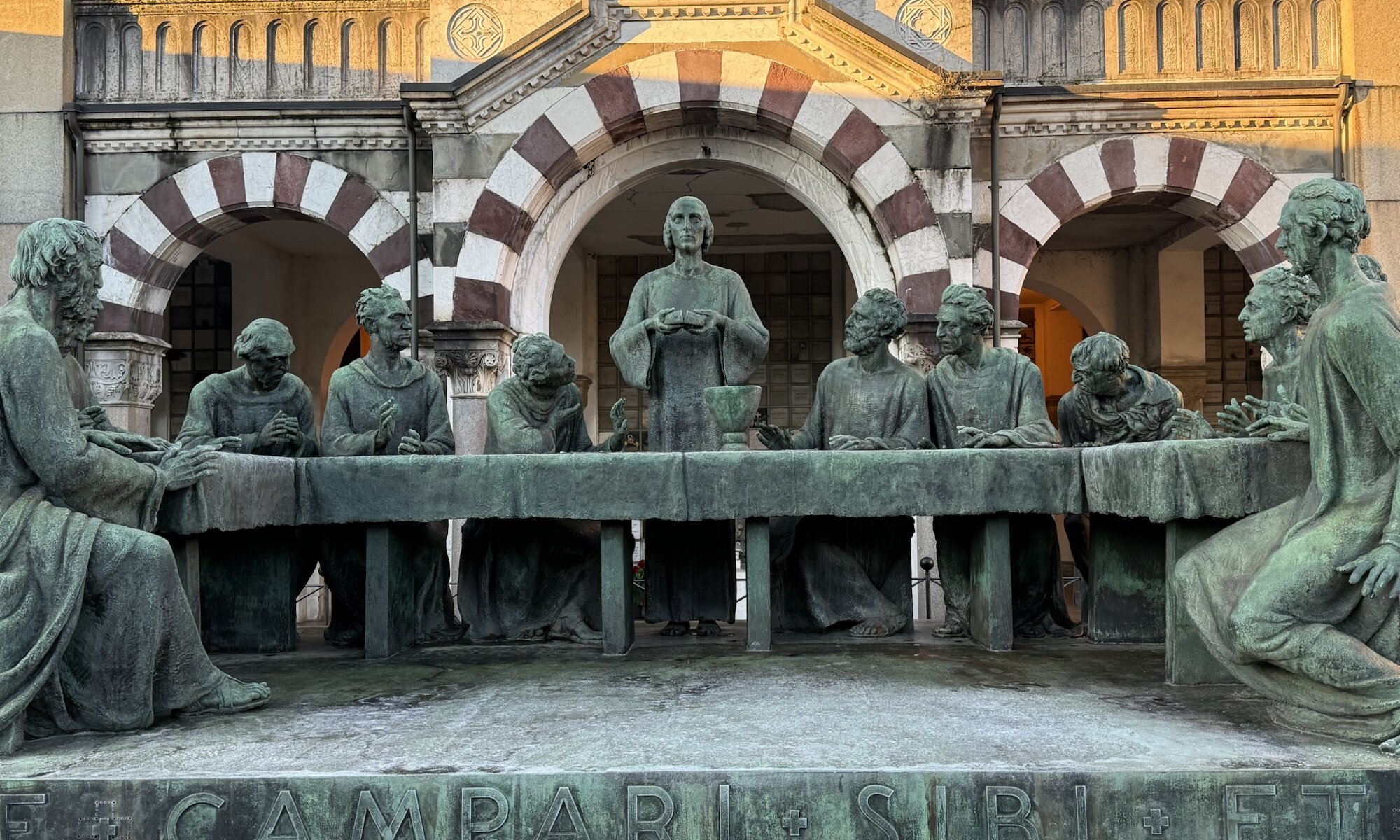
Campari family grave, Cimitero Monumentale, Milano

The Cimitero Monumentale in Milano is far more than a burial ground; it is a vast open-air museum reflecting the city’s changing artistic and social character since the nineteenth century. Opened in 1866, it was created to unify Milano’s smaller cemeteries into one grand site worthy of a modern, industrialising metropolis. The architect Carlo Maciachini designed it in an eclectic style blending Byzantine, Gothic and Romanesque elements, resulting in a structure that feels both solemn and theatrical. The grand entrance, the Famedio – initially intended as a pantheon for Milano’s most illustrious figures – sets the tone with its striking marble façade and towering spire.

Continue reading “Cimitero Monumentale”

Arco della Pace

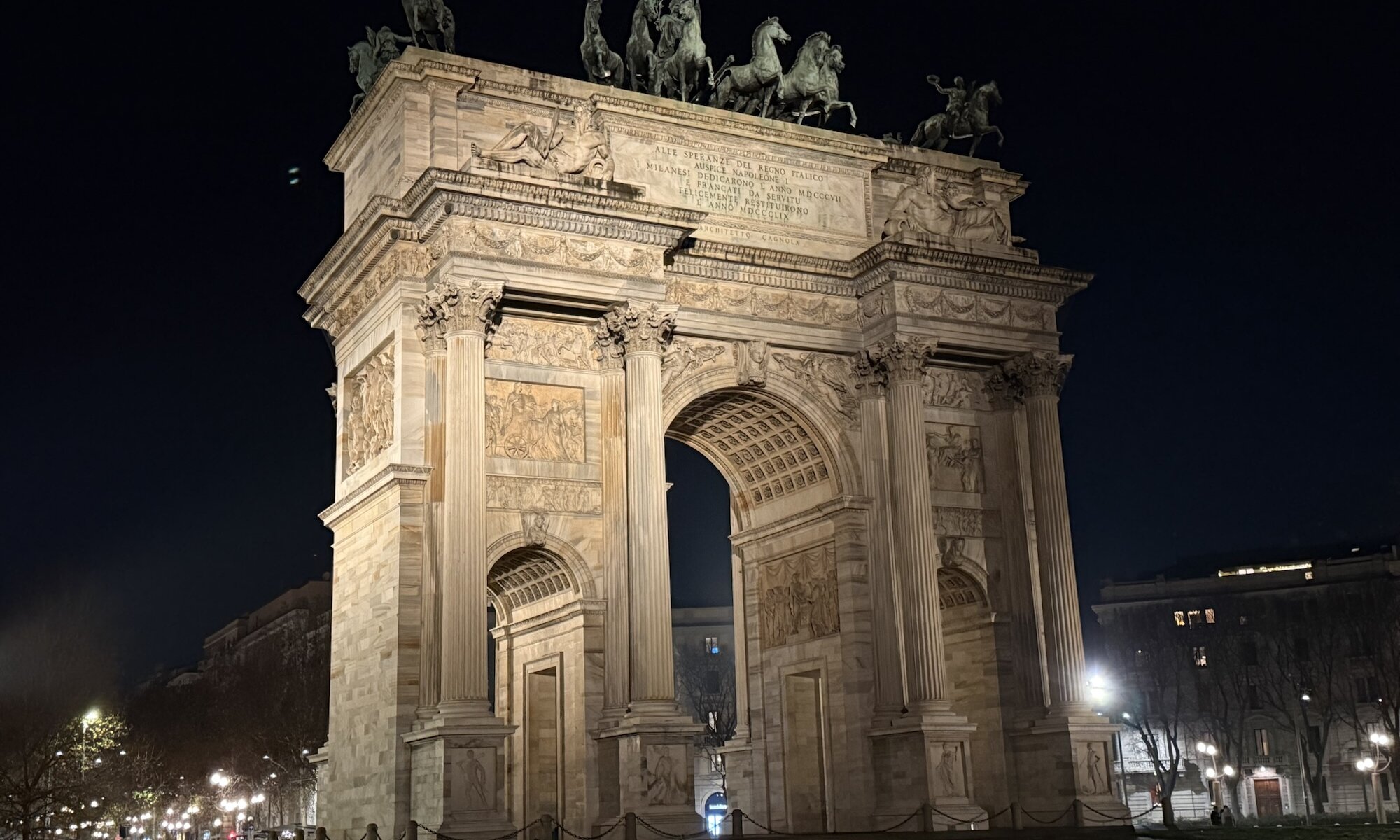
Arco della Pace, Milano

The Arco della Pace in Milano is a grand neoclassical monument, originally conceived during Napoleon’s era as a symbol of victory. Construction began in 1807 under architect Luigi Cagnola to commemorate French triumphs, such as the Battle of Jena, but halted with Napoleon’s fall in 1814. Resumed under Austrian rule in 1826, it was rededicated to peace following the Congress of Vienna in 1815 and completed in 1837, marking Milano’s layered history of conquest and reconciliation.

Continue reading “Arco della Pace”