“If you prick us, do we not bleed?
If you tickle us, do we not laugh?
If you poison us, do we not die?
And if you wrong us, shall we not revenge?”
– William Shakespeare, The Merchant of Venice (act 3, scene 1)
Memories and hints of a travelling IT professional.
“If you prick us, do we not bleed?
If you tickle us, do we not laugh?
If you poison us, do we not die?
And if you wrong us, shall we not revenge?”
– William Shakespeare, The Merchant of Venice (act 3, scene 1)
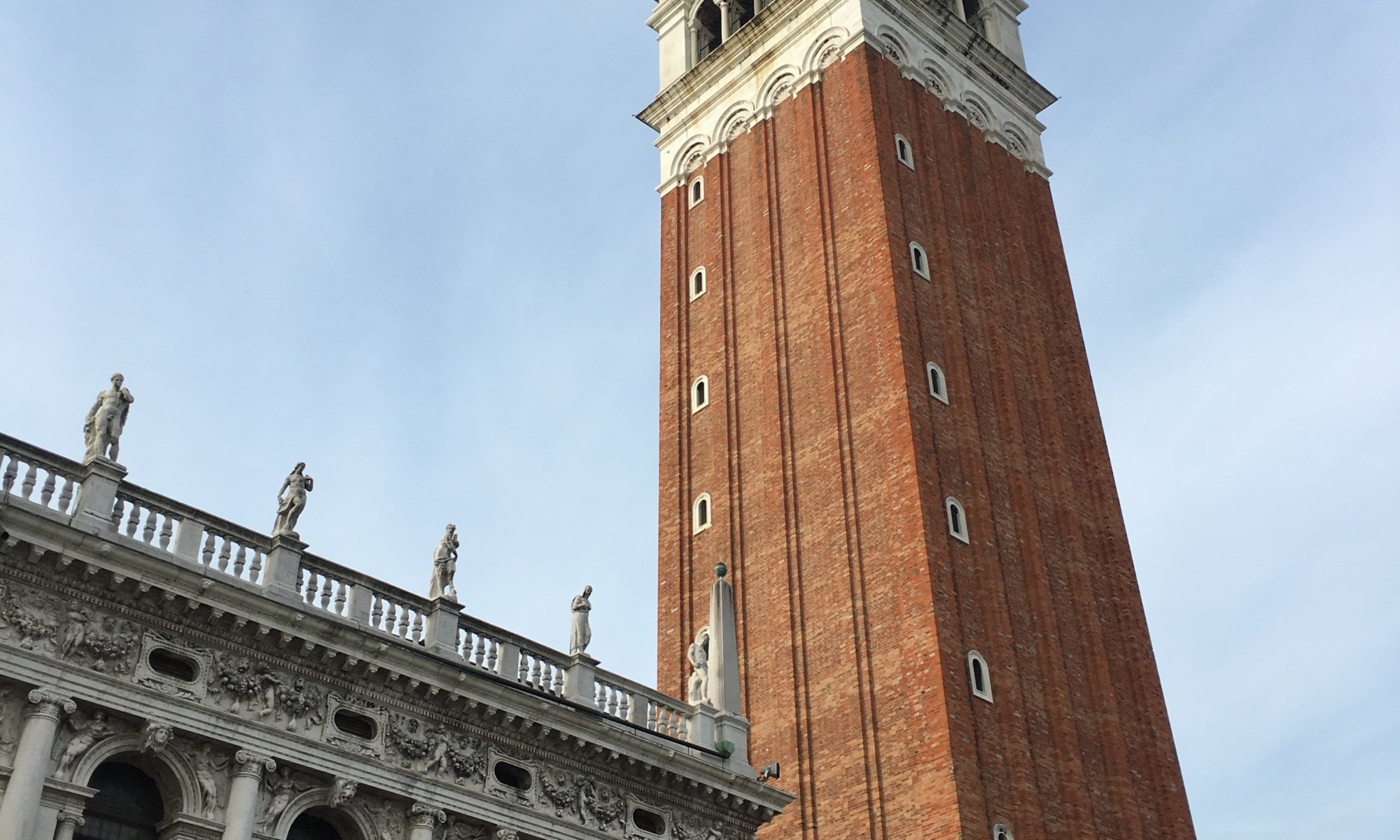
A campanile is a singular standarding church bell tower – and this one belongs to the Basilica di San Marco in Venezia, Italy. It is standing on the famous Piazza San Marco and is a town’s landmark of Venezia. Continue reading “Campanile di San Marco”
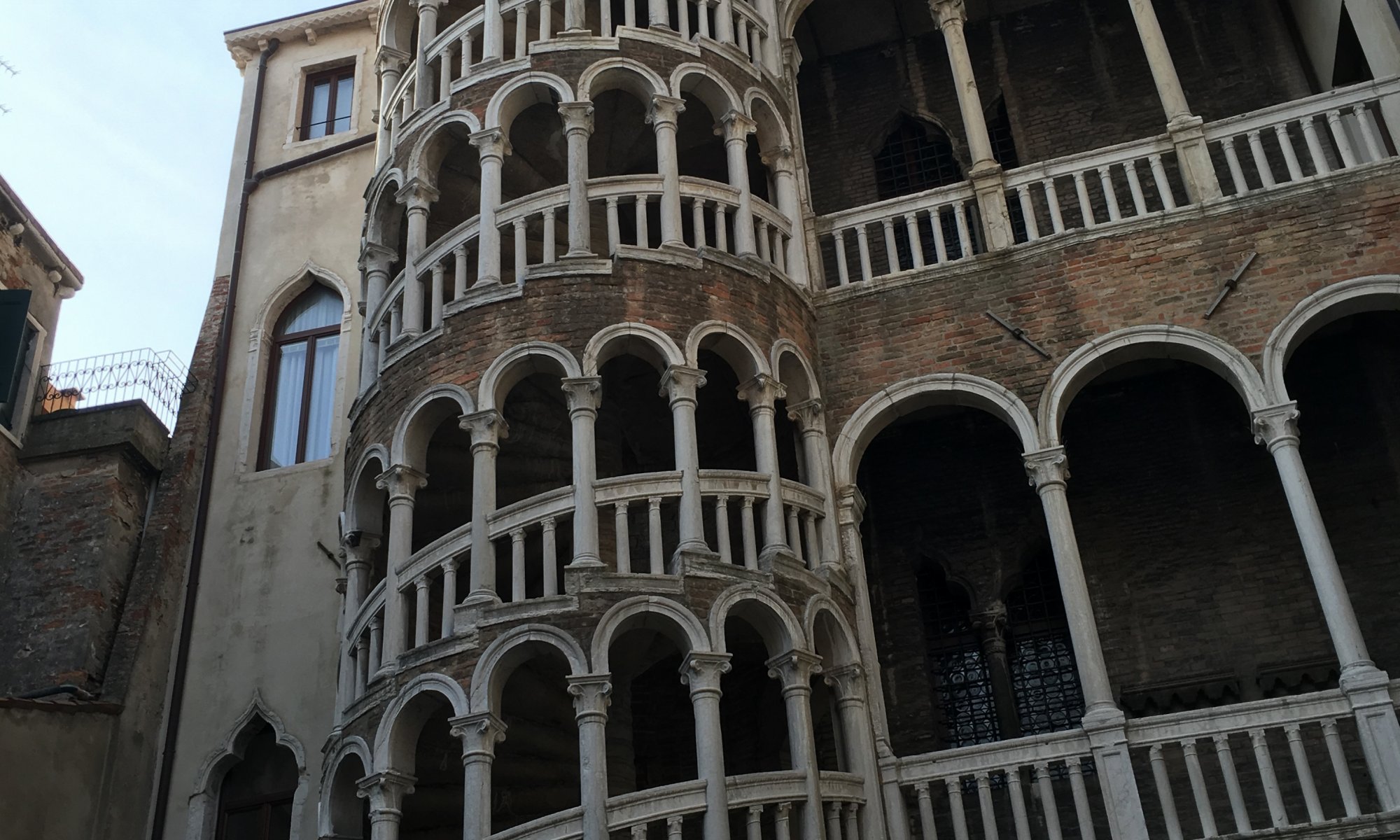
The Palazzo Contarini del Bovolo is far away from the normal tourist streams in Venezia, Italy. It is a gothic style palace from the 15th century and belonged to the family Contarini. Continue reading “Scala del Bòvolo”
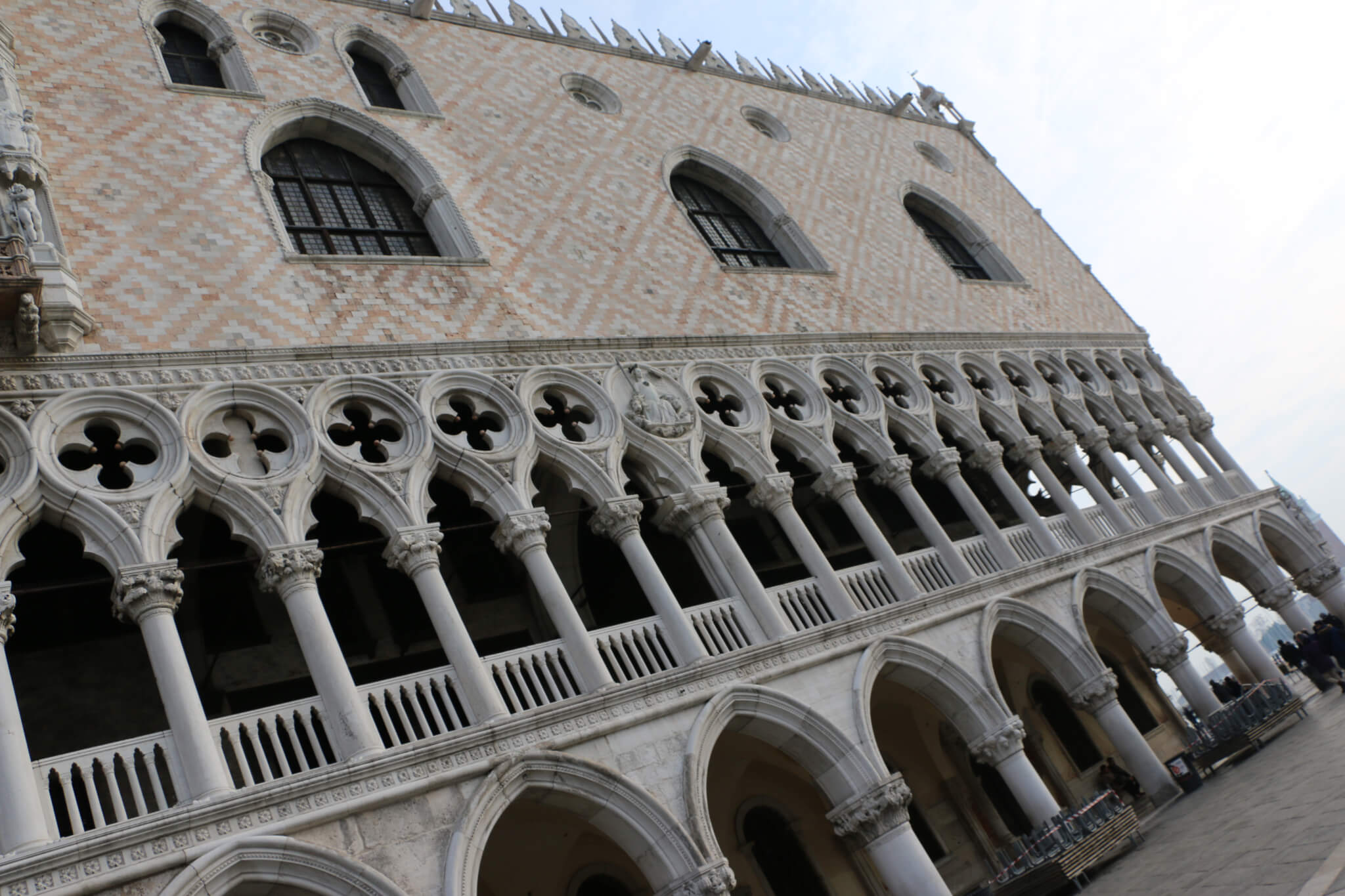
I’ve been in Venezia, Italy multiple times but I was mostly enjoying the surroundings and the atmosphere in San Marco – I never entered buildings like the Palazzo Ducale, the main government building of the Republic of Venezia. And like every tourist I was taking a picture of the Ponte dei Sospiri, the enclosed bridge of sighs that connects the palace with the old prison – but I never thought that you could walk across it.
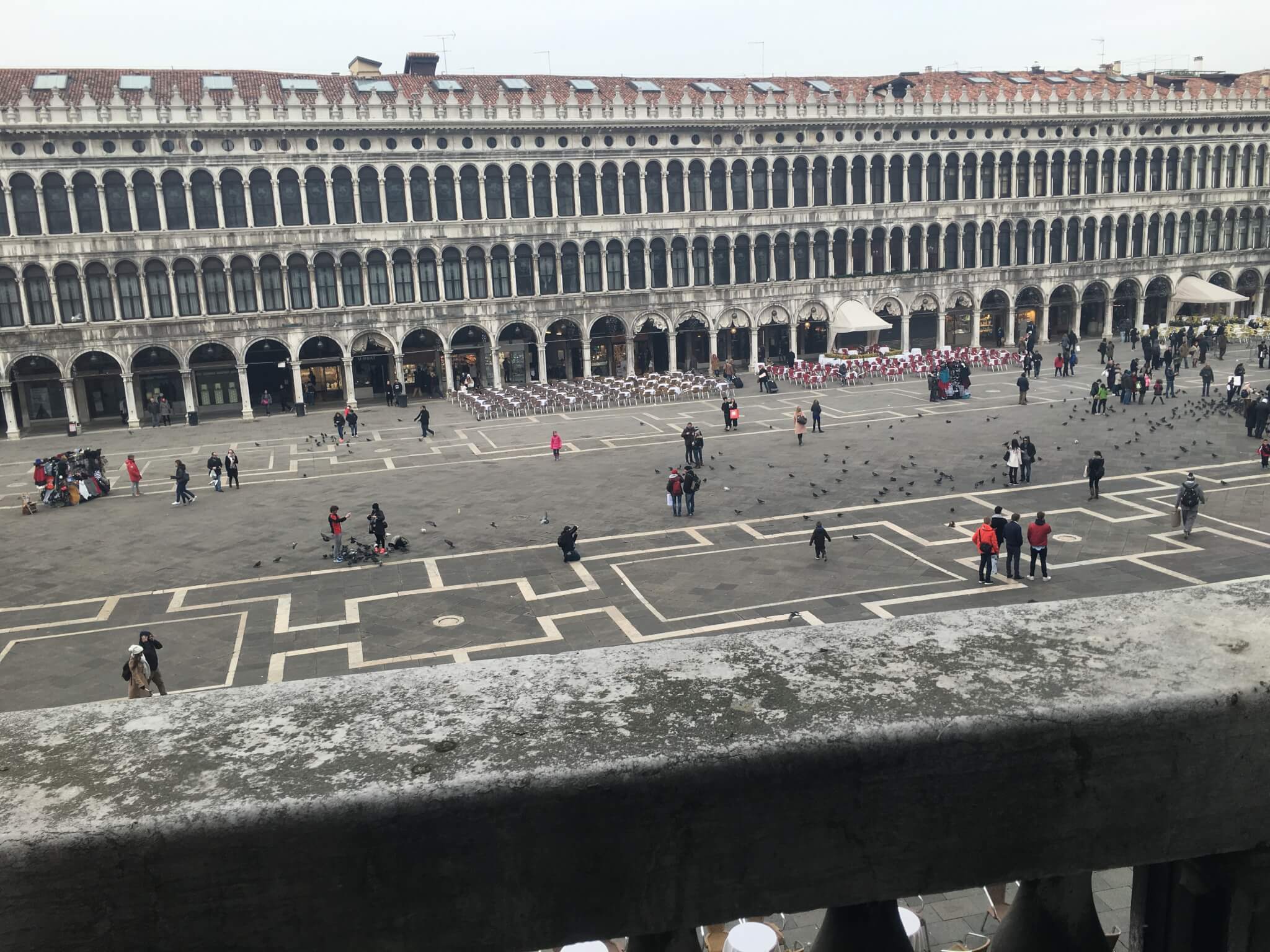
The main square of Venezia, Italy is the Piazza San Marco – a wonderful ensemble of buildings depicted so many times in movies that you can’t count them. In James Bond 007: Casino Royale (2006) for example or for the older ones that like films about monarchy: The Austrian classic Sissi – Fateful Years of an Empress (1957) shows the wedding scene inside the Basilica di San Marco and on the square. But beware – it’s really kitschy. 😉
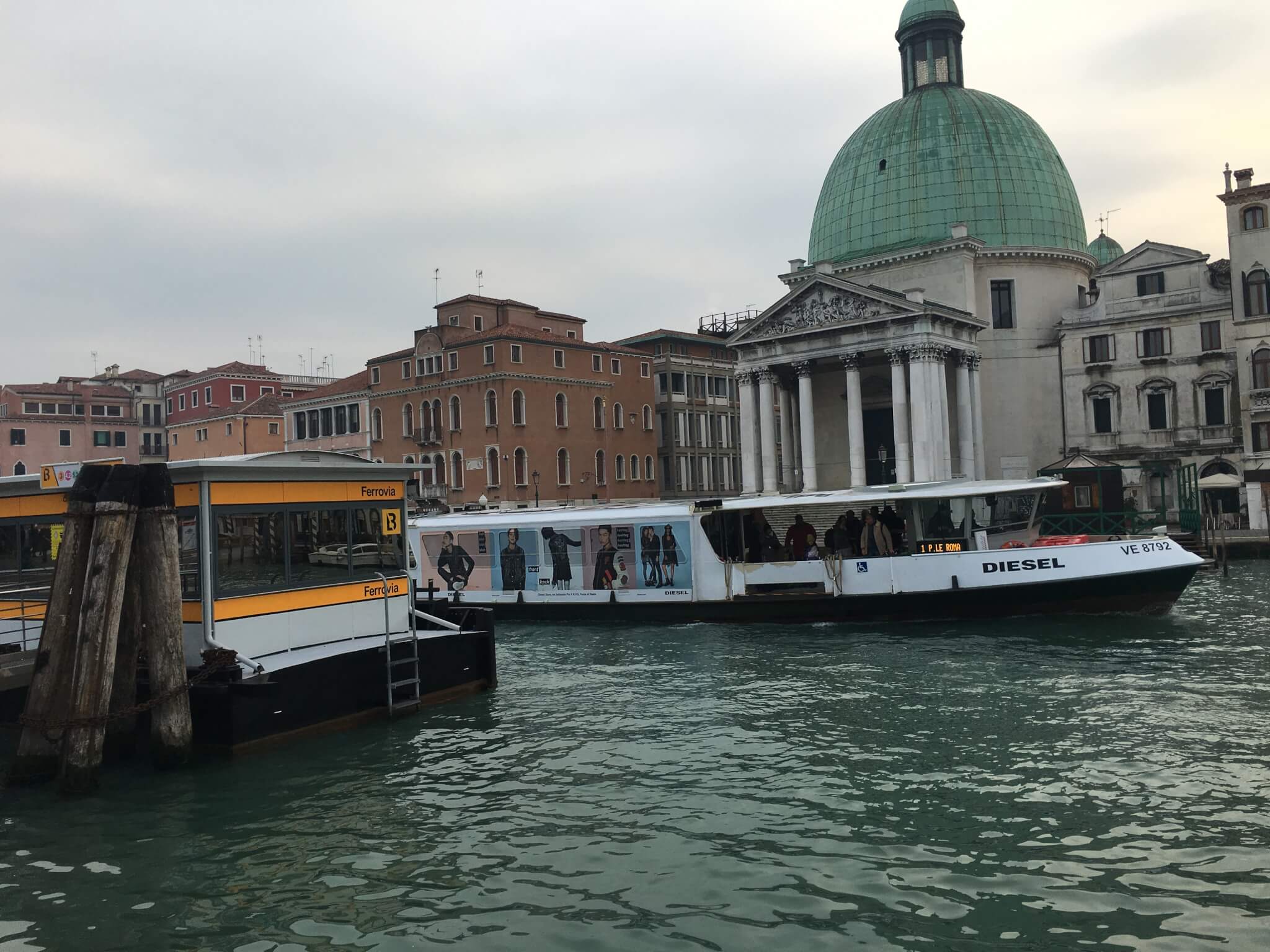
You can access Venezia, Italy on different ways. If you don’t prefer a boat or car (which is not recommendable because of limited parking capabilities) there are two main entry points: The Piazzale Roma with the bus terminus and Ferrovia – the train station Stazione di Venezia Santa Lucia. The latter is one of my favorite train stations in the world – not because of its beauty, it became better during the last years but still it is a simply train station – what makes it wonderful is the location.
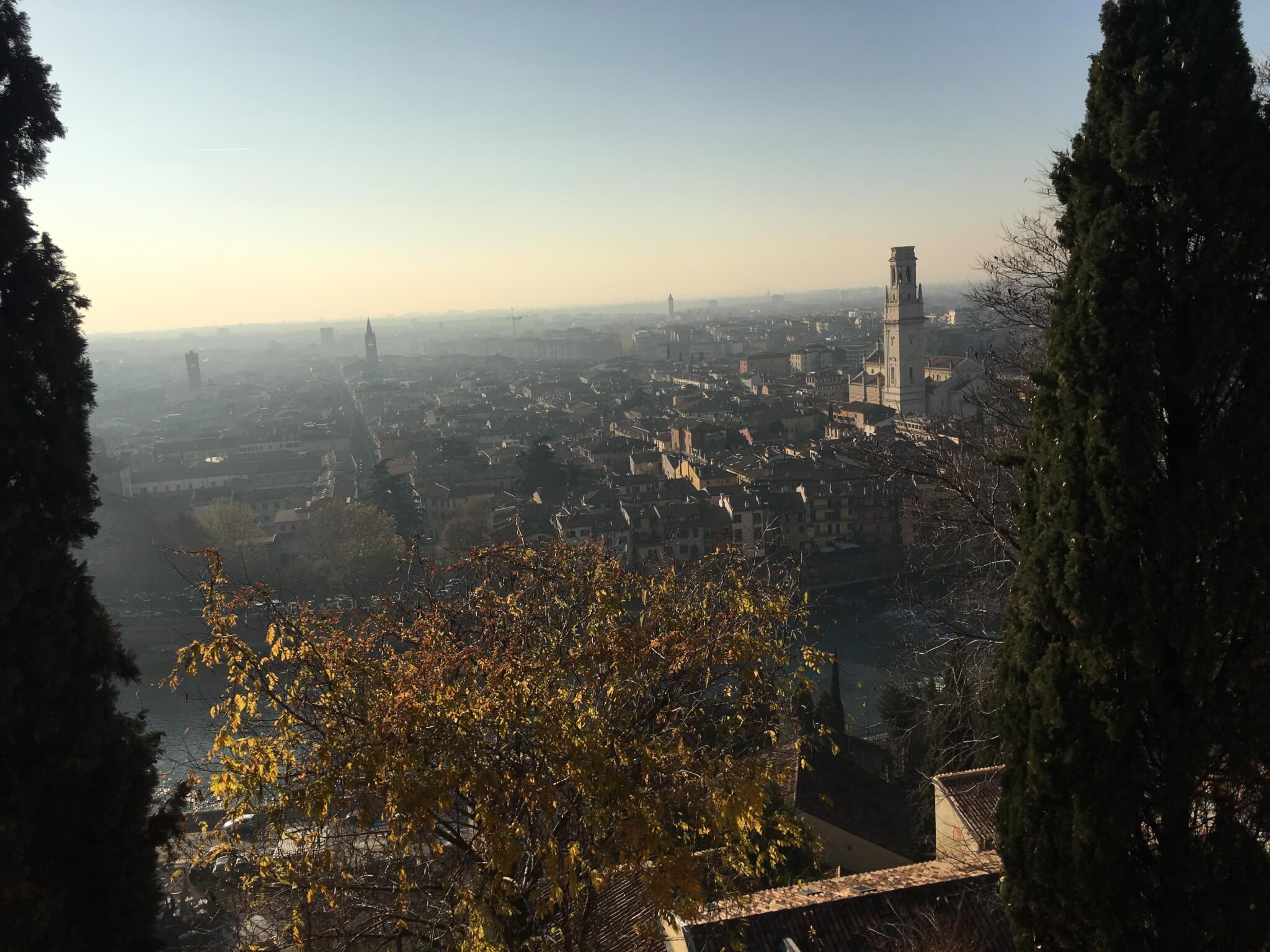
I must admit: I’m in love with Verona, Italy. A small, ancient city with a beautiful city center located at the river Adige. And in fact the only real city of love – being the stage for William Shakespears Romeo and Juliet. I always enjoy living here for a day or two, roaming the city, having a relaxed time. And if it once gets to small you can easily travel further on to the Lago di Garda (by bus) or the laguna di Venezia (by train).
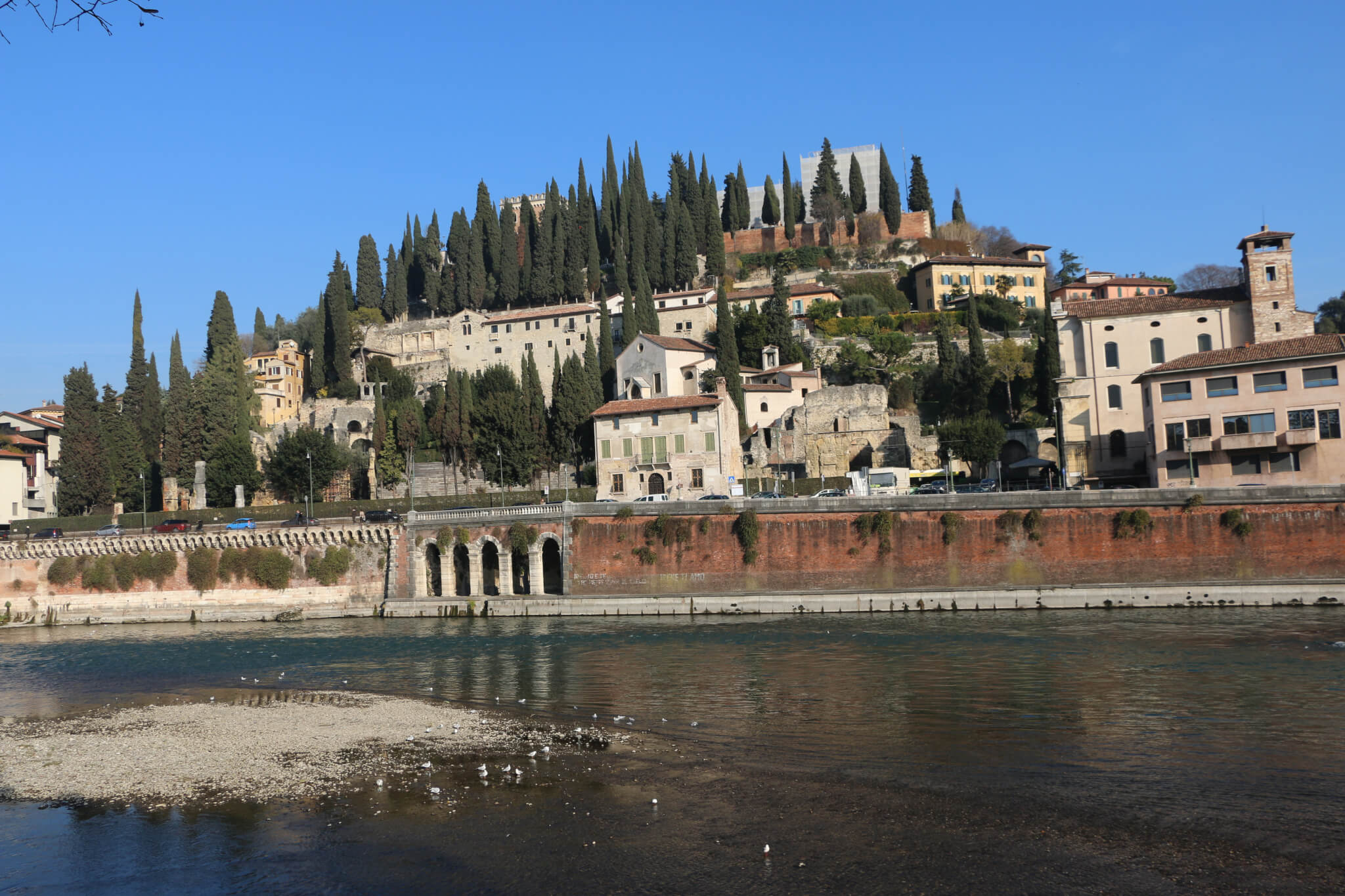
Tired of walking around in the city center of Verona, Italy? In need for a quite place to relax, have a coffee break or something to eat? The Cappa Café is a coffee bar and restaurant located nicely close to the river Adige in the northern part of the city. You’ll get some vitello tonnato (veal with tuna sauce and capers) or a sprizz aperol in the cosy atmosphere of this place and in summer times you can sit outside with a view on the river.
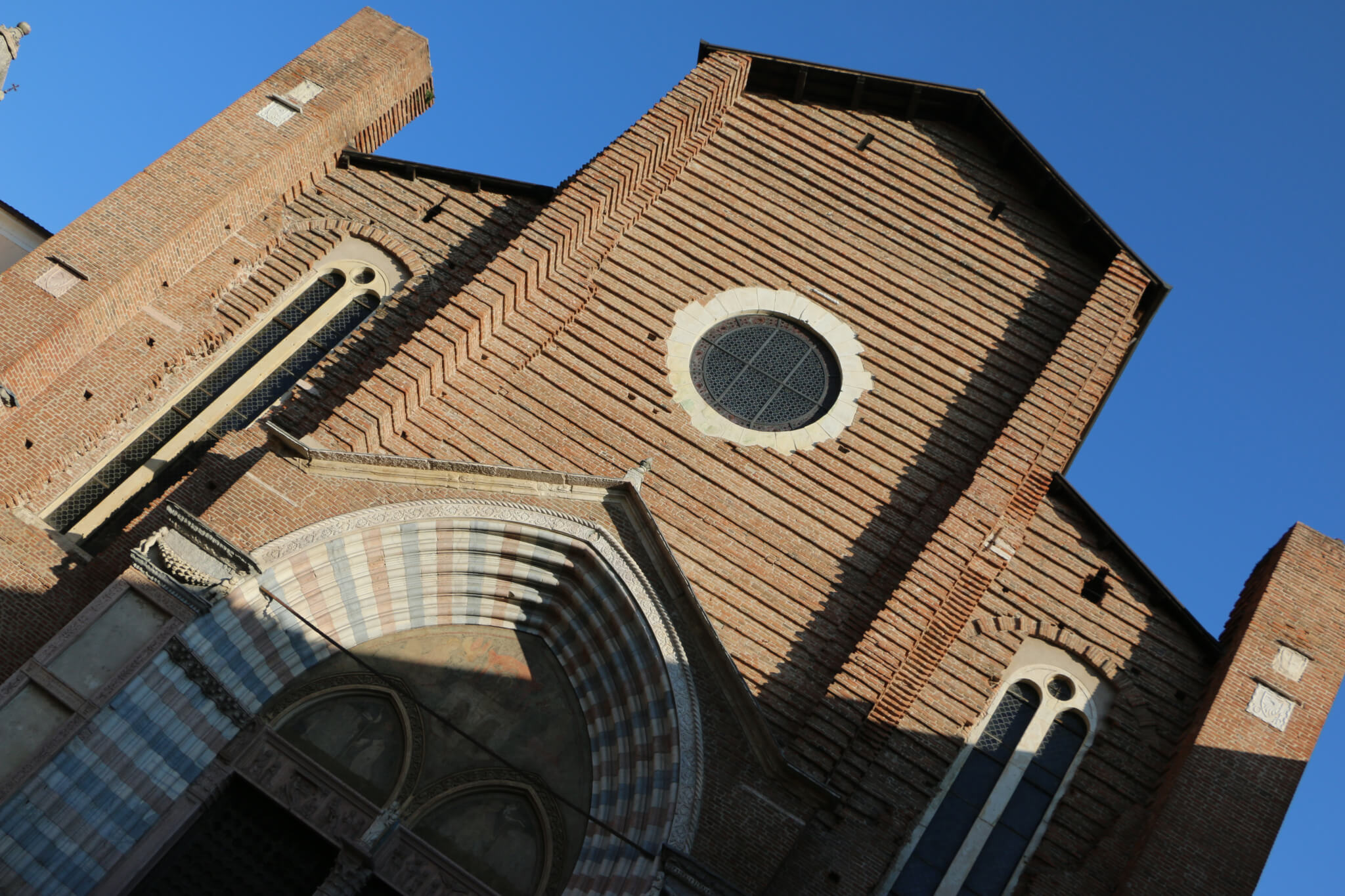
The church of Sant’Anastasia is the biggest church in Verona, Italy. It is a gothic style church you will come across on your way to Ponte Pietra and the Teatro Romano. The church dates back to 1280 CE and has a 72 meters high bell tower. It is a quite simply sacral building which fascinates me mostly by the different stones in various colours used to build it.
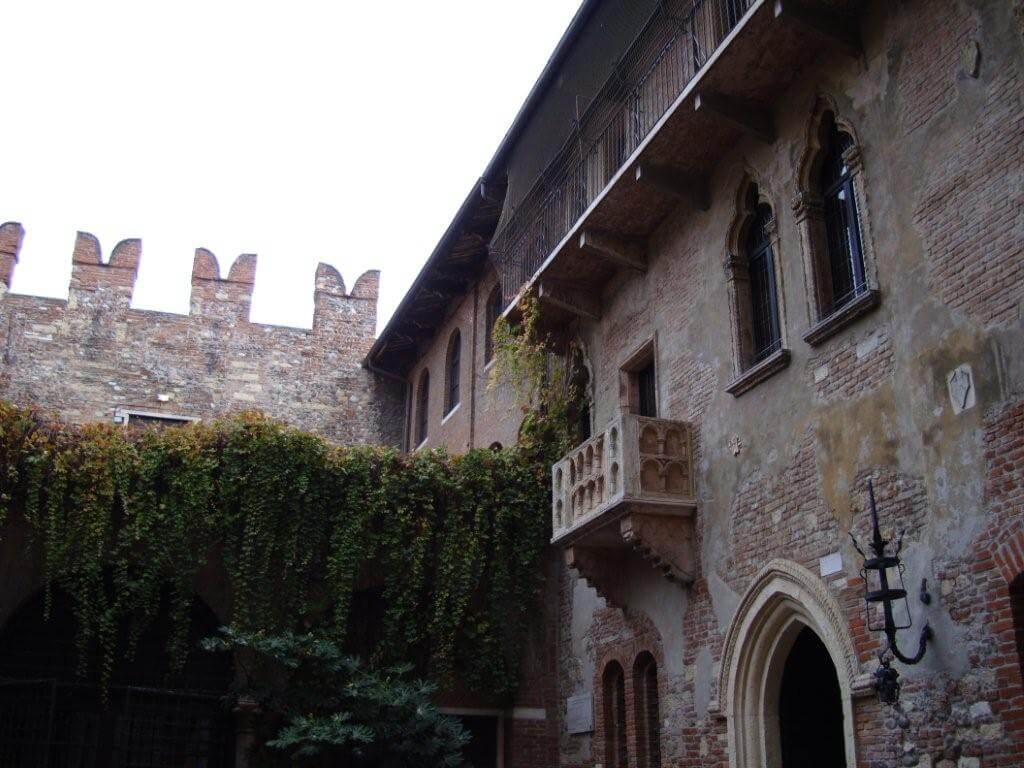
“She speaks, yet she says nothing. What of that?
Her eye discourses. I will answer it.—
I am too bold. ‘Tis not to me she speaks.
Two of the fairest stars in all the heaven,
Having some business, do entreat her eyes
To twinkle in their spheres till they return.”
– William Shakespeare, Romeo and Juliet (act 2, scene 2)