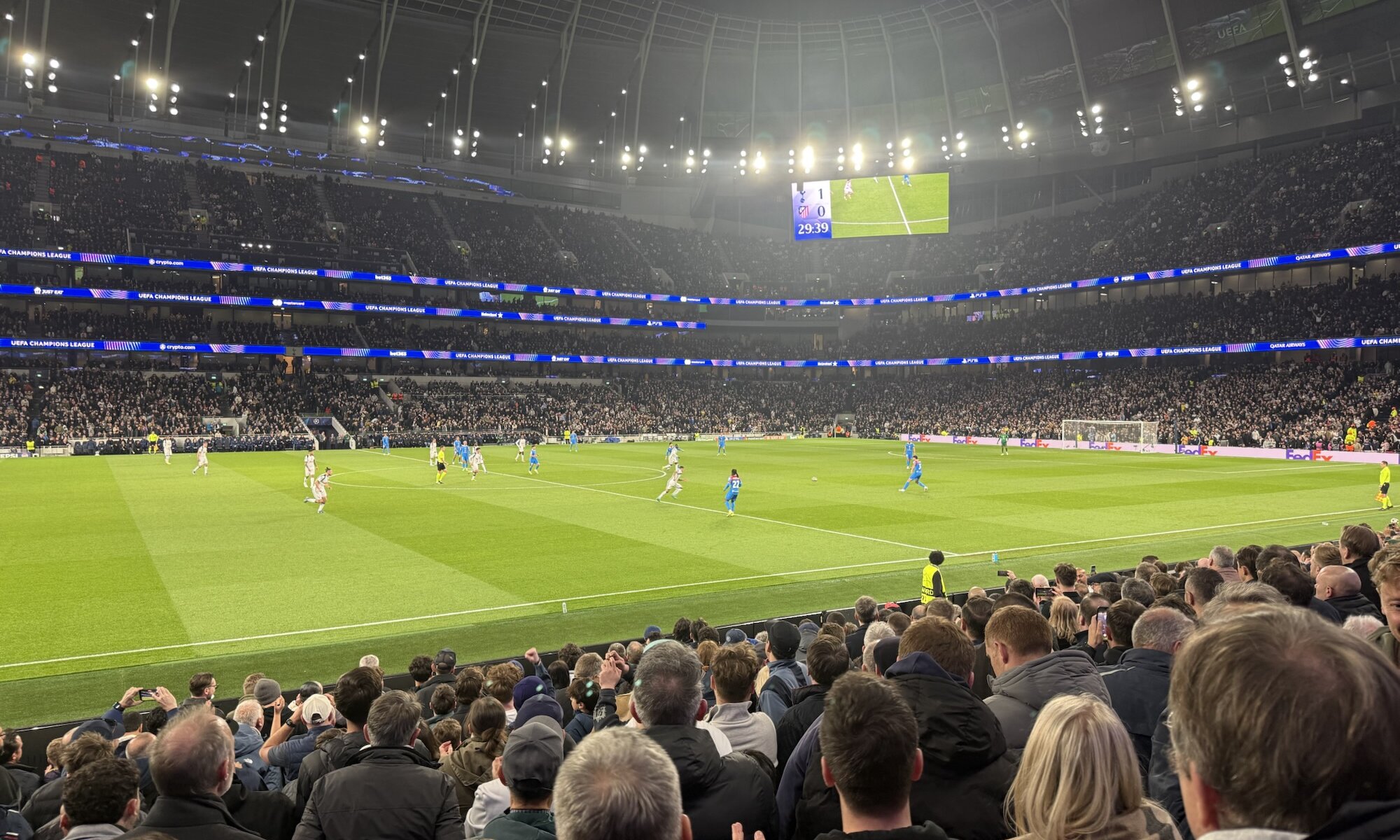
A friend managed to get us tickets for a Champions League night at Tottenham Hotspur’s stadium in White Hart Lane, Spurs against Atlético Madrid, and the anticipation already felt almost electric as I pictured walking up the High Road towards the ground. The area may have changed over time, but that sense of a tight-knit football neighbourhood, with the stadium looming over rows of terraced houses, still defines matchdays there in my mind. Knowing how much European nights have always meant to Spurs supporters, this fixture feels like stepping directly into a living piece of the club’s history rather than just attending another big game. Even before kick-off, there is that awareness that countless unforgettable evenings have unfolded on this same patch of north London turf.
Continue reading “White Hart Lane”Transport Museum
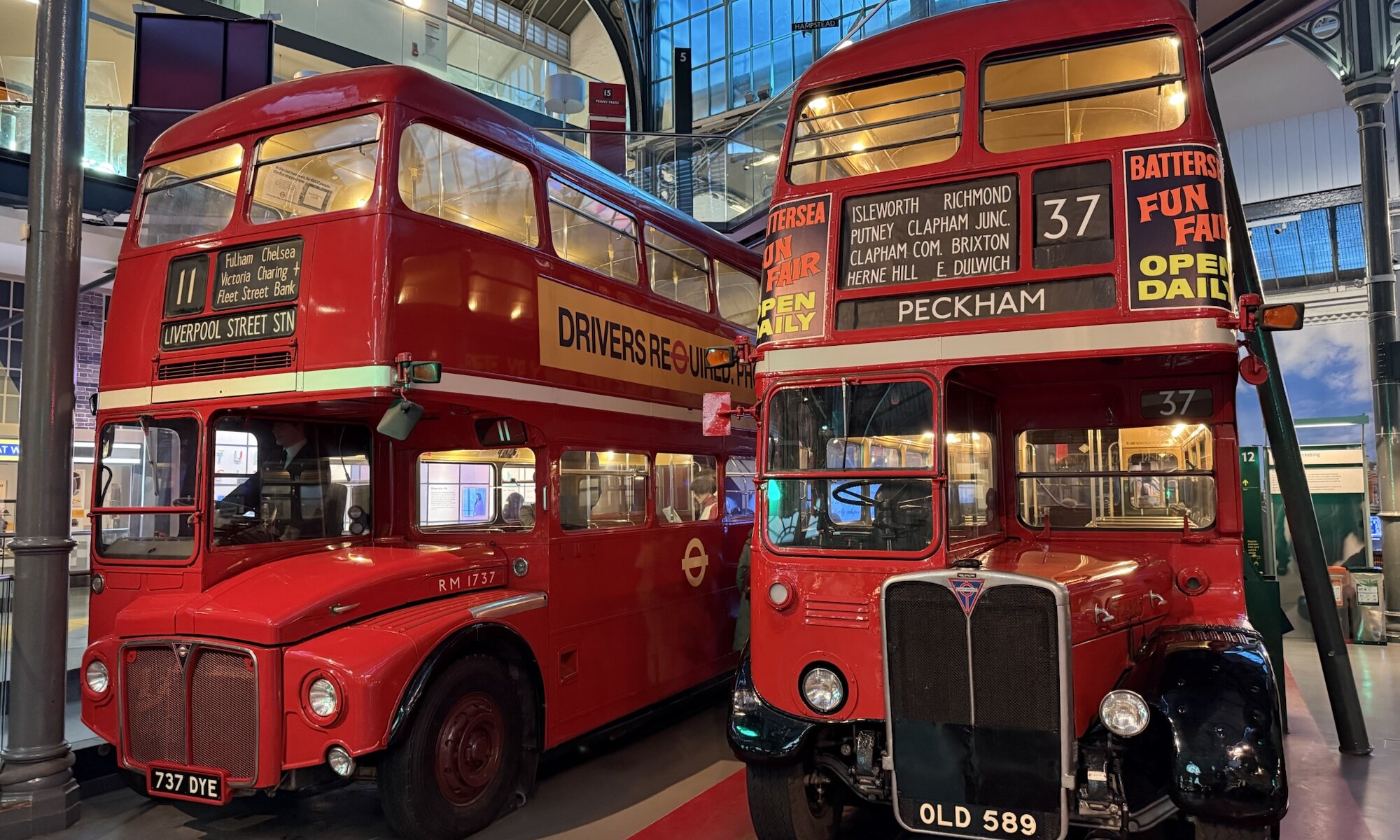
Tucked into the old flower market building in Covent Garden, the London Transport Museum uses the story of buses, trams and trains to explain how London itself has grown and changed over the last two centuries. The collection traces the city’s journey from horse‑drawn omnibuses and early steam locomotives through to the modern Underground and today’s smartly branded transport network. The setting feels very much part of the experience: the ironwork, glass and open galleries give it a slightly industrial atmosphere that fits the subject perfectly.
Continue reading “Transport Museum”Laghman
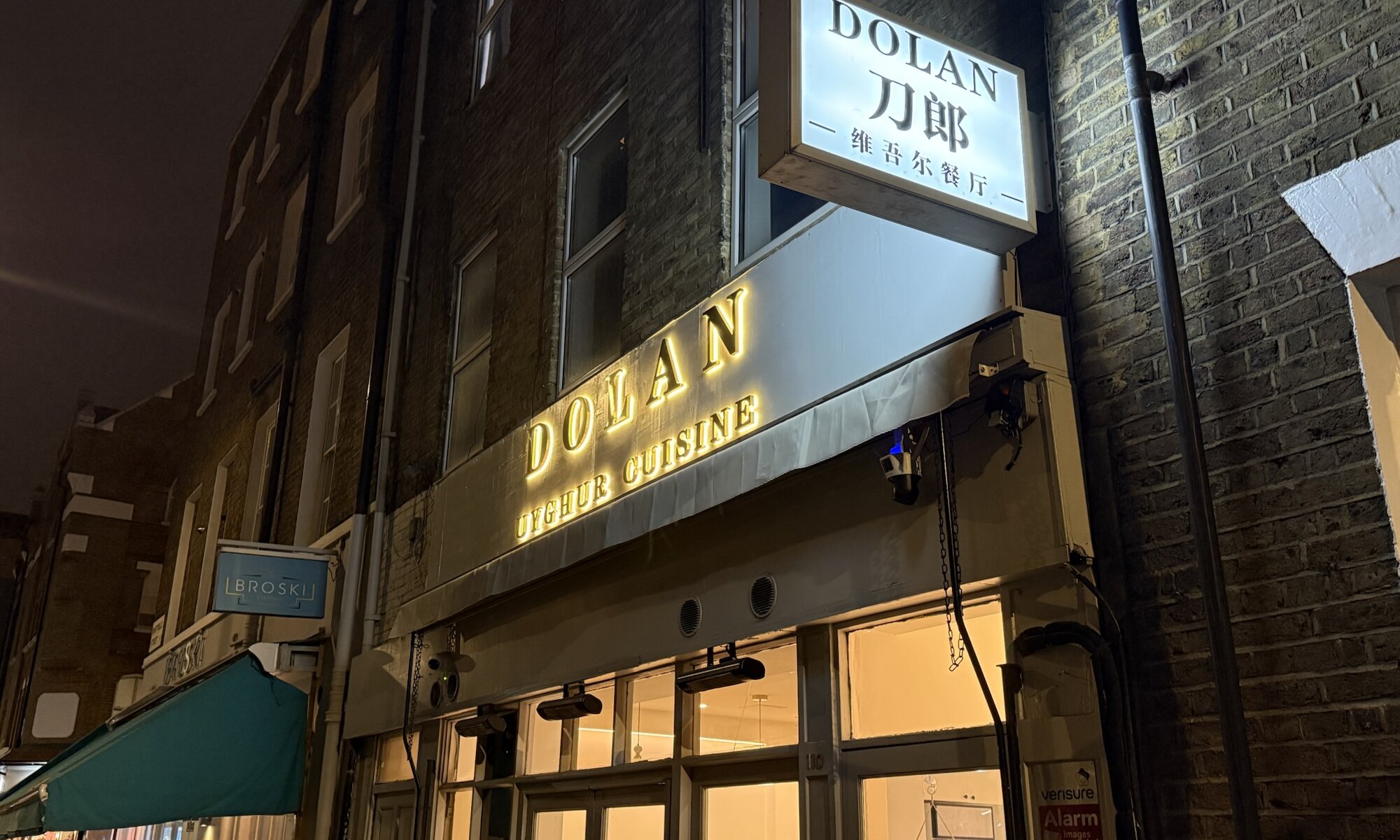
I first encountered Uyghur cuisine during a trip through Kazakhstan, where the cultural influences of Central Asia blend seamlessly. Among the many dishes I tried, one in particular stayed with me – Laghman, a rich, spicy noodle dish that seemed to combine the best of East and West. So, imagine my delight when I discovered a small Uyghur restaurant tucked away near the office where I sometimes work in London. The smell of sizzling lamb and hand-pulled noodles took me straight back to the evenings spent in bustling Central Asian markets.
Continue reading “Laghman”Eurostar
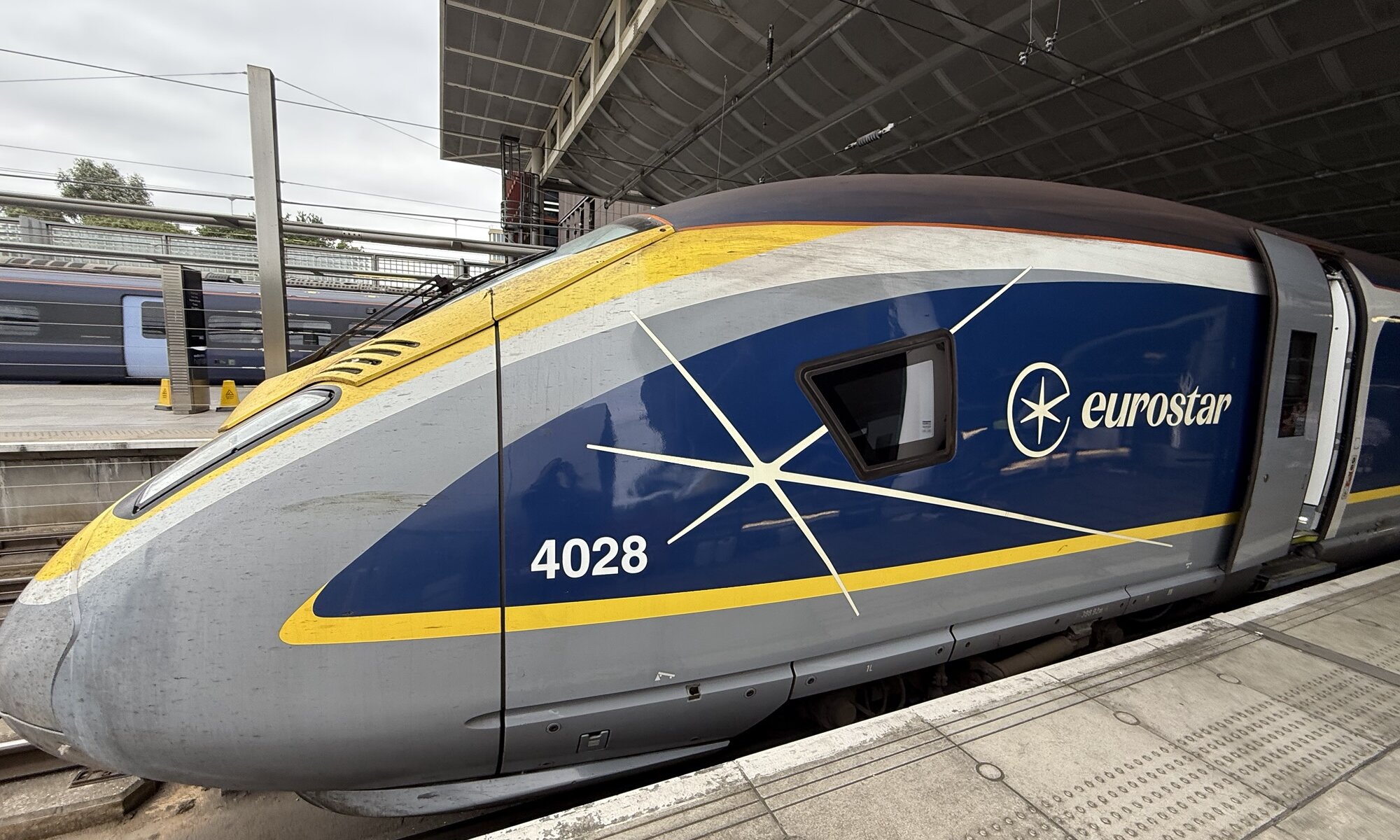
The Eurostar is a remarkable high-speed train service that connects London with several major cities in mainland Europe, including Paris, Bruxelles, and Amsterdam. Its story began in the late 20th century, following the completion of the Channel Tunnel – a monumental engineering feat that links the United Kingdom and France beneath the English Channel. The first Eurostar trains started running in 1994, revolutionizing cross-channel travel by offering a swift, comfortable alternative to air and ferry routes.
Continue reading “Eurostar”Euston underground
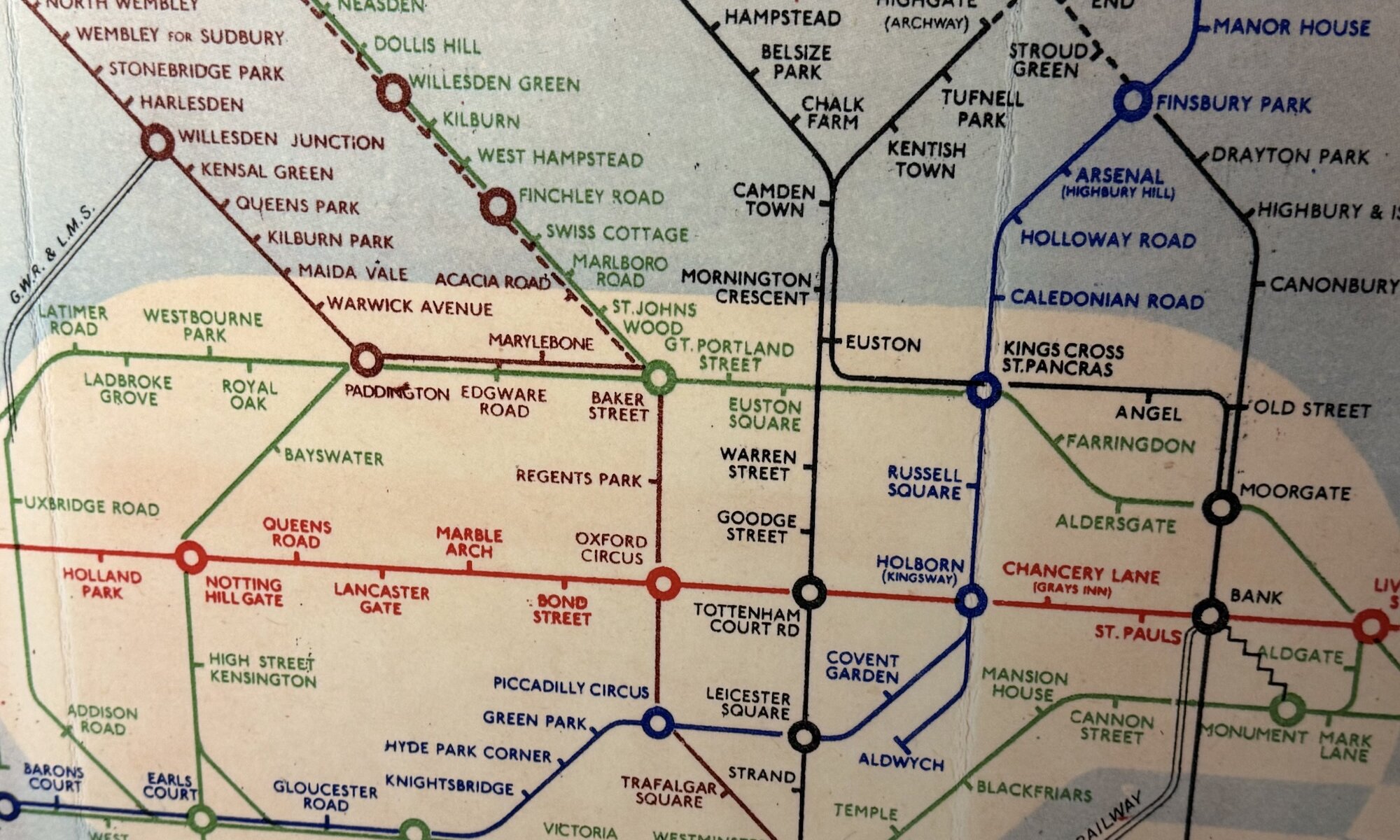
Euston Underground Station in London is a fascinating place for anyone interested in the city’s transport history. Located beneath the mainline Euston railway station, it has served as a key interchange for generations of travellers. The original Euston station opened in 1837 as the capital’s first mainline railway terminus, connecting London with Birmingham. Over time, the underground station evolved to accommodate the growing network, and today it is a major hub for the Northern and Victoria lines, serving millions of passengers each year.
Continue reading “Euston underground”Written treasures
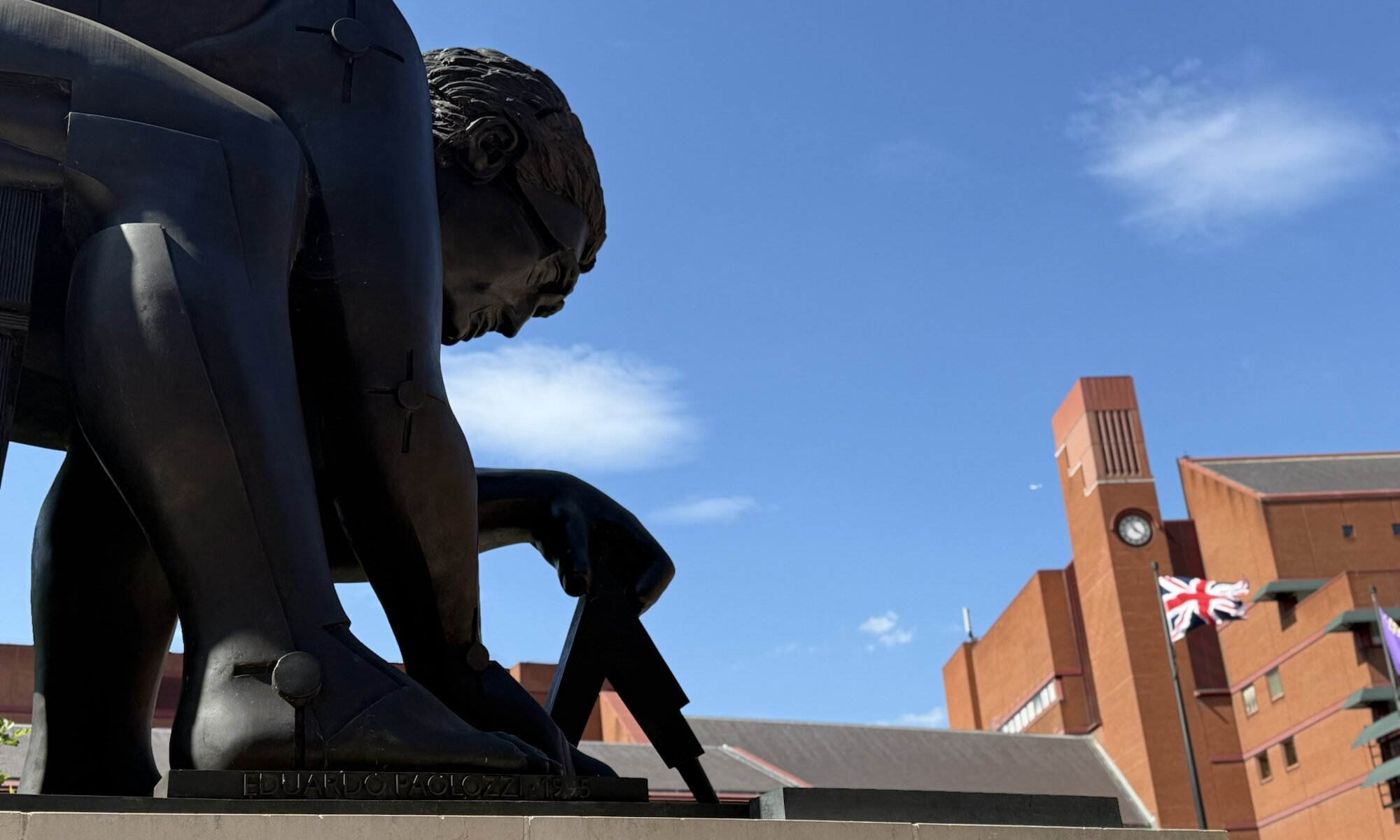
The British Library in London is a true sanctuary for anyone passionate about history, literature, and culture. Its origins trace back to the 18th century, when the collections of Sir Hans Sloane, Robert Harley, and Sir Robert Cotton were brought together to form the core of the British Museum’s library. Over time, these collections expanded with royal donations and acquisitions, eventually leading to the establishment of the British Library as a separate entity in 1973. The library’s current home, a striking modern building near St. Pancras, opened its doors in 1998 and now houses over 170 million items, making it one of the largest libraries in the world.
Continue reading “Written treasures”Mail Rail
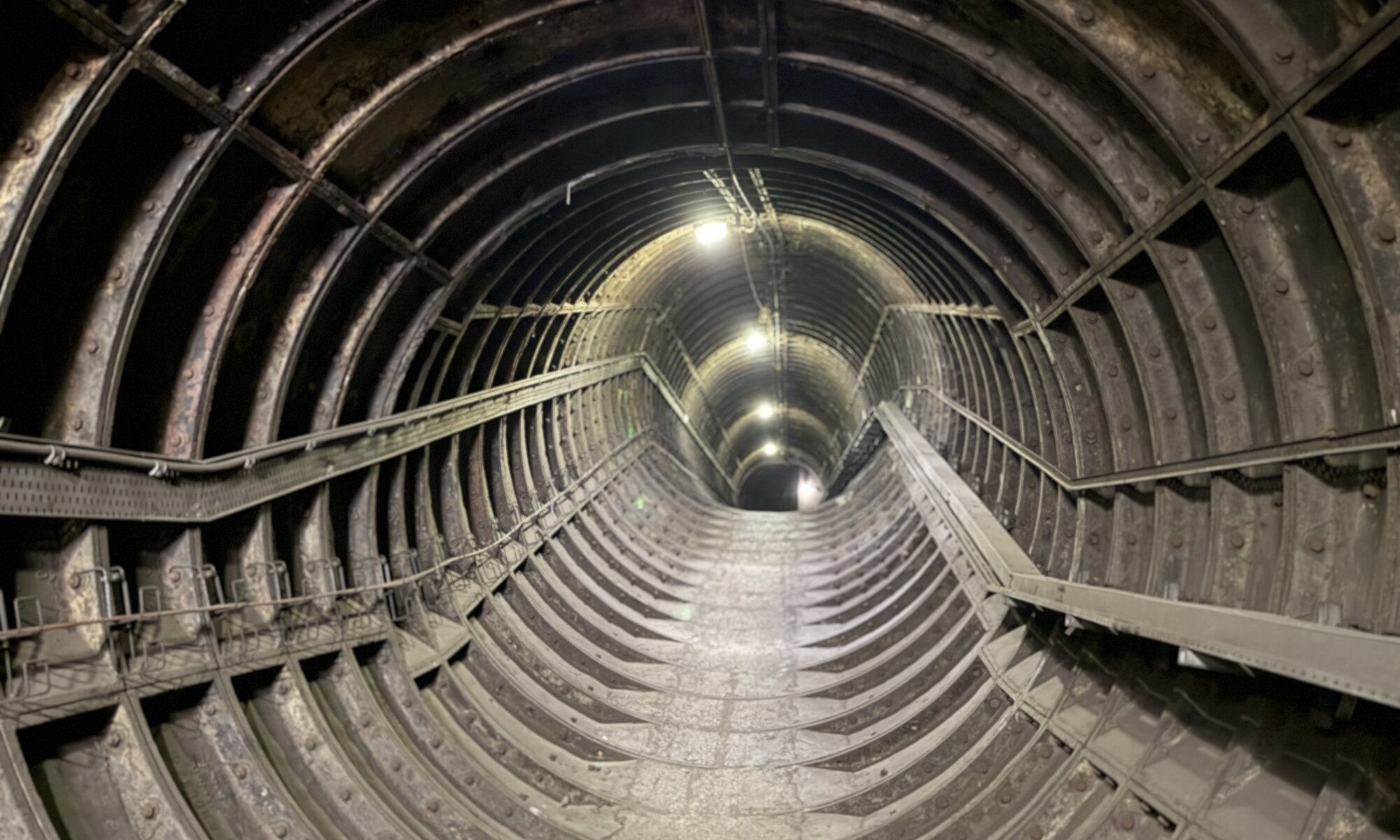
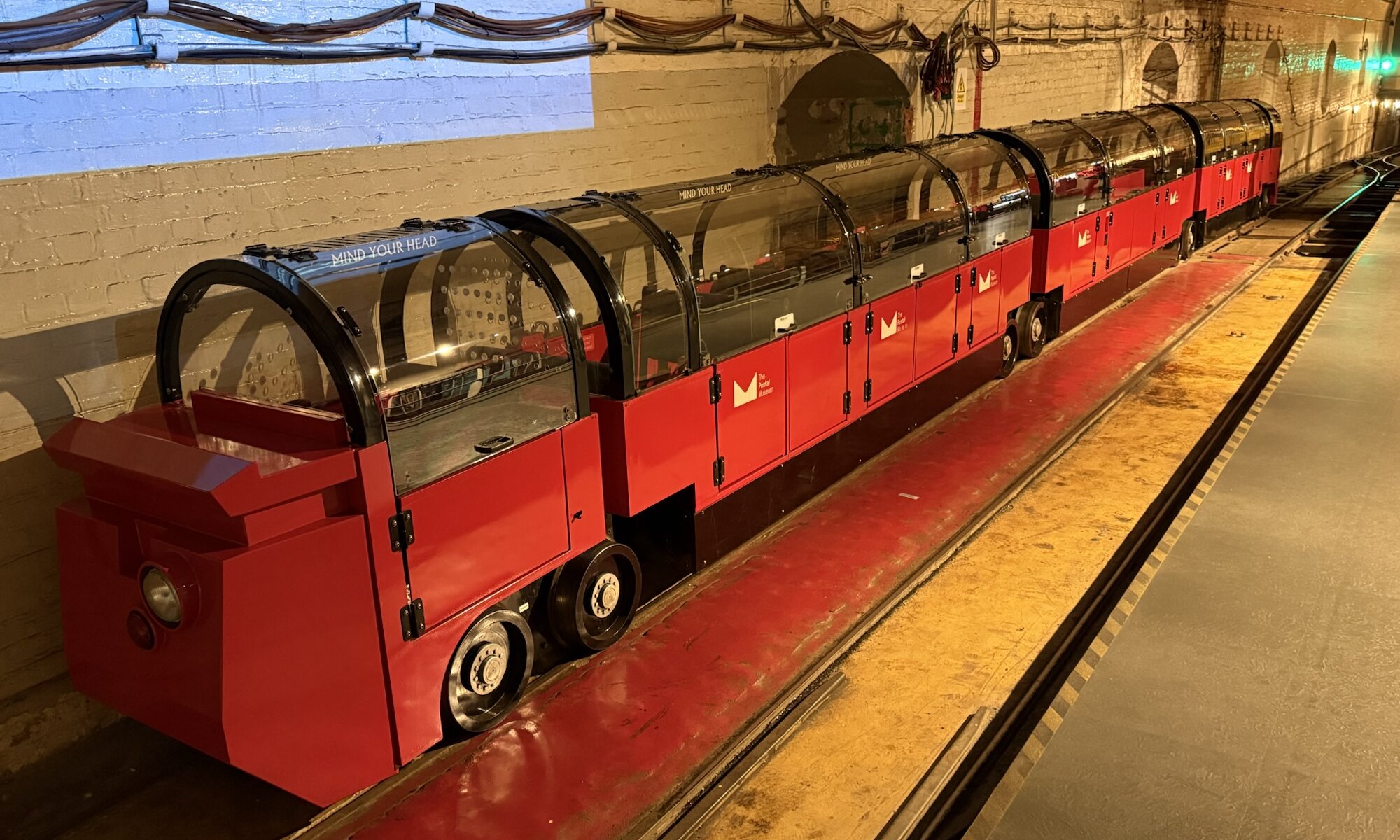
Beneath the bustling streets of London lies a unique piece of the city’s industrial heritage: the Mail Rail. Originally known as the Post Office Railway, this driverless, narrow-gauge railway was built in the early 20th century to transport mail quickly and efficiently between major sorting offices across the city. Construction began in 1915, but due to the disruptions of World War I, the railway only opened in 1927. For 76 years, the Mail Rail operated tirelessly, shuttling letters and parcels through six and a half miles of tunnels, until it was finally closed in 2003 as road transport became more practical for the Royal Mail.
Continue reading “Mail Rail”Baker Street station
Baker Street tube station is a landmark in the history of urban transportation, as it was part of the world’s first underground passenger railway. Construction of the station began in March 1860 using the ‘cut-and-cover’ method, which involved digging a trench along the street, laying the tracks, and then covering it over. Despite several accidents during construction, the work was completed by the end of 1862 at a cost of £1.3 million. The station officially opened to the public on 10th January 1863 as part of the Metropolitan Railway, which connected Paddington to Farringdon Street and aimed to alleviate the severe street congestion in Victorian London. The name also explains why in other cities subway systems are called ‘Metro’.
Continue reading “Baker Street station”Wetherspoons
Love it or hate it: JD Wetherspoon, commonly known as Wetherspoons, is one of the United Kingdom’s most iconic pub chains, founded in 1979 by Tim Martin. The name originates from a combination of ‚JD Hogg’, a character from the TV series ‚The Dukes of Hazzard‘, and Martin’s teacher in New Zealand, Mr. Wetherspoon, whose inability to control his class humorously mirrored the chaos of running a pub. The chain is renowned for its affordable food and drink, spacious venues, and eclectic locations, including converted banks, theaters, and even former car showrooms.
Continue reading “Wetherspoons”Kindertransport
The Kindertransport was a rescue effort between 1938 and 1939 that saved nearly 10,000 predominantly Jewish children from Nazi-occupied Europe, bringing them to safety in the United Kingdom. Liverpool Street Station in London played a pivotal role as the arrival point for many of these children. To honor this history, a memorial titled ‚Kindertransport – The Arrival’ stands outside the station.
Continue reading “Kindertransport”