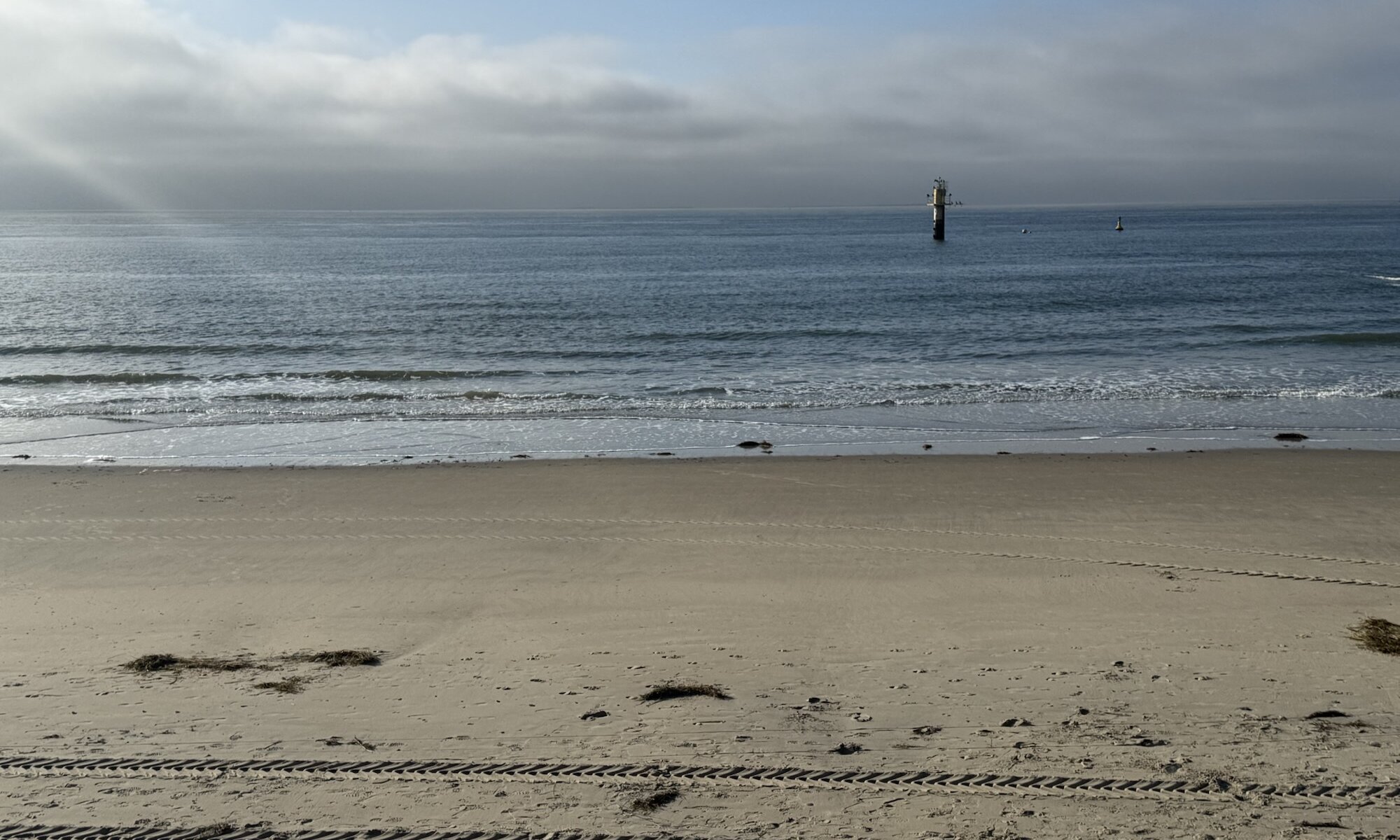
Borkum is the westernmost and largest of the East Frisian Islands, lying off the coast of Niedersachsen between the Ems estuary and the Dutch border. Its name has evolved over many centuries: early Roman writers referred to it as Burchana fabaria, the “bean island”, and later forms such as Borkna, Borkyn and Borckum gradually became the modern Borkum. The island’s history stretches back well beyond its recorded name, through periods of shifting sands, storm floods and changing political rule, before it developed into the distinctive North Sea resort it is today.
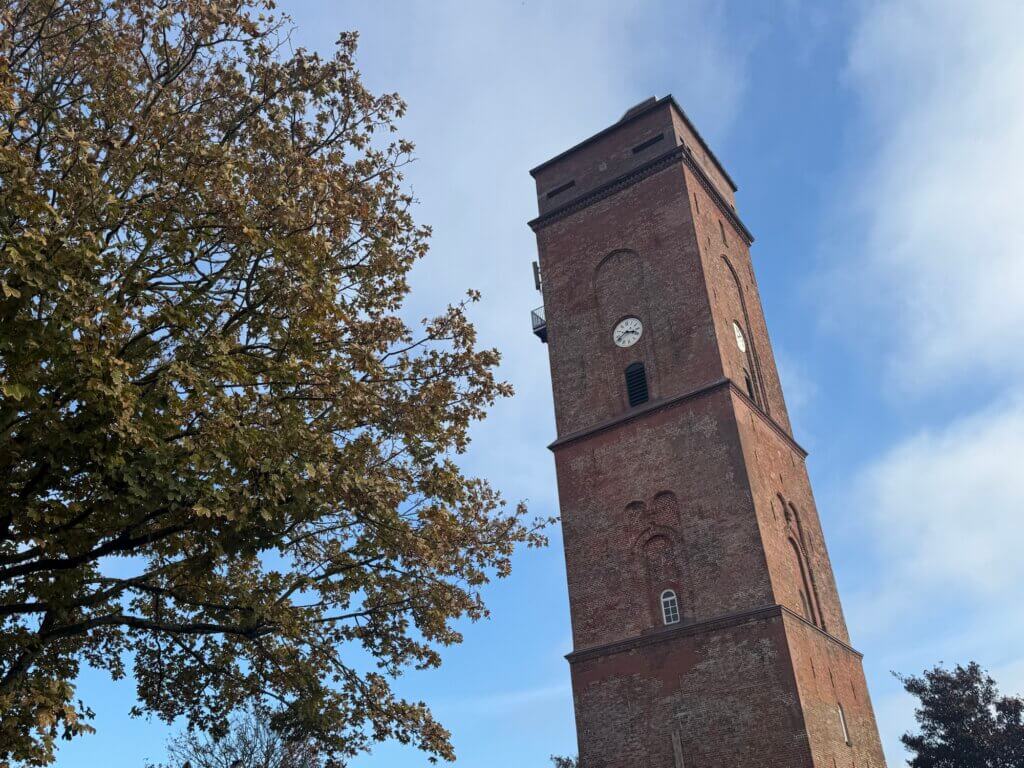
For much of its past, Borkum was a poor, windswept island where people lived from fishing, agriculture and seafaring. From the late seventeenth century, however, its men found a lucrative but perilous occupation in Arctic whaling. They signed on with Dutch, Bremen, Hamburg and Emden shipowners and sailed to Greenland and the northern seas to hunt bowhead whales, returning in autumn with wages, stories and sometimes whale bones as souvenirs. The trade brought Borkum a measure of prosperity, but it declined towards the end of the eighteenth century as whale stocks diminished and European conflicts disrupted the fleets.
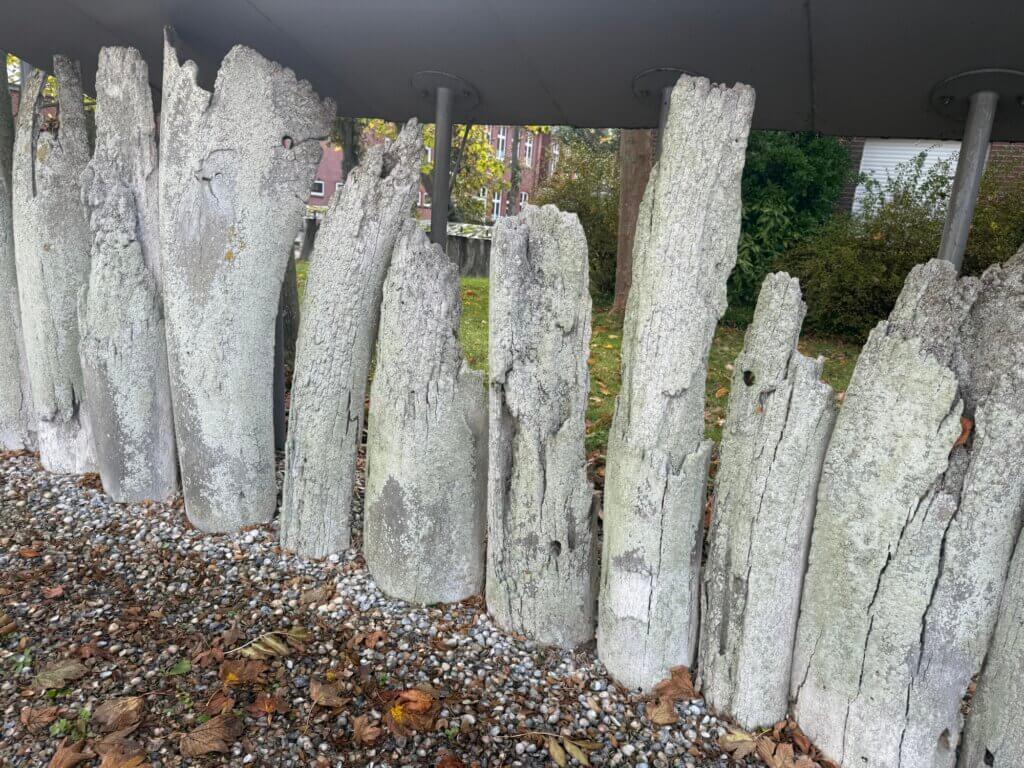
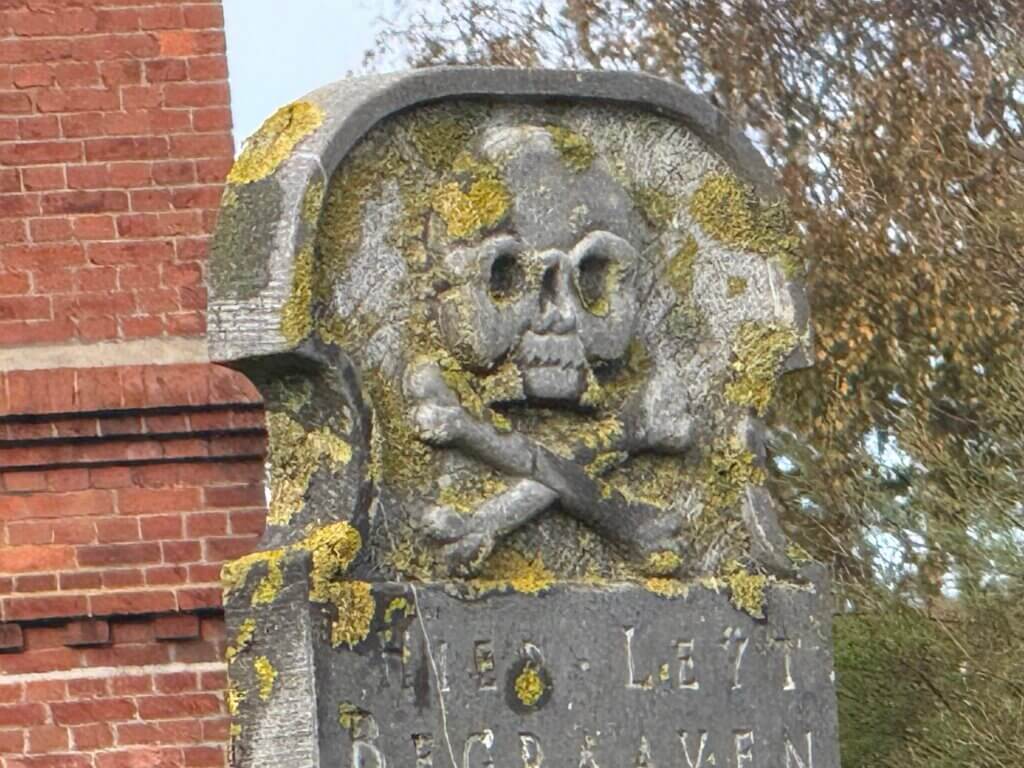
The whaling past is still remarkably visible on the island. Near the Old Lighthouse stand two rare fences built from the jawbones of bowhead whales, brought home by Borkum’s whalers and used on the once sparsely vegetated island as windbreaks, boundary markers and protection against drifting sand. Close by is the small whalers’ cemetery, where weathered gravestones recall the captains, harpooners and seamen whose lives were bound to the sea. A whale trail links these sites and helps visitors understand how central this harsh industry once was to the island’s identity.
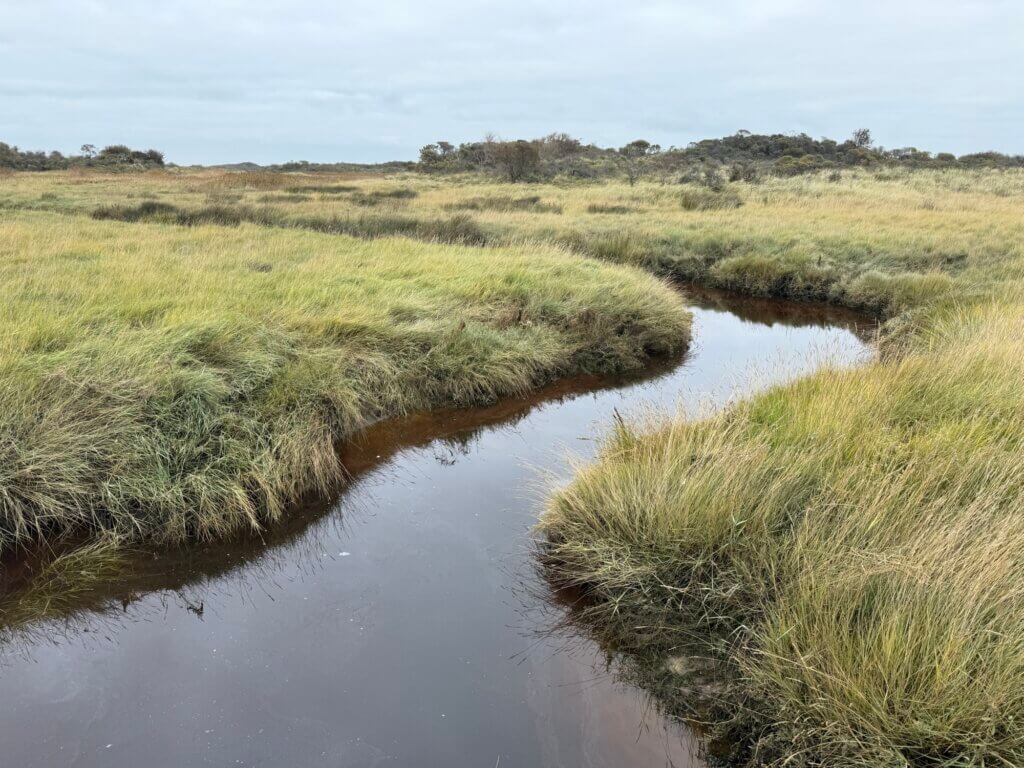
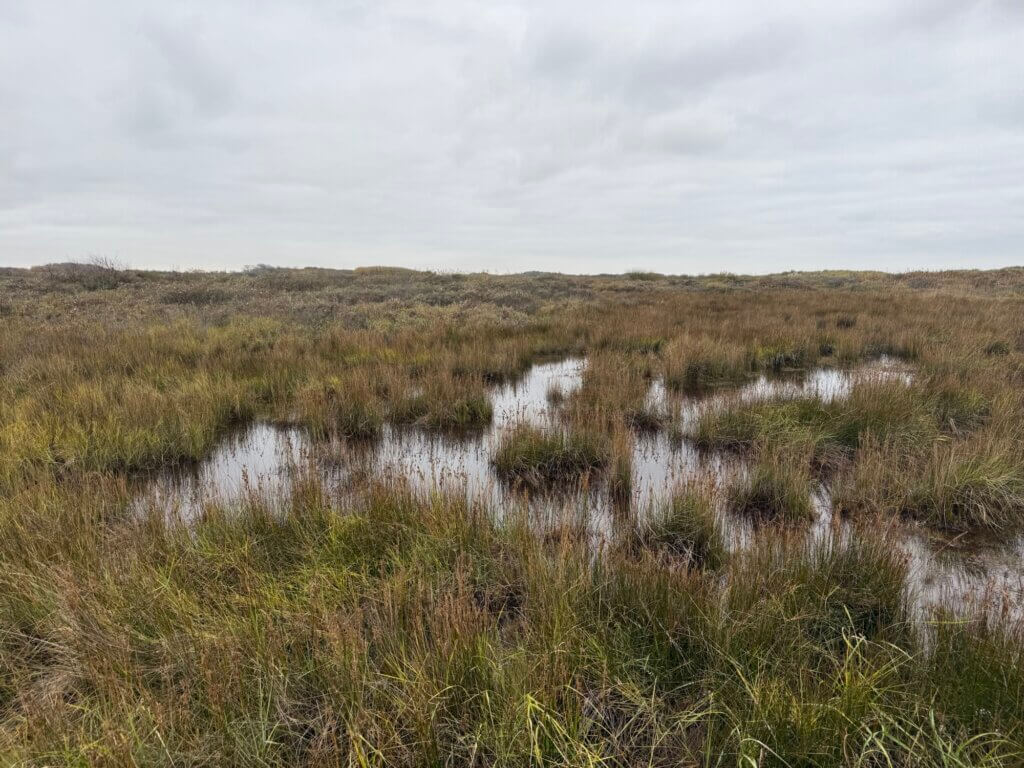
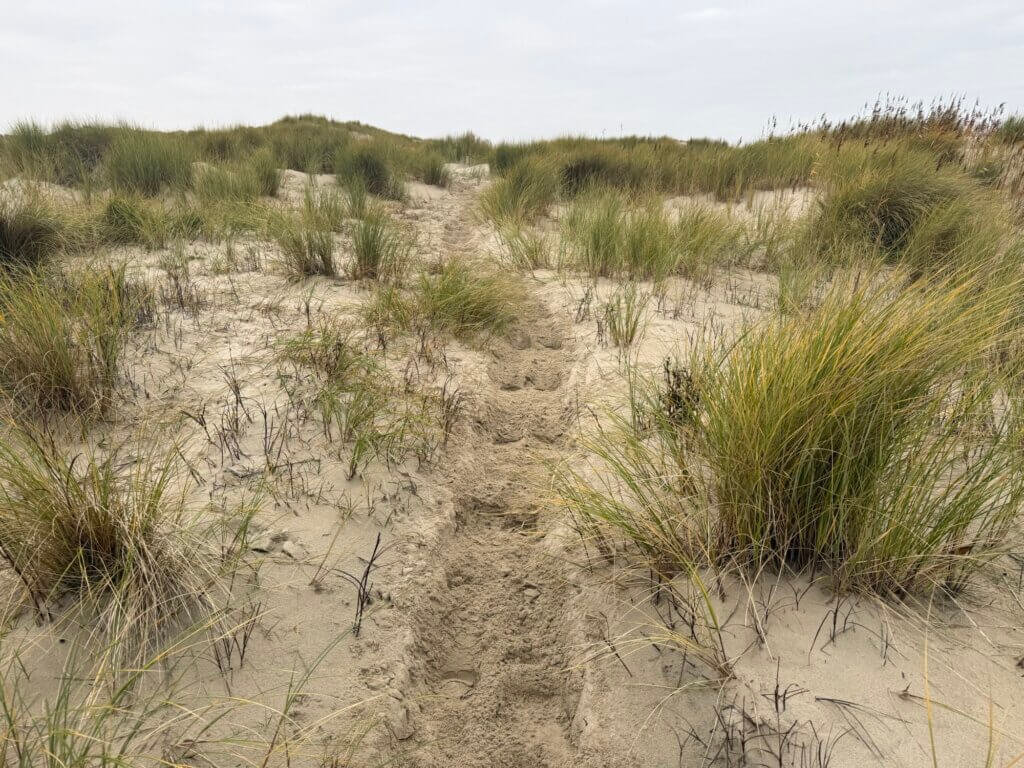
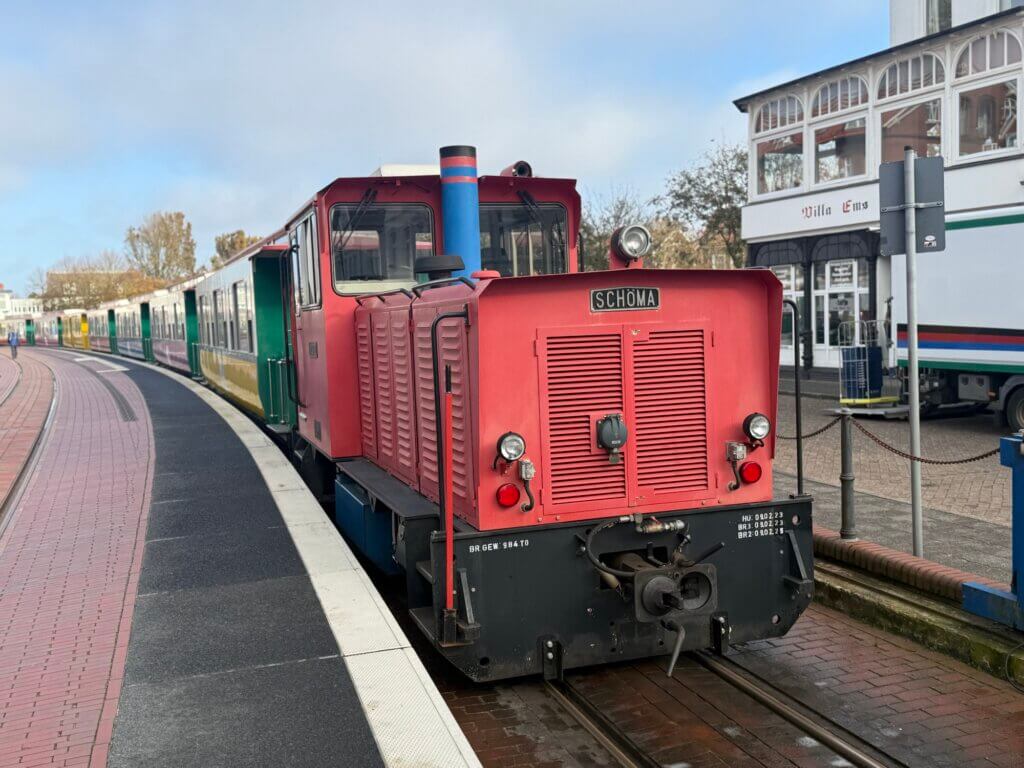
Borkum is easy to reach by ferry from Emden in Germany or Eemshaven in the Netherlands, with conventional ferries and faster catamaran services connecting the mainland with the island. The ferry terminal lies some distance from the town, but a charming narrow-gauge railway – the Borkumer Kleinbahn – waits beside the pier and carries passengers through dunes and open landscape to the centre. It is a fitting introduction to an island where maritime history, wide beaches and a relaxed North Sea atmosphere meet.
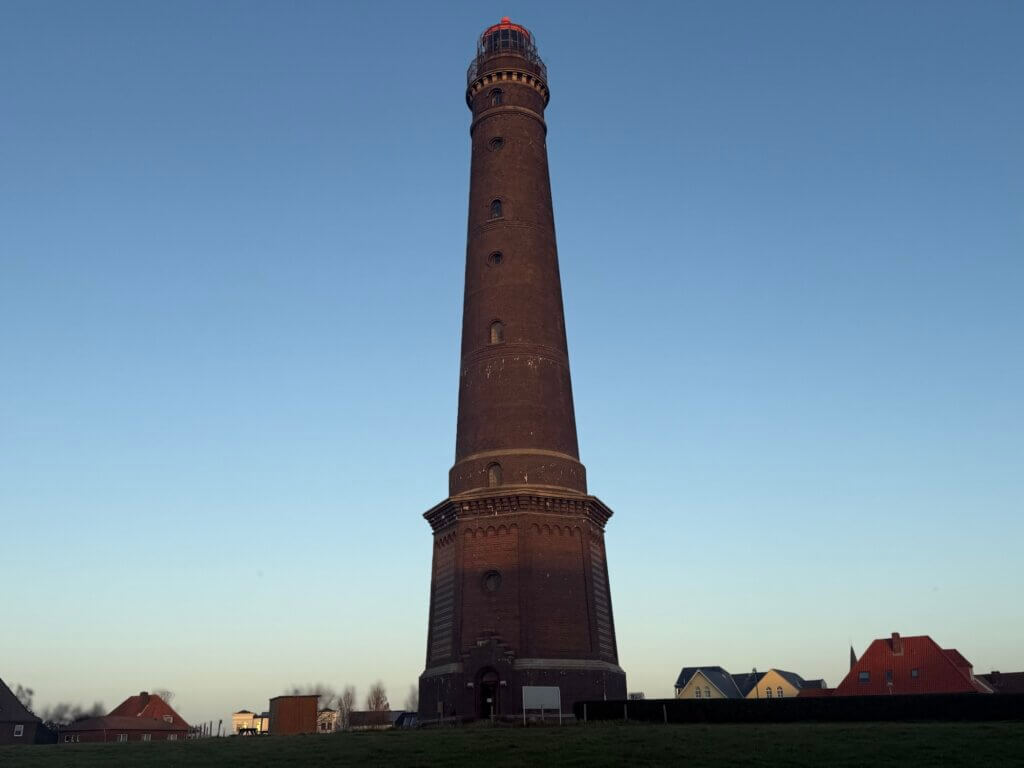
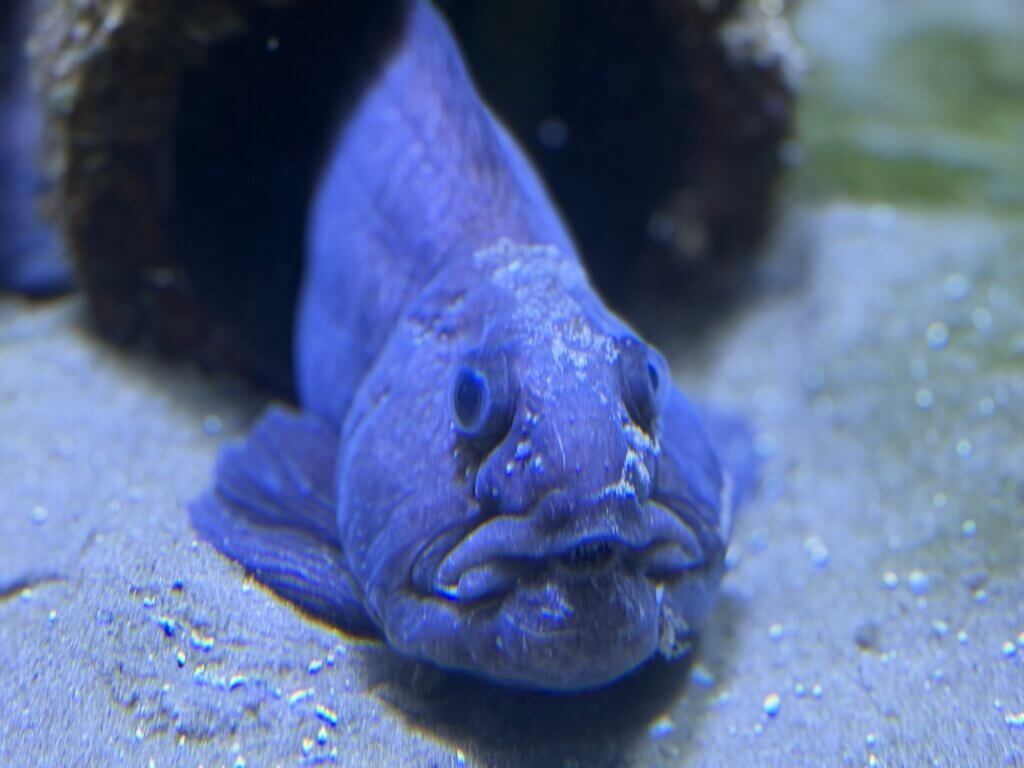
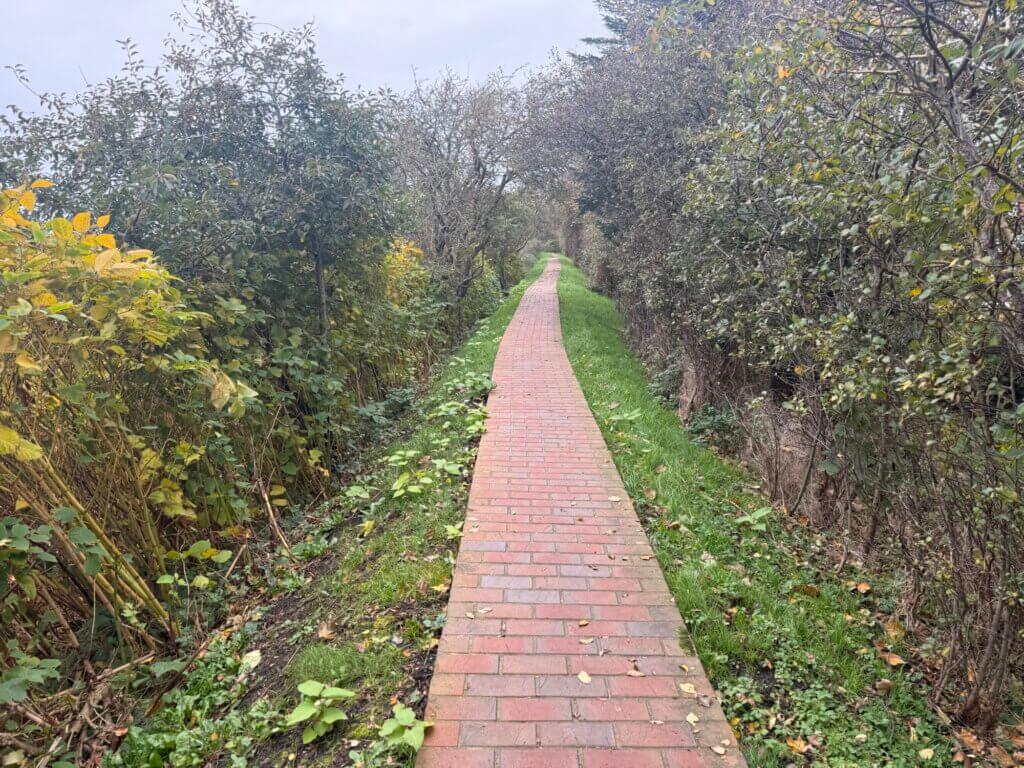
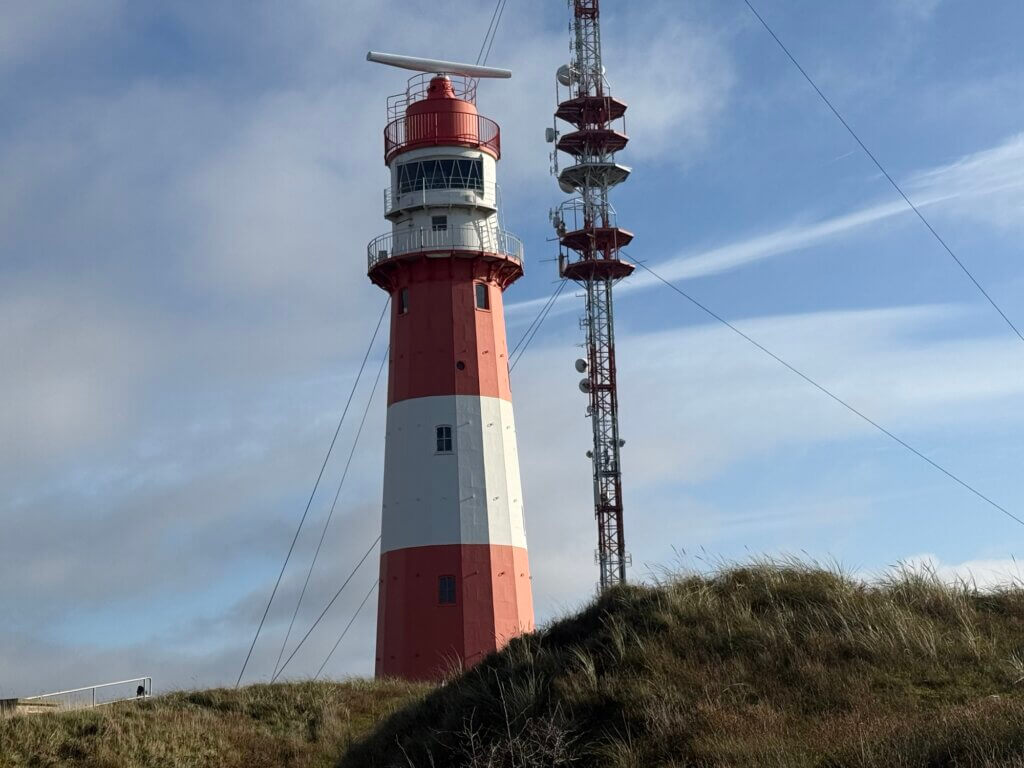
Borkum rewards visitors who take their time and explore beyond the promenade. The Neuer Leuchtturm is the obvious landmark: climbing its roughly 300 steps is worthwhile for the sweeping view over dunes, town, sea and the Ems estuary. Nearby, the Alter Leuchtturm and the Heimatmuseum Dykhus give a sense of the island’s maritime and whaling past, while the Nordsee-Aquarium offers a closer look at the marine life of the Wadden Sea. For quieter scenery, head east to Ostland, the Greune Stee woodland, the Tüskendörsee lake and the vast salt marshes of the Ronde Plate – all best experienced slowly, by bicycle or on foot.
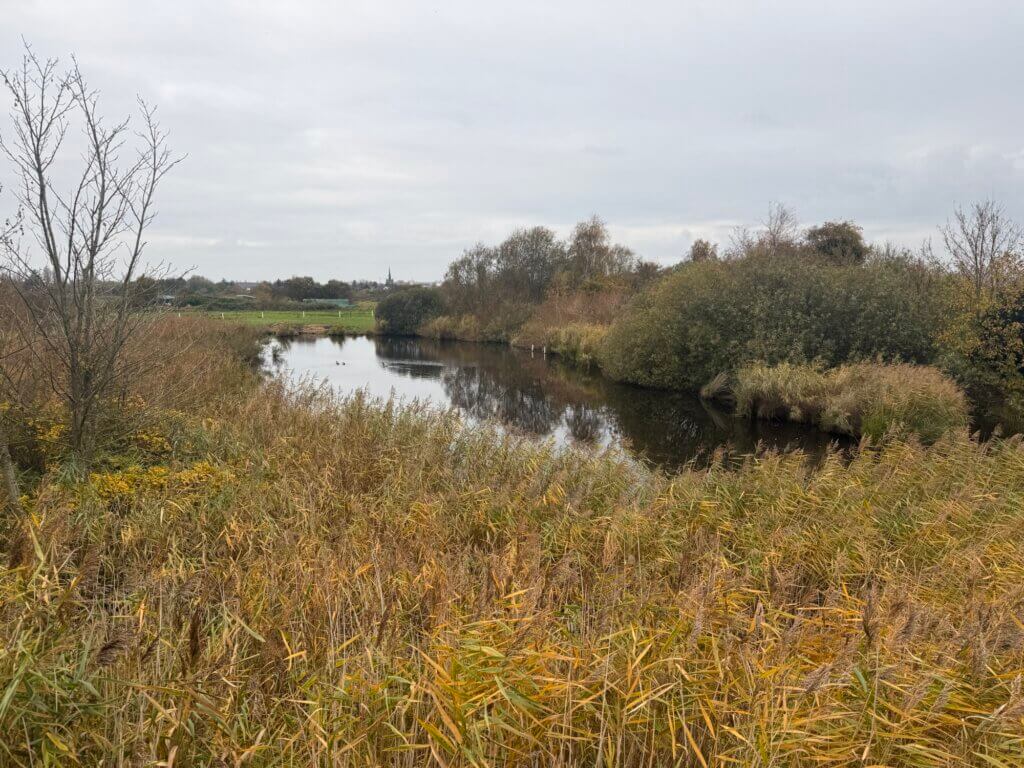
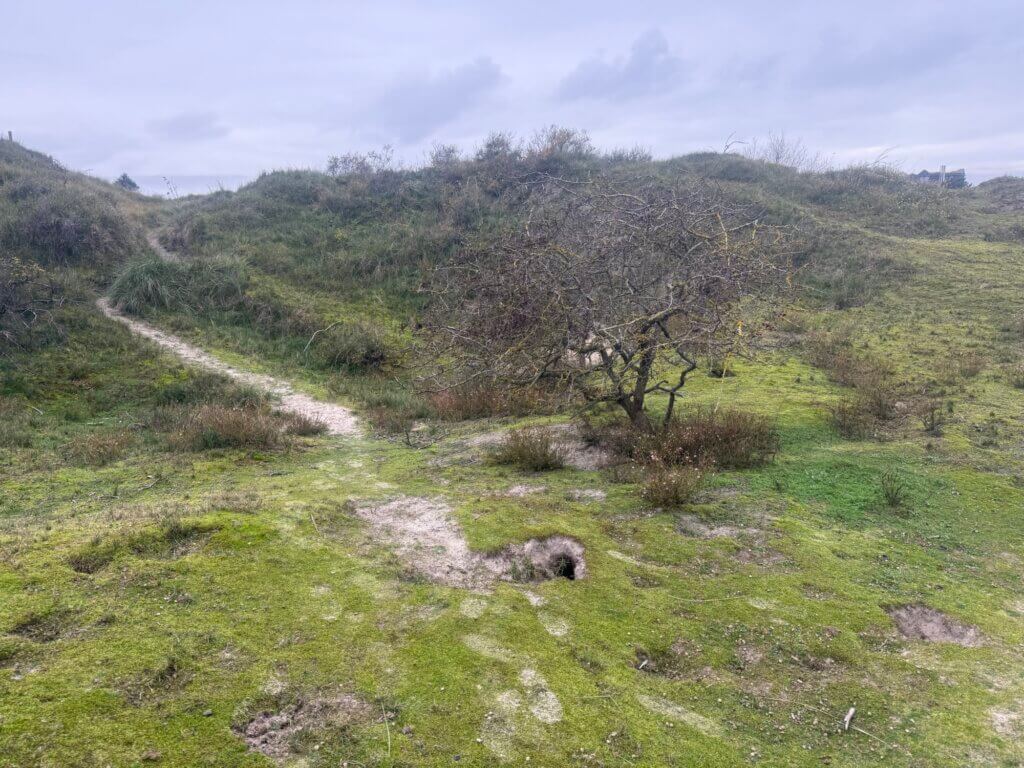
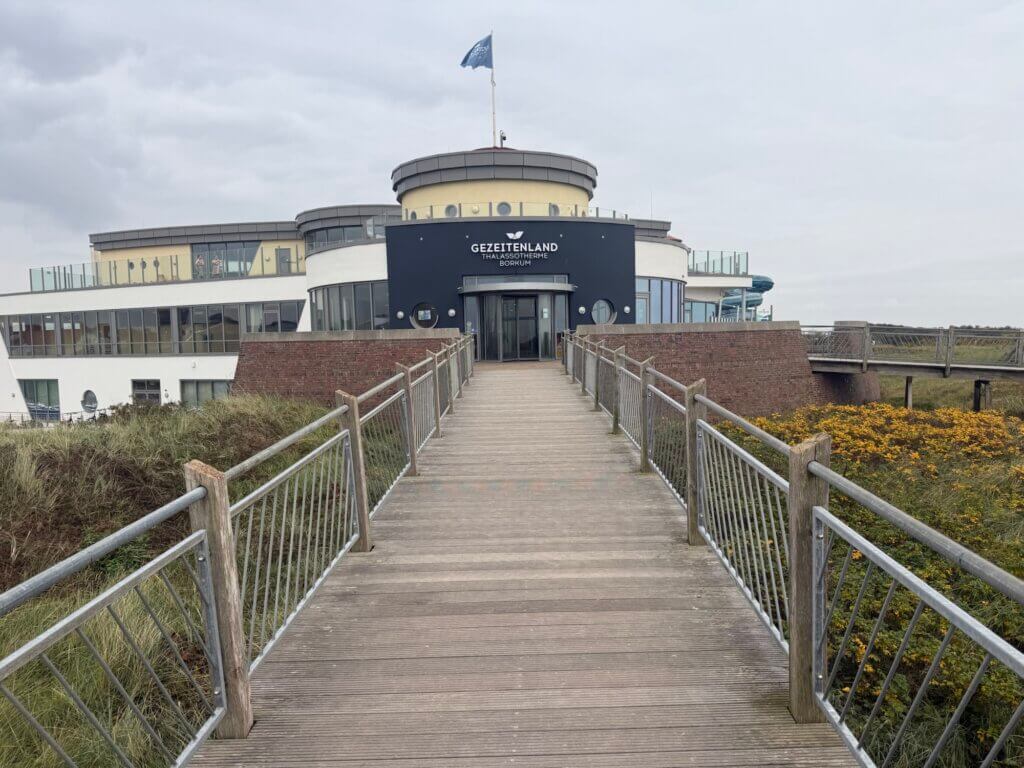
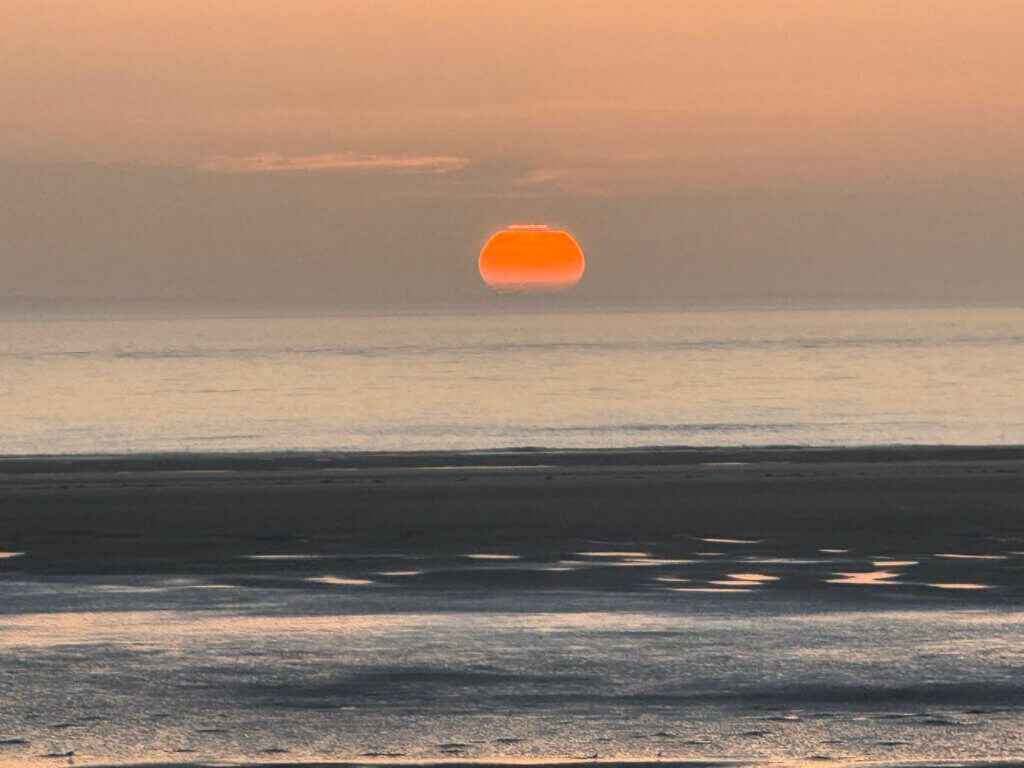
The island is especially good for outdoor and nature-based activities. Its long, open beaches and steady wind make it excellent for swimming, windsurfing, kitesurfing, beach sailing and kite-buggying, while around 130 kilometres of marked paths suit cycling, hiking and Nordic walking. Guided mudflat walks reveal the extraordinary Wadden Sea ecosystem, and boat or shore excursions can bring you close to seal colonies on the Borkumriff. Borkum also works well as a restorative destination: clean sea air, thalassotherapy, spa facilities and long walks along the promenade make it equally appealing for active travellers and those simply seeking a proper North Sea break.
Borkum
Germany
Loading map...
