
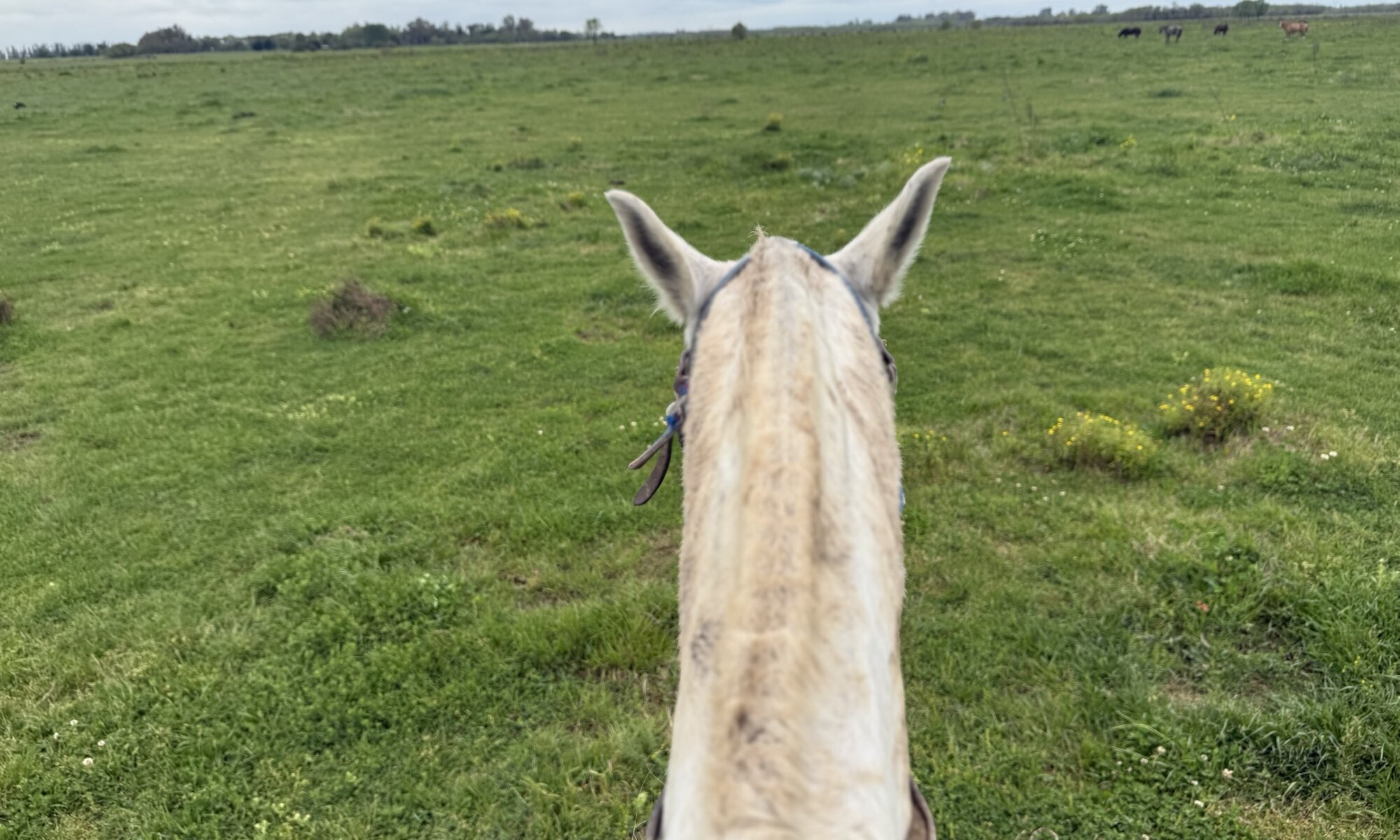
The gaucho is one of Argentina’s most enduring cultural figures: a horseman of the vast Pampas whose skills, independence and close relationship with the land shaped rural life. I spent a day at Estancia El Ombú de Areco, near San Antonio de Areco, and rode a horse there for the very first time in my life – a memorable way to experience a living connection to that tradition.
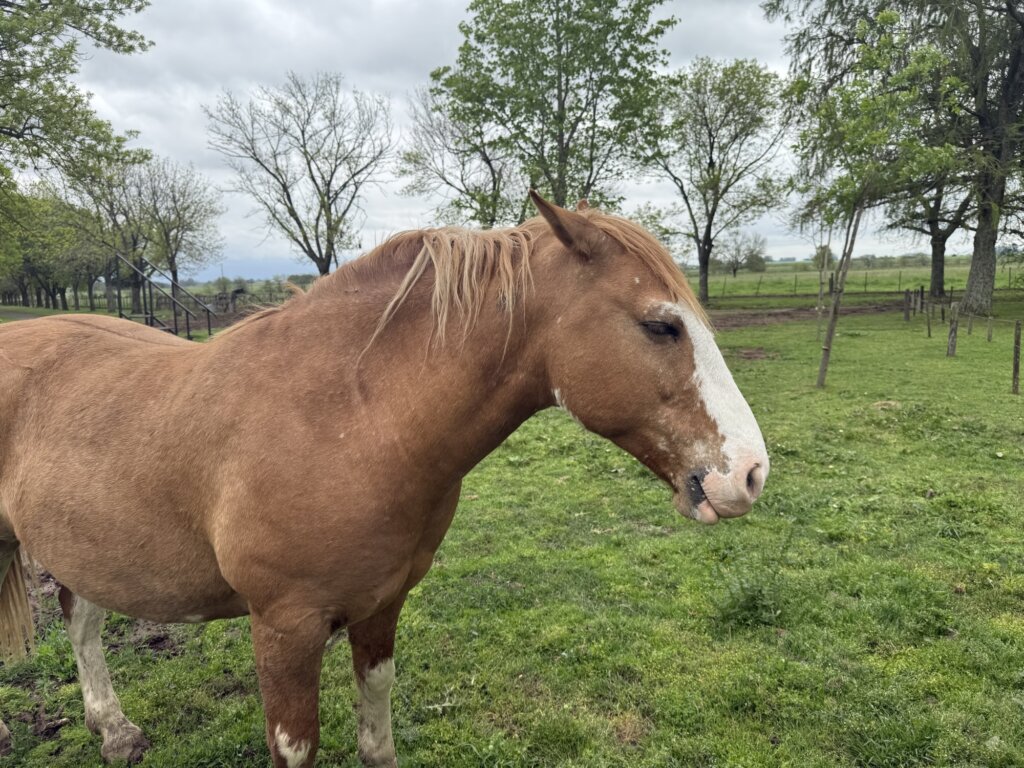
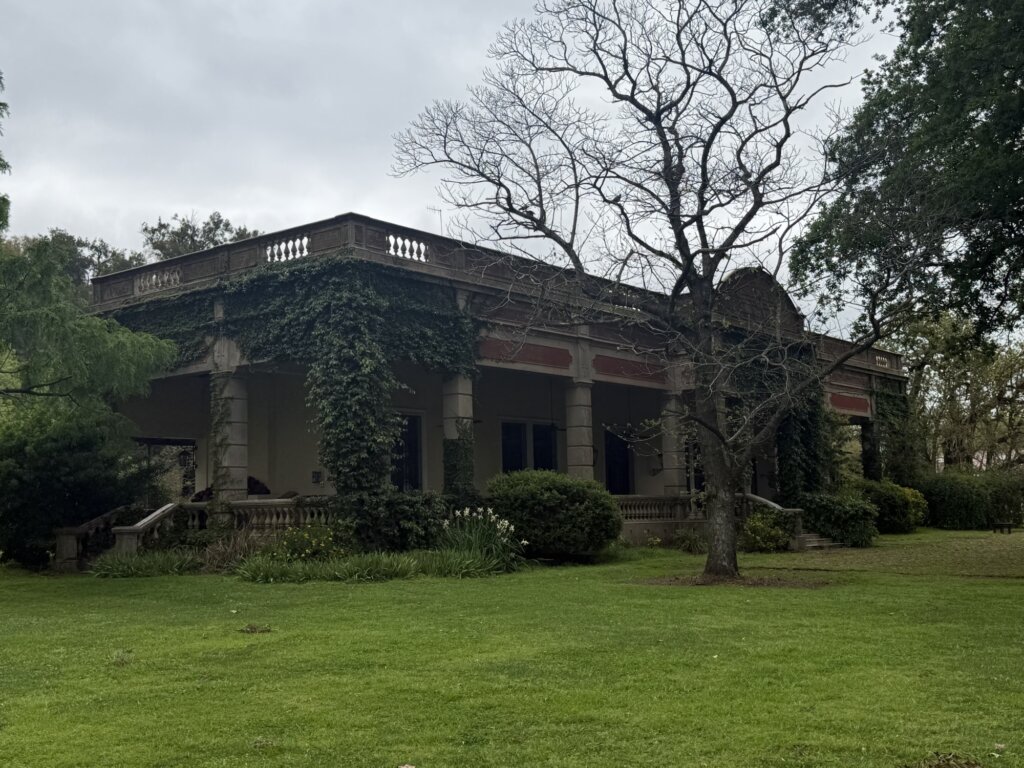
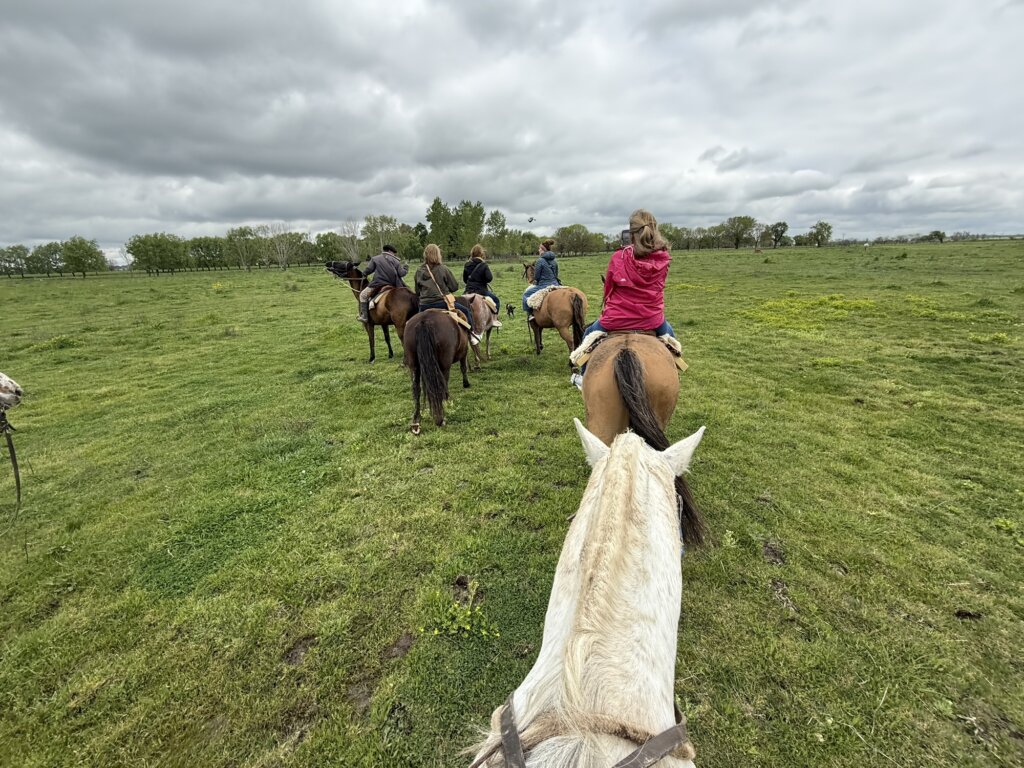
Gauchos emerged on the grasslands during the colonial era, as people of mixed backgrounds made a living among the region’s roaming cattle and horses. They became renowned for riding, handling livestock and travelling long distances across open country. In the early nineteenth century, many also served in the struggles for independence and the conflicts that followed; later, as land was fenced and ranching became more organised, the independent gaucho increasingly became a skilled worker on an estancia.
What made the traditional gaucho lifestyle special was its freedom and self-reliance. The horse was essential for work and travel, while the lasso and bolas were practical tools for managing cattle. A poncho, knife and simple provisions suited life outdoors, and mate, beef, guitar music and improvised verse formed part of its social world. This was a life shaped by immense distances, demanding work and expertise passed on through experience.
At El Ombú, the open fields and the chance to ride made those ideas feel less like distant folklore and more like part of the landscape. My first horseback ride was a small personal adventure, but it also gave me a new appreciation for the gaucho’s bond with the horse: not simply a symbol of tradition, but a partner central to work and movement across the Pampas. The estancia, founded in 1880 and set amid countryside near San Antonio de Areco, offers visitors an encounter with that rural heritage.
Asado
Another thing I finally tried in San Antonio de Areco! In Argentina, asado is much more than a barbecue: it is a leisurely social gathering built around fire, food and conversation. The asador tends the embers and cooks on a parrilla, while friends and family gather nearby; meals often unfold slowly, with no rush to move from one course to the next.
You may begin with chorizo or morcilla – sausage and blood sausage – before cuts of beef arrive from the grill. Chimichurri, a herby, tangy sauce, is a familiar accompaniment, while choripán – chorizo served in bread – is a popular, simple taste of the tradition.
For a traveller, the best way to experience an asado is to accept the unhurried pace: the conversation is as much a part of the occasion as the food. If you are invited to one, arrive ready to linger, follow your hosts’ lead, and savour each serving as it comes from the fire.
Estancia El Ombú de Areco
San Antonio de Areco
Argentina
Loading map...
