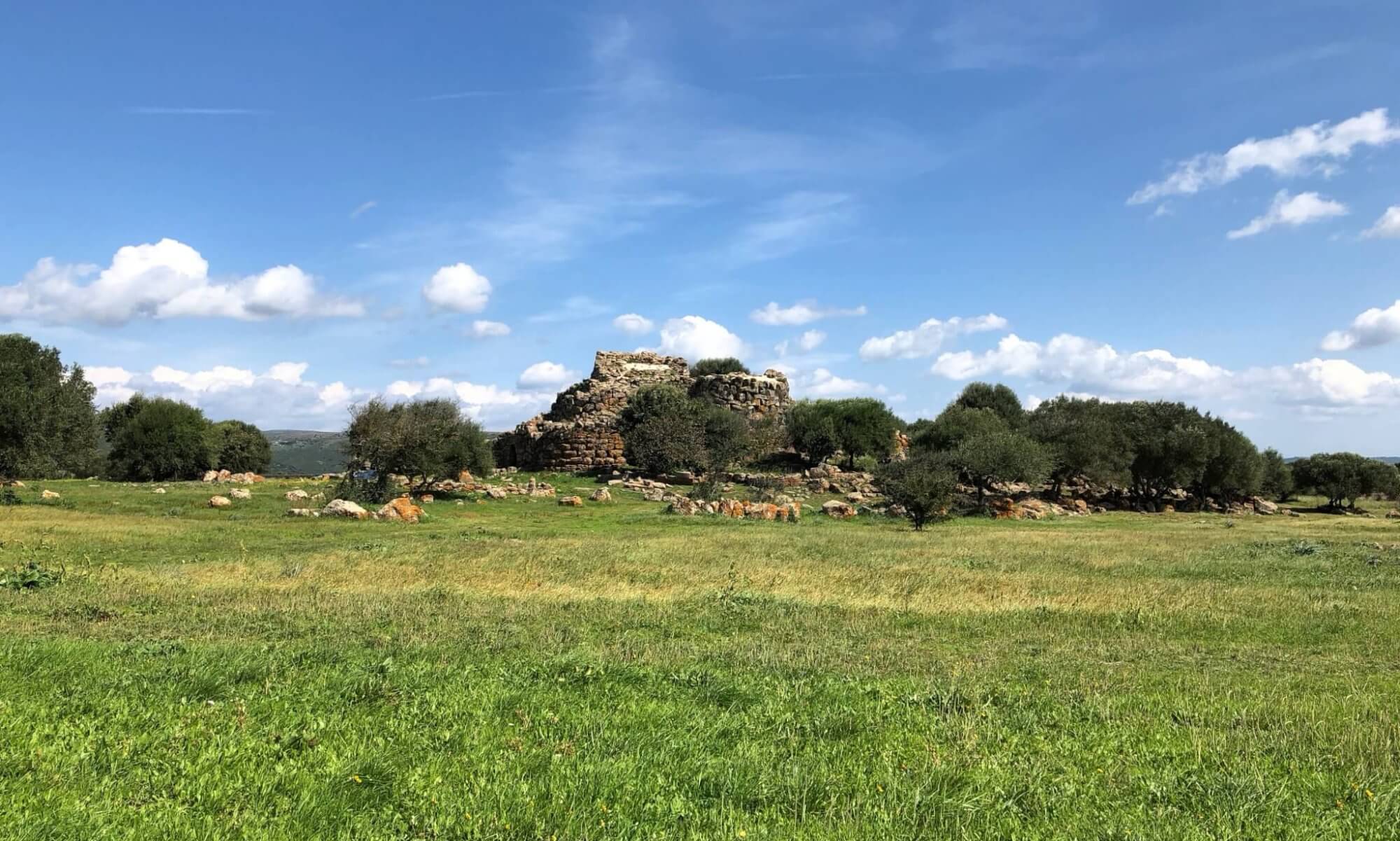
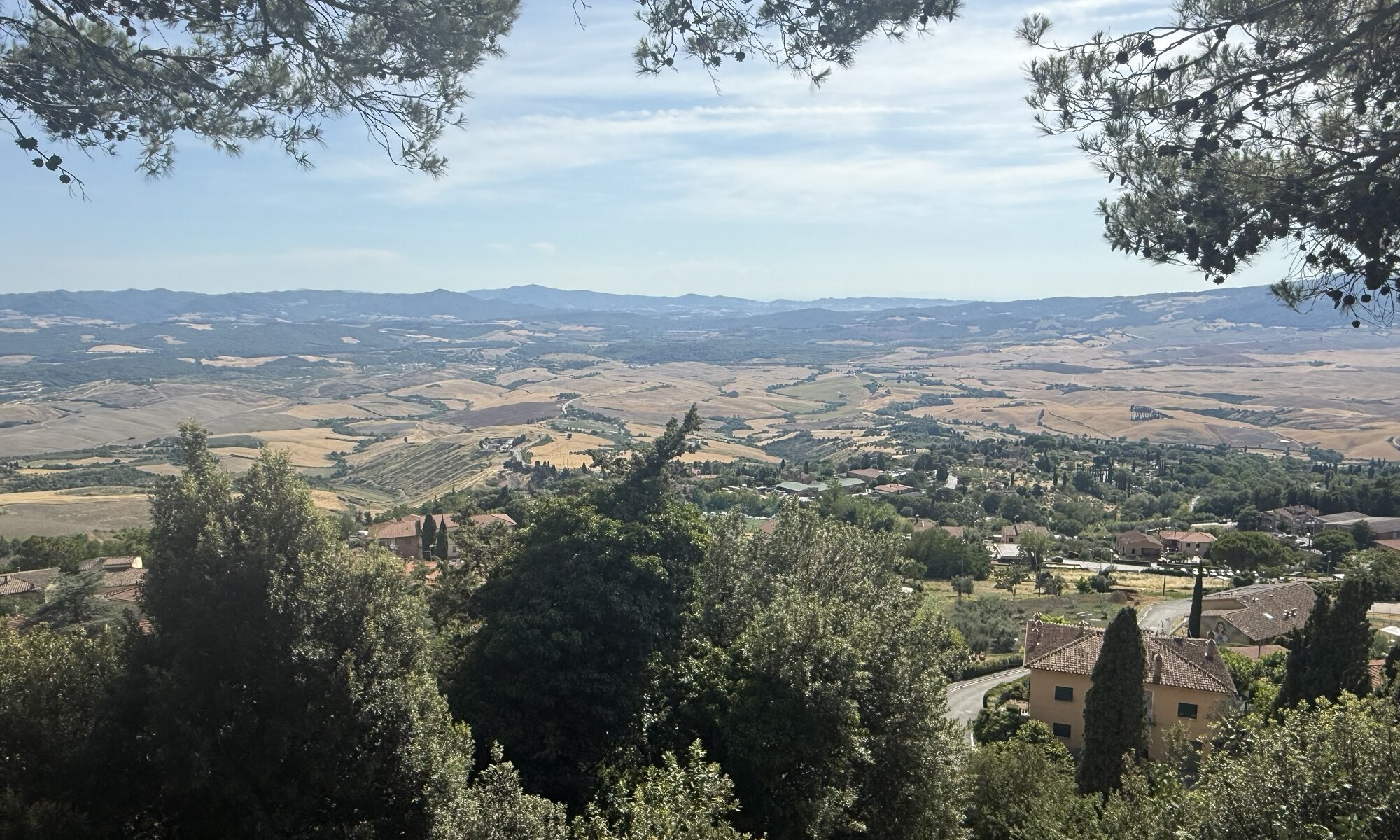
Volterra is a compact, hilltop town in Tuscany whose layered past is visible in almost every street and stone. Its origins reach back to the Villanovan and Etruscan periods, when it was known as Velathri and formed part of the Etruscan league; later it became the Roman Volaterrae and retained regional importance through late antiquity and the medieval centuries. Over time the city weathered sieges, civic rivalries and Florentine domination, all of which left architectural and civic traces – from Etruscan walls and Roman remains to medieval palazzi and a clearly articulated communal identity. That long continuity, with relatively little modern sprawl, gives Volterra an immediately ancient atmosphere that feels intact rather than reconstructed.
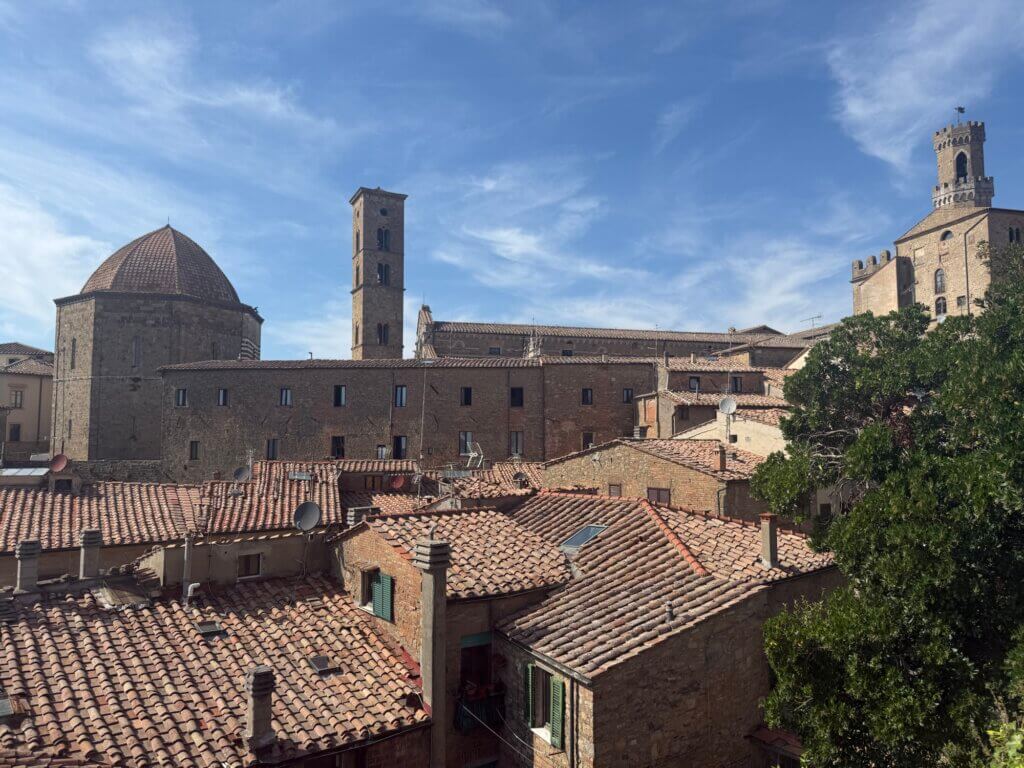
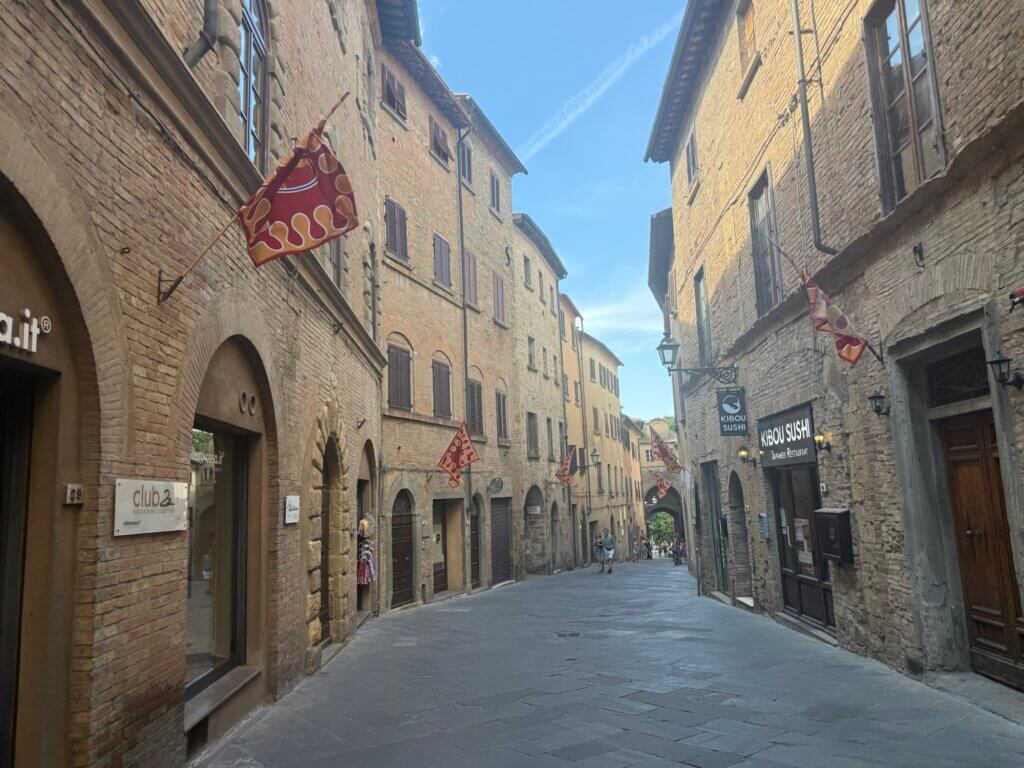
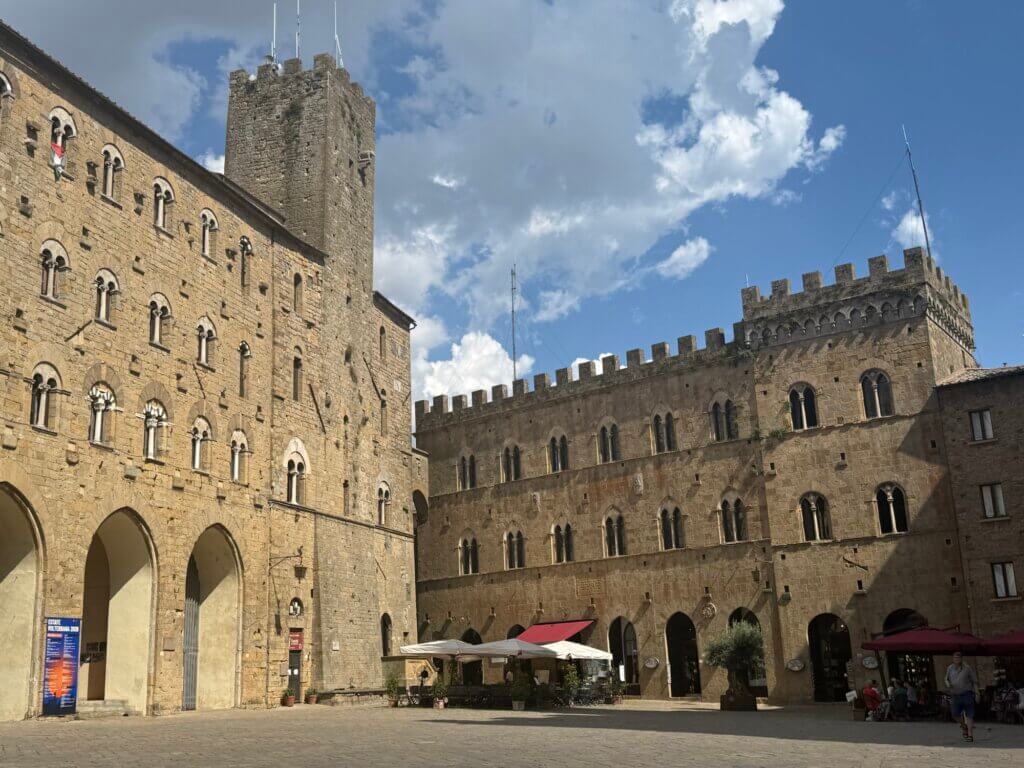
What makes Volterra special is the way several histories coexist within a small footprint: high Etruscan ramparts, Roman baths and cisterns, a compact medieval centre dominated by the Palazzo dei Priori, and panoramic ramparts that look out over the Tuscan plain. The town is also renowned for its alabaster craft; local workshops and museums display finely carved objects and the material’s importance to the local economy across centuries. Unlike busier Tuscan destinations, Volterra rewards slow walking and discovery – narrow alleys, small squares and unexpected viewpoints encourage lingering, and the town’s quieter pace makes it ideal for appreciating details like carved capitals, ancient inscriptions and worn stone steps.
For a first visit, begin at Piazza dei Priori, the atmospheric civic heart dominated by the 13th-century Palazzo dei Priori with its crenellated silhouette and elegant loggia; this square sets the tone for the medieval core. Nearby, the cathedral (Cattedrale di Santa Maria Assunta) and the adjacent baptistery present a restrained Romanesque interior and a façade that mixes medieval stonework with later additions, while the Museo Diocesano and its archaeological sections provide context for the Etruscan and Roman finds. Don’t miss the Roman theatre and the remains of the Etruscan city walls – walking the ramparts or standing at Porta all’Arco gives a visceral sense of the town’s strategic hilltop position.
Beyond the obvious monuments, seek quieter pleasures: small alabaster studios around Via dei Sarti, the Medici fortress (Fortificazione) whose terraces afford wide views of the surrounding countryside, and the atmospheric alleys around Piazza San Giovanni where you can find modest cafés and artisan shops. Allow time for the Etruscan museum (Museo Etrusco Guarnacci) if you enjoy ancient collections – its funerary urns and grave goods are unusually rich for a town of this size. In short, plan to move slowly, follow narrow streets downhill to surprising viewpoints, sample local alabaster craft and regional food, and treat Volterra not as a checklist but as a place for lingering and quiet exploration.
Volterra
Tuscany
Italy
Loading map...
