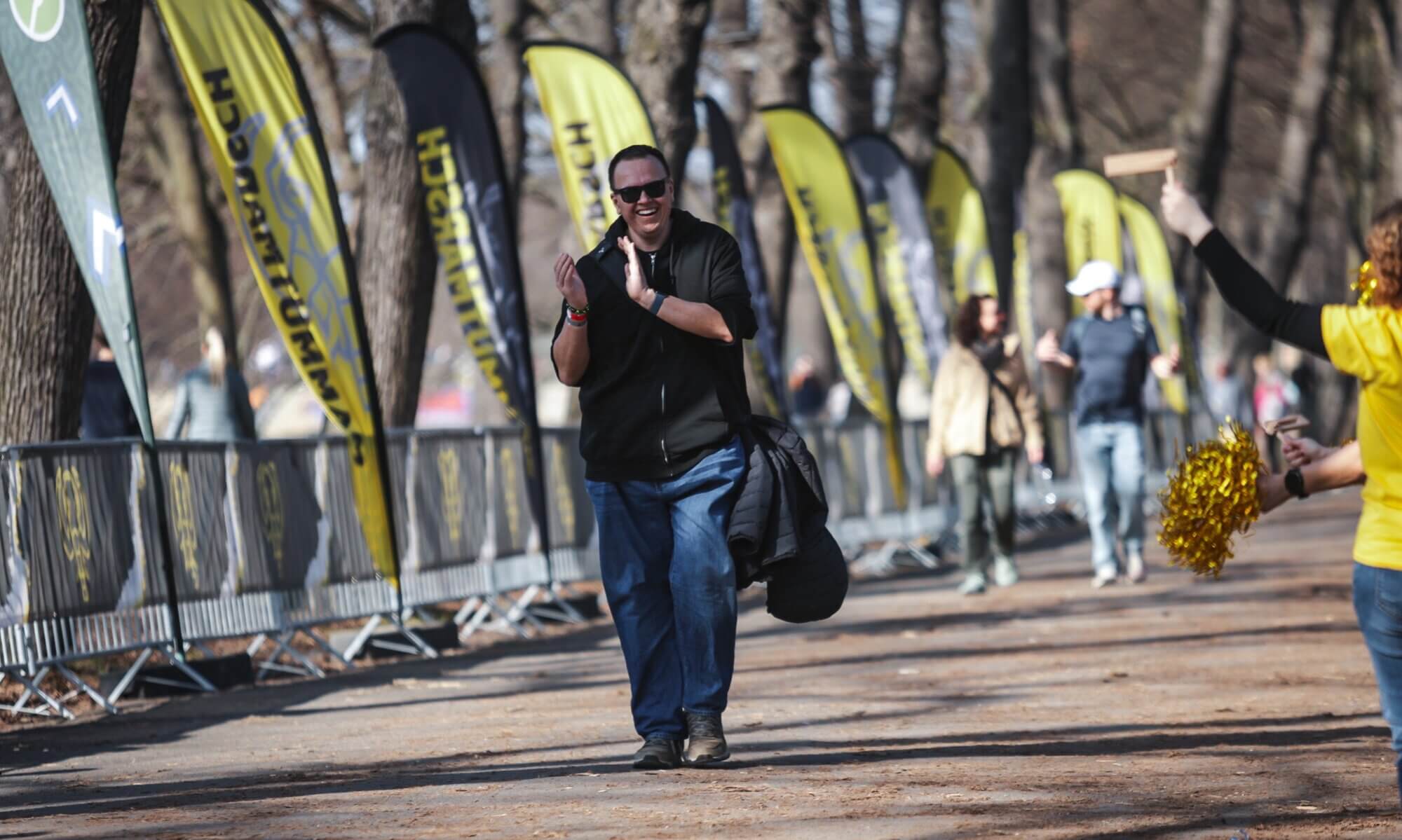
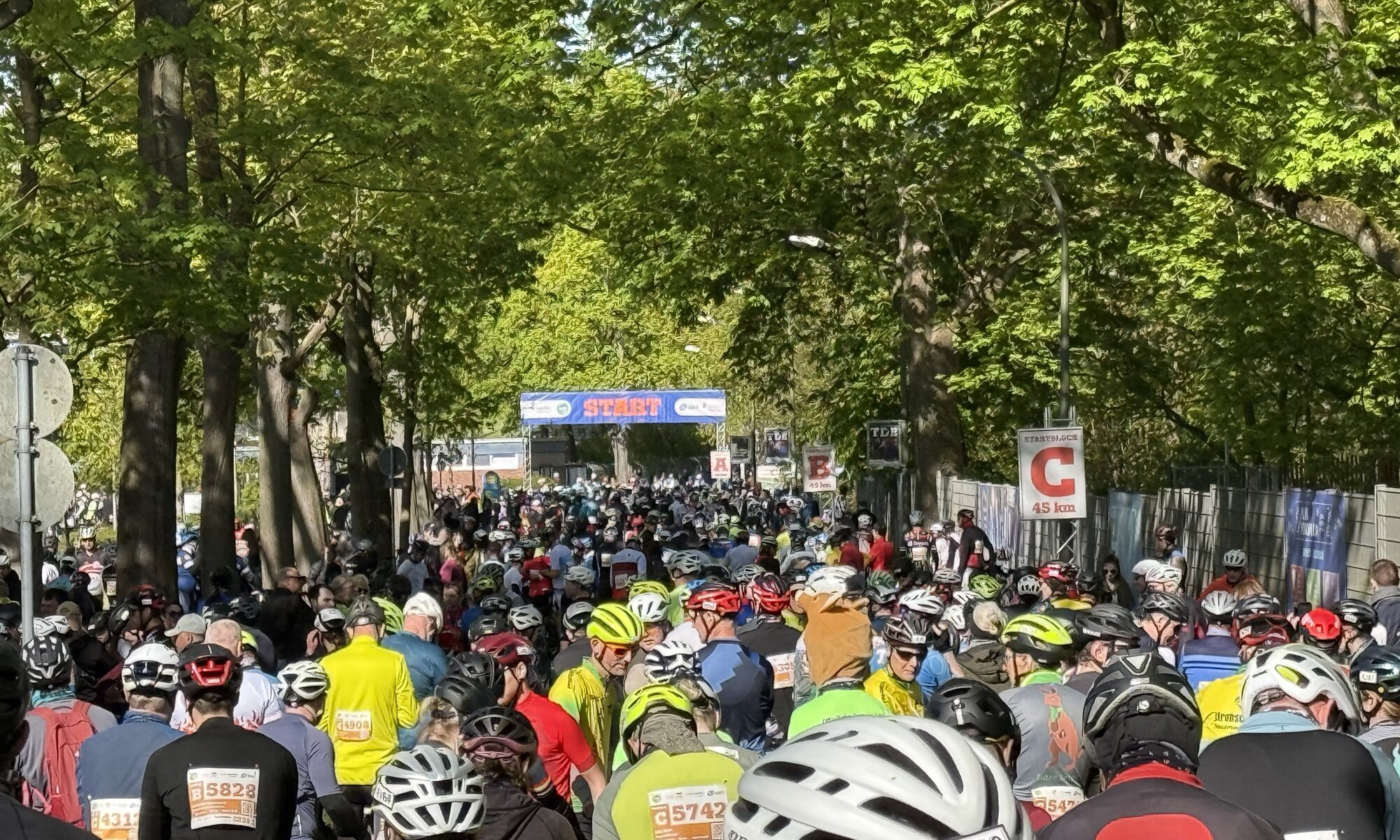
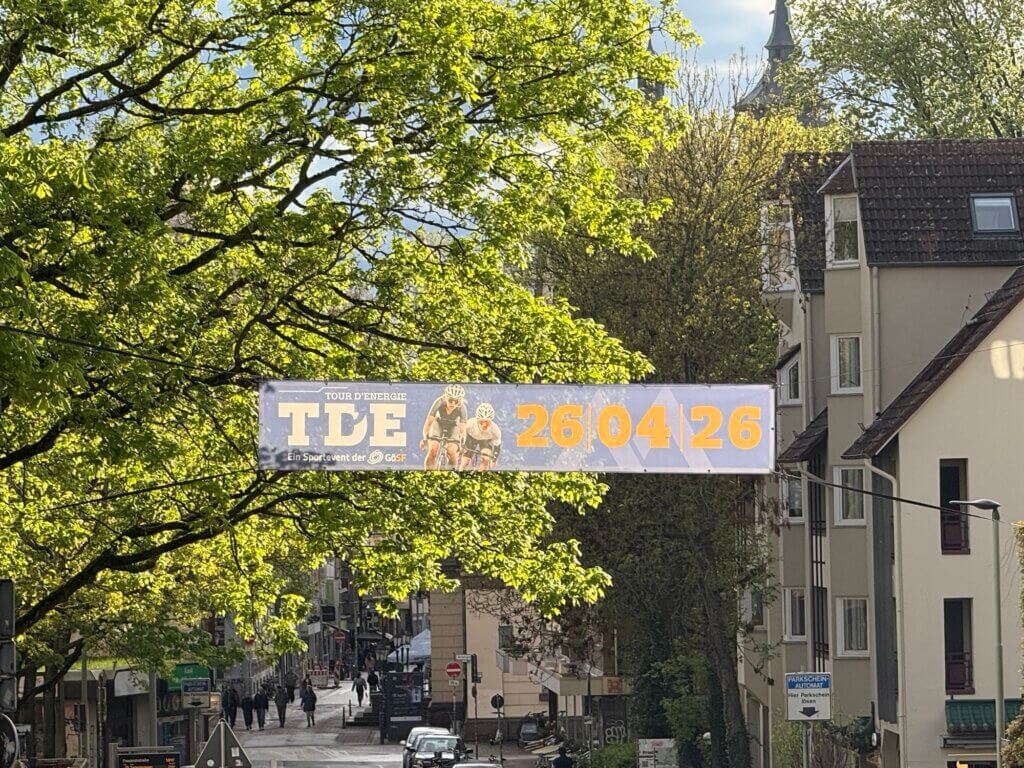
The Tour d’Energie in Göttingen has grown into one of the most prominent cycling events in central Germany, renowned for its lively atmosphere and excellent organisation. As a Jedermann-Rennen – meaning an event open to all – it attracts a diverse field of cyclists, from ambitious amateurs to seasoned enthusiasts. 5,500 people were attending this year. What makes the race particularly endearing is the sense of community surrounding it. Entire families line the streets, cheering participants on. It’s as much a festival of cycling as it is a test of endurance.
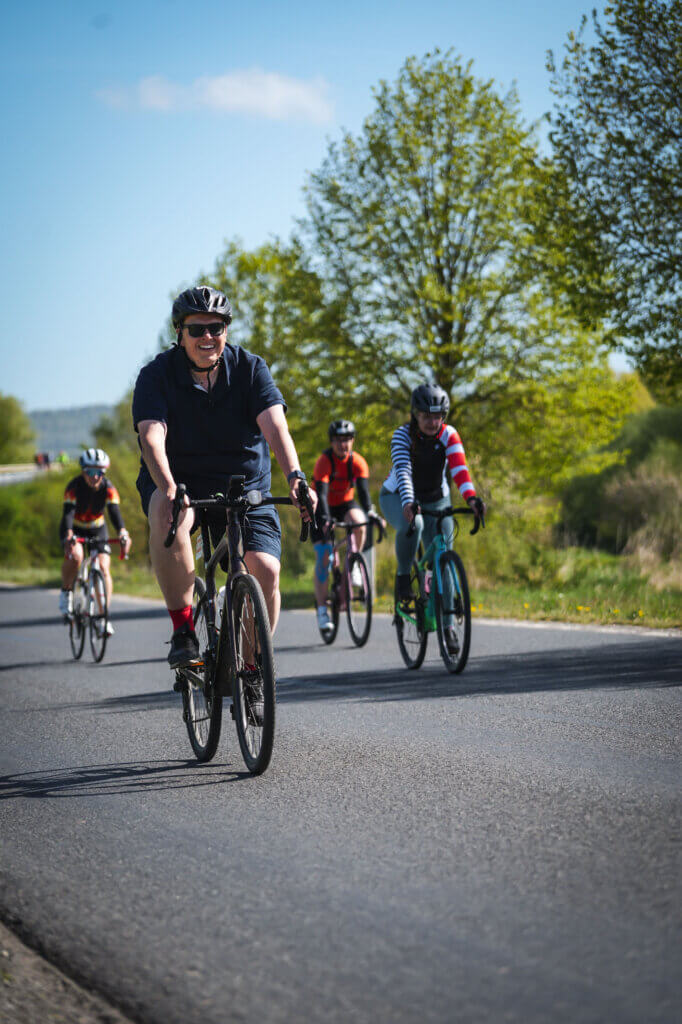
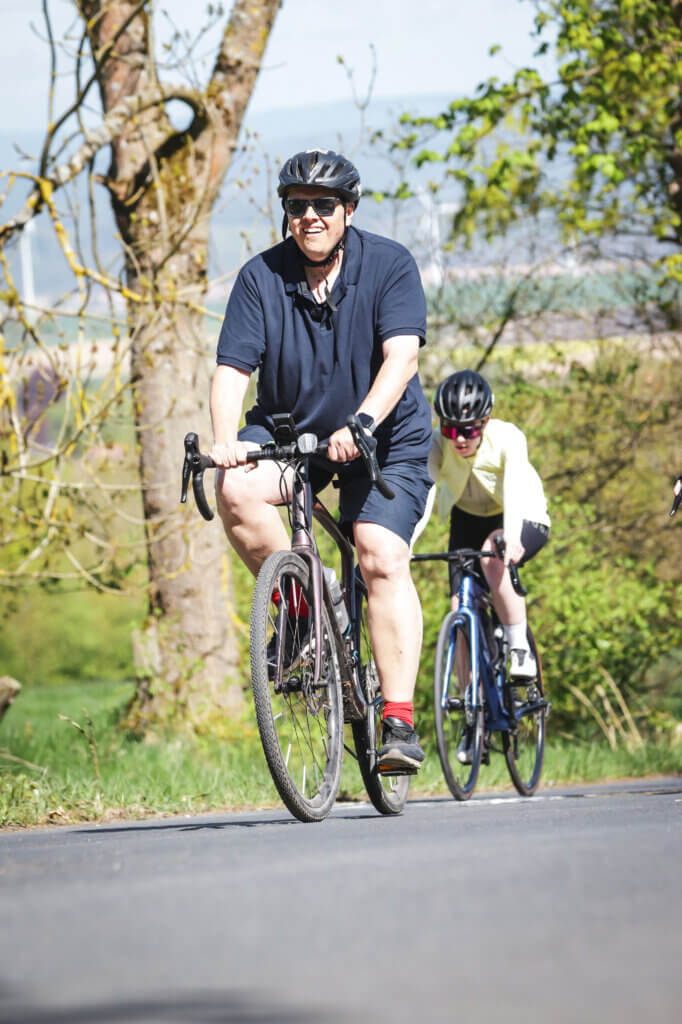
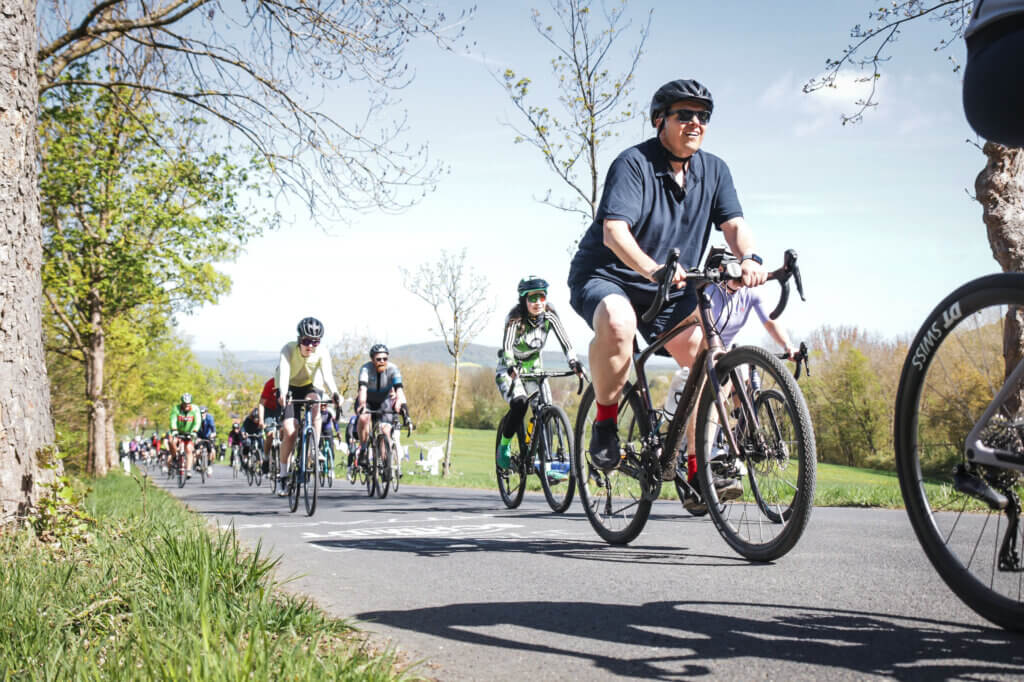
Two main routes define the challenge: a shorter 45 km route and a more demanding 100 km route. Riders can choose according to their fitness and appetite for hills, yet both share the same enthusiastic support from spectators and the same professional timekeeping and safety logistics that give the event its prestige. The longer course attracts those seeking a true test of stamina through the rolling landscapes of Südniedersachsen, but even the shorter one offers varied terrain to keep things interesting. The tour starts at the Jahnstadion located at the Sandweg from where the field is guided to the road towards Rosdorf where a flying start kicks off the race.
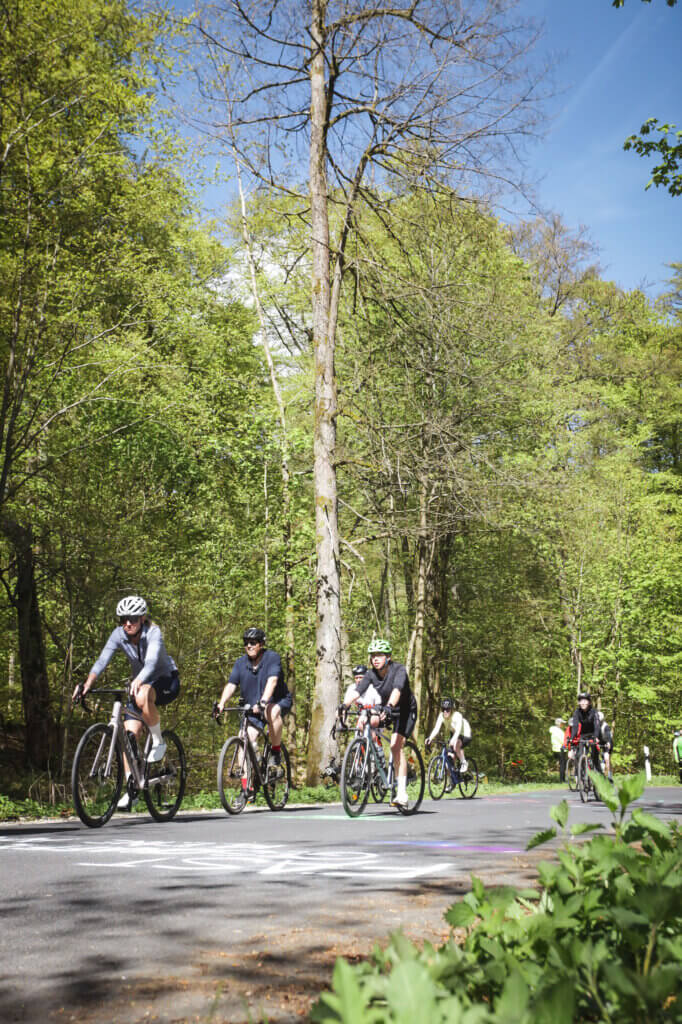
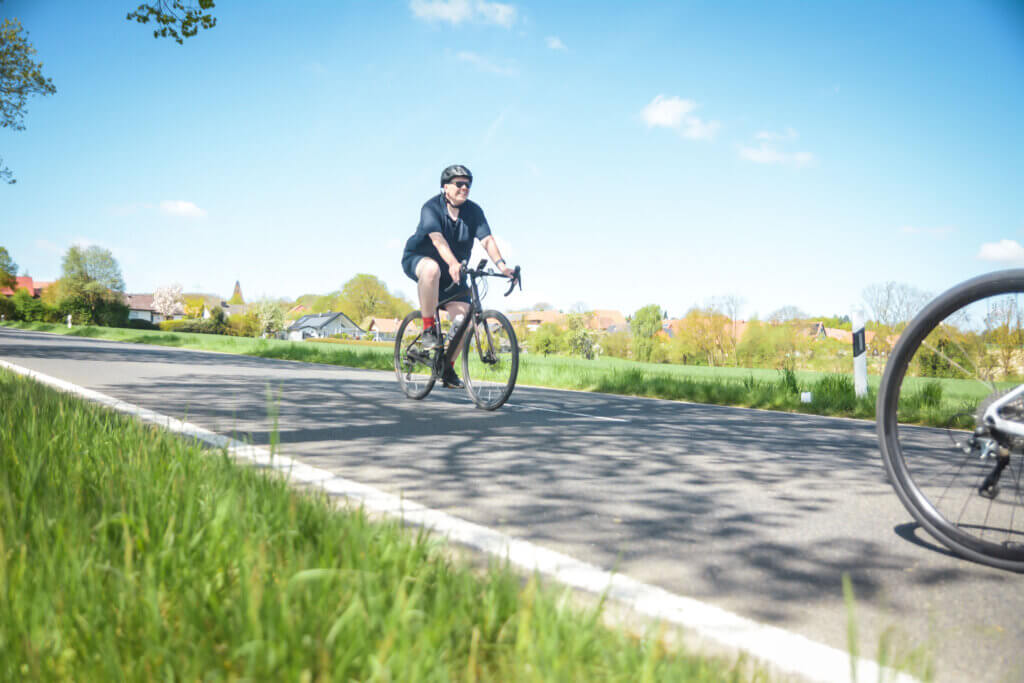
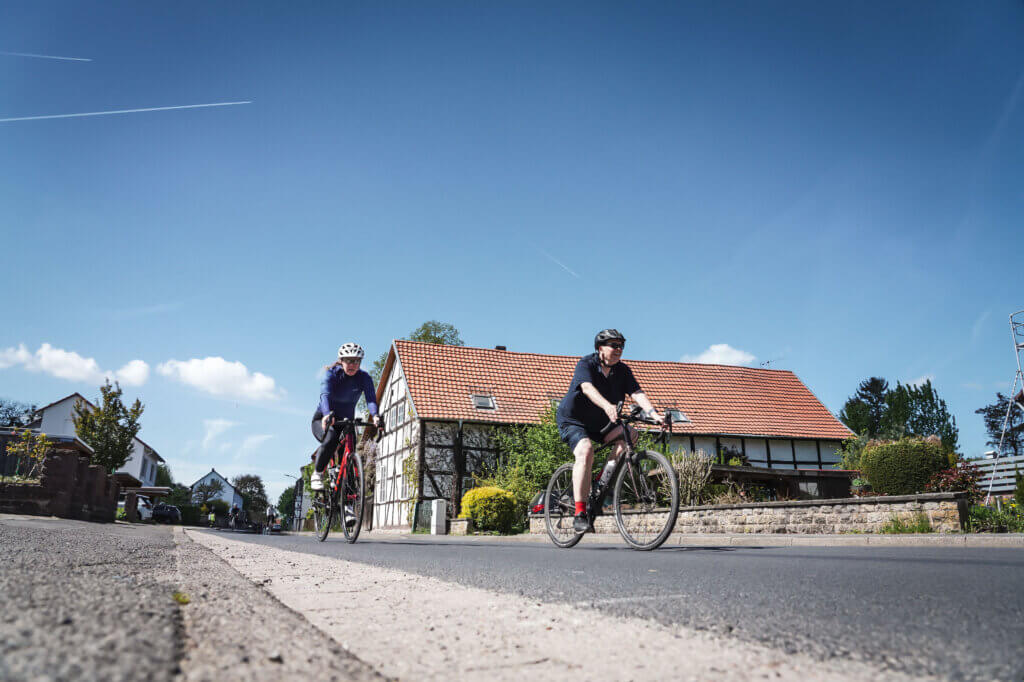
The 45 km route is far from a leisurely ride; it leads cyclists through lush countryside and gentle hill sections characteristic of the Göttingen region. After passing Rosdorf you’ll pass Mengershausen and take a long ramp up the hill to Bördel. From there you can enjoy a short rush downhill to Dransfeld where the real pain begins: once you’ve passed the local school, you head out into the forest again and steadily up the Hoher Hagen until you reach the Gaußturm. And then it feels like you’re done – the rest is 24 kilometers downhill. Via Jühnde, Mariengarten, Volkerode and Sieboldshausen you get back to Rosdorf. The final kilometres lead back towards Göttingen, rewarding riders with a sweeping finish on the Bürgerstraße near the city center, where the cheers of the crowd make every pedal stroke worthwhile. The route showcases both the natural beauty and the cultural landscape that surround the university town.
Beyond the physical challenge, the Tour d’Energie celebrates Göttingen’s spirit of inclusion and its connection to sport. Many local clubs, sponsors, and volunteers contribute to the event, creating a seamless experience for thousands of participants each year. The mixture of personal achievement and collective celebration gives the race a unique charm; it’s less about professional competition and more about sharing a passion for cycling. Whether one rides for speed, for fitness, or simply for the joy of the journey, the Tour d’Energie captures the essence of communal sportsmanship in a picturesque setting. Registration typically opens in the first week of January and the price afterwards increases constantly – commit yourself early. If you want to take the challenge, prepare well: the ramp from Mengershausen up to Bördel is painful, but doable after some practice. You can do the track as often as you want upfront: even when roads are not blocked for the race, the tour is nice and marked permanently at relevant junctions.
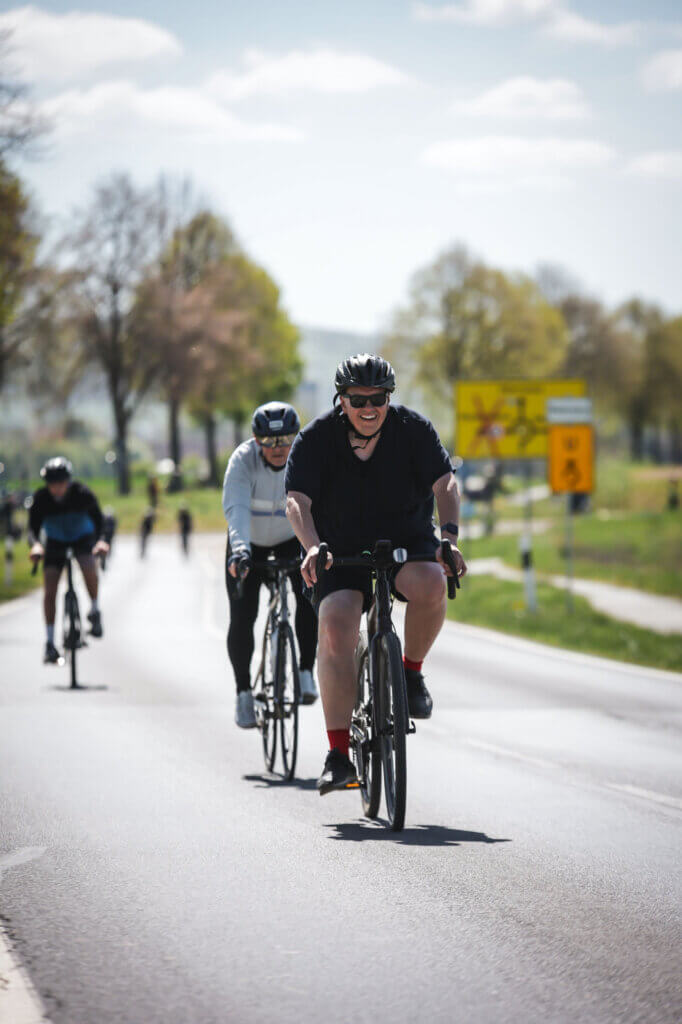
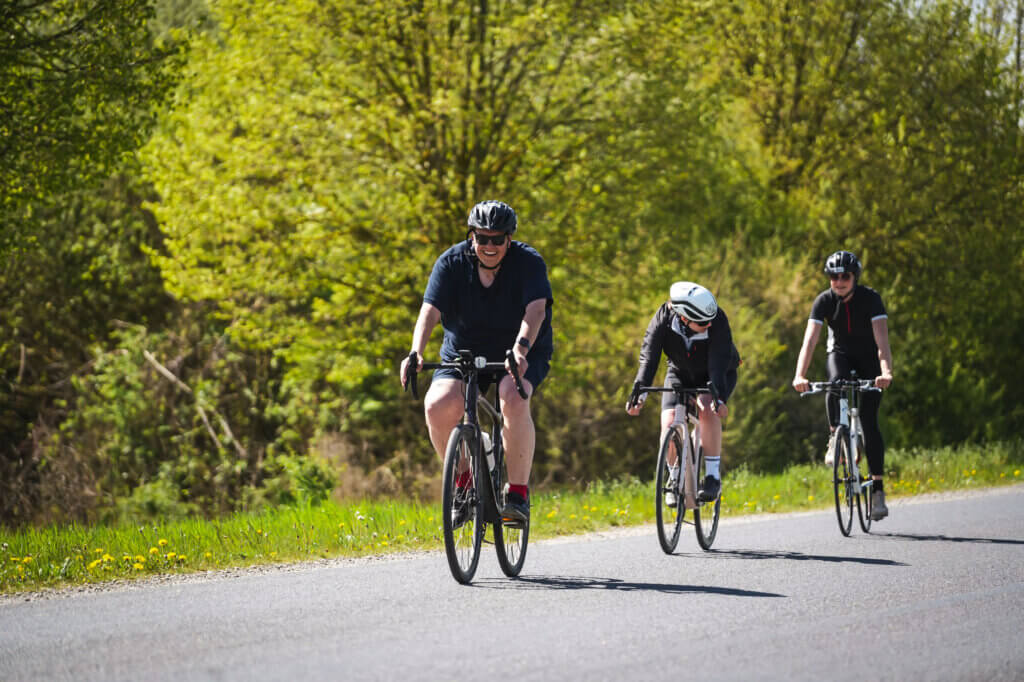
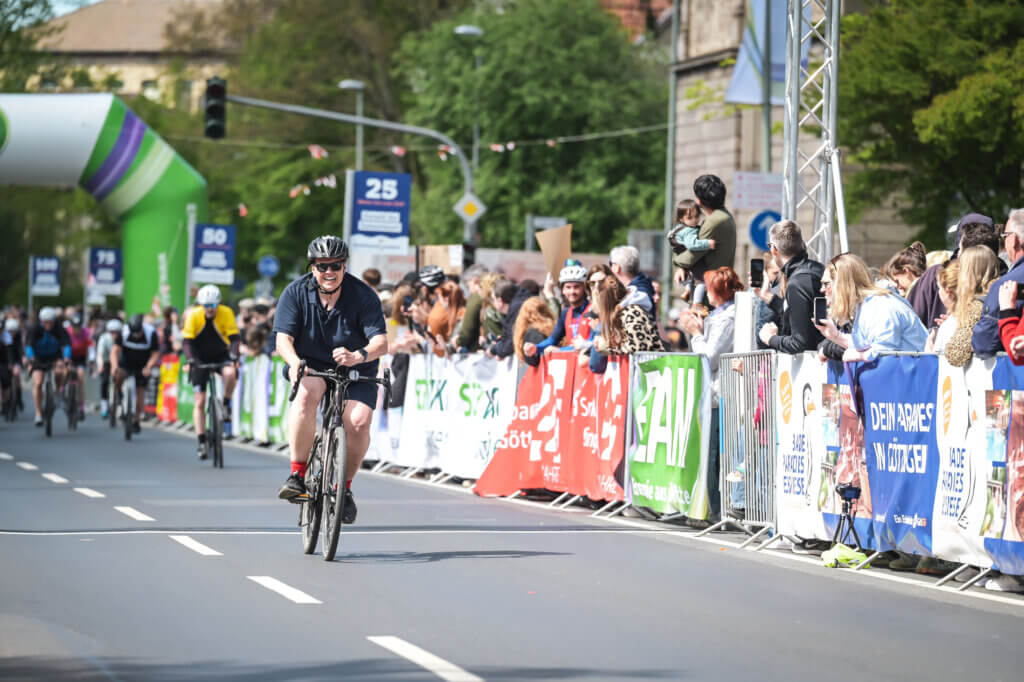
The ride from Dransfeld up to the Hoher Hagen is tough, especially as it is the second ascent and the legs are already tired by then. My nemesis is the short but very steep section close to the camping area. Another reason why preparation for the race needs to be well planned is that it is early in the year. Weather is still very unstable in April and you really need to force yourself to practice climbing up the hill in light rain. On the 45 km track, the best riders arrive after 1:05h. The rules request a minimum average speed of 20 km/h, the finish line closes after 2:30h – especially as afterwards the participants of the 100 km race arrive. I made it in solid 1:45h. Registering for the Tour d’Energie was a good decision. It was fun and it forced me to exercise continuously during winter time.
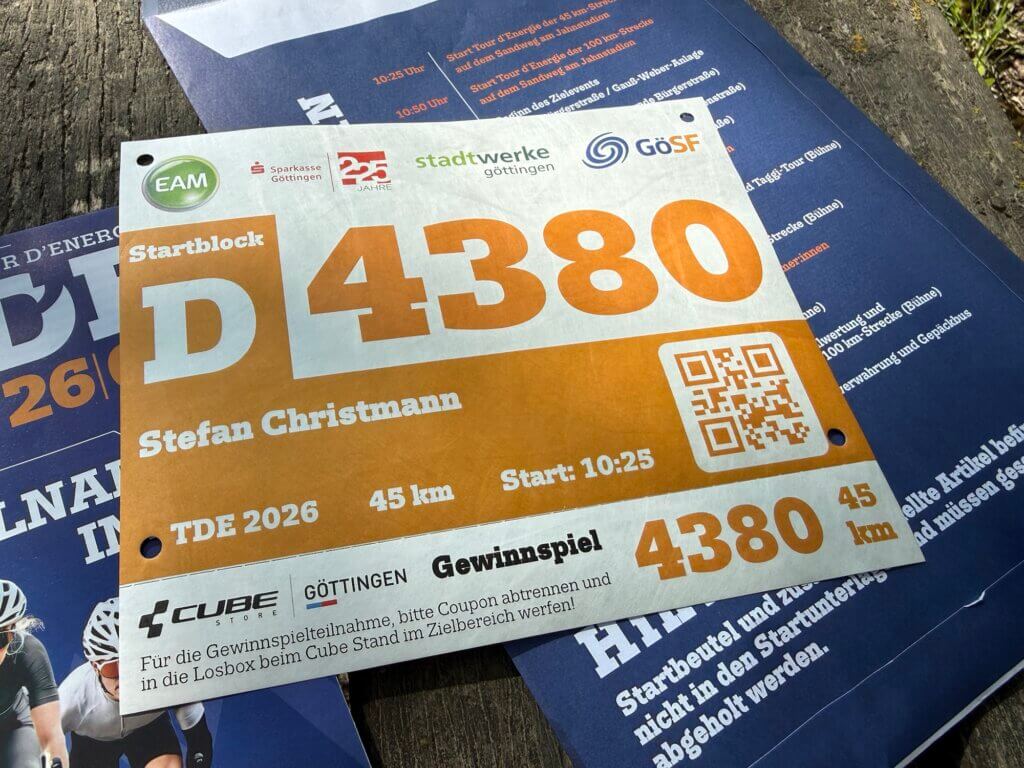
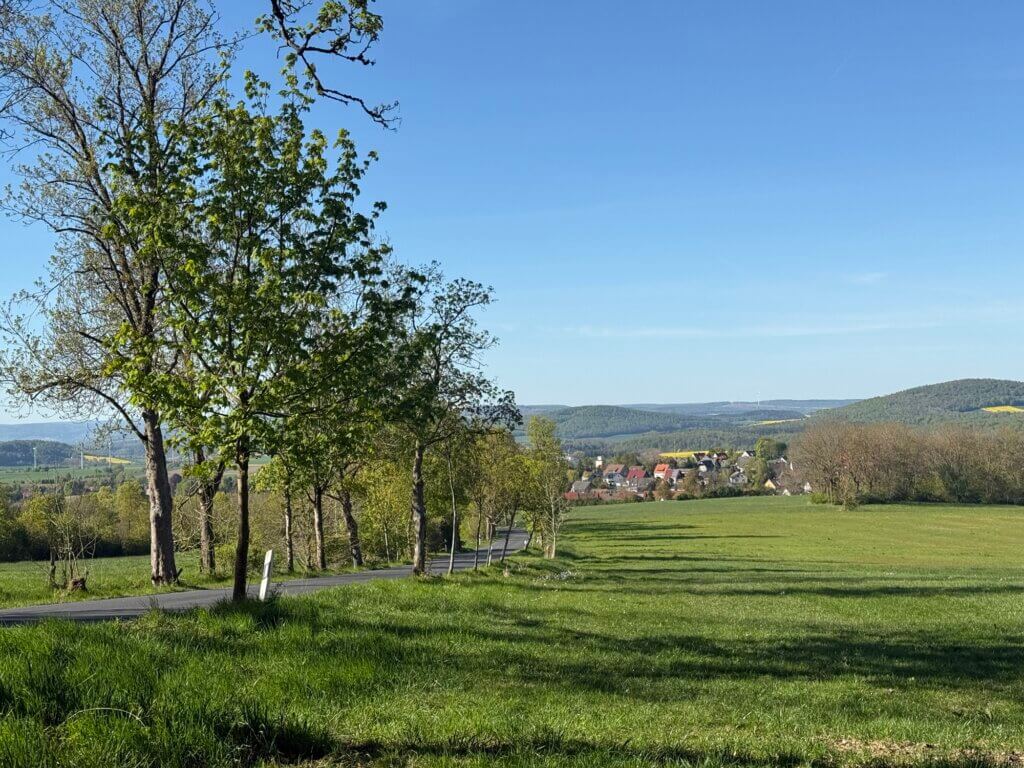
Final challenge: Hoher Hagen
The Hoher Hagen rises prominently in the western part of the Göttingen district, a striking basalt cone that marks the heart of the Dransfeld forest. At roughly 480 metres above sea level, it is a remnant of volcanic activity that shaped the region’s undulating landscape millions of years ago. Its dark rock contrasts vividly with the surrounding pastures and mixed woodland, creating the kind of rugged scenery that feels almost out of place in the otherwise gentle hills of Südniedersachsen. The mountain serves as a natural observation point overlooking the Leinetal and, on clear days, even offers distant glimpses of the Harz mountains to the east.
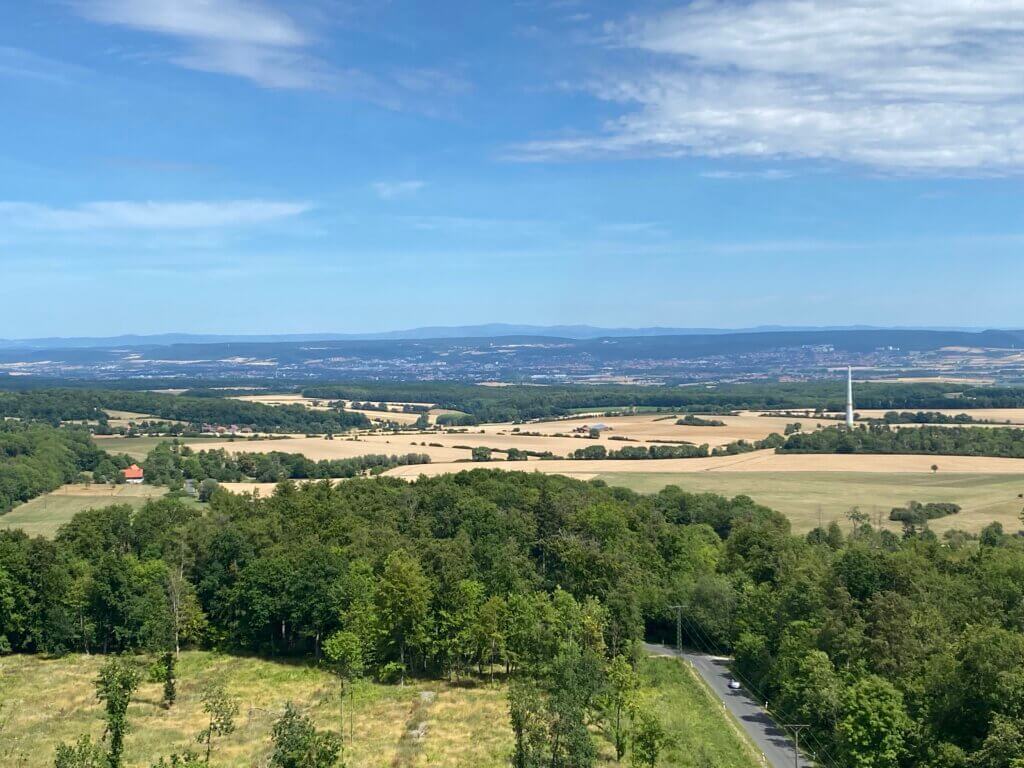
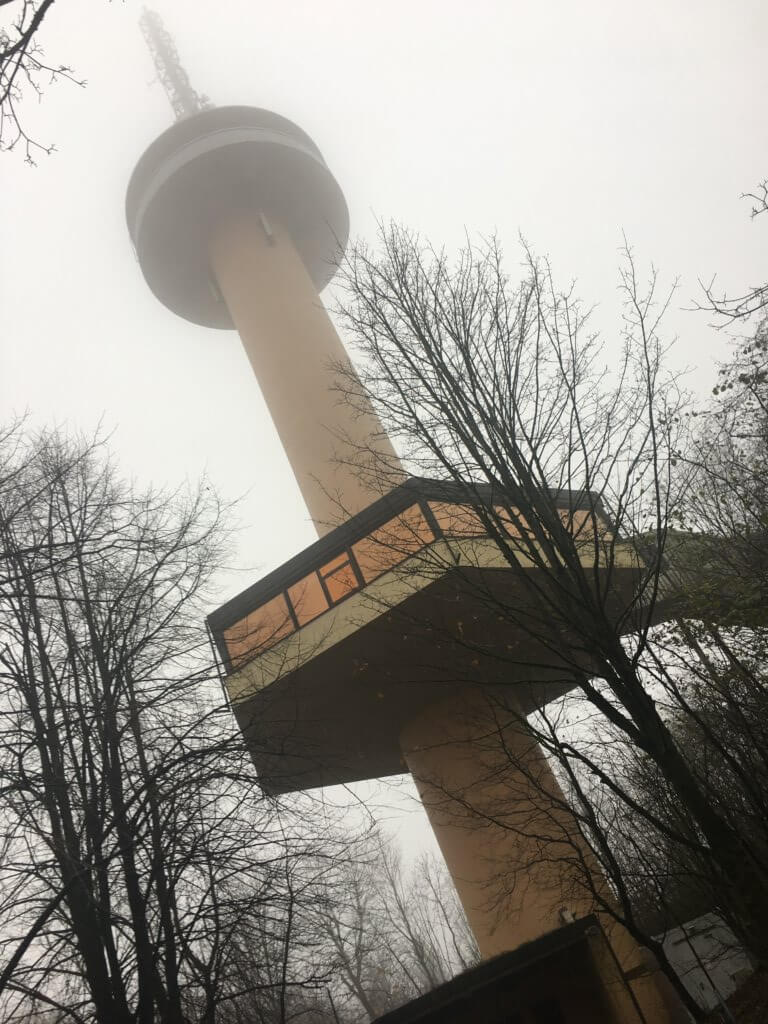
At the summit stands the Gaußturm, a slender observation tower named after the mathematician Carl Friedrich Gauß, who once used this very spot for geodetic measurements during his triangulation of Hannover in the 19th century. Climbing the tower rewards visitors with a panoramic sweep across Germany’s central uplands – from the Solling and Reinhardswald forests in the west to the fertile plains near Göttingen in the east. The combination of historical significance and far-reaching views makes the mountaintop feel both peaceful and intellectually charged, especially knowing it once contributed to one of the most precise scientific mapping projects of its time.
Visitors today find a mix of leisure and nature-focused activities around Hoher Hagen. Well-marked hiking routes lead through beech and oak forests rich in wildlife, particularly songbirds and deer, and a small visitor area provides information about the mountain’s volcanic origins. The nearby Dransfeld observation area and open meadows make it ideal for family picnics or quiet nature photography. In autumn, the hill’s slopes glow with warm colours, while in winter, the basalt layers dusted with snow lend the mountain an almost sculptural beauty – a tranquil escape just a short drive from Göttingen’s urban rhythm.
Tour d‘Energie
Göttingen
Germany