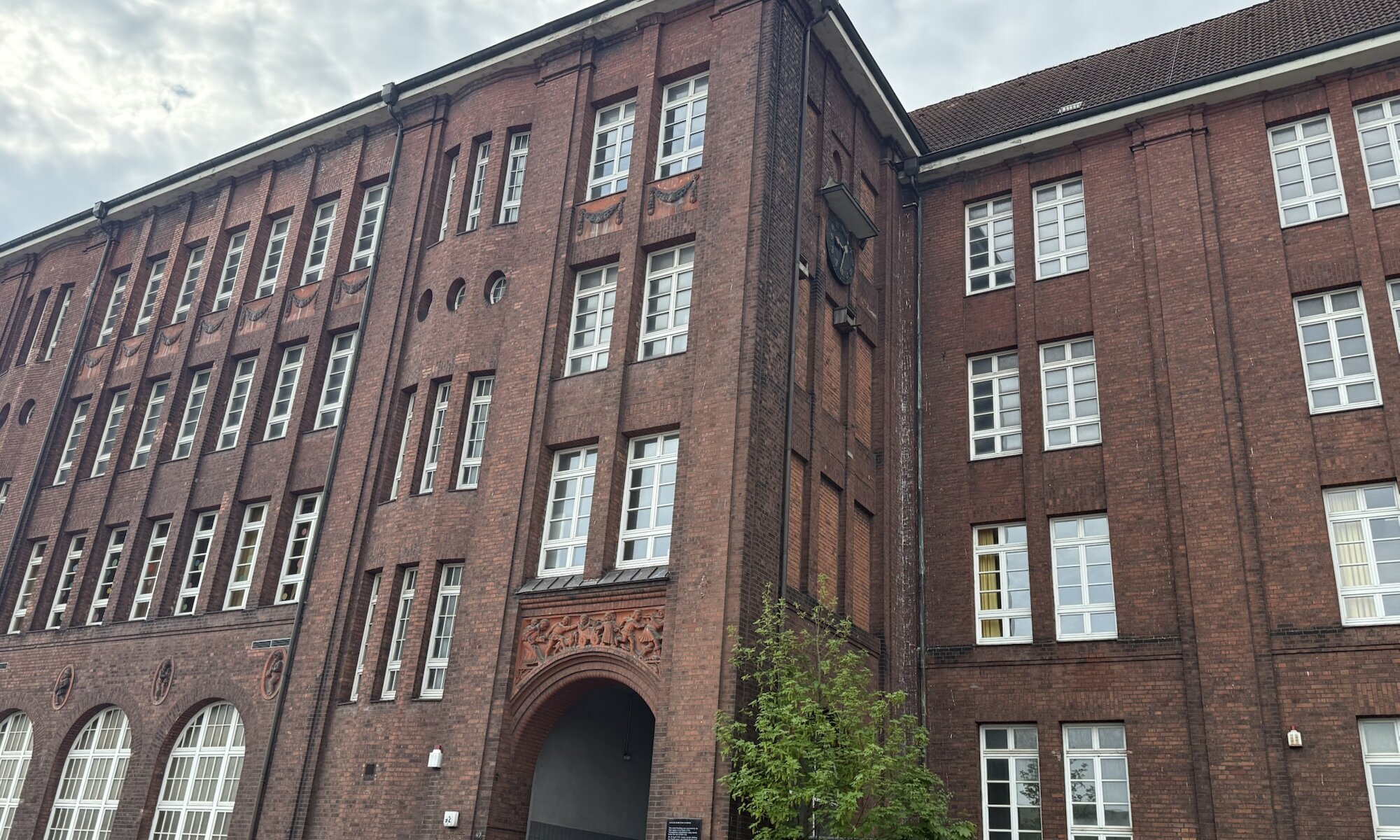
The Gedenkstätte Kinder vom Bullenhuser Damm in Hamburg stands as one of the most haunting memorial sites from the final phase of the Second World War. Hidden within a modest school building in the Rothenburgsort district, it witnessed an unspeakable crime. In April 1945, only days before Germany’s surrender, twenty Jewish children – ten boys and ten girls aged between five and twelve – were brought there from the Neuengamme concentration camp, where they had previously been subjected to brutal medical experiments. The school’s basement became the scene of their final moments.
The children had been used as test subjects for tuberculosis experiments by SS physicians, includingDr. Kurt Heißmeyer. They had already endured months of starvation, isolation, and injections with live pathogens. When Allied forces drew near Hamburg, the SS sought to erase the evidence of these crimes. Under the cover of night on April 20th, 1945 – ironically, Adolf Hitler’s birthday – the children were transported to the Bullenhuser Damm school, along with their adult carers and a group of Soviet prisoners who had tended to them. They were told they would be moved to another location, but instead, they were hanged in the building’s cellar.
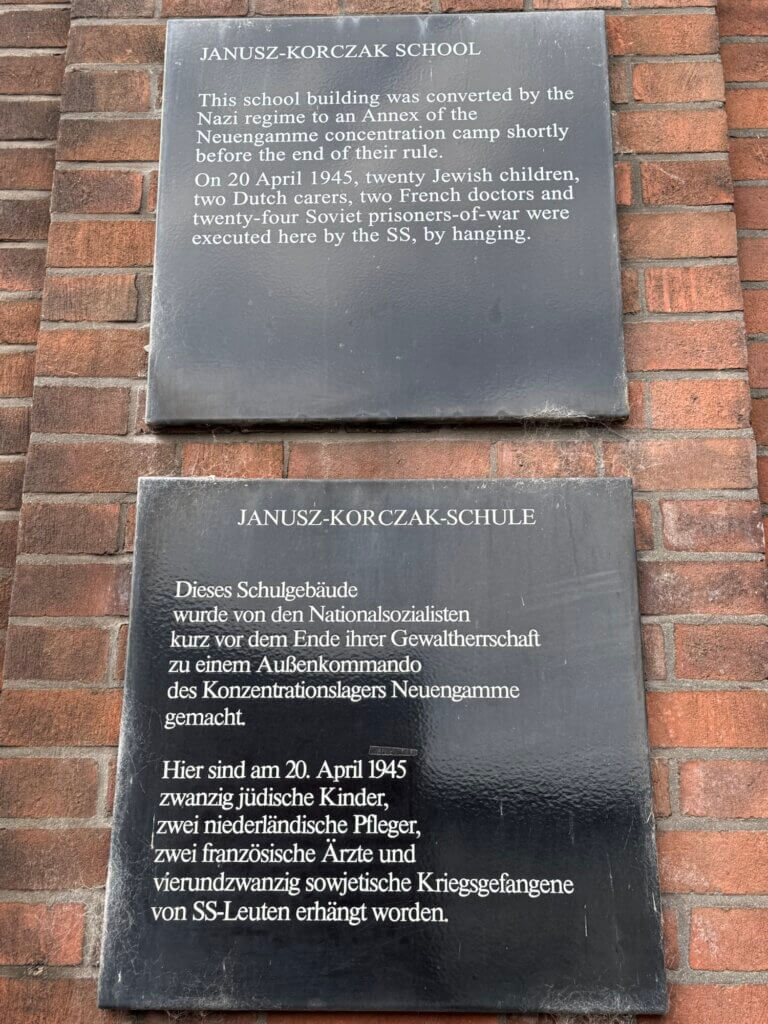
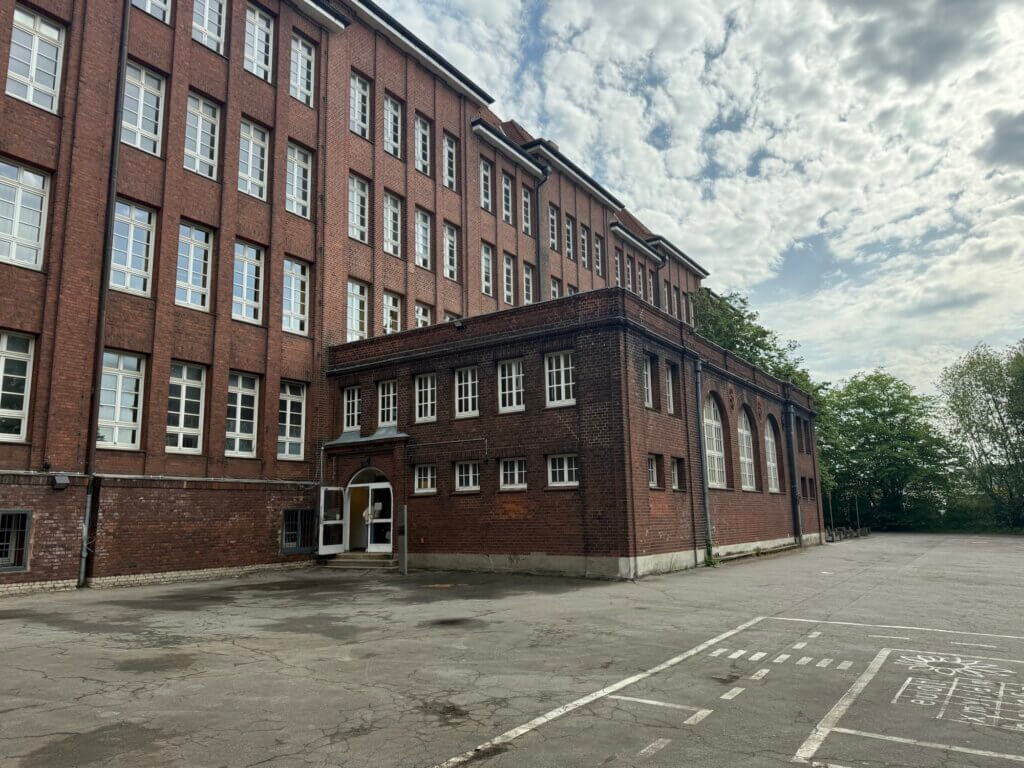
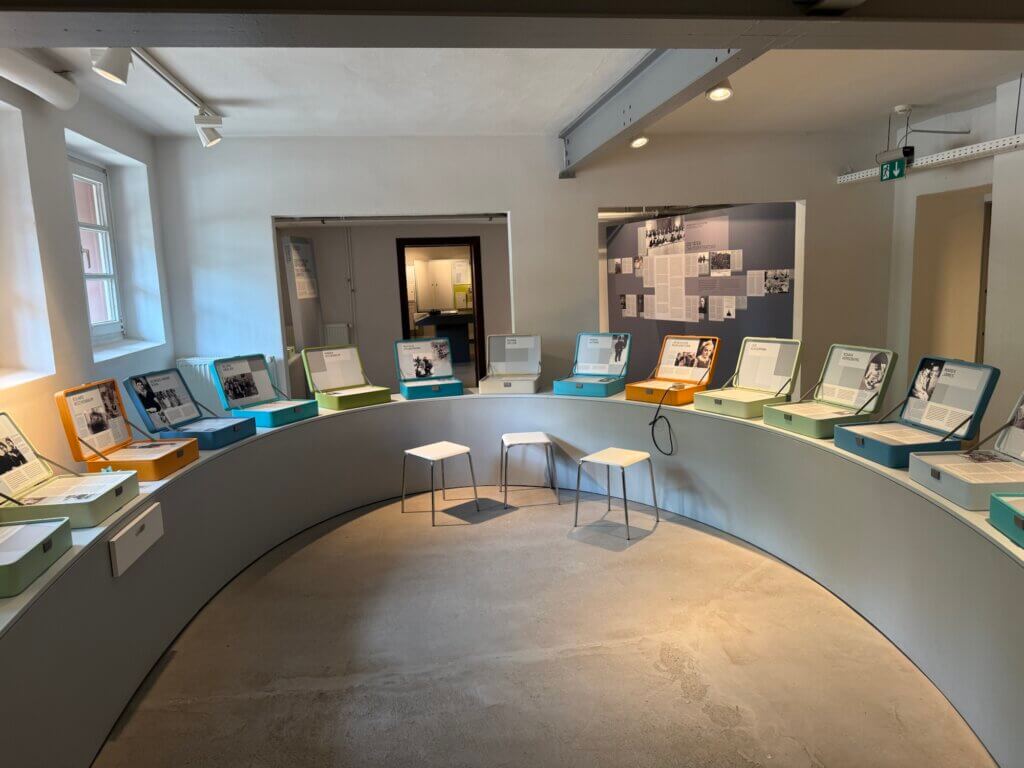
After the war, the story of these children was nearly forgotten. The school resumed its original function (until 1987; it became named after the Polish children‘s doctor Janusz Korczak, murdered at Treblinka), and it took decades for the truth to be unearthed. Journalists and survivors’ groups gradually uncovered the details, piecing together names, nationalities, and the grim sequence of events. The children came from across Europe – France, the Netherlands, Poland, Italy and Yugoslavia – each a life cut short by the same cold bureaucracy of hate. When the city of Hamburg officially recognised the crime in the late 1970s, the basement was transformed into a memorial site dedicated to their memory.
Say their names
Mania Altman, Sara Goldfinger, Riwka Herszberg, Eduard Hornemann, Alexander Hornemann, Marek James, Walter Jungleib, Lea Klygerman, Georges-André Kohn, Bluma Mekler, Jacqueline Morgenstern, Eduard Reichenbaum, Sergio de Simone, Marek Steinbaum, Roman Witoński, Eleonora Witoński, Ruchla Zylberberg, Lelka Birnbaum, H. Wassermann, Roman Zeller
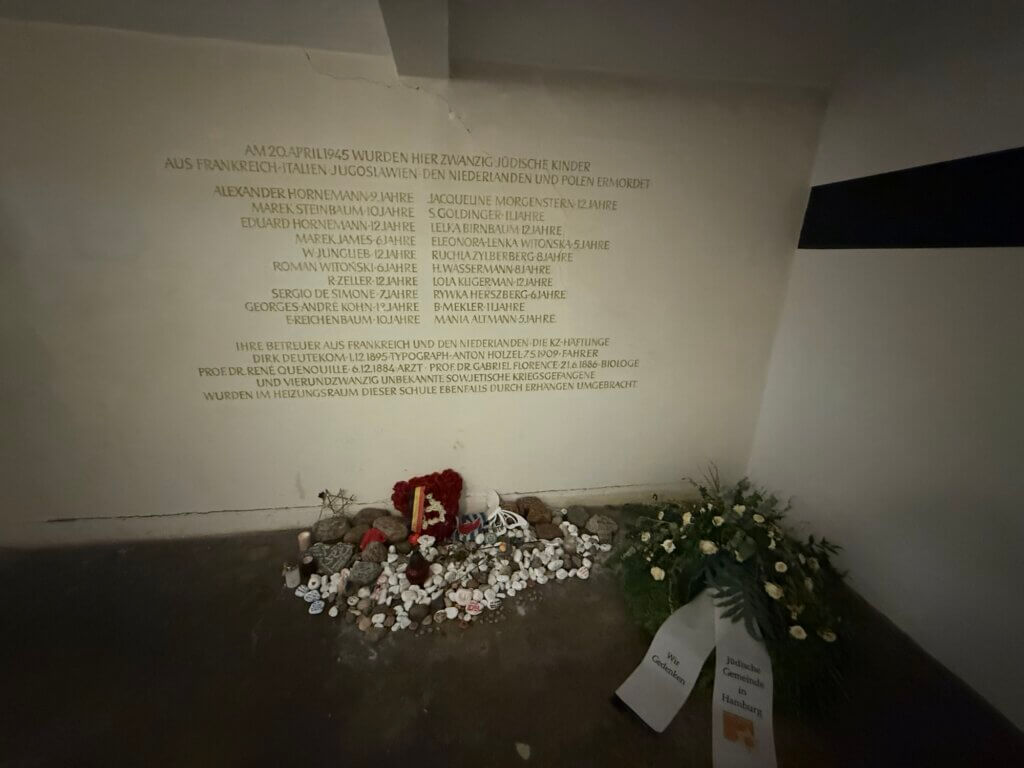
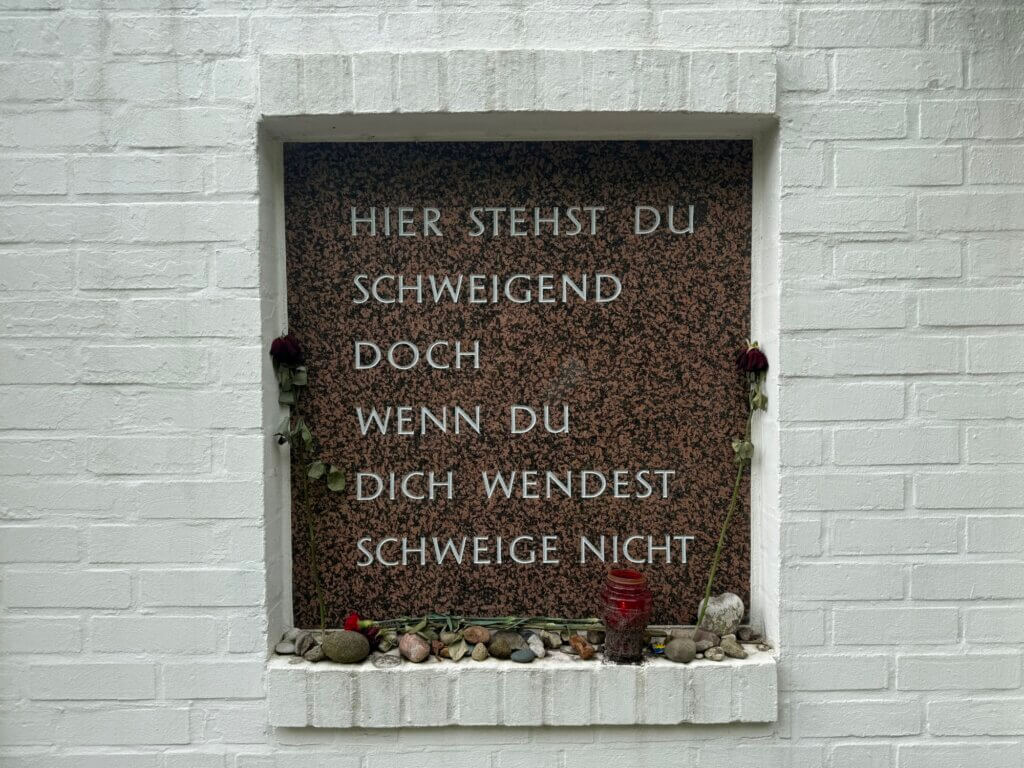
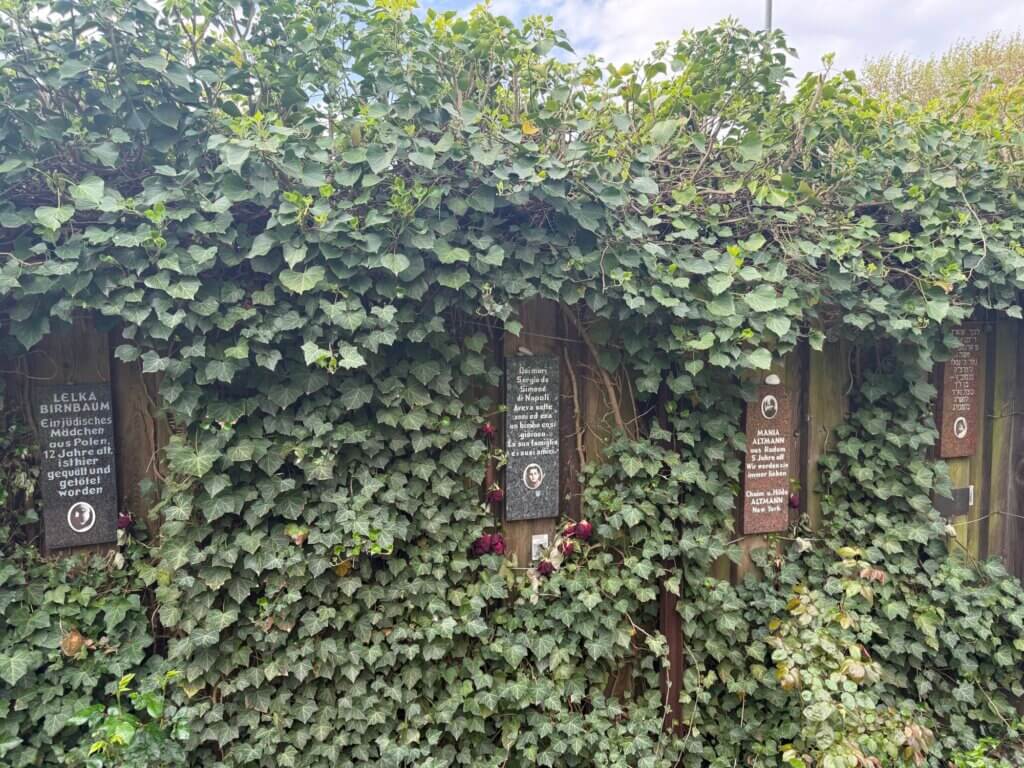
Today, visiting the Gedenkstätte evokes a deep sense of stillness and sorrow. Photographs of the children are shown (as far as available), accompanied by letters and exhibits that tell their short but courageous stories. Outside, roses are planted in their names, and visitors continue to bring tributes from around the world. The site reminds everyone who enters that even in a city rebuilt and thriving, the moral aftermath of cruelty and silence endures. It is both a tribute and a warning – one that ensures these twenty young victims, murdered simply for being Jewish, will never again be lost to history.
You can reach Rothenburgsort using S-Bahn 7 from the Hamburg main railway station; from theS-Bahn stop it is a convenient 10 minutes / 700 meters walk to the memorial site.
Gedenkstätte Kinder vom Bullenhuser Damm
Hamburg
Germany
https://bullenhuser-damm.gedenkstaetten-hamburg.de/de/
Loading map...
