Navigli

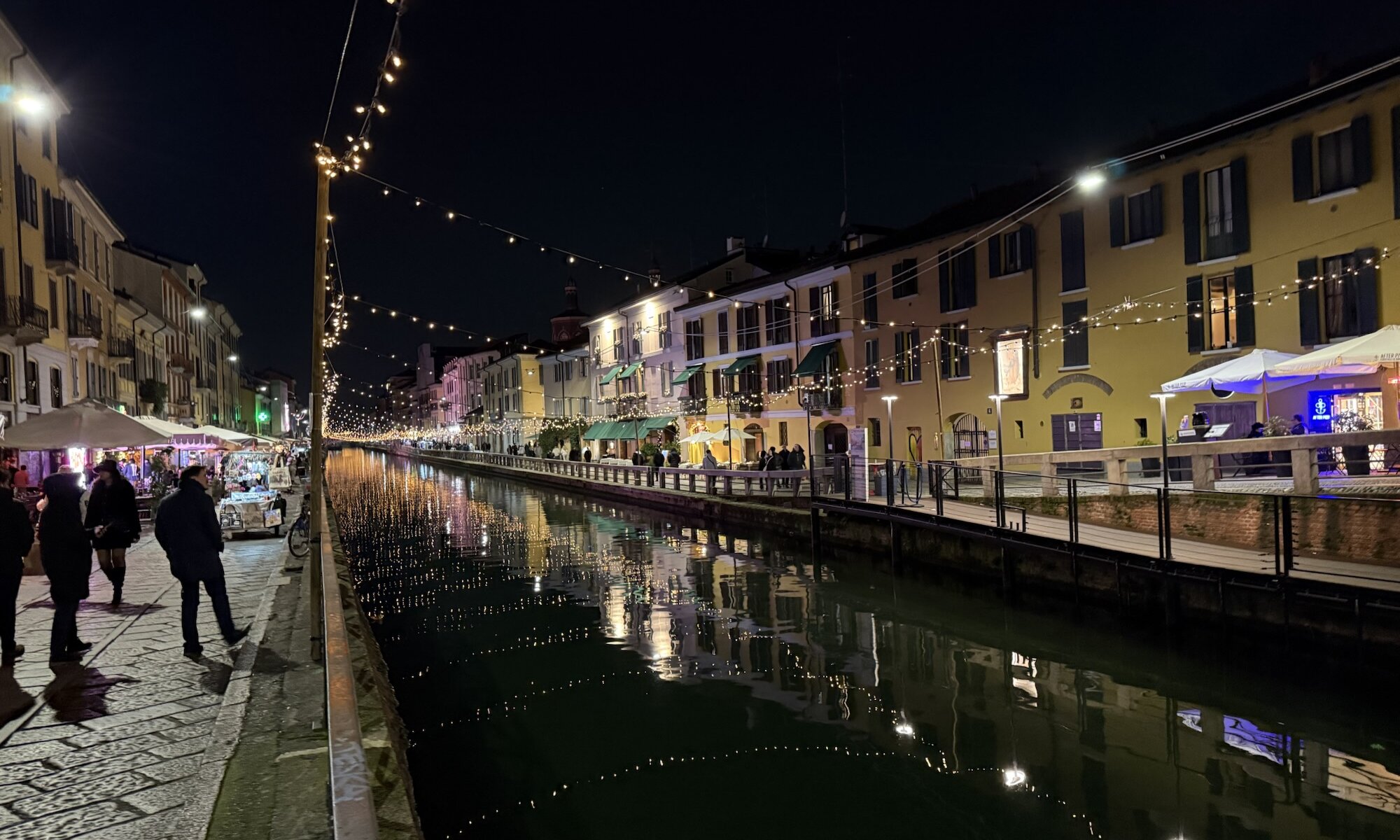
Navigli, Milano

It is one of Milano’s most atmospheric districts, known for its winding canals, artistic flair, and lively spirit that blends old-world charm with contemporary urban life. The area takes its name from the navigli – the historic network of canals designed between the twelfth and sixteenth centuries to connect Milano with Lago Maggiore, Lago di Como, and eventually the Po river. These waterways once made the inland city a thriving commercial hub, transporting goods and even the marble used to construct the Duomo. The system was an engineering marvel of its time, with Leonardo da Vinci contributing significantly to the design of the canal locks during his stay in Milano .

Continue reading “Navigli”

Museo del Novecento

Museo del Novecento, Milano

The Museo del Novecento, located in the Palazzo dell’Arengario on Piazza del Duomo, offers a fascinating journey through Italian art of the twentieth century. Its elegant modernist interior contrasts beautifully with the surrounding Gothic and Renaissance architecture, making it a highlight of cultural Milano. The museum’s layout encourages a chronological exploration of the century, beginning with the early avant-garde movements that set the tone for Italian modernism. Large windows overlook the Duomo, creating a dialogue between the art inside and the city’s monumental exterior.

Continue reading “Museo del Novecento”

Ossario

San Bernardino alle Ossa, Milano

San Bernardino alle Ossa sits quietly behind the Duomo area of Milano, yet its story reaches back to the twelfth century, when a cemetery linked to a nearby hospital began to run out of space and a separate chamber for exhumed bones was created in 1210. A small church was added beside this charnel house in the thirteenth century, then rebuilt and enlarged over the following centuries, especially after a devastating fire in 1712 led to an eighteenth‑century reconstruction with the Baroque façade seen today. From the outside it can seem like just another historic church in central Milano, but stepping inside reveals how closely the whole complex is tied to the themes of death, charity and the city’s medieval hospital culture.

Continue reading “Ossario”

Fondazione Prada

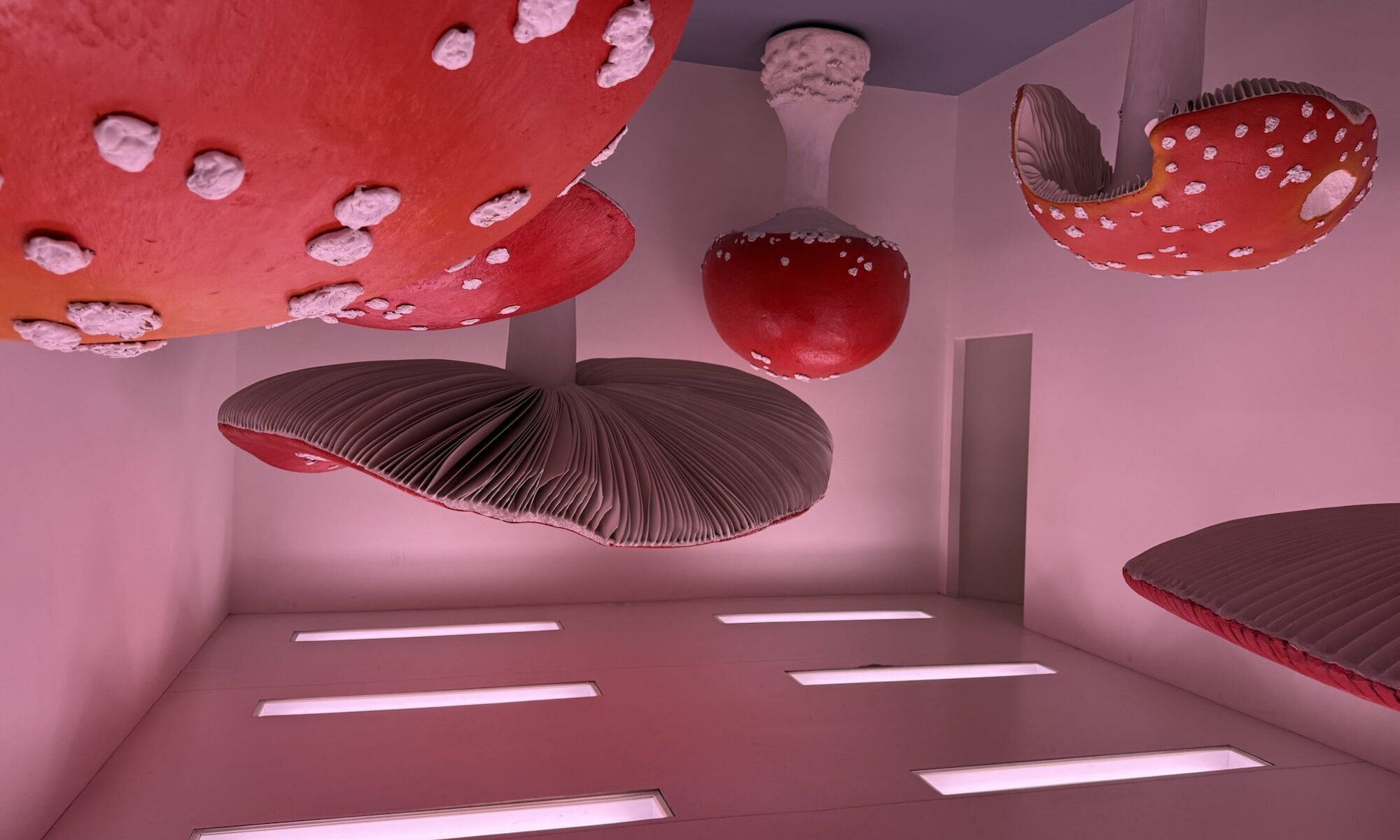
Fondazione Prada, Milano

The Fondazione Prada in Milano represents one of the most distinctive cultural spaces in Italy, uniting contemporary art, architecture, and conceptual design. Established by the fashion house Prada in the 1990s, the foundation’s permanent home was inaugurated in 2015 in Largo Isarco, a former gin distillery dating back to the early 20th century. The transformation of the industrial site was overseen by the Dutch architect Rem Koolhaas and his firm OMA, who preserved the site’s factory character while introducing striking modern elements such as the so-called ‘Haunted House’, a structure clad in dazzling gold leaf. The result is a deliberate interplay between old and new, where Milano’s industrial past meets the avant-garde.

Continue reading “Fondazione Prada”

Trasporto pubblico

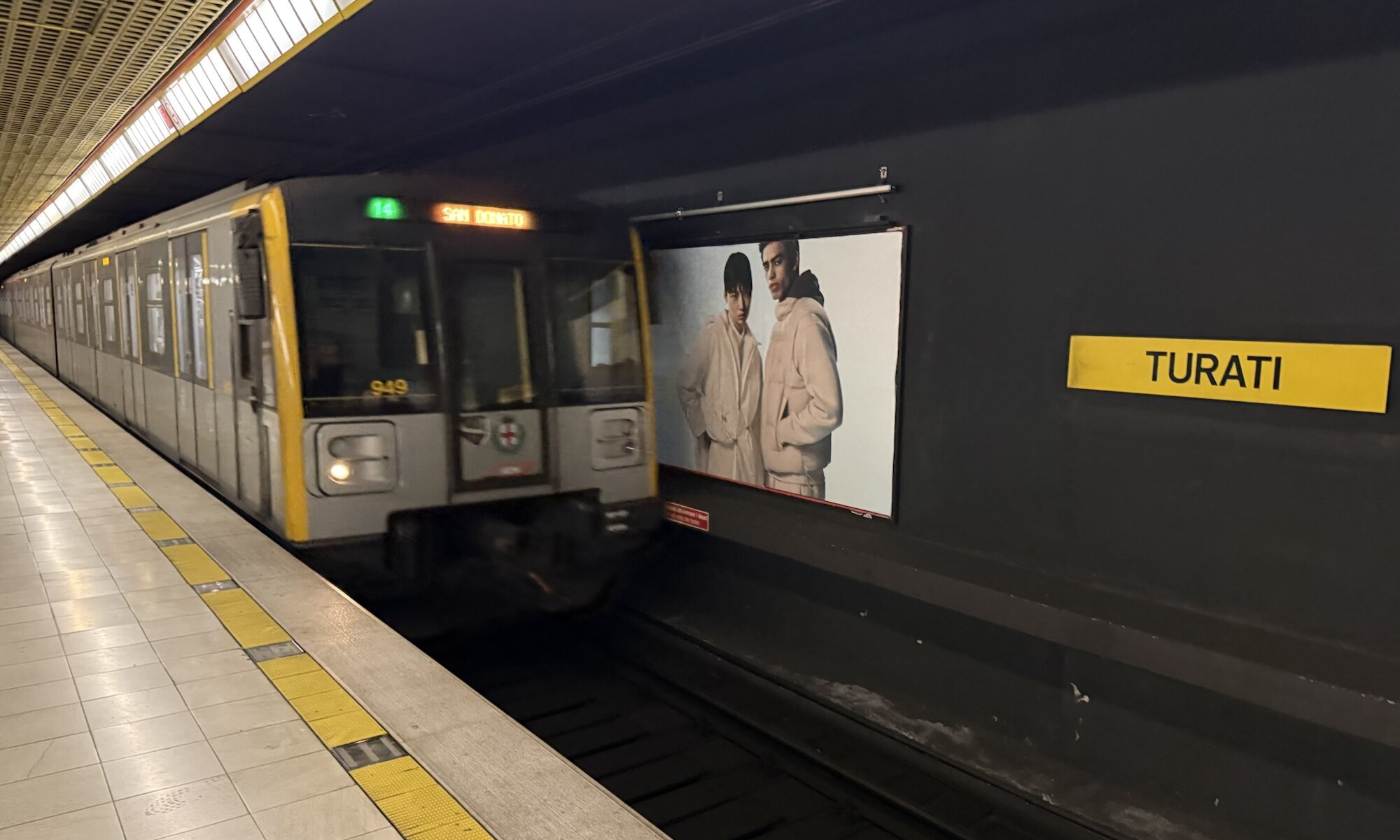
Metro, Milano

Milano is a compact city where you can comfortably walk between many of the main sights, especially in and around the centre between Duomo, Brera, Navigli and Porta Nuova. That said, distances can add up over a full day, and for getting out to areas like CityLife, the San Siro zone, or the airports, public transport suddenly becomes very useful. The system is run mainly by ATM and links metro, tram and bus into one integrated network, so you can switch between them on a single ticket within the time limit.

Continue reading “Trasporto pubblico”

Triennale

Triennale, Milano

The Triennale di Milano stands as one of Italy’s foremost institutions dedicated to design, architecture, and contemporary culture. Founded in 1923 in Monza as the Biennale of Decorative Arts before moving permanently to Milano in 1933, it soon established itself as a reflection of Italy’s modern identity. Its home, the Palazzo dell’Arte in Parco Sempione, was designed by Giovanni Muzio and remains an architectural statement in itself – rational yet elegant, designed to accommodate large-scale exhibitions that connect art, design, and technology.

Continue reading “Triennale”

Scienza e tecnologia

Museo Nazionale della Scienza e della Tecnologia Leonardo da Vinci, Milano

The Museo Nazionale della Scienza e della Tecnologia Leonardo da Vinci in Milano is one of Europe’s most compelling institutions dedicated to science, innovation, and engineering. Housed in a former Benedictine monastery near the Navigli district, the museum combines architectural charm with vast, modern exhibition spaces. Its focus lies not only on Leonardo’s extraordinary visions but also on Italy’s broader contributions to industrial and technological progress. Visitors find a seamless blend of history and modernity here, where centuries-old inventions are presented alongside cutting-edge scientific demonstrations.

Continue reading “Scienza e tecnologia”

Sant’Ambrogio

Sant'Ambroglio, Milano

The Basilica of Sant’Ambrogio is one of Milano’s most distinguished landmarks, with roots reaching back to the earliest centuries of Christianity. Built originally in the late fourth century, it stands on a site that was then far beyond the Roman walls, chosen by its namesake, Bishop Ambrose, one of Milano’s most influential figures. Over the centuries, the church has been rebuilt and restored, particularly in the Romanesque period of the 11th and 12th centuries, which gave it the distinctive appearance we see today. Despite renovations after wartime damage, the basilica has preserved its solemn, ancient character, serving as a powerful reminder of Milano’s early Christian heritage.

Continue reading “Sant’Ambrogio”

Castello Sforzesco

Castello Sforzesco, Milano

The Castello Sforzesco stands as one of Milano’s most recognisable landmarks, a formidable red-brick fortress that has witnessed the city’s shifting fortunes over several centuries. Originally built in the 14th century by the Visconti family, it served as both a defensive stronghold and a symbol of dynastic power. When the Sforza family rose to prominence in the 15th century, Francesco Sforza ordered extensive reconstruction of the castle, transforming it from a military fort into a grand ducal residence. Through the Renaissance, it became not only a centre of governance but also a refined courtly residence that reflected Milano’s growing cultural prestige.

Continue reading “Castello Sforzesco”