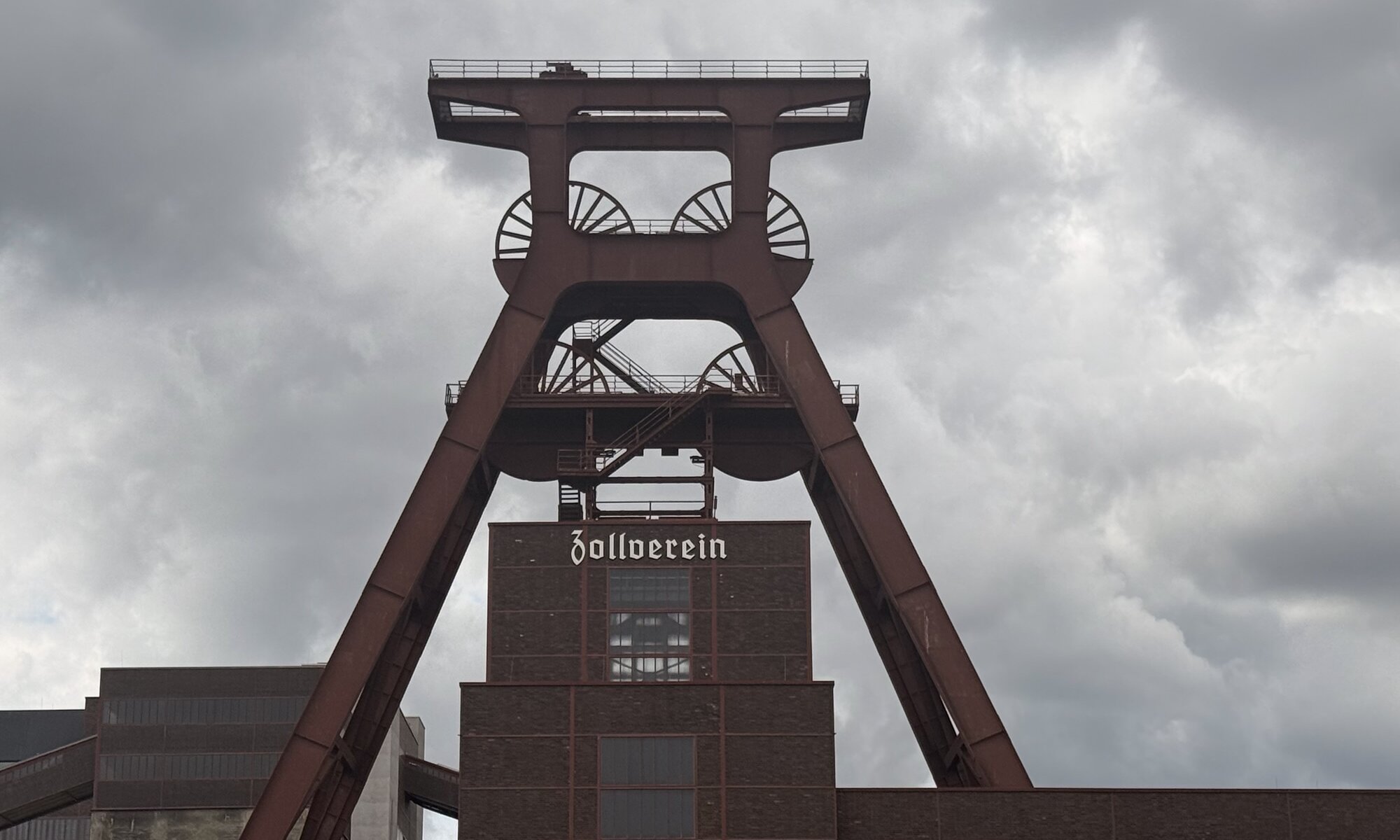
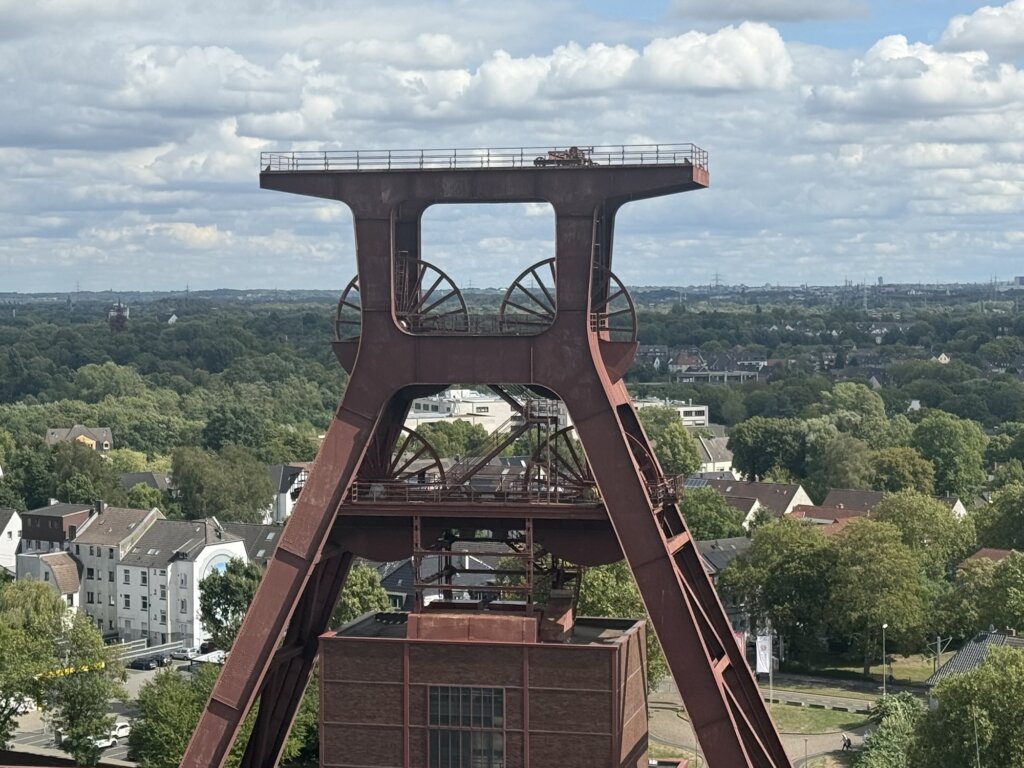
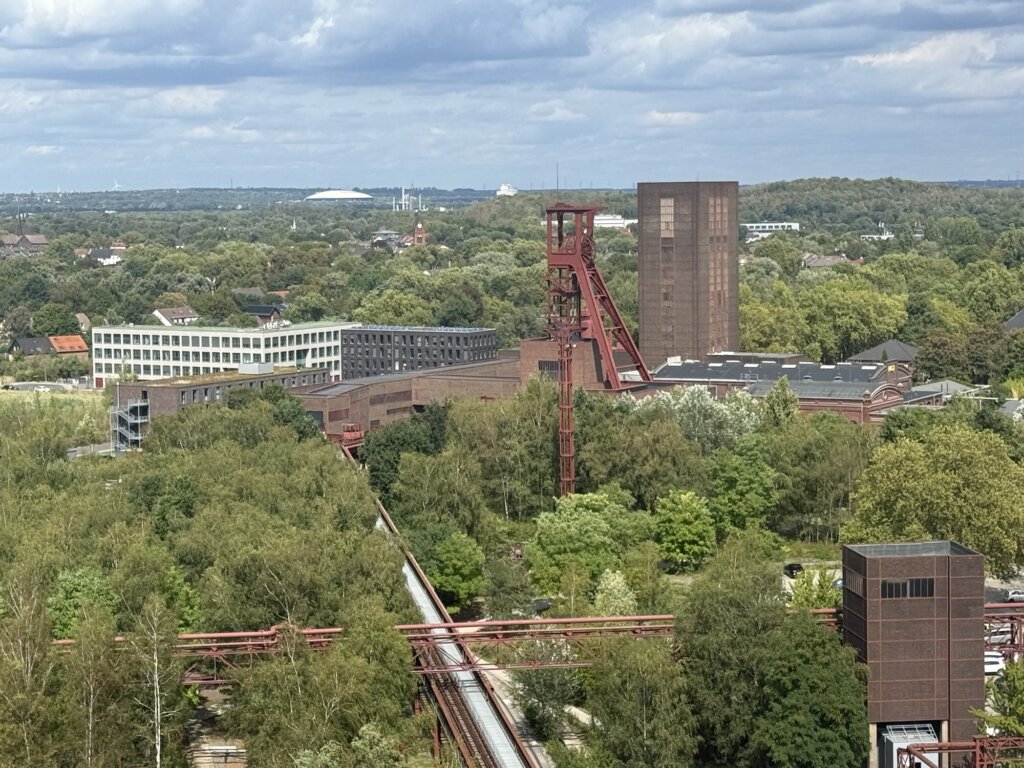
Zeche Zollverein in Essen was once one of the world’s largest and most advanced hard-coal mines. Together with its enormous coking plant, it formed a highly efficient industrial complex where coal was extracted, processed and converted into coke for the steel industry. Its striking winding tower, steel framework and red-brick buildings make it an outstanding example of modern industrial architecture.
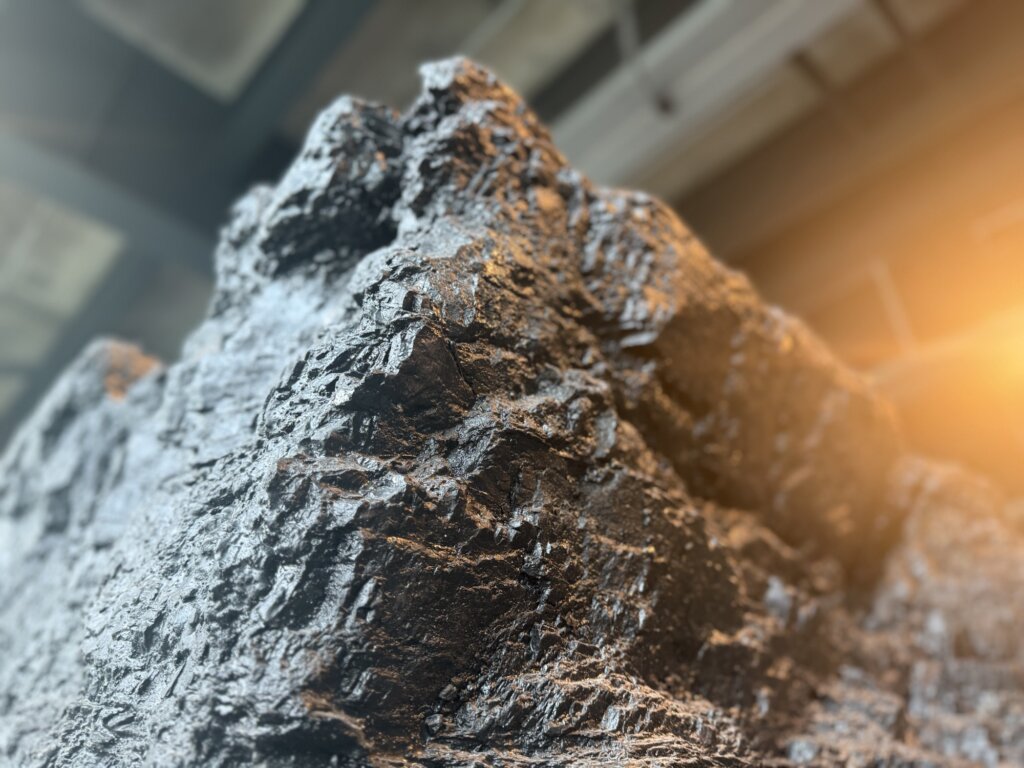
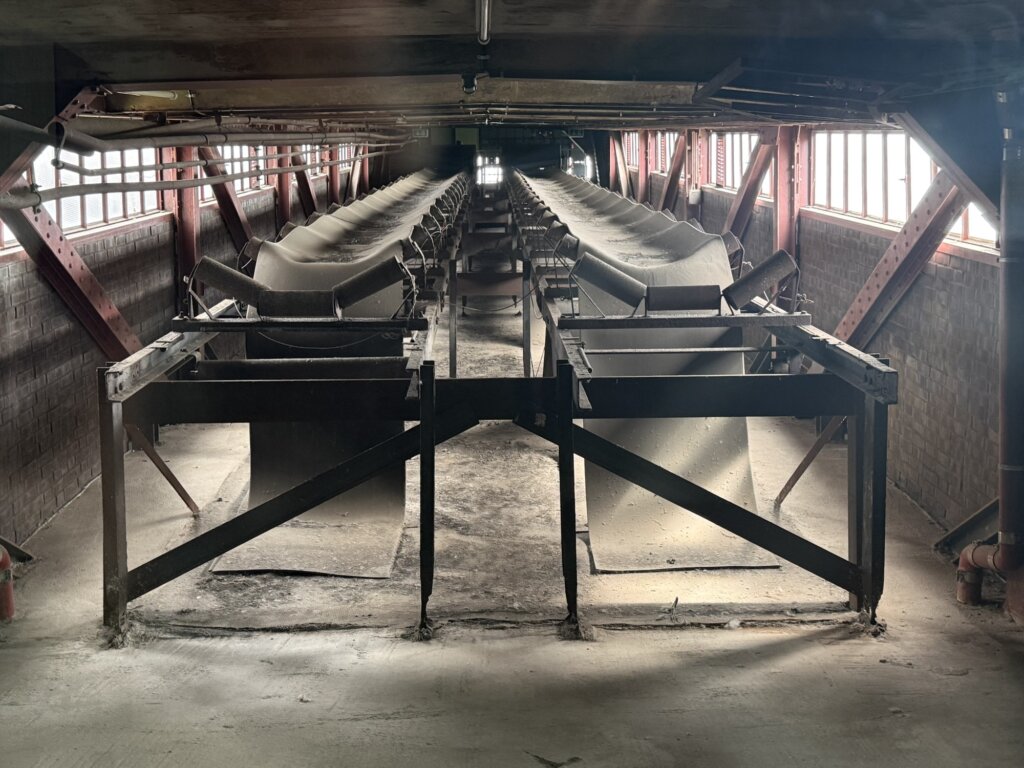
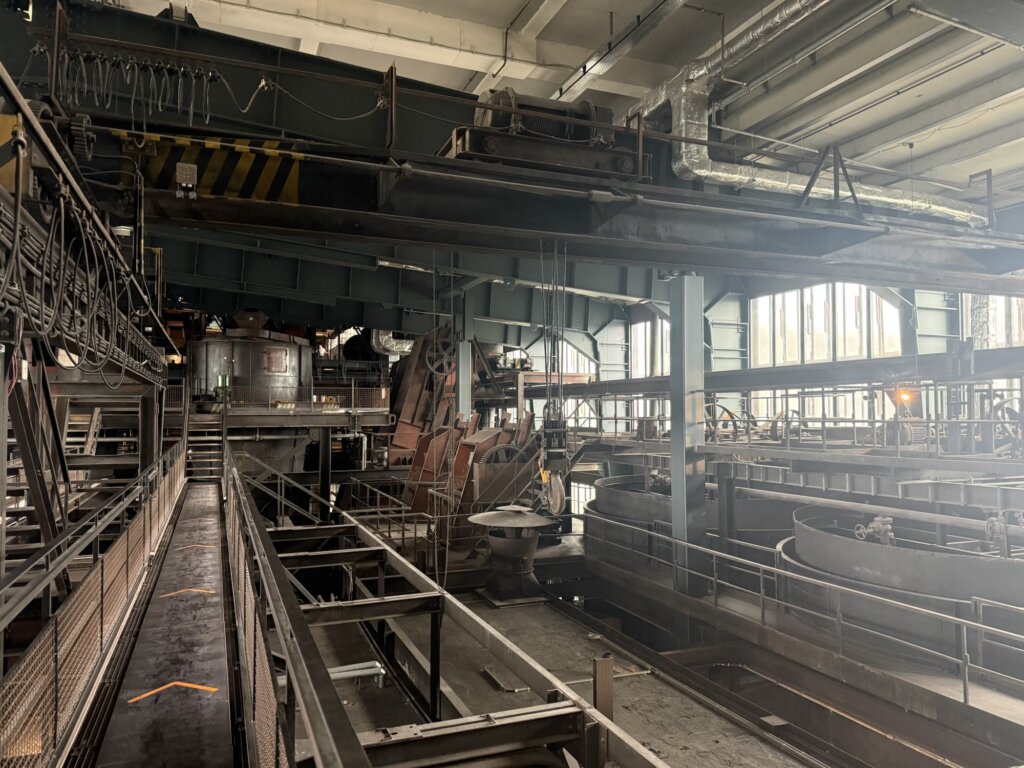
The mine’s origins go back to the mid-19th century, and coal was produced there from 1851 until the final shift on 23 December 1986. Shaft XII, constructed between 1928 and 1932 by Fritz Schupp and Martin Kremmer, was designed in a clear, functional style influenced by the architectural ideals of the New Objectivity. The coking plant continued operating until 1993. Because the complex preserves both the history of heavy industry and an exceptionally coherent architectural ensemble, UNESCO added Zollverein to the World Heritage List in 2001.
Today, Zollverein is no longer a working mine but a major cultural and visitor destination. The former industrial site has become a centre for museums, design, art, events and creative businesses, illustrating the Ruhr region’s transformation from a coal-producing landscape into a cultural region. The extensive grounds are freely accessible, so even a walk around the old shafts, railway lines and coking plant offers an impressive sense of the site’s scale.
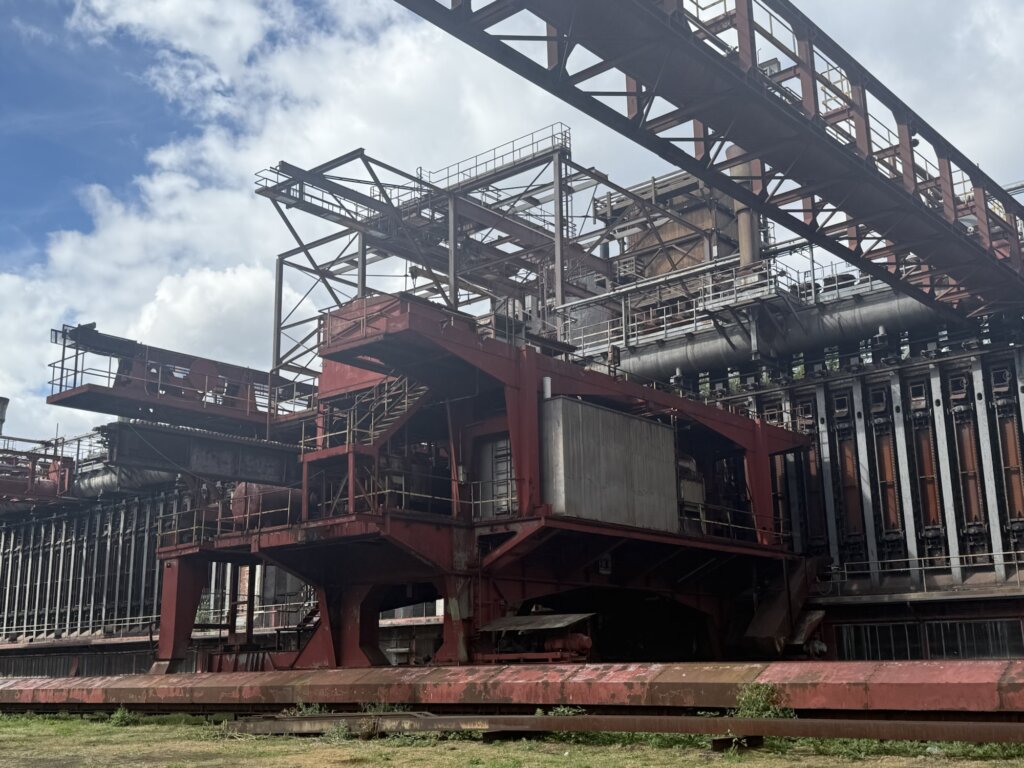
Visitors should allow several hours to explore it properly. Guided tours explain the ‚path of coal‘, from extraction through processing and coking, while the Ruhrmuseum in the former coal-washing plant presents the natural, social and cultural history of the Ruhr. The Red Dot Design Museum occupies the former boiler house and displays international contemporary design. Depending on the season, the grounds also host exhibitions, concerts, festivals, outdoor activities and an ice rink, making Zollverein much more than a preserved industrial monument.
Zeche Zollverein
Essen
Germany
https://www.zollverein.de
Loading map...
