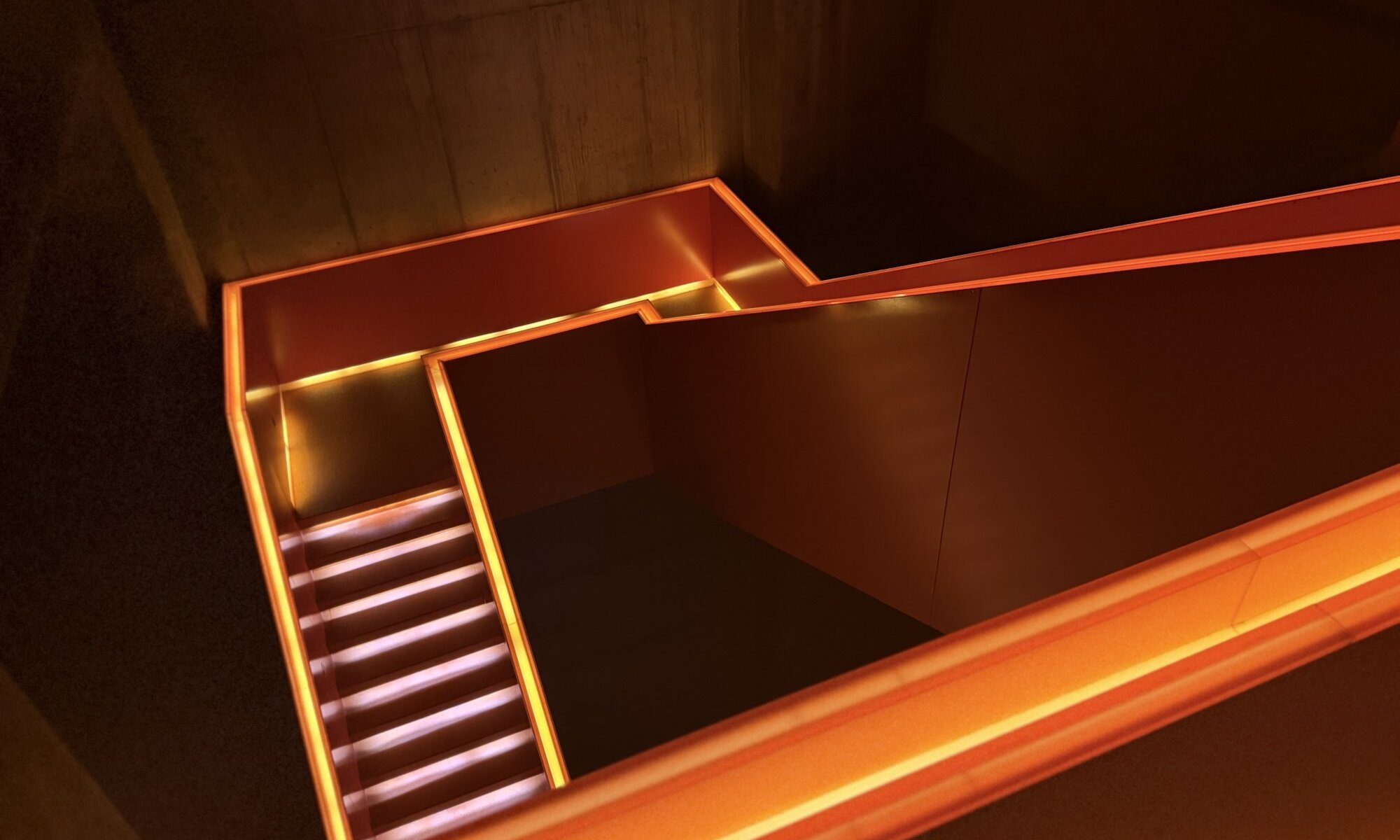
The Ruhrmuseum in Essen is the regional museum of the Ruhr area, housed in the former coal-washing plant of the Zeche Zollverein colliery. Rather than being a conventional industrial museum, it presents the entire natural and cultural history of one of Europe’s largest conurbations, from the formation of coal hundreds of millions of years ago to the present-day transformation into a modern metropolitan region.
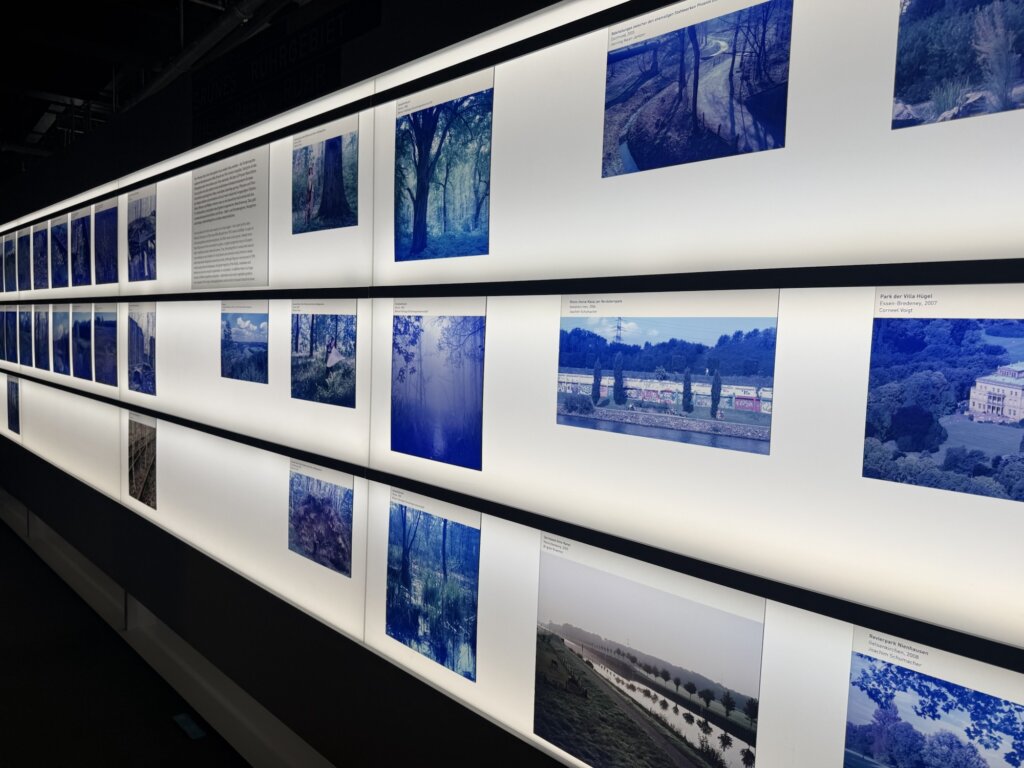
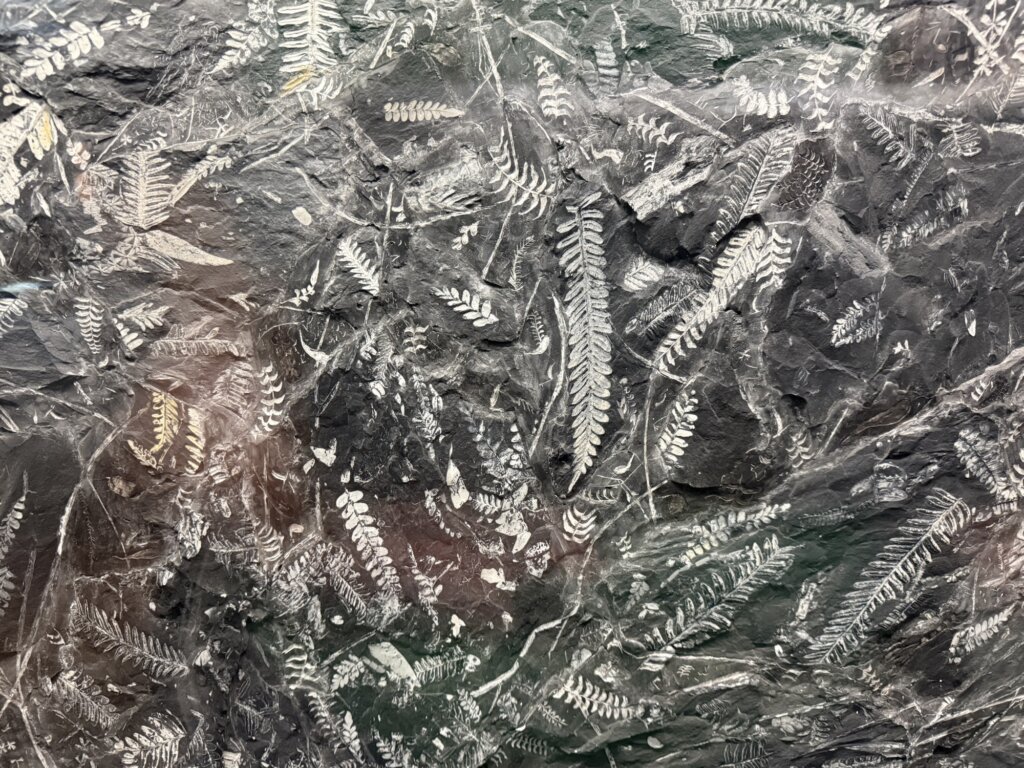
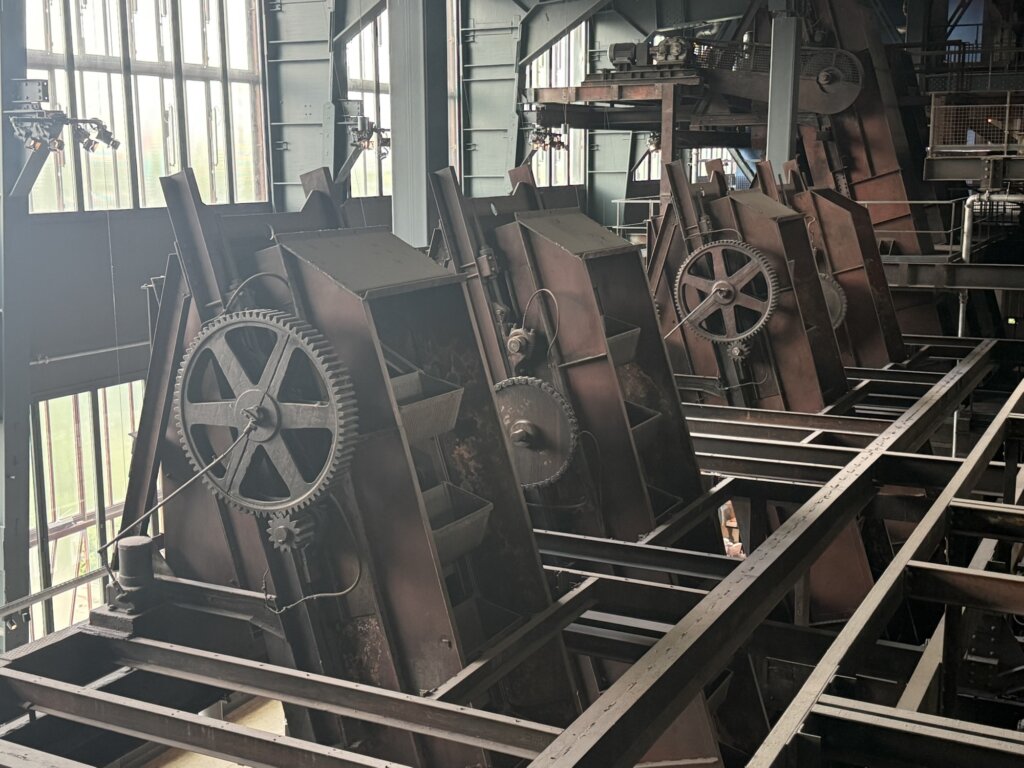
Inside, visitors encounter more than 6,000 exhibits spread over several levels. The permanent exhibition moves through time and themes: the geological origins of the region, pre-industrial life, the dramatic rise of coal mining and heavy industry, and the social and structural changes that followed deindustrialisation. Alongside objects from mining, steel production and everyday life, there are extensive collections on archaeology, natural history and photography, while special exhibitions and guided tours add further depth.
The museum’s history stretches back over a century. It began as the Ruhrlandmuseum, founded in the early 1900s and officially opened in 1904, initially located in central Essen. Over the decades it grew into a major regional institution, combining local history, natural sciences and ethnology. In 2007 the old Ruhrlandmuseum closed to make way for new buildings for the Museum Folkwang, and its collections formed the core of the new Ruhrmuseum.
In 2010, as part of the Ruhr.2010 European Capital of Culture programme, the Ruhrmuseum opened in its current home on the Zollverein UNESCO World Heritage Site. The striking industrial architecture of the coal-washing plant, once part of the most modern and productive coal mine in the world, was converted for museum use, turning a symbol of the region’s industrial past into a showcase for its memory and future. Today the museum stands as both a memorial to the age of coal and steel and a window onto the contemporary Ruhr metropolis.
Ruhrmuseum
Zeche Zollverein
Essen
Germany
Loading map...
