
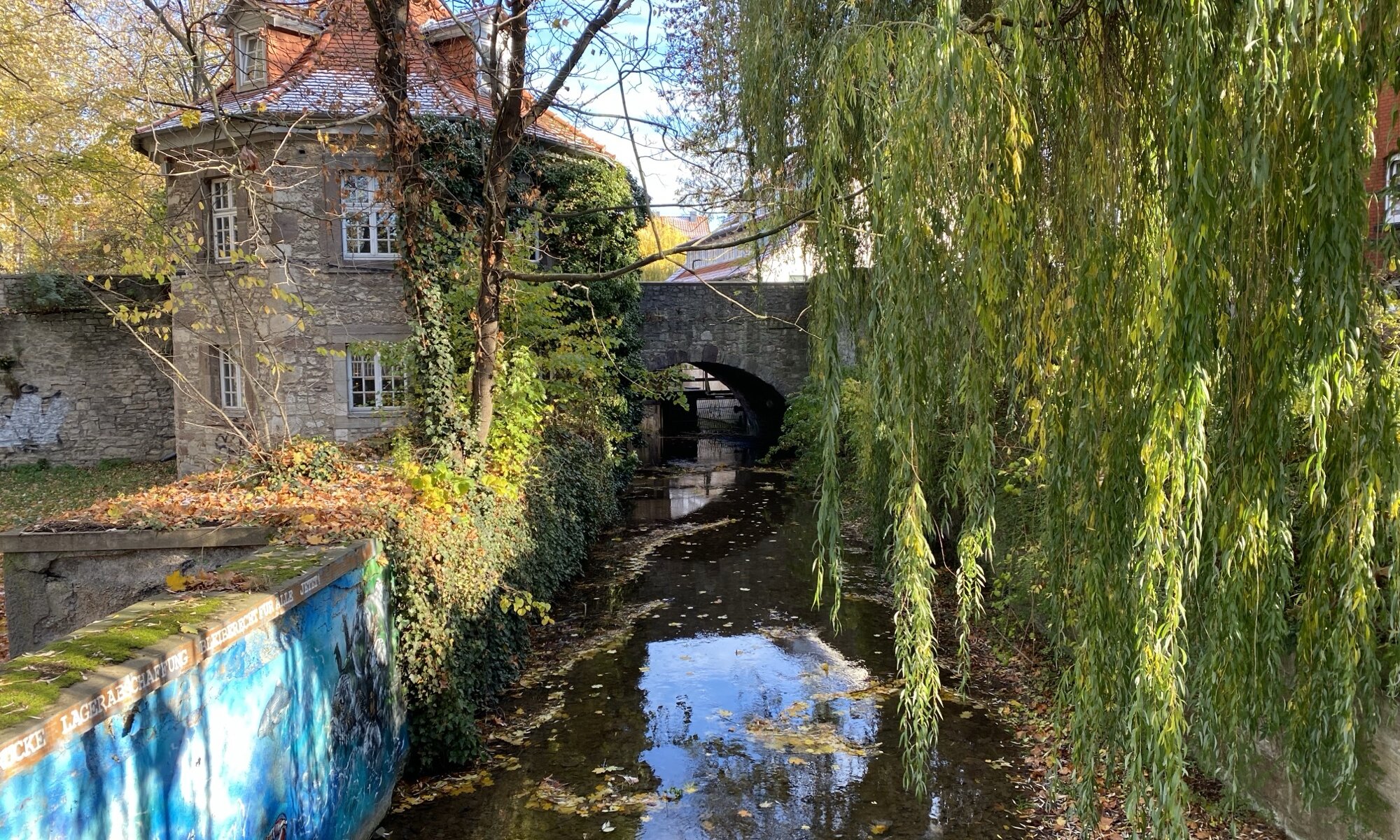
The Bismarckhäuschen sits quietly along the green stretch of the Wallanlagen in Göttingen, a modest yet charming structure nestled among leafy paths that trace the line of the city’s old fortifications. The building itself is small and picturesque, with its simple timbered design and sloping roof giving it an almost hut-like appearance, though its historical significance far outweighs its size. It blends harmoniously with the tranquillity of the surrounding park, frequented by walkers, students, and visitors seeking a moment of calm in the heart of the university town.
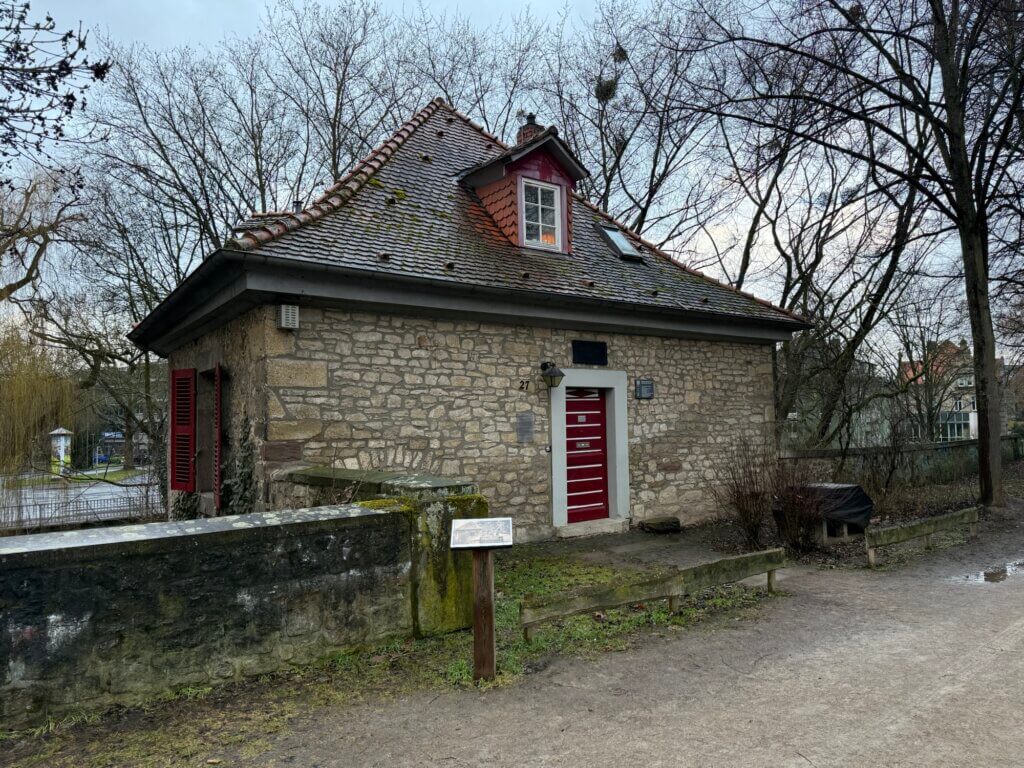
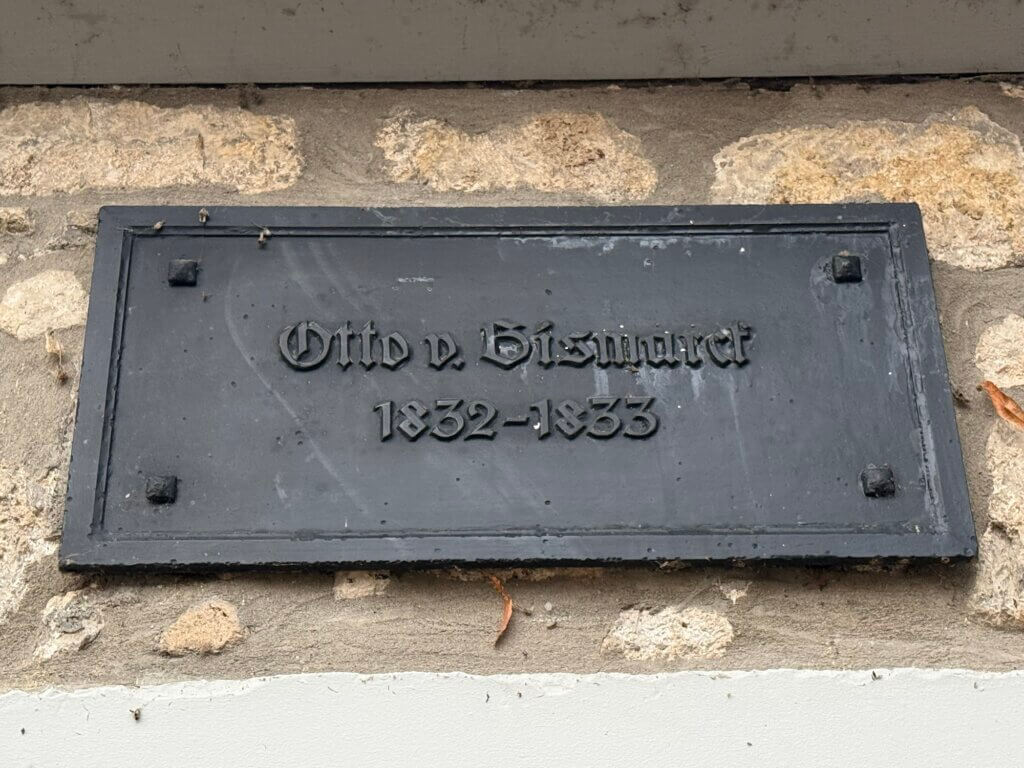
The house is the last remaining tower of the outer city fortification and owes its name to Otto von Bismarck, who lived there briefly during his student years: for five months in 1833 (he also lived at the Rote Straße 27, where a commemorative plaque remembered him, but has been removed). Although it was never an official residence in the grand sense, it became associated with him over time due to his connection with Göttingen, and gradually locals began to call it the ‘Bismarckhäuschen’. The name stuck, turning what might otherwise be an unremarkable building into a small but notable monument of personal history within the city.
Bismarck himself is a towering figure in German history – the statesman who masterminded the unification of Germany in the nineteenth century and served as its first chancellor under Emperor Wilhelm I. Before rising to power, he studied law at the University of Göttingen in the 1830s. His time in the city was marked by youthful exuberance; he was known for duelling, drinking, and socialising rather more than for diligent study. Nonetheless, Göttingen played a part in shaping his early life and character, making the connection between the town and his legacy a meaningful one.
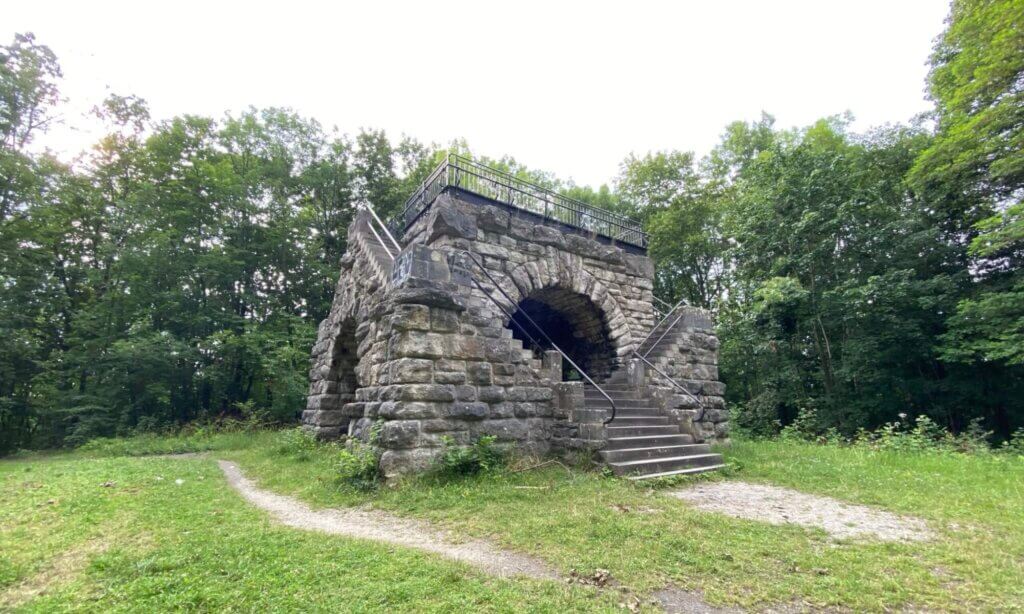
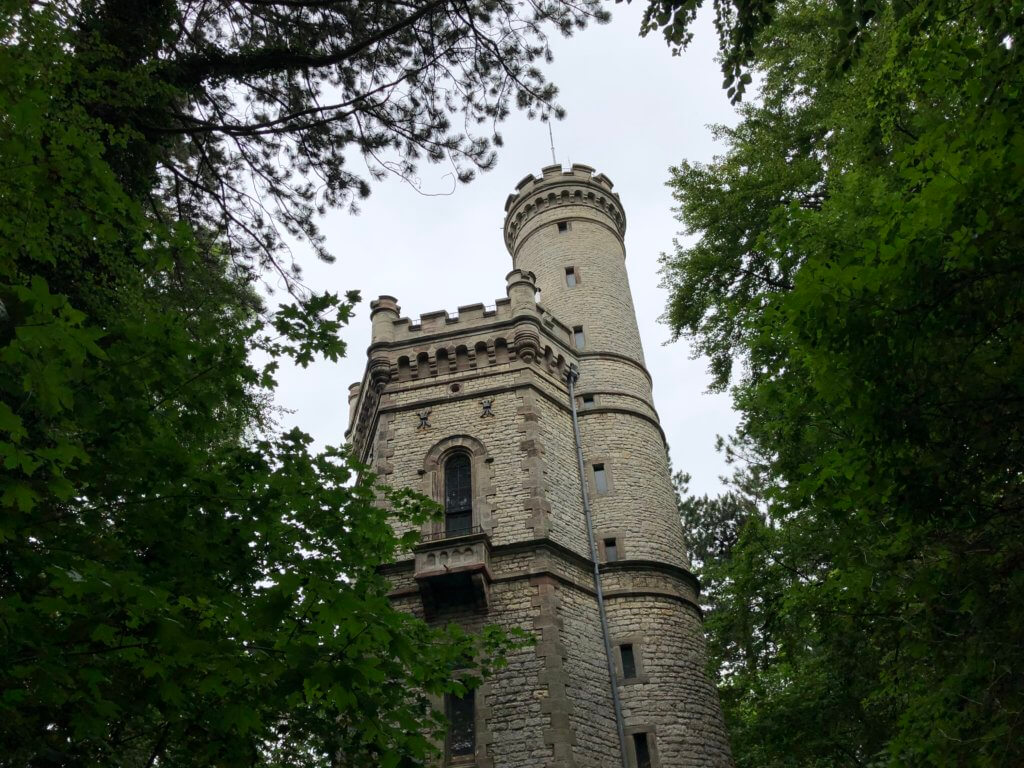
Today, the Bismarckhäuschen stands as one of several local landmarks bearing his name. Göttingen also features a Bismarckstein, a large stone monument often nicknamed the ‘Elefantenklo’ (‘elephant’s loo’) by locals due to its distinctive shape and arched openings. This tongue‑in‑cheek nickname reflects the Göttingers’ enduring sense of humour and familiarity with their city’s symbols. Further up, overlooking the countryside, stands the Bismarckturm – one of many towers erected across Germany to honour the Iron Chancellor. Together, these places connect the city’s landscape with a crucial period in German national history. For visitors, they offer more than just monuments; they trace the footprints of a young man who would one day shape the destiny of a nation. Not only positively, one needs to admit: his fight against social democratic forces and his colonialism cannot be ignored.
Bismarckhäuschen
Wallanlagen
Göttingen
Germany
Loading map...
