
Klaasohm is Borkum’s answer to Nikolaustag, but it is a far cry from the gentle, child-friendly version familiar elsewhere in Germany. Rooted in the island’s whaling past, the custom is said to date back to the 18th century, when men returned from months at sea and used the ritual to symbolically reclaim authority after women had run households and community life in their absence. The name itself blends “Klaas” (Nicholas) with “Ohm”, an old term for a respected elder, signalling that this is less about gifts and more about hierarchy, identity and the reassertion of male dominance at year’s end.
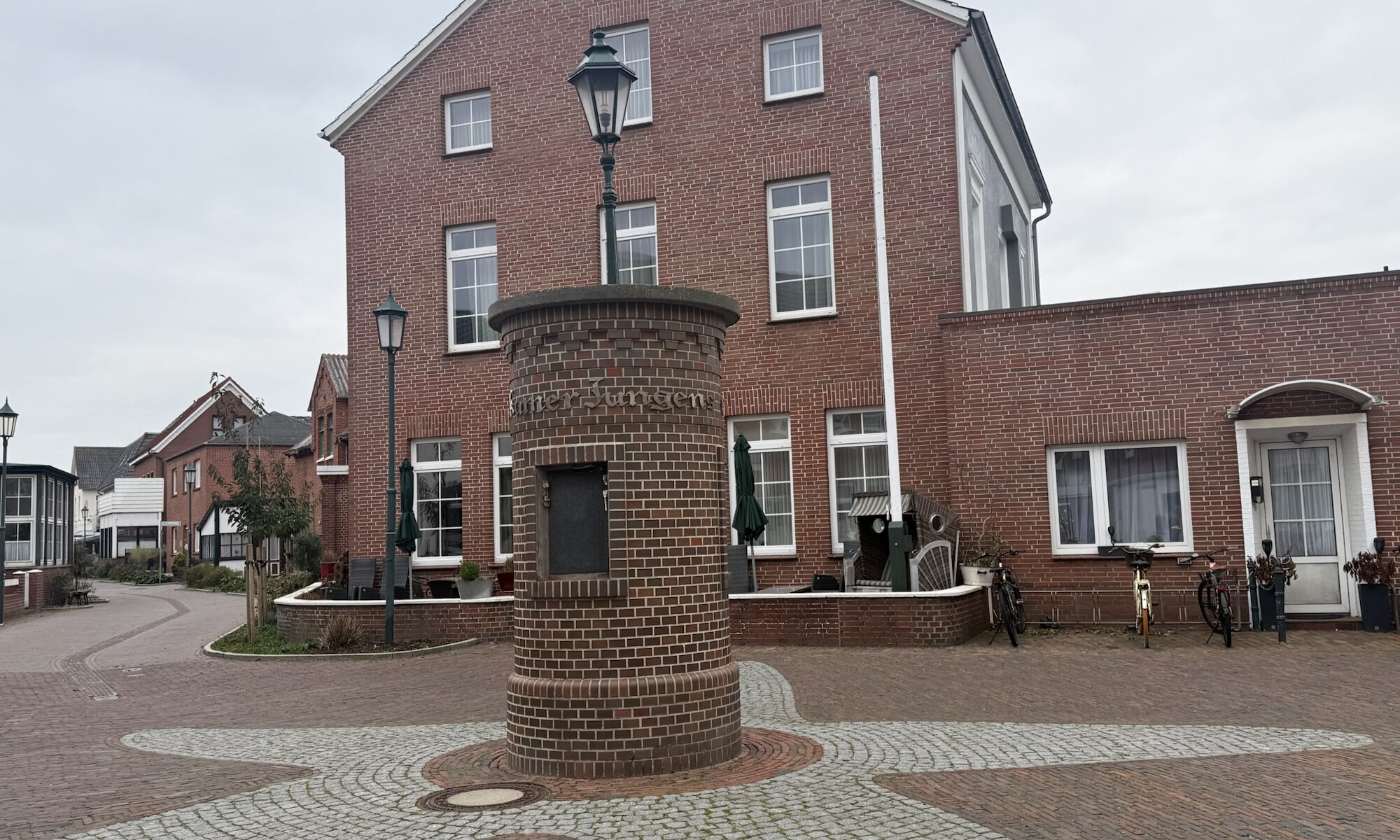
On the night of December 5th, six young men from the local “Borkumer Jungens” club are chosen to become the Klaasohms. Clad in striking costumes of sheepskin, feathers and tall helmets known as Skebellenkopp, they process through the island with helpers, visiting pubs, care homes and hospitals. A central, closed part of the ritual involves wrestling among native-born men to determine leadership for the coming year. Traditionally, the public procession also included the pursuit of local women, who were caught and struck on the buttocks with cow horns, a practice defenders long described as playful and symbolic, critics as humiliation and physical violence.
In recent years, Klaasohm attracted national and international media attention after investigative reports broadcast footage of women being chased and hit during the 2023 festivities. The images sparked a wave of outrage on social media, hate messages against islanders and even police protection for local officials. Under pressure, the organising club announced in late 2024 that the horn-striking of women would be discontinued, distancing itself from past actions and introducing a safety plan. For many outsiders, this looked like a long-overdue correction; for some islanders, it felt like an attack on a core element of their cultural identity, magnified by one-sided reporting and online harassment.
The criticism of Klaasohm centres on the fact that a tradition framed as community bonding explicitly normalised physical contact with women without clear consent, cloaked in the defence of “custom”. Even with the horn-striking officially ended, the underlying narrative – that men return to restore order after women have held sway – remains uncomfortable in a modern context. The episode illustrates how tightly held local traditions can collide with contemporary norms on bodily autonomy and gender equality, and how media scrutiny can force change while simultaneously deepening the sense of siege among those who see themselves as guardians of a unique heritage.
Klaasohm
Borkum
Germany
Loading map...
