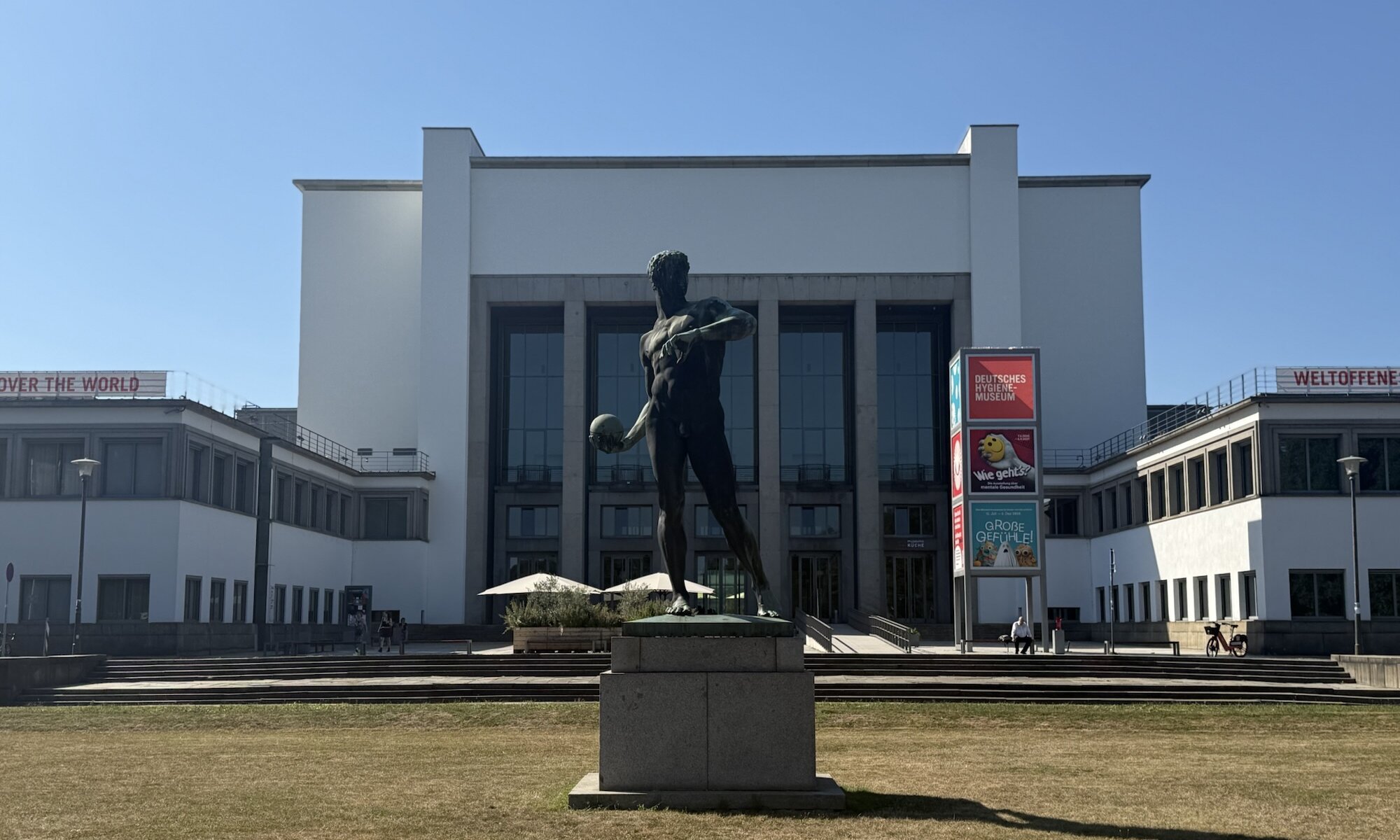
The Deutsches Hygiene-Museum in Dresden was founded in 1912 on the initiative of Karl August Lingner, a local industrialist and manufacturer of the mouthwash Odol. Its purpose was to make scientific knowledge about the human body, personal health and preventive medicine accessible to ordinary people. The present building, designed by Wilhelm Kreis in a monumental yet modern style, was completed for the Second International Hygiene Exhibition in 1930. It was badly damaged during the bombing of Dresden in 1945 and later rebuilt; after German reunification, the museum was fundamentally reoriented as a museum about human experience.
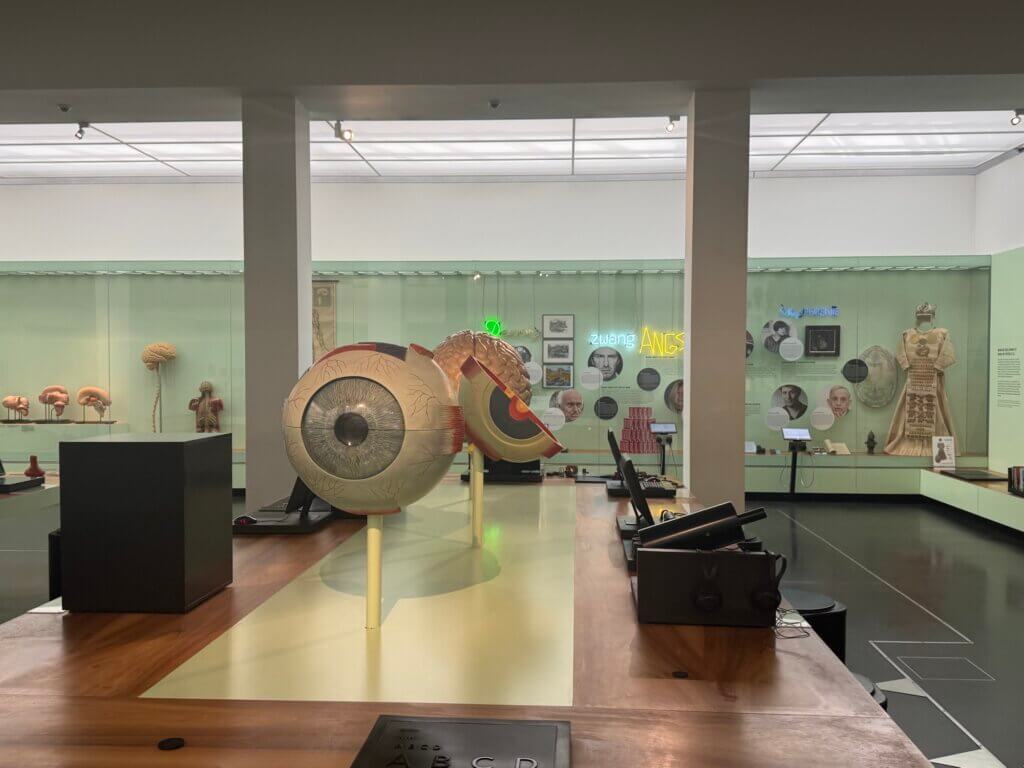
Dresden became closely associated with hygiene because it turned public health into a major educational and cultural project at a time when modern ideas about germs, nutrition, sanitation and preventive medicine were entering everyday life. The city’s civic institutions, industrial wealth and strong exhibition tradition created favourable conditions for presenting medical knowledge to a mass audience. Hygiene was therefore not understood merely as cleanliness, but as a broad programme of health education, social improvement and scientific modernisation.
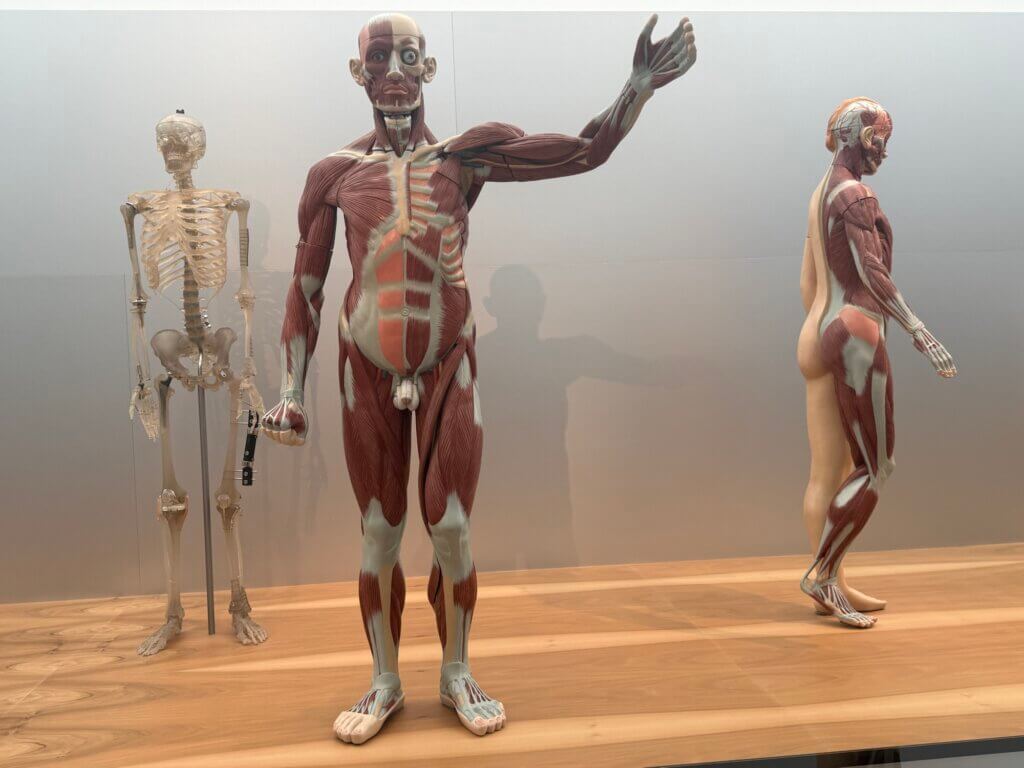
The decisive event was the First International Hygiene Exhibition, held in Dresden in 1911. It attracted more than five million visitors with impressive displays, anatomical models, new technologies and practical information about the body, diet and disease prevention. Its success demonstrated the public appetite for understandable scientific education and directly encouraged the establishment of the permanent museum in 1912. The 1930 exhibition then gave the institution its lasting home and introduced the Transparent Man, an illuminated anatomical model that became its best-known symbol.
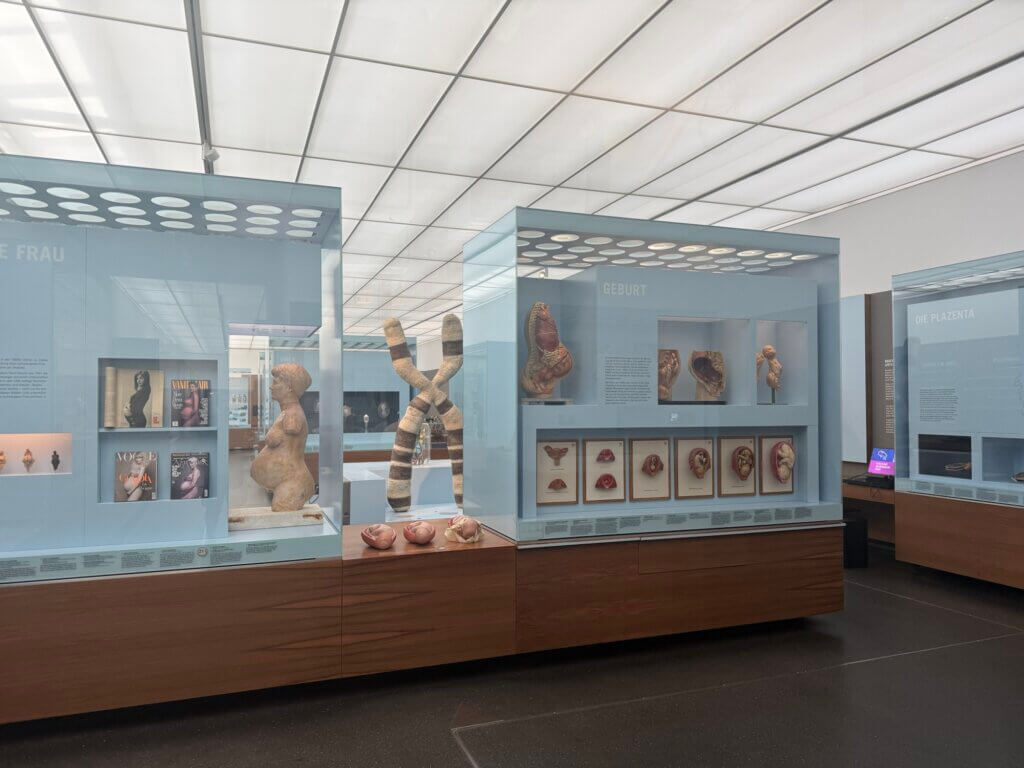
Today, the museum’s permanent exhibition, The Human Adventure, examines people from biological, social and cultural perspectives. Visitors encounter sections dealing with seeing and understanding, moving and feeling, eating and drinking, sexuality and reproduction, remembering and thinking, illness and health, and life and death; the displays combine original objects, models, interactive stations and multimedia material. Alongside this permanent presentation, temporary exhibitions address current questions in science, society, ethics and everyday life, making the museum considerably broader than its historical name might suggest.
Deutsches Hygienemuseum
Dresden
Germany
https://www.dhmd.de
Loading map...
