Each June, the Brockenaufstieg turns Braunlage into a lively base camp for long-distance hikers heading up into the Harz, with the town’s central square filling before dawn with rucksacks, trekking poles and a mix of nervous energy and quiet anticipation. The atmosphere is friendly rather than competitive, more about testing stamina and sharing a long day in the hills than chasing times, and you notice quickly how mixed the field is: seasoned ultra‑walkers alongside office workers who have been training on forest tracks at weekends. Once the start bell goes and the crowd strings out towards the first climbs, Braunlage drops away behind you and the focus shifts to settling into a rhythm for many hours on your feet.
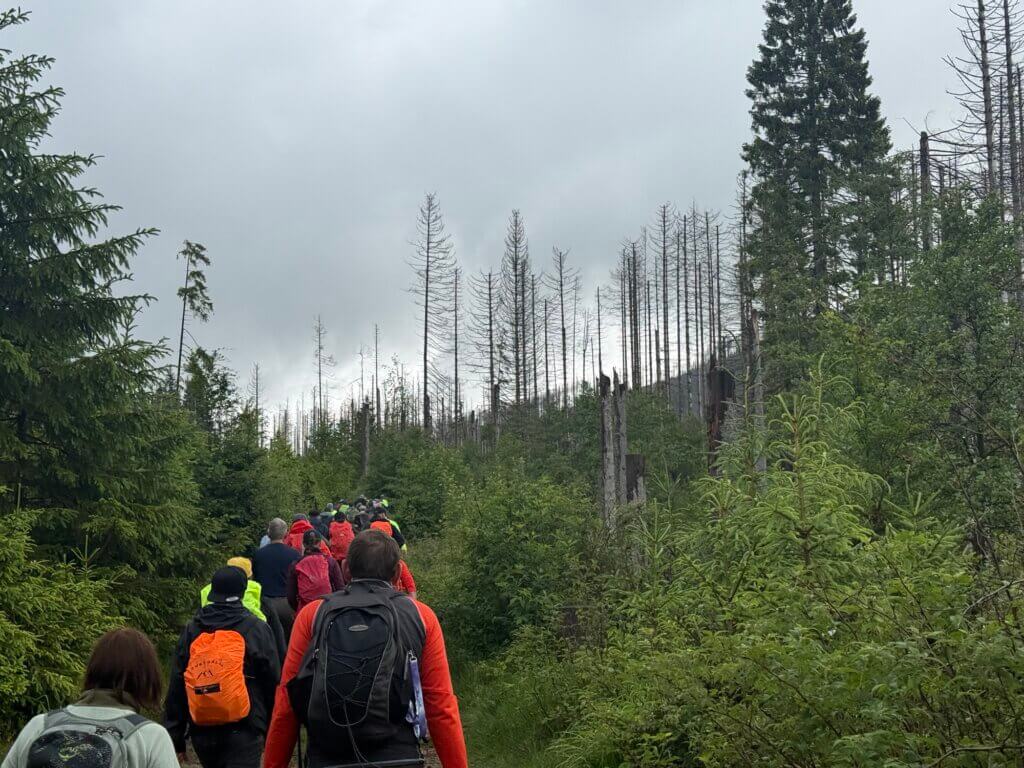
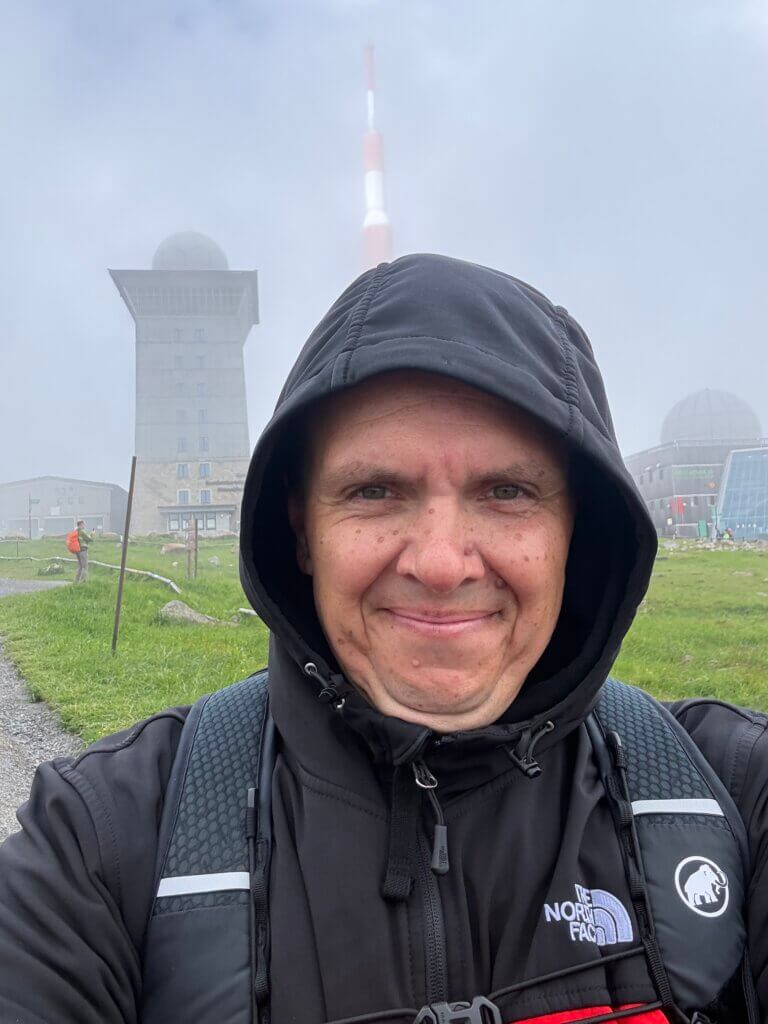
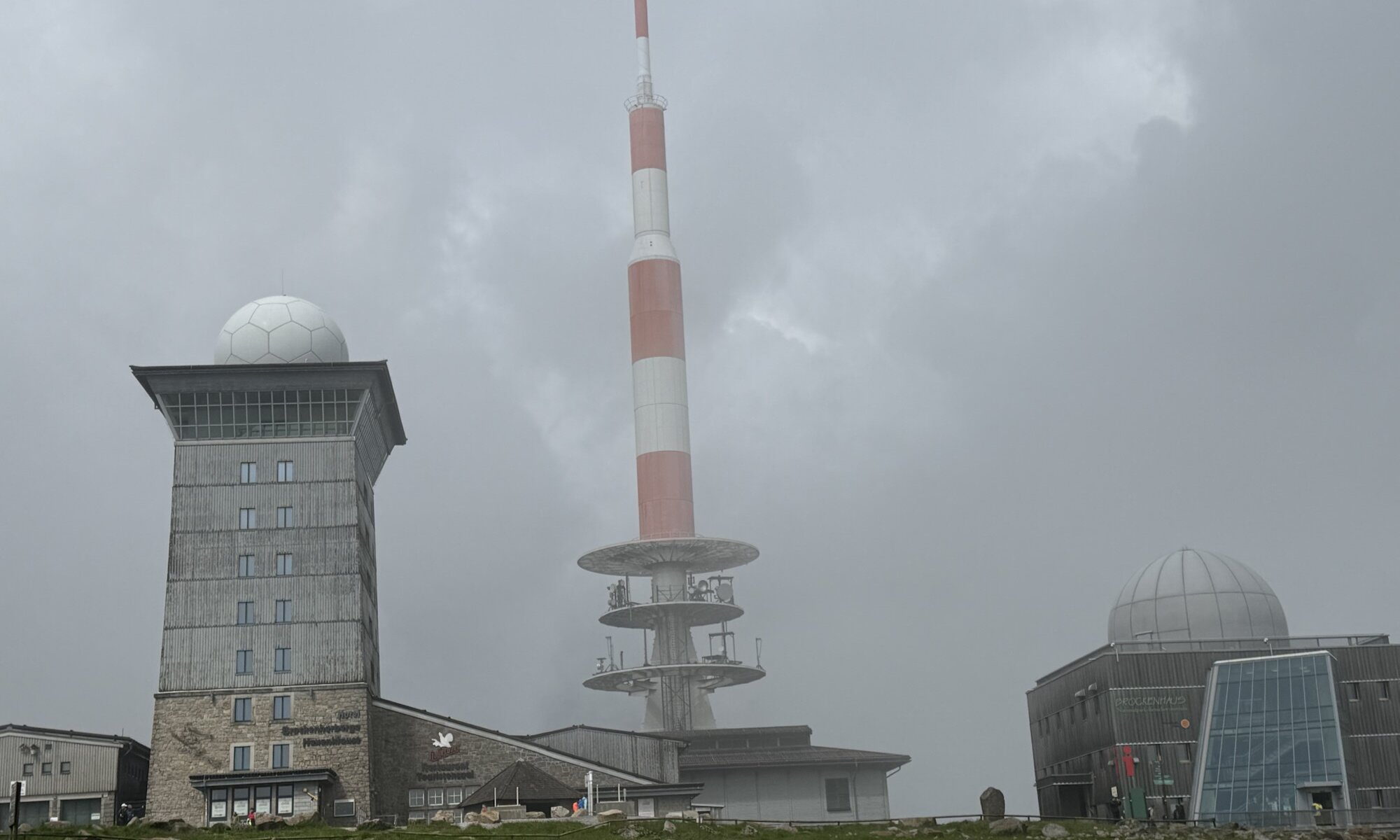
The route choices frame the whole experience: the 35 km option with roughly 850 metres of ascent feels demanding but achievable for anyone with decent fitness, while the 55 km version with about 1,300 metres of climbing turns the day into a genuine ultra‑distance challenge. Both leave and return to Braunlage, but the longer loop spends more time on high forest tracks and remote sections where conversations thin out and you become more aware of your footfall and breathing. On either route, the repeated long inclines gradually sap the legs, particularly the final pull towards the Brocken plateau when the summit buildings finally come into view and you realise how far you have already climbed.
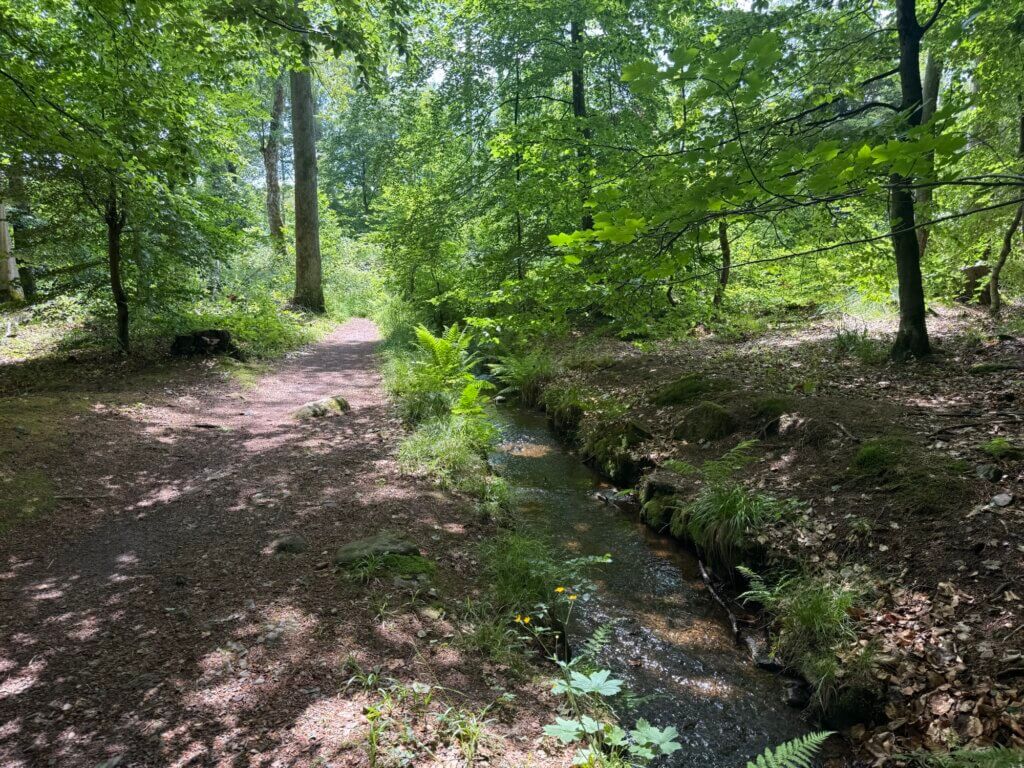
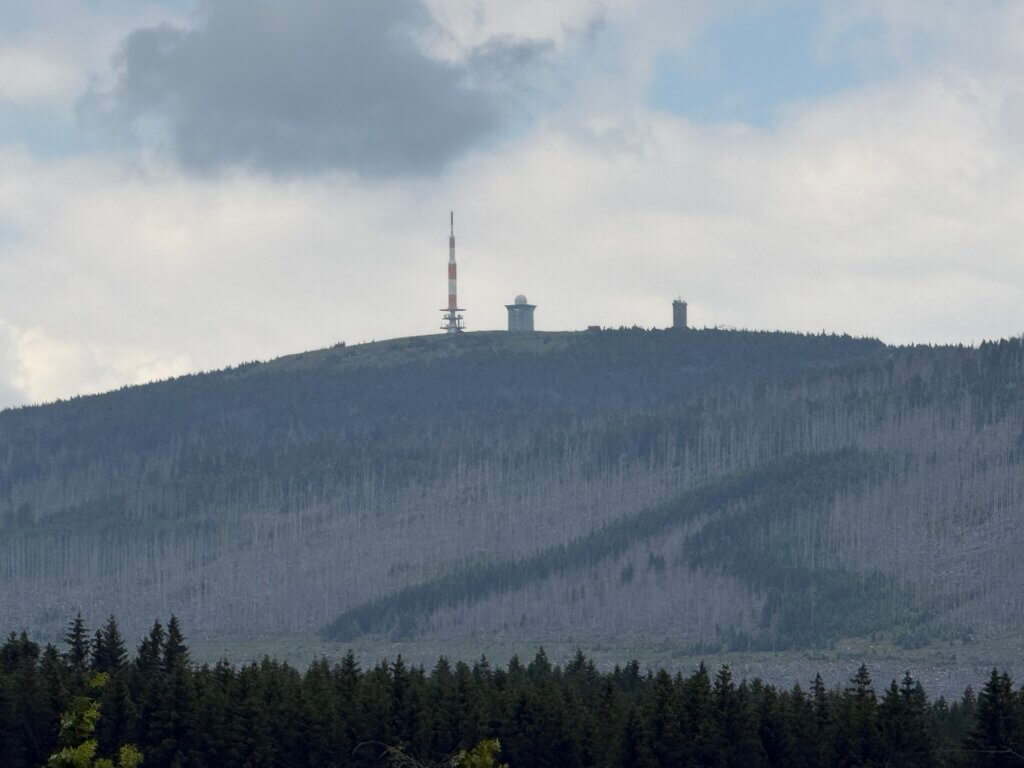
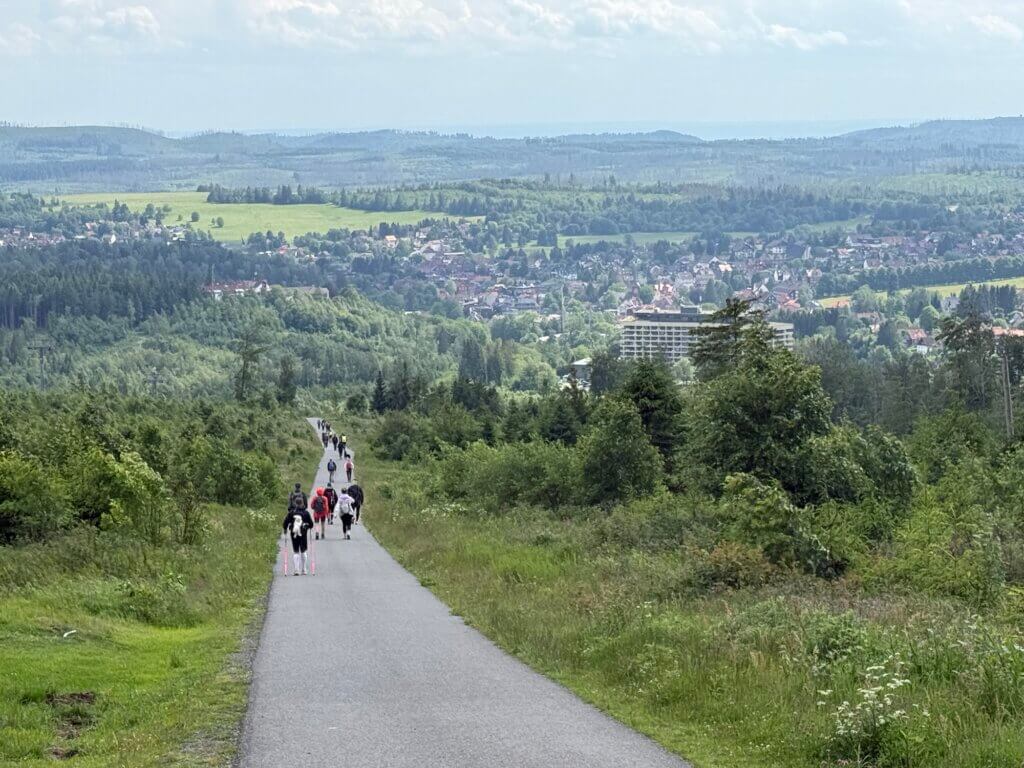
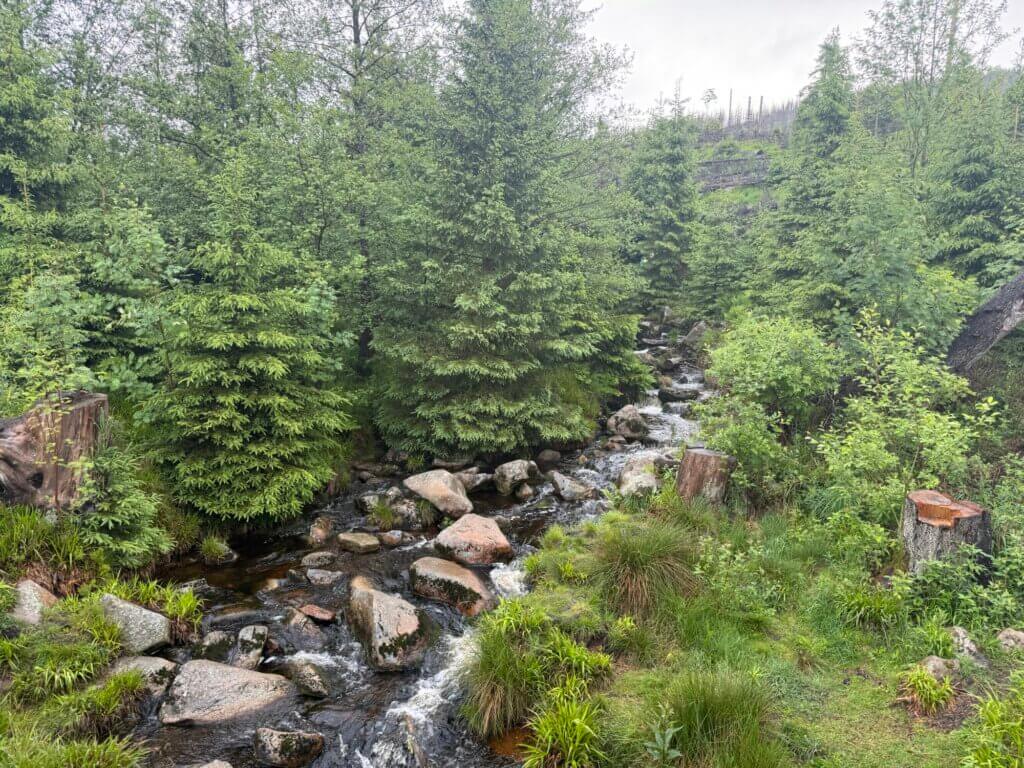
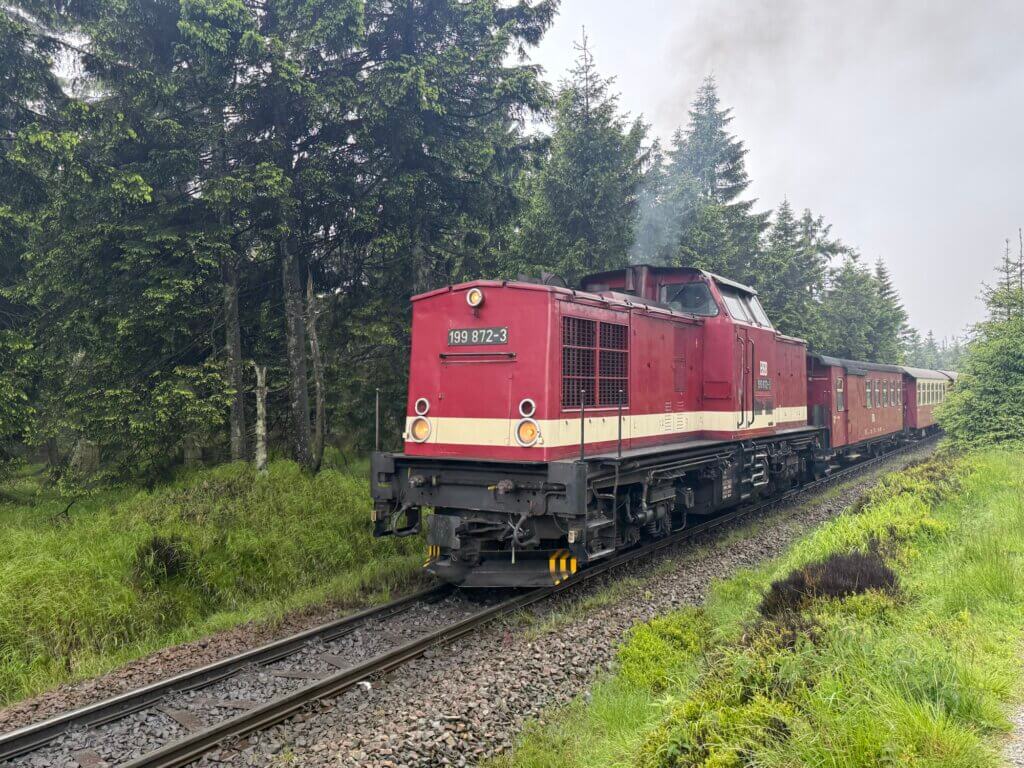
Scenically, the day is far more varied than the simple idea of ‚going up a mountain’ suggests: stretches of dense Harz forest give way to open sections where you catch glimpses towards the upland moors and, on clear days, wide views across northern Germany from the Brocken summit at over 1,100 metres. Sections of the route run close to the historic Brockenbahn, and it is strangely motivating to see the steam trains labouring uphill while you follow your own, quieter line on nearby paths. Down in the valleys, you pass fast‑flowing streams and waterfalls, while higher up the vegetation shrinks and the wind becomes a constant companion, reminding you that this is still a proper mountain environment despite the well‑marked trails.
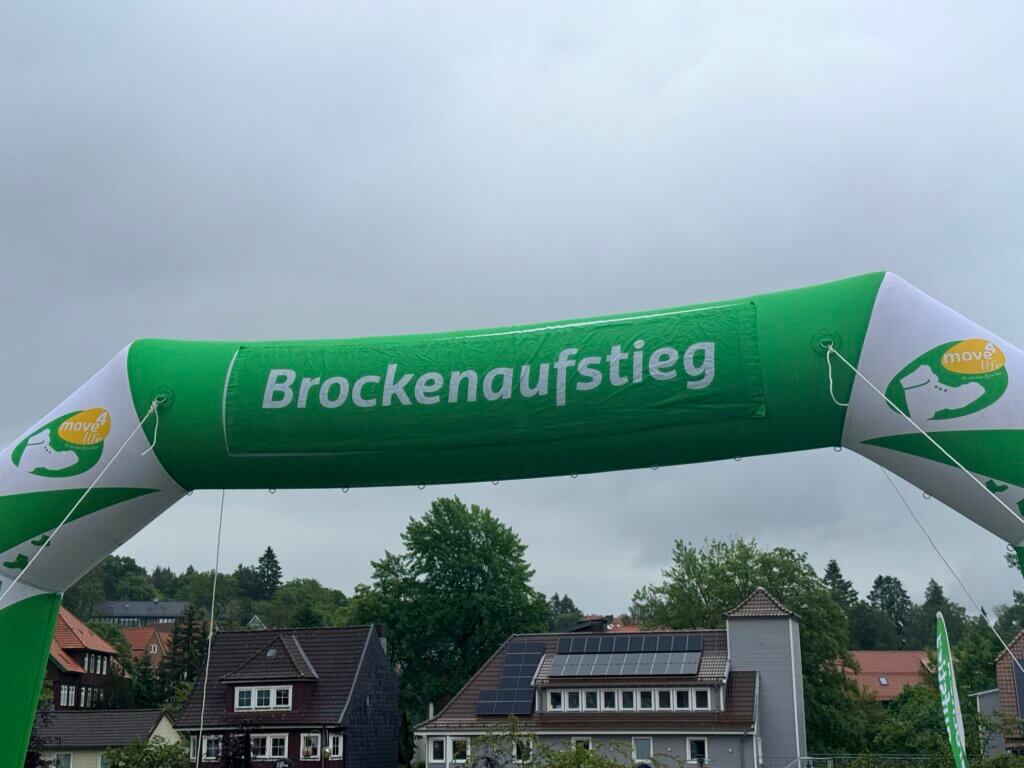
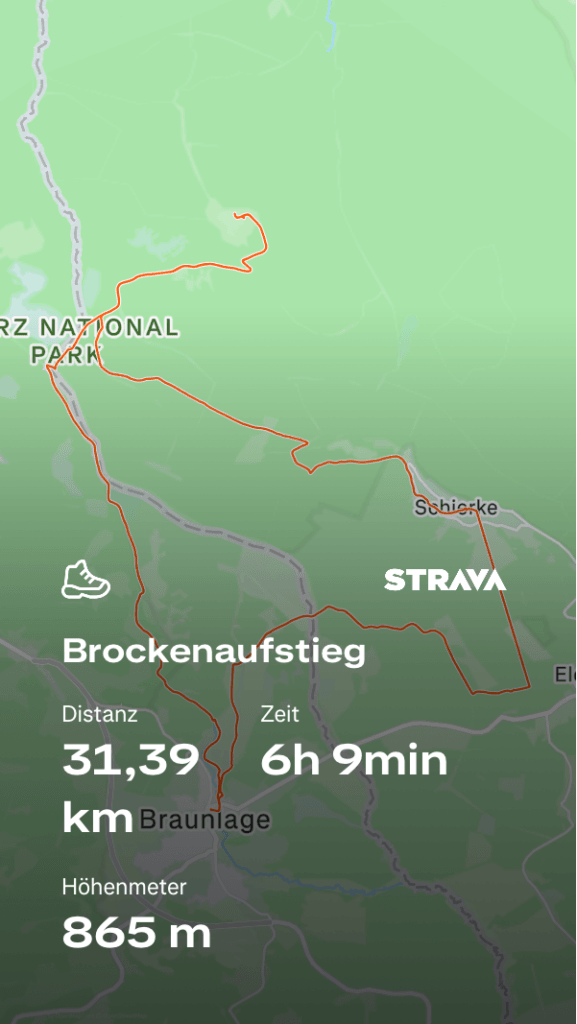
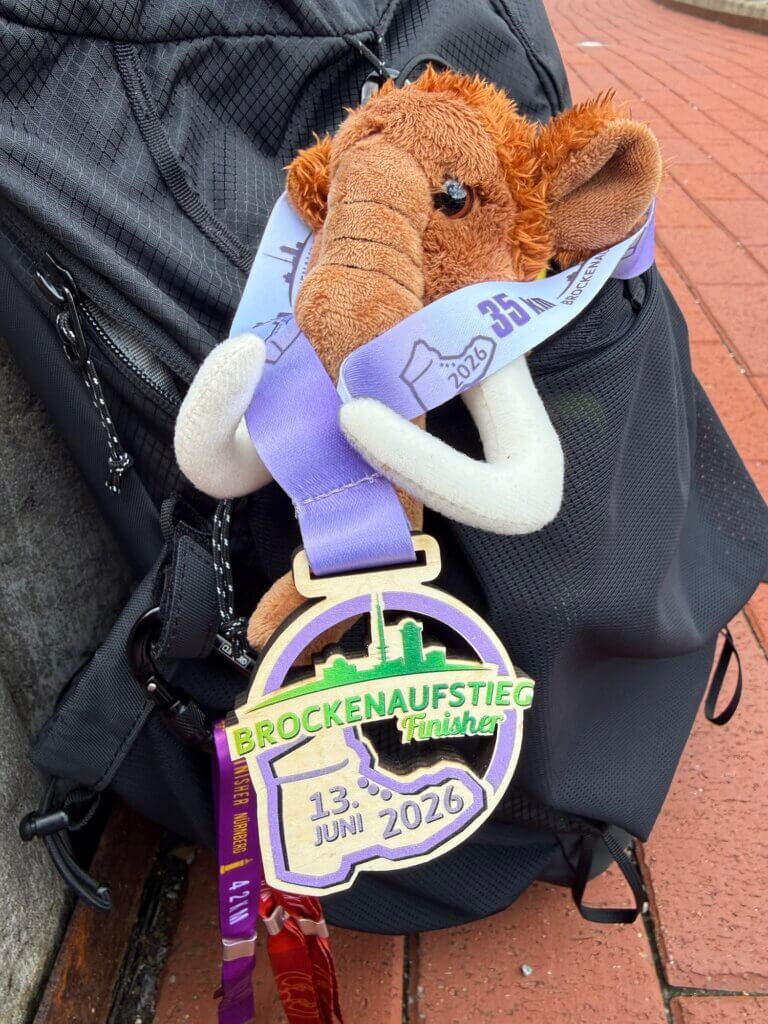
Logistically, the event is gentle on participants: starting and finishing in Braunlage simplifies accommodation and parking, and the organisers place feed stations along both the 35 km and 55 km routes so you never need to carry excessive supplies. Medals and finisher shirts at the end sound like small things on paper, yet after a very long day of hiking they add a nice sense of occasion as you come back into town to applause and music. The real reward, though, is that mix of tired legs, weathered faces and quiet satisfaction on the square in the evening, when everyone is comparing distances, blisters and favourite sections of the trail before drifting off for a well‑earned meal and sleep.
The Brocken
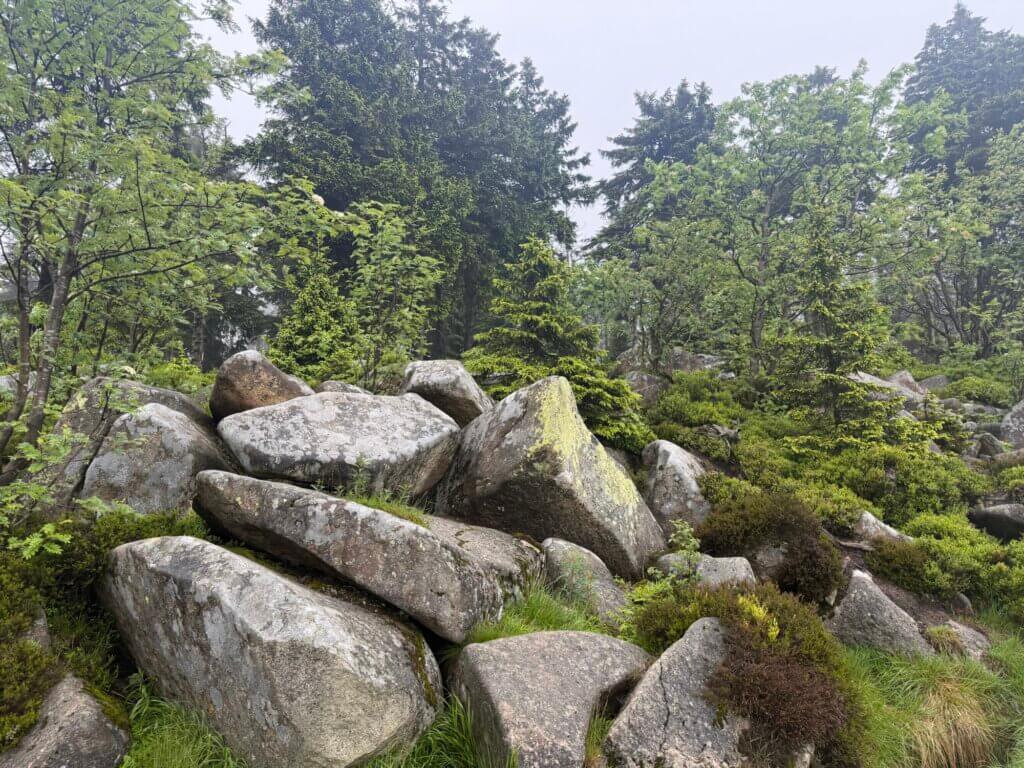
The Brocken, the highest peak of northern Germany, has an air of mystique that sets it apart from other mountains in the Harz range. Rising to just over 1,140 metres, it’s frequently shrouded in mist and buffeted by strong winds, lending it an almost otherworldly presence. The landscape combines rugged granite outcrops, wind-bent spruce, and open moorland, all protected within the Harz National Park. The climate, reminiscent of alpine conditions, has long inspired folklore, and the Brocken’s eerie fogs and optical illusions even gave rise to the famous ‘Brocken spectre‘ – a haloed shadow of one’s own reflection projected on the mist.
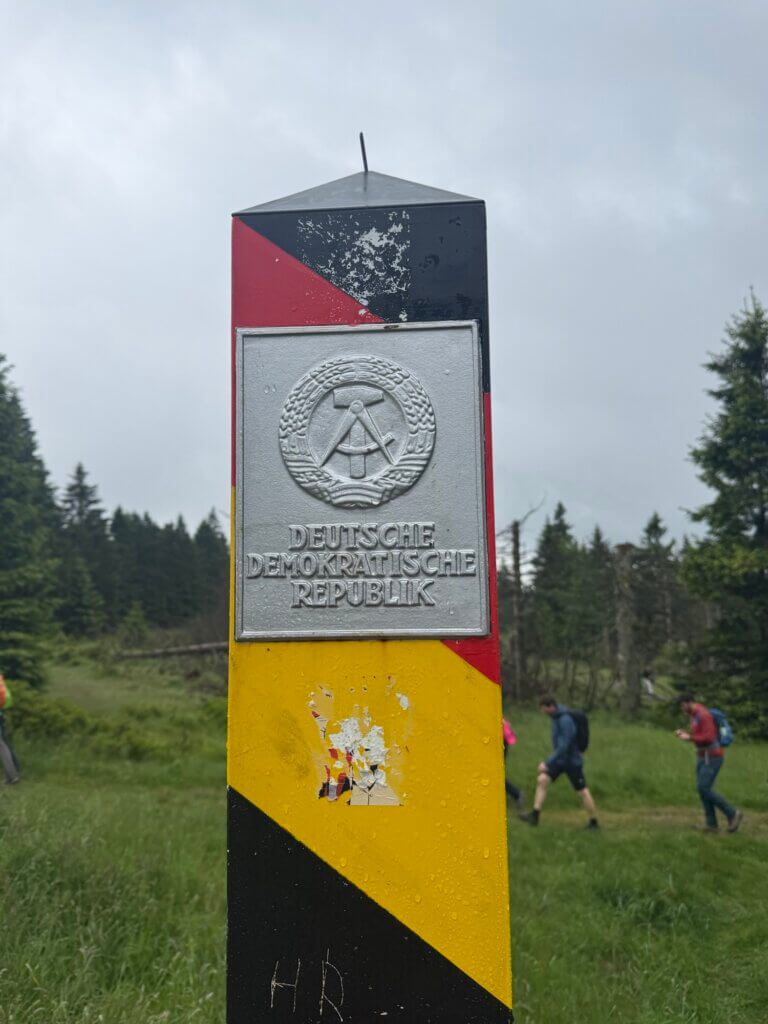
During the Cold War, the Brocken was steeped in secrecy and irony. From 1961 until the fall of the Berliner Mauer, it was a forbidden zone, sitting firmly in the East and used as a Soviet and East German listening post. Its summit bristled with surveillance equipment, and access was restricted under heavy military control. For decades, travellers on the western side could gaze up at its silhouette but not set foot on it. When the border opened in 1989, the Brocken became a powerful symbol of reunification – a place once divided now freely accessible again. Many hiking routes today follow parts of the former inner-German border, serving as a quiet reminder of that era.
Today, the mountain has returned to its role as both a natural and cultural beacon. Visitors can reach the summit by foot on well-marked trails or take the Brockenbahn, a nostalgic steam train that winds up through forests and meadows – a scenic journey in itself. At the top, there’s a museum housed in the former surveillance station, a hotel, a weather station, and expansive viewing platforms offering panoramas stretching into Thüringen and Niedersachsen. On clear days, you can spot Wernigerode in the distance or trace the outline of the Harz foothills. Whether for its history, legends, or sheer panoramic beauty, the Brocken remains a mountain with a uniquely layered soul.
Brockenaufstieg
Braunlage
Germany
https://www.brockenaufstieg.de
Loading map...
