
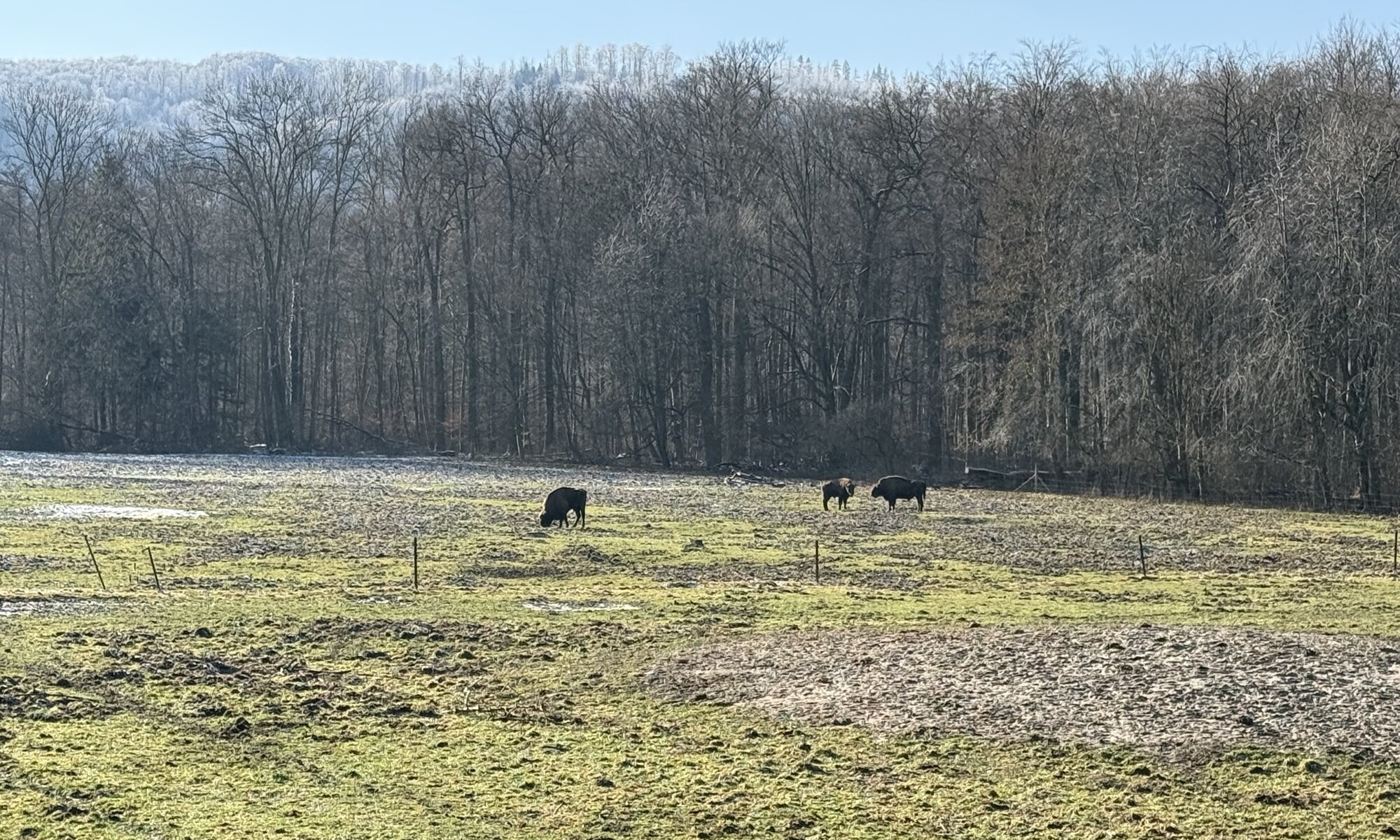
The Wisentgehege at Springe, Germany, lies on the northern edge of the Deister ridge near the small town of Springe in Niedersachsen, roughly half an hour’s drive south of Hannover. Tucked away in mixed woodland and meadows, it feels pleasantly cut off from the everyday bustle, even though access by car and public transport is straightforward. Paths lead through gently rolling terrain, so you are constantly moving between forest, open clearings and small ponds rather than along sterile zoo-style avenues. That setting gives the place more the atmosphere of a long forest walk with wildlife as your companions than of a classic city zoo.
Its roots go back to the late 1920s, when the area was set aside to help save the European bison, or wisent, from extinction after its wild populations had collapsed. Early on, the focus was on establishing a breeding herd and securing a genetically viable stock that could eventually support reintroduction projects elsewhere. Over the decades, the site gradually grew into a broader wildlife park showcasing Central and Eastern European species while keeping conservation and breeding programmes at its core. You can still sense that origin story in the way information boards emphasise species protection rather than pure entertainment.
Today the wisent is still very much the emblem of the park, and seeing these heavy, powerful animals in a spacious, wooded enclosure is a highlight. The herds tend to keep a bit of distance, but you can usually watch them grazing, resting under old oaks or slowly crossing the paths behind fences. In the same area you often encounter Przewalski’s horses, another ancient breed closely tied to conservation work, which adds to the sense of stepping back to an earlier, wilder Europe. Especially outside peak times, it is surprisingly easy to find a quiet corner and just watch these large herbivores in peace.
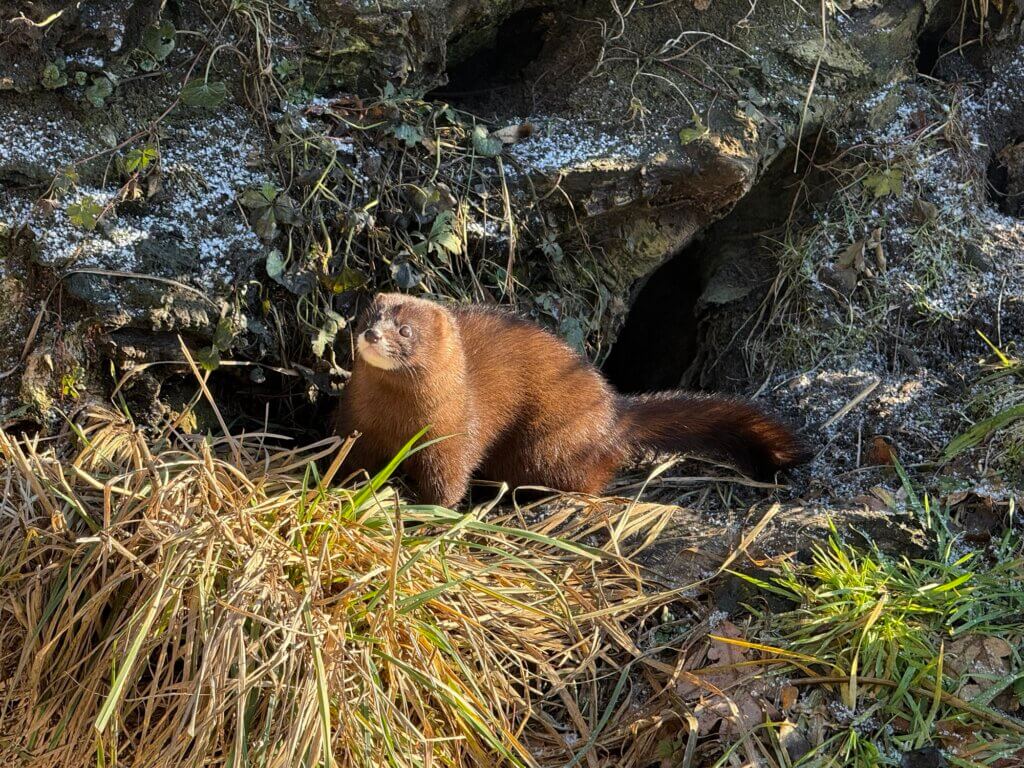
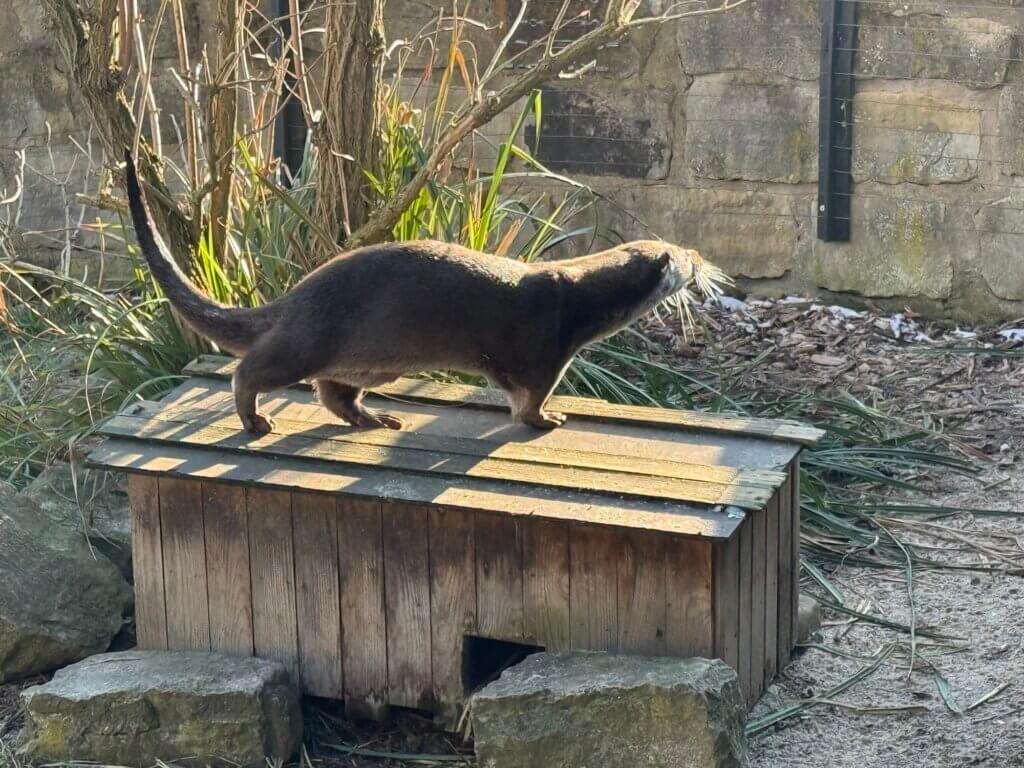
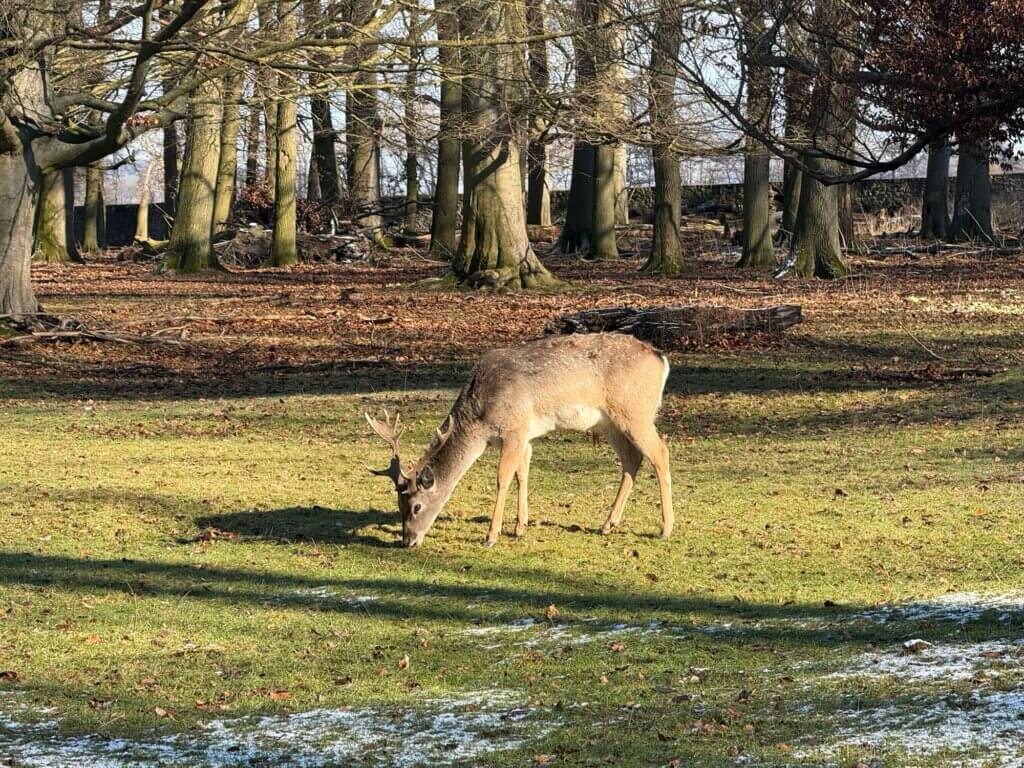
Beyond the bison and wild horses, the park holds a broad range of European wildlife: wolves, lynx, brown bears, elk, wild boar and red deer, as well as beavers, otters and various birds of prey. Many of the enclosures are large and structured with woodland, water and hiding places, so you sometimes need a bit of patience to spot the shyer species. When they do appear, though, you see much more natural behaviour than in cramped city zoos, whether it is wolves moving as a pack or otters playing in the water. Combined with a long circular trail and a few simple catering options, it easily fills a relaxed day out, particularly if you enjoy combining a proper walk with observing native animals.
Wisentgehege
Niedersächsische Landesforsten
Springe am Deister
Germany
Loading map...
