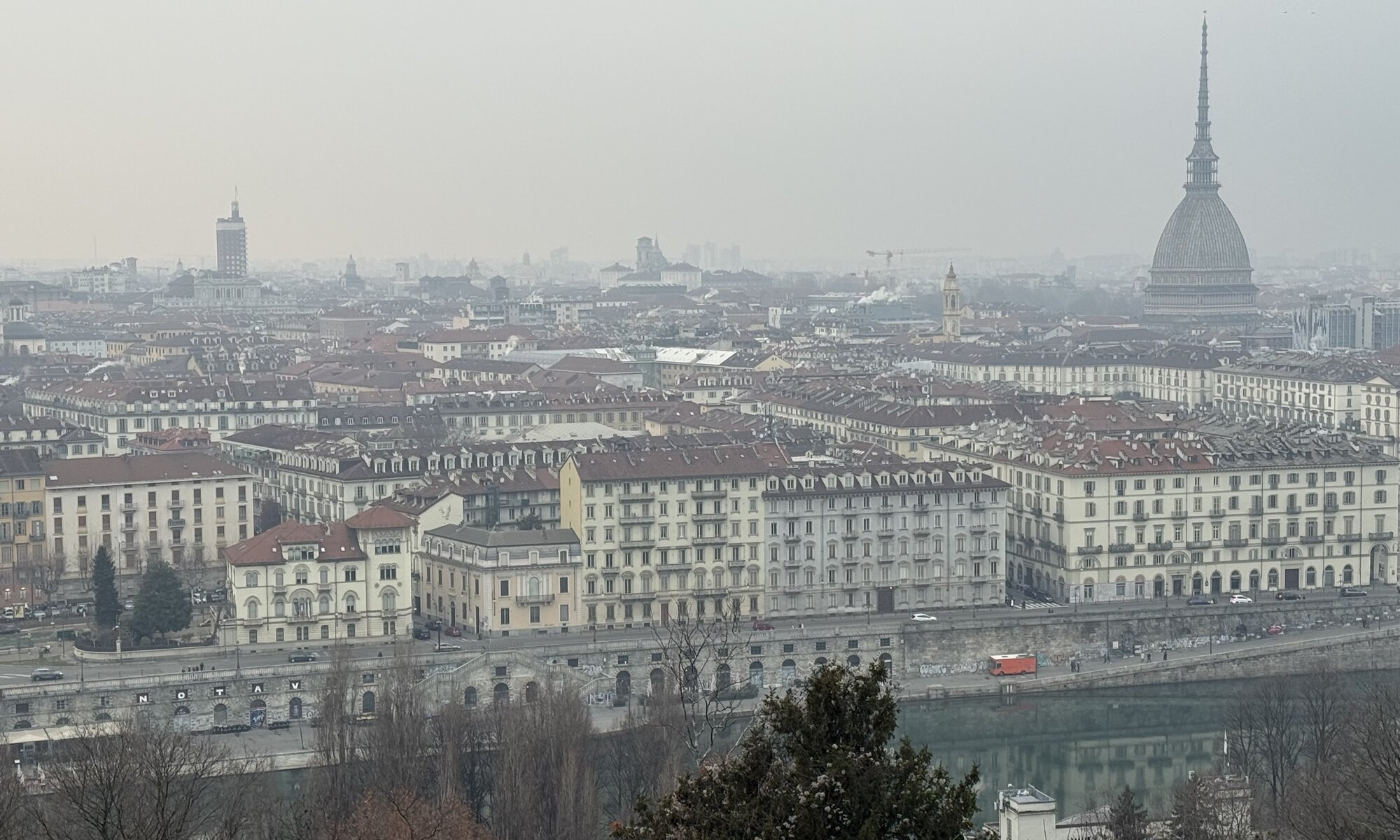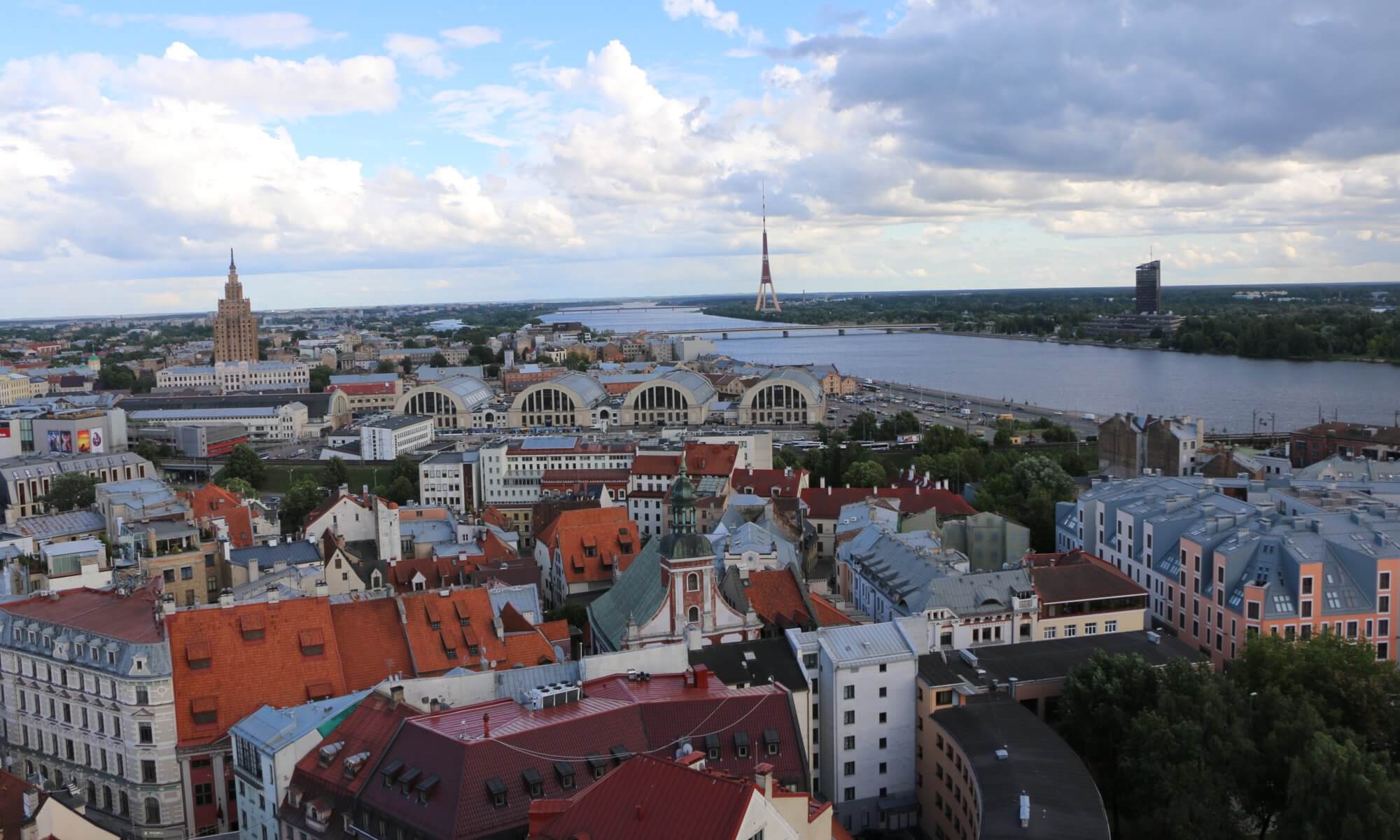
The city of Torino, or Turin in German and English, lies elegantly at the foot of the Alps where the Po river flows through the wide plains of northern Italy. It was the first capital of unified Italy in the 19th century and long before that, the seat of the powerful House of Savoy. The city carries itself with a regal grace, visible in its Baroque palaces, arcaded boulevards, and grand piazzas that reflect both French and Italian influences. Its grid-like street layout, unusual for an Italian city, owes much to 17th-century urban planning, which lends Torino a sense of order and grandeur reminiscent of Paris rather than Roma.
Continue reading “Torino”Automobile
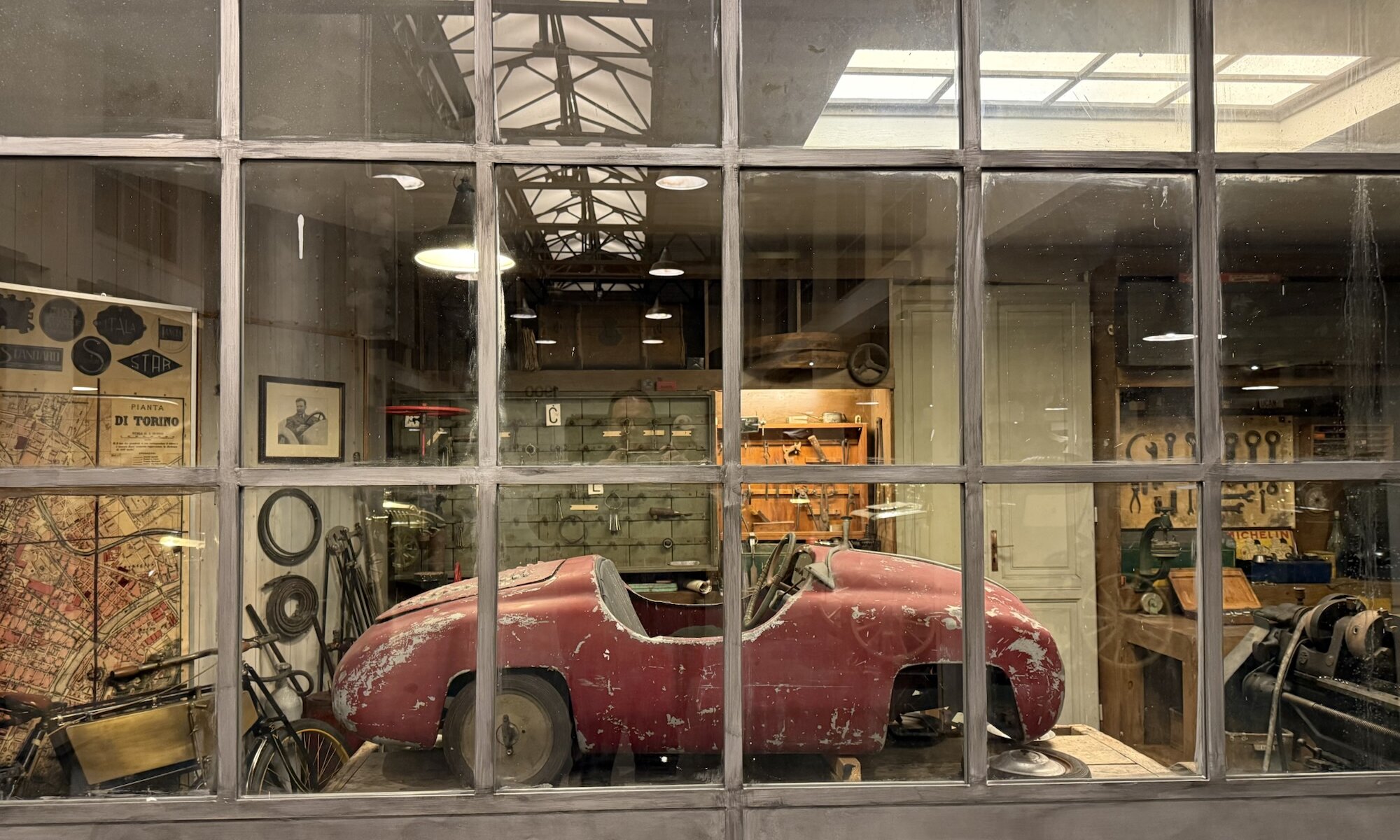
The Museo Nazionale dell’Automobile in Torino is one of Italy’s most fascinating and thoughtfully curated museums, offering a deep dive into the evolution of the car as both a technological marvel and a cultural symbol. Founded in 1932 by Carlo Biscaretti di Ruffia, a passionate pioneer of Italian motoring culture, it stands as one of the world’s oldest automobile museums. The building itself, redesigned in the early 21st century, presents an elegant, modern structure along the river Po. Its architecture mirrors the spirit of the exhibits within – combining history, innovation, and motion into a seamless narrative that reflects Torino’s enduring connection to the automobile industry.
Continue reading “Automobile”Museo Egizio
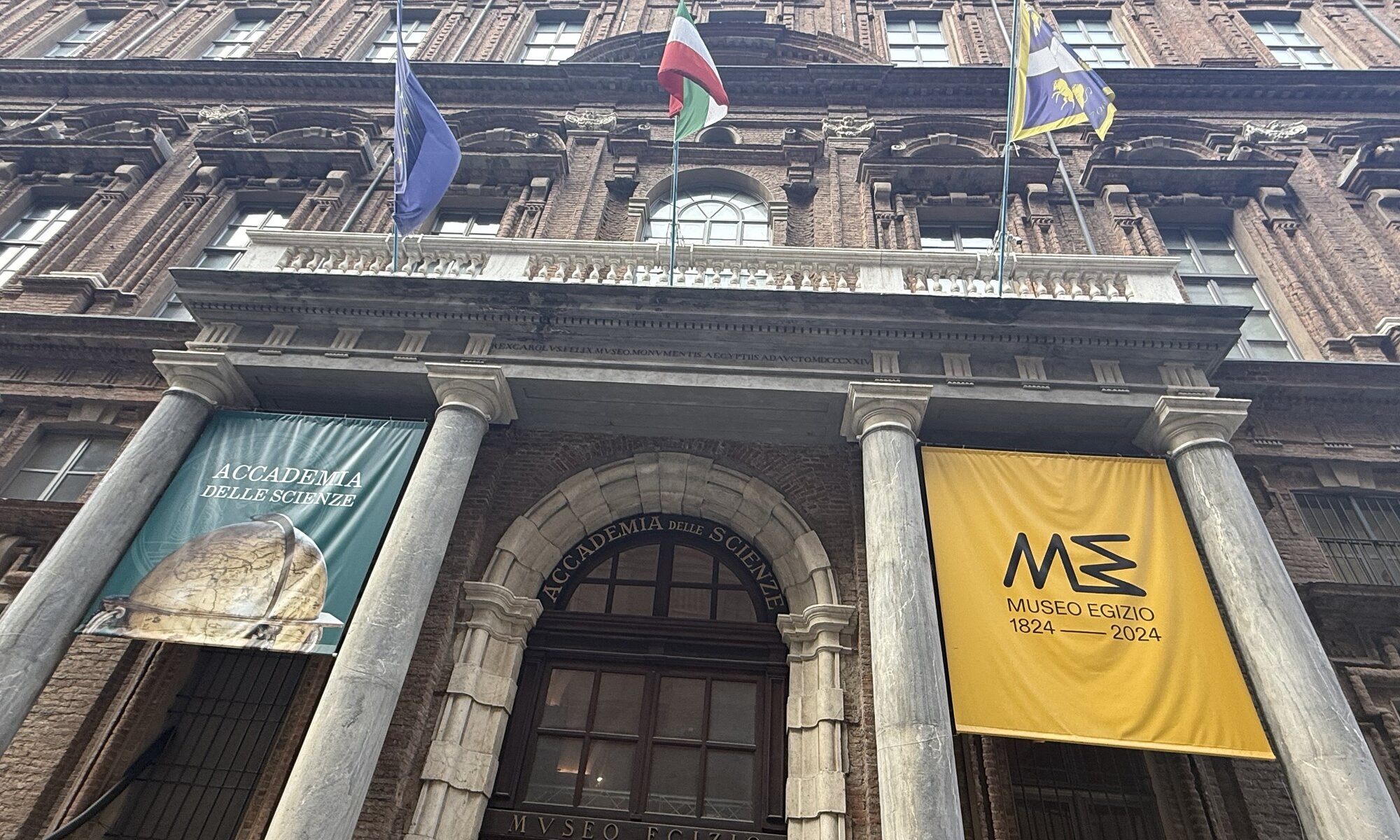
The Museo Egizio in Torino ranks among the most remarkable collections of Egyptian antiquities outside of Egypt itself. It was founded in the early 19th century, stemming from the Savoy family’s fascination with the ancient world and their patronage of archaeological study. Over time, it grew under the direction of notable Egyptologists such as Ernesto Schiaparelli, whose early 20th-century expeditions brought back an extraordinary wealth of artefacts. The museum’s link to the intellectual and collecting culture of Enlightenment Europe, alongside its pioneering role in Egyptology, gives it a distinctly historical depth that few other museums can match.
Continue reading “Museo Egizio”Sindone di Torino
The Cattedrale di San Giovanni Battista in Torino stands as one of the most remarkable examples of Renaissance church architecture in northern Italy. Built between 1491 and 1498 under the direction of Amedeo de Francisco di Settignano, known as Meo del Caprina, the cathedral replaced a cluster of medieval churches dedicated to Saint John the Baptist, the city’s patron saint. Its elegant façade of white marble, rare for Piedmont at the time, reflects the transition from Gothic to early Renaissance design, pairing classical balance with restrained ornamentation. In the late 17th century, the complex gained its most distinctive silhouette when Guarino Guarini added the magnificent Baroque chapel designed specifically to house one of Christianity’s most venerated relics – the Shroud of Torino.
Continue reading “Sindone di Torino”