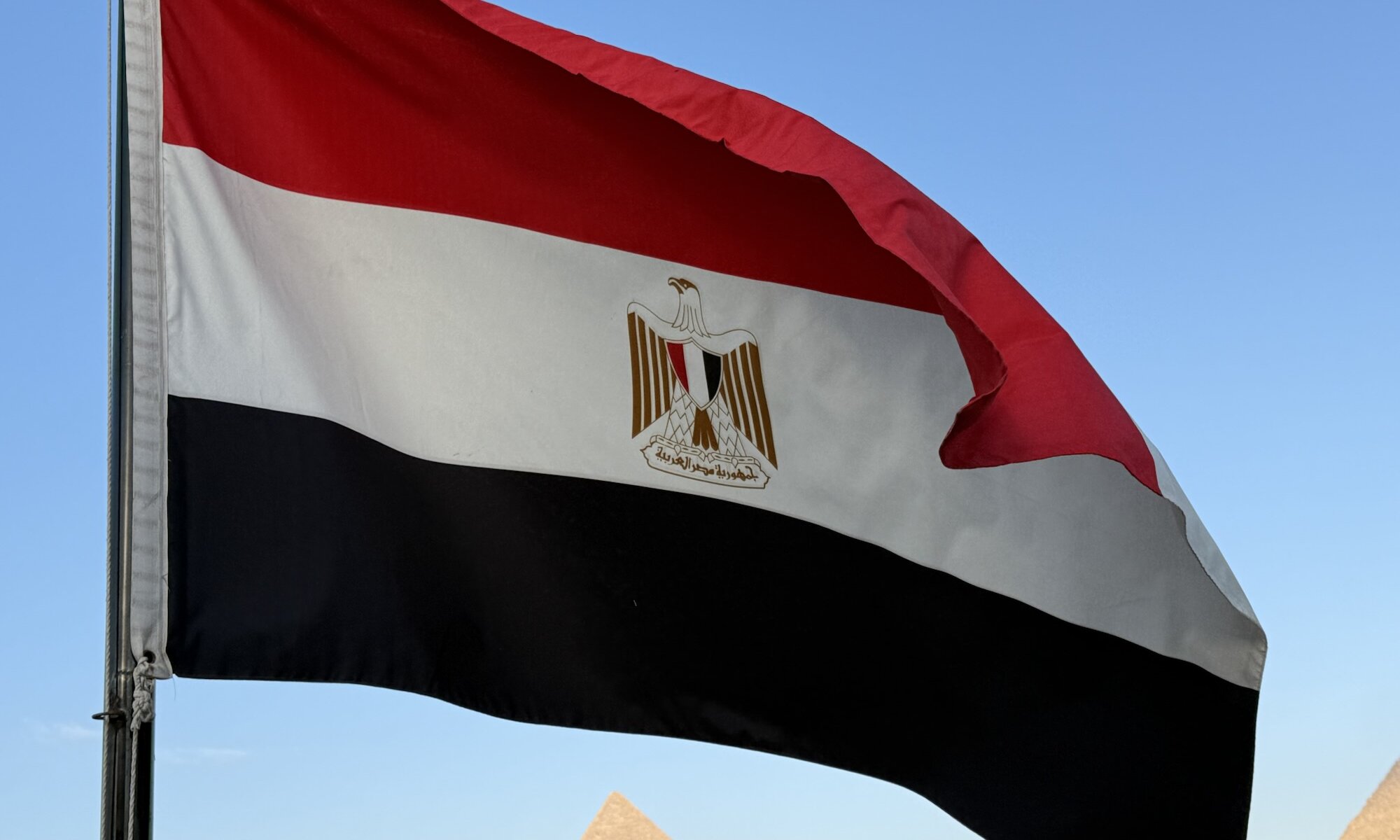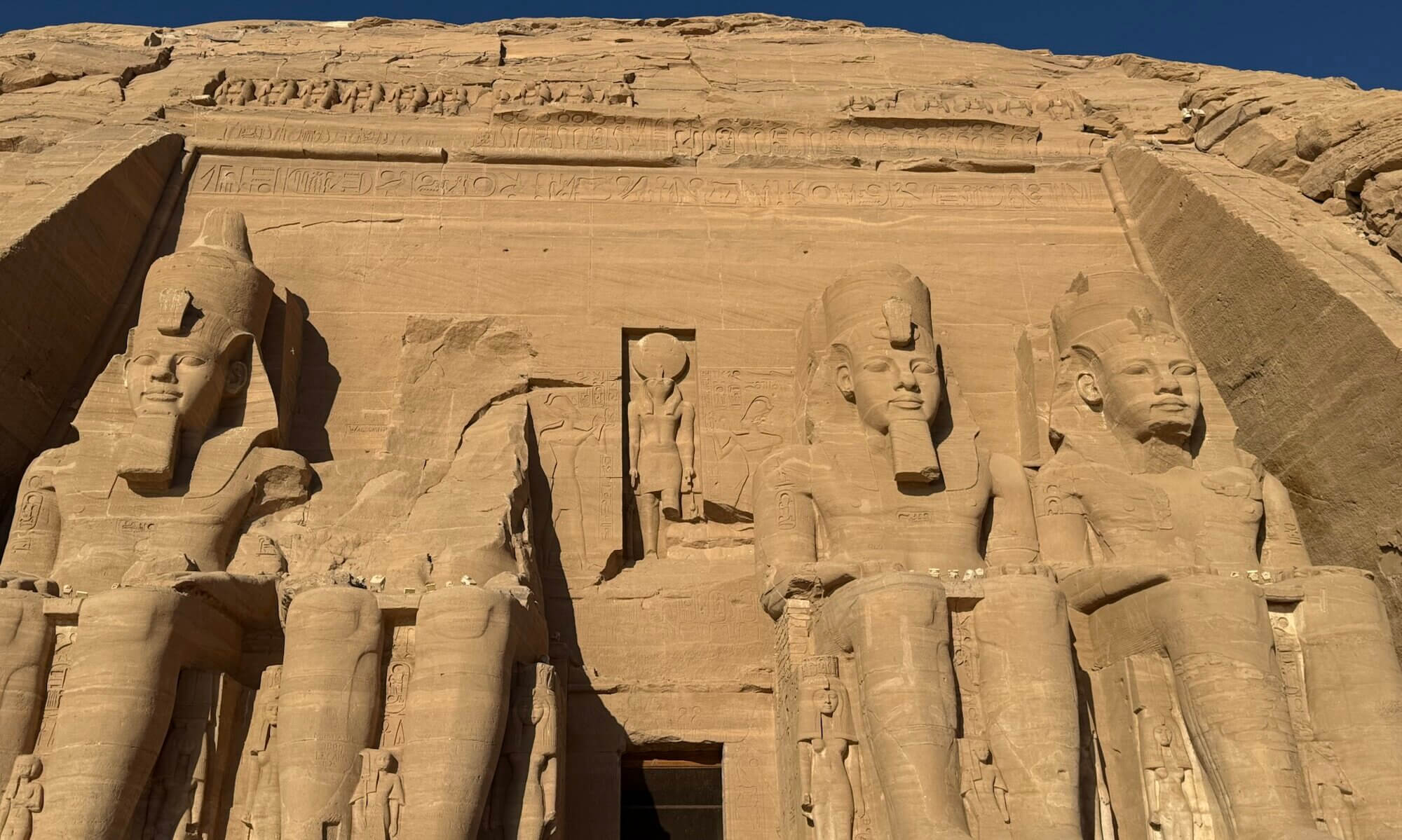
Egypt stands as one of the world’s most fascinating destinations, carrying the weight of millennia within its sands and monuments. Often called the cradle of civilisation, it was home to powerful dynasties whose architectural and cultural feats shaped history. From the time of the ancient Pharaohs through the Greek and Roman periods, Egypt maintained a central role in trade, religion, and scholarship. Even in later centuries under Islamic rule, its cities flourished with vibrant learning centres, mosques, and bustling markets. The blend of these eras is still visible today, layered into the landscapes along the Nile.
Continue reading “Miṣr”Nile cruise
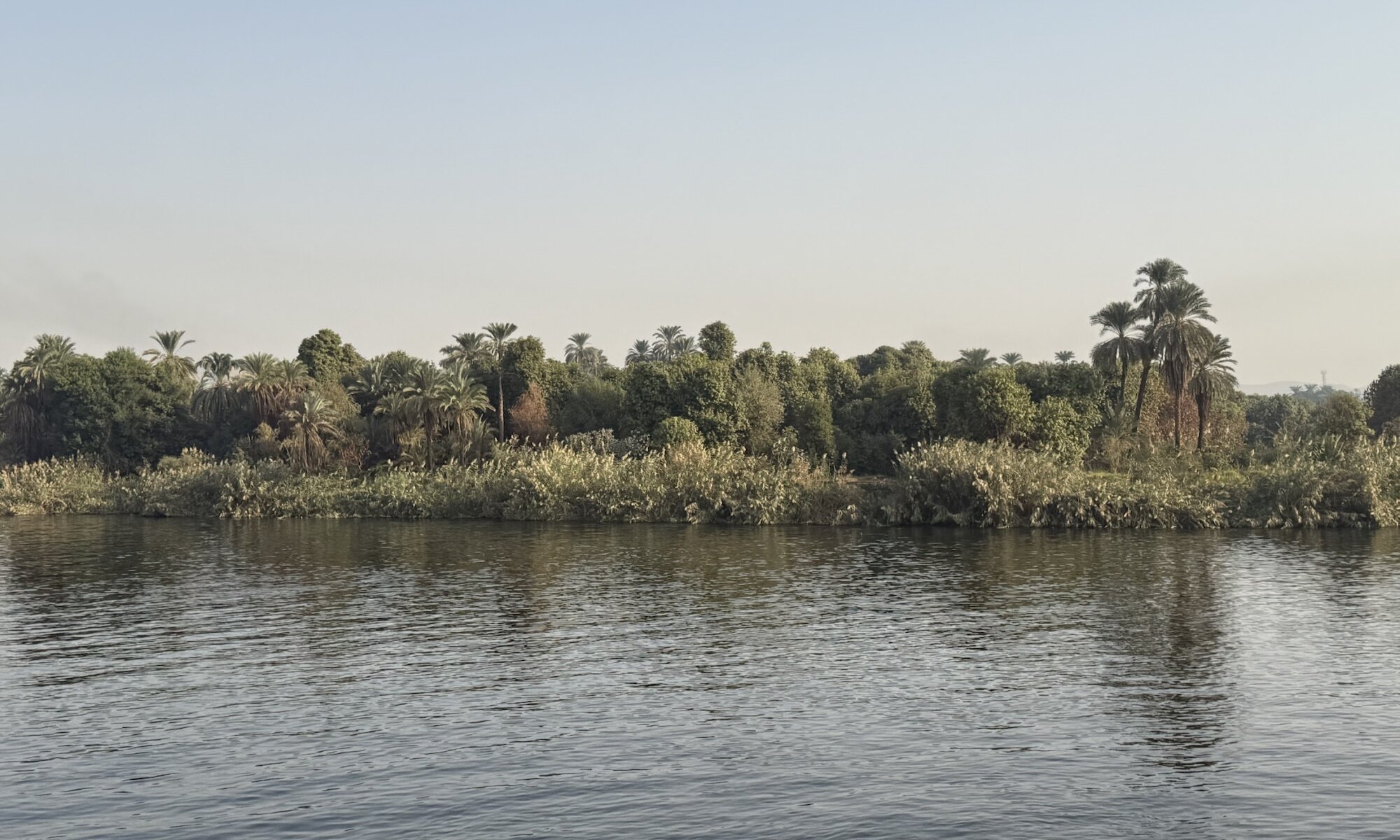
The classic Nile cruise from أسوان to الأقصر feels like slipping into a slower rhythm of travel, where the motion of the river sets the pace for everything else. Days fall into a gentle pattern of temple visits in the cool morning, long lunches on board, and lazy afternoons stretched out on the sundeck watching palms, feluccas and riverside villages slide by. Even on a modern five‑star boat, there is a sense of following a very old route, with the call to prayer drifting over the water at dusk and the banks glowing gold as the sun drops behind the desert. By night, the river is quiet, the temples lit in the distance, and you sit over dinner realising that most of the day has been spent simply looking at the Nile.
Continue reading “Nile cruise”Kom Ombo
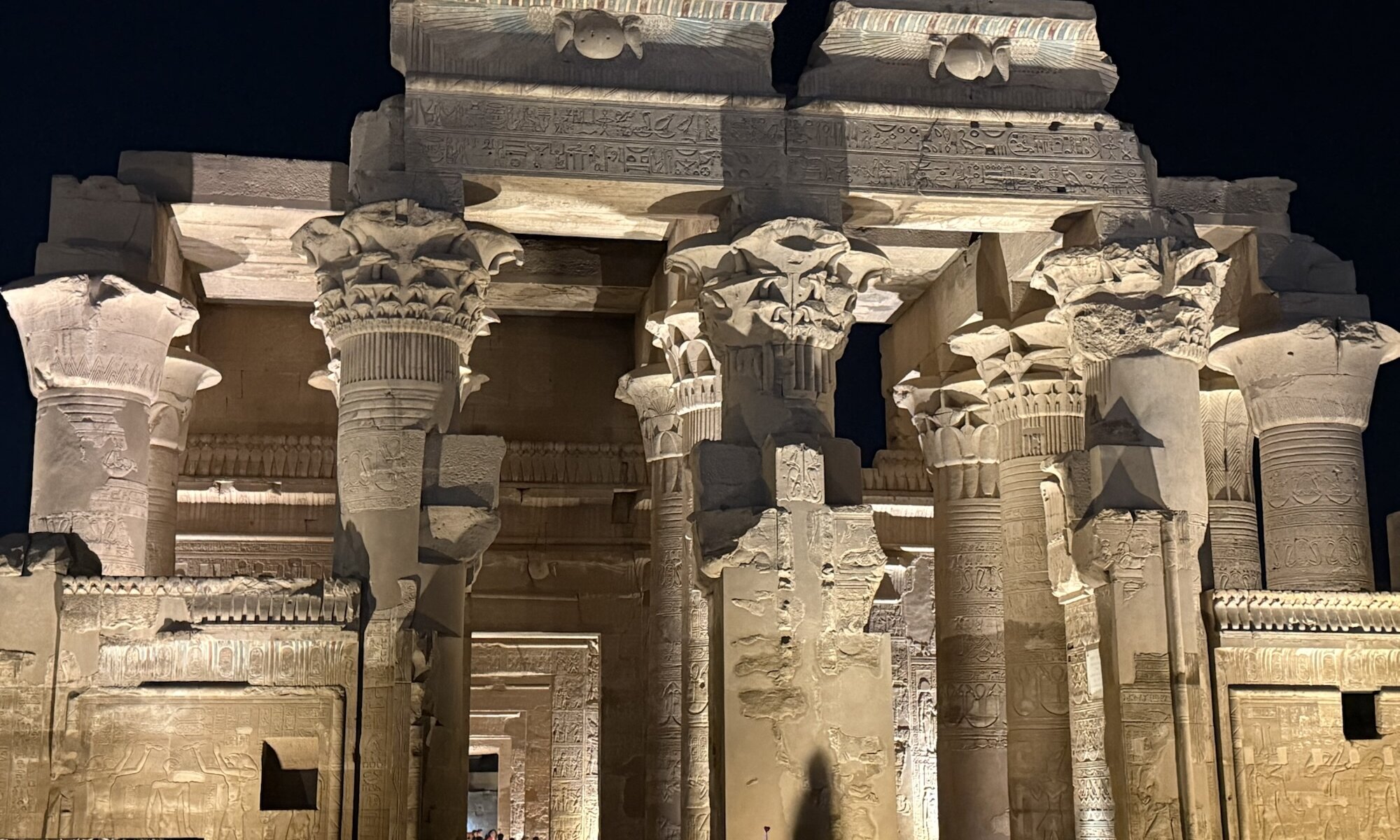
The Temple of Kom Ombo, situated on the east bank of the Nile in Upper Egypt, dates from the Ptolemaic period between roughly 180 and 47 BCE. It was initiated under Ptolemy VI Philometor and later enhanced by subsequent rulers like Ptolemy XII, with some Roman period additions. This temple is notable for its unusual and deliberate architectural symmetry, as it is dedicated to two distinct gods: Sobek, the crocodile god linked to fertility and the Nile, and Horus (Haroeris), the falcon-headed god of the sky and kingship. Kom Ombo’s dual design reflects this religious duality, incorporating two entrances, courts, hypostyle halls, sanctuaries, and chambers within one complex, making it unique among ancient Egyptian temples.
Continue reading “Kom Ombo”