Miṣr

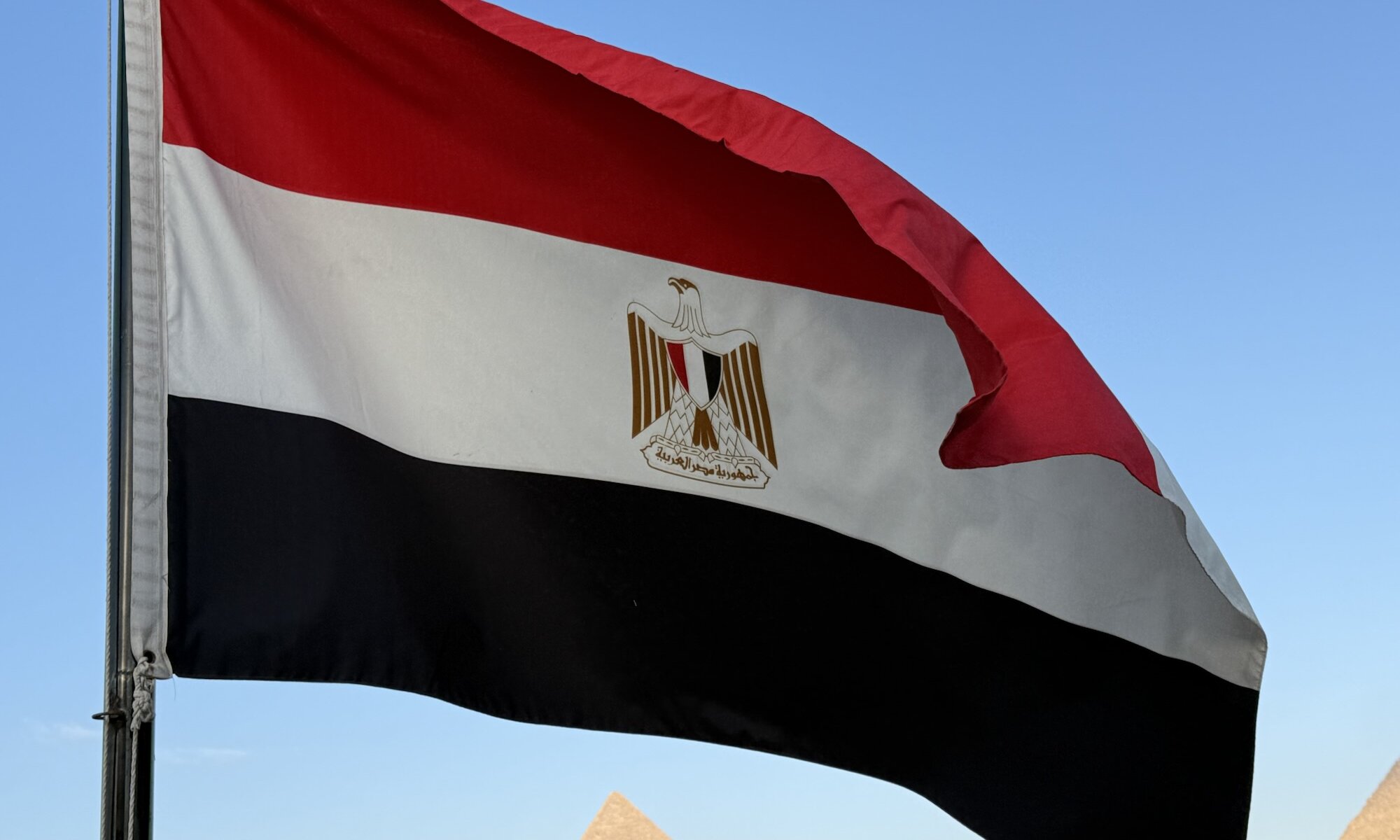
Egyptian flag, الجيزة

Egypt stands as one of the world’s most fascinating destinations, carrying the weight of millennia within its sands and monuments. Often called the cradle of civilisation, it was home to powerful dynasties whose architectural and cultural feats shaped history. From the time of the ancient Pharaohs through the Greek and Roman periods, Egypt maintained a central role in trade, religion, and scholarship. Even in later centuries under Islamic rule, its cities flourished with vibrant learning centres, mosques, and bustling markets. The blend of these eras is still visible today, layered into the landscapes along the Nile.

Continue reading “Miṣr”

Cairo

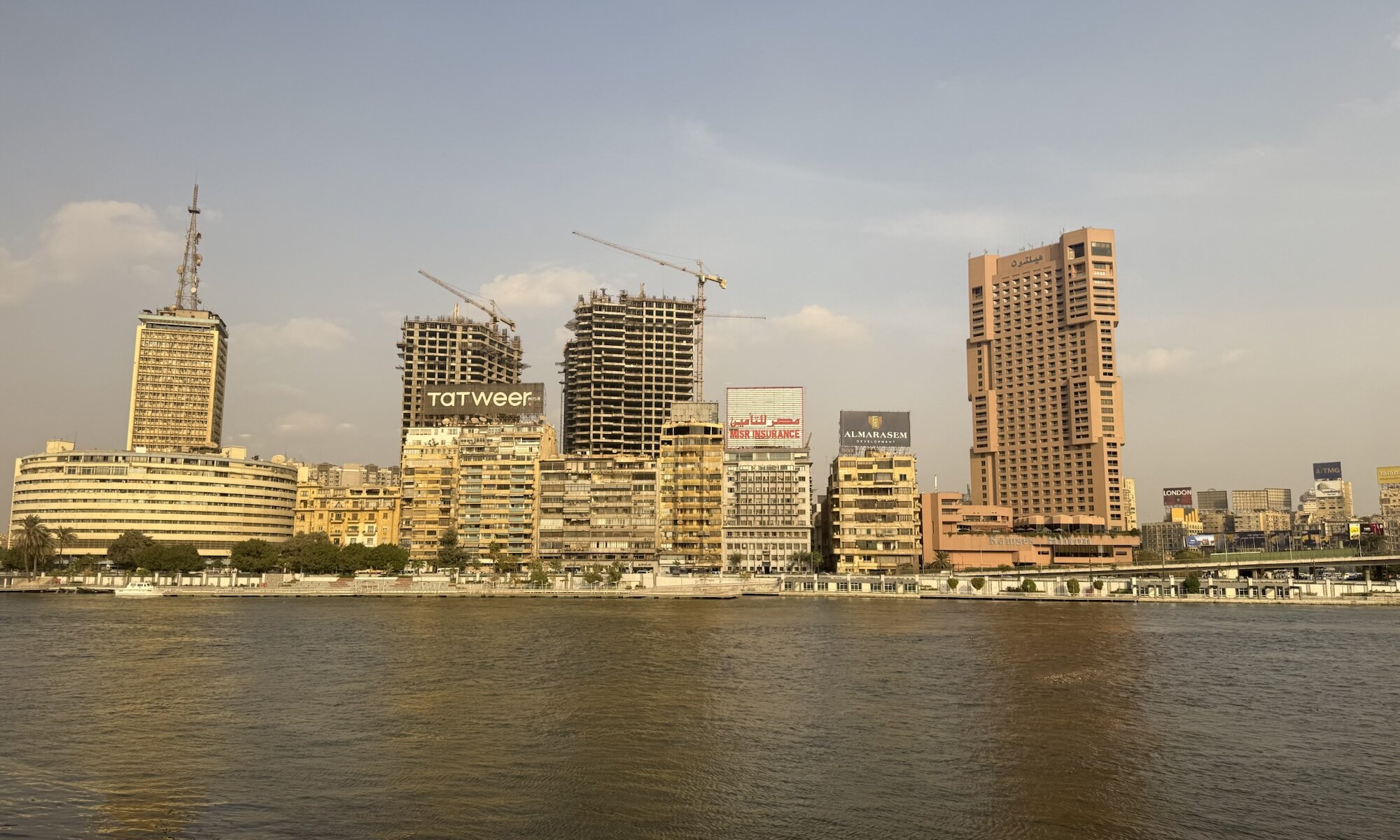
Downtown, القاهرة

القاهرة is one of the world’s most captivating cities, lying at the heart of Egyptian civilisation and brimming with layers of history. Founded in the 10th century by the Fatimids, it grew into a powerful Islamic centre under successive dynasties and later became the beating heart of modern Egypt following the Ottoman and British periods. Despite its relatively recent origins compared to nearby ancient sites, القاهرة’s surroundings are steeped in antiquity, with the Nile serving as both lifeblood and boundary between eras. Pharaohs ruled just downstream in Memphis and Giza, leaving behind an unparalleled legacy that continues to define the city’s global image.

Continue reading “Cairo”

Egyptian Civilization

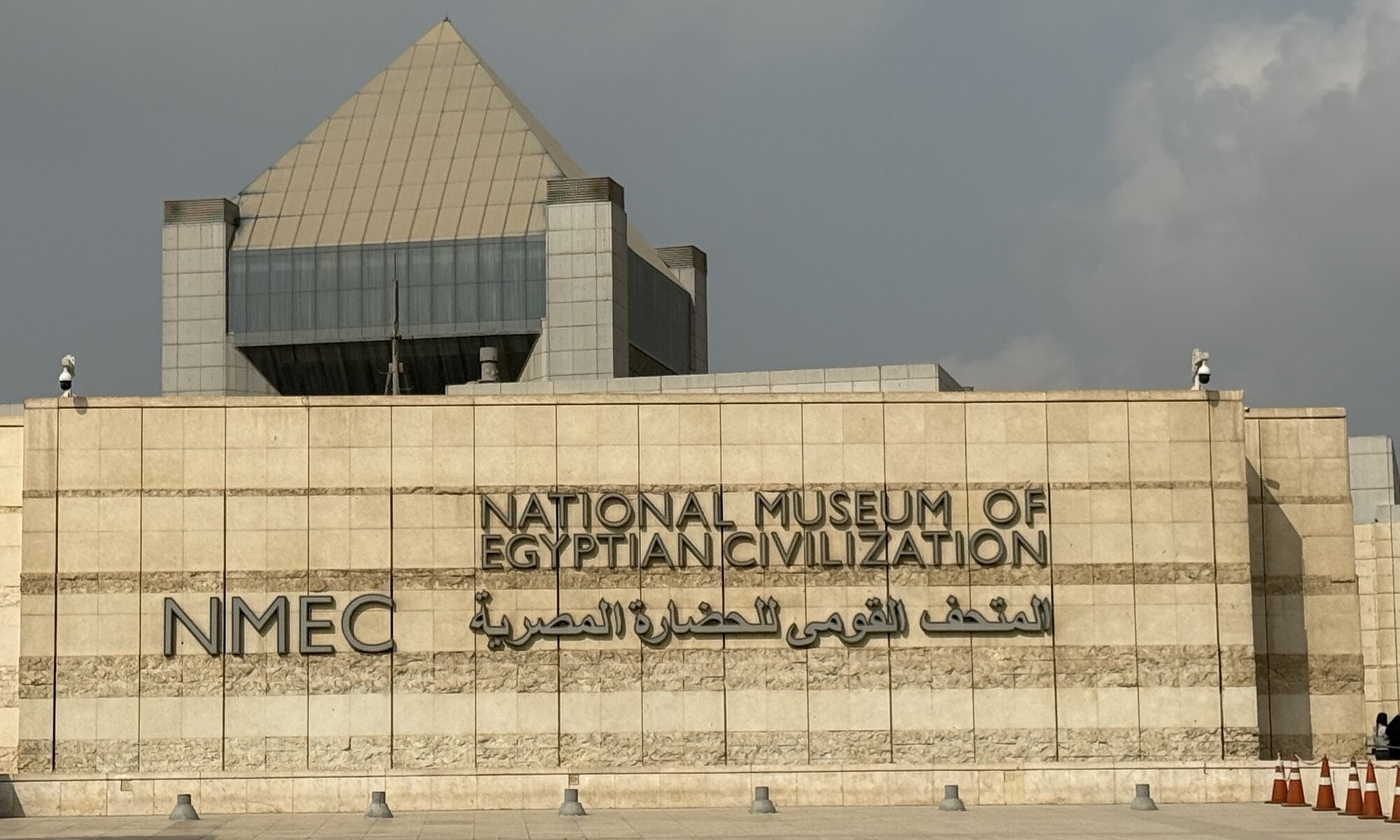
National Museum of Egyptian Civilization, القاهرة

Set along the edge of Fustat, the National Museum of Egyptian Civilization in القاهرة is one of Egypt’s most remarkable modern cultural achievements. Unlike the older institutions dedicated mainly to the grandeur of the pharaonic period, this museum offers a panoramic narration of Egypt’s entire civilizational development, from prehistoric times right through to the present day. The spacious, beautifully architected building integrates sleek contemporary design with motifs inspired by ancient Egyptian forms, creating a sense of continuity between the country’s deep past and its modern national identity.

Continue reading “Egyptian Civilization”

Grand Egyptian

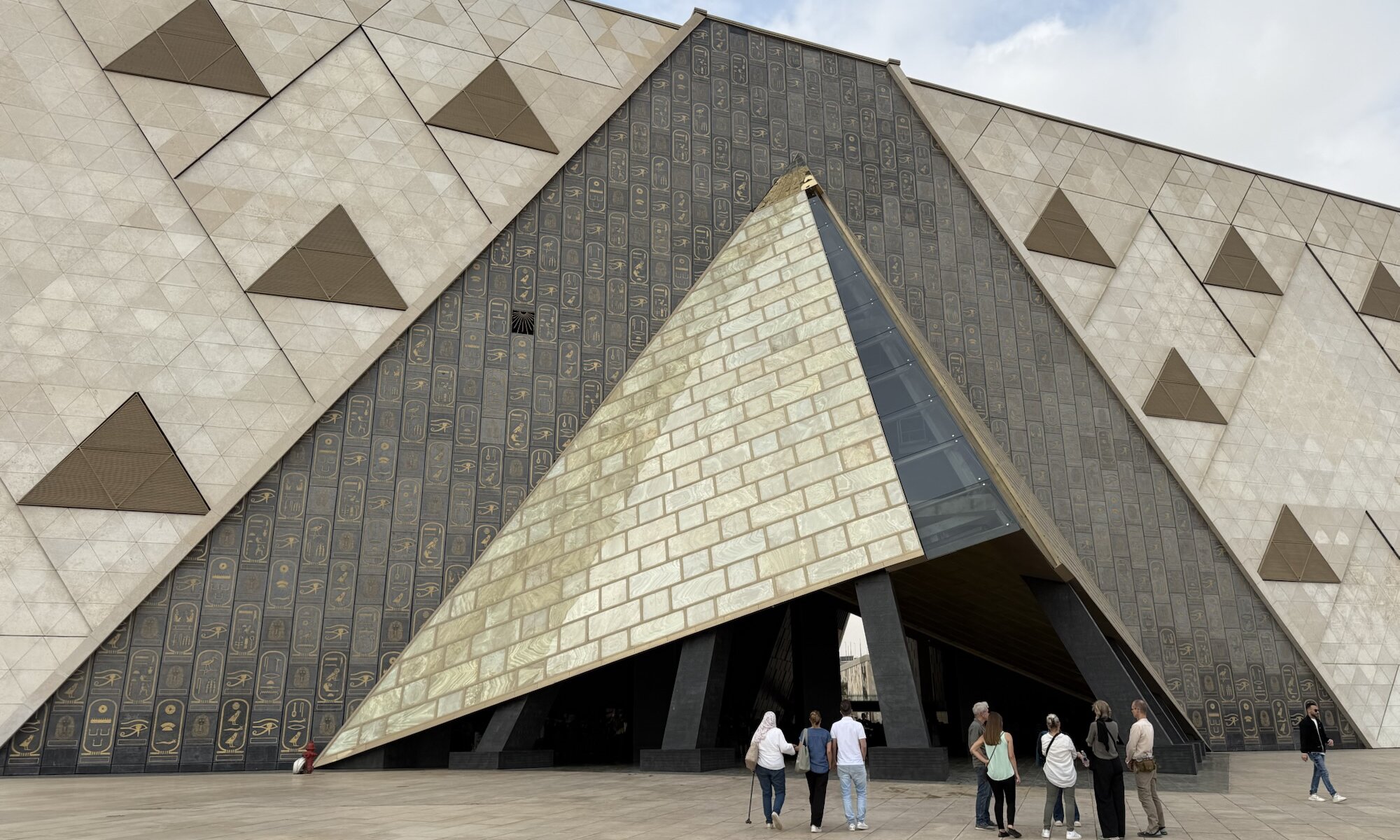
Grand Egyptian Museum (GEM), القاهرة

The Grand Egyptian Museum (GEM) stands as one of Egypt’s most ambitious cultural projects, located near the Giza Plateau with the Great Pyramids forming a spectacular backdrop. Conceived in the early 2000s, the museum was designed to serve as a new global centre for Egyptian archaeology and heritage, accommodating the growing need for modern exhibition space. The idea emerged as the century-old Egyptian Museum in Tahrir Square became overcrowded and outdated, struggling to house and preserve the vast artefacts gathered over two centuries of excavation. Construction began in earnest in the mid-2000s, with international collaboration shaping its architecture and conservation laboratories into some of the most advanced in the world.

Continue reading “Grand Egyptian”

Khan el-Khalili

Khan el-Khalili, القاهرة

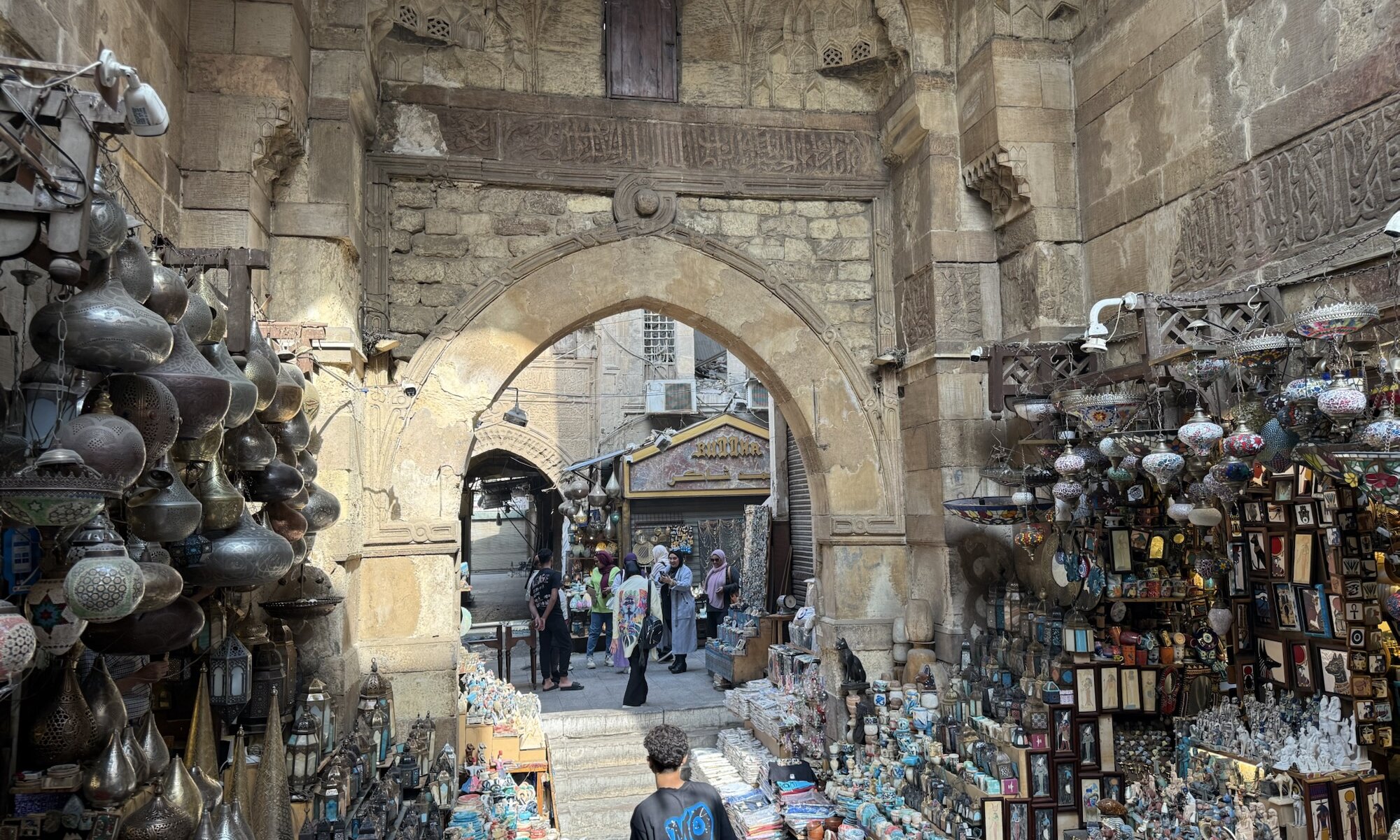
Khan el-Khalili is one of القاهرة’s most iconic and historic bazaars, nestled in the heart of the city’s Islamic quarter. Founded in the late 14th century during the Mamluk era by Emir Djaharks el-Khalili, the market was originally built as a caravanserai, offering a place for merchants from across the Islamic world to rest and trade their goods. Over the centuries, this busy hub evolved from a vital stop on ancient trade routes into a vibrant marketplace where history seems to linger in every winding alleyway and ornate archway.

Continue reading “Khan el-Khalili”

Ibn Tulun

Ibn Tulun mosque, القاهرة

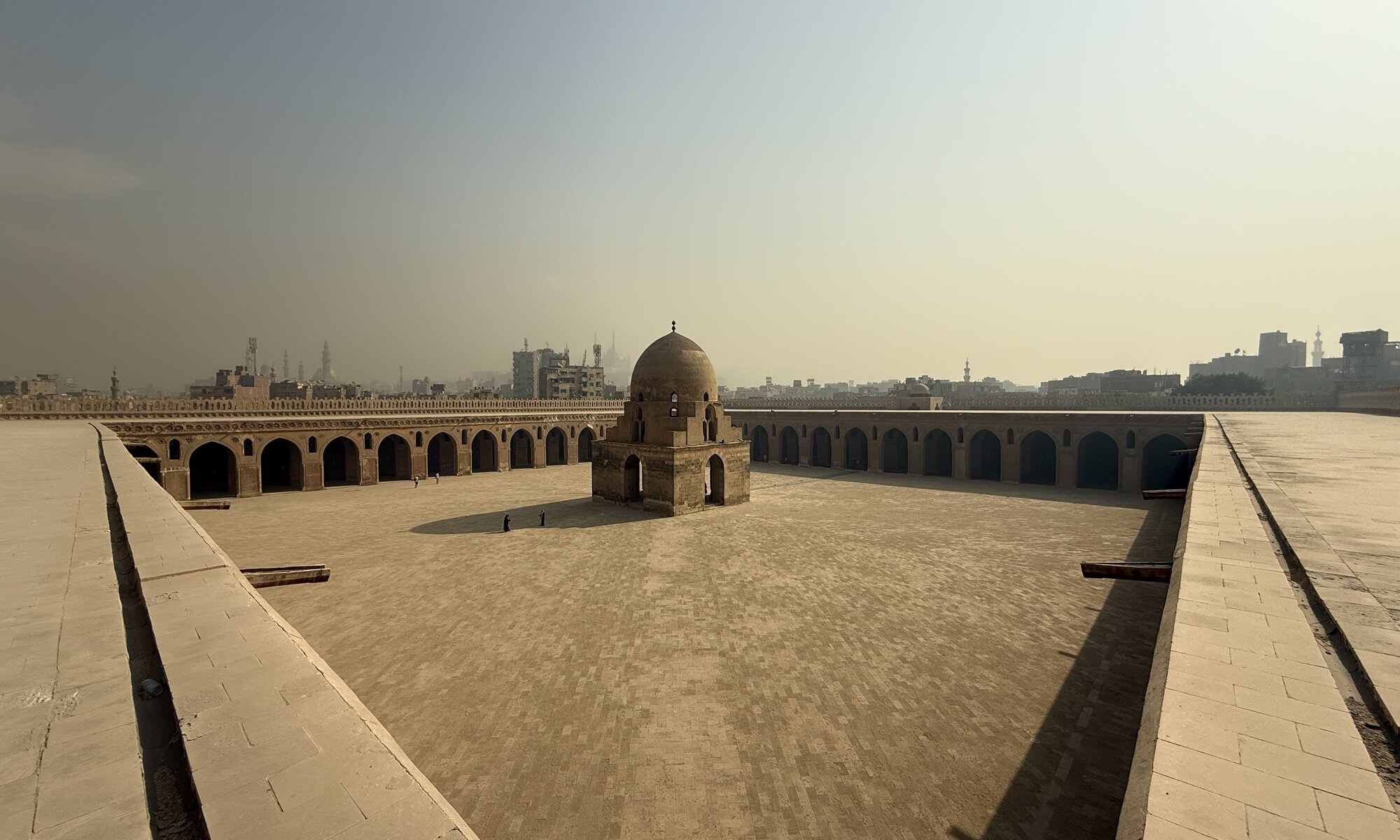
Tucked away in the historic heart of القاهرة, the Mosque of Ibn Tulun stands as one of Egypt’s oldest and best-preserved religious monuments. Built in the ninth century by Ahmad ibn Tulun, the founder of the Tulunid dynasty, the mosque is renowned for having survived in a largely unaltered state since its construction. Its vast courtyard, elegant arcades, and striking stucco motifs make it a unique relic of early Islamic architecture, offering solace and serenity amid the vibrant chaos of the city’s labyrinthine streets.

Continue reading “Ibn Tulun”

Citadel of Saladin

Citadel of Saladin, القاهرة

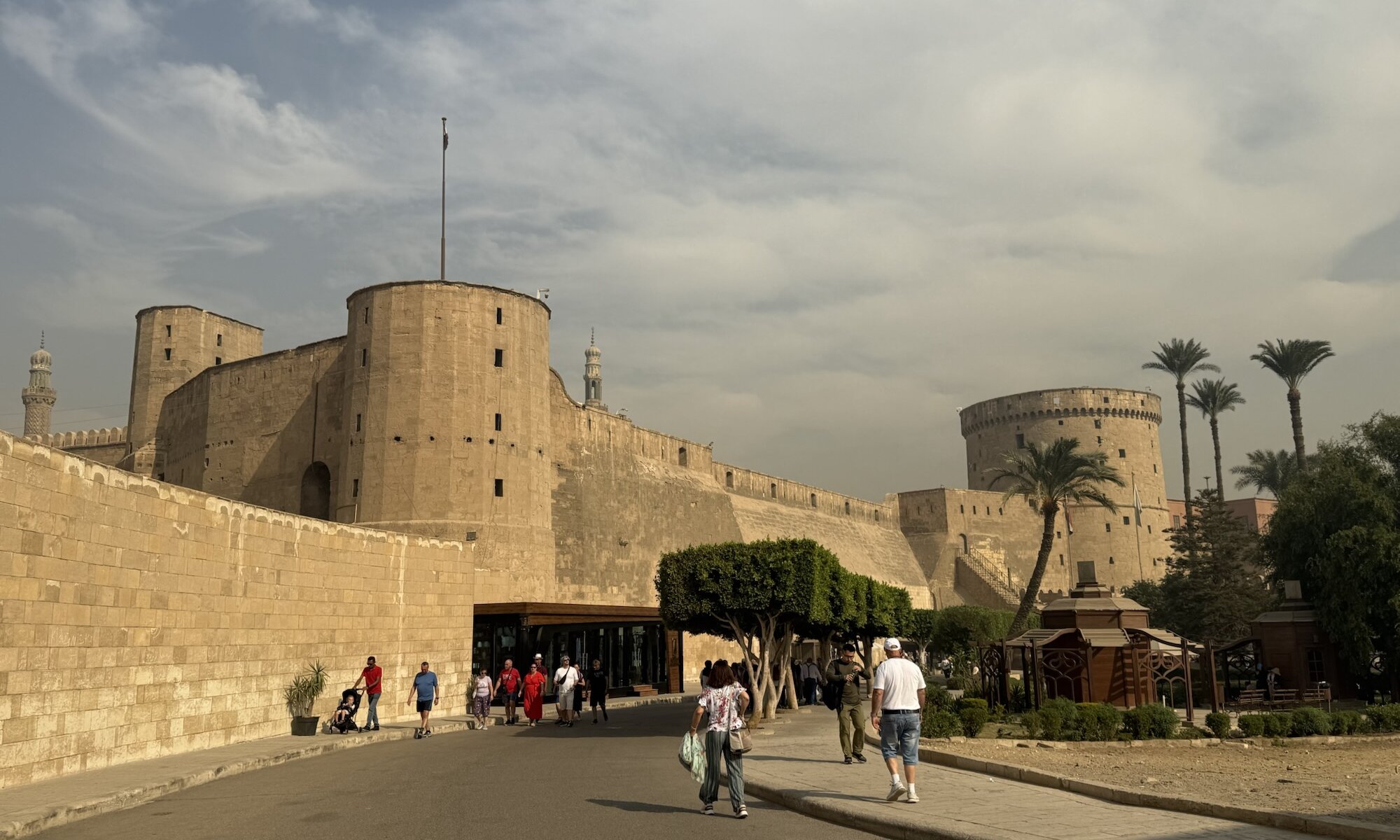
Perched atop the Muqattam Hills, the Citadel of Saladin in القاهرة is a formidable structure built in the late twelfth century as a bastion against Crusader invasions. Its founder, Sultan Salah al-Din – better known in the West as Saladin – sought to protect both the city of القاهرة and his newly established Ayyubid regime by constructing a military stronghold. The citadel’s elevated location offers commanding views over the city, a feature that ensured its status as the political and military heart of Egypt for centuries. Its robust walls and strategic placement enabled successive rulers to exert control over القاهرة and respond effectively to threats from outside the city’s boundaries.

Continue reading “Citadel of Saladin”

Al-Mu’izz

Mansour Qalawun complex, القاهرة

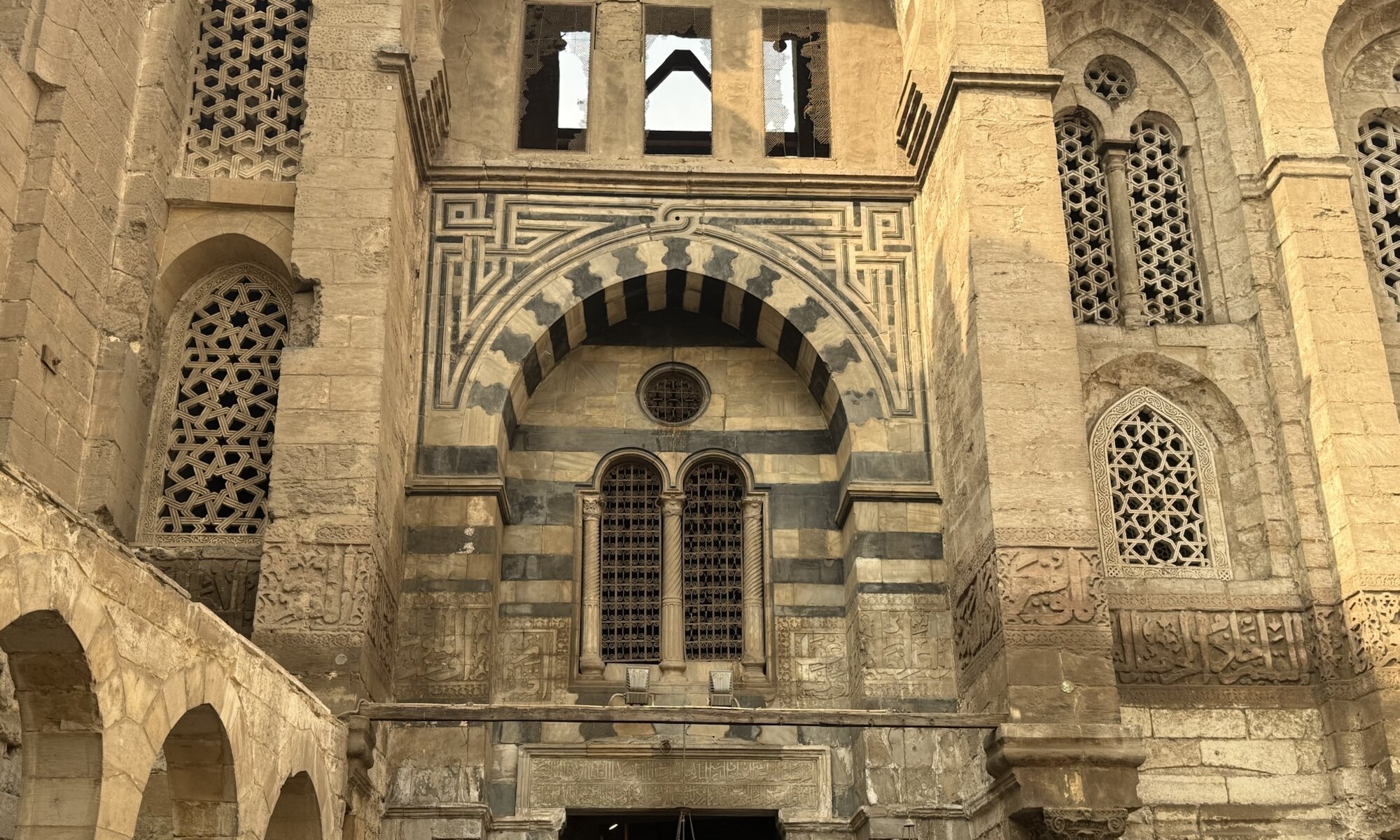
Al-Mu’izz street in القاهرة stands as a vivid testament to the city’s illustrious Islamic past, extending from Bab Al-Futuh in the north down to Bab Zuweila in the south. Founded in the 10th century by the Fatimids and named after Caliph Al-Muizz li-Din Allah, the street once served as القاهرة’s principal thoroughfare – a bustling artery teeming with markets, religious establishments, and governmental edifices. Over successive eras, including those of the Ayyubids, Mamluks, and Ottomans, it retained its prominence, becoming home to some of the finest masterpieces of medieval Islamic architecture and serving as the city’s commercial, social, and spiritual heart.

Continue reading “Al-Mu’izz”

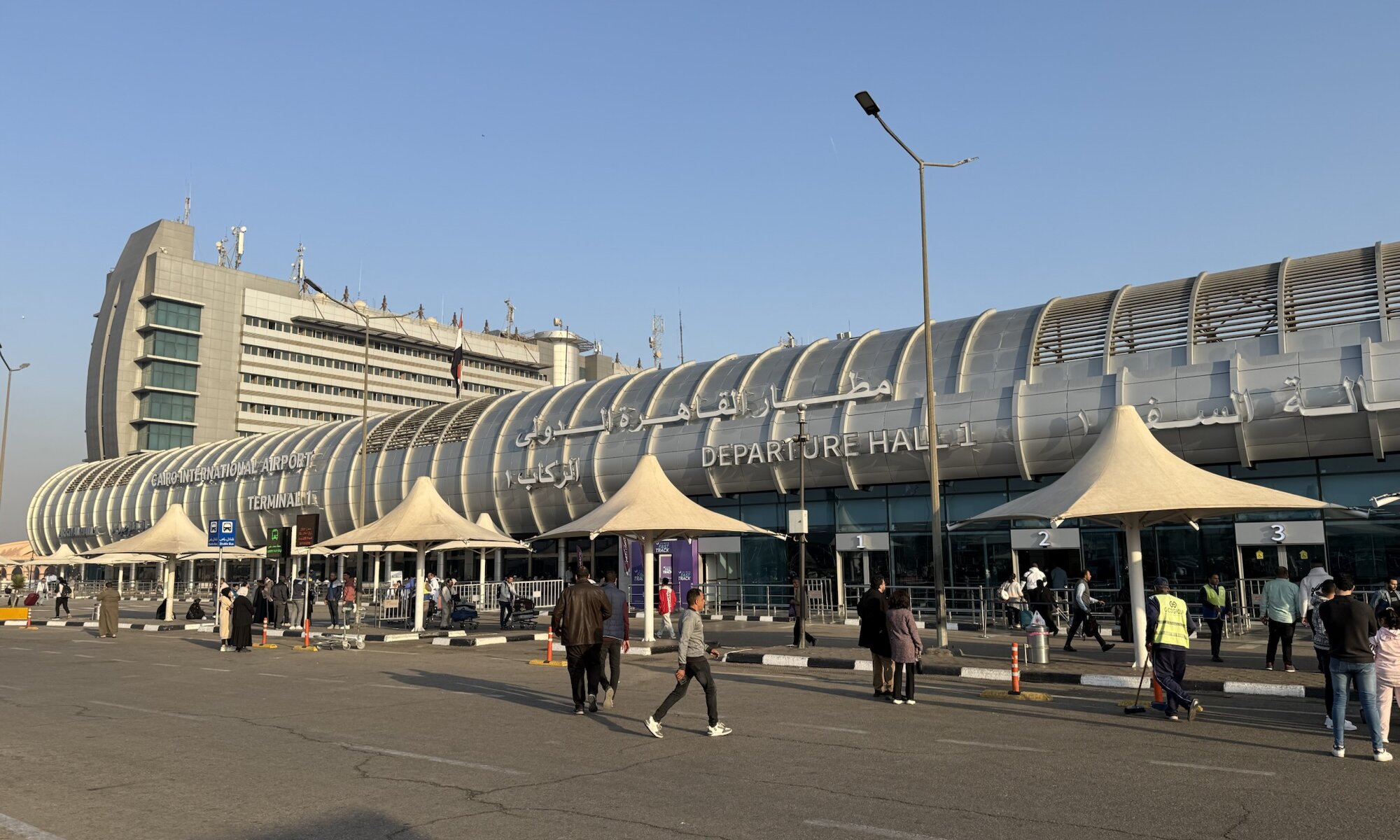
Cairo International

International airport, القاهرة

Cairo International Airport stands as Egypt’s principal gateway to the world and one of Africa’s busiest aviation hubs. Originally established in the 1940s as a military airfield known as Payne Field during the Second World War, it was transformed into a civil airport in 1963 to serve the growing demands of Egypt’s capital. Over the following decades, it expanded steadily, replacing the earlier Heliopolis Airport, which could no longer accommodate the increasing volume of passengers and cargo. Each subsequent phase of development reflected القاهرة’s evolving position as a crossroads between Africa, Asia, and Europe.

Continue reading “Cairo International”