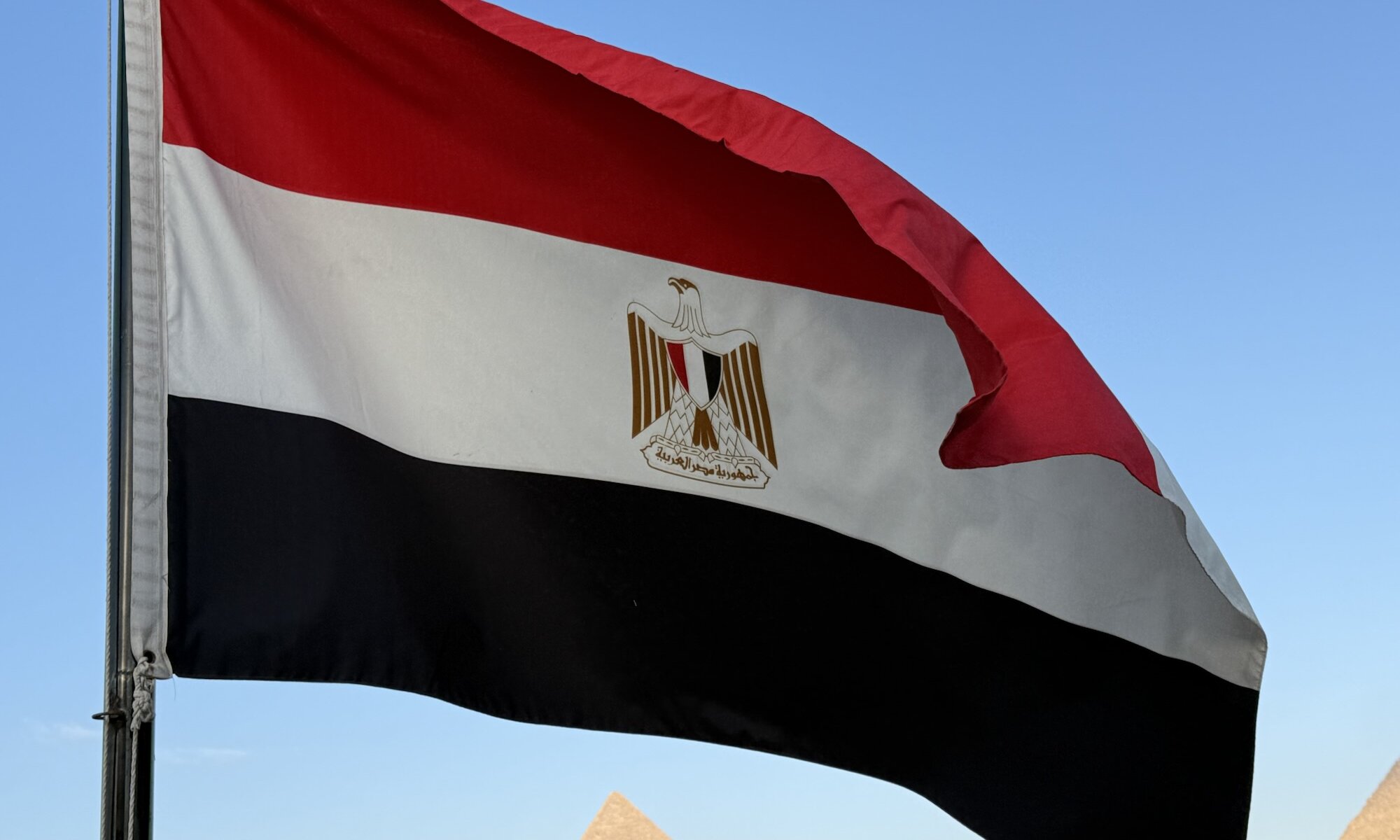
Egypt stands as one of the world’s most fascinating destinations, carrying the weight of millennia within its sands and monuments. Often called the cradle of civilisation, it was home to powerful dynasties whose architectural and cultural feats shaped history. From the time of the ancient Pharaohs through the Greek and Roman periods, Egypt maintained a central role in trade, religion, and scholarship. Even in later centuries under Islamic rule, its cities flourished with vibrant learning centres, mosques, and bustling markets. The blend of these eras is still visible today, layered into the landscapes along the Nile.
Continue reading “Miṣr”Nile cruise
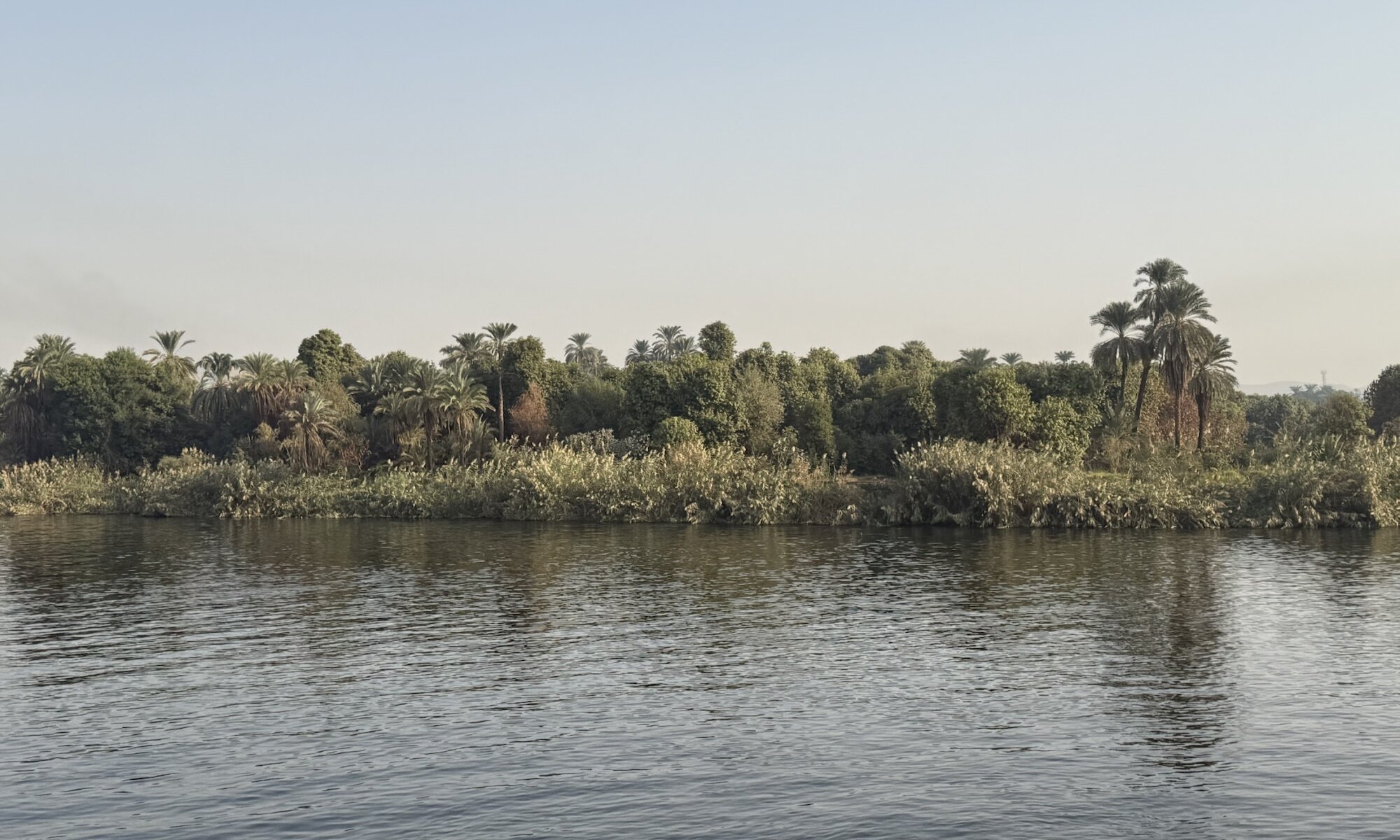
The classic Nile cruise from أسوان to الأقصر feels like slipping into a slower rhythm of travel, where the motion of the river sets the pace for everything else. Days fall into a gentle pattern of temple visits in the cool morning, long lunches on board, and lazy afternoons stretched out on the sundeck watching palms, feluccas and riverside villages slide by. Even on a modern five‑star boat, there is a sense of following a very old route, with the call to prayer drifting over the water at dusk and the banks glowing gold as the sun drops behind the desert. By night, the river is quiet, the temples lit in the distance, and you sit over dinner realising that most of the day has been spent simply looking at the Nile.
Continue reading “Nile cruise”Temple of Philae
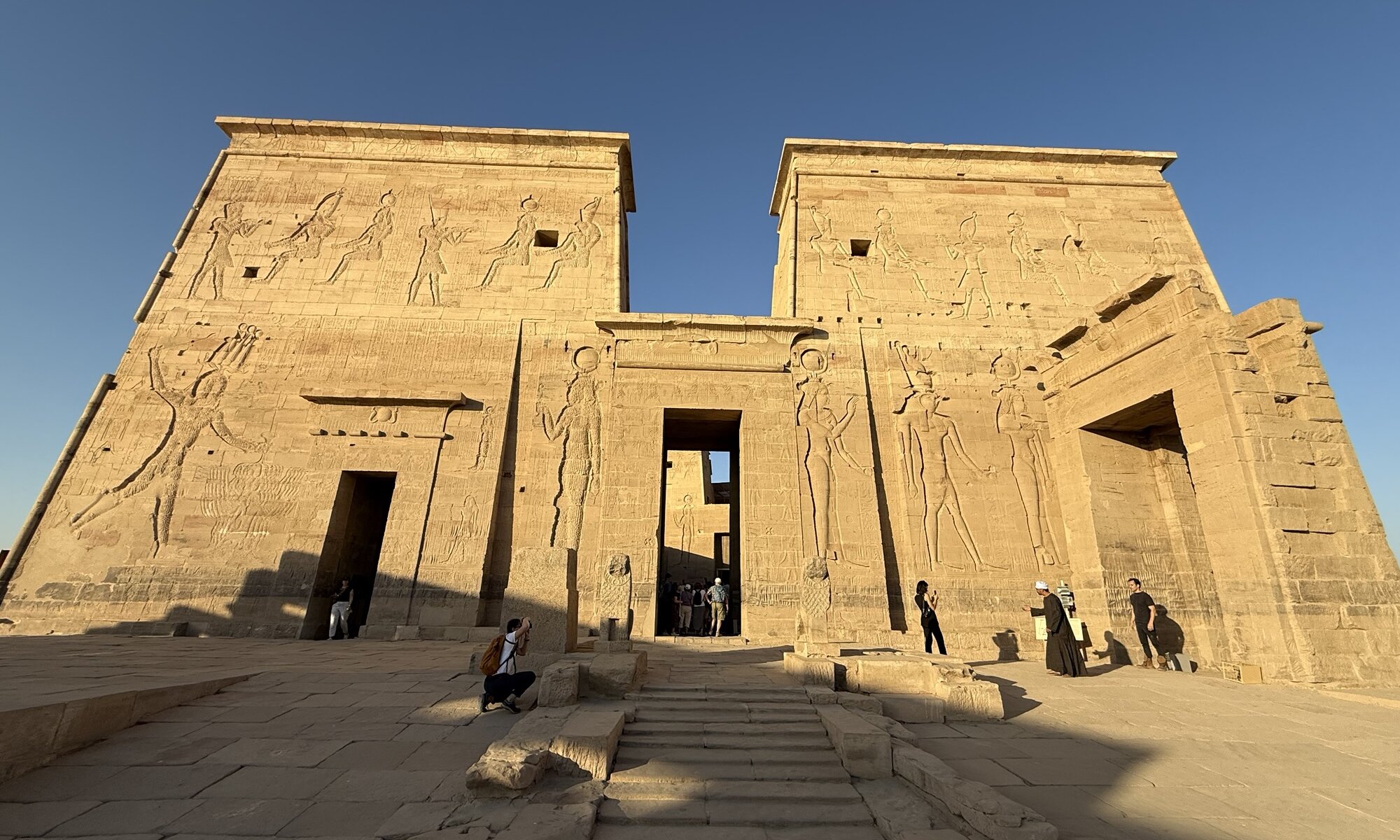
The Temple of Philae stands as one of Egypt’s most enchanting ancient monuments, steeped in myth and history. Dedicated to Isis, the goddess of magic and motherhood, the sanctuary was originally erected on Philae Island near أسوان during the late Pharaonic period under Nectanebo I and expanded during the Ptolemaic era. Its creation flourished especially under Ptolemy II and III, blending Egyptian religious traditions with Hellenistic artistry. When Christianity spread through Egypt, the temple’s role as a pagan sanctuary faded; its halls were converted into churches, marking a poignant transition in Egypt’s spiritual evolution. Yet across centuries, the site preserved the essence of faith and continuity on the Nile’s southern frontier.
Continue reading “Temple of Philae”High Dam
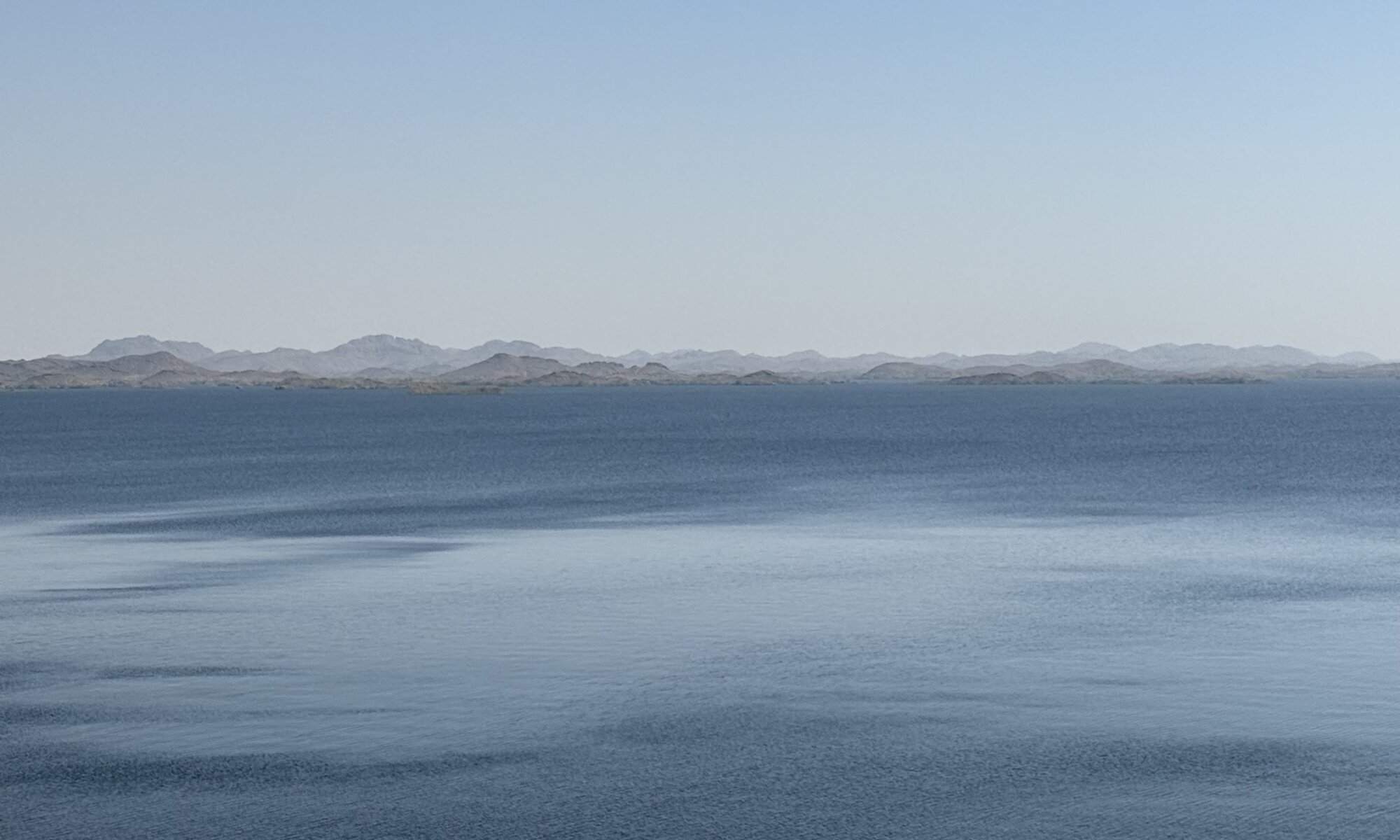
Standing across the Nile river in southern Egypt, the High Dam at أسوان represents one of the most ambitious engineering undertakings of the twentieth century. Completed in 1970 after more than a decade of construction, it replaced the earlier Aswan Low Dam built by the British at the turn of the century. Conceived to control the unpredictable flooding of the Nile, the project required immense coordination between Egypt and the Soviet Union, which supplied both technical expertise and financial support. The result was a vast embankment of rock and clay standing over one hundred metres high and stretching nearly four kilometres across the river valley.
Continue reading “High Dam”Aswan International
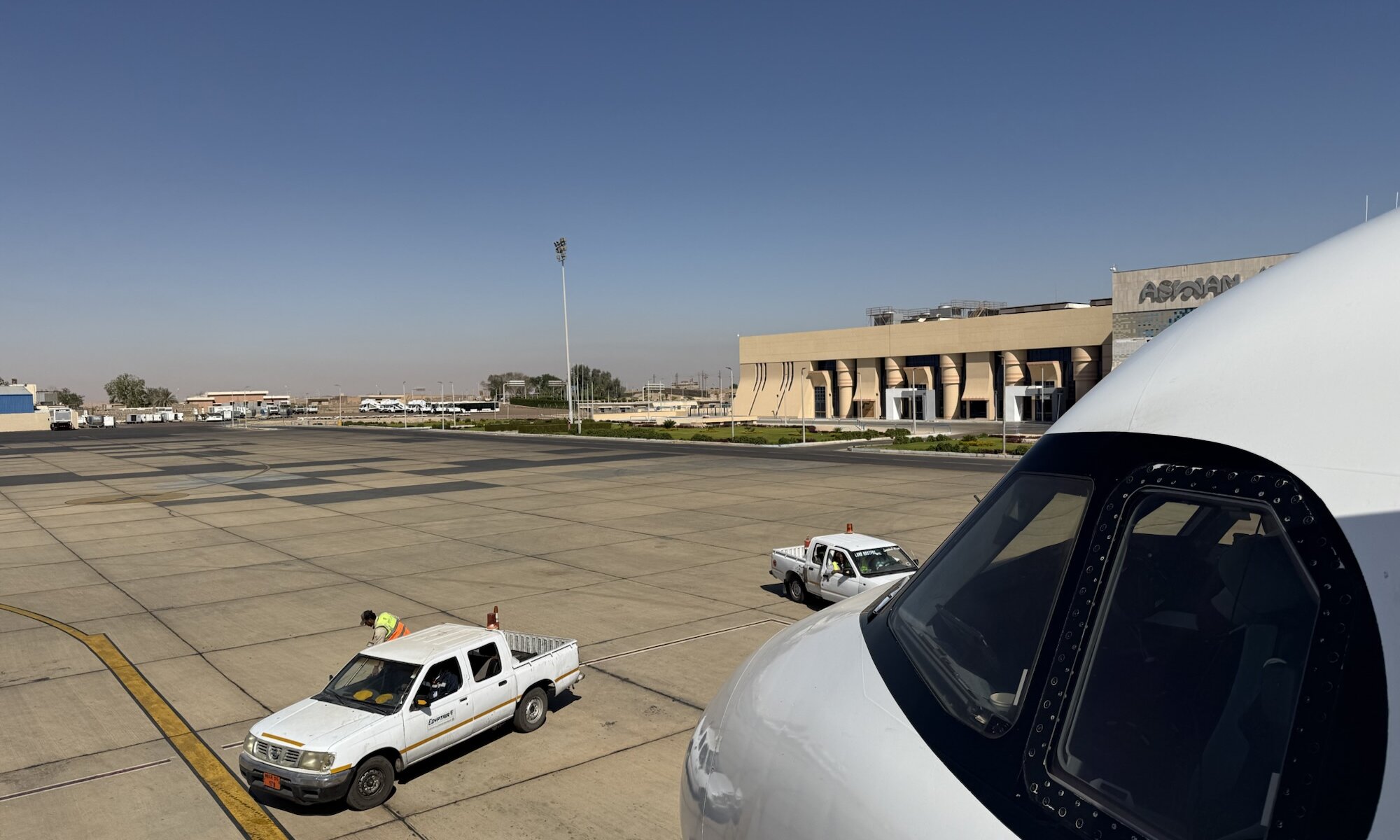
Aswan International Airport, situated around 16 kilometres southwest of the city of أسوان in southern Egypt, serves as the principal gateway to the region’s historical and natural attractions. Originally developed in the mid-20th century to support regional travel and tourism connected to the nearby Aswan High Dam project, the airport became a crucial transport hub during Egypt’s ambitious infrastructure expansion of the 1960s. Its establishment coincided with increased interest from foreign engineers, government officials, and visitors involved in monumental development works along the Nile.
Continue reading “Aswan International”