Miṣr

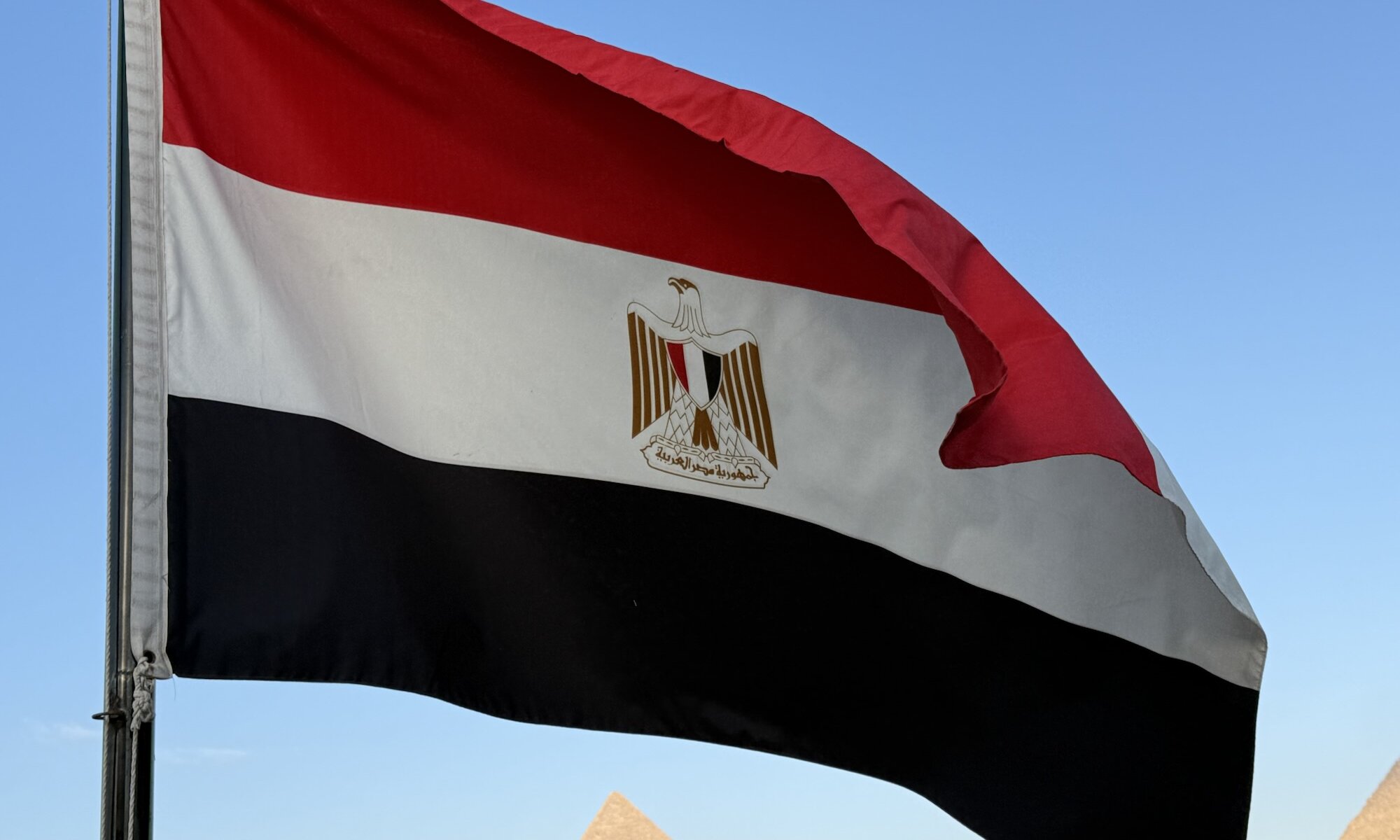
Egyptian flag, الجيزة

Egypt stands as one of the world’s most fascinating destinations, carrying the weight of millennia within its sands and monuments. Often called the cradle of civilisation, it was home to powerful dynasties whose architectural and cultural feats shaped history. From the time of the ancient Pharaohs through the Greek and Roman periods, Egypt maintained a central role in trade, religion, and scholarship. Even in later centuries under Islamic rule, its cities flourished with vibrant learning centres, mosques, and bustling markets. The blend of these eras is still visible today, layered into the landscapes along the Nile.

Continue reading “Miṣr”

Luxor International

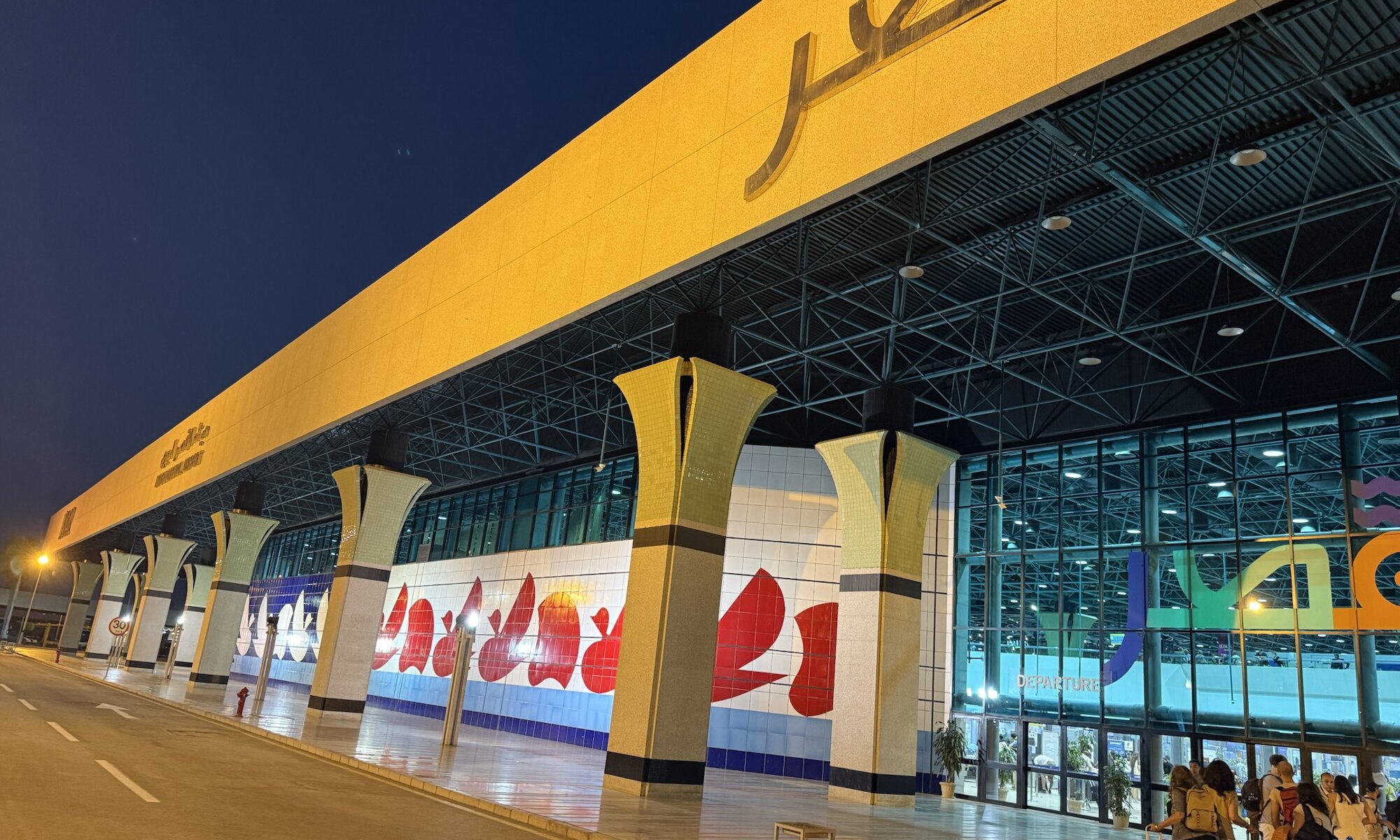
Airport, الأقصر

Luxor International Airport serves as the principal gateway to one of Egypt’s most historically rich regions, lying a short distance east of the Nile near the ancient city of Thebes. Established during the mid-20th century, the airport initially functioned as a modest airfield catering mainly to domestic flights. As Egypt’s tourism sector expanded through the 1970s and 1980s, the airport underwent significant modernisation, evolving into an international hub designed to connect European and Middle Eastern visitors with the famed temples and tombs of Luxor, Karnak, and the Valley of the Kings.

Continue reading “Luxor International”

Hatschepsut

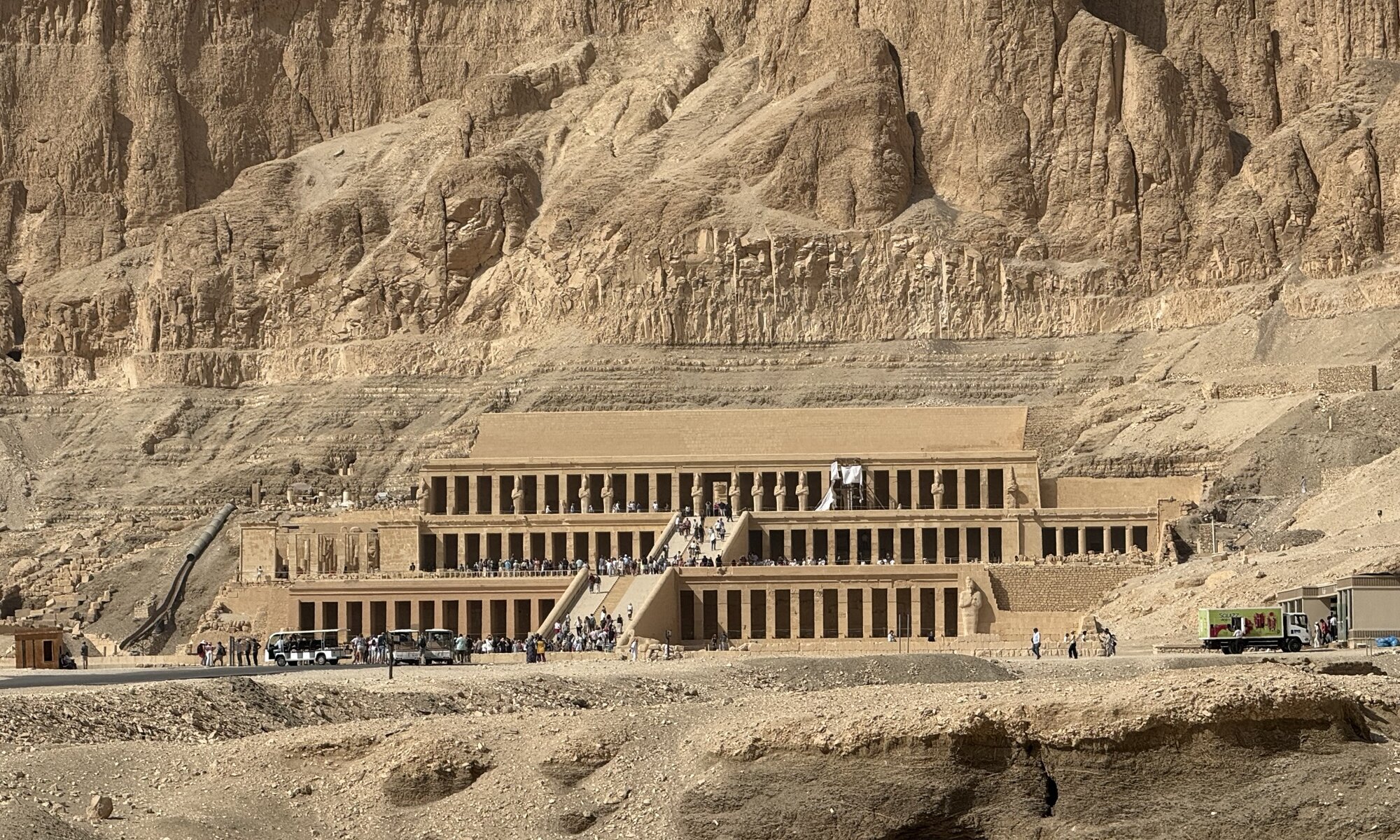
Temple of Hatschepsut, الأقصر

The Temple of Hatshepsut, nestled at Deir el-Bahari on الأقصر’s west bank, stands as one of Egypt’s most striking monuments from the Eighteenth Dynasty. Built around 1479 BCE, the temple was commissioned by Hatshepsut herself, with construction lasting about fifteen years under the direction of her architect and close advisor, Senenmut. Its design drew inspiration from the neighbouring temple of Mentuhotep II, yet surpassed it in scale, ambition, and artistry, showcasing a series of terraced platforms, long ramps, and harmonious colonnades carved into the dramatic cliffs.

Continue reading “Hatschepsut”

Valley of the Kings

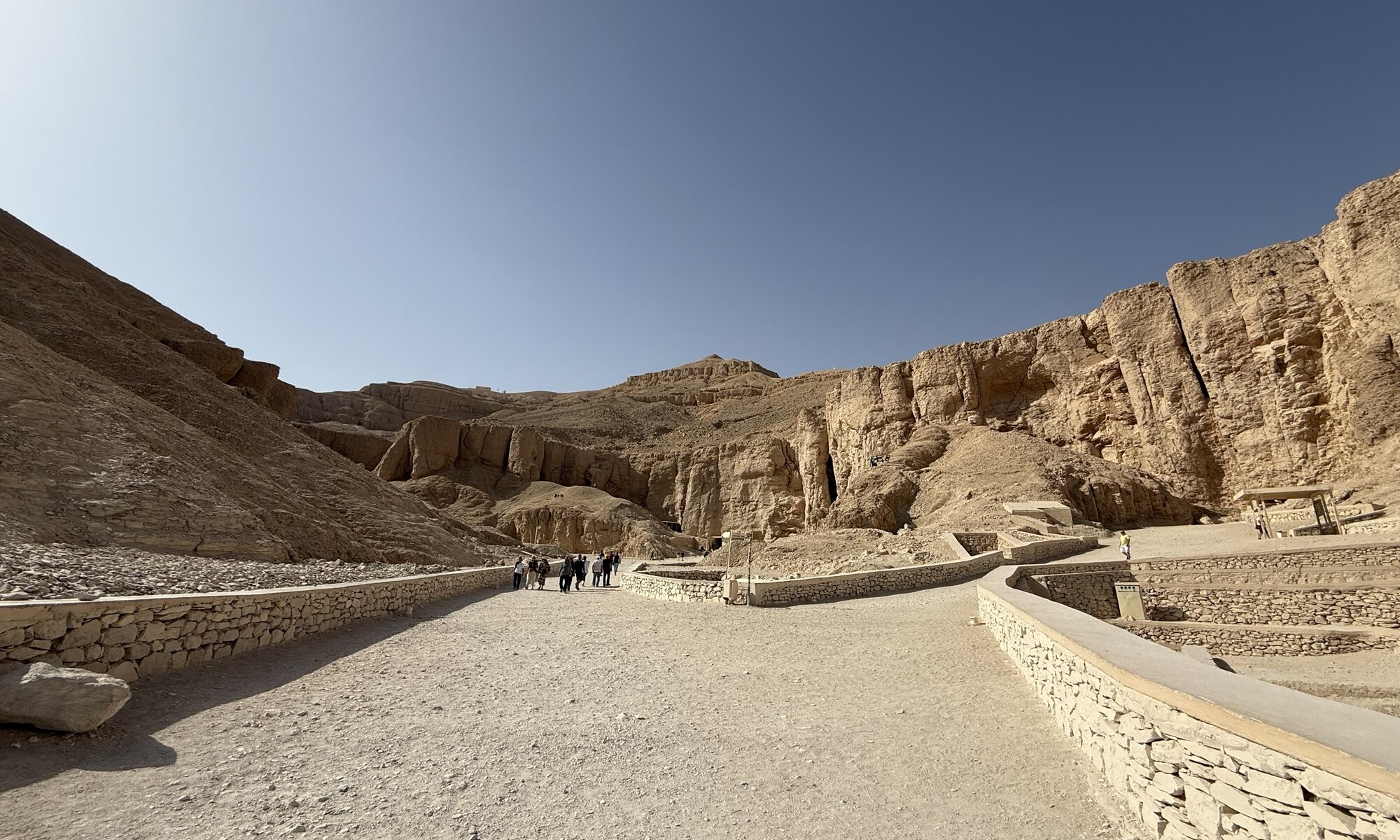
Valley of the Kings, الأقصر

The Valley of the Kings is a renowned archaeological site located on the west bank of the Nile near الأقصر, Egypt. It served as the burial ground for Egypt’s royalty and powerful nobles during the New Kingdom period, roughly from 1539 BC to 1075 BC. The valley consists mainly of rock-cut tombs, carved deep into the hillsides beneath the peak known as al-Qurn, which is shaped like a pyramid and likely symbolised the royal power of the New Kingdom pharaohs. This secluded location was chosen to deter grave robbers, guarded by special police known as the Medjay, and it marked a shift from the grand pyramid tombs of earlier times to more discreet, elaborate subterranean burial chambers.

Continue reading “Valley of the Kings”

Nile cruise

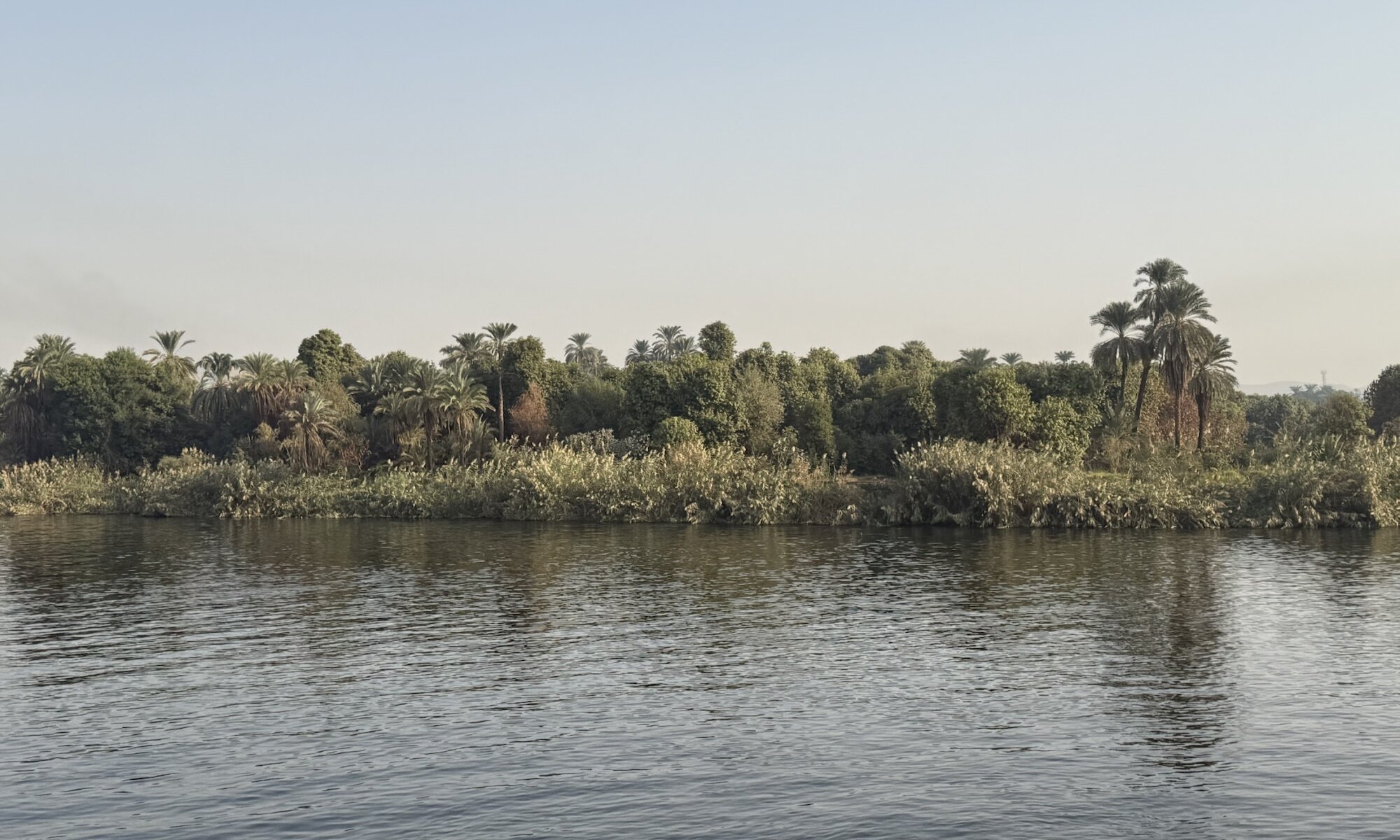
Nile, إدفو

The classic Nile cruise from أسوان to الأقصر feels like slipping into a slower rhythm of travel, where the motion of the river sets the pace for everything else. Days fall into a gentle pattern of temple visits in the cool morning, long lunches on board, and lazy afternoons stretched out on the sundeck watching palms, feluccas and riverside villages slide by. Even on a modern five‑star boat, there is a sense of following a very old route, with the call to prayer drifting over the water at dusk and the banks glowing gold as the sun drops behind the desert. By night, the river is quiet, the temples lit in the distance, and you sit over dinner realising that most of the day has been spent simply looking at the Nile.

Continue reading “Nile cruise”

Luxor

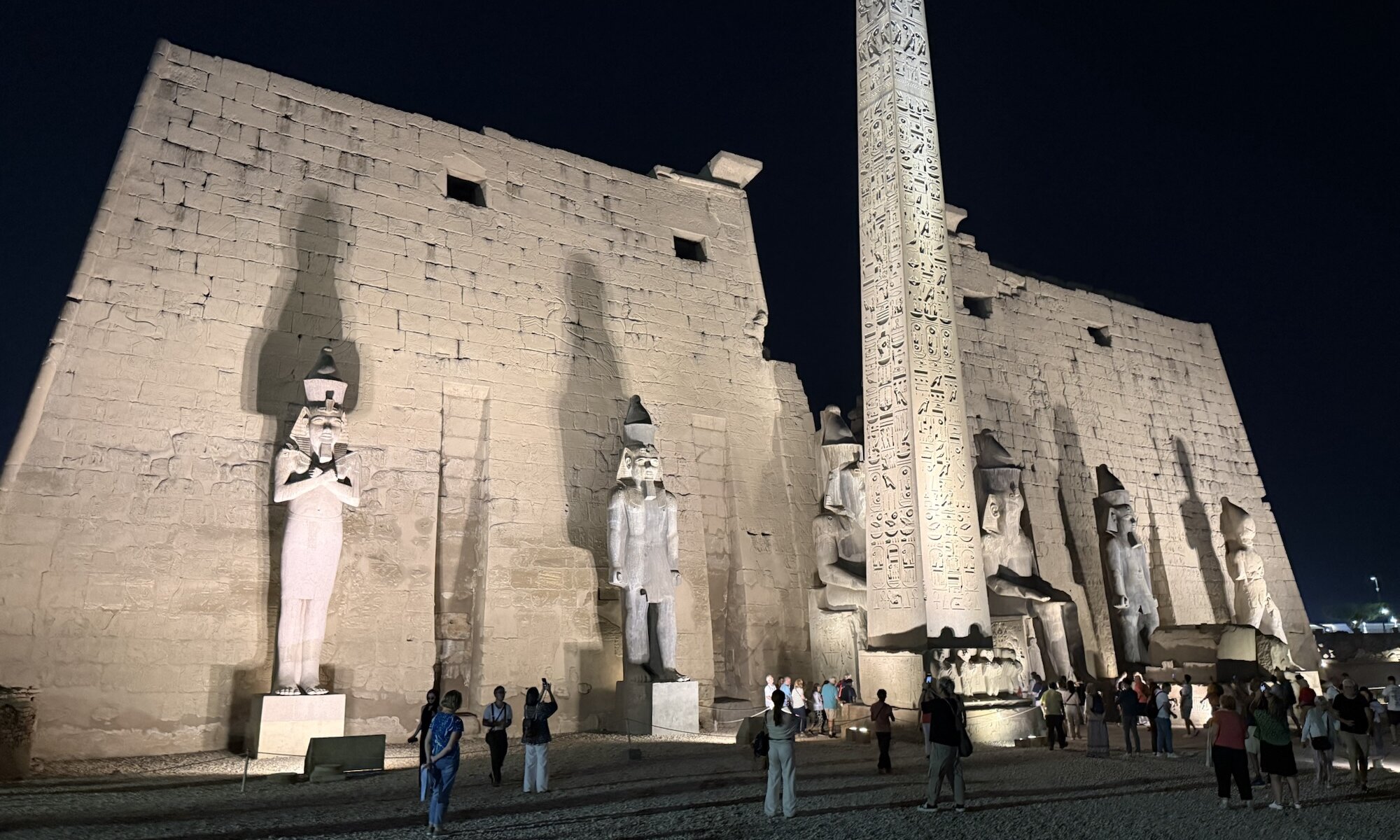
Luxor temple, الأقصر

The Temple of Luxor, situated on the east bank of the Nile in the ancient city of Thebes, dates back to approximately 1400 BCE during Egypt’s New Kingdom era. It was first constructed by Pharaoh Amenhotep III and subsequently expanded by notable rulers such as Tutankhamun and Ramses II. This temple complex was primarily dedicated to the Theban triad of the god Amun-Ra, his consort Mut, and their son Khonsu. Historically, the temple played a crucial role in religious and royal ceremonies, particularly the Opet Festival, an annual event where the statues of these deities were ceremonially transported from Karnak to الأقصر along an avenue lined with sphinxes, symbolizing the rejuvenation of kingship.

Continue reading “Luxor”

Mummies

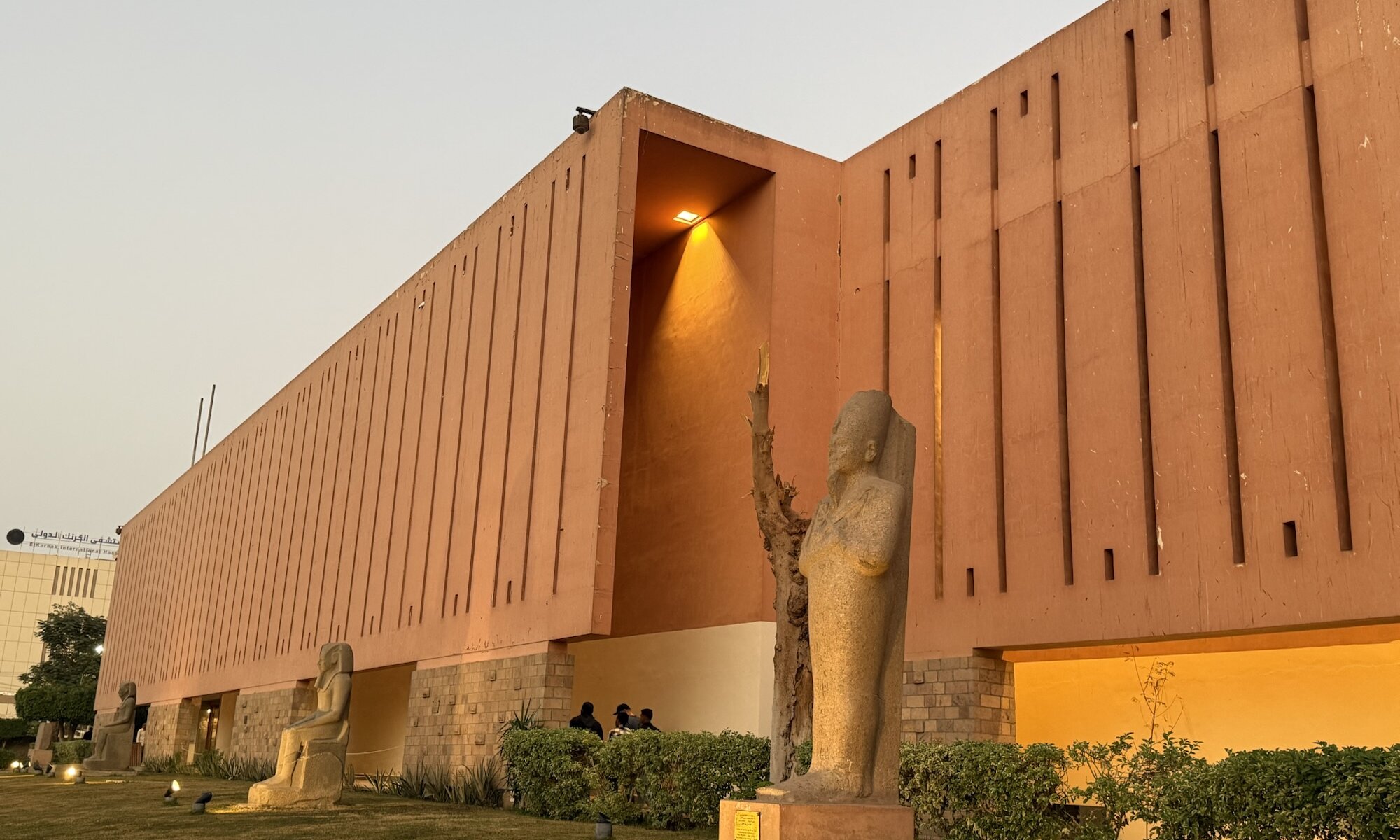
Luxor museum, الأقصر

The Luxor Museum, located on the Nile’s east bank between Luxor Temple and Karnak, offers one of Egypt’s most refined presentations of ancient artefacts. Unlike the grand and crowded Egyptian Museum in القاهرة, this museum is distinguished by its elegance, intelligent lighting, and uncluttered displays. Its modern architecture, with clean lines and glass cases, creates an almost meditative atmosphere that allows visitors to appreciate each piece in quiet detail. The museum’s two floors are thoughtfully arranged to illustrate the artistic and political development of Thebes, the ancient city that once stood where الأقصر does today.

Continue reading “Mummies”

Karnak

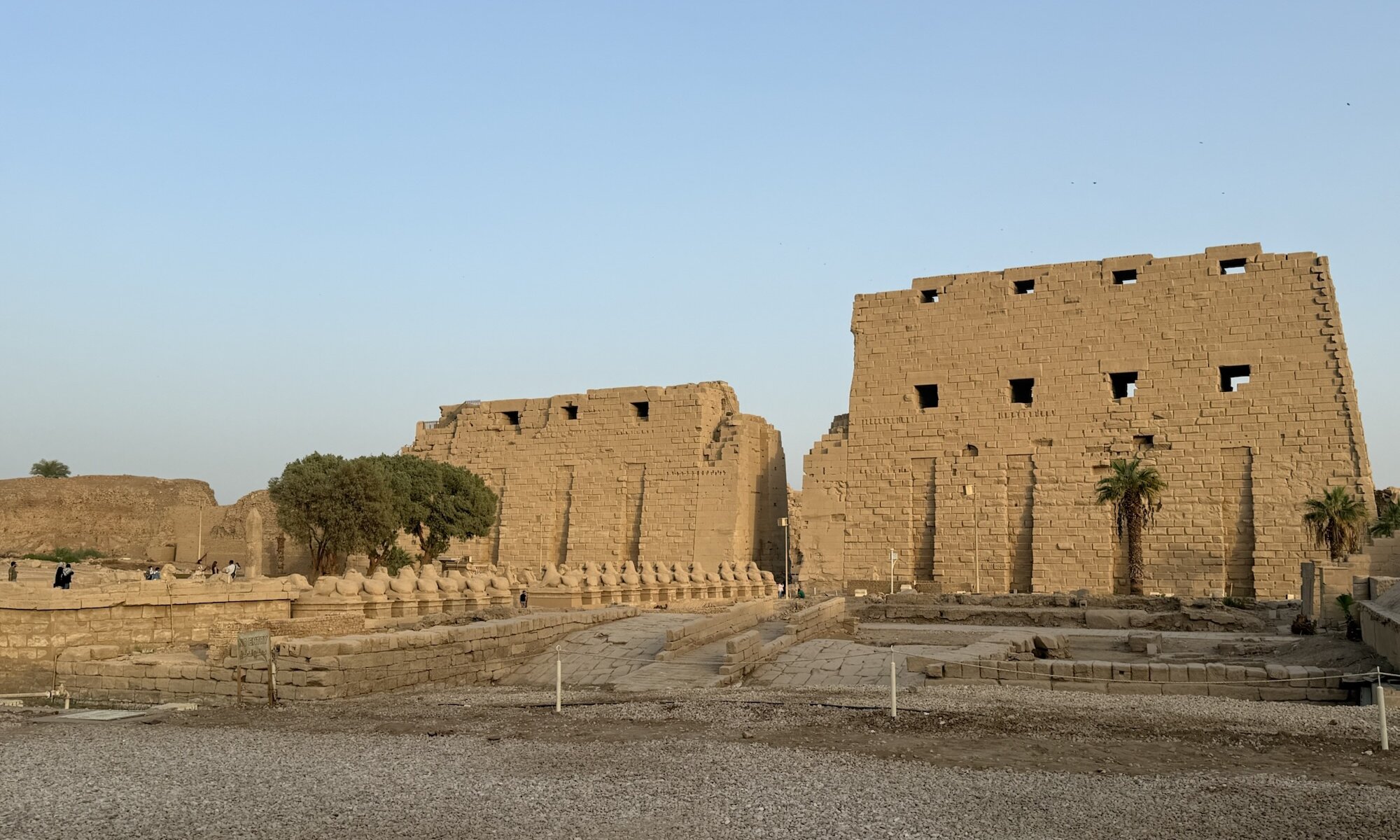
Karnak temple, الأقصر

The Temple of Karnak, located on the east bank of the Nile in modern-day الأقصر, stands as one of the most extraordinary and extensive religious complexes in the ancient world. Its construction began around 1971 BCE during the reign of Senusret I in the Middle Kingdom and continued for approximately one and a half millennia through the contributions of about thirty successive pharaohs. Originally modest in scale, Karnak expanded to become a sprawling sacred site dedicated predominantly to the god Amun-Re, along with precincts honouring the gods Mut and Montu. This temple was not only a religious centre but a vibrant estate, housing priests and craftsmen who maintained its grandeur, making it a vital hub of worship and royal power in ancient Egypt.

Continue reading “Karnak”