
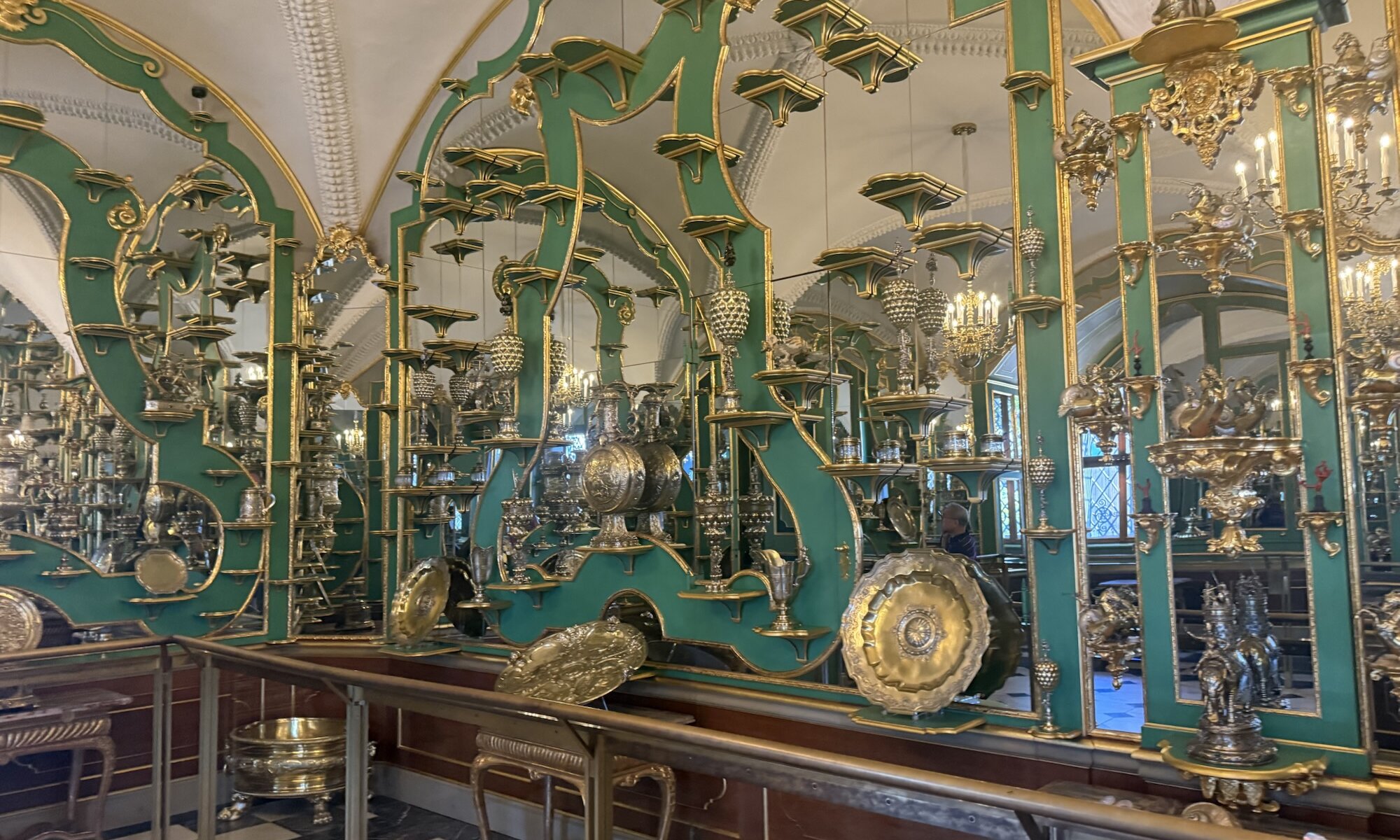
The Grünes Gewölbe in Dresden is one of Europe’s great treasure chambers, created for August der Starke in the early 18th century as a highly theatrical display of power, taste and wealth. It began as the elector’s private collection and was then expanded into a public showpiece, making it one of the oldest museum-like collections on the continent.
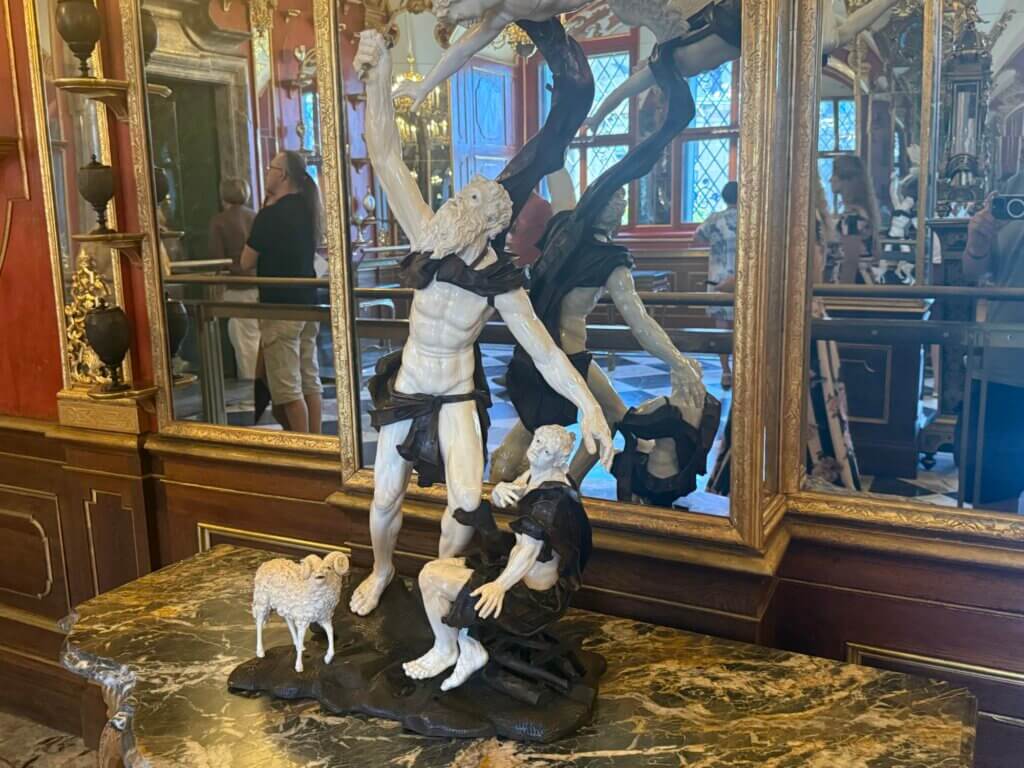
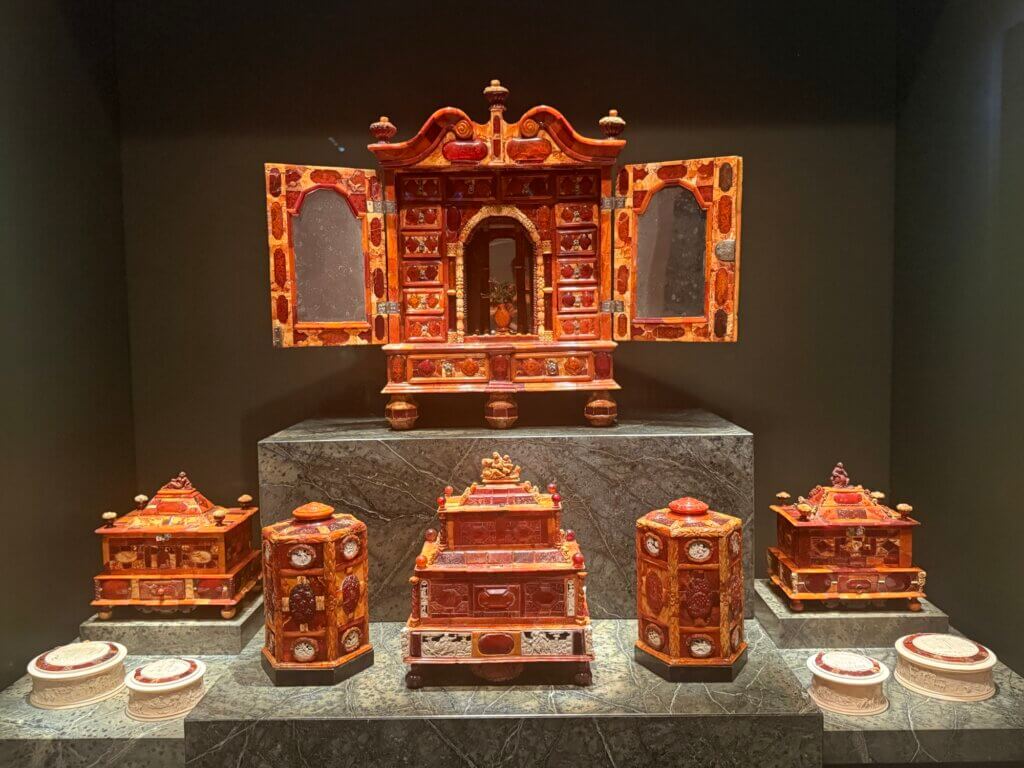
What makes it so special is the sheer variety and brilliance of the objects, from goldsmith work and gemstones to ivory, enamel, amber and intricate miniatures. The whole concept is designed as a baroque spectacle, where the setting is part of the experience just as much as the objects themselves.
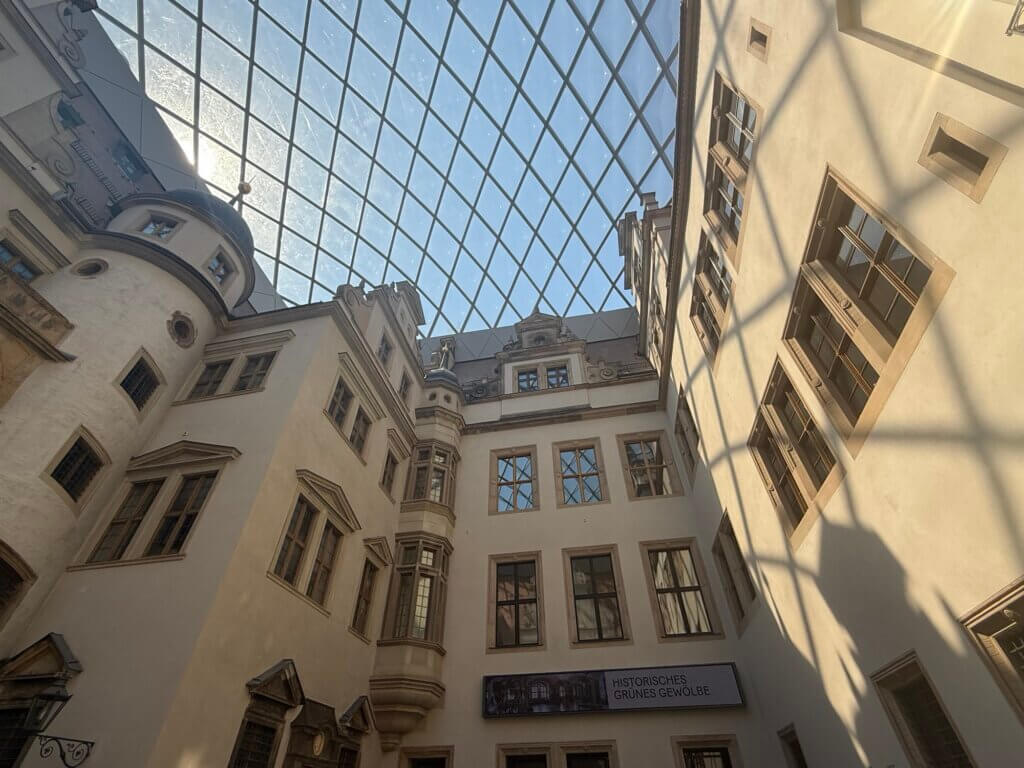
Today, the museum is divided into two parts: the Historic Green Vault and the New Green Vault. The historic section recreates the original baroque treasury rooms in the Residenzschloss, with objects shown in a richly atmospheric setting, while the New Green Vault presents selected masterpieces in more modern display cases.
Among the highlights are celebrated works by court jeweller Johann Melchior Dinglinger, along with famous curiosities and luxury objects that reflect the splendour of the Saxon court. A visit now gives a strong sense of both the artistry and the ambition behind the collection, and of how Dresden’s rulers wanted visitors to leave utterly impressed.
Stolen treasures
The 2019 theft at Dresden’s Grünes Gewölbe was one of the most audacious museum crimes in recent memory. In the early hours of 25 November, thieves forced their way into the historic treasure chamber and smashed a display case, taking a selection of priceless 18th-century jewels with them.
What made the incident so shocking was not only the value of the objects, but the precision of the operation. The burglars appeared to have planned the raid carefully, first disrupting the nearby street lighting and then escaping quickly after the break-in, leaving investigators with a scene that looked more like a military-style raid than an ordinary burglary.
The loss was felt far beyond Dresden because the stolen pieces were not just valuable works of art, but symbols of Saxony’s cultural heritage. Even where some objects were later recovered or restored, the theft left a lasting sense that a uniquely fragile part of European history had been violently interrupted.
Grünes Gewölbe
Dresden
Germany
https://gruenes-gewoelbe.skd.museum
Loading map...
