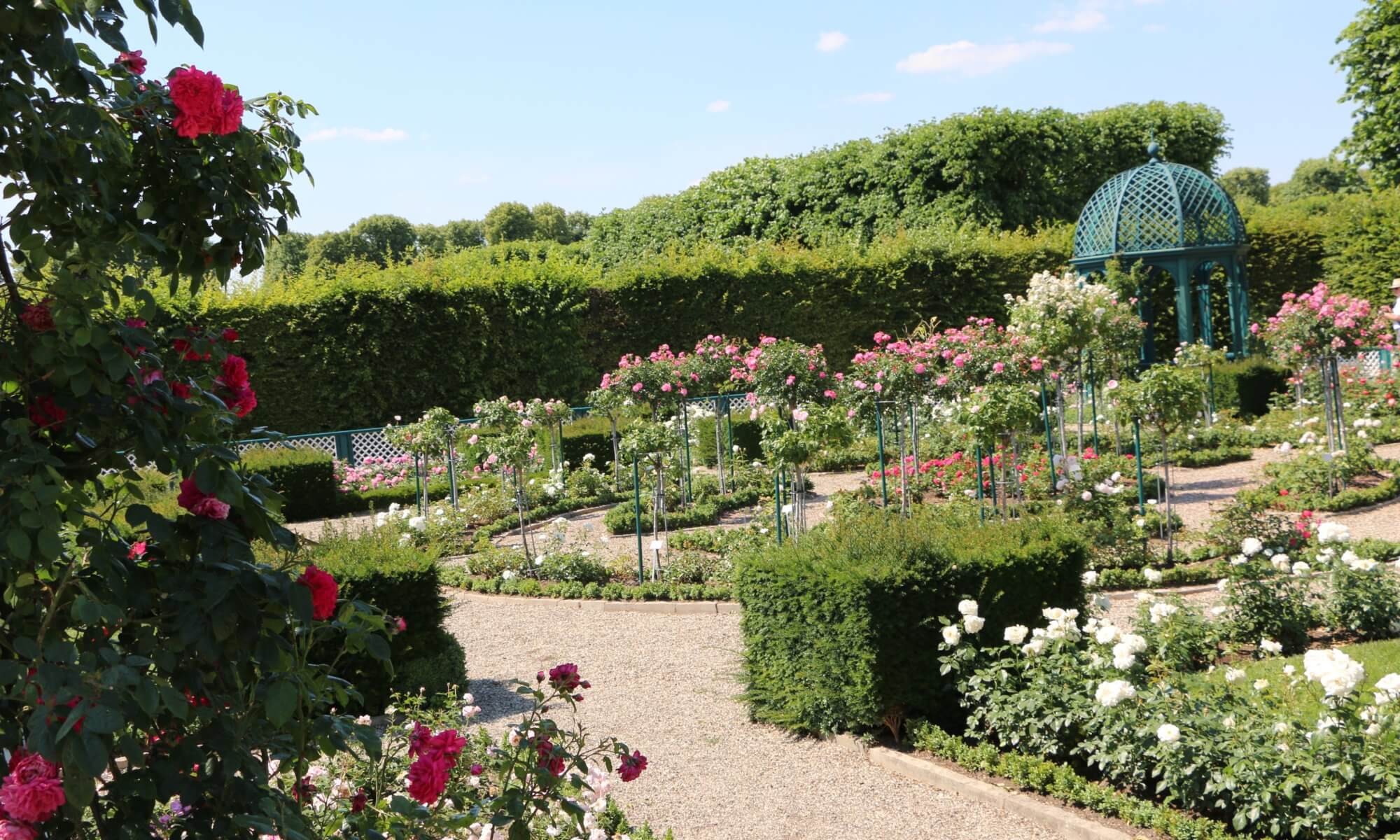
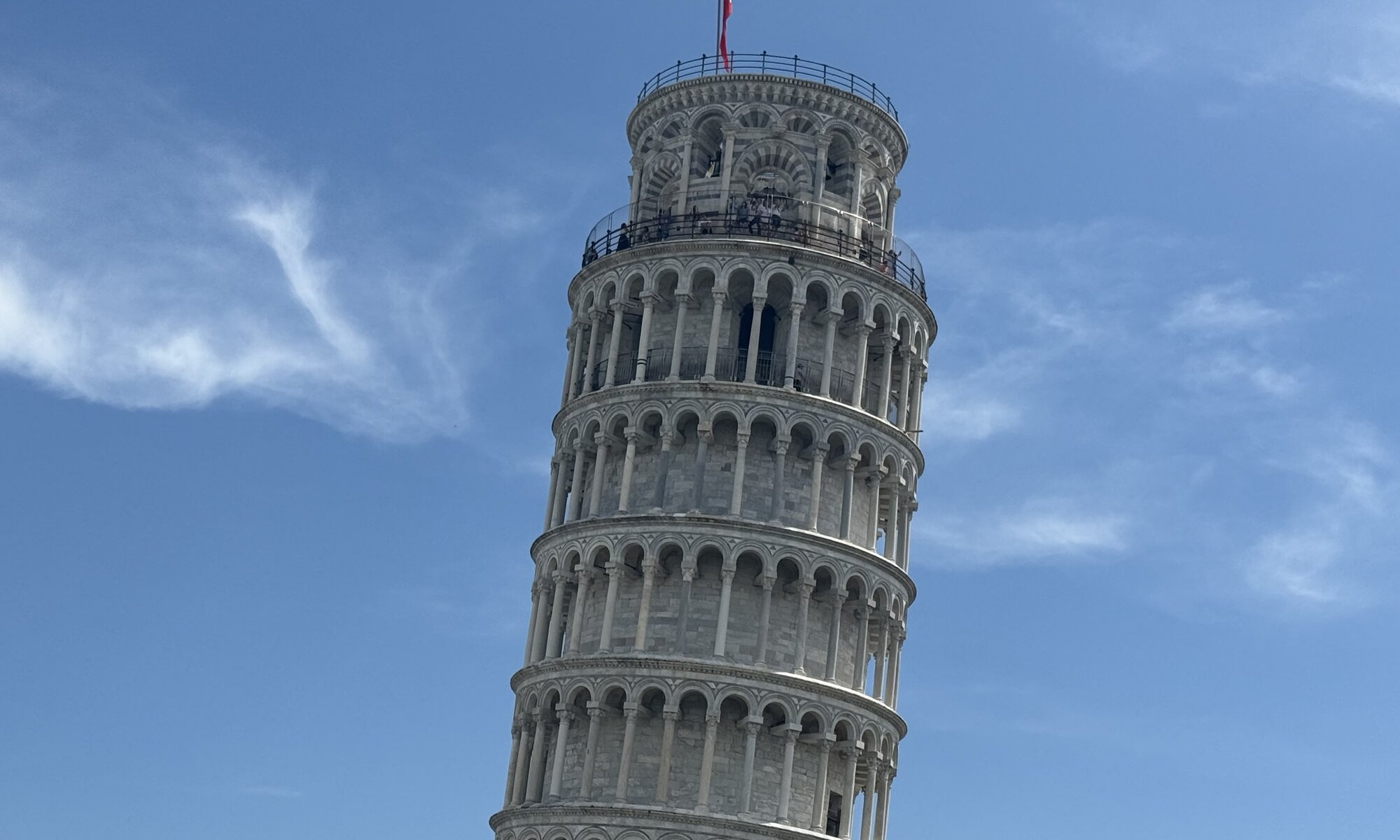
Our journey did not begin in Italy, at least not in spirit. It was meant to take us far beyond Europe, across continents, towards Sri Lanka via India – a trip we had carefully planned and eagerly anticipated. Yet, as so often happens in travel, events beyond our control intervened. Air India abruptly cancelled our return flight to Europe, citing kerosene shortages and price surges linked to escalating geopolitical tensions following Donald Trump’s confrontation with Iran. The airline’s decision was shrewd: by cancelling only the return leg into the EU, they avoided compensation obligations, while effectively forcing us to abandon the entire itinerary.
As if that were not enough, another complication surfaced closer to home. In what can only be described as a spectacular failure, Booking.com appeared to have lost not only my personal data but also crucial reservation details – without any notification. The consequences followed swiftly: a highly convincing phishing attack exploited this gap, leading to a blocked credit card just a week before departure. Under normal circumstances, this would be a manageable inconvenience. But with time running out, the replacement card failed to arrive in time.
This created a rather specific logistical problem. Travelling across Europe without a credit card is inconvenient but manageable – until you attempt to hire a car. Most rental agencies require a physical card, and no workaround or digital alternative would suffice. Faced with the combined collapse of our long-haul plans and practical limitations on payment, we had little choice but to rethink the entire journey from scratch.
And so, almost reluctantly at first, we turned our attention to Italy. What began under distinctly unlucky circumstances evolved into something altogether different: a deeply rewarding exploration of southern Tuscany and South Tyrol, done by train. In hindsight, this unexpected detour did not feel like a compromise at all, but rather like a rediscovery of how much richness, variety, and quiet beauty can be found much closer to home.
Toscana
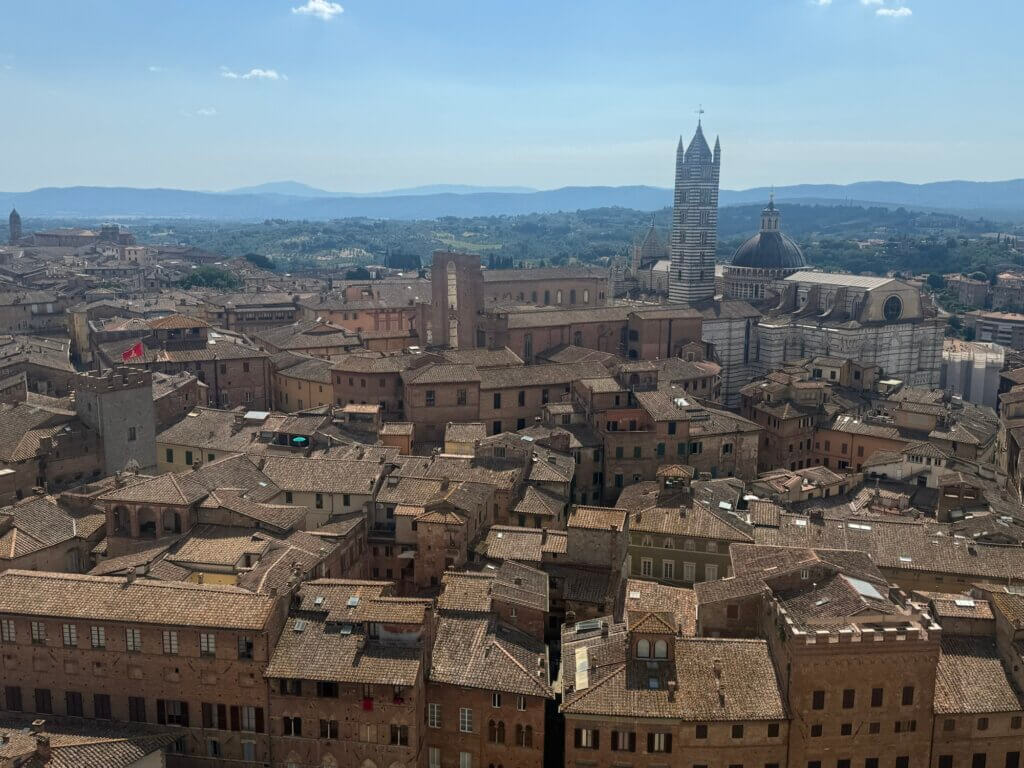
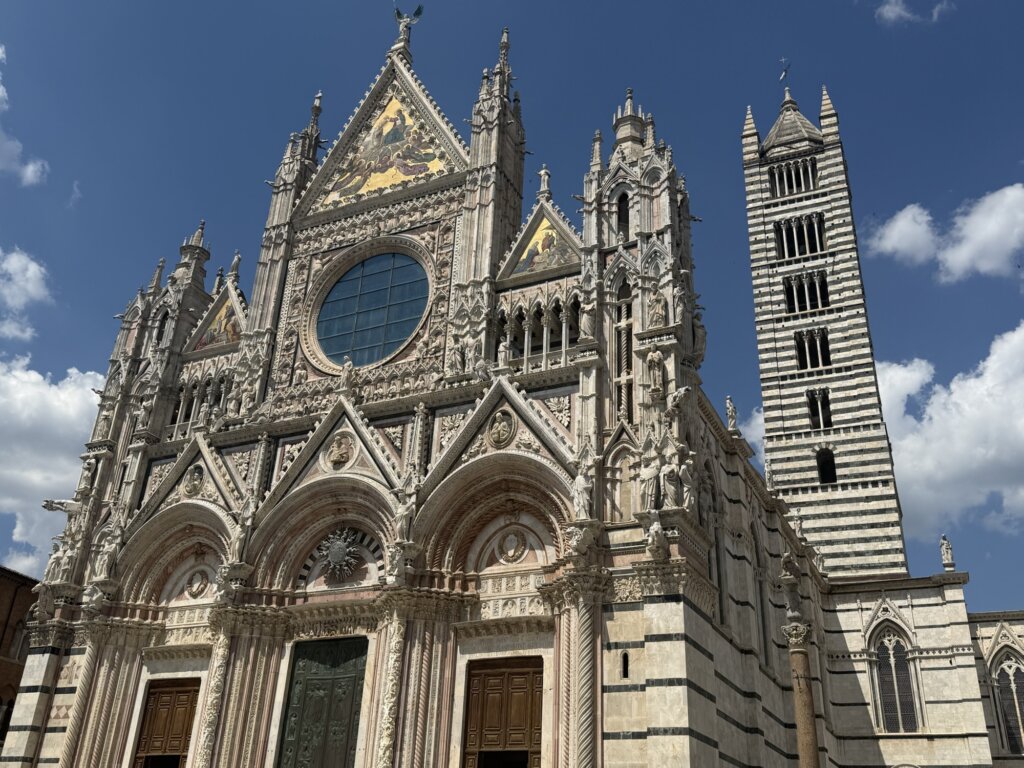
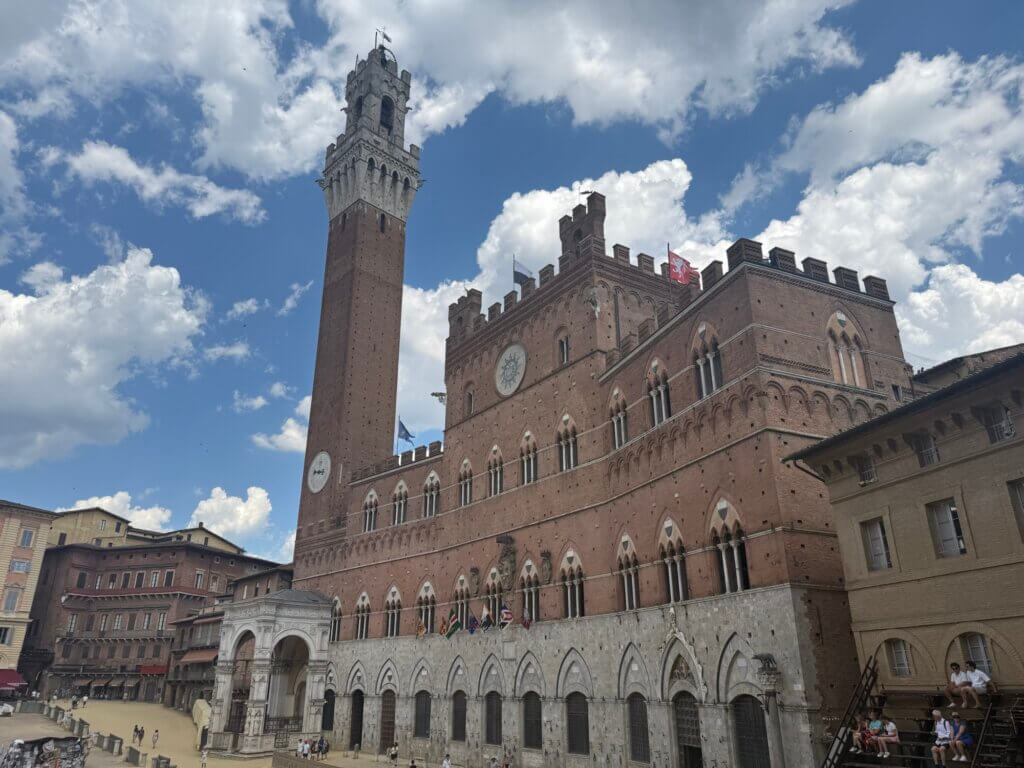
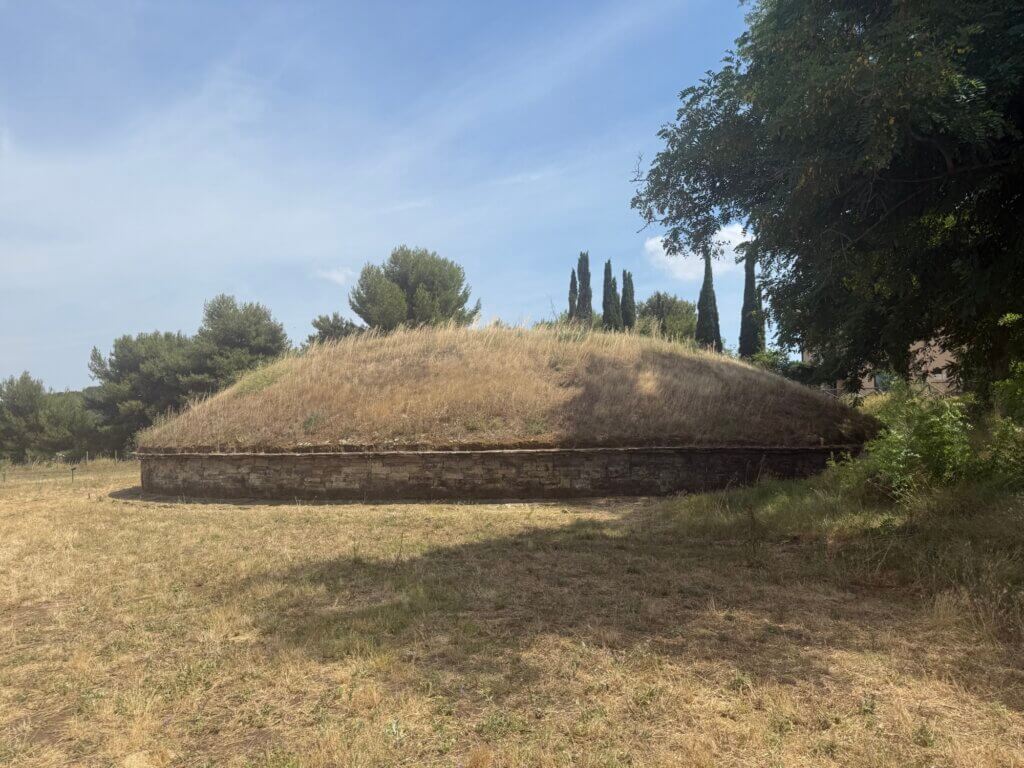
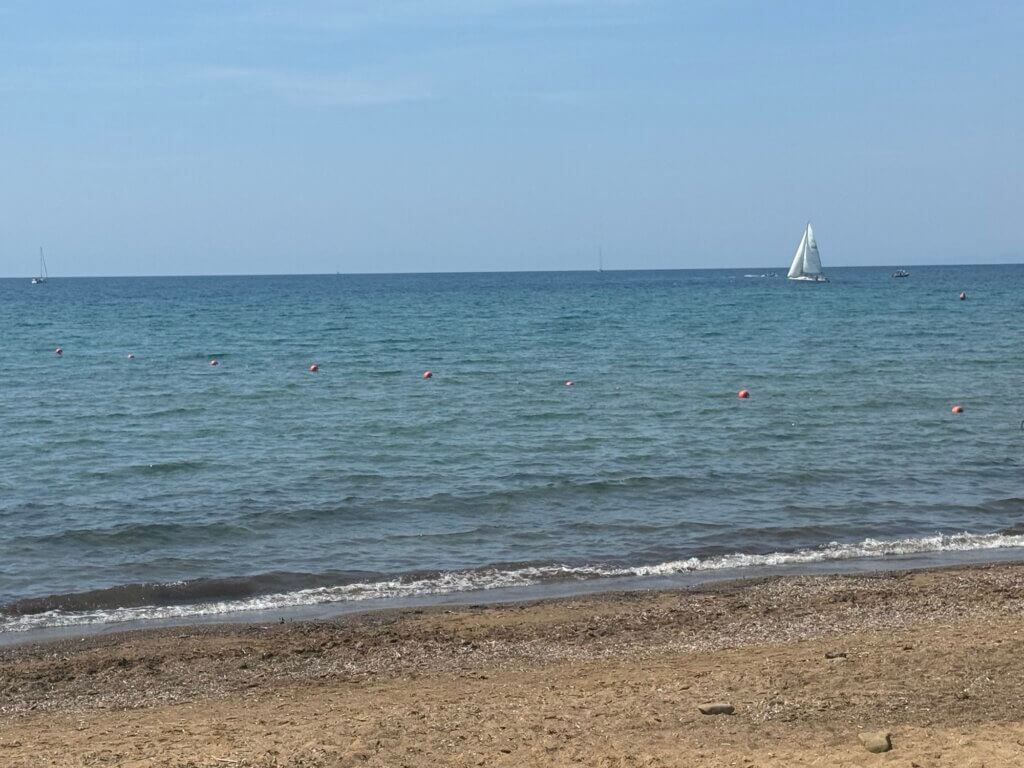
Tuscany has a way of drawing people in with its combination of rolling countryside, Renaissance heritage, and an atmosphere that feels both timeless and refined. Visitors are often captivated by the region’s balance of culture and landscape: cypress-lined roads, vineyards stretching across gentle hills, and historic towns that seem untouched by the modern rush. It is not only about famous landmarks, but also about the slower rhythm of life, the food, and the sense of history embedded in every village square.
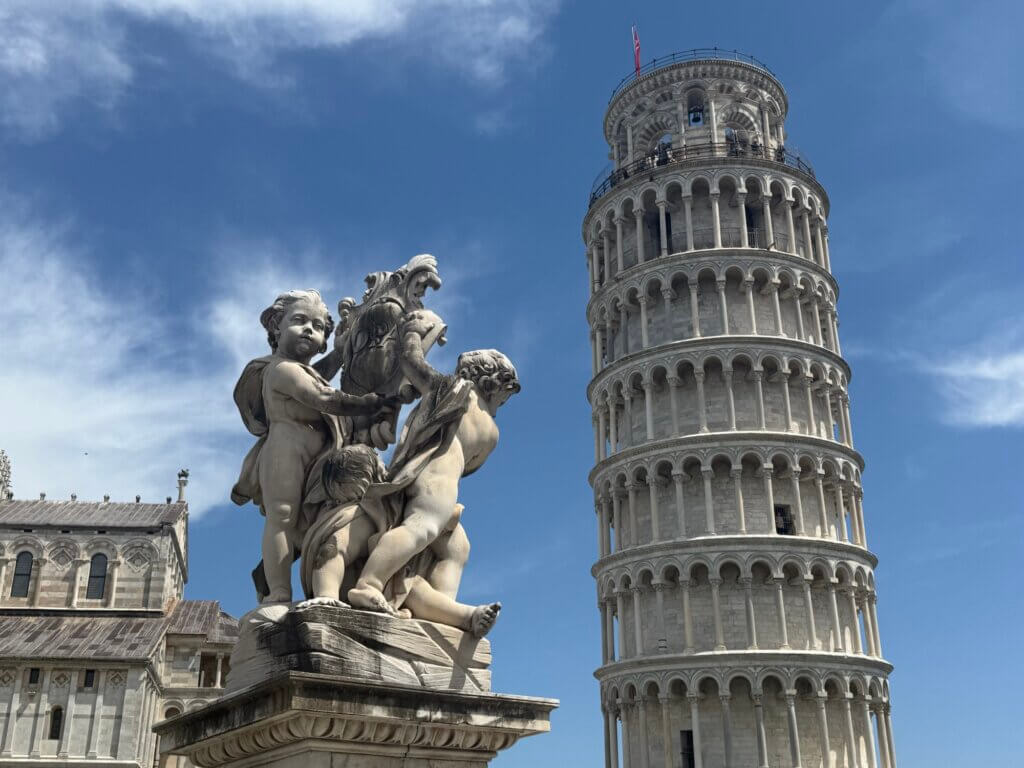
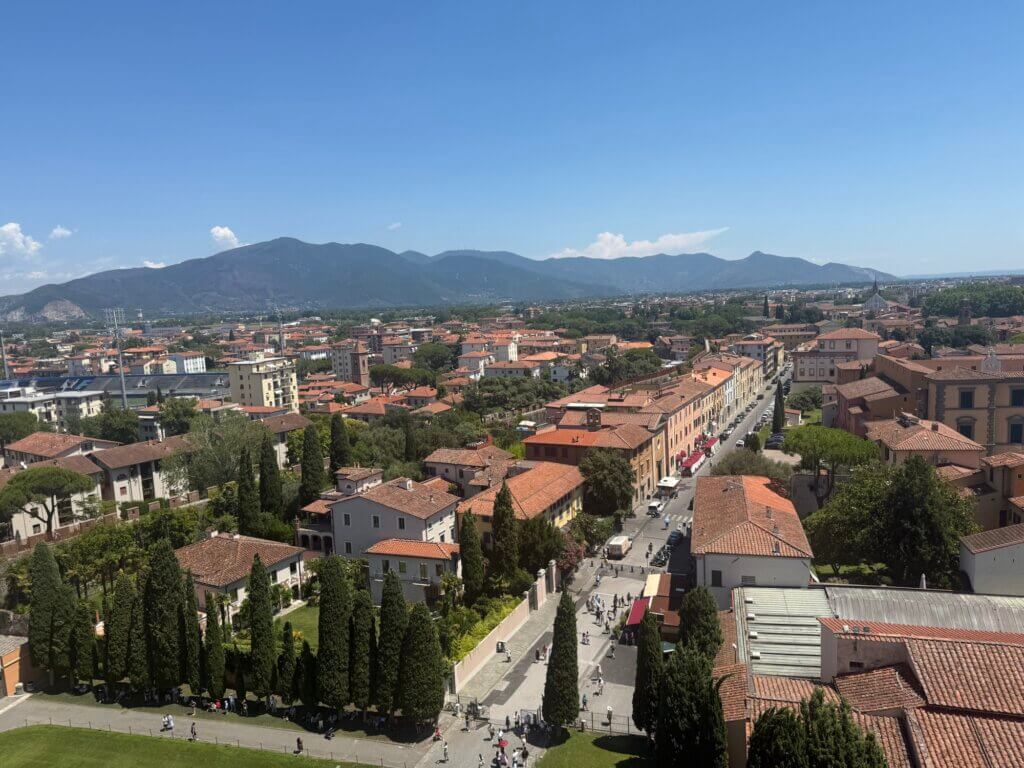
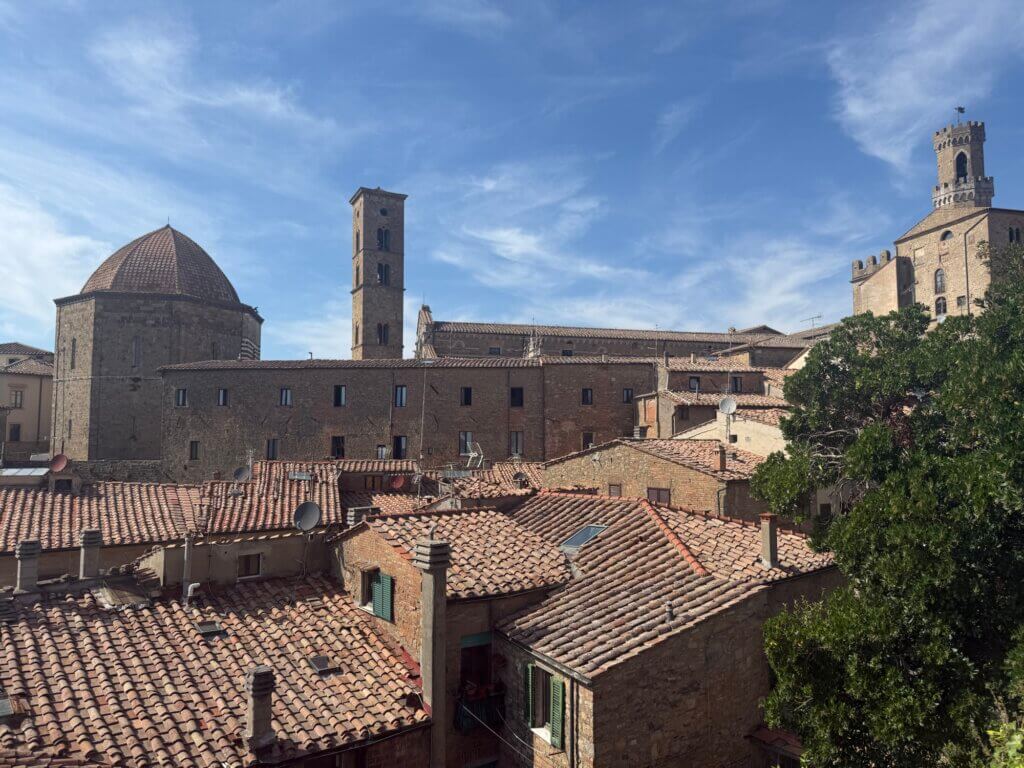
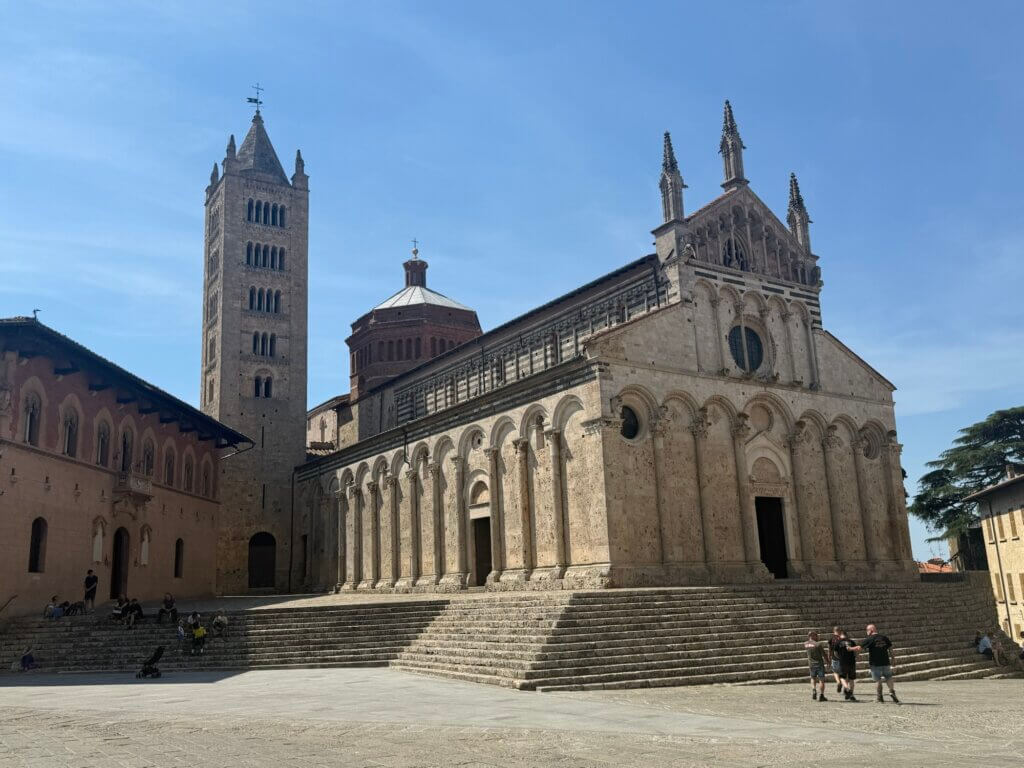
Among the highlights, Pisa offers far more than its iconic leaning tower, with a remarkable cathedral complex and a lively university town atmosphere. Siena stands out with its medieval character and the impressive Piazza del Campo, where the Palio horse race captures centuries-old traditions. Volterra, perched on a hilltop, provides a quieter and more authentic feel, known for its Etruscan roots and striking views over the surrounding landscape. San Gimignano, with its distinctive medieval towers, creates a skyline unlike anywhere else in Italy and feels almost like an open-air museum.
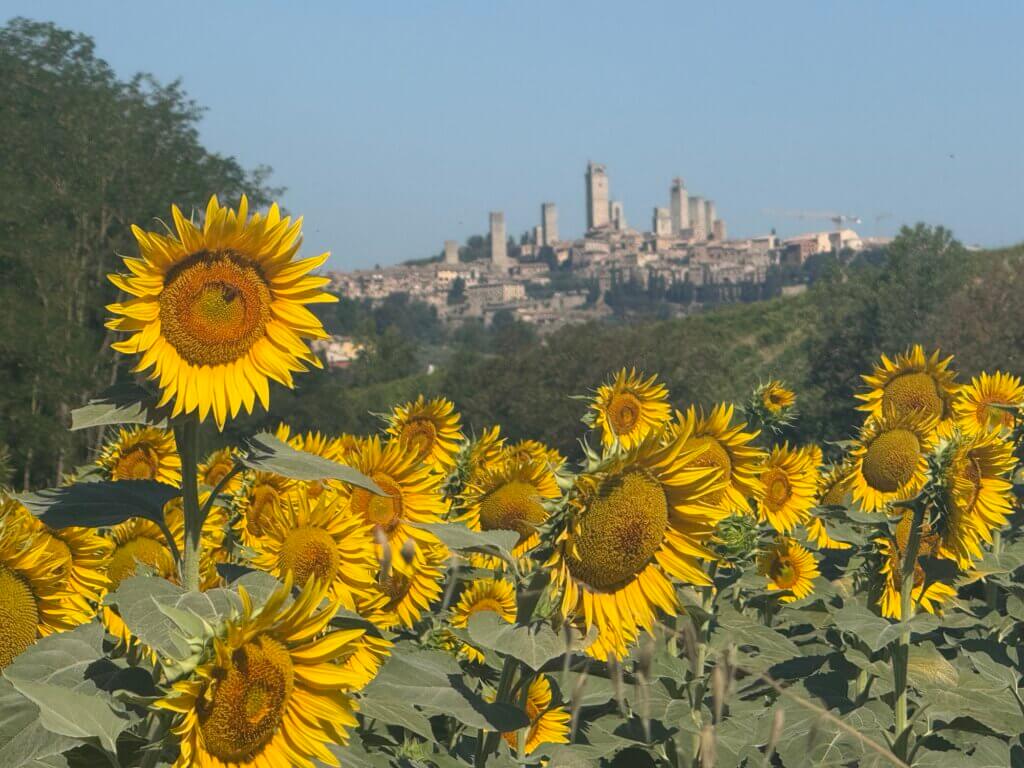
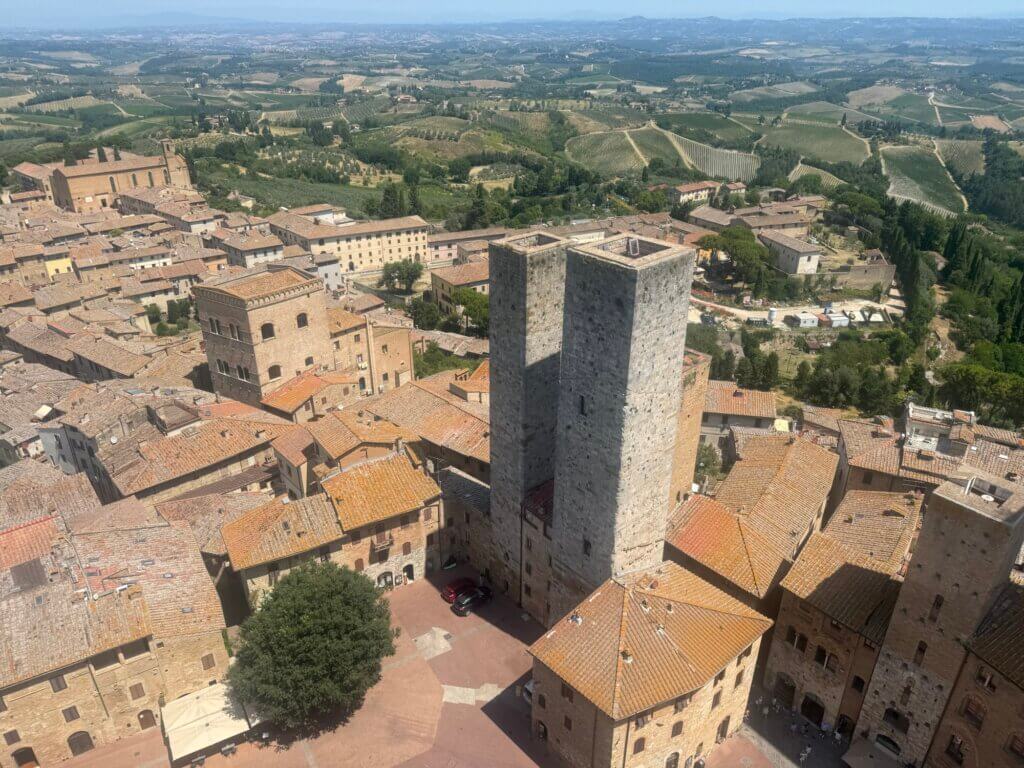
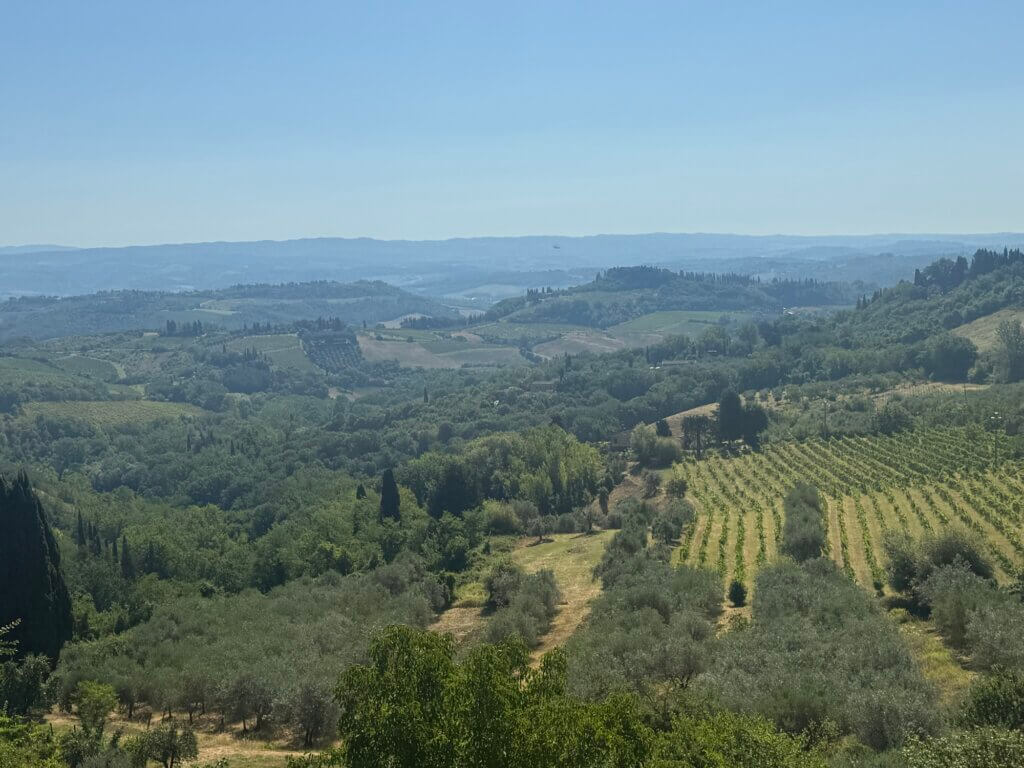
We stayed at an away home near Monteriggioni, a beautifully preserved walled village that offered a peaceful base for exploring the region. From there, it was easy to reach the major towns while still enjoying the tranquillity of the countryside in the evenings. The location allowed for a more relaxed pace, combining day trips with time to appreciate the scenery, local cuisine, and the understated charm that makes Tuscany such a memorable destination.
Alto Adige
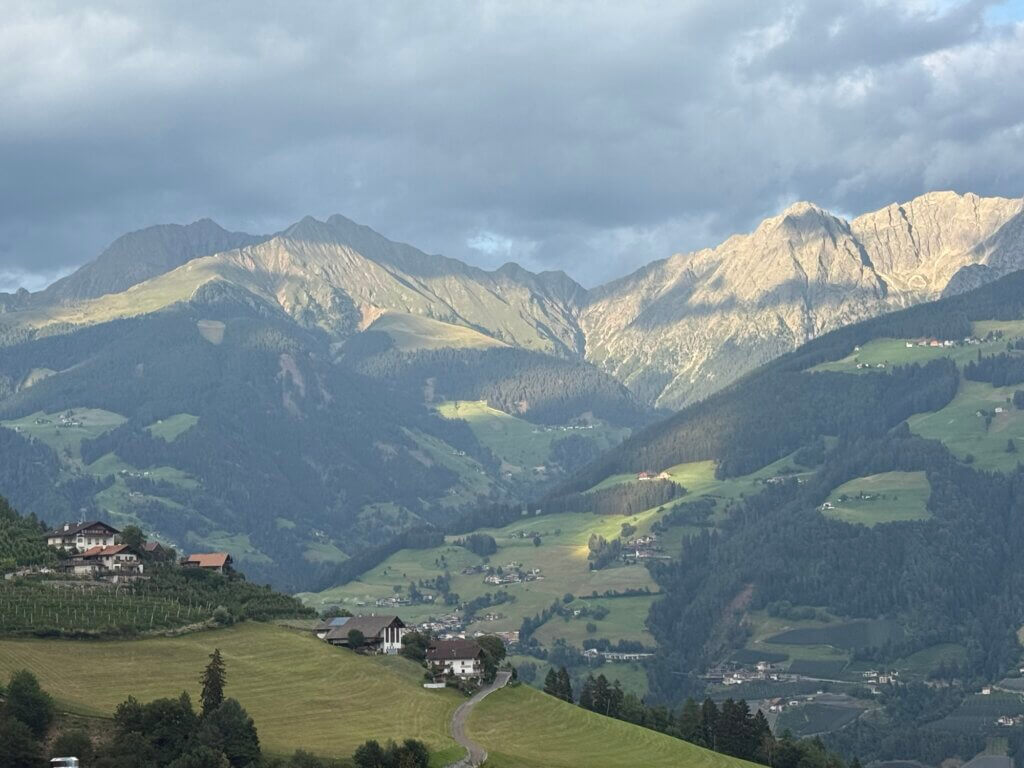
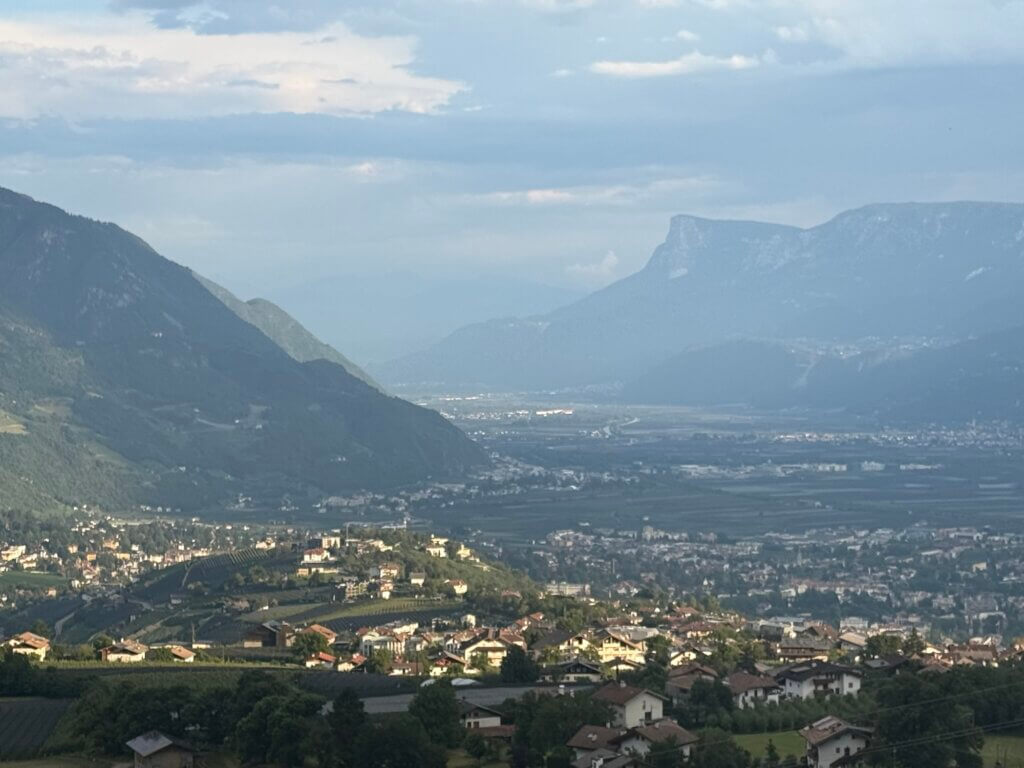
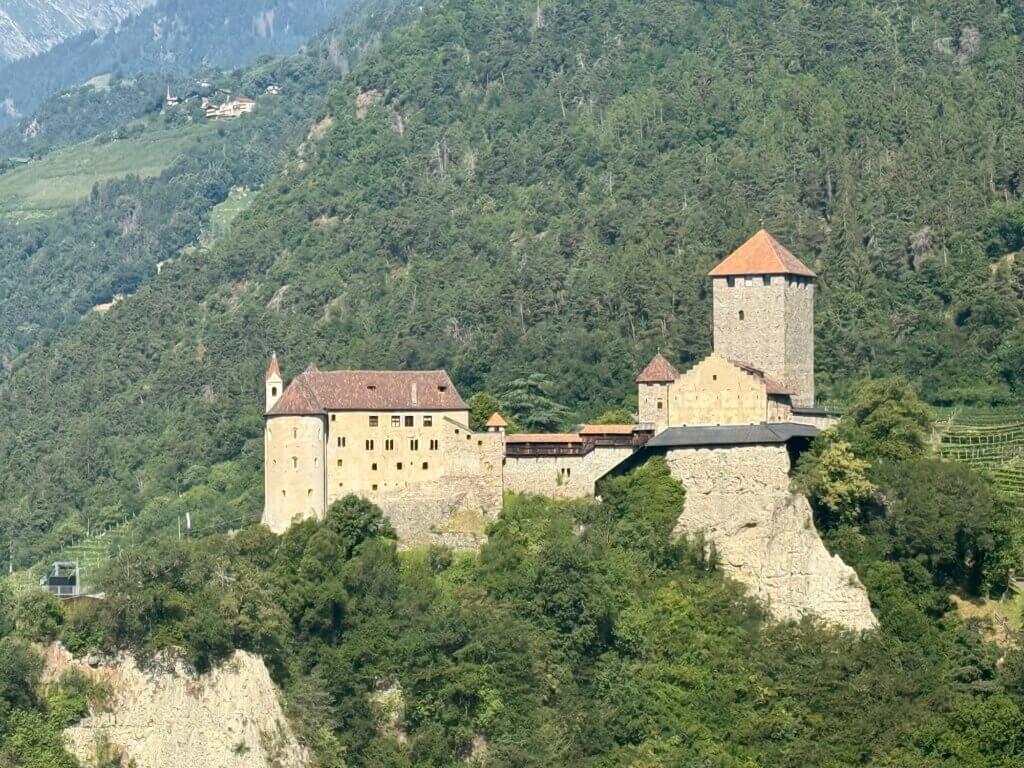
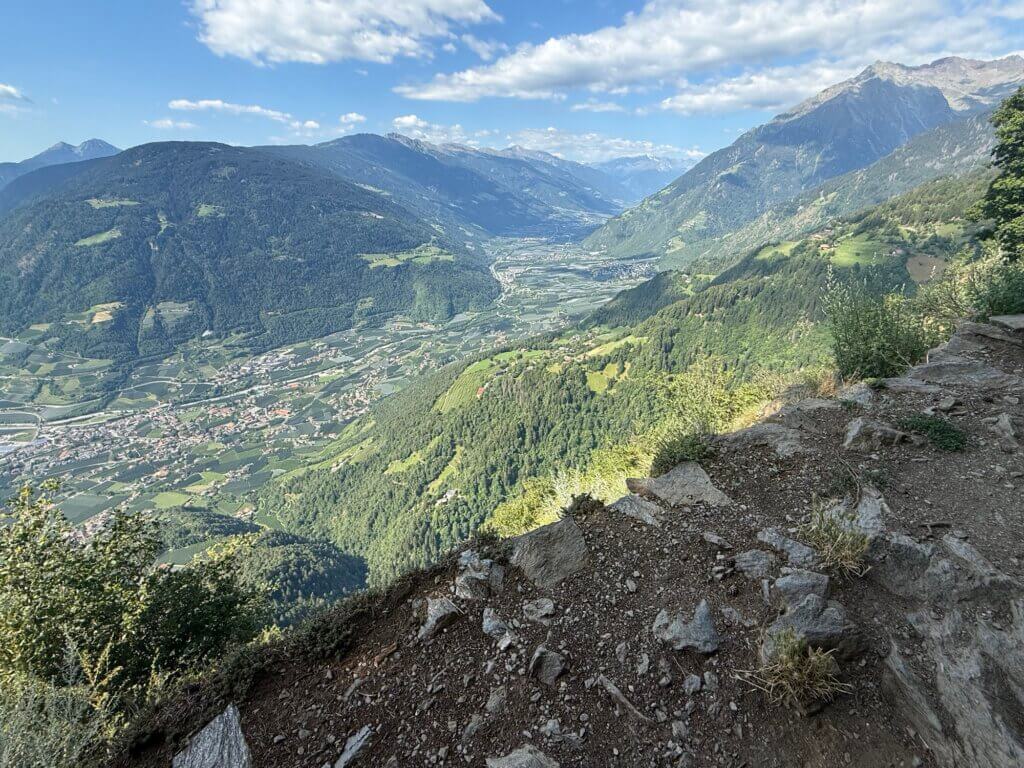
South Tyrol is one of those places that draws people in with a rare mix of Alpine drama and Italian ease. Travellers go there for the mountains, the walking, the skiing, the vineyards, the food, and the strong local character, with the Dolomites providing the most striking scenery. It also appeals because it feels both culturally distinct and beautifully kept, with towns, valleys, and panoramas that suit relaxed holidays as much as active ones.
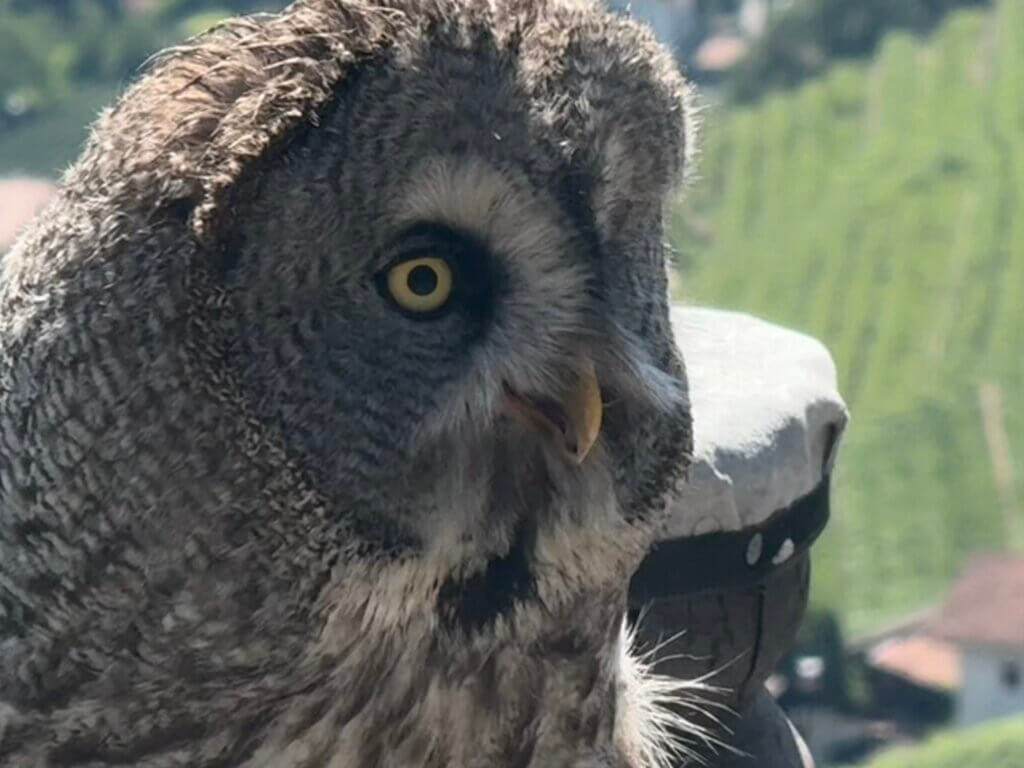
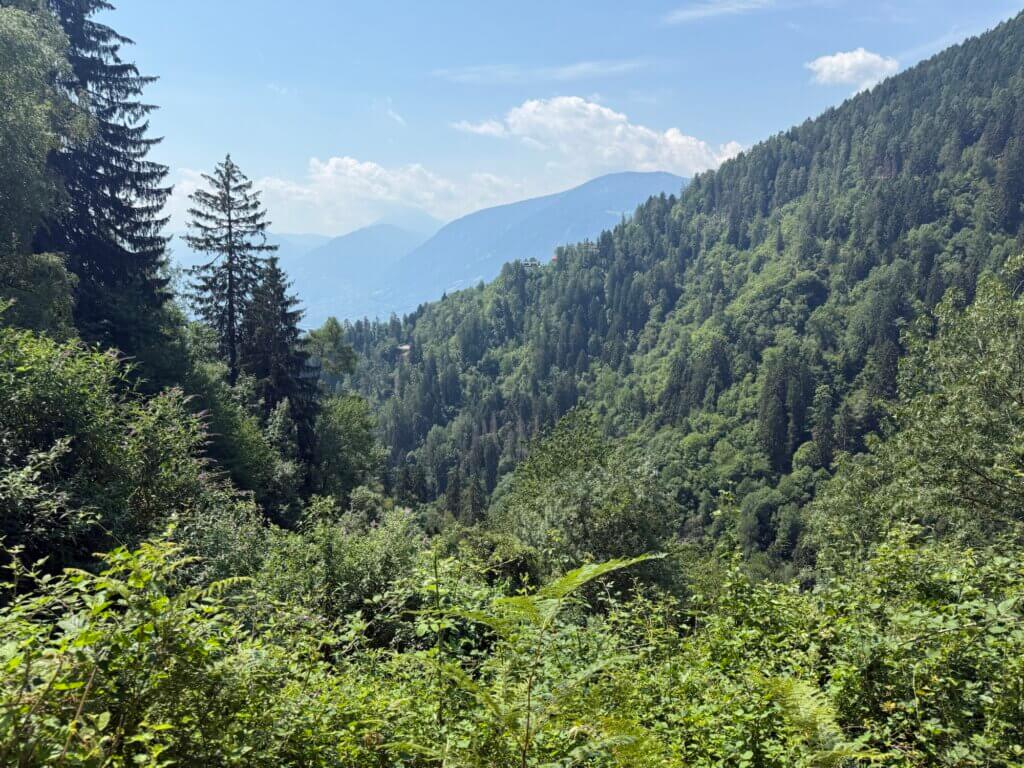
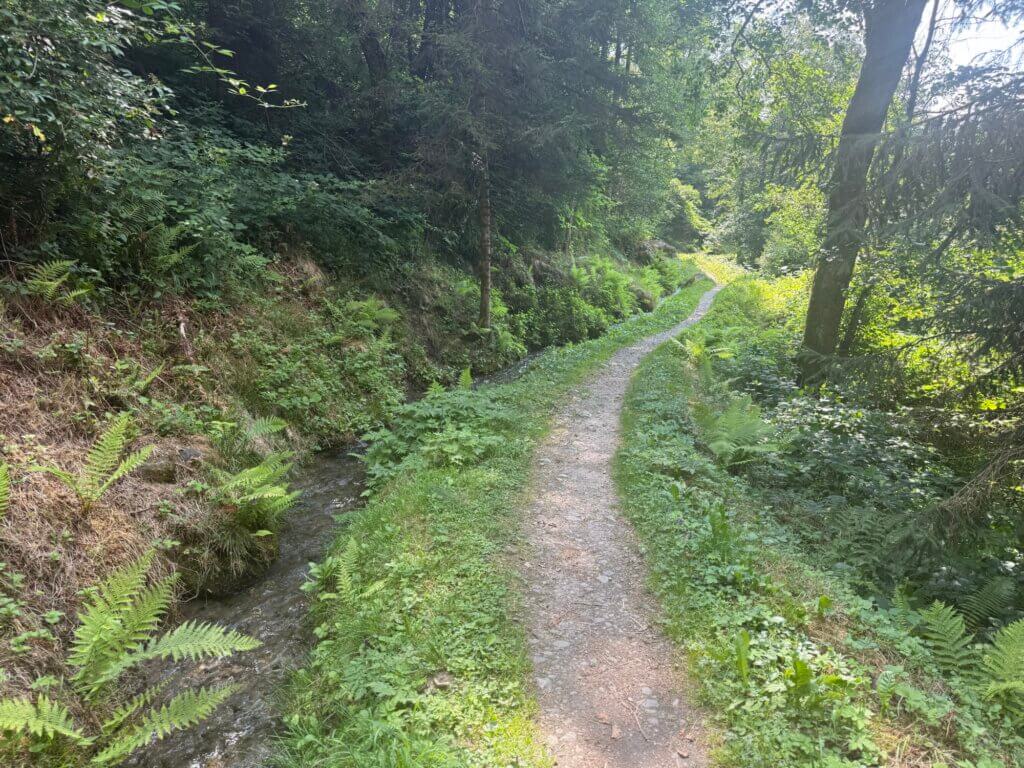
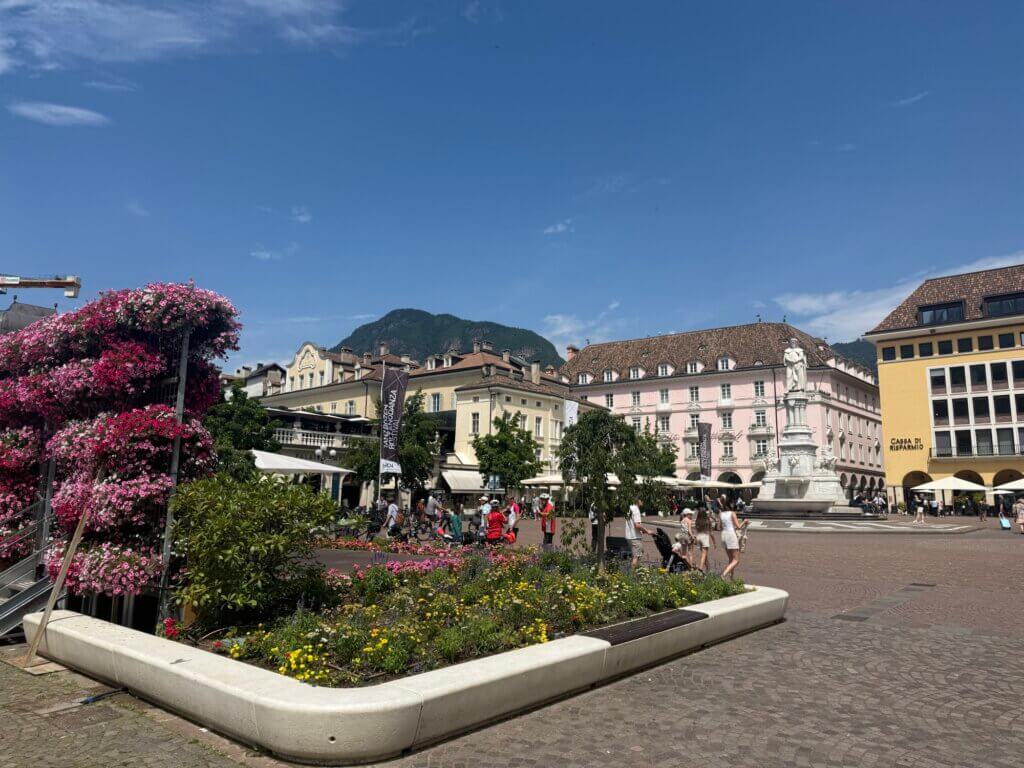
Merano is especially appealing for its elegant atmosphere, gardens, promenades, and spa culture, while Bolzano gives the region a lively urban centre with history, cafés, and museums. In between, you see apple orchards, vineyards, mountain roads, and picture-postcard villages that make the whole region feel varied rather than just scenic. South Tyrol rewards both short stops and longer stays because there is always another valley, lake, or viewpoint to explore.
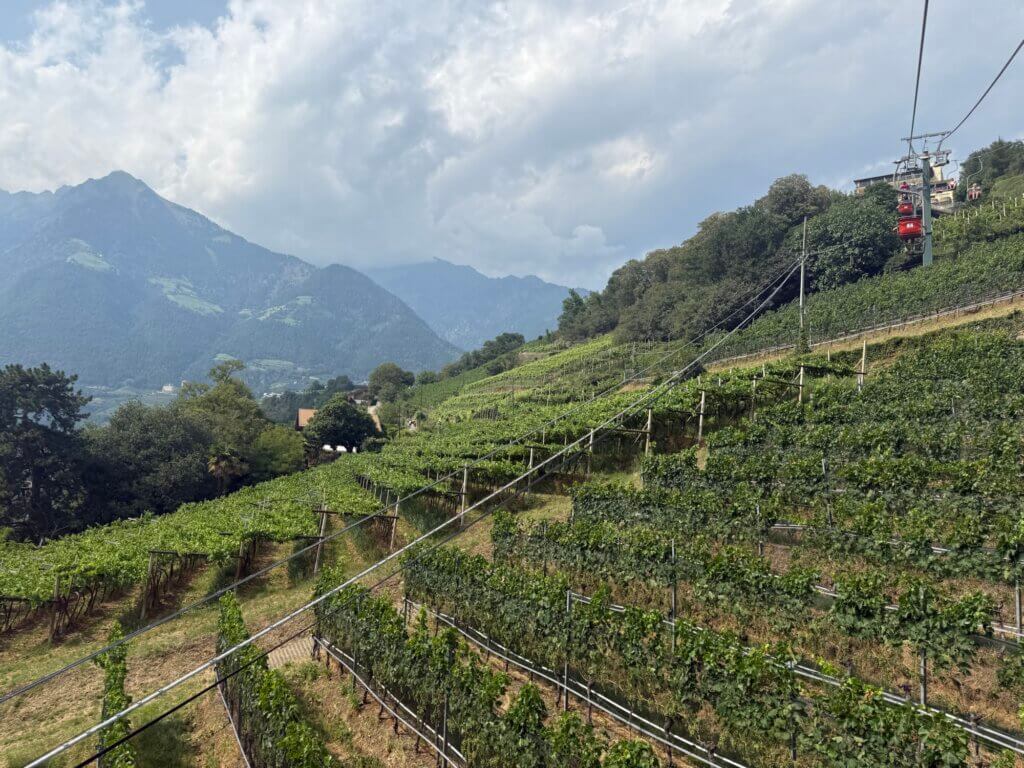
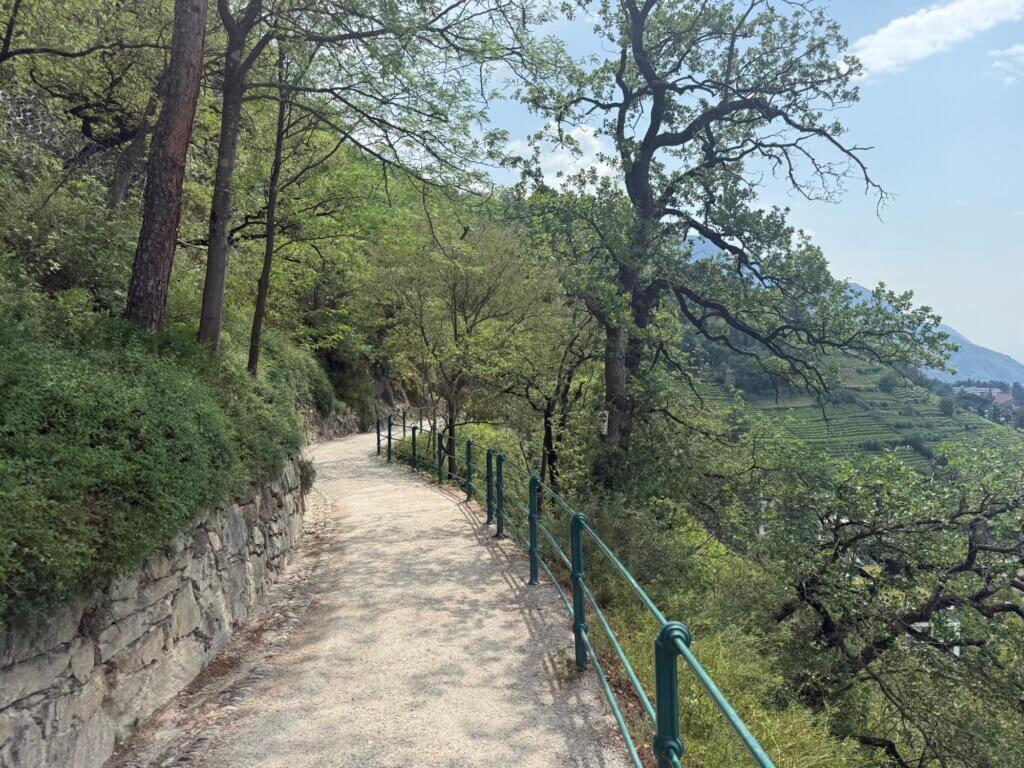
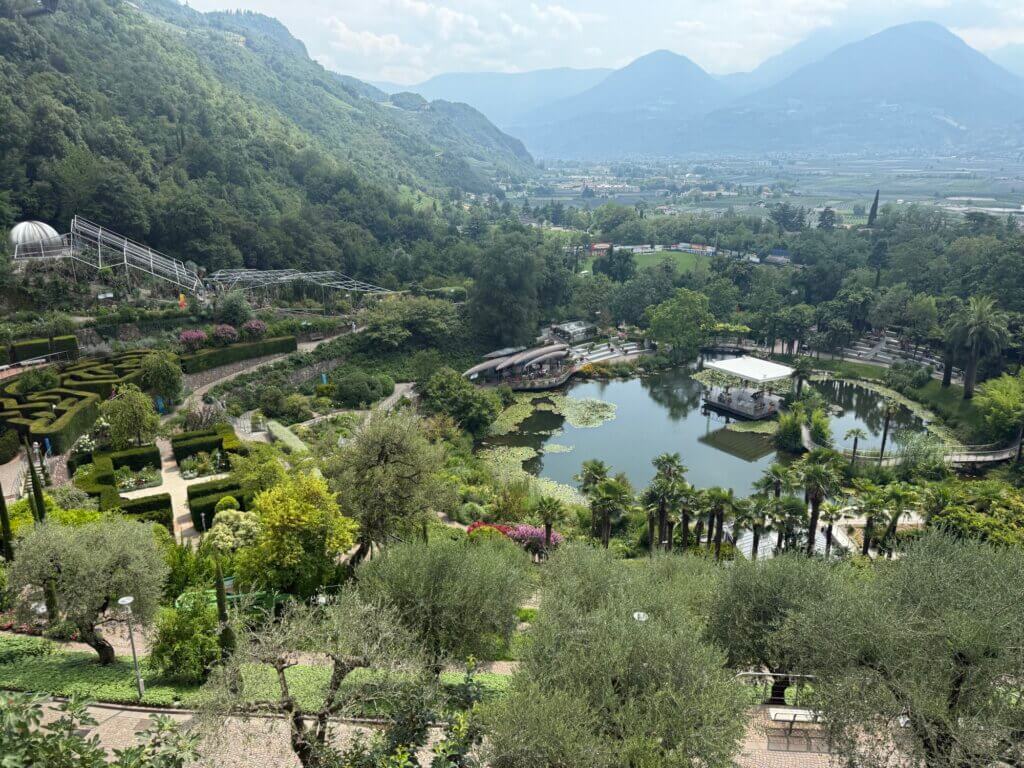
We stayed at an away home in Dorf Tirol above Merano, a place my parents used to go to with my brother and me almost every year during my childhood. I was travelling with a friend whose parents had done exactly the same back then, so it felt like we were both returning to a landscape that had already been part of our family stories. That added a very personal layer to the trip, because South Tyrol was not just somewhere beautiful, but somewhere with memory, routine, and a sense of coming back.
Tuscany / South Tyrol
Italy
Loading map...
